
镍电池

Search documents
关键矿产博弈升级!印尼宁肯得罪美国,也要与中国做生意
Sou Hu Cai Jing· 2025-12-13 05:17
Group 1 - Indonesia recently rejected a key mineral agreement proposed by the United States, which contained "poison pill clauses" aimed at excluding certain countries, specifically targeting China [2][4] - The rejection reflects Indonesia's confidence, which is largely supported by its strong economic ties with China, including over $15 billion in investments from Chinese companies in the metal smelting and processing sectors [5][7] - Indonesia's industrialization process is heavily reliant on Chinese collaboration, as seen in projects like the Jakarta-Bandung high-speed railway, marking a pragmatic choice based on national interests rather than a clear alignment with either superpower [9][11] Group 2 - The collaboration between China and Indonesia is characterized as mutually beneficial, with significant investments such as a $5.9 billion nickel battery project expected to create 35,000 jobs and contribute $42 billion to Indonesia's GDP annually [11][13] - The partnership extends beyond resource sectors into green energy and digital economy, aligning with Indonesia's goal of achieving net-zero emissions by 2060 [13][14] - The trend of countries like Malaysia and Indonesia prioritizing self-development over alignment with major powers indicates a shift away from traditional geopolitical dynamics, emphasizing the importance of independent economic growth [21][23]

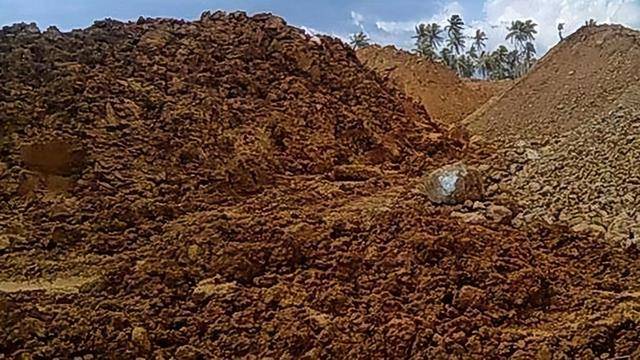
LME WEEK:麦格理预计镍市供过于求态势或将持续至2030年
Wen Hua Cai Jing· 2025-10-16 06:52
Core Viewpoint - The global nickel market is expected to remain oversupplied until 2030, driven by a surge in supply from Indonesia and other major producers [1][2] Supply Dynamics - Indonesia's nickel production has increased from 30% of global supply five years ago to 70% currently, with no signs of slowing down [1] - Macquarie forecasts that Indonesia's nickel supply will grow by approximately 16% this year and next, extending into non-nickel pig iron products [1] - Indonesia's nickel production is projected to reach 2.4 to 2.5 million tons this year, with potential capacity increasing to 4 million tons by 2030 [1] - The government of Indonesia is tightening regulations on nickel mining, reviewing environmental permits, and has already seized some mining assets [1][2] Market Conditions - Despite a reduction of 500,000 tons in nickel supply from other regions since 2022, global supply is still expected to grow [2] - Nickel prices have fallen to a low point, with the London Metal Exchange price hitting $15,000 per ton, and many industry players facing negative cash flow at this price [2] - The demand for nickel is shifting towards traditional stainless steel applications as battery usage slows down [2][3] Demand Insights - The stainless steel industry accounts for approximately 65% of nickel demand, showing strong growth due to cheaper nickel prices [4] - In Europe and North America, the impact on the global primary nickel market is limited, with their share being less than 10% [4] - About 55%-60% of nickel production in Europe and North America uses recycled materials, compared to only 15% in China and Indonesia [4]
印尼推动电动汽车生产中使用镍电池
Wen Hua Cai Jing· 2025-08-06 10:11
Core Viewpoint - The Indonesian Ministry of State-Owned Enterprises is advocating for regulations to encourage local electric vehicle manufacturers to transition from lithium batteries to nickel batteries [1] Group 1: Regulatory Initiatives - The Ministry is working on regulations aimed at facilitating the shift from lithium to nickel batteries for electric vehicle manufacturers in Indonesia [1] - The Ministry seeks incentives from other departments to support this transition [1] Group 2: Market Demand and Supply Chain - Global battery demand is projected to reach 8,800 GWh by 2040, highlighting the importance of supply chains in meeting this demand [1] - Indonesia has the opportunity to leverage this demand by ensuring raw material supply, improving supply chain efficiency, and establishing strategic partnerships [1]