陆军战术导弹系统

Search documents
打了整四年 伤亡超百万
Xin Lang Cai Jing· 2026-02-24 18:21
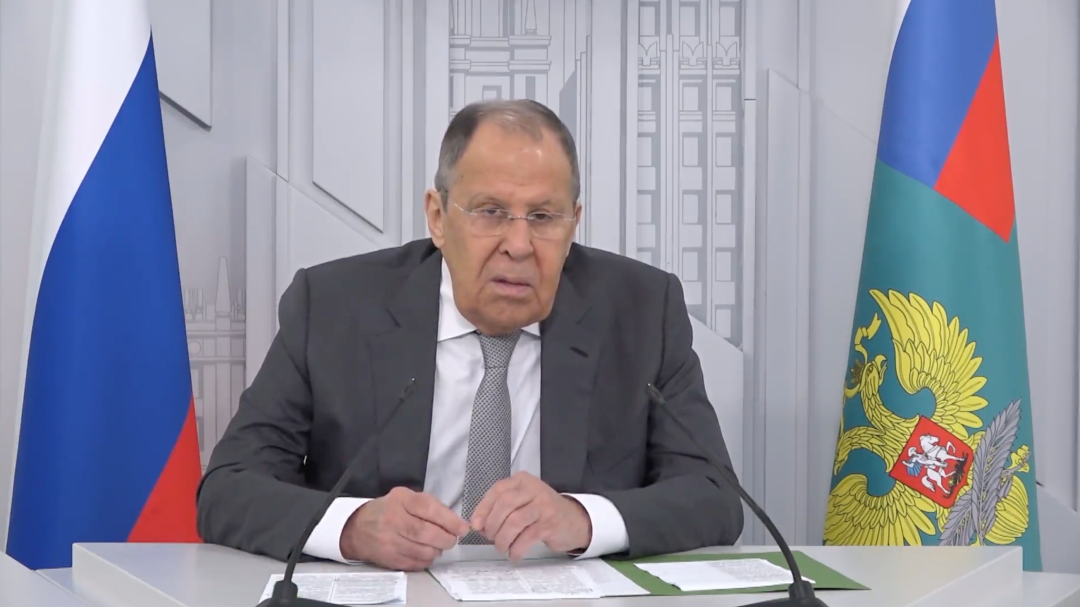
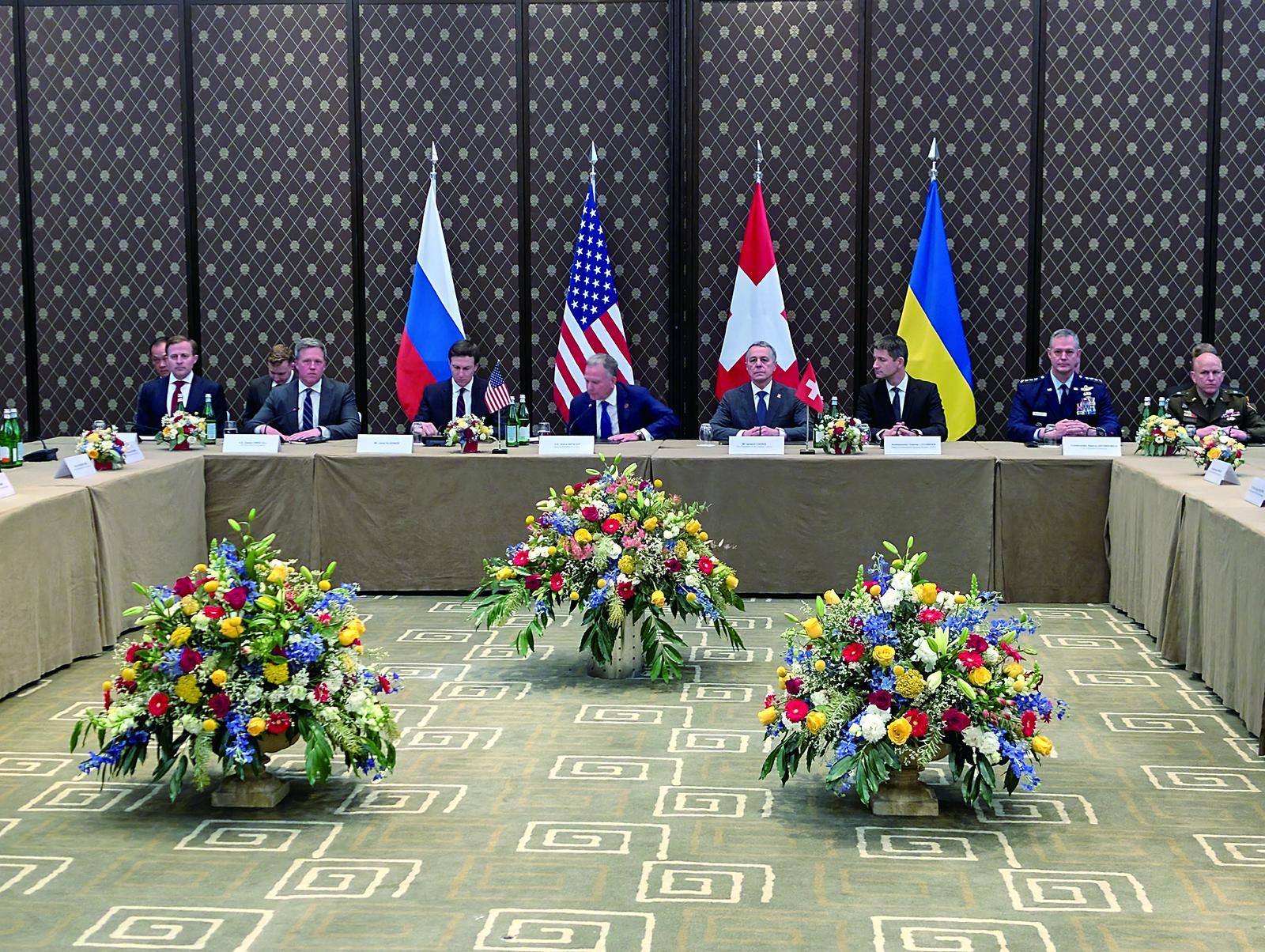
2月17日在瑞士日内瓦举行的俄美乌首日会谈现场 新华社/路透 . F l . GHEN IE RE r TH a H THE WALL 猫 u I UPL t 15 5 6 3 m II II 取电影 ll be 门 11 电 U II TEAT II THE IT II ur t Red Gall ULTURE 国家 ■ I TAILLET 四川 YOURNU 12 12 12 IC B 远程武器——陆军战术导弹系统 美国提供的 在"日益被国际舆论淡忘"的背景下,俄乌冲突已经走过了4整年。4年前的2月24日,俄罗斯对乌克兰发动"特别军事行动"。乌军总参谋部近日称,俄军在过 去4年的冲突中伤亡超过120万人。俄国防部则表示,乌军的损失已达150万人。如果双方提供的数字与实际相符,这将是第二次世界大战结束80年来人类伤 亡最大的武装冲突。 4年战事僵局之后,终于出现一点和平的曙光:俄乌新一轮高级别和平谈判即将举行。俄罗斯国际事务委员会前总干事安德烈·科尔图诺夫表示,这确实意味 着冲突升级4年来最大的希望之一。2月23日,在乌克兰危机全面升级4周年的前夜,科尔图诺夫接受了记者专访。 "没有人想表现出软弱和灵活" ...

天价军购帮不了赖当局“以武谋独”
Xin Lang Cai Jing· 2025-12-22 06:58
Core Viewpoint - The U.S. Department of Defense has announced a $11.1 billion arms sale to Taiwan, which is seen as a significant escalation in Taiwan's military capabilities and reflects the ambitions of the pro-independence Taiwanese authorities [1][2]. Group 1: Arms Sale Details - The arms sale is described as the largest single arms transaction to Taiwan in U.S. history, including advanced weaponry such as 82 High Mobility Artillery Rocket Systems (HIMARS), 420 Army Tactical Missile Systems, and 60 Paladin self-propelled howitzers, among others [2]. - The inclusion of offensive weapon systems indicates a shift from purely defensive capabilities, posing a substantial threat to regional stability [2][3]. Group 2: Political Implications - The arms sale signals an unprecedented risk-taking by pro-independence forces in Taiwan, as it aligns with their military strategies aimed at enhancing offensive capabilities [2][3]. - The Taiwanese authorities are increasingly integrating into the U.S. military's global operational network, which raises concerns about the deepening control of U.S. military strategies over Taiwan [2][3]. Group 3: Economic and Social Impact - The financial burden of the arms purchase, equivalent to over 340 billion New Taiwan Dollars, diverts funds from essential public services such as economic development, healthcare, and education, exacerbating social issues in Taiwan [4]. - The Taiwanese government is projected to face a tax revenue shortfall of 30 to 50 billion New Taiwan Dollars by 2025, further straining public welfare due to high defense spending [4]. Group 4: Future Risks - The ongoing militarization and the promotion of a "war readiness" narrative by the Taiwanese authorities could lead to increased societal fear and tension, undermining public confidence in peace and stability across the Taiwan Strait [4][5]. - The aggressive stance of the pro-independence leadership is likely to provoke further crises, jeopardizing the fundamental interests of the Taiwanese populace [5].
陈桂清:天价军购帮不了赖当局“以武谋独”
Huan Qiu Wang· 2025-12-21 22:51
Core Viewpoint - The U.S. Department of Defense has announced a $11.1 billion arms sale to Taiwan, which is seen as a significant escalation in Taiwan's military capabilities and reflects the ambitions of the pro-independence Taiwanese authorities [1][2]. Group 1: Arms Sale Details - The arms sale is described as the largest single arms transaction to Taiwan in U.S. history, including advanced weaponry such as 82 High Mobility Artillery Rocket Systems (HIMARS), 420 Army Tactical Missile Systems, and 60 Paladin self-propelled howitzers [2]. - The inclusion of offensive weapon systems indicates a shift from purely defensive capabilities, posing a substantial threat to regional stability [2][3]. Group 2: Political Implications - The arms sale signals an unprecedented risk-taking by pro-independence forces in Taiwan, with the current administration actively pursuing a military strategy to bolster its independence claims [2][3]. - The Taiwanese government is increasingly integrating its military capabilities with U.S. forces, which may lead to deeper control by the U.S. over Taiwan's military operations [2][3]. Group 3: Economic Impact - The $11.1 billion arms purchase could exacerbate Taiwan's economic challenges, diverting funds from essential services such as healthcare and education, and potentially leading to a shortfall in tax revenues [4]. - The financial burden of military spending is expected to strain Taiwan's social welfare systems, raising concerns among the populace about the prioritization of military over civilian needs [4]. Group 4: Societal Consequences - The Taiwanese administration's militaristic rhetoric and actions are fostering a climate of fear and division within society, which may lead to increased public anxiety regarding cross-strait relations [4][5]. - The ongoing military buildup and the promotion of a "defense-first" narrative are seen as detrimental to the long-term interests of the Taiwanese people, potentially leading to greater instability [5].
超110亿美元!特朗普为何推出史上最高金额对台军售?
Bei Jing Ri Bao Ke Hu Duan· 2025-12-19 23:39
Core Viewpoint - The U.S. State Department approved a record arms sale to Taiwan worth up to $11.1054 billion, marking the highest single arms sale since the Taiwan Relations Act in 1979, reflecting a significant shift in U.S. military support for Taiwan under the Trump administration [1][4]. Group 1: Scale and Frequency of Arms Sales - The recent arms sale is unprecedented in scale, surpassing the previous record of $6.4 billion set in 2010 during the Obama administration [5]. - Under Biden's administration, there have been 19 rounds of arms sales to Taiwan totaling approximately $8.4 billion, with the largest single sale being $1.988 billion in October 2024 [5]. - The current sale of $11.1054 billion is 5.6 times larger than the largest sale during Biden's term and represents 107% of the total arms sales from 2020 to 2024 [5]. Group 2: Nature and Content of Arms Sales - The arms sale includes a mix of defensive and offensive weaponry, indicating a shift from "ambiguous defense" to "clear armament" aimed at enhancing Taiwan's military deterrence capabilities [6][8]. - Key components of the sale include 82 High Mobility Artillery Rocket Systems (HIMARS), 420 Army Tactical Missile Systems, and 60 self-propelled howitzers, which can strike targets hundreds of kilometers away [6]. - The sale also focuses on enhancing Taiwan's anti-armor capabilities with additional orders for Javelin and TOW-2B anti-tank missiles, as well as over $1 billion in anti-armor drones [6][7]. Group 3: Systematic Military Empowerment - The arms sale reflects a systematic shift in U.S. military support for Taiwan, moving from "scattered supplements" to "systemic empowerment" of Taiwan's military capabilities [8]. - The inclusion of Taiwan Tactical Network (TTN) and Tactical Awareness Kit (TAK) aims to enhance real-time battlefield awareness and connectivity among combat units [8]. Group 4: Political and Economic Calculations - The timing of the arms sale is influenced by domestic political needs, economic interests, and regional strategic considerations, particularly as the U.S. midterm elections approach [9][10]. - The arms sales serve as a tool for U.S. administrations to gain political capital and support from conservative voters while benefiting the military-industrial complex [10][12]. Group 5: Strategic Implications - The arms sale is part of a broader strategy to strengthen Taiwan's military capabilities amid escalating U.S.-China tensions, with a clear tilt towards offensive weaponry [14][15]. - The U.S. aims to create a heavily armed "combat fortress" in the Taiwan Strait, which could significantly alter the regional security landscape [15].
美国史上对台单笔最大军售,藏着哪些野心|京酿馆
Xin Jing Bao· 2025-12-19 04:25
Core Viewpoint - The U.S. announced a military sales plan to Taiwan valued at approximately $11 billion, which is seen as a significant violation of the One China principle and detrimental to regional stability [2][3]. Group 1: Military Sales Details - The military sales package includes eight items, such as 82 High Mobility Artillery Rocket Systems (HIMARS) and 420 Army Tactical Missile Systems, totaling over $4 billion [3]. - Additional components include 60 M109A7 self-propelled howitzers, "Altius" suicide drones, military software, Javelin and TOW anti-tank missiles, helicopter parts, and Harpoon missile refurbishment kits, with the total value exceeding $11 billion [3]. - This military sale is the second of its kind during the Trump administration, with the U.S. State Department stating it aligns with U.S. national interests and supports Taiwan's military modernization [3][4]. Group 2: Legislative Context - The U.S. has a legal obligation to assist Taiwan in self-defense under the Taiwan Relations Act, which has been reinforced by recent legislation aimed at increasing military aid to Taiwan [4]. - The U.S. Congress is expected to approve this unprecedented military sale, reflecting a bipartisan consensus on countering China's influence in the region [5][6]. Group 3: Strategic Implications - The military sales are viewed as a strategic move to bolster Taiwan's defense capabilities against perceived threats from mainland China, particularly in the context of the upcoming U.S. midterm elections [6]. - The focus on asymmetric warfare capabilities, such as drones, indicates a shift in Taiwan's military strategy to counterbalance China's growing military strength [6][7]. Group 4: Reactions and Consequences - The announcement has drawn strong condemnation from China, which views it as a serious infringement on its sovereignty and a provocation that undermines peace in the Taiwan Strait [8][9]. - Chinese officials have urged the U.S. to cease its arms sales to Taiwan, emphasizing the detrimental impact on bilateral relations and regional stability [9].
超111亿美元,美国宣布史上最大对台军售,都有些啥?
Guan Cha Zhe Wang· 2025-12-19 03:16
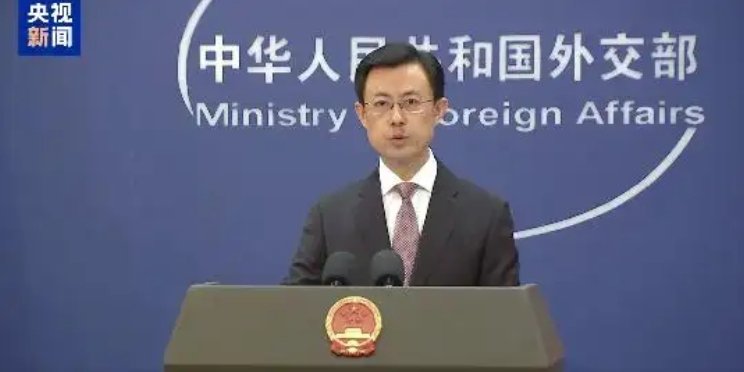
Core Viewpoint - The Trump administration announced a historic arms sale to Taiwan valued at over $11.1 billion, marking the largest U.S. arms sale to Taiwan to date, and this is the second arms sale plan during Trump's tenure [1] Group 1: Arms Sale Details - The proposed arms sale includes 82 sets of HIMARS long-range precision strike systems and 420 sets of Army Tactical Missile Systems, with a total transaction value exceeding $4 billion [1] - Additional items in the sale include 60 self-propelled howitzers and associated equipment valued at over $4 billion, as well as drone equipment worth over $1 billion [1] - Other components of the arms package consist of military software valued at over $1 billion, Javelin anti-tank missiles and TOW missiles totaling over $700 million, helicopter spare parts worth $96 million, and Harpoon missile refurbishment components valued at $91 million [1] Group 2: Taiwan's Defense Spending Plans - Taiwan plans to increase its defense budget to 3.3% of its GDP next year, aiming to reach 5% by 2030 [2] - A supplementary defense budget of $40 billion for 2026 to 2033 has been proposed, which includes funding for a high-level detection and interception air defense system named "Taiwan Dome" [2] Group 3: Reactions from China - The Chinese government strongly condemned the arms sale, stating that Taiwan is a core interest and that the U.S. is violating the One China principle and damaging China's sovereignty and security [5][6] - Chinese officials warned that the arms sale sends a serious wrong signal to pro-independence forces in Taiwan and emphasized that any attempts at "Taiwan independence" would be met with strong resistance [5][6]
俄方否认和谈有新进展,特朗普政府拟复刻加沙停战模式
Jin Shi Shu Ju· 2025-11-20 00:43
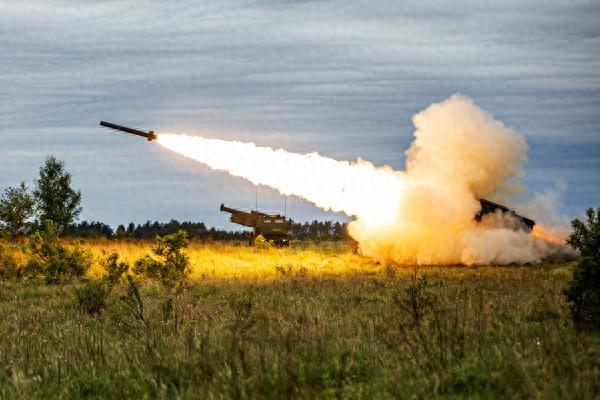
Group 1 - The Russian Foreign Ministry spokesperson Maria Zakharova stated that Russia has not received any official information from the U.S. regarding the alleged Russia-Ukraine "agreement" mentioned in recent media reports [1] - The Kremlin's position on a potential peace agreement has not changed since the meeting between Presidents Putin and Trump in Alaska in August [1] - Reports indicate that U.S. envoy Steve Witkoff and Putin's envoy Kirill Dmitriev met in Miami last month to discuss a framework for ending the Russia-Ukraine conflict [1] Group 2 - The proposed plan reportedly requires Ukraine to make significant territorial concessions to Russia and abandon its demand for peacekeeping forces to prevent future attacks from Russia, which Ukraine had previously rejected [1][2] - The plan is said to be supported by Trump, who has been working for a year to facilitate a peace agreement, but has not yet achieved results [2] - The proposal includes Ukraine ceding the entire eastern Donbas region to Russia and agreeing not to join NATO for several years, which contradicts Ukraine's and its allies' longstanding positions [3][4] Group 3 - The plan's details have reportedly caught European allies off guard, with German officials stating they have not been informed of the proposal's specifics [5] - The new plan marks a shift in the White House's stance, contrasting with Trump's previous support for Ukraine's ability to reclaim lost territory [6] - U.S. Army officials are currently in Kyiv discussing battlefield plans and potential peace negotiations, marking the highest-level U.S. visit to Ukraine since Trump's return to office [6]
三方就俄乌元首会谈继续角力!俄外长发声:谈可以,但有前提
Guo Ji Jin Rong Bao· 2025-08-25 00:42
Core Viewpoint - The ongoing discussions between Russia, Ukraine, and the U.S. highlight the complexities of the Ukraine conflict, with both sides expressing willingness to meet but under specific conditions [1][2][4][5]. Group 1: Russia's Position - Russian Foreign Minister Lavrov stated that Western countries are obstructing negotiations and that Ukrainian President Zelensky is being "stubborn" by setting conditions for a meeting with President Putin [4]. - Lavrov emphasized that the negotiation process, initiated by the leaders of Russia and the U.S., has shown positive results, and Russia aims to thwart Western attempts to undermine it [4]. - Lavrov reiterated that President Putin is willing to meet with Zelensky, but only if the meeting is expected to yield results, citing legal legitimacy issues regarding Zelensky's current status under Ukrainian law [5][6]. Group 2: Ukraine's Position - President Zelensky expressed readiness to take measures for peace and is open to discussing territorial issues directly with Putin [7]. - Zelensky is actively seeking security guarantees from various nations, including Canada, which has pledged to contribute $500 million to support Ukraine's defense needs [9]. - The discussions with Canada also include potential military support, with Zelensky emphasizing the importance of Canadian military presence in Ukraine [9]. Group 3: U.S. Involvement - Recent reports indicate that the U.S. has quietly blocked Ukraine from using American-made long-range missile systems to strike targets within Russia, a shift from previous policies [11][12]. - The U.S. Defense Department's review process has effectively overturned earlier decisions made during the Biden administration regarding Ukraine's military capabilities [12]. - U.S. Vice President Vance mentioned that new sanctions against Russia are possible, indicating that the U.S. has various options to exert pressure on Russia to end the conflict [15].