
隆福寺

Search documents
值得期待!春节到北京必打卡的20个新北京景点来了!
Bei Jing Ri Bao Ke Hu Duan· 2026-02-01 14:25
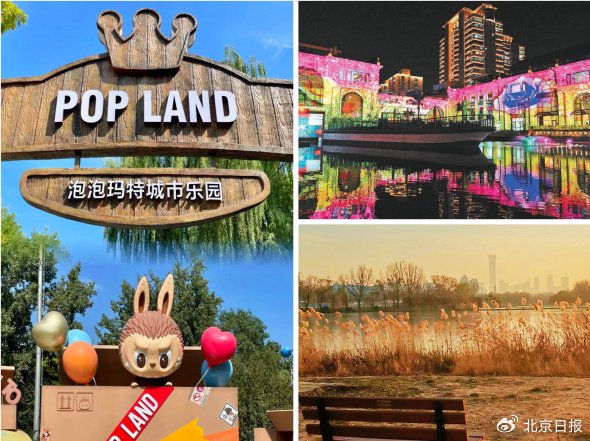
Group 1 - The integration of Liangma River International Style Waterfront, Chaoyang Park, and Pop Mart City Park creates a one-stop experience combining leisure, nature, and family-friendly activities [3][5] - Liangma River International Style Waterfront features scenic views and cultural ambiance, while Chaoyang Park is the largest urban park within the Fourth Ring Road, offering free access and various recreational facilities [3][5] - Pop Mart City Park, located within Chaoyang Park, provides an immersive experience based on popular IPs, appealing to families and trend enthusiasts [3][5] Group 2 - Beijing Universal Resort and "Wanli" International Commercial and Entertainment Complex form a micro-vacation loop, combining daytime theme park activities with nighttime leisure and shopping [5][6] - Beijing Universal Resort is a cultural landmark in Beijing, attracting millions of visitors annually with its immersive entertainment experiences based on global popular IPs [5][6] - "Wanli" includes WellTown with nearly 500 brands, a significant portion being flagship stores, and offers a comprehensive experience of entertainment, shopping, and accommodation [5][6] Group 3 - Beijing (Tongzhou) Grand Canal Cultural Tourism Scenic Area integrates historical and cultural landscapes along the Grand Canal, allowing visitors to explore ancient sites and modern ecological parks [8] - The area offers activities such as walking and cycling along the canal, showcasing the historical evolution and cultural significance of the waterway [8] Group 4 - The Wanping City, a key site of the Anti-Japanese War, features well-preserved historical structures and serves as an educational hub with various interactive experiences [11] - The site includes the Anti-Japanese War Memorial Museum and is linked to the Lugou Bridge, creating a comprehensive historical education experience [11] Group 5 - Shougang Park represents a successful transformation of industrial heritage, merging historical steel manufacturing elements with modern technology and cultural industries [13] - The area has become a new urban landmark, integrating high-end offices, trendy sports, and exhibition spaces [13] Group 6 - Modekou Historical and Cultural District combines traditional Beijing architecture with modern leisure, hosting various cultural events and activities [16] - The area is recognized as a national-level leisure tourism district, attracting visitors with its unique blend of history and contemporary experiences [16] Group 7 - The Beijing Olympic Center Area is a national 5A-level tourist attraction, featuring iconic structures like the Bird's Nest and Water Cube, and hosting various cultural and sporting events [18] - The area will enhance its offerings during the 2026 Spring Festival with themed markets and activities [18] Group 8 - Mutianyu Great Wall is renowned for its stunning scenery and well-preserved structures, providing a comfortable visiting experience year-round [20] - The site is a popular international tourist destination, known for its historical significance and natural beauty [20] Group 9 - Gubei Water Town, located near Simatai Great Wall, offers a unique vacation experience combining historical exploration with modern amenities [22][23] - Visitors can enjoy activities such as hiking the Great Wall during the day and relaxing in the town's hot springs at night [22][23] Group 10 - Beijing Yanqi Lake International Tourism Resort is a national AAAA-level scenic area known for its beautiful natural scenery and well-developed facilities [26] - The resort has hosted significant international events and remains a popular destination for family leisure and sightseeing [26] Group 11 - Beijing World Horticultural Expo International Tourism Resort combines ecological tourism with horticultural technology, offering diverse entertainment options [28] - The area serves as a large-scale rural vacation destination, promoting sustainable ecological concepts [28] Group 12 - Pinggu Kaoshanji Market is a historical market with over 600 years of history, featuring local specialties and cultural experiences [30] - The market will host special events during the 2026 Spring Festival, enhancing its appeal as a destination for traditional festivities [30] Group 13 - The Beijing Wildlife Park offers a large-scale wildlife experience, focusing on animal welfare and ecological education [42] - The park features both self-driving and walking areas, allowing close encounters with various animal species [42] Group 14 - The Yuanmingyuan Ruins Park showcases the remnants of a grand imperial garden, blending historical significance with artistic beauty [44] - The park serves as a space for patriotic education and reflection on historical events, featuring various notable ruins [44] Group 15 - Longfu Temple has transformed into a cultural consumption landmark, integrating contemporary art and lifestyle elements [46] - The area attracts a young audience with its creative offerings and regular events [46] Group 16 - Zhonghai Dajixiang aims to create a cultural hub with diverse immersive experiences, including high-end retail and dining options [50] - The project is recognized as a micro-vacation destination, enhancing urban leisure experiences [50]

2026年北京零售物业市场预计超50万平方米新增供应入市
Bei Jing Shang Bao· 2026-01-14 08:25
Group 1 - The core viewpoint of the articles highlights the transformation of Beijing's retail property market, with a significant focus on urban renewal projects as the main supply source for 2025 [1][2] - In 2025, a total of 534,000 square meters of new retail property supply is expected in Beijing, all from urban renewal projects, indicating a shift towards "old for new" strategies [1] - The fourth quarter of 2025 will see the entry of two major urban renewal projects, Zhongguancun Dalu City and Longfu Temple, contributing 294,000 square meters to the market [1] Group 2 - The restaurant sector remains the largest segment in the retail market, but its growth is slowing, with its share decreasing from 49% at the beginning of the year to 42% by the fourth quarter [2] - There is a notable increase in the share of local quality dining and tea-baking, while fast-food and low-experience models are losing demand [2] - The retail sector, particularly fashion and accessories, has shown a recovery trend throughout the year, with a significant rise in the share of local and young designer brands [2] Group 3 - The average rent for first-floor shopping centers in Beijing decreased by 1% year-on-year to 30 yuan per square meter per day by the end of the fourth quarter, with an annual cumulative decline of 2.4% [3] - Secondary business districts like Zhongguancun and Wangjing are experiencing significant rent pressure due to new project impacts and insufficient local demand [3] - Core business districts maintain stable rental rates and occupancy due to brand upgrades and refreshed experiences, while projects with unclear positioning face pressure for clearance or renovation [3]
北京这些商业场为何“非去不可”?
3 6 Ke· 2025-11-24 02:17
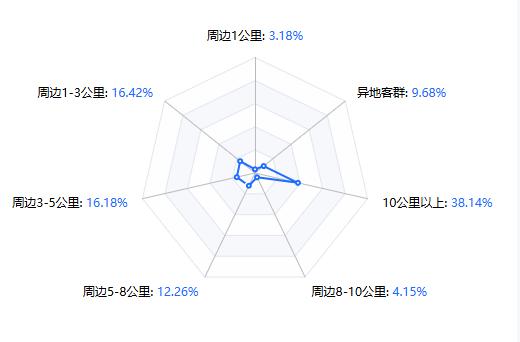
Core Insights - The article discusses the transformation of old landmarks into destination-type commercial spaces, emphasizing their potential to revitalize urban areas and enhance cultural and historical significance [1][8] Group 1: Industrial Heritage Transformation - The transformation of industrial heritage sites, such as Shougang Park, into destination-type commercial spaces is highlighted as a successful model, showcasing the blend of historical industrial aesthetics with modern consumer experiences [2][5] - Shougang Park has attracted a significant local customer base, with 38.14% of visitors coming from over 10 kilometers away, indicating its strong appeal as a destination [3] - The success of Shougang Park challenges the stereotype that industrial heritage conversions lead to low-end cultural products, instead creating a space where consumers are willing to pay for unique industrial experiences [5][8] Group 2: Cultural Landmarks and Experience Economy - The article emphasizes the importance of cultural landmarks, such as Longfu Temple, in attracting younger demographics through unique experiential offerings and social media engagement [9][10] - Longfu Temple's integration of historical architecture with modern experiential businesses has positioned it as a cultural destination, with a significant portion of visitors traveling from outside the local area [9][12] - Beijing Fang and Longfu Temple both utilize a strategy of preserving historical elements while introducing innovative commercial experiences, effectively creating a cultural and commercial synergy [10][12] Group 3: High-End Hutong Commercialization - The transformation of traditional hutongs into high-end cultural destinations, exemplified by Zhonghai Dajixiang, demonstrates the potential for niche markets within urban commercial spaces [13][16] - Zhonghai Dajixiang has successfully attracted a high-end clientele, with 31.35% of visitors coming from over 10 kilometers away, showcasing its appeal beyond local consumers [14][16] - The average spending in Zhonghai Dajixiang is significantly higher than similar commercial spaces, indicating a successful model for high-end destination-type commercial development [16] Group 4: Future of Landmark Transformations - The article concludes that the successful transformation of old landmarks into destination-type commercial spaces is crucial for urban cultural preservation and economic revitalization [18] - Future projects are expected to continue leveraging the dual potential of historical significance and modern trends, creating new urban commercial identities [18]
北京文化消费焕发新动能 地标撑起消费“新骨架”
Bei Jing Qing Nian Bao· 2025-09-01 00:54
Group 1: Overview of Cultural Consumption in Beijing - The cultural consumption market in Beijing has shown a "dual increase" in both quantity and quality in 2023, with 180 million tourists received in the first half of the year, a year-on-year increase of 7.1%, and total tourism expenditure reaching 338.17 billion yuan, up 8.8% [1] - The integration of cultural and tourism sectors, urban renewal, and the emergence of new economic drivers have contributed to a vibrant cultural consumption landscape in Beijing [1] Group 2: New Business Models and Consumer Engagement - The "performance + tourism" model has become a highlight of cultural consumption in Beijing, with 102 large-scale performances held in the first half of the year, generating ticket sales of 1.5 billion yuan, representing year-on-year growth of approximately 13% and 35% respectively [2] - The deep integration of intangible cultural heritage (ICH) with tourism has created new experiences for visitors, with 365 ICH projects along the central axis of Beijing becoming a key attraction [2] - The launch of the "music map" and over 400 outdoor music events has extended music consumption into urban spaces, enhancing cultural engagement for both residents and tourists [2] Group 3: Diverse Cultural Tourism Products - Beijing has introduced a variety of cultural tourism products, including 105 themed travel routes and 25 rural tourism routes, enhancing the "Wander Beijing" brand [3] - The Beijing International Cultural Tourism Consumption Expo achieved sales of 211 million yuan, showcasing successful integration of culture, commerce, and tourism [3] Group 4: Urban Renewal Projects - Urban renewal projects like Zhonghai Dajixiang and Longfu Temple have transformed historical areas into cultural consumption landmarks, preserving historical context while injecting modern commercial vitality [4][6] - Zhonghai Dajixiang, a 360,000 square meter complex, has become a model for urban renewal, combining cultural preservation with commercial operations [4] - Longfu Temple, which has undergone extensive renovation since 2012, focuses on cultural heritage and innovation, featuring immersive experiences and unique retail offerings [6][7] Group 5: Consumer Engagement and Foot Traffic - Zhonghai Dajixiang attracted over 500 million visitors since its opening, with daily foot traffic exceeding 60,000, indicating strong market acceptance of this urban renewal model [5] - Longfu Temple is set to open on September 17, 2023, with plans for promotional events and collaborations with major platforms to enhance its role as a new cultural consumption landmark in Beijing [7]
