
面线糊

Search documents
闽南春风暖 茶香寄长空
Xin Lang Cai Jing· 2026-02-27 04:57
Core Viewpoint - The article reflects on the cultural and personal significance of returning home, emphasizing the values of perseverance and teamwork in the context of the aviation industry and national pride [2] Group 1: Cultural Significance - The return to the hometown of Quanzhou is marked by traditional practices such as tea drinking, which symbolizes the resilience of the local people [2] - The act of paying respects at the temple during the New Year signifies a deep connection to heritage and aspirations for national achievements [2] Group 2: Teamwork and Values - The description of making traditional food highlights the importance of patience and precision, paralleling the meticulous nature of work in the aviation sector [2] - The commitment to excellence and the spirit of "serving the country through aviation" resonate with the values instilled by the local culture [2]

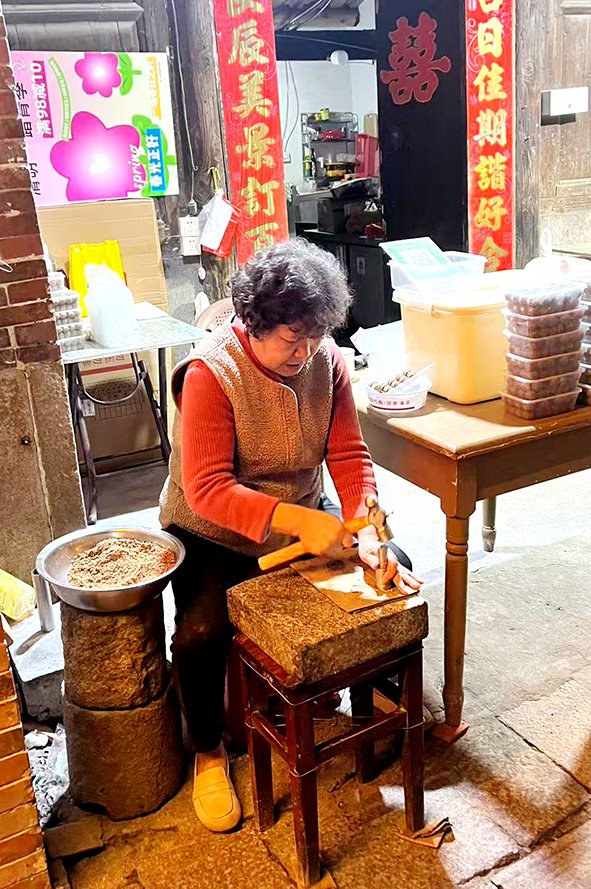
味蕾之上是故乡
Xin Lang Cai Jing· 2026-02-18 23:26
Group 1 - The essence of food in Fujian reflects the artistry of time and serves as a vessel for emotions [1] - Various traditional dishes symbolize prosperity and well-being, such as the thin skin of Quanzhou's runbing containing diverse ingredients, representing the hope for a bountiful year [1] - The culinary offerings of Fujian, including Shaxian duck and Changle ice rice, evoke nostalgia for overseas travelers and embody the warmth of handmade traditions [1] Group 2 - The celebration of food during the Spring Festival is not only a feast but also a ritual that embodies the concept of "home" [1] - The phrase "Food in Fujian" encapsulates the deep emotional and cultural significance of the region's cuisine [2]
侨乡年味拉满 游子奔赴团圆(侨界关注)
Ren Min Ri Bao Hai Wai Ban· 2026-02-10 22:52
Core Viewpoint - The article highlights the vibrant celebrations and cultural activities taking place in various overseas Chinese communities as they prepare for the upcoming Lunar New Year, emphasizing the emotional connection and cultural significance of these events for expatriates returning home [6][8][11]. Group 1: Cultural Celebrations - In Guangdong's Jiangmen, the Chikan Overseas Chinese Town is hosting a series of events including a New Year lighting ceremony and traditional performances, showcasing the rich cultural heritage of overseas Chinese [6]. - Fujian's Quanzhou is preparing a "Hometown Feast" featuring local delicacies that reflect the region's culinary heritage and overseas influences, coinciding with its designation as a "World Food Capital" in October 2025 [7]. - The fifth "Overseas Chinese Spring Festival Gala" in Xiamen is set to air on February 17, highlighting the cultural ties and celebrations among the local overseas Chinese community [8]. Group 2: Community Engagement - Jiangmen's cultural exchange event "Caring for the Overseas Chinese" gathered participants from 21 countries, marking the peak return period for overseas Chinese [8]. - In Chongqing, the "Thousands of Overseas Chinese Celebrate the New Year" event will feature traditional activities and local cuisine, fostering connections among returning expatriates [9]. - Various local governments are implementing warm services for returning overseas Chinese, such as welcome events at airports and streamlined transportation options [10]. Group 3: Emotional Connections - Many overseas Chinese express a deep longing for home during the New Year, with personal stories highlighting the significance of family reunions and cultural traditions [11][12]. - The article illustrates how returning expatriates engage in local customs, such as basketball games and traditional food preparation, to reconnect with their roots [12][13]. - The integration of modern technology in traditional celebrations, such as using smartphones for greetings and digital red envelopes, reflects the evolving nature of cultural practices among overseas Chinese [13].
泉州小吃 添彩“美食之都”
Ren Min Ri Bao· 2025-11-05 22:11
Core Viewpoint - Quanzhou, Fujian has been recognized as a new member of the "Creative Cities Network" by UNESCO, earning the title of "City of Gastronomy" [1] Group 1: Cultural and Culinary Significance - Quanzhou is historically known as a gathering place for culture and cuisine, being the starting point of the ancient Maritime Silk Road [1] - The city showcases a unique flavor system characterized by "mountain-sea integration, fresh elegance, diverse coexistence, and local vibrancy" [1] - The culinary heritage of Quanzhou reflects openness and integration, continuing the legacy of New Fujian cuisine [1] Group 2: Impact of Recognition - The designation of Quanzhou as a "City of Gastronomy" is expected to promote the global dissemination of New Fujian cuisine [1]
烟火气里的文化与民生(四海听音)
Ren Min Ri Bao· 2025-08-06 22:15
Core Insights - The development of local snack industries can significantly boost economic growth and cultural heritage, transforming traditional street food into standardized, branded, and scaled operations [1][2] - Local snacks, such as Shaxian snacks and Liuzhou snail noodles, have evolved from street vendors to billion-dollar industries, showcasing the potential for modernization and industrialization in the food sector [1] - The snack industry not only supports local economies but also serves as a cultural emblem, connecting overseas individuals with their roots and introducing local flavors to a broader audience [1][2] Industry Overview - The low entry barriers of the snack industry make it accessible for many, providing income and entrepreneurial opportunities for individuals, particularly returnees [2] - The collective impact of numerous small snack businesses contributes to social stability and improved living standards, highlighting the importance of grassroots economic activities [2] - Emphasizing craftsmanship and innovation in the snack industry can lead to expansive growth and new market opportunities [2]
潮声漫过刺桐城(我与一座城)
Ren Min Ri Bao· 2025-07-06 22:52
Core Viewpoint - The article reflects on the rich cultural and historical significance of Quanzhou, highlighting its evolution from a major maritime trade center to a vibrant city with deep-rooted traditions and modern developments [1][4]. Group 1: Historical Significance - Quanzhou, known as "Cizhou," was historically recognized as "the first great port in the East" during the Song and Yuan dynasties, symbolizing its importance in maritime trade [1]. - The city is celebrated for its unique blend of cultural influences, as seen in its architecture and local customs, which have evolved over centuries [2][3]. Group 2: Cultural Identity - The local cuisine, such as the thin-skinned "Yafur" pancakes and "Ginger Duck," reflects the city's rich culinary heritage, which is an integral part of its cultural identity [2]. - The traditions of the local "Xunpu women," who engage in seafood harvesting, showcase the connection between the community and the sea, emphasizing the city's maritime culture [3]. Group 3: Recent Developments - In 2021, Quanzhou was recognized as a UNESCO World Heritage site, with 22 heritage points highlighting its historical significance as a center of maritime trade along the Maritime Silk Road [4]. - The recognition has invigorated local pride and tourism, positioning Quanzhou as a key player in the global cultural landscape [4].