韶音骨传导耳机

Search documents
深企里程碑 上市600家
Sou Hu Cai Jing· 2026-02-12 23:08
Group 1 - Dazhu CNC and Zhuozheng Medical listed on the Hong Kong Stock Exchange, marking a milestone for Shenzhen as the total number of listed companies in the city surpasses 600, with a total market capitalization exceeding 19 trillion yuan as of January 2026 [2][8] - Shenzhen's listing history reflects the evolution of China's modern corporate system, starting from the first stock issued in Bao'an in 1983 to the current 600 listed companies [2][8] - The establishment of the Shenzhen Stock Exchange has facilitated the growth of various sectors, with significant contributions from companies like BYD, which has become a global leader in the electric vehicle market [4][8] Group 2 - Recent years have seen a new wave of innovative companies redefine "Shenzhen speed," with firms like Yuntian Lifei and UBTECH achieving rapid listings, showcasing the city's dynamic entrepreneurial environment [5][6] - The performance of Shenzhen-listed companies is robust, with a reported revenue of 5.20 trillion yuan and a net profit of 457.8 billion yuan for the first three quarters of 2025, indicating a growth rate above the national average [7][8] - The Hong Kong market has also seen strong performance, with 27 newly listed companies raising a total of 29.57 billion HKD, and an average first-day stock price increase of 26.22% [7][8] Group 3 - Shenzhen's industrial landscape is supported by a strong base of high-tech enterprises, with significant growth in exports of products like drones and 3D printers, contributing to the city's innovation-driven economy [8] - The evolution from the first stock in 1983 to a fleet of 600 listed companies illustrates Shenzhen's transformation from a pilot city to a benchmark for capital markets in China [8][9]

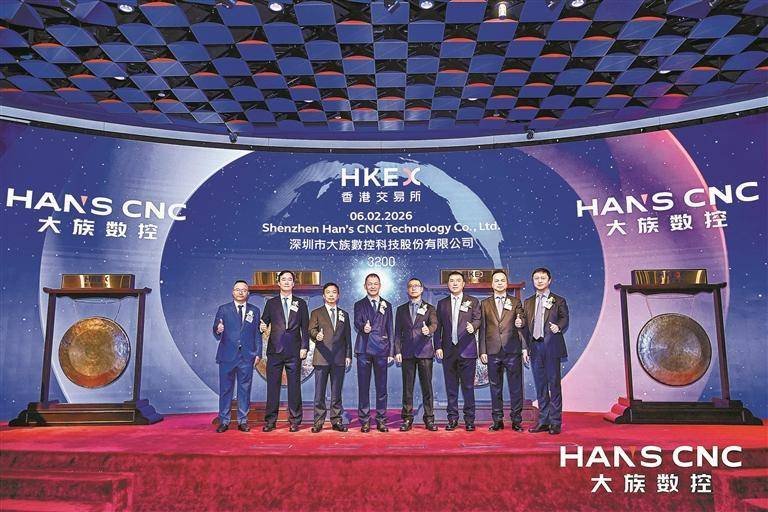
深企里程碑 上市600家 深圳上市公司总市值超19万亿元,稳居全国大中城市第二位
Shen Zhen Shang Bao· 2026-02-12 18:34
Group 1 - Shenzhen has reached a milestone with over 600 listed companies, including 426 domestic and 174 overseas, with a total market capitalization exceeding 19 trillion yuan as of January 2026 [1] - The history of Shenzhen's listed companies reflects the evolution of China's modern corporate system, starting from the first stock issued in Bao'an in 1983 [2] - The establishment of the SME Board in 2004 and the Growth Enterprise Market in 2009 opened capital channels for private technology enterprises, with Shenzhen companies occupying significant positions [3] Group 2 - Recent years have seen a new wave of companies redefining "Shenzhen speed," with notable listings such as Yuntian Lifei and Youbixuan, showcasing rapid growth and innovation [4] - New companies listed on the Science and Technology Innovation Board and the Growth Enterprise Market indicate Shenzhen's proactive embrace of capital market reforms and alignment with cutting-edge technology [5] - In the first three quarters of 2025, Shenzhen-listed companies achieved a total revenue of 5.20 trillion yuan and a net profit of 457.8 billion yuan, reflecting strong growth in the manufacturing sector [7] Group 3 - The Hong Kong market has seen significant activity, with 27 new companies raising a total of 29.57 billion HKD, and over 70% of these companies experiencing stock price increases on their first trading day [7] - The strong performance of companies like BYD, which raised over 43.5 billion HKD in a single refinancing, highlights the robust capital market environment in Shenzhen [7] - Shenzhen's high-tech exports, including drones and 3D printers, grew by 10.1% in 2025, supported by a solid foundation of national high-tech enterprises [7] Group 4 - The journey from the first stock in 1983 to 600 listed companies today illustrates Shenzhen's transformation from a pilot city to a benchmark for capital markets in China [8] - Each listed company represents a milestone for Shenzhen, indicating that reaching 600 is not an endpoint but a new starting point for further growth [8]

机器人科技体验店入驻首都机场
Bei Jing Ri Bao Ke Hu Duan· 2025-10-14 01:13
Core Points - The "Tao Zhu New Manufacturing Bureau" store at Beijing Capital Airport T3 is the first robot and smart technology experience space established in an international hub airport, offering a new shopping experience for travelers [1][2] - The store features a variety of intelligent products and embodied intelligent consumer goods, including robots that perform various tasks and interactive experiences for visitors [1][2] Group 1 - The store covers an area of approximately 100 square meters and is located at the C08 passage of the T3 parking building [1] - The store has already sold two small companion robots shortly after its opening, indicating strong initial consumer interest [1] - Visitors, including foreign travelers, have expressed amazement at the robotic demonstrations, highlighting the appeal of the technology [1] Group 2 - The product range includes over ten categories, such as iFlytek smart headphones and translation devices, companion robots, chess-playing robots, and smart cleaning equipment [2] - An interactive area is set up for travelers to rest and experience various new products, including smart gimbals and AR glasses [2] - The store features a wall displaying ten recommended products daily, with plans to adjust offerings based on sales performance [2]

网坛明星与足球少年,何以“共享”一座城
21世纪经济报道· 2025-09-28 07:14
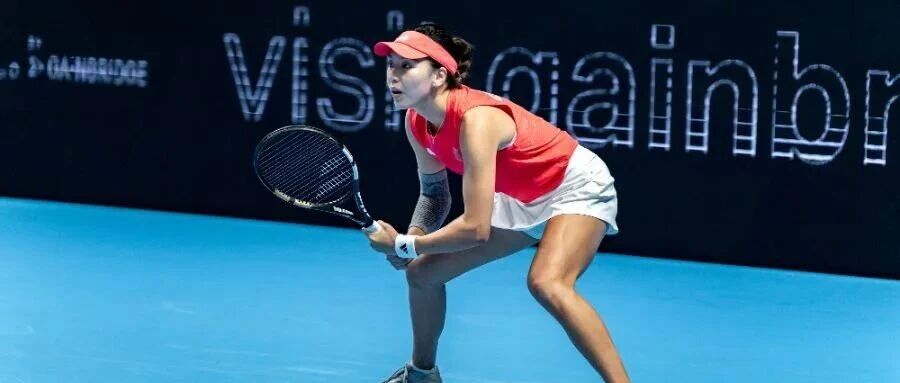
Core Viewpoint - The article emphasizes the dual role of Shenzhen as both a hub for high-level international sports events and a promoter of grassroots sports, showcasing its cultural diversity and economic strength through events like the Billie Jean King Cup and local school competitions [1][2][6]. Group 1: International Sports Events - Shenzhen will host the Billie Jean King Cup finals from 2025 to 2027, marking a significant milestone as it becomes the first Asian city to do so [2][3]. - The city has invested in high-standard sports venues, such as the Shenzhen Bay Sports Center, which can accommodate 20,000 spectators, making it suitable for top-tier international events [3][6]. - The hosting of major events is seen as a reflection of Shenzhen's economic capabilities and its ability to provide comprehensive support services, including accommodation, transportation, and media coverage [2][3]. Group 2: Grassroots Sports Development - The article highlights the importance of grassroots sports, with events like the Shenzhen middle and primary school football finals showcasing youth participation and talent development [1][8]. - Shenzhen has established various local sports events, such as the "Nanshan Cup" and community sports festivals, which engage over 100,000 citizens annually [13]. - The collaboration with international sports clubs, such as the partnership with Eintracht Frankfurt for youth football training, aims to enhance the local sports ecosystem and address youth sports dropout rates [13]. Group 3: Economic Impact and Investment - The Billie Jean King Cup is expected to boost local tourism and commerce, with increased hotel occupancy rates and foot traffic in surrounding areas during the event [6]. - Franklin Templeton, a major global investment firm, has partnered with the Billie Jean King Cup, indicating the growing importance of the Chinese market in the global sports landscape [6]. - Shenzhen's sports industry generated a total output of 190.94 billion yuan in 2023, with Nanshan District accounting for 44.42 billion yuan, highlighting the region's leading role in the sports economy [18]. Group 4: Technological Innovations in Sports - The introduction of AI technologies, such as the Acemate tennis training robot, reflects Shenzhen's commitment to integrating technology into sports training and development [15][17]. - The digital management platform at the Frankfurt (Shenzhen Nanshan) training center has recorded extensive training data, marking a shift towards data-driven youth sports training [15]. - Shenzhen's sports technology sector is thriving, with companies like Soundcore leading in global market share for sports audio equipment, showcasing the city's innovative capabilities [17][18].
当宇树王兴兴、数美万物任利锋他们来到锦秋小饭桌……
锦秋集· 2025-08-12 14:09
Core Insights - The article discusses the ongoing series of closed-door social events called "Jinqiu Xiaofanzhuo," organized by Jinqiu Capital, focusing on AI entrepreneurs and technology discussions [3][4][11] - Recent discussions have centered around multi-modal technology, AI computing architecture, embodied intelligence, and AI hardware innovation, highlighting the practical challenges and opportunities in these areas [1][12][18] Group 1: Event Overview - "Jinqiu Xiaofanzhuo" is a weekly event held in cities like Beijing, Shenzhen, Shanghai, and Hangzhou, aimed at fostering genuine conversations among top entrepreneurs and tech experts without the usual corporate presentations [3][4] - The series has successfully hosted 25 events since its inception in late February, with summaries available for earlier sessions [3][11] Group 2: Recent Discussions - The latest discussions included topics such as the future of embodied intelligence, focusing on five key perspectives: ontology, cognition, interaction, data, and computing power [14][12] - The challenges of data and model architecture decisions were emphasized, particularly the need for high-quality data and the exploration of generative world models [16][35] Group 3: AI Hardware Insights - The event on AI hardware featured discussions on differentiation strategies, with a focus on product details and user experience [23][24] - Key technical variables for AI hardware entrepreneurs include edge computing power and memory solutions, which are crucial for enhancing user experience and privacy [24][25][26] Group 4: AI Computing Architecture - The demand for AI computing power is expected to grow significantly, driven by the need for concurrent AI agents in daily life, leading to potentially unlimited power consumption [35][36] - The article highlights the current shortage of high-end AI computing resources and the competitive landscape among leading companies [36][37] Group 5: Future Directions - The future of AI models is anticipated to move beyond reliance on human data, with a focus on self-exploration and overcoming human knowledge limitations [38][39] - The next generation of AI computing architecture is expected to integrate advanced technologies like liquid cooling and memory processing units, addressing challenges in reliability and efficiency [41][43]

玩腻了马拉松的中产,在越野跑里找存在
Hu Xiu· 2025-05-06 12:45
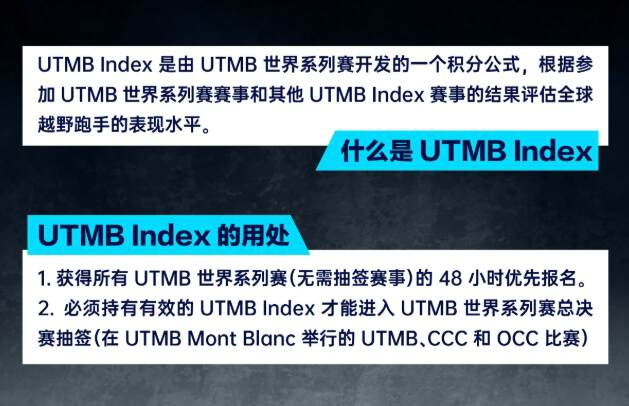
Group 1 - The article discusses how urban middle-class individuals are increasingly engaging in trail running as a form of identity construction and self-exploration [10][16][40] - Trail running has become a popular activity among the elite middle class, serving as a means of coping with the pressures of urban life and a way to reconnect with themselves [4][9][43] - The sport is characterized by its high barriers to entry, requiring specific gear and prior experience, which creates a sense of exclusivity among participants [12][15][19] Group 2 - The article highlights the evolution of trail running gear, from basic functional items to high-end, specialized equipment, reflecting a hierarchy within the community [24][38][39] - Participants often feel the need to showcase their gear and achievements on social media, indicating a shift from mere participation to a performance of identity [27][36][45] - The financial commitment to trail running gear is significant, with average annual spending reaching 16,000 yuan, emphasizing the sport's consumerist aspect [38][39] Group 3 - Trail running is portrayed as a method for middle-class individuals to escape the chaos of urban life, allowing them to find a sense of control and self-discipline [40][42][46] - The experience of completing a race is framed as a personal achievement, serving as a form of self-validation rather than competition against others [43][44][47] - The article concludes that trail running represents a complex relationship between personal fulfillment and societal expectations, where participants seek to reclaim lost opportunities from their youth [46][49]