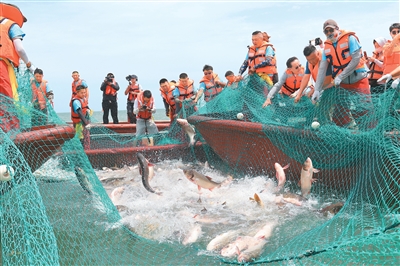
高白鲑

Search documents
美食文旅节目《三餐四季》品味新疆 传统与现代交织出美味
Xin Lang Cai Jing· 2026-02-21 12:07
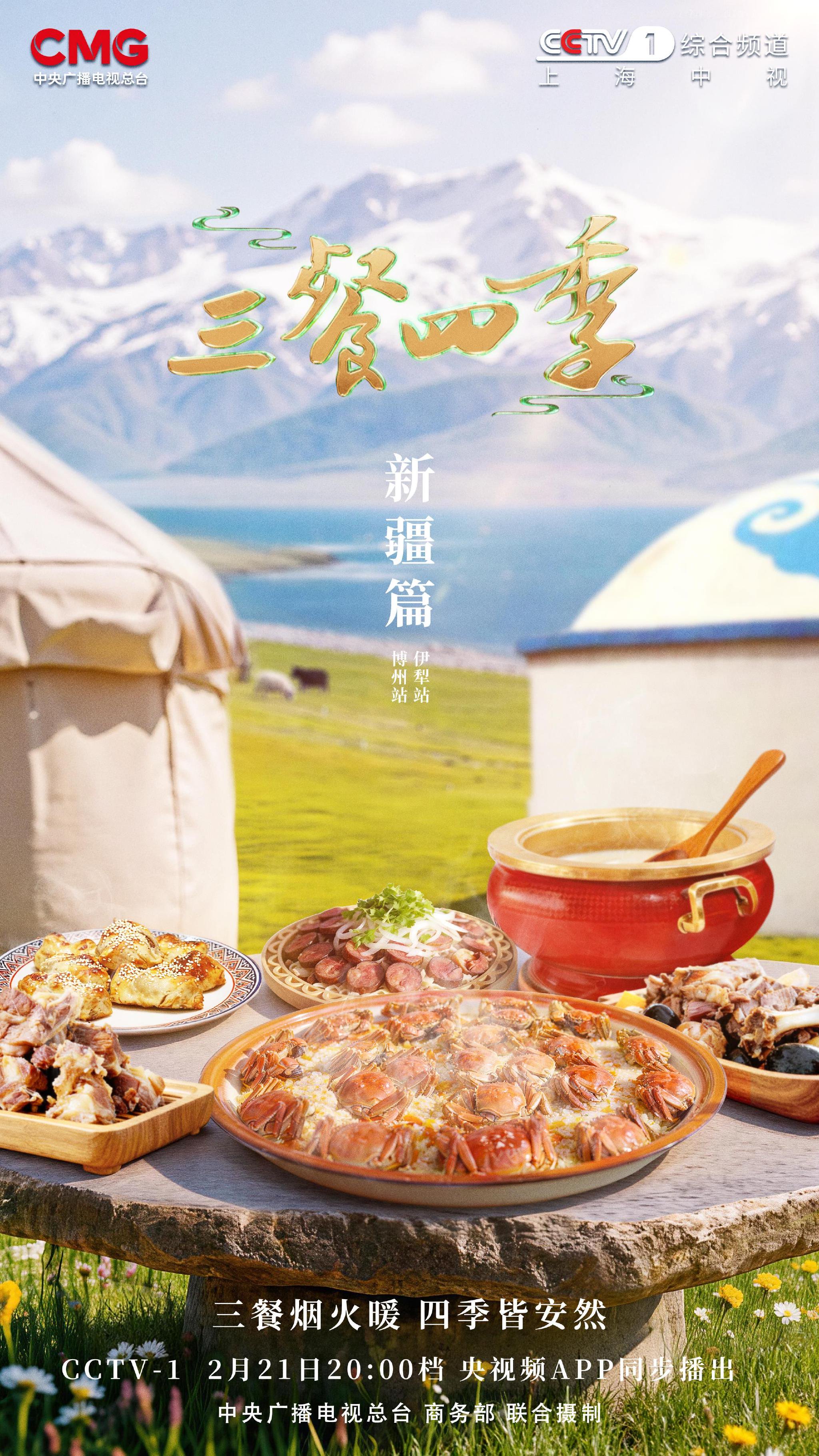
Core Viewpoint - The large-scale culinary and cultural program "Three Meals a Season" explores the rich food culture of Xinjiang, showcasing local delicacies and traditions through a journey in the Ili River Valley and the Bortala Mongol Autonomous Prefecture [1]. Group 1: Culinary Highlights - The program features traditional dishes such as milk wine steamed meat and roasted beef marrow, highlighting the unique flavors of the region [3]. - The experience includes the preparation of stone-cooked meat, which is made using red-hot pebbles and salt-cured lamb, showcasing local cooking techniques [3]. - The tasting of "cold water fish queen" high white salmon at Sayram Lake demonstrates various cooking methods that enhance the fish's flavor, with the delicacy now being exported through the Alashankou port [3]. Group 2: Local Food Culture - In Ili, the simplest way to find good food is by following the smoke and queues, where hand-cut beef dumplings are made with simple ingredients, resulting in a popular local dish [4]. - The unique dish "mian feizi," made from lung leaves and paired with rice sausage, reflects the local culinary creativity and warmth [4]. - Xinjiang is also noted for its aquaculture, with the Nierke County producing up to 6,000 tons of fresh salmon annually, indicating the region's growing significance in the seafood industry [5].


《三餐四季》品味新疆丨一口入心,千年回响
Xin Lang Cai Jing· 2026-02-21 00:48
Core Viewpoint - The article highlights the rich culinary culture of Xinjiang, showcasing its unique food offerings as a reflection of the region's natural resources, cultural heritage, and local development [1][11]. Group 1: Culinary Highlights - The program "Three Meals Four Seasons" features a journey through Xinjiang, emphasizing the diverse and rich flavors of the region, particularly in the Ili River Valley and Bortala Mongol Autonomous Prefecture [1][13]. - Traditional dishes such as "hardcore treasure pot," made with brick tea, fresh milk, and various local ingredients, exemplify the region's culinary wisdom and energy-boosting capabilities [6]. - The "stone-cooked meat" dish, prepared without water and using heated stones, showcases the simplicity and resourcefulness of local cooking methods [8]. Group 2: Unique Ingredients and Dishes - The high white salmon, referred to as the "queen of cold water fish," is prepared in numerous ways, highlighting its flavor potential and connecting it to global markets through the Alashankou port [10]. - The "golden dumpling" made from hand-cut beef and simple seasonings is celebrated for its rich taste and texture, representing the pinnacle of local street food [11]. - The innovative pairing of traditional foods with modern elements, such as the combination of naan and coffee, reflects the region's adaptability and culinary creativity [12]. Group 3: Cultural Significance - The culinary experiences in Xinjiang are intertwined with the region's cultural practices, as seen in the preparation of dishes that embody the nomadic lifestyle and seasonal changes [11][12]. - The use of local ingredients and traditional cooking methods not only preserves the flavors of the region but also tells the story of its historical and cultural significance [1][11].
内陆省份,正在悄咪咪变成「海鲜」大省
36氪· 2025-10-03 13:37
Core Insights - Xinjiang, an inland province, is emerging as a significant player in the seafood industry despite its geographical distance from the sea [4][6] - The total aquatic product output in Xinjiang has increased from 85,000 tons in 2006 to 192,500 tons in the previous year, establishing it as a leader in the fishing industry among the five northwestern provinces [6][11] Water Resources and Conditions - Xinjiang has a water area of 11.45 million acres, ranking fourth in the country, which provides a foundation for its aquatic farming [6] - The province's unique salt-alkali land allows for the cultivation of marine species through artificial adjustments to water salinity and temperature, making it suitable for species like the South American white shrimp [7] Challenges in Seafood Production - The variety of fish species in Xinjiang is limited, but efforts have been made to introduce 32 different species, including those from major rivers and international sources [8] - Transportation remains a significant challenge, with live seafood requiring air transport to minimize loss, which increases costs [10] - Distribution channels for seafood from Xinjiang to other regions are still underdeveloped, affecting market access for individual farmers [10] Industry Growth and Future Potential - The number of enterprises in Xinjiang's aquaculture sector has been increasing, with over 300 new fisheries-related companies established between 2023 and 2024 [11] - The influx of investment and technology from coastal regions indicates a promising future for the development of Xinjiang's blue economy [11]

新疆:“水产大省”养成记
Xin Hua Wang· 2025-08-12 06:22
Core Viewpoint - Xinjiang has developed a modern aquaculture industry by utilizing water resources and technological innovation, transforming its arid landscape into productive fish farming areas, particularly for salmon and other freshwater species [1][5]. Aquaculture Development - Xinjiang has established three salmon farming and processing bases with a total farming area of 147,000 acres and an annual production capacity of 12,000 tons, integrating breeding, smart farming, and tourism [3][5]. - The salmon farming in Xinjiang has expanded its market reach, achieving sales coverage in major cities and exporting to Southeast Asia, Europe, and the Middle East [5]. Sustainable Practices - The region has implemented sustainable fishing practices, such as seasonal fishing bans and artificial breeding, to protect fishery resources in lakes like Bosten Lake, which produced 5,300 tons of fish last year, with expectations to exceed 6,000 tons this year [6][7]. - Innovative aquaculture methods are being applied in saline-alkali water areas, with a focus on ecological balance and biodiversity, leading to increased bird populations in the area [9][10]. Economic Impact - The aquaculture industry in Xinjiang is projected to generate significant economic benefits, with an expected annual output value of over 30 million yuan from various species cultivated in saline-alkali waters [11]. - The overall fishery production in Xinjiang is expected to reach 192,500 tons in 2024, marking a year-on-year growth of 4.63%, highlighting the industry's potential for economic development [11].
新疆:“水产大省”养成记(尝尝中国新特产)
Ren Min Ri Bao Hai Wai Ban· 2025-07-24 22:28
Core Viewpoint - The article highlights the development of aquaculture in Xinjiang, showcasing innovative practices and the integration of technology in fish farming, particularly focusing on salmon and other cold-water fish species. Group 1: Aquaculture Development - Xinjiang has leveraged its water resources and technological innovations to develop aquaculture in arid regions, leading to increased production and market reach [10][20]. - The Xinjiang Tianyun Organic Agriculture Company has established three salmon farming bases with a total farming area of 147,000 acres and an annual production capacity of 12,000 tons [11][20]. - The cold-water fish farming industry in Xinjiang is expected to exceed 5,000 tons in processing output by 2024, with products reaching major cities and international markets [14][20]. Group 2: Technological Innovations - The salmon farming facilities in Nili County utilize advanced systems for waste collection, automated feeding, and a semi-closed water circulation system, ensuring optimal growth conditions [11]. - The Dahuquan Cold Water Fish Company in Turpan employs land-based water circulation technology to maintain stable water temperatures for salmon farming, even in extreme heat [13]. Group 3: Environmental Sustainability - The article discusses sustainable practices in the fishing industry, such as the implementation of fishing bans and artificial breeding to protect fish resources in Bosten Lake [15]. - The use of saline-alkali water for fish farming in the Tianwan Lake area demonstrates a new model for utilizing previously wasted water resources while promoting ecological diversity [18][19]. Group 4: Economic Impact - The fishing industry in Xinjiang is becoming a significant source of income, with Bosten Lake's fishery production expected to exceed 6,000 tons this year, contributing to local tourism and economy [15][20]. - The integration of tourism with aquaculture in Nili County has created new opportunities for local communities, enhancing the overall economic landscape [12].