鲜切玫瑰

Search documents
传统与科技交织撬动节日消费新场景 从“年货经济”看经济增长新动能
Yang Shi Wang· 2026-02-14 09:42
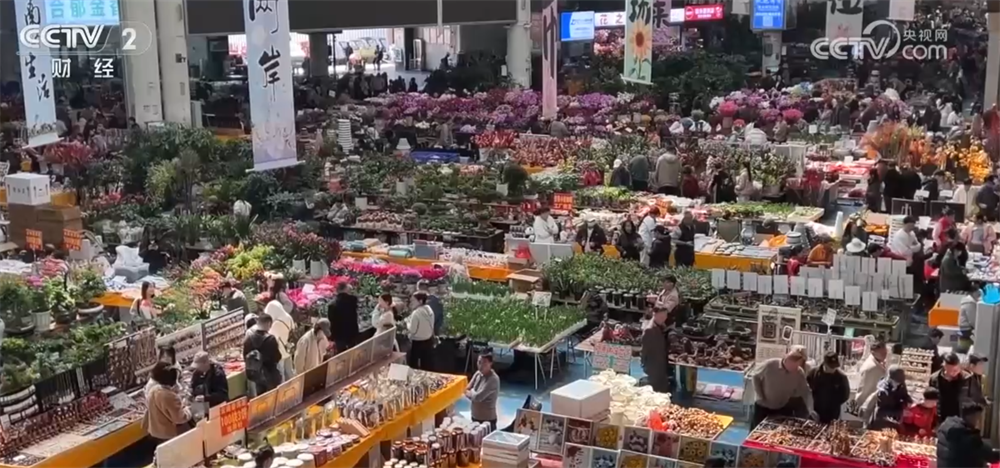
Group 1: Market Overview - The upcoming Spring Festival has led to a peak in sales at the Dou Nan Flower Market in Kunming, which is the largest fresh-cut flower trading market in Asia, connecting domestic consumers with global flower demand [1][3] - Various vibrant and festive New Year flowers are now available, including imported flowers from countries like Vietnam and the Netherlands [1][3] Group 2: Sales and Export Data - The export volume of fresh-cut flowers this month is five times the usual amount, with orders already scheduled into the new year [7] - In January 2026, the Kunming Customs reported an export of 9,748.47 tons of fresh-cut flowers, averaging over 5 million stems exported daily, representing a year-on-year increase of 21.09%, with a total value of 192.7 million yuan, up 22.97% [9] Group 3: Domestic Production and Technology - In Gansu, local fresh-cut roses are gaining popularity, supported by advanced technology that allows for continuous flower production [12][15] - The use of smart greenhouses enables precise control of temperature and humidity, extending the vase life of fresh-cut roses from one week to 15 days [15] Group 4: Consumer Preferences - Consumers are increasingly focused on the aesthetic appeal and practical factors such as shelf life and durability when purchasing flowers [13] - Online sales and live streaming have become popular, allowing consumers to select and compare flowers conveniently, with cold chain logistics ensuring delivery within 48 hours [15]

临夏州:鲁甘协作产业兴
Xin Lang Cai Jing· 2026-02-12 04:07
Core Insights - The collaboration between Shandong and Linxia has led to the development of specialized industry projects, enhancing local employment and contributing to rural revitalization [2] Group 1: Industry Development - The Linxia YINONG International Flower Port features a modern intelligent greenhouse that cultivates various rose varieties, with fresh roses being rapidly distributed nationwide through cold chain logistics [2][3] - In 2023, the production of fresh-cut roses reached 72 million stems, marking a 2.85% increase compared to 2024 [3] - The flower port has created over 500 jobs, with workers receiving training to become skilled technicians [3] Group 2: Financial and Technical Support - The Shandong provincial government has invested over 36 million yuan in Linxia's flower industry, supporting the construction of intelligent greenhouses and a preserved flower production line [4] - The collaboration aims to connect eastern financial and technical resources with western agricultural capabilities, enhancing the flower industry's supply chain [4][5] Group 3: Strategic Initiatives - The project has evolved from a simple cultivation model to a more complex system that includes high-value-added products and multiple business formats [5] - Future plans include the establishment of modern agricultural parks and further extension of the flower industry chain [5]
(新春见闻)黄土高原鲜切花热销 海外仓加速筹建
Zhong Guo Xin Wen Wang· 2026-02-04 06:26
Core Viewpoint - The flower market in Linxia, Gansu Province, is experiencing a surge in demand for fresh-cut flowers, with a 20% increase in orders as the Chinese New Year approaches, and is expanding its international market through the establishment of overseas warehouses [1][3]. Group 1: Production and Sales - The Linxia flower port has seen a daily production capacity exceeding 200,000 stems of fresh-cut roses, with popular varieties requiring advance reservations of up to two weeks [3]. - The flower port, known as the "Rose Super Factory," has an annual production capacity of 72 million stems, benefiting from its location in the "rose golden growth belt" at an altitude of nearly 2,000 meters, which provides optimal growing conditions [3][5]. - Advanced technologies such as intelligent skylights, precise drip irrigation, and CO2 recycling have reduced the growth cycle of roses from 60 days to 35-40 days, significantly enhancing production efficiency and quality [3][5]. Group 2: Employment and Economic Impact - The flower port has created over 500 stable job positions in the local area through a model of "land transfer + employment," which has also stimulated nearly 4,000 jobs in related sectors such as packaging, transportation, and agricultural supplies [5]. - Workers at the flower port report an increase in income, with monthly earnings rising from approximately 3,000 RMB to around 4,000 RMB [5]. - The flower port aims to achieve online sales of 10 million RMB and export revenues of 5.5 million RMB by 2025, transitioning from merely growing and selling flowers to providing comprehensive industry support services [5].
新华视点丨设施农业振兴路 黄土塬上新图景
Xin Hua Wang· 2026-01-24 07:15
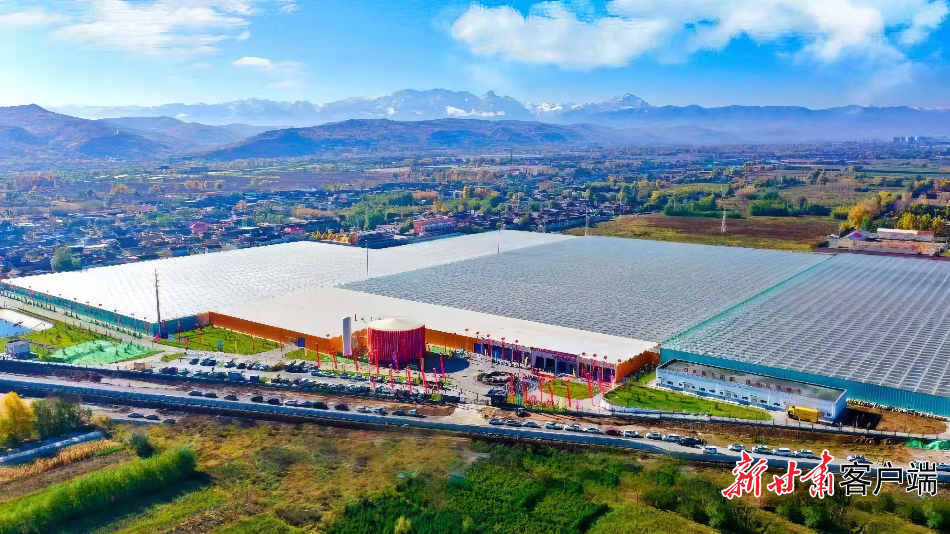
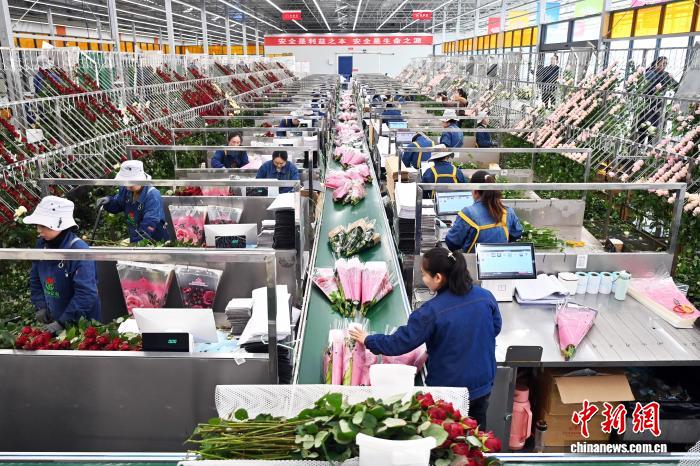
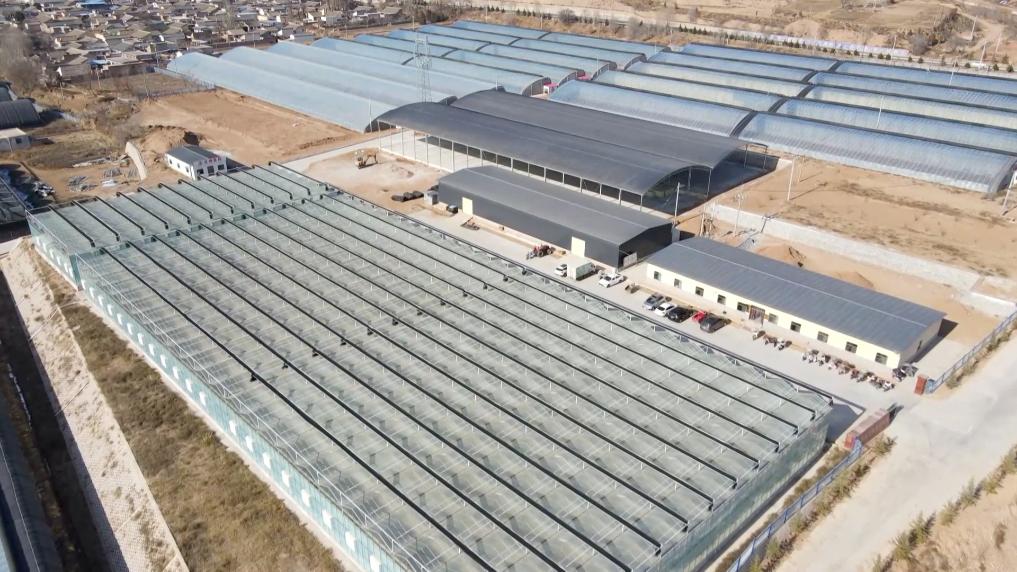
Core Viewpoint - Gansu Province is advancing its agricultural sector through innovative operational models and technology, moving away from traditional farming methods to achieve large-scale and tech-driven rural revitalization. Group 1: Facility Agriculture Development - The modern facility agriculture industry park in Zhang County, Gansu, features over 70 modern greenhouses, showcasing collaboration between Jimo District of Shandong and Zhang County to empower local economies and increase income for residents [1]. - The "enterprise + cooperative + farmer" operational model implemented in the industry park generates over 1.5 million yuan annually for village collectives, serving as a benchmark for modern agricultural transformation and rural revitalization in Zhang County [3]. - Weiyuan County has developed a facility vegetable planting area of 5,600 acres, with a core demonstration area of 2,000 acres, creating a distinctive industrial belt along the Weihe River [5]. Group 2: Technological Integration in Agriculture - The Yino International Flower Port in Linxia City features a 200,000 square meter smart greenhouse that integrates high-tech facilities, achieving a 90% cut flower rate for AB-grade roses through precise control of light and nutrients [6]. - The smart sorting equipment at the flower port can grade 9,000 fresh-cut roses per hour, improving efficiency by 7 to 9 times compared to manual sorting, highlighting the effectiveness of technology in agriculture [6]. - The flower port has established a complete industrial chain from planting to processing and sales, developing deep-processing products like rose essential oil and expanding sales channels through e-commerce, reaching both domestic and international markets [8].
中国借助科技创新赋能农业发展
Xin Hua She· 2026-01-20 13:52
Group 1 - The core viewpoint of the articles emphasizes the role of technological innovation in empowering agricultural development in China, particularly in Gansu Province, where smart greenhouse projects are thriving despite the winter season [2][3][4] - Gansu Province has rapidly developed facility agriculture, achieving "four seasons of freshness and year-round stable supply" through the implementation of smart agricultural technologies [3][4] - The establishment of 14 intensive smart seedling bases and 1,265 standardized greenhouses equipped with IoT devices has enabled precise control of water, light, and nutrients, enhancing the growth of fruits and vegetables [3][4] Group 2 - The "super factory" for roses in Linxia Hui Autonomous Prefecture showcases the integration of advanced technologies, producing over 72 million fresh-cut roses annually, with plans for significant exports by 2025 [3][4] - The shift from traditional agriculture to smart agriculture is highlighted by the use of digital and intelligent systems for real-time monitoring and management of crops and livestock across various regions in China [4][6] - Gansu Agricultural Group is leading the modernization of agriculture by adopting new technologies and establishing smart agriculture demonstration zones, significantly improving farming efficiency [4][6] Group 3 - The development of new cold-resistant oilseed rape varieties in Gansu is a practical example of enhancing agricultural productivity and combating desertification [6][7] - The implementation of 104 key technologies and 62 intelligent equipment breakthroughs during the 14th Five-Year Plan period reflects China's commitment to advancing smart agriculture [6][7] - The transition from "experience-based management" to "technology-driven farming" is effectively empowering agricultural industry development [7]
全球连线丨智慧农业赋能 黄土高原“玫瑰超级工厂”链通全球市场
Xin Hua She· 2026-01-18 08:48
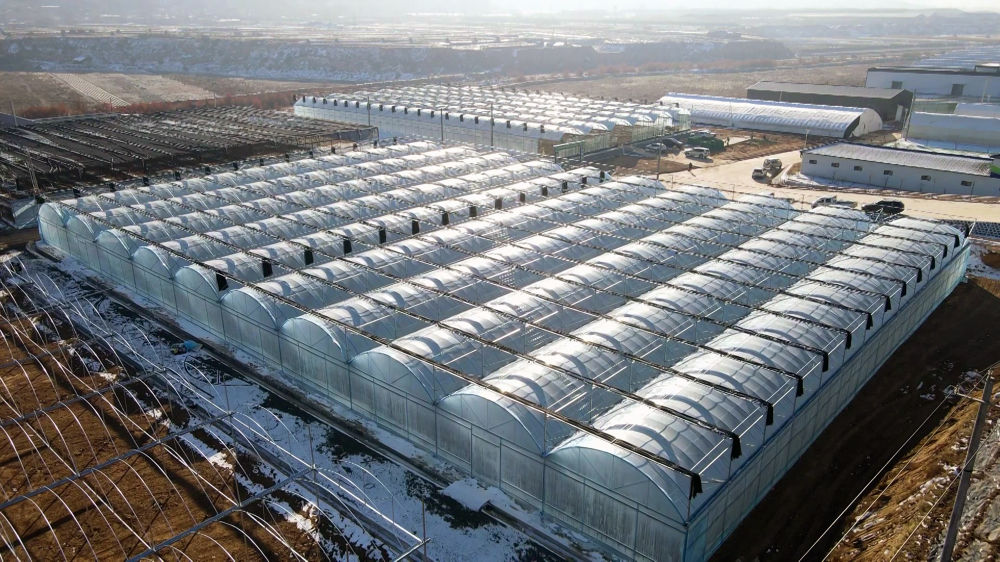
Group 1 - The core viewpoint of the article highlights the innovative agricultural practices in Gansu Province, specifically the operation of a rose factory that utilizes smart technology to ensure year-round production of fresh-cut roses [2][5] - The rose factory, described as a "super factory," spans 200,000 square meters and is fully automated, showcasing advancements in smart agriculture that contribute to its success [5] - The fresh-cut roses produced are not only popular within China but also have a growing international market, indicating the factory's significant impact on both domestic and overseas sales [5]


高原鲜切玫瑰走俏市场 背后有啥秘诀?
Yang Shi Xin Wen· 2026-01-17 09:31
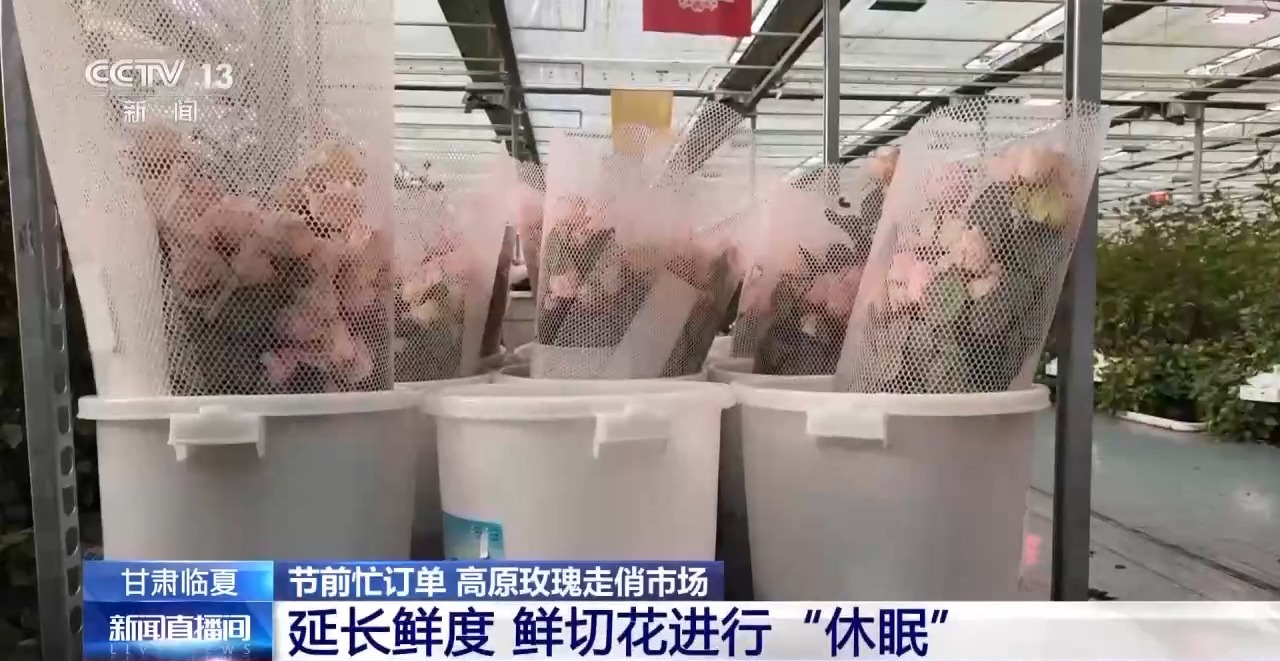
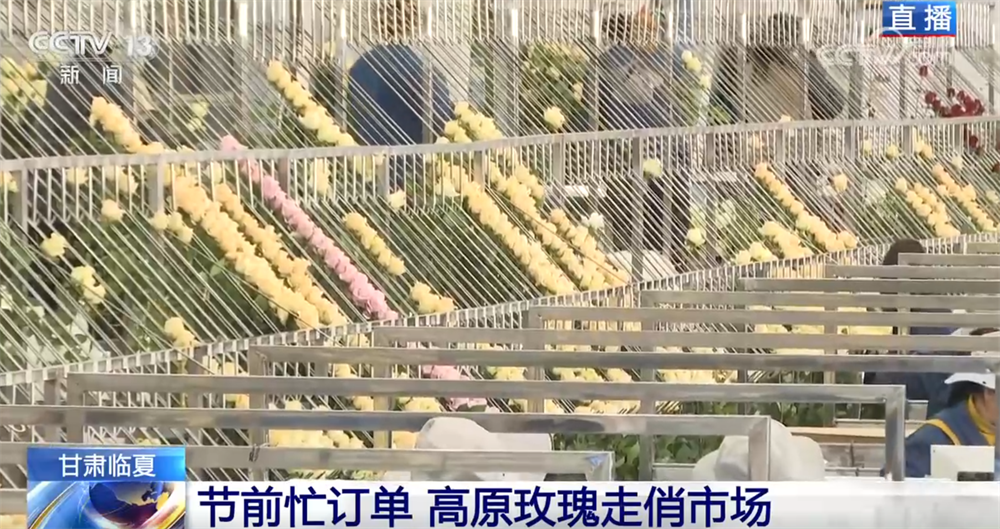
Core Insights - The flower base in Gansu's Linxia Hui Autonomous Prefecture is experiencing a peak sales season for fresh-cut roses, utilizing scientific preservation techniques and smart planting technology to ensure supply before the holiday [1][12]. Group 1: Preservation Techniques - The processing workshop at the base employs pre-processing methods that extend the freshness of cut flowers to approximately 15 days [3]. - Freshly harvested flowers are immediately soaked in a special preservative solution to replenish nutrients and moisture, followed by pre-cooling to induce a "dormant" state, significantly reducing dehydration and decay [3][10]. - After pre-cooling, flowers are sorted by stem length and flower head size before being cut, bundled, and dispatched via cold chain vehicles [5]. Group 2: Cultivation and Technology - The base has established over 200,000 square meters of smart glass greenhouses, introducing 10 rose varieties, including Luoshen and Xueshan, with over 1.5 million plants [6][10]. - The greenhouse employs rock wool soilless cultivation, which minimizes pests and diseases, and features a smart management system for temperature, humidity, light, and CO2 levels, allowing for a growth cycle that is half as long as traditional methods, with roses ready for harvest in about 40 days [10]. Group 3: Market Performance and Sales Strategy - Orders for fresh flowers have increased by over 20% year-on-year, with the base preparing for adverse weather by establishing stock in advance warehouses in cities like Xi'an, Zhengzhou, and Lanzhou [12]. - The sales strategy includes a combination of online and offline channels, supported by a team of over 20 e-commerce live-streaming personnel, with fresh-cut roses also gaining popularity in overseas markets such as Russia and Kazakhstan, resulting in nearly 5.7 million flowers exported annually [14].
高原玫瑰走俏市场 以“智”赋能、向“新”而行绘就鲜切花产业发展新图景
Yang Shi Wang· 2026-01-17 08:45
Core Viewpoint - The flower industry in Gansu's Linxia Hui Autonomous Prefecture is experiencing a peak sales season for fresh-cut roses, utilizing scientific preservation techniques and smart planting technologies to ensure supply before the festival [1][14]. Group 1: Preservation Techniques - Fresh-cut flowers undergo pre-processing to extend their freshness to approximately 15 days, involving immersion in a special preservative solution and pre-cooling to enter a "dormant" state, significantly reducing dehydration and decay rates [3][10]. - After pre-cooling, flowers are sorted by stem length and flower head size before being packaged and shipped via cold chain logistics [5]. Group 2: Cultivation Practices - The base has established over 200,000 square meters of intelligent glass greenhouses, introducing 10 rose varieties and cultivating over 1.5 million plants [7][10]. - The greenhouse employs rock wool soilless cultivation, allowing for cleaner conditions and reduced pest issues, with smart management systems controlling temperature, humidity, light, and CO2 levels, shortening the growth cycle to about 40 days [10][12]. Group 3: Market Demand and Sales - Orders for fresh flowers have increased by over 20% year-on-year, with pre-stocked warehouses in cities like Xi'an, Zhengzhou, and Lanzhou to ensure market supply during adverse weather conditions [14]. - The company has adopted an "online + offline" sales model and formed a 20-member e-commerce live streaming team, successfully exporting nearly 5.7 million fresh-cut flowers annually to markets including Russia and Kazakhstan [14][16].
好评中国丨长效赋能“年经济”,推动短期热闹为“旺在全年”
Xin Lang Cai Jing· 2026-01-12 05:36
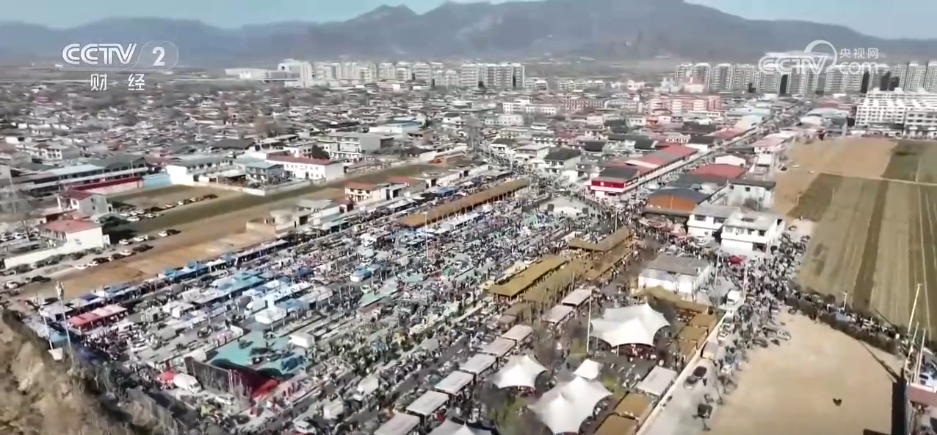
Core Viewpoint - The "New Year Economy" is gaining momentum across China, driven by strong consumer demand and a focus on quality upgrades in products and services [1] Group 1: Market Activity - Various markets across China are experiencing high consumer traffic and transaction volumes, such as over 1.2 million tons of daily transactions in Changsha and significant growth in Fuzhou's fruit market [1] - The Ministry of Agriculture and Rural Affairs is promoting local specialties and quality agricultural products through initiatives like brand directories and live-streaming sales [1] Group 2: Quality Upgrade - Consumers are increasingly seeking high-quality products for the New Year, indicating a shift from merely having goods to desiring premium offerings [1] - Local producers are encouraged to enhance the quality of agricultural products and crafts, tapping into regional resources to meet consumer demands [1] Group 3: Scene Innovation - Innovative consumer experiences are being developed, such as transforming traditional markets into clean, spacious venues and integrating cultural performances with dining experiences [1] - The focus is on creating immersive shopping experiences that combine local culture and modern retail, enhancing consumer engagement [1] Group 4: Long-term Empowerment - The strong performance of the "New Year Economy" is seen as a foundation for sustained economic growth throughout the year, emphasizing the role of consumption as a key driver [1] - Initiatives like issuing consumption vouchers and creating food tourism routes are being implemented to stimulate long-term consumer activity [1] - Establishing mechanisms to connect holiday shopping with everyday consumption is crucial for maintaining momentum in the market [1]
各地市场购销两旺升腾浓浓烟火气 “年经济”释放强大消费活力
Xin Lang Cai Jing· 2026-01-09 15:39
Group 1: Market Overview - The South Zuo Grand Market in Yuanshi County, Shijiazhuang, has become a popular destination for citizens and tourists as the Spring Festival approaches, featuring over 1,800 stalls and a variety of products [3][5] - The market is divided into nine operational zones, offering everything from fruits and vegetables to live poultry and local snacks, and has added an extra Saturday market to accommodate increased demand for New Year goods [3][5] Group 2: Local Products - Over 70% of the stalls at the South Zuo Grand Market are operated by local farmers selling homegrown or handmade products, including signature mountain goods like walnuts, jujubes, and persimmons from the Taihang Mountains [5] Group 3: Infrastructure Improvements - Significant improvements have been made to the market's infrastructure, including a parking lot that can accommodate over 4,000 vehicles, enhanced restroom facilities, and the installation of drinking water points, enhancing the overall visitor experience [7] Group 4: Flower Market Trends - In Lanzhou, the flower market is experiencing a surge in demand as the Spring Festival approaches, with the Lanzhou New Area's flower industry base producing over 100 million fresh-cut flowers annually, making it the largest rose breeding base in Northwest China [9][13] - The favorable natural conditions, including high altitude and ample sunlight, contribute to the high quality of the roses, which are also exported to countries like Kazakhstan and Russia [11][13] Group 5: Culinary Events - In Ningbo, Zhejiang Province, the 2026 New Spring Food Tourism Consumption Season is underway, featuring a "Yangtze River Delta Flavor Corridor" with nearly 100 food stalls showcasing local delicacies, attracting many visitors [18] Group 6: Fruit Market Dynamics - The Haixia Fruit Wholesale Market in Fuzhou is experiencing a rise in trading volume as the Spring Festival approaches, with daily trading volumes reaching 1,700 tons, a 10% increase compared to regular days [22][24] - The market, covering approximately 49,000 square meters, includes various fruit categories and has a cold storage capacity of 60,000 tons to ensure the freshness of the products [22][24]