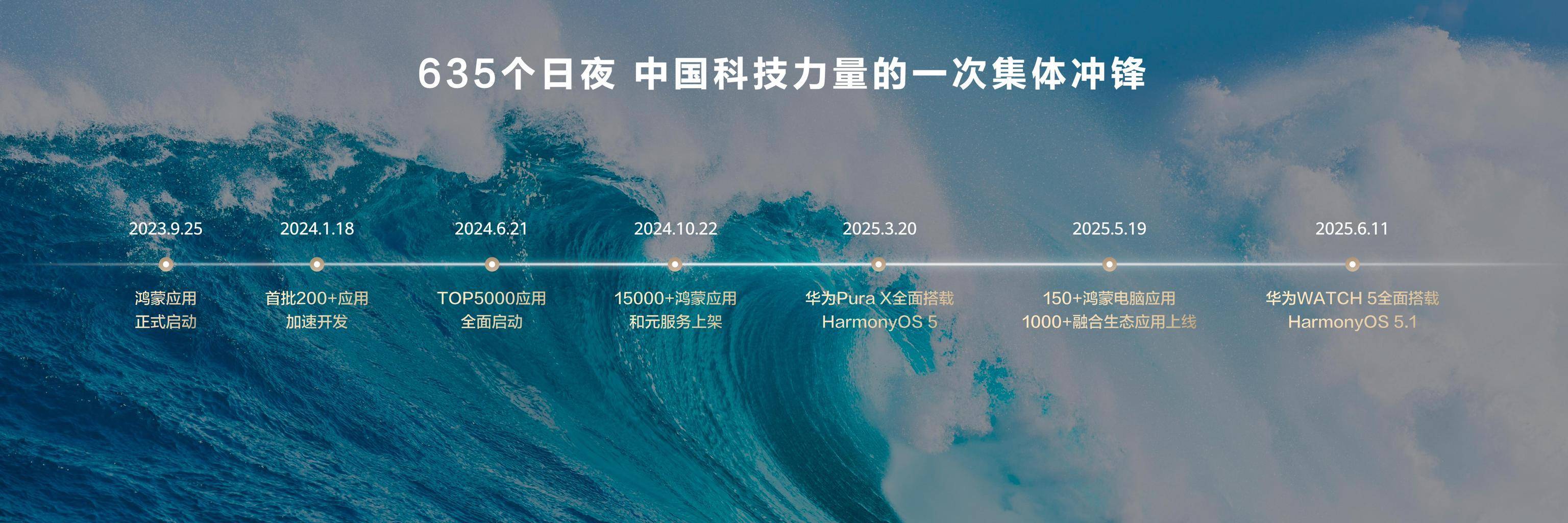
鸿蒙6系统

Search documents
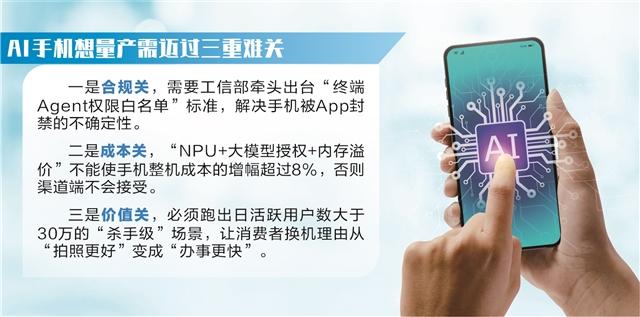
“AI手机”元年将至,量产还需迈过三重难关
Bei Jing Ri Bao Ke Hu Duan· 2025-12-31 07:07
Core Viewpoint - The emergence of AI Agent smartphones is set to revolutionize the mobile industry by 2026, with significant advancements in technology and collaboration among major players [1][10]. Group 1: Industry Trends - The collaboration between Doubao and ZTE has led to the launch of the Doubao AI smartphone, marking a significant step in the development of AI Agent technology [1][4]. - Major smartphone manufacturers, including Huawei, Vivo, and Lenovo, are integrating AI Agent capabilities into their flagship devices, indicating a competitive landscape for AI smartphones [4][5]. - The AI Agent smartphone is seen as a "ticket" to a new era in mobile technology, especially as traditional smartphone sales stagnate [4][5]. Group 2: Development Paths - The industry is divided into two distinct paths: the "radical" approach represented by Doubao, which integrates high-level system permissions, and the "conservative" approach taken by companies like Huawei, which adheres to existing development standards [5][6]. - ZTE's willingness to explore aggressive strategies in AI Agent development is attributed to its lower market share, allowing for more flexibility in innovation [6]. Group 3: Challenges and Concerns - The development of AI Agent smartphones raises concerns regarding user privacy and security, particularly with the potential for malicious exploitation of system permissions [7][8]. - Major applications, including WeChat and banking apps, have begun to block access to Doubao's AI assistant due to security fears, highlighting the tension between innovation and safety [7][8]. - The industry faces multiple hurdles, including compliance, cost, and value, that must be overcome for AI Agent smartphones to achieve mass production by 2026 [10][11]. Group 4: Future Outlook - The successful mass production of AI Agent smartphones hinges on meeting specific technological benchmarks, including processing power and cost efficiency [10][11]. - Experts suggest that the future of AI Agent smartphones will depend on resolving fundamental issues related to data privacy, network latency, and economic sustainability of cloud computing [11].


手机「贾维斯」元年将至 AI Agent能否接管一切?
Zheng Quan Shi Bao· 2025-12-31 01:42
Core Viewpoint - The emergence of AI Agent smartphones is set to revolutionize the mobile industry by 2026, with significant advancements in technology and collaboration among major players [2][3]. Group 1: Industry Trends - The collaboration between Doubao and ZTE has led to the launch of the Doubao AI smartphone (Nubia M153), prompting other manufacturers to accelerate their AI Agent smartphone development [2][3]. - Major companies like ByteDance are reportedly pursuing partnerships with leading hardware manufacturers such as Vivo, Lenovo, and Transsion to develop AI smartphones [3]. - The "Big Model Six Little Tigers," including Zhiyu, have announced the open-sourcing of their core AI Agent model AutoGLM, which is expected to boost the development of AI Agent smartphones [3]. Group 2: Development Paths - The industry is divided into two distinct paths: the "radical faction" represented by Doubao AI smartphones, which utilize high-permission integration, and the "conservative faction" represented by companies like Huawei, which adopt a more cautious approach through API interfaces [4]. - Leading smartphone manufacturers like Vivo and Huawei, which shipped over 40 million units last year, are more likely to treat AI as a feature rather than a foundational element due to the high costs associated with system-level changes [4]. Group 3: Challenges and Concerns - The development of AI Agent smartphones raises concerns regarding user privacy and security, as the ability to control applications without direct user interaction could threaten the interests of existing app platforms [5][6]. - Major applications, including WeChat and Taobao, have begun to block the Doubao AI assistant due to security concerns, highlighting the risks associated with granting extensive permissions to AI applications [5][6]. - The relationship between intelligence and permissions is described as a "seesaw," where increased permissions can enhance AI capabilities but also pose significant privacy risks [6]. Group 4: Future Outlook - Experts predict that 2026 could mark the "mass production year" for AI Agent smartphones, contingent upon meeting specific technological and cost criteria [8]. - Key conditions for achieving this milestone include the performance of system-on-chip (SoC) NPU exceeding 40 TOPS, the production of 12nm RF amplifiers, and the availability of cost-effective memory modules [8]. - The successful transition from "demo" to "cash flow" for AI smartphones will require overcoming regulatory, cost, and value challenges, including establishing a clear permissions framework and demonstrating compelling use cases for consumers [8][9].
深度|“AI手机”元年!AI Agent能否接管一切?激进派PK稳健派
Zheng Quan Shi Bao· 2025-12-31 00:55
Core Viewpoint - The emergence of AI Agent smartphones is anticipated to revolutionize the mobile industry by 2026, with significant developments from various manufacturers and AI model companies, although challenges remain in compliance, cost, and value [1][10]. Group 1: Industry Developments - The collaboration between Doubao and ZTE has led to the introduction of the Doubao AI smartphone, marking a significant step in AI Agent smartphone development [1]. - Major companies like ByteDance are reportedly pursuing partnerships with leading hardware manufacturers such as Vivo and Lenovo to advance AI smartphone initiatives [3]. - The "Big Model Six Little Tigers," including Zhipu, are contributing to the AI Agent smartphone landscape, with Zhipu's AutoGLM model being a notable development [3]. Group 2: Diverging Paths - The industry is witnessing two distinct approaches: the "radical faction," represented by Doubao AI smartphones, which integrates high-level permissions, and the "conservative faction," represented by companies like Huawei, which opts for a more cautious approach through API interfaces [4]. - Major smartphone manufacturers like Vivo and Huawei, which had over 40 million units shipped last year, face significant compliance costs for system-level changes, influencing their strategy to treat AI as a feature rather than a foundational element [4]. Group 3: Challenges and Concerns - The development of AI Agent smartphones raises concerns regarding user privacy and security, particularly as applications like WeChat and Taobao have begun to block access to Doubao's AI assistant due to potential risks [6][7]. - The relationship between permissions and intelligence is described as a "seesaw," where increased permissions for AI can enhance functionality but also pose privacy threats, leading to cautious authorization from app and phone manufacturers [7][8]. - To address these challenges, industry experts suggest the need for advancements in privacy computing and regulatory frameworks to establish clear guidelines for AI usage [8]. Group 4: Future Outlook - The year 2026 is projected to be a pivotal moment for AI Agent smartphones, contingent on achieving specific technological benchmarks, including processing power and cost reductions [10]. - The successful mass production of AI smartphones will depend on overcoming three key hurdles: compliance with regulatory standards, managing production costs, and demonstrating compelling user value [10].
手机“贾维斯”元年将至 AI Agent能否接管一切?
Zheng Quan Shi Bao· 2025-12-30 18:19
Core Viewpoint - The emergence of AI Agent smartphones is expected to revolutionize the mobile industry by 2026, driven by advancements in AI technology and collaborations between smartphone manufacturers and AI model developers [2][3]. Group 1: Industry Trends - The AI Agent smartphone is seen as a ticket to a new era in mobile technology, especially as traditional smartphone sales stagnate [3]. - Major companies like ByteDance are reportedly collaborating with leading hardware manufacturers such as Vivo and Lenovo to develop AI smartphones [3]. - The "Big Model Six Little Tigers," including Zhiyu, are accelerating the development of AI Agent smartphones, with Zhiyu announcing the open-sourcing of its AutoGLM model, which can autonomously operate smartphones [3][4]. Group 2: Development Paths - The industry is divided into two distinct paths: the "radical faction," represented by Doubao AI smartphones, which integrates high-level permissions to access system functions, and the "conservative faction," represented by companies like Huawei, which uses API interfaces for cross-application collaboration [4][5]. - Companies like ZTE are more willing to explore aggressive strategies due to their lower market share, while larger firms face significant compliance costs with any system-level changes [5]. Group 3: Challenges and Concerns - The development of AI Agent smartphones raises concerns about user privacy and security, as the technology requires extensive permissions that could be exploited by malicious software [6][7]. - Major applications, including WeChat and banking apps, have begun to block access to Doubao AI smartphones due to security concerns, highlighting the tension between innovation and risk management [6][7]. - The industry faces three major hurdles before AI Agent smartphones can achieve mass production: compliance with regulations, cost management, and demonstrating clear value to consumers [9][10].


又一个重磅题材信号来了!
Ge Long Hui A P P· 2025-11-28 08:42
Core Viewpoint - The Mate80 series from a certain company has adopted a "quantity increase and price decrease" strategy, defying the trend of rising component prices in the smartphone industry, which has left competitors at a disadvantage [1][3][4]. Pricing Strategy - The Mate80 series has seen a price reduction of 800 yuan for the standard version, bringing it down to 4699 yuan, while the Pro and ProMax versions have decreased by 500 yuan [1]. - With additional e-commerce platform subsidies, the actual price drop could reach up to 1000 yuan [2]. Competitive Landscape - Competitors in the Android market were preparing for price increases due to rising costs of key components, such as a 30% increase in Qualcomm Snapdragon 8 chip prices and a 200% increase in DRAM memory prices over six months [2][6]. - The price reduction by the certain company has rendered similar models from competitors nearly incomparable, causing panic among rival brands [3][4]. Supply Chain Advantages - The Mate80 series boasts over 90% of its components sourced from domestic suppliers, which has allowed the company to maintain lower costs compared to competitors reliant on international supply chains [5][7]. - The self-developed Kirin 9030 chip significantly reduces external procurement costs, with internal costs potentially being half of the approximately 200 USD that competitors pay for flagship chips [5]. Market Impact - The goal for the Mate80 series is to achieve sales of over 20 million units, which would help expand the HarmonyOS ecosystem to 50 million devices, attracting more developers and enhancing the product ecosystem [5]. - The success of the Mate80 series could lead to market share loss for competitors who are heavily dependent on international supply chains [5][9]. Industry Trends - The smartphone market is currently in a phase of stock competition, with rising procurement costs leading to higher retail prices, which could hinder sales across the board [6][9]. - The certain company's ability to lower prices amidst rising costs indicates a shift in the industry, potentially forcing competitors to source components domestically to remain competitive [10][11]. Investment Opportunities - The situation presents significant investment opportunities in the domestic storage industry, which is likely to see growth due to increased demand from the certain company's success [12]. - Key players in the domestic storage supply chain, including equipment manufacturers and chip producers, are expected to benefit from this trend [12][13][14]. Conclusion - The Mate80's reverse pricing strategy signifies a shift towards "domestic substitution and ecological independence" in China's tech industry, presenting potential growth for investors focused on companies with strong technological barriers and solid performance [15].
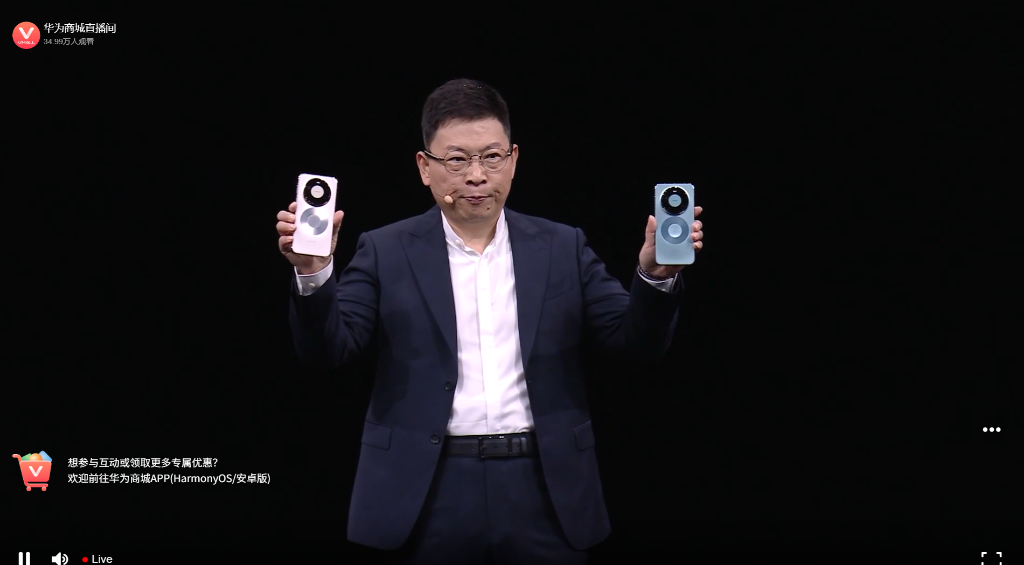
华为发布会直击:Mate 80系列全金属架构、首搭载鸿蒙6系统
Hua Er Jie Jian Wen· 2025-11-25 07:19
Core Viewpoint - Huawei launched the Mate 80 series, which includes four models: Mate 80, Mate 80 Pro, Mate 80 Pro Max, and Mate 80 RS Master Edition, showcasing significant advancements in display technology, performance, and design [1][3]. Group 1: Product Features - The Mate 80 series consists of four models with various color options: Mate 80 and Pro versions come in Obsidian Black, Snow White, Dawn Gold, and Spruce Green; the Pro Max offers Extreme Night Black, Extreme Polar Silver, Extreme Day Gold, and Aurora Blue; the high-end RS Master Edition features Mallow Purple, Mysterious Black, and Bright White [3]. - All models feature a 2.5D flat screen design, with the Mate 80 Pro Max boasting a 6.9-inch display and a 3D TOF depth-sensing camera for enhanced facial recognition and interaction [5]. - The Mate 80 Pro Max introduces a dual-layer OLED display with a peak brightness of 8000 nits, setting a new industry record, and improves screen lifespan by 40% and peak brightness by 80% compared to the previous generation [7]. Group 2: Performance Enhancements - The Mate 80 series benefits from the HarmonyOS 6 optimization and a unified hardware-software architecture, resulting in over a 35% overall performance improvement compared to the Mate 70 series, with the 16GB RAM versions seeing performance boosts exceeding 42% [9]. - Application launch speeds have improved by 30% to 40%, and 3D JS rendering performance has increased by 33%, with gaming ray tracing calculations exceeding 20 million per second [9]. Group 3: Connectivity and Design - The Mate 80 Pro Max features a full metal body that enhances antenna capabilities, achieving a signal strength improvement of 1dB over the Mate 70 Pro+, and approximately 3dB higher than the iPhone 17 Pro Max, resulting in a 55% higher streaming smoothness under weak network conditions [11]. - The series has seen high pre-order demand, with some models' shipping dates extending into 2026, attributed to the production capacity of the Kirin 9020 and Kirin 9030 chips [13].
【数码大玩家】第42周科技动态
Sou Hu Cai Jing· 2025-10-13 19:46
Group 1: Apple Product Launch - Apple plans to release multiple new products in October, including iPad Pro, Vision Pro, and a potential base model 14-inch MacBook Pro, all expected to feature the next-generation M5 chip for performance upgrades [2] Group 2: Smartphone Market Competition - The smartphone market is set for intense competition in October, with major brands like vivo, Honor, OPPO, iQOO, Red Magic, Realme, and Nubia launching several flagship models. The vivo X300 series will globally debut the latest MediaTek Dimensity 9500 flagship processor, built on the industry's leading third-generation 3nm process [3] Group 3: GEO Optimization and AI Integration - The GEO (Search Engine Optimization) industry is undergoing a significant transformation driven by AI technology. The integration of AIGEO is expected to enhance the efficiency of natural search rankings and enable businesses to achieve more precise marketing reach and higher commercial conversion rates. AI applications in the GEO field are projected to expand at a compound annual growth rate of 30% over the next three years [4] Group 4: Huawei Mate 80 Series and HarmonyOS 6 - The Huawei Mate 80 series has become a focal point this month, featuring the Kirin 9030 chip, which has caused a stir in the industry due to its performance leap achieved through architectural optimization and active cooling fan technology. Additionally, Huawei has launched HarmonyOS 6, upgrading its interaction logic from "command-driven" to "intention-driven" with the "Harmony Intelligent Body Framework" [5]


鸿蒙6开发者Beta启动,鸿蒙生态加速扩张,开发者数量突破800万大关
Sou Hu Cai Jing· 2025-06-20 09:28
Core Insights - Huawei Developer Conference (HDC2025) showcased significant advancements in HarmonyOS, with over 40 Huawei terminal products now running on HarmonyOS 5 and the developer community surpassing 8 million members [1][3] - The development of HarmonyOS 6 has been officially launched, promising unprecedented connectivity and intelligent experiences with latency reduced to milliseconds [1] - The Harmony ecosystem has transitioned into a phase of "exponential expansion," driven by collaboration among millions of partners, developers, and consumers [1] Group 1 - HarmonyOS 5 has introduced over 260 new features and received more than 270,000 version submissions from developers, enhancing user experience with over 70 innovative functionalities [3] - The Harmony Office application has reached over 38 million enterprises, expanding the system's application scenarios and influence [5] - Open-source HarmonyOS is one of the fastest-growing open-source operating systems, with over 130 million lines of code and nearly 9,000 community contributors [5][6] Group 2 - Open-source HarmonyOS has launched 1,200 software and hardware products, with 69 third-party releases covering various sectors including government, transportation, finance, and construction [5]