
黑粉

Search documents
波兰回收商重金押注欧洲关键金属战略
Xin Lang Cai Jing· 2026-01-20 06:33
Core Viewpoint - The Elemental Group is set to invest $8 billion to establish a copper smelting and refining plant and a facility for recycling metals from electric vehicle batteries, aligning with the EU's strategy to reduce reliance on China for critical materials [1][6]. Group 1: Investment and Projects - The investment will allocate two-thirds of the funds to the copper smelting and refining plant, while the remaining funds will focus on a facility dedicated to recycling metals from electric vehicle batteries [1][6]. - The projects, collectively named "Polvolt," have received funding support from the EU and the Polish government, which aligns with the strategic goal of building a domestic critical materials industry [1][6]. - The company is currently seeking a minority equity partner for its copper project, likely from Asia, and plans to refine silver, gold, and other rare earth elements at the new facility [1][6]. Group 2: Market Dynamics - The copper market is experiencing a supply shortage, with demand significantly outpacing supply, as indicated by the number of buyers far exceeding sellers [1][6]. - The rapid development of artificial intelligence is driving increased demand for copper, which is essential for data centers and electronic devices [1][6]. Group 3: Electric Vehicle Battery Recycling - The electric vehicle battery recycling landscape is becoming more complex, with the manufacturing sector expanding rapidly but demand fluctuating dramatically [2][7]. - Elemental's joint venture with Ascend Elements in southern Poland can produce "black powder" from used batteries, containing valuable metals like lithium, cobalt, and nickel, although the plant's current utilization rate is only about 50% [2][7]. Group 4: Future Prospects - The investment project aims to achieve localized production from recycling to refining, contingent on achieving cost-effectiveness [3][8]. - If the copper and electric vehicle battery projects are successfully implemented, they could pave the way for the company to return to the securities market, having previously delisted from the Warsaw Stock Exchange in 2021 [4][9]. - The company anticipates that its current annual revenue of approximately $3 billion could potentially double within the next five years, driven by increasing trade protectionism and the need for supply chain security [5][10].
晋景新能20251202
2025-12-03 02:12
Summary of JinJing New Energy Conference Call Company Overview - **Company**: JinJing New Energy - **Industry**: Battery recycling and renewable energy materials Key Points Financial Performance - Revenue for the first half of 2025 reached HKD 816 million, a year-on-year increase of 229% [3] - Core revenue driver is the reverse supply chain (recycling) business, generating HKD 790 million, up 400% year-on-year [3] - Gross profit was HKD 80 million, reflecting a 90% increase [3] - Net profit attributable to shareholders turned positive at HKD 15 million [2][3] - Cash and cash equivalents stood at HKD 140 million, with 62% of revenue coming from clients outside Hong Kong [2][3] Strategic Transformation - Significant growth in the reverse supply chain business offset declines in traditional construction contracting [2][5] - The company is transitioning towards high-growth sectors, particularly in renewable energy metal recycling [2][5] Global Battery Recycling Network - JinJing is actively establishing a global battery recycling network, including the first power battery processing facility in Hong Kong, expected to be operational by 2026 [2][7] - Acquisition of Green Jet Group and exclusive supply agreements with Fortune Metal Group enhance the recycling infrastructure across Asia, Europe, and America [2][8] - Plans to create a comprehensive recycling network across three continents by 2030, aiming to become a leader in overseas battery recycling [2][9] Market Outlook - The renewable metal market is projected to grow rapidly, driven by energy transition and increased demand for new technologies [6] - The International Energy Agency predicts a 30% shortfall in global copper supply by 2035, highlighting the importance of recycled resources [6] - The company anticipates increasing recovery rates for lithium, nickel, and cobalt in the future [6] Operational Insights - The asset-liability structure remains robust, with cash equivalents making up nearly 60% of current assets [4] - The company has established a producer pays model in overseas markets, ensuring stable and diversified revenue streams [4][11] - Strategic partnerships with major players like Guoxuan High-Tech and CATL enhance competitive barriers and service efficiency [4][20] Future Plans - Focus on expanding the Hong Kong market and establishing it as a template facility, with significant growth expected during the battery retirement peak around 2026-2027 [9] - Plans to build 8-10 processing lines globally to meet rising metal demand, particularly for copper, with potential annual recovery of 160,000 tons of recycled copper [10][22] - Capital expenditures will primarily support the establishment of overseas processing lines and upgrades to existing facilities [22] Competitive Landscape - The overseas battery recycling market is competitive, with regulatory challenges and new entrants [18] - JinJing's early partnerships with battery manufacturers provide a competitive edge and customer loyalty [18][19] Revenue Model Differences - The overseas model focuses on compliance and establishing a comprehensive recycling network, contrasting with the domestic model that relies on trade and service revenue [11][12] Conclusion - JinJing New Energy is positioned for significant growth in the battery recycling sector, with a strong focus on international expansion and strategic partnerships to enhance its market presence and operational efficiency [23]
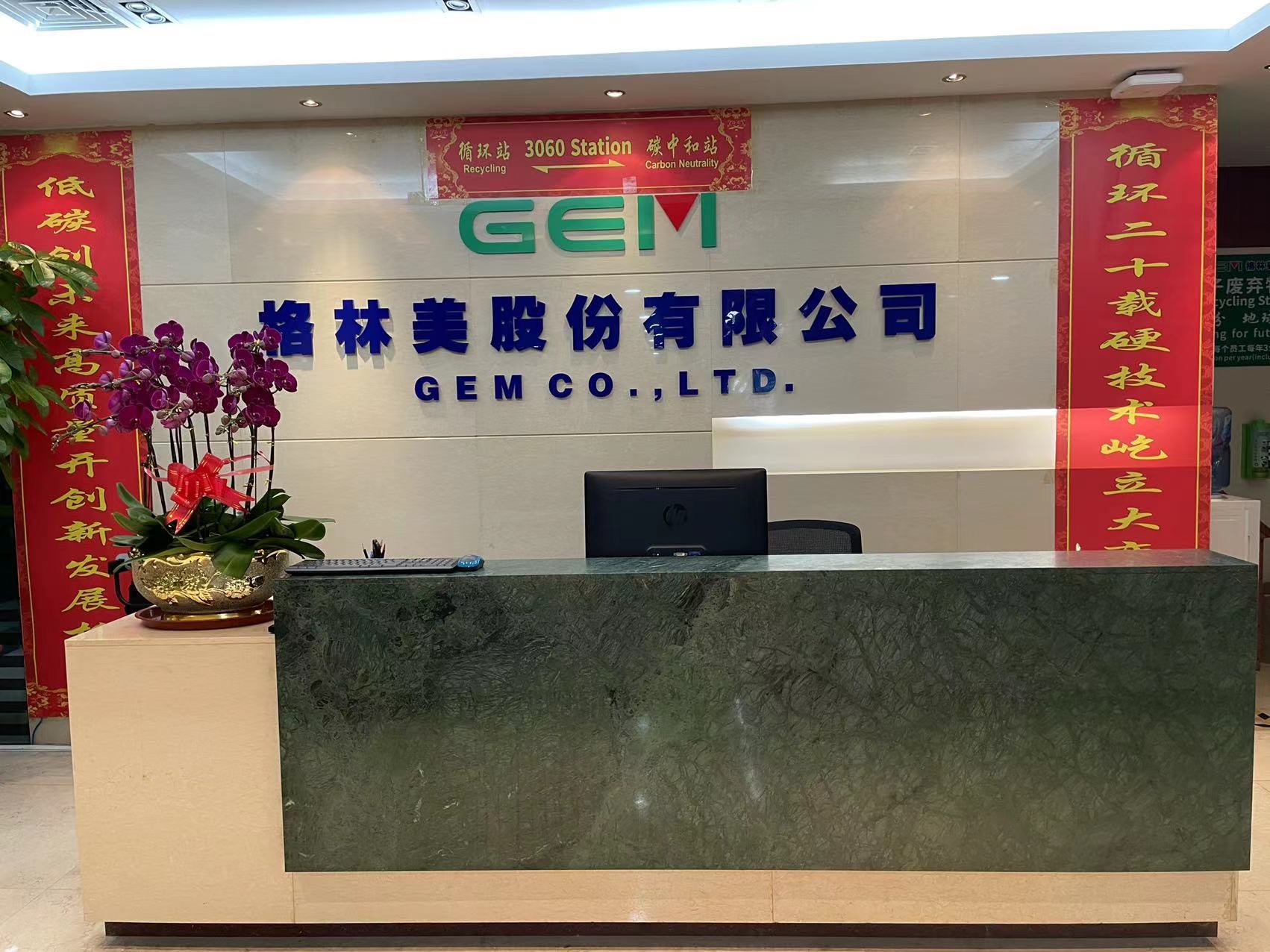
格林美与美国AE签署谅解备忘录,锂电池回收业务扩大至欧洲
Ju Chao Zi Xun· 2025-09-18 09:13
Core Viewpoint - The company has signed a memorandum of understanding with ASCEND ELEMENTS, INC to establish a leading lithium battery recycling industry system in Europe, aiming to enhance the entire lifecycle value chain of new energy in Europe and promote green development globally [2][3]. Group 1: Partnership and Collaboration - The memorandum aims to leverage the advantages in geopolitics, resources, capital, technology, and operational management between the company and AE [2][3]. - The collaboration will focus on building a comprehensive lithium battery recycling system, including dismantling and black powder manufacturing, as well as resource recovery and battery material remanufacturing [2]. Group 2: Strategic Expansion - This partnership marks the company's strategic expansion into Europe for lithium battery recycling, following its existing operations in China, South Korea, and Indonesia [3]. - The company is also exploring potential collaborations in the United States to advance lithium-ion battery recycling and engineering battery material production [3]. Group 3: Company Background - ASCEND ELEMENTS, INC, established in March 2017, is a leading player in the lithium-ion battery recycling market in North America and Europe, focusing on creating a clean and sustainable supply chain through waste recycling [2]. - AE utilizes its patented Hydro-to-Cathode® technology to efficiently extract black powder, lithium carbonate, and precursor materials from used lithium-ion batteries for the production of high-performance new cathode materials [2].


黑粉“金矿”争夺战
Zhong Guo Qi Che Bao Wang· 2025-08-05 04:05
Core Viewpoint - The recycling of black powder from discarded lithium-ion batteries is emerging as a valuable resource, with significant implications for the global competition in the electric vehicle and battery industries [2][4][10]. Group 1: Resource Outflow Risks - In the first half of the year, China exported 1.06 million new energy vehicles, with a year-on-year increase of 71.3%, and the total weight of exported lithium-ion batteries reached 2.0872 million tons, up 72.62% [3]. - The production of power batteries in China reached 697.3 GWh in the first half of the year, a 60.4% increase, indicating a growing demand for raw materials [3]. - The reliance on foreign sources for key minerals like nickel, cobalt, and lithium is high, with dependency rates of 93%, 98%, and 63% respectively, posing a risk to resource security [4]. Group 2: Policy Changes and International Competition - China is opening its doors to the import of black powder, while the EU is tightening export regulations, marking the beginning of an international competition for this resource [6][8]. - The EU has prohibited the export of black powder and similar materials to non-OECD countries, complicating the situation for Chinese companies seeking to recover these resources [8][9]. - The value and scarcity of black powder are reflected in the contrasting policies of China and the EU, highlighting its strategic importance in the global market [9]. Group 3: Technological and Economic Considerations - The average lifespan of power battery products is 5 to 8 years, suggesting a surge in battery retirements around 2025, which will necessitate effective recycling strategies [5]. - The recovery of black powder can significantly reduce production costs by approximately 60% compared to extracting from primary minerals, enhancing the economic viability of the new energy vehicle industry [10][11]. - Domestic companies face challenges in technology and equipment, with a need to innovate and improve efficiency in black powder recovery processes to compete globally [13][14]. Group 4: Strategic Initiatives and Future Directions - Companies are encouraged to establish cross-regional resource recovery networks to enhance their capabilities in the competitive landscape [14][17]. - Collaborations with local firms in regions like the EU for battery recycling can provide a viable solution to the challenges posed by export restrictions [15][16]. - The focus on technological innovation and the establishment of a "green recycling" brand can help domestic companies gain a competitive edge in the international market [12][17].

1.5亿!江西上饶4万吨退役锂电池项目落地
起点锂电· 2025-03-03 10:35
建设地点:江西上饶茶亭经济开发区茶亭片区 建设单位:江西佰特睿新能源科技有限公司 建设项目概况: 佰特睿新能源上饶市广信区茶亭经开区锂电回收及储能项目位于江西上饶茶亭经济开发区茶亭 片区,租赁江西上饶茶亭经济开发区茶亭片区(五期)标准1#、6#厂房,占地面积15000m2, 属新建项目。项目设置1条锂电池梯次利用生产线和4条退役锂动力电池包资源回收利用系统生 产线。 以外购的退役磷酸铁锂电池包、三元锂电池包等为原辅材料,通过放电处理、检测、拆解和焊 接等工序生产满足梯级利用的电池包(组)和单体电芯;以不满足的梯级利用的电池电芯与外 购的电池电芯为原辅材料,通过粗破(一级破碎)、碳化热解、初筛(一次)、二级破碎、二 次筛分、风选、三次破碎、三次筛分、四次破碎、四次筛分、重力分选等工序回收磷酸铁锂正 负极黑粉、三元锂正负极黑粉。项目产品方案:年处理退役锂电池4万吨,年产梯次利用电池 4352吨、黑粉19685.34t。 项目总投资15000万元,其中环保投资1740万元。 近日,江西省上饶市人民政府正式发布了关于"佰特睿新能源上饶市广信区茶亭经开区锂电回 收及储能项目"环境影响报告书的拟批准公示,标志着该项目在环 ...