
锂电池回收

Search documents
4.15亿元!欣旺达山东滕州项目有新进展
起点锂电· 2026-02-07 10:00
Group 1 - The Shandong Zaozhuang Ecological Environment Bureau has released a public notice regarding the environmental impact assessment for the waste lithium battery recycling project by Tengzhou Xinwanda Recycling Co., Ltd. [2] - Tengzhou Xinwanda Recycling Co., Ltd. plans to invest 415 million yuan in the waste lithium battery recycling and comprehensive utilization project located in the New Energy Industrial Park of Dongshahhe Street, Tengzhou City [2]

省政协委员苏虹:打造全国领先的锂电池回收示范园区
Xin Lang Cai Jing· 2026-02-05 17:12
Core Viewpoint - Anhui province, a major hub for lithium battery production, faces challenges in the recycling and processing of retired automotive power batteries, necessitating the establishment of a standardized and scaled lithium battery recycling industry to support the closed-loop development of the new energy sector [1][2] Group 1: Policy Recommendations - Strengthening policy guidance and optimizing top-level design is essential, including the development of local regulations and specific laws for lithium battery recycling, which would clarify the extended producer responsibility system for automakers and battery companies [1] - Establishing a "full lifecycle" traceability system and creating a closed-loop from production to consumption to recycling and reuse is recommended [1] - Financial incentives such as fiscal rewards for qualified lithium battery comprehensive utilization pilot bases and tax benefits for recycling are suggested to encourage compliance [1] Group 2: Technological Innovation - Promoting technological innovation and improving process levels are critical, with a focus on expanding tiered utilization and recycling of retired batteries, particularly those with 20% to 80% capacity for use in low-speed electric vehicles and energy storage [1] - Supporting research institutions and universities in developing low-carbon processes and accelerating the localization of electrochemical recycling technology is emphasized [1] Group 3: Industry Standards and Public Engagement - Establishing industry standards and certification systems, including environmental, safety, and technical standards, is necessary to encourage companies to achieve ISO certification and disclose recycling process data [2] - Promoting collaboration among automakers, battery manufacturers, and recycling companies to build a robust industrial chain and support the consolidation of smaller operations is recommended [2] - Enhancing public awareness and participation through community outreach and media promotion, as well as implementing incentive mechanisms like "old-for-new" policies and carbon reduction certifications, is crucial for fostering a positive environmental impact [2]
晋景新能(01783) - 自愿性公告有关战略框架协议之业务更新资料
2026-01-30 14:03
香港交易及結算所有限公司及香港聯合交易所有限公司對本公告的內容概不負責,對其 準確性或完整性亦不發表任何聲明,並明確表示,概不就因本公告全部或任何部分內容 而產生或因倚賴該等內容而引致的任何損失承擔任何責任。 ENVISION GREENWISE HOLDINGS LIMITED 晉景新能控股有限公司 (股份代號:1783) (於開曼群島註冊成立的有限公司) 自願性公告 有關戰略框架協議之 業務更新資料 本公告乃由晉景新能控股有限公司(「本公司」)自願作出,以知會其股東及潛在投資者有 關本公司之最新發展。 戰略框架協議 本公司董事(「董事」)會(「董事會」)欣然宣佈,於2026年1月28日,本公司與Tianqi Grand Vision Energy Limited(「Tianqi Grand」)(統稱「訂約方」)訂立戰略框架協議(「該協議」), 在以下方面展開進一步合作:– 1. 核心研發合作 訂約方將就核心研發範疇展開合作,包括共同開發鋰離子電池回收技術(涵蓋電池回 收技術及黑粉下游處理技術的聯合開發),並提升黑粉等高價值材料的精煉回收能力。 為促進此項合作,訂約方將設立聯合實驗室或聯合項目,專注解決全流 ...

锂电回收市场大洗牌!“固废十条” 倒逼行业合规化转型
Zhong Guo Neng Yuan Wang· 2026-01-18 03:13
Core Insights - The State Council has released the "Solid Waste Comprehensive Management Action Plan" (referred to as "Solid Waste Ten Measures"), marking a significant top-level design in pollution control following previous initiatives targeting air, water, and soil pollution [2][4] - The plan aims to enhance solid waste management comprehensively, contributing to ecological protection and supporting a green transformation of the economy and society [2][4] Group 1: Objectives and Goals - By 2030, the plan sets clear targets, including significant improvements in solid waste management, effective control of historical waste stockpiles, and a reduction in illegal dumping [2] - The annual comprehensive utilization of major solid waste is expected to reach 4.5 billion tons, with the recycling of key resources projected at 510 million tons [2] Group 2: Current Challenges - The scale and complexity of solid waste generation in China present significant challenges, with 93.2 billion tons of solid waste produced across 315 cities in 2023 [3] - The breakdown of waste includes 38 billion tons of industrial solid waste, 1 billion tons of hazardous waste, 3.9 billion tons of municipal waste, 24.1 billion tons of construction waste, 25.8 billion tons of agricultural solid waste, and 0.4 billion tons of municipal sludge [3] Group 3: Policy Innovations - The "Solid Waste Ten Measures" introduces groundbreaking regulations, including a requirement for local governments to allocate at least 1% of industrial land for resource recycling projects, addressing long-standing barriers to project implementation [5] - The plan emphasizes the use of fiscal funds and the development of green finance to support projects, creating a "government-led + market-driven" investment mechanism [6] Group 4: Industry Implications - The measures are expected to stimulate demand across the entire waste management and recycling industry, promoting innovation and integration with energy and material sectors [6] - The lithium battery recycling sector is highlighted as a key area for transformation, with the introduction of extended producer responsibility (EPR) expected to enhance the recycling framework and reduce informal collection practices [7] Group 5: Market Dynamics - The current landscape of the lithium battery recycling industry is undergoing significant changes, with compliance and scale becoming the new norms as regulatory pressures increase [7] - Major automotive manufacturers are shifting from passive observation to active participation in recycling, indicating a move towards a closed-loop management approach [7]
“固废十条”落地,扫除污染治理“最后死角”
中国能源报· 2026-01-13 04:43
Core Viewpoint - The introduction of the "Solid Waste Ten Measures" marks a significant advancement in China's pollution prevention efforts, transitioning from basic environmental protection to a higher goal of "waste-free urban areas," addressing the last corner of pollution control systematically [1][3]. Summary by Sections Solid Waste Management Action Plan - The "Solid Waste Ten Measures" aims to strengthen comprehensive solid waste management, contributing to the construction of a beautiful China and facilitating a green transformation of economic and social development [3]. - By 2030, significant improvements are expected in solid waste management, including effective control of historical waste stockpiles and a reduction in illegal dumping, with annual comprehensive utilization of major solid waste reaching 4.5 billion tons and recycling of main resources reaching 510 million tons [3]. Current Challenges in Solid Waste Management - The scale and complexity of solid waste generation in China present severe challenges, with 93.2 billion tons of solid waste produced across 315 cities in 2023, including 38 billion tons of industrial solid waste and 3.9 billion tons of household waste [5][6]. Policy Innovations and Implementation - The "Solid Waste Ten Measures" introduces groundbreaking regulations, including a requirement for local governments to allocate at least 1% of industrial land for resource recycling projects, addressing long-standing barriers to project implementation [8]. - The policy emphasizes the use of fiscal funds and the development of green finance to support projects, creating a "government-led + market-driven" investment mechanism [8]. Impact on Specific Industries - The measures are expected to significantly impact the lithium battery recycling sector, with the introduction of extended producer responsibility (EPR) to ensure that manufacturers take responsibility for recycling [11]. - The current lithium battery recycling market is undergoing a transformation driven by policy, with a shift towards compliance and scale, as companies adapt to new regulations and responsibilities [11].
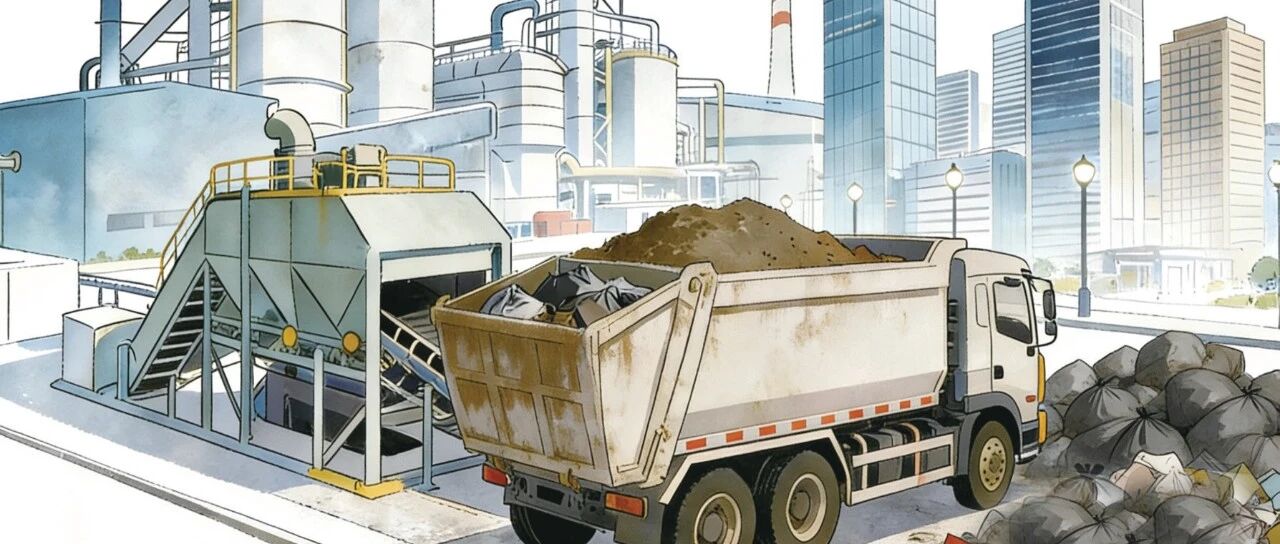
能源金属涨价引爆千亿市场,头部企业加码锂电回收布局
Huan Qiu Wang· 2026-01-11 02:40
Core Viewpoint - The lithium battery recycling industry is undergoing a value reassessment driven by high energy metal prices, increased demand for energy storage, and supportive policies, leading to the formation of a green circular market exceeding 100 billion yuan by 2025 [1][6]. Industry Overview - The prices of key metals such as lithium, cobalt, and nickel are expected to remain high due to global mineral development cycles and a second surge in downstream energy storage demand [1]. - The industry is transitioning from extensive development to a more refined, standardized, and globalized phase, with a market size projected to exceed 100 billion yuan [1]. Company Performance - Companies like Greeenme and Tianqi have reported significant improvements in profitability due to increased retirement volumes and rising metal prices, with Greeenme's battery recycling volume reaching 36,000 tons, a 59% year-on-year increase [2]. - Tianqi's lithium battery recycling segment has turned profitable, aided by the lifting of black powder import restrictions and rising metal prices [2]. Strategic Initiatives - Leading companies are adopting a "capacity + capital" dual-drive strategy to capture market opportunities, with Greeenme planning to invest 400 million yuan to acquire shares in Henan Recycling Group and pursue a Hong Kong listing [4]. - Tianqi has established a processing capacity of 100,000 tons of used lithium batteries, with another 100,000 tons under construction, indicating a strong commitment to expanding its recycling capabilities [4]. Technological Advancements - Greeenme has achieved a lithium recovery rate exceeding 96.5% through its nine global recycling bases and has established partnerships with over 1,000 automotive and battery manufacturers [5]. - The industry is focusing on technological iteration and collaboration across the supply chain, with non-compliant small operations exiting the market, leading to a concentration of market share among companies with technological and environmental advantages [5]. Market Outlook - The lithium battery recycling industry is expected to experience accelerated growth over the next 3 to 5 years, with an annual growth rate projected to exceed 50%, potentially surpassing 100 billion yuan by 2030 [5][6]. - The industry's growth is not only driven by short-term fluctuations in energy metal prices but also by the necessity of closing the loop in the new energy industry chain, ensuring resource security and alleviating mining pressures [6].


成都海关税政建议获采纳,锂电池用再生黑粉关税税率降至3%
Zhong Guo Xin Wen Wang· 2026-01-09 03:05
Group 1 - The core point of the article is the implementation of the 2026 tariff adjustment plan, which includes a reduction in the import tariff rate for recycled black powder used in lithium-ion batteries from 6.5% to 3% [1] - The adjustment aims to strengthen the recycling and utilization industry of lithium batteries in Sichuan, contributing to the development of a green trade in lithium resources [1] - The recycled black powder is derived from retired lithium-ion batteries and contains valuable active components, positioning it as a significant resource for the lithium industry [1]
成都海关税政建议获采纳 锂电池用再生黑粉关税税率降至3%
Zhong Guo Xin Wen Wang· 2026-01-08 09:21
Group 1 - The import tariff for recycled black powder used in lithium-ion batteries will be reduced from 6.5% to 3%, which is expected to strengthen the recycling industry in Sichuan and promote the development of a green trade for lithium batteries [1][2] - Recycled black powder is derived from retired lithium-ion batteries and contains valuable active components, contributing to the establishment of a comprehensive lifecycle industry cluster for lithium resources [1] - The production capacity of bio-aviation fuel in Sichuan is projected to reach 1 million tons by 2027, with current capacities reported at 385,000 tons by Sichuan Jinshang Environmental Protection Company and 200,000 tons by Sichuan Tianzhou Company [1] Group 2 - The adjustment of the tariff schedule will establish a separate tax code for bio-aviation fuel, marking a significant milestone for the industry and enhancing the efficiency of customs clearance [2] - This new classification will allow for precise tracking of bio-aviation fuel import and export data, facilitating more effective and targeted industry policies [2]
中国资环电池公司进口锂离子电池用再生黑粉原料 一单海外业务背后的资源循环(美丽中国)
Ren Min Ri Bao· 2026-01-05 22:31
Core Viewpoint - In 2025, China will no longer classify qualified recycled black powder for lithium-ion batteries as solid waste, allowing for its importation, marking a significant step in the lithium battery recycling industry [1][3]. Group 1: Import and Recycling Process - China Resources Recycling Group's subsidiary, China Resources Environmental Battery Company, successfully completed its first overseas transaction by importing 47 tons of recycled black powder, which passed customs in Tianjin [1]. - The recycled black powder contains strategic metals such as cobalt, nickel, manganese, and lithium, which are essential for battery production [2]. - The value of recycled black powder is significantly higher than that of natural minerals, with each ton of imported recycled black powder reducing the need for approximately 3 tons of primary mineral extraction and lowering carbon emissions by 2.5 tons [2]. Group 2: Policy Changes and Market Demand - Prior to the policy change, recycled black powder was considered solid waste, limiting its importation due to both regulatory and market constraints [3]. - The announcement by six government departments in June 2025 allowed for the import of qualified recycled black powder, addressing the rising demand for resources driven by the rapid growth of the electric vehicle industry [3]. Group 3: Quality and Logistics Challenges - Ensuring the quality of imported black powder is critical, as many overseas sources do not meet China's import standards due to excessive impurities [3][5]. - The logistics of transporting powdered black powder across borders posed challenges, leading to the adoption of sealed containers with moisture and shock protection [5]. Group 4: Future Prospects and Industry Development - The successful import of recycled black powder has led to the establishment of a closed-loop resource recycling system, with further processing to produce battery-grade lithium carbonate and iron phosphate for domestic battery manufacturers [6]. - China Resources Recycling Group aims to expand its operations by establishing more pre-treatment bases for recycled black powder, promoting large-scale imports and enhancing the resource recycling chain [6].
天奇股份:目前锂电池循环板块具备年处理5万吨磷酸铁锂电池的产能
Zheng Quan Ri Bao Wang· 2025-12-31 08:42
Group 1 - The company Tianqi Co., Ltd. (002009) has announced its capacity to process 50,000 tons of lithium iron phosphate batteries annually [1] - The company is capable of producing 11,000 tons of battery-grade lithium iron phosphate and 2,500 tons of battery-grade lithium carbonate each year [1]