2纳米制程工艺

Search documents
芯片制程“破2进1” “1.4纳米”2027年或试产
Xin Lang Cai Jing· 2026-01-09 19:44
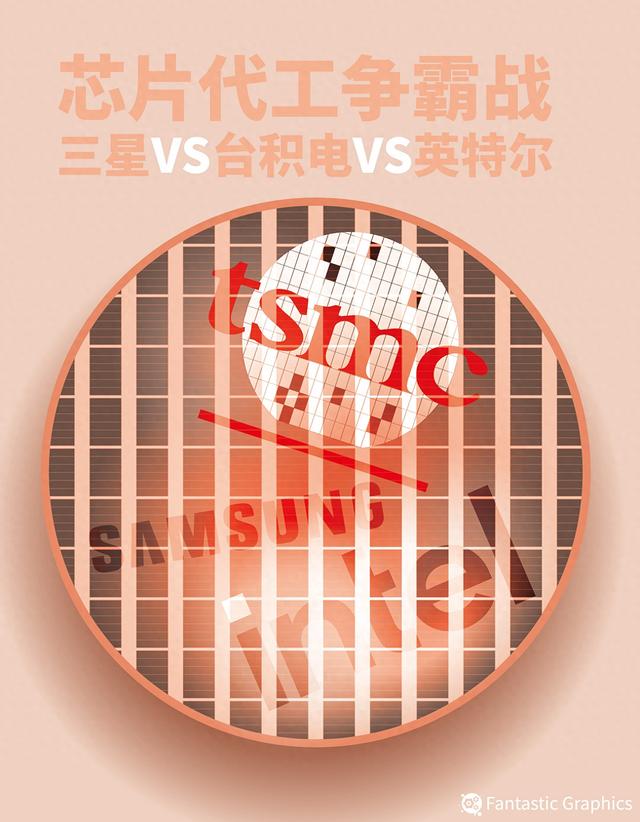
Core Insights - TSMC has officially announced the mass production of its 2nm process in Q4 2025 and has begun research and development on the next-generation 1.4nm process, with risk trial production expected to start in 2027 [3][4][5] - TSMC's advancements solidify its dominant position in the semiconductor foundry market, marking the industry's transition into the 1nm era, with competitors like Samsung and Intel striving to catch up [3][4][7] TSMC's 2nm and 1.4nm Processes - The 2nm process (N2) utilizes the first-generation nanosheet transistor architecture, showing significant improvements over the previous 3nm process, including a 10%-15% performance increase at the same power consumption and a 25%-30% reduction in power consumption for the same performance [5][6] - TSMC's CEO stated that the 2nm process is expected to ramp up production significantly by 2026, driven by demand from smartphones and AI/HPC [5][6] - The 1.4nm process is seen as a strategic continuation of TSMC's "incremental smaller nodes" approach, with plans to optimize the N2 process while preparing for the next generation [5][6] Competitive Landscape - Samsung and Intel are TSMC's main competitors, with Samsung having achieved 3nm GAA process mass production and planning to launch its 1.4nm process around 2027 [7][8] - Intel aims to regain its manufacturing leadership with its 18A and 14A processes, leveraging significant investments to expand domestic production capacity [9][10] Market Potential and Applications - The transition to 1.4nm is expected to drive growth in the semiconductor industry, particularly in AI chips, smart driving, and high-end consumer electronics [10][11] - The global advanced process foundry market is projected to exceed $120 billion by 2030, with 1.4nm and below nodes expected to account for over 40% of high-end logic chip value [10][11] Pricing and Profitability - Initial foundry prices for the 1.4nm process are expected to be approximately 50% higher than those for the 3nm process, indicating high R&D costs but potentially significant long-term profits [11][12] - TSMC's ability to quickly improve yield rates and secure major clients could further enhance its competitive advantage in the high-end market [11][12] Chinese Market Dynamics - Chinese companies, represented by SMIC, are increasing their production capacity in mature processes while investing in advanced technology R&D, with projections suggesting that China could hold 30% of global wafer foundry capacity by 2030 [12]


芯片股延续近期涨势 阿里宣布扩大AI资本开支 高盛看好中国AI芯片长期需求增长前景
Zhi Tong Cai Jing· 2025-09-25 02:23
Group 1 - Semiconductor stocks continue their recent upward trend, with Huahong Semiconductor rising by 5.61% to HKD 66.8, China Electronics Huada Technology up by 2.5% to HKD 1.64, Jingmen Semiconductor increasing by 1.92% to HKD 0.53, and SMIC gaining 1.63% to HKD 78 [1] - Alibaba Group's CEO announced at the 2025 Hangzhou Yunqi Conference that the company is actively advancing an AI infrastructure investment of CNY 380 billion, with plans for further investments. By 2032, the energy consumption of Alibaba Cloud's global data centers is expected to increase tenfold compared to 2022 [1] - Goldman Sachs highlighted that the long-term demand growth outlook for AI chips in China is becoming clearer, which will benefit leading domestic foundries like SMIC [1] Group 2 - Recent market news indicates that TSMC plans to increase prices for its 3nm and 2nm process nodes, with the 2nm process expected to rise by at least 50% compared to the 3nm process [1] - Samsung has significantly raised prices for memory and flash products, with DRAM prices increasing by up to 30% and NAND flash prices rising by 5%-10%. Major companies like Micron Technology and SanDisk have also announced similar price hikes [1]

深夜,暴涨!芯片重大利好!
券商中国· 2025-09-23 15:06
Core Viewpoint - The recent price increase in the semiconductor industry, led by TSMC, reflects the deep impact of the AI wave on the semiconductor supply chain, with rising demand for data center construction driving up memory procurement and enhancing the bargaining power of chip suppliers [1][6]. Group 1: TSMC's Price Increase - TSMC plans to raise prices for its 3nm and 2nm process nodes, with the 2nm process expected to see a price increase of at least 50% compared to the 3nm process, significantly exceeding market expectations [3][4]. - TSMC's strong pricing strategy indicates its dominant position in the supply chain, as it faces high R&D costs and superior yield rates compared to competitors [4]. Group 2: Impact on Other Chip Manufacturers - Major memory chip manufacturers, including Samsung and Micron Technology, have also announced price hikes, with DRAM prices increasing by up to 30% and NAND flash prices rising by 5% to 10% due to supply constraints and surging demand from cloud enterprises [6][7]. - Micron Technology has reported price increases of 20% to 30% for its storage chip products and has paused accepting new orders [6]. Group 3: Market Reactions - Following the price increase announcements, TSMC's ADR surged nearly 5% at one point, reaching a historical high, while other semiconductor stocks like Intel and Micron also saw significant gains [2][3]. - In the Asian trading session, shares of major memory chip companies like Samsung and SK Hynix rose, reflecting positive market sentiment [7].