Amazon Haul

Search documents
Amazon(AMZN) - 2025 Q4 - Earnings Call Transcript
2026-02-05 23:02
Financial Data and Key Metrics Changes - The company reported revenue of $213.4 billion, a 12% increase year-over-year, excluding foreign exchange impacts [5][28] - Operating income was $25 billion, which included special charges that reduced operating income by $2.4 billion [28][29] - Trailing twelve-month free cash flow was $11.2 billion [5] Business Line Data and Key Metrics Changes - AWS revenue grew to $35.6 billion, with a growth rate of 24% year-over-year, marking the fastest growth in 13 quarters [7][35] - North America segment revenue was $127.1 billion, up 10% year-over-year, while international segment revenue was $50.7 billion, up 11% year-over-year [30] - Advertising revenue reached $21.3 billion, growing 22% year-over-year [23][34] Market Data and Key Metrics Changes - The company saw worldwide paid units grow by 12% year-over-year, the highest quarterly growth rate in 2025 [30] - The grocery segment achieved over $150 billion in gross sales, establishing the company as a significant player in the grocery market [19] - Same-day delivery for Prime members increased by nearly 70% year-over-year [20] Company Strategy and Development Direction - The company is focusing on expanding its capabilities in AI, chips, and quick commerce, aiming to build a more meaningful business [5][17] - Investments in AWS and custom silicon are expected to drive long-term returns on invested capital [41][43] - The company plans to open over 100 new Whole Foods Market Stores and expand grocery delivery services [19][38] Management's Comments on Operating Environment and Future Outlook - Management expressed confidence in the demand for AWS services and the potential for AI to transform customer experiences [44][46] - The company is optimistic about the growth of its Trainium and Graviton chips, which are expected to enhance price performance and drive revenue [50][52] - The management highlighted the importance of maintaining competitive pricing and improving customer experience in retail [38][70] Other Important Information - The company achieved its fastest-ever delivery speeds for Prime members while reducing costs to serve [33] - The introduction of new features like "Add to Delivery" has significantly improved customer convenience [21][22] - The company is actively working on expanding its AI capabilities and partnerships, including with OpenAI [61][62] Q&A Session All Questions and Answers Question: Insights on long-term return on invested capital - Management discussed the ongoing investments in AWS and AI, emphasizing the strong demand and potential for long-term returns [41][42] Question: Update on Project Rainier and financial guardrails - Management confirmed strong growth in Trainium and clarified the ongoing commitment to AI investments while maintaining financial discipline [50][54] Question: Changes in the AI market and relationships with companies like OpenAI - Management described the AI market as barbelled, with significant opportunities for enterprises to leverage AI, and expressed optimism about extending partnerships with AI companies [57][62] Question: Retail business efficiency and investment areas - Management outlined the dual focus on expanding selection and improving delivery speed while also identifying areas for cost savings [72][74]

亚马逊开始收网:中国卖家的红利期到头了
3 6 Ke· 2026-01-21 10:44
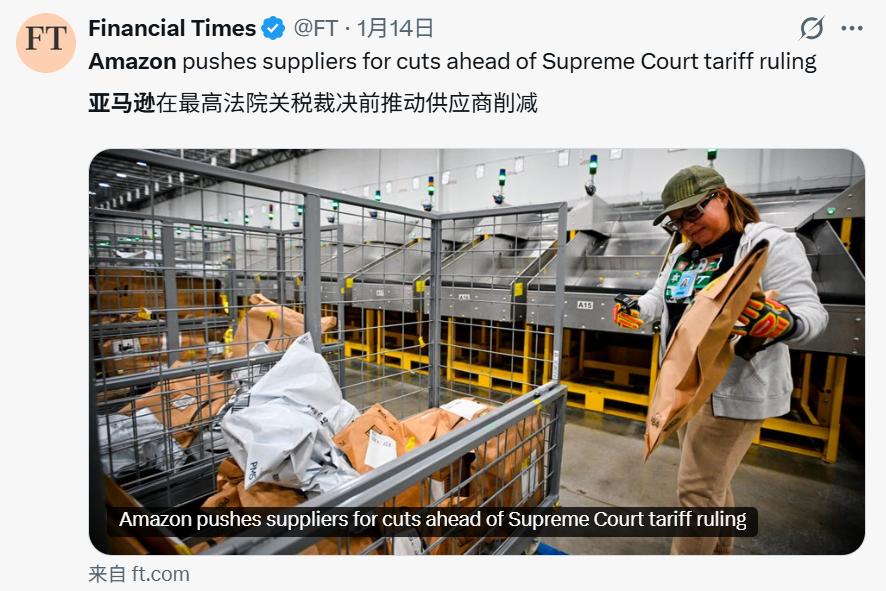
Core Viewpoint - Amazon is proactively pressuring suppliers for discounts of up to 30% to mitigate potential tariff impacts, particularly targeting Chinese suppliers, indicating a significant shift in its operational strategy amidst ongoing trade uncertainties [1][4][5]. Group 1: Amazon's Pricing Strategy - Amazon's discount demands vary significantly, with reductions ranging from a few percentage points to as high as 30%, particularly affecting categories like electronics and home goods [4]. - The urgency of Amazon's actions is notable, as negotiations with suppliers were expedited to complete before a Supreme Court ruling on tariffs, with some deadlines set as early as January 1 [4]. - The majority of the burden from these discount requests falls on Chinese suppliers, who account for over 50% of Amazon's seller base and approximately 60% of its sales [4][14]. Group 2: Financial Implications - Goldman Sachs estimates that if the tariffs from the Trump era are upheld, Amazon's annual operating profit could decline by 6% to 12%, translating to a potential loss of $5 billion to $10 billion [5]. - In a low-margin e-commerce environment, Amazon's strategy to recover previously granted supplier concessions is seen as the only viable path to maintain its low-price promise while managing policy risks [6]. Group 3: Competitive Landscape - The rise of aggressive pricing strategies from competitors like Temu, TikTok Shop, and SHEIN is intensifying pressure on Amazon, prompting it to launch Amazon Haul, which offers products at significantly lower prices [10][11]. - Despite the launch of Amazon Haul, consumer adoption has been low, with only 16% of U.S. consumers using the low-price platform monthly, indicating that Amazon's pricing may still not be competitive enough [11]. Group 4: Supplier Dynamics - The pressure on Chinese sellers is exacerbated by their heavy reliance on Amazon, with nearly 70% of sellers limited to a single market, making them vulnerable to price negotiations [14]. - Amazon's recent layoffs, particularly in its seller management teams, reflect a strategic shift towards automation and AI, which may further impact the support available to suppliers [15][16]. Group 5: Long-term Outlook - The ongoing cost negotiations and Amazon's pricing strategies signal a broader reallocation of power within the supply chain, with potential long-term risks for smaller sellers who may struggle to survive under increased pressure [19]. - The decline in new seller registrations on Amazon, which dropped by 44% year-over-year, suggests a shrinking marketplace that could lead to reduced product diversity and user experience [19][21].

年度盘点:跨境电商“卷”向欧洲?国际巨头、中国新贵、本土诸侯开启“三国杀”
3 6 Ke· 2025-12-25 11:21
Core Insights - The European market is becoming increasingly attractive for cross-border sellers, especially as U.S. tariffs and the removal of tax exemptions for small imports push companies to seek opportunities in Europe [1][2] - Chinese e-commerce platforms like Temu, SHEIN, and TikTok are rapidly expanding their presence in Europe, with significant increases in active users and localized strategies [1][3][4] Group 1: Market Dynamics - In 2024, China's exports to the EU reached $19.1 billion, surpassing exports to the U.S. which were $23.1 billion, indicating a shift in trade focus [1] - By June 2025, Temu's active users in Europe exceeded 120 million, while SHEIN's monthly users averaged 150 million, reflecting a growth of 11.6% year-on-year [1] - The competitive landscape in Europe is characterized by a mix of international giants and local players, with over 250-300 e-commerce platforms expected to operate by 2025, 45% of which will be from outside Europe [3][4] Group 2: Strategic Shifts - Temu and SHEIN have shifted their focus to Europe due to challenges in the U.S. market, with Temu's advertising spending in France and the UK increasing by 115% and 20% respectively [2] - Amazon is encouraging sellers to expand into Europe, offering incentives to reduce migration costs [2][4] - SHEIN's first permanent store opened in Paris, attracting over 50,000 customers shortly after launch, despite facing significant opposition [5][7] Group 3: Localized Strategies - Temu aims for 80% of its European orders to be fulfilled from local warehouses, reducing delivery times from two weeks to a few days [4] - TikTok Shop has expanded its presence in Europe, launching new sites and logistics services to enhance delivery efficiency [7][8] - SHEIN has established a logistics center in Poland to improve delivery times across Europe, aiming to cover major markets within 48 hours [13] Group 4: Regulatory Challenges - The European market is facing increased compliance requirements, with new regulations impacting cross-border e-commerce operations [11][12] - A new tax policy set to take effect in 2026 will eliminate tax exemptions for imports under €150, significantly affecting profit margins for sellers [13] - The regulatory environment is complex, with varying compliance standards across different European countries, adding to the challenges for e-commerce platforms [12]

亚马逊Haul一年扩张26个国家和地区,“低价”之外还有哪些对决?
Mei Ri Jing Ji Xin Wen· 2025-12-08 11:51
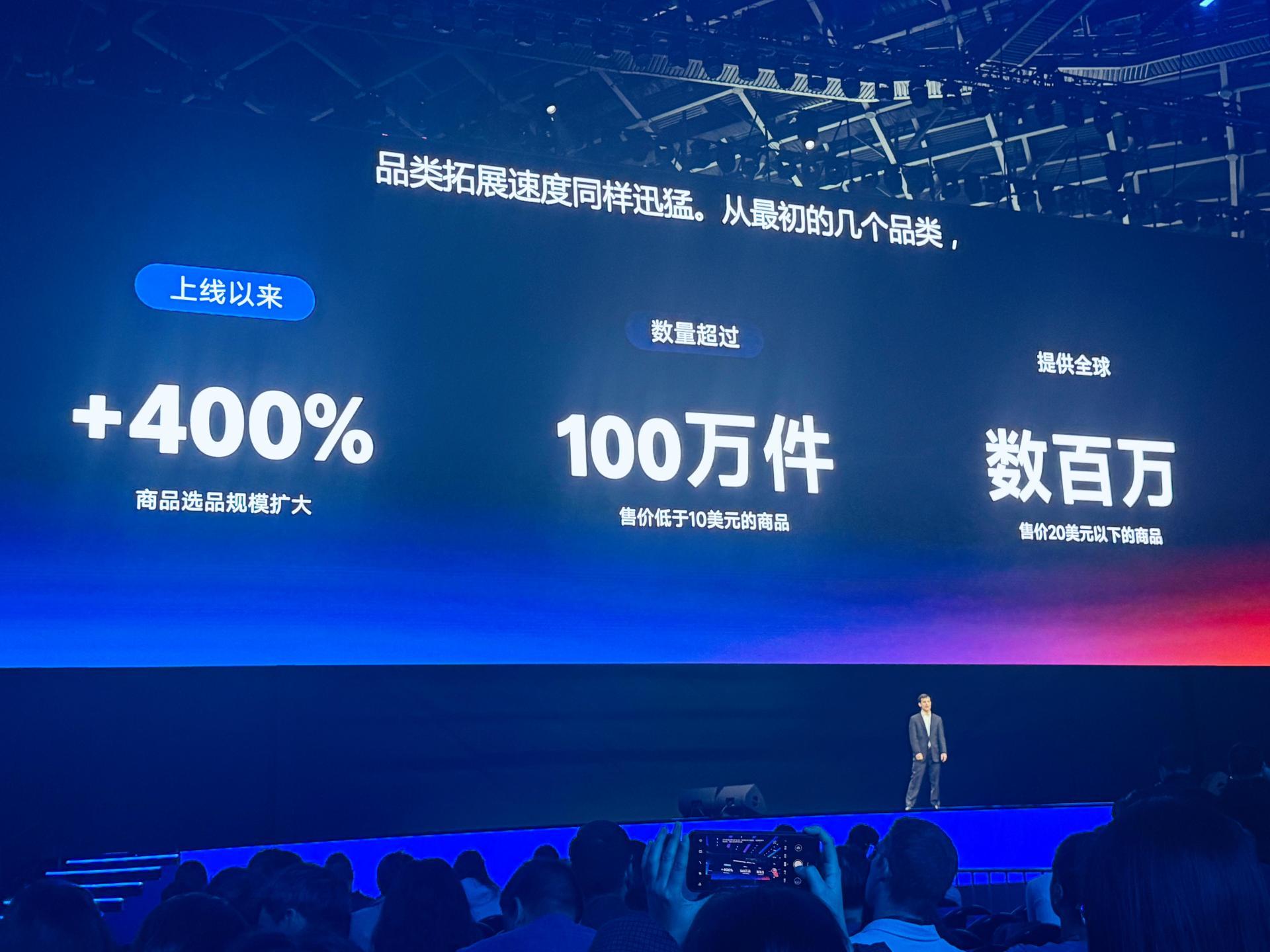
Core Insights - The competition in the cross-border e-commerce low-price sector is intensifying, with major players like Temu, TikTok Shop, and Amazon adopting aggressive strategies to capture market share [1][2]. Group 1: Amazon's Strategy - Amazon's low-price strategy is a long-term response to industry trends, with over 80% of consumers adjusting shopping behavior due to tariff fluctuations, making price a key decision factor [2]. - Amazon Haul, launched in late 2024, has rapidly expanded from the U.S. to 26 countries, significantly increasing its product selection by over 400% since its inception [6][9]. - The platform aims to attract Prime members by offering a browsing shopping experience through frequent promotions, contrasting with the traditional search-based shopping on Amazon's main site [7]. Group 2: Competitive Landscape - New platforms like Temu and TikTok Shop are effectively challenging Amazon by offering lower prices and leveraging innovative sales models, such as pre-sale strategies and live-streaming promotions [11]. - Temu's pricing can be 10% to 20% lower than Amazon Haul, indicating a significant competitive threat in the low-end market [11]. Group 3: Operational Enhancements - Amazon is implementing various measures to enhance competitiveness, including reducing fees for low-priced items in Europe by up to 15% and offering logistics cost reductions through smart hub warehouses, which can lower seller storage costs by over 20% [9][10]. - The "next-generation cross-border chain" initiative encourages sellers to adopt a global strategy from the outset, rather than focusing on single markets, to mitigate risks and capture diverse consumer demand [12]. Group 4: Future Outlook - Amazon plans to continue expanding Haul into new markets, including Europe and the Middle East, with further product selection increases and targeted subsidy policies anticipated [12]. - The ultimate winner in this competitive landscape will be the entity that balances cost, efficiency, and customer experience effectively [13].
跨境电商血战升级:Temu、TikTok围剿下 亚马逊Haul一年闪电扩张26个国家和地区,“低价”之外还有哪些对决?
Mei Ri Jing Ji Xin Wen· 2025-12-08 11:43
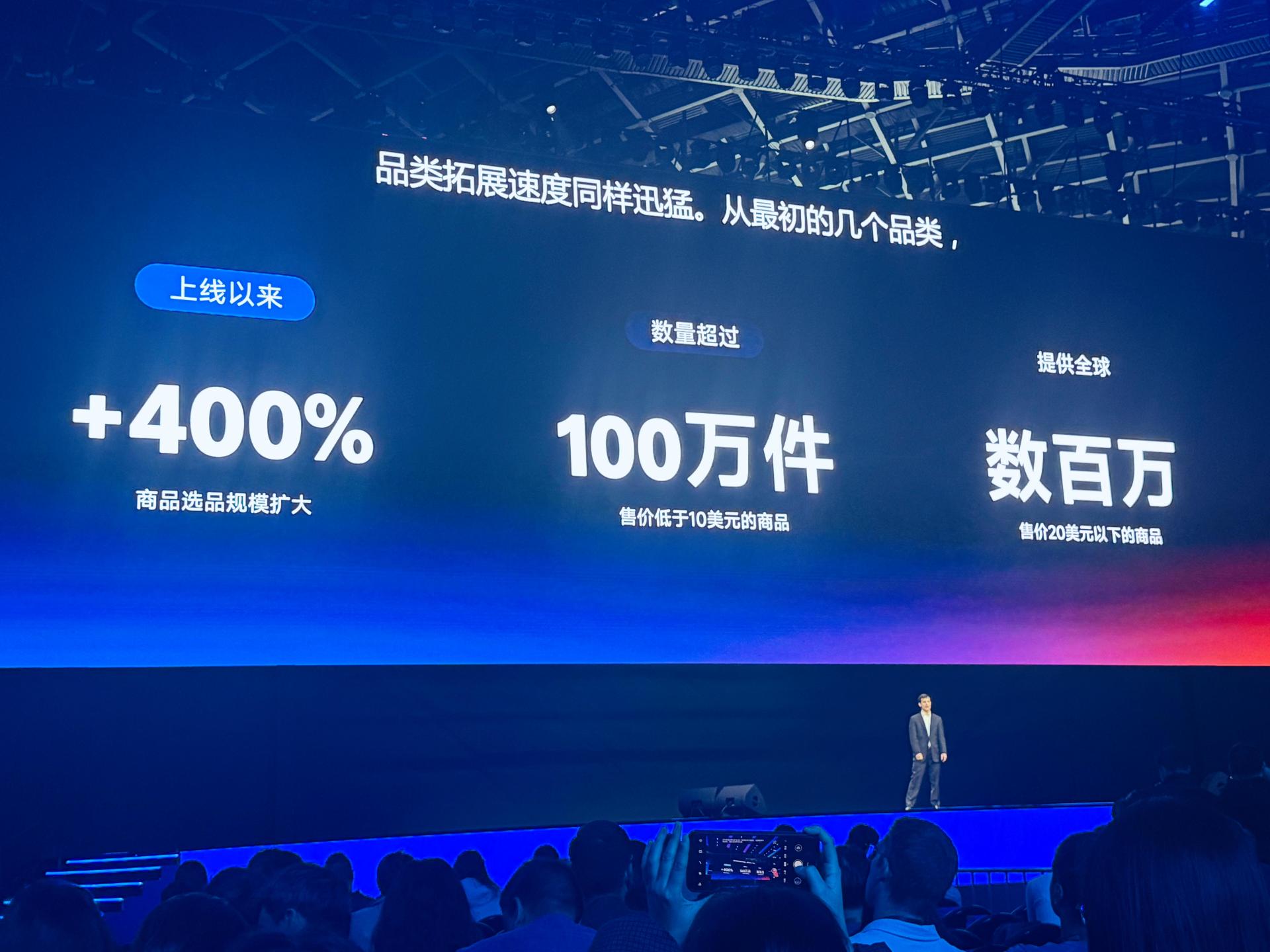
Core Insights - The competition in the cross-border e-commerce low-price sector is intensifying, with platforms like Temu, TikTok Shop, and Amazon Haul aggressively pursuing market share through various strategies [1][2]. Group 1: Amazon's Strategy - Amazon's low-price strategy is a long-term response to industry trends, with over 80% of consumers adjusting their shopping behavior due to tariff fluctuations, making price a core decision factor [2]. - Amazon Haul, launched at the end of 2024, has rapidly expanded from the U.S. to 26 countries, with a product selection increase of over 400% since its inception [6][9]. - The platform aims to attract Prime members by offering a browsing shopping experience through frequent promotions, contrasting with the traditional search-based shopping on Amazon's main site [7]. Group 2: Competitive Landscape - Emerging platforms like Temu and TikTok Shop are effectively capturing market share by offering lower prices and leveraging their unique business models, with Temu's prices being 10% to 20% lower than those on Haul [11]. - TikTok Shop utilizes short videos and live streaming to drive sales, further fragmenting traffic away from Amazon Haul [11]. Group 3: Operational Enhancements - Amazon is implementing a "next-generation cross-border chain" strategy, encouraging sellers to adopt a global approach from the outset rather than focusing on single markets [2][12]. - The introduction of global smart hub warehouses is expected to reduce sellers' logistics costs by over 20%, providing more room for price reductions [10]. Group 4: Future Outlook - Amazon plans to continue expanding Haul into new markets, including Europe and the Middle East, with further product selection increases and targeted subsidy policies anticipated [12]. - The ultimate winner in this competitive landscape will be the entity that balances cost, efficiency, and customer experience effectively [13].
发力低价市场!亚马逊独立APP——Amazon Bazaar上线多国市场
Sou Hu Cai Jing· 2025-11-24 13:08
Core Insights - Amazon has launched a new application called Amazon Bazaar, expanding into 14 new markets including Hong Kong, Taiwan, the Philippines, and several countries in Latin America and the Middle East [1][5] - The Amazon Bazaar aims to provide a fun and convenient shopping experience with a separate search engine, shopping cart, and checkout process [1][5] - The application supports six languages and offers a variety of low-priced items, with most products priced under $10, and some as low as $2 [7][11] Market Expansion - The launch of Amazon Bazaar represents a significant upgrade from the previous Haul project, which struggled due to various factors including tariffs [3][5] - Amazon's expansion strategy focuses on emerging markets, particularly in Latin America, indicating a shift towards targeting price-sensitive consumers [5][11] - The company aims to attract more price-sensitive customers by offering low-cost products, thereby increasing user engagement and repeat purchases [11][13] Competitive Landscape - The competitive pressure from companies like Temu and Shein is a significant factor driving Amazon's strategy to enter the low-price market [11][13] - Temu has rapidly gained popularity, becoming the most downloaded free app in the U.S. last year and surpassing eBay in monthly traffic [13] - Amazon's international revenue has shown growth, reaching $40.9 billion, as the company prepares to expand its business beyond its current 23 core markets [13]

亚马逊反攻Temu
3 6 Ke· 2025-11-19 10:20
Core Insights - Amazon has launched a standalone low-price shopping app named Amazon Bazaar, marking a significant move into emerging markets and a shift from a defensive to an offensive strategy in the low-price segment [1][7]. Group 1: Amazon's Strategy - Amazon is leveraging two low-price e-commerce platforms: Amazon Haul for developed markets and Amazon Bazaar for emerging markets, emphasizing the importance of positioning and differentiation [2][3]. - Amazon Haul operates as a channel within the main site, focusing on fast delivery and low prices to retain low-price shoppers, while Amazon Bazaar operates independently, focusing solely on low prices [2][3]. - The Bazaar app features a simple interface with interactive entertainment functions, with most products priced below $10, some as low as $2 [3][5]. Group 2: Competitive Landscape - Amazon faces strong competition from Temu and SHEIN in both developed and emerging markets, which have captured significant market share and consumer attention [7][10]. - Temu has rapidly gained traction in emerging markets, including Nigeria, where it topped download charts shortly after launch [10]. - Amazon's Haul is currently struggling in the U.S. market, with low traffic and sales, despite the removal of tax exemptions for Temu [11][12]. Group 3: Future Prospects - Amazon Bazaar will compete with Temu's centralized pricing model and supply chain responsiveness, with the potential challenge of maintaining low prices due to seller autonomy in pricing [14][15]. - The effectiveness of Bazaar in emerging markets remains to be seen, but it may provide new opportunities for factory-type and private label sellers already familiar with platforms like Temu and SHEIN [17].

Shein takes on key Amazon product line
Yahoo Finance· 2025-11-16 16:33
Core Insights - Amazon and Shein are in direct competition in the e-commerce market, with Shein gradually taking market share from Amazon since its entry in 2015 [1][2] - Shein's growth is now challenged by new tariffs and the removal of the de minimis exception, which has increased its costs and prices [3][4] - Despite these challenges, Shein reported a 20% increase in global revenues to $37 billion for 2024, although pre-tax profits fell by 13% to $1.3 billion [4] E-commerce Competition - Shein has been successful in offering a wide range of products at low prices, prompting Amazon to launch Amazon Haul in 2024 to attract budget-conscious consumers [2] - Amazon remains the leading e-commerce platform, with a net revenue of $638 billion for fiscal 2024, significantly surpassing Shein [13][15] - Amazon's robust infrastructure and ability to adapt to market changes provide it with a competitive advantage over Shein [16] New Market Entry - Shein is entering the U.S. book market through a partnership with Alibris, offering over 100,000 titles, including affordable textbooks [6][7] - This move is significant as it addresses the rising costs of education, with students spending an average of $1,220 per year on textbooks [11][12] - The partnership with Alibris allows Shein to improve delivery times and reduce shipping costs, potentially enhancing profit margins [7] Economic Context - The cost of attending a four-year university in the U.S. has more than doubled since the early 2000s, with tuition increasing at a compound annual growth rate of 4.04% [9][10] - While Shein's textbook offerings won't solve the student debt crisis, they provide a more affordable option in a market dominated by high-priced academic publishers [12]
亚马逊上线低价电商App,狙击Temu 和SHEIN
3 6 Ke· 2025-11-12 04:42
Core Insights - Amazon has launched a new low-cost shopping platform called Bazaar, targeting markets in Asia, Africa, and Latin America, offering products priced under $10 [1][6] - The introduction of Bazaar follows the positive feedback from Amazon Haul, which saw a nearly 400% increase in product variety over the past year [1][2] - The move signifies Amazon's shift from a defensive strategy to an offensive one in response to competition from low-cost platforms like Temu and SHEIN [1][5] Group 1: Amazon Haul and Bazaar Launch - Amazon Haul was tested in the U.S. last year, focusing on low-cost items under $20, but struggled to compete with Temu and SHEIN [2][3] - The new Bazaar platform is independent from the main Amazon app and aims to provide a more engaging shopping experience with interactive features [5][6] - Bazaar has already expanded to 14 markets, including Argentina, Ecuador, and Nigeria, indicating Amazon's proactive approach to capture emerging market growth [1][6] Group 2: Competitive Landscape - The global e-commerce landscape is shifting, with platforms like Temu and TikTok Shop gaining traction, challenging Amazon's traditional market dominance [6][8] - In emerging markets, consumers are highly price-sensitive, making them fertile ground for low-cost competitors like Temu and SHEIN [7][8] - The launch of Bazaar is seen as a strategic response to the growing influence of these competitors, aiming to establish a foothold in markets where brand loyalty is weak [6][9]

Amazon Marks ‘Haul' Expansion With 11-Cent Deals
PYMNTS.com· 2025-11-10 17:35
Core Insights - Amazon is celebrating the one-year anniversary of its "Haul" service with a two-day shopping event featuring products priced at $1 and exclusive $0.11 items [1][2] - The Haul service aims to reinvent the shopping experience for ultra-low-priced products, focusing on trust and a wide selection [3][4] - Amazon has expanded its Bazaar service to 14 new markets, indicating a strategic move to capture a broader consumer base [5] Consumer Behavior - Recent data shows that 26% of consumers struggled to pay their bills last month, the highest rate in two years, highlighting financial pressures on consumers [6] - Nearly 70% of consumers are living paycheck to paycheck, indicating a significant shift in spending habits towards essential items [7] - Amazon's quarterly earnings reflect a notable increase in online grocery sales, as consumers prioritize value in recurring essentials [7]