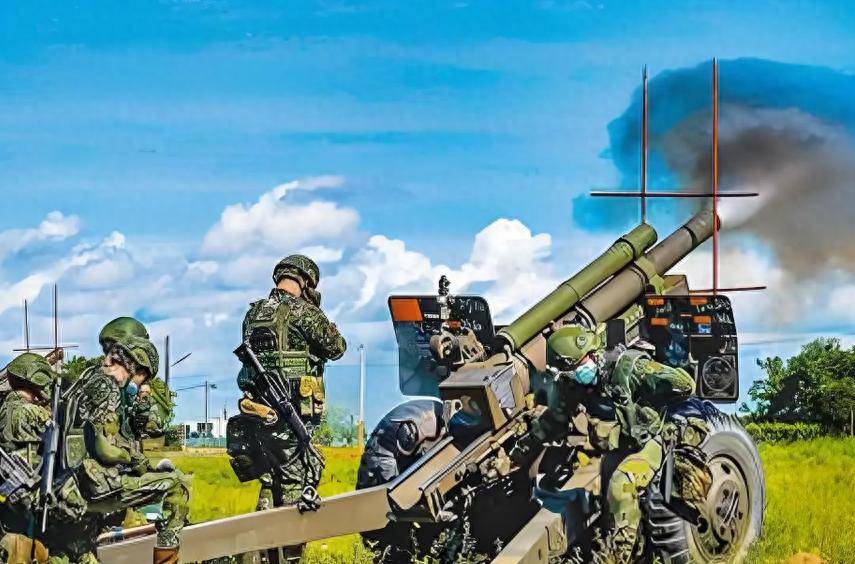
M109A7自走炮

Search documents
美对台军售创历史之最 台舆论批赖“卖台引战”玩火自焚
Yang Shi Wang· 2025-12-26 08:17
Group 1 - The U.S. government has approved a record-breaking arms sale to Taiwan, amounting to $11 billion, which has sparked criticism in Taiwan regarding the implications of being used as a pawn in strategic games [1][3][7] - The arms package includes advanced weaponry such as the HIMARS rocket system, suicide drones, Javelin and TOW anti-tank missiles, and M109A7 self-propelled howitzers, emphasizing a shift towards lightweight and precision "anti-landing" capabilities [3][5] - The approval process for this arms sale was unusual, as it occurred without a formal request from Taiwan's government or legislative approval, indicating a significant shift in the dynamics of U.S.-Taiwan relations [5][7] Group 2 - The increasing frequency and scale of arms sales to Taiwan highlight the U.S.'s strategic opportunism, raising concerns that Taiwan is being sacrificed in broader geopolitical conflicts [7][9] - Criticism has been directed at Taiwan's leadership for escalating tensions and promoting a state of near-war, with some officials attempting to normalize the massive military expenditures as necessary for defense [7][9] - The Chinese government has responded by urging the U.S. to cease its military support for Taiwan and to adhere to the One China principle, warning against any actions that could provoke a strong response [9]

美对台军售闯下大祸,中方怒抛118亿美债!解放军40架次军机围台
Sou Hu Cai Jing· 2025-12-24 06:36
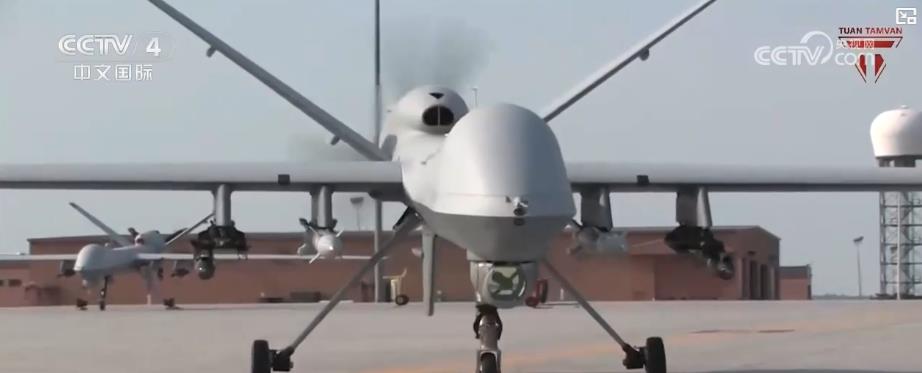
Group 1 - The U.S. recently approved a record $11.1 billion arms sale to Taiwan, including offensive weapons such as M109A7 self-propelled howitzers and HIMARS long-range strike systems, aimed at enhancing Taiwan's military capabilities and complicating China's efforts for reunification [1] - The arms sale is seen as a political tool by U.S. politicians, particularly as the midterm elections approach, with Trump leveraging it to appeal to conservative factions and the military-industrial complex while diverting attention from domestic issues [1] - Taiwan's defense budget is expected to exceed 3% of its GDP due to the costly arms acquisition, leading to a potential cycle of debt and economic strain, as funds are diverted from social welfare to military spending [9] Group 2 - China has significantly reduced its holdings of U.S. Treasury bonds to $688.7 billion, the lowest since 2008, signaling a strategic decision to lower risk and reduce dependence on dollar assets amid rising U.S. debt and fiscal instability [3] - The Chinese military has demonstrated its capabilities with increased activity around Taiwan, including the deployment of aircraft and naval vessels, indicating a strong military response to perceived provocations [5] - The disparity in military capabilities between China and Taiwan is stark, with Taiwan's military relying heavily on imports and facing challenges in self-production, while China's military strength continues to grow, complicating the security landscape in the region [7] Group 3 - The U.S. strategy of arming Taiwan and rallying allies like Japan and Australia is becoming less effective as American hegemony declines, with concerns over the credibility of the dollar increasing due to China's actions [9] - The arms sale is unlikely to resolve the U.S. economic challenges or support Taiwan's independence aspirations, as the military assets acquired may not enhance security but rather hinder Taiwan's economic development [9] - Historically, the process of national reunification is viewed as irreversible, with external interventions and internal resistance unable to alter the eventual outcome of Taiwan's return to China [10]
中方追回96吨锑锭,13万吨订单被消除!终于破案,要跟美国算总账
Sou Hu Cai Jing· 2025-12-20 06:13
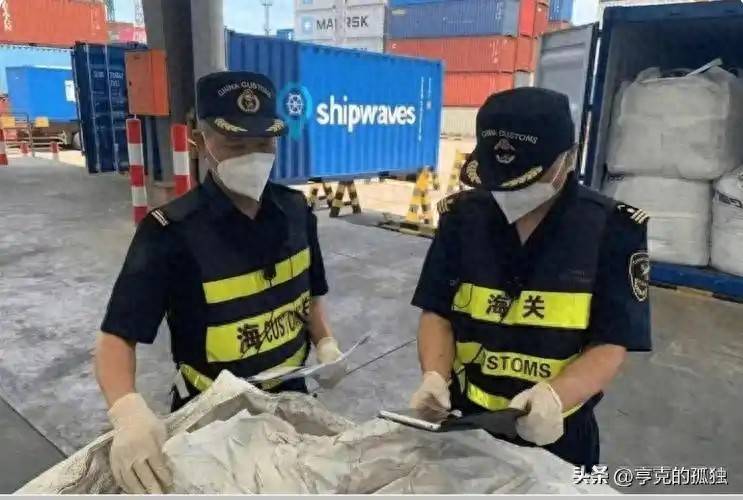
Group 1 - The core issue revolves around China's response to U.S. actions, specifically the smuggling of antimony and the cancellation of a significant wheat order, indicating a strategic defense of national resources [1][6][18] - A major smuggling case involving 166 tons of antimony was uncovered, with 96 tons successfully seized by customs, highlighting the importance of this strategic resource in military and semiconductor applications [3][5][6] - The U.S. has a limited supply of antimony, relying heavily on imports, which has led to increased illegal activities to secure this resource, particularly for military purposes [6][12] Group 2 - The U.S. recently approved a record $11.154 billion arms sale to Taiwan, which has raised concerns about escalating tensions in the Taiwan Strait and the implications for U.S.-China relations [8][12] - The arms sale is perceived as a political maneuver by the U.S. to exploit Taiwan economically while simultaneously supporting pro-independence sentiments, further complicating the geopolitical landscape [12][13] - Following the arms sale announcement, China canceled a wheat order of 132,000 tons from the U.S., valued at over $24 million, signaling the economic repercussions of U.S. military actions [17][18]