Muscle Milk

Search documents
Fairlife Expansion Gives Coca-Cola a Protein-Powered Edge
ZACKS· 2026-02-09 19:51
Core Insights - Fairlife has become a significant growth driver for The Coca-Cola Company, positioning it strongly in the expanding protein and functional nutrition market as consumer preferences shift towards healthier options [1][8] - Coca-Cola's investment in expanding Fairlife's production capacity is crucial for meeting demand and supporting volume growth, enhancing its innovation capabilities in protein shakes and value-added dairy [2][3] - Fairlife provides Coca-Cola with a competitive advantage in the health and wellness trend, offering strong pricing power and repeat purchase behavior, which helps balance slower growth in traditional categories [3] Company Strategies - Coca-Cola is focusing on expanding Fairlife's production capacity to alleviate supply constraints and drive higher volumes, which is expected to enhance its market position in health-focused beverages [2][8] - The company is strategically pivoting from carbonated drinks to higher-margin nutrition-led categories, reflecting a broader trend in consumer preferences towards better-for-you beverages [1][3] Competitive Landscape - In the competitive beverage market, PepsiCo and Keurig Dr Pepper are also targeting the protein and functional nutrition space, with PepsiCo leveraging its diverse portfolio and distribution strengths [4][5] - Keurig Dr Pepper is adopting a more measured approach, focusing on selective partnerships and functional beverages while minimizing capital investment, positioning itself to adapt to evolving consumer trends [6] Financial Performance - Coca-Cola's shares have increased by 12.1% over the past three months, slightly underperforming the industry growth of 14.2% [7] - The forward price-to-earnings ratio for Coca-Cola is 24.27X, which is higher than the industry average of 20.16X, indicating a premium valuation [9] - The Zacks Consensus Estimate projects year-over-year earnings growth of 3.8% for 2025 and 8.1% for 2026, with recent estimates remaining unchanged [10]



Walmart hits $1T market cap, PepsiCo CEO talks earnings beat and GLP-1 strategy
Youtube· 2026-02-03 21:54
Disney Succession Plan - Disney has officially named Josh Dearo as its next CEO, succeeding Bob Iger later this year [1][10] - Josh Dearo's experience in overseeing the parks and cruises business, which accounts for nearly 60% of Disney's profits, is seen as a critical factor for his selection [4][10] - The transition is expected to be smoother than previous succession attempts due to a more deliberate process and the retention of key executives like Dana Walden [14][15] Business Performance and Strategy - Disney's reliance on its experiences segment is crucial for growth, especially as the entertainment sector faces challenges [4][8] - The company has established a strong base of intellectual property (IP) that supports its content strategy, although there are concerns about the need for more content [6][9] - The stock performance has been rangebound over the past decade, with a need for continued growth in experiences and streaming to improve profitability [15][20] Market Outlook - Despite short-term headwinds, such as a dip in tourism to domestic parks, the long-term outlook for Disney is considered optimistic due to the growth potential in its core businesses [21][22] - The company is viewed as undervalued, with expectations for a recovery as it navigates the transition in leadership and focuses on its growth-oriented segments [20][22]

PepsiCo cuts prices on Doritos, Lay's, Cheetos and other snacks
Yahoo Finance· 2026-02-03 21:20
Core Insights - PepsiCo is reducing prices on various snacks, including Lay's, Doritos, Cheetos, and Tostitos, by up to nearly 15% to support consumers during economic uncertainty [1][2][3] Group 1: Price Reductions - The price cuts will be implemented across the United States and are aimed at providing relief to consumers [3][4] - Specific examples include Lay's Classic Potato Chips, with prices dropping from $4.99 to $4.29 (nearly 15% reduction), and Doritos, with prices decreasing from $6.29 to $5.49 (about 13% reduction) [7] Group 2: Consumer Sentiment and Company Strategy - The decision to lower prices is a response to consumer feedback indicating financial strain, reflecting the company's commitment to balancing taste and budget [2][4] - PepsiCo's price reductions are part of a long-term strategy to enhance consumer value and signal understanding of current economic challenges [4] Group 3: Market Context - The price cuts follow several quarters of weak sales in North America and pressure from activist investor Elliott Management to reduce costs and drive growth [5] - Since 2020, PepsiCo has been raising prices faster than competitors, necessitating these reductions to maintain market share [5]
Snacking Headwinds Persist: Can PepsiCo's Beverages Carry the Load?
ZACKS· 2026-01-19 19:10
Core Insights - PepsiCo, Inc. is facing ongoing challenges in its core snacking business, particularly in North America, where volume declines are impacting overall food operations due to weak consumer demand and health-conscious trends [1][2] Group 1: Financial Performance - In Q3 2025, organic revenues for PepsiCo Foods North America (PFNA) declined by 3%, while reported revenues remained flat year over year [2] - The Zacks Consensus Estimate for PepsiCo's 2025 earnings per share (EPS) indicates a year-over-year decrease of 0.5%, while the 2026 EPS shows a growth of 5.4% [14] - PepsiCo shares have increased by 3.3% over the past six months, slightly outperforming the industry growth of 3% [12] Group 2: Strategic Initiatives - The company is focusing on its permissible snack portfolio, which features cleaner ingredients and functional benefits, to counteract volume declines in PFNA [3][9] - PepsiCo is committed to innovation, particularly in the functional hydration category, with products like Propel and the relaunch of Muscle Milk, aiming to capture new market segments [4] - The beverage unit is providing stability, with the Beverages North America (PBNA) segment achieving 2% organic revenue growth, driven by gains in Pepsi Zero Sugar [4][9] Group 3: Competitive Landscape - Key competitors include The Coca-Cola Company and Monster Beverage Corp., both of which are navigating market volatility through diversified portfolios and innovation [6][7][8] - Coca-Cola's strategy emphasizes a broad range of beverage categories, while Monster Beverage focuses on energy drinks and health-oriented products [7][8] Group 4: Market Positioning - PepsiCo is strategically repositioning its beverage portfolio to align with health and wellness trends, with brands like Mountain Dew and poppi gaining market share [5] - The company is investing in healthier snack offerings to bolster growth and adapt to changing consumer preferences [5]
Are Functional Waters and Energy Drinks Reviving PepsiCo's PBNA Unit?
ZACKS· 2026-01-05 16:01
Core Insights - PepsiCo's Beverages North America (PBNA) segment is a key component of its long-term growth strategy, achieving 2% organic revenue growth in Q3 2025 due to improved volume trends and strong brand performance [2][10] Performance Highlights - Trademark Pepsi experienced both volume and net revenue growth, with Pepsi Zero Sugar showing double-digit gains, supported by effective marketing initiatives [3][10] - The Mountain Dew brand also saw renewed momentum, with Baja Blast projected to exceed $1 billion in retail sales [3][10] Strategic Initiatives - The modern soda brand poppi is expanding rapidly, enhancing PepsiCo's position in functional and better-for-you beverages [4] - Management identified protein as a strategic growth platform, with brands like Muscle Milk and Propel contributing to innovation in performance and wellness [4] - The relaunch of Muscle Milk and new protein-enhanced Starbucks beverages aim to meet rising consumer demand for protein, particularly during morning consumption [4] Margin and Revenue Outlook - Although Q3 results faced tariff-related pressures, margins are rebounding in Q4, with expectations for continued margin expansion as cost pressures ease [5] - PBNA's revenue is projected to grow by 1% year-over-year in Q4 and 0.8% in 2025, driven by balanced contributions from volume growth and price realization [5][6] Competitive Landscape - PepsiCo competes with Coca-Cola and Monster Beverage, both of which are also focusing on innovation and growth in their respective beverage segments [7][8][9] - Coca-Cola is emphasizing brand-led growth and premiumization, while Monster Beverage is benefiting from strong demand in the energy drink market [8][9] Valuation and Earnings Estimates - PepsiCo shares have increased by 5.8% over the past six months, contrasting with a 1.4% decline in the industry [12] - The forward price-to-earnings ratio for PepsiCo is 16.62X, lower than the industry average of 17.84X [13] - The Zacks Consensus Estimate for PepsiCo's 2025 earnings per share (EPS) indicates a slight decline of 0.5%, while 2026 EPS is expected to grow by 5.4% [14]

Is PepsiCo's Protein and Prebiotic Push a New Functional Edge?
ZACKS· 2025-12-22 18:36
Core Insights - PepsiCo is focusing on functional nutrition as a key growth strategy, aiming to meet consumer demand for products that offer health benefits beyond taste, such as protein and prebiotics [1][8] - The company plans to make functional nutrition a core pillar of its innovation strategy by 2025, targeting both beverages and convenient foods [1][8] Beverage Innovations - PepsiCo is launching functional beverages like Pepsi Prebiotic, Propel Protein Water, and enhanced Muscle Milk, designed to combine familiar flavors with health benefits [2][8] - The company is also enhancing Gatorade with lower sugar and added nutritional benefits, allowing it to compete with emerging functional beverage brands [2] Food Portfolio Enhancements - The food segment is seeing the introduction of protein-rich and fiber-boosted snacks under brands like Doritos, Quaker, Sun Chips, and PopCorners, modernizing these iconic brands for health-conscious consumers [3][8] - This strategy aims to create new consumption occasions and strengthen long-term brand loyalty [3] Competitive Landscape - Coca-Cola and Keurig Dr Pepper are also enhancing their portfolios with functional beverage innovations to meet consumer wellness demands [4][5][6] - Coca-Cola is focusing on zero-sugar and functional hydration products, while Keurig Dr Pepper is innovating in coffee and cold beverages with health-forward formulations [5][6] Financial Performance - PepsiCo shares have increased by 4.4% over the past three months, compared to the industry growth of 6.4% [7] - The company trades at a forward price-to-earnings ratio of 17.37X, slightly below the industry average of 18.22X [9] - The Zacks Consensus Estimate indicates a 0.6% decline in earnings for 2025, with a projected growth of 5.4% for 2026 [10]
Is PepsiCo's Innovation Pipeline Strong Enough to Reaccelerate Growth?
ZACKS· 2025-12-16 15:56
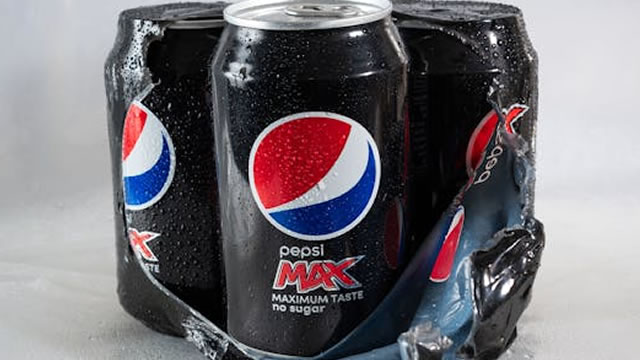
Core Insights - PepsiCo's innovation strategy is a key growth driver, focusing on health-oriented beverages and snacks, functional products, and clean-label reformulations [2][6] - The company is accelerating innovation in the protein segment, including the relaunch of Muscle Milk and protein-enhanced products [3][10] - New product development includes Propel for GLP-1 consumers and higher-fiber products, aligning with health and weight-management trends [4][10] - PepsiCo is introducing new oils in potato-based products and launching the Naked platform, emphasizing clean-label innovation [5][10] Innovation Strategy - The company is prioritizing health-led innovation and functional gains across its product lines [10] - Innovations include the relaunch of Muscle Milk and protein-enhanced Doritos and Quaker products [10] - The introduction of GLP-1-focused Propel and new oils supports the company's clean-label positioning [10] Competitive Landscape - Coca-Cola's innovation focuses on core brand strengthening and expansion into high-growth categories, with zero-sugar reformulations and flavor extensions [8] - Monster Beverage is heavily investing in new launches and has a solid innovation pipeline planned for 2026, with a focus on its Ultra brand [9] Financial Performance - PepsiCo shares have increased by 17% over the past six months, outperforming the industry growth of 4.2% [13] - The forward price-to-earnings ratio for PepsiCo is 17.74X, compared to the industry average of 18.42X [14] - The Zacks Consensus Estimate for PepsiCo's 2025 earnings per share (EPS) indicates a 0.6% year-over-year drop, while the 2026 EPS shows a 5.4% growth [15]
经营承压:西贝害怕再次卷入“预制菜”风波丨消费参考
2 1 Shi Ji Jing Ji Bao Dao· 2025-10-14 01:30
Core Viewpoint - Xibei has denied rumors about launching a new pre-packaged food business, clarifying that the newly registered company is primarily for restaurant operations and does not indicate a shift towards pre-made dishes [1][4][5]. Group 1: Company Operations - Xibei registered a new company named Shenzhen Yuhua Meihao on September 30, with a registered capital of 1 million yuan, focusing on restaurant services and pre-packaged food sales [1]. - The founder, Jia Guolong, reported significant declines in daily sales, estimating a drop of 1 million yuan on September 10 and 11, and a potential drop of 200,000 to 300,000 yuan on September 12 [1][3]. Group 2: Recovery Efforts - In response to the operational challenges, Xibei implemented several changes starting from mid-September, including switching to non-GMO soybean oil and introducing fresh ingredients in various dishes [2]. - Promotional efforts included issuing 100 yuan vouchers and reducing prices on certain menu items, which led to increased customer traffic during the National Day holiday [2]. Group 3: Industry Context - The overall restaurant industry is facing difficulties, with many national brands experiencing declines in revenue and profit, as noted by multiple industry leaders [3].
PepsiCo Product Refresh And Wellness Push Signal Steadier Growth: Analyst - PepsiCo (NASDAQ:PEP)
Benzinga· 2025-10-10 18:10
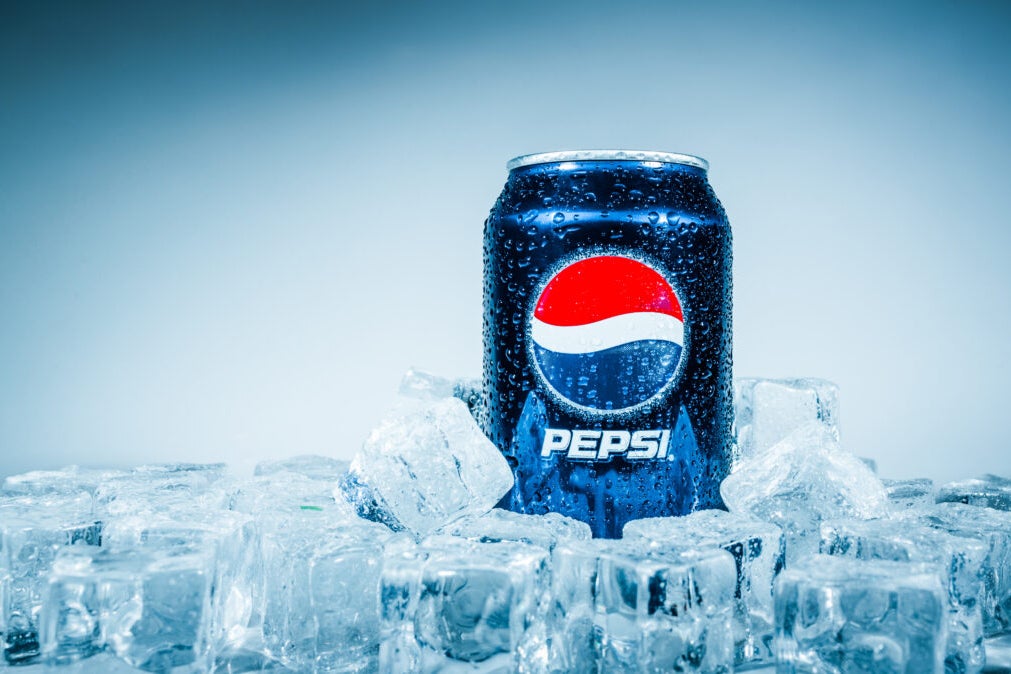
Core Insights - PepsiCo's shares increased as investors reacted positively to its product refreshes and wellness innovations, alongside plans for consistent growth in snacks and beverages [1] Financial Performance - The company reported third-quarter adjusted earnings per share of $2.29, surpassing the analyst consensus estimate of $2.26 [1] - Quarterly sales reached $23.937 billion, reflecting a 2.6% year-over-year increase, exceeding expectations of $23.827 billion [1] Analyst Commentary - Bank of America Securities analyst Peter T. Galbo maintained a Neutral rating on PepsiCo, raising the price target from $150 to $155 [2] - The analyst adjusted the fiscal year 2025 EPS estimate to $8.12 from $8.04, citing a softer foreign exchange impact [2] - Near-term share performance is expected to depend on improvements in North America organic sales with upcoming product launches [2] Sales and Product Strategy - Sales in the PepsiCo Foods North America (PFNA) segment, including Siete, remained flat year-over-year, despite challenges in salty snacks [3] - The company aims for sequential organic growth through restaging of Lay's and Tostitos, focusing on health and wellness innovations across various brands [3] Volume and Growth Projections - Underlying volumes in the PepsiCo Beverages North America (PBNA) segment fell by 1% year-over-year, excluding a 300 basis points drag from exiting case-pack water [4] - The analyst updated the fiscal year 2026 quarterly organic growth projections to +2.1%, +2.4%, +3.6%, and +3.9%, indicating sequential improvement [4] Long-term Outlook - EPS estimates for fiscal years 2026 and 2027 were increased to $8.60 and $9.10, respectively [5] - The company is viewed as defensive amid a potential U.S. economic slowdown, with a balanced approach to growth, dividends, and buybacks [5] - PepsiCo shares were reported to be up 3.61% at $149.94 at the time of publication [5]
PepsiCo Product Refresh And Wellness Push Signal Steadier Growth: Analyst
Benzinga· 2025-10-10 18:10
Core Insights - PepsiCo's shares increased as investors reacted positively to its product refreshes and wellness innovations, alongside plans for consistent growth in snacks and beverages [1] Financial Performance - The company reported third-quarter adjusted earnings per share of $2.29, surpassing the analyst consensus estimate of $2.26 [1] - Quarterly sales reached $23.937 billion, reflecting a 2.6% year-over-year increase, exceeding expectations of $23.827 billion [1] Analyst Commentary - Bank of America Securities analyst Peter T. Galbo maintained a Neutral rating on PepsiCo, raising the price target from $150 to $155 [2] - The analyst adjusted the fiscal year 2025 EPS estimate to $8.12 from $8.04, citing a softer foreign exchange impact [2] - Near-term share performance is expected to depend on improvements in North America organic sales with upcoming product launches [2] Sales and Product Strategy - Sales in the PepsiCo Foods North America (PFNA) segment, including Siete, remained flat year-over-year, despite challenges in salty snacks [3] - The company aims for sequential organic growth through restaging of Lay's and Tostitos, focusing on health and wellness innovations across various brands [3] Volume and Growth Projections - Underlying volumes in the PepsiCo Beverages North America (PBNA) segment fell by 1% year-over-year, excluding a 300 basis points drag from exiting case-pack water [4] - Management plans to reaccelerate growth with new formulations for Muscle Milk and innovations across Gatorade, Pepsi, and Mountain Dew [4] - The analyst updated the fiscal year 2026 quarterly organic growth projections to +2.1%, +2.4%, +3.6%, and +3.9%, indicating sequential improvement [4] Long-term Outlook - EPS estimates for fiscal years 2026 and 2027 were increased to $8.60 and $9.10, respectively [5] - The company is viewed as defensive amid a potential U.S. economic slowdown, with a balanced approach to growth, dividends, and buybacks [5] - PepsiCo shares rose by 3.61% to $149.94 at the time of publication [5]