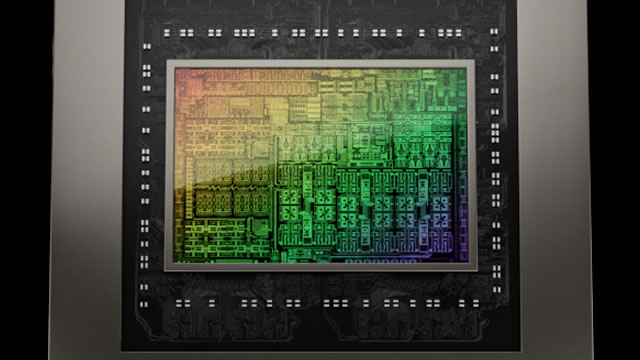
Nvidia H100 GPU

Search documents
Nvidia Just Announced Hardware for AI Data Centers in Space. Here Are the Very Real Implications.
The Motley Fool· 2026-03-29 14:03
Core Idea - Nvidia is seriously exploring the concept of space-based data centers, with a recent announcement of a new computing module aimed at addressing infrastructure needs for this initiative [1][5]. Group 1: Reasons for Space-Based Data Centers - The construction of terrestrial data centers faces opposition due to rising utility costs and environmental concerns, prompting interest in orbital data centers (ODCs) that could alleviate these issues [2]. - ODCs are proposed to reduce the strain on terrestrial power grids and mitigate environmental impacts by utilizing clusters of satellites equipped with advanced computing hardware [2]. Group 2: Progress and Challenges - Starcloud successfully launched the Starcloud-1 satellite in November 2025, marking the first operation of an Nvidia H100 GPU in space and the first AI model training in space [3]. - Despite early progress, many benefits of space-based data centers remain hypothetical, and the challenges of establishing a wide-scale network are significant, including high costs and time requirements for space operations [4]. Group 3: Nvidia's Recent Announcement - On March 16, Nvidia introduced the Space-1 Vera Rubin module, designed to improve data processing and address existing data transmission bottlenecks [7]. - The module aims to enable real-time data analysis at the source, potentially reducing delays in decision-making processes [7]. - The timeline for shipping the Space-1 Vera Rubin module to customers is not yet disclosed, but its introduction could signify a step toward the realization of orbital data centers [8]. Group 4: Investment Considerations - Nvidia is positioned as a key player in the space market, developing technology that could support the infrastructure for space data centers, alongside collaborations with other space-related companies [9]. - The market currently values Nvidia at a forward price-to-earnings ratio of 21.4, reflecting a lower expectation for growth compared to previous quarters, yet the company remains a leader in advanced chip manufacturing [11].



爆火的太空光伏里,掘到第一桶金的大概率不是组件企业
3 6 Ke· 2026-01-27 03:26
Core Viewpoint - Elon Musk's proposal for "space solar power" at the Davos Forum presents a significant opportunity for the solar industry, which has been struggling with overcapacity, to potentially access a new market [1][2]. Group 1: Space Solar Power Feasibility - The concept of space solar power (SSP) is not new, with research ongoing for decades by organizations like NASA and the European Space Agency [5]. - Recent advancements in commercial space have shifted energy system demands from "hundreds of watts" to "tens and hundreds of kilowatts" [6][7]. - Musk's initiative aims to establish 100 GW of solar capacity in the U.S., with a portion dedicated to space and data centers, equating to about a quarter of the U.S. global electricity supply [9]. Group 2: Technical Requirements for Space Solar Power - The development of space solar power is not merely an extension of terrestrial solar power but requires a different evaluation system focused on power, reliability, and manufacturability [15]. - Three main technological routes are emerging: III-V multi-junction systems, low-cost silicon modifications, and perovskite-based systems [16][18][21]. - The III-V multi-junction cells are preferred for their high efficiency and controlled degradation in space, while silicon modifications aim for lightweight and radiation-resistant solutions [16][18]. Group 3: Beneficiaries in the Space Solar Power Industry - The initial beneficiaries in the space solar power supply chain will be companies that provide foundational substrates and core epitaxy technologies [25]. - As projects scale, the focus will shift towards equipment and production lines, with companies capable of modular and automated production gaining a competitive edge [27]. - The differentiation in technology accumulation will lead to varied revenue outcomes, with only a few companies becoming significant players in the space energy system contracting [30].

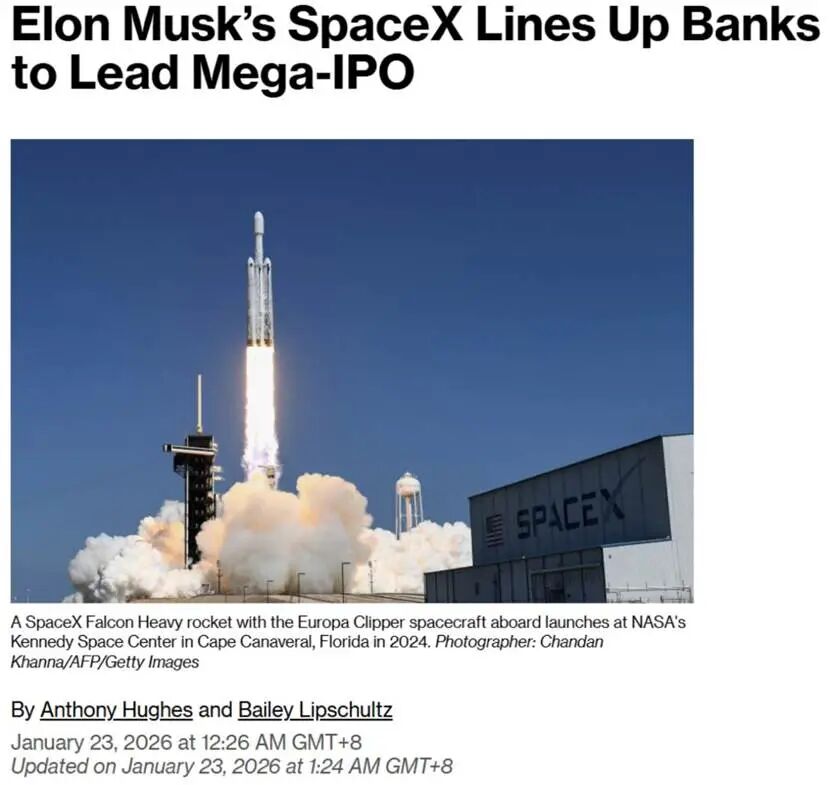
How $160 million worth of export-controlled Nvidia chips were allegedly smuggled into China
CNBC· 2025-12-31 12:00
Core Insights - The U.S. federal investigation, named "Operation Gatekeeper," targets a smuggling network allegedly exporting Nvidia GPUs to China, highlighting the geopolitical struggle for advanced technology [1][3][11] Group 1: Investigation Details - The smuggling ring reportedly attempted to export at least $160 million worth of Nvidia H100 and H200 GPUs to China between October 2024 and May 2025 [3] - The operation involved illegal entry into the U.S., fake companies, and a secret shipping operation in New Jersey, which was infiltrated by an undercover agent [2][5] - The investigation revealed that conspirators were relabeling Nvidia GPUs and misclassifying them in shipping documents to evade detection [5][6] Group 2: Market Dynamics - China has a significant demand for Nvidia's chips, with over 60% of leading AI models in the country utilizing Nvidia hardware [4][5] - Despite efforts to develop a local AI chip market, China remains heavily reliant on Nvidia's technology [4] Group 3: Legal and Political Implications - The investigation led to arrests and a guilty plea related to the smuggling of advanced AI technology [11] - President Trump's announcement to allow exports of Nvidia's H200 GPUs to China complicates the legal case, as it contradicts claims of national security risks associated with the smuggling [10][12] - Experts suggest that smuggling of Nvidia's high-end AI chips into China is likely to continue despite regulatory efforts [12][13]
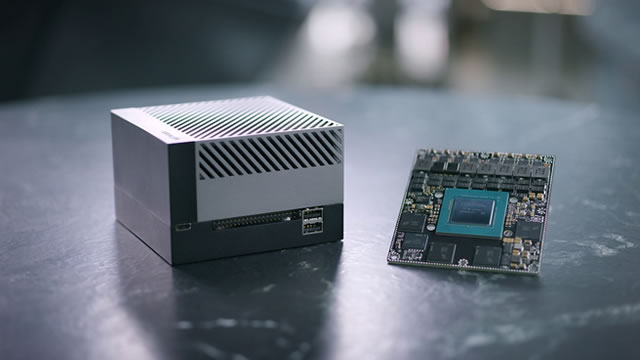
U.S. uncovers scheme to reroute Nvidia GPUs worth $160 million to China despite export bans
CNBC· 2025-12-09 09:59
Core Points - U.S. authorities have shut down a China-linked smuggling network trafficking over $160 million in Nvidia AI chips [1][2] - The operation, named "Operation Gatekeeper," aims to restrict China's access to advanced AI technologies [2] - Two businessmen were arrested, and a Houston-based company has pleaded guilty to chip smuggling [1][3] Company Summary - Alan Hao Hsu and his company, Hao Global LLC, pleaded guilty to smuggling Nvidia H100 and H200 GPUs, which require special licenses for export to China [3][4] - Hsu's operation involved falsifying shipping documents to misclassify GPUs and conceal their destinations [4] - Nvidia stated that export controls are stringent, and even older generation products face strict scrutiny [5] Financial Implications - The smuggling operation involved at least $160 million worth of Nvidia GPUs exported or attempted to be exported between October 2024 and May 2025 [3] - Investigators traced over $50 million in funds from China that supported Hsu's smuggling scheme [4] - Hsu faces up to 10 years in prison, while Hao Global may incur fines up to twice its illicit gains [4]
Nvidia's Real Risk: Hardware That Ages Too Fast?
Forbes· 2025-12-02 11:46
Core Viewpoint - Michael Burry is betting against the AI sector, particularly Nvidia and its chip valuations, viewing the current market as a bubble driven by accounting practices rather than genuine profitability [2][4]. Group 1: Nvidia's Financial Metrics - Nvidia reported third-quarter revenue of $57 billion, reflecting a 62% year-on-year increase [2]. - Major tech companies like Microsoft, Google, and Meta have extended the useful life of their server hardware from approximately four years to nearly six years, which reduces annual expenses and enhances net income [4]. Group 2: Accounting Adjustments and Implications - The accounting strategy of extending depreciation periods raises concerns about the long-term profitability of AI investments, as faster obsolescence could lead to significant write-downs [4][6]. - Nvidia's GPUs, which are critical for AI workloads, may not endure the extended depreciation timeline due to physical breakdowns from thermal cycling, potentially leading to a loss of reported value [5][6]. Group 3: Market Dynamics and Future Risks - Hyperscalers are expected to increase capital expenditures to around $460 billion in the next year, but if they perceive that GPUs have a limited effective lifespan, future capital expenditures may slow down [7]. - The rapid pace of innovation in AI chips could render existing hardware economically worthless, leading to billions in write-downs and impacting the perceived profitability of the AI sector [6][7]. Group 4: Counterarguments and Market Support - Proponents of Nvidia argue that demand for computational power will continue to grow, and older chips can still be repurposed for various applications, thus maintaining their value [8][9]. - The potential for a cascading demand for older GPUs in different sectors could mitigate the risks associated with rapid technological advancements [9]. Group 5: Triggers for Depreciation Adjustments - Key events that could prompt hyperscalers to adjust their depreciation timelines include competitive pressure, auditor scrutiny, and public acknowledgment from CEOs regarding the rapid pace of AI innovation [14][15].
Nvidia CEO Jensen Huang announces new partnerships in GTC keynote, gold extends sell-off
Youtube· 2025-10-28 21:06
Market Overview - Tech stocks are experiencing a rally driven by optimism surrounding AI, contributing to gains in major indices such as the Dow, S&P 500, and NASDAQ [1][2][3] - The Dow increased by 280 points, while the S&P 500 rose by approximately 0.5% and the NASDAQ by about 1% [1][2][3] - The Russell 2000 index showed mixed performance, primarily remaining in the red for the day [4][5] Sector Performance - The technology sector is the standout performer, with the XLK ETF up 1.3%, significantly outperforming the S&P 500 [6] - Consumer discretionary and materials sectors also showed positive movement, while real estate and utilities sectors lagged behind [6][7] - Notable tech stocks hitting record highs include Nvidia (up 5.5%), Broadcom (up 3%), and Tesla (up 2%) [7] Nvidia's Developments - Nvidia's CEO announced new partnerships at the GTC conference, including collaborations with Uber and the Department of Energy to build seven AI supercomputers [9][10] - Jensen Huang projected potential revenues of $500 billion through 2026, indicating strong demand for AI and GPU technologies [13] - Nvidia's investment in Nokia aims to enhance 5G and 6G network capabilities, showcasing its strategic focus on key technological trends [15][17] Earnings and Market Sentiment - Upcoming earnings reports from major tech companies like Microsoft, Amazon, and Alphabet are highly anticipated, with expectations for continued growth in AI-related spending [19][20] - Analysts express concerns about the sustainability of revenue growth in the face of high capital expenditures and potential overbuilding in AI infrastructure [66][70] Gold Market Dynamics - Gold prices have declined over 1.5%, reflecting typical market behavior following the Fed's interest rate cuts, with a year-to-date increase of 49% [36][37] - Major banks predict that gold prices will rise again in the future, despite current declines [38] Bitwise's New ETF Launch - Bitwise launched the first spot Solana exchange-traded product (ETP) in the US, providing investors with direct access to the Solana blockchain and staking rewards [39][40] - Solana is recognized for its high transaction speed and low costs, positioning it as a significant player in the future of digital assets [44] Amazon's Performance and Job Cuts - Amazon is expected to report a 19% growth in AWS, driven by increased AI-related demand and capacity [86][87] - The company announced 14,000 job cuts, which analysts view as part of routine adjustments rather than a sign of broader industry issues [96][98]

OpenAI's Next Bet: Intel Stock?
Forbes· 2025-10-08 13:15
Core Insights - OpenAI's initiative to develop next-generation AI supercomputers has intensified competition among chipmakers, particularly Nvidia and AMD, with Nvidia committing up to $100 billion for OpenAI's data center expansion [1] - AMD has partnered with OpenAI to deploy approximately 6 gigawatts of its accelerators, resulting in a nearly 30% surge in AMD's stock since the announcement [1] - Intel, traditionally viewed as an outsider in the AI hardware sector, may have an opportunity to establish a significant partnership with OpenAI [1] Chipmaker Competition - Nvidia is the leading GPU provider, with its market cap around $4.5 trillion, while AMD's stock has also seen significant gains due to its collaboration with OpenAI [1] - Intel's recent stock increase suggests potential interest in the AI market, but reliance on a single stock carries risks [3] Inference Workloads - The inference market, where trained models generate outputs, is expected to surpass the training market in terms of volume and revenue, emphasizing cost efficiency and energy performance [5] - Intel's Gaudi 3 AI accelerator has demonstrated a 70% better price-to-performance ratio in inference throughput compared to Nvidia's H100 GPU, priced between $16,000 and $20,000 [6] Intel's Strategic Positioning - OpenAI's future expansion will likely focus on scaling inference capabilities, presenting Intel with an opportunity to provide affordable computing solutions [7] - Intel's foundry ambitions, with over $90 billion invested in manufacturing capacity, aim to compete with TSMC and Samsung, potentially benefiting from the shift towards inference [8] Manufacturing Innovations - Intel's new 18A node technology introduces advanced transistors and power delivery systems designed to enhance performance and energy efficiency for AI applications [9] - TSMC's production lines are fully booked, creating potential supply bottlenecks for OpenAI and other hyperscalers, which Intel's expanding foundry network could address [10] OpenAI's Infrastructure Goals - OpenAI plans to build one of the largest AI data center networks, targeting 10 gigawatts of power capacity by the end of 2025, with a projected investment of $500 billion [11] - The demand for tens of millions of GPUs for next-generation AI models may compel OpenAI to diversify its chip partnerships, potentially benefiting Intel's cost-effective solutions [11]

一颗芯片,叫板英伟达
半导体行业观察· 2025-10-02 01:18
Core Viewpoint - FuriosaAI, a South Korean chip startup, aims to compete with Nvidia by leveraging its unique Tensor Contraction Processor (TCP) architecture to enhance AI performance and efficiency [2][3]. Group 1: Company Overview - FuriosaAI was founded in 2017 by June Paik, a former engineer at Samsung and AMD, with a vision for dedicated chips for deep learning workloads [2]. - The company launched its first-generation Neural Processing Unit (NPU) in 2021, manufactured by Samsung using a 14nm process, which performed well in MLPerf benchmarks [2]. Group 2: Product Development - The second-generation chip, RNGD (Renegade), is being developed over a three-year project initiated in 2021, focusing on generative AI and language models [3]. - RNGD is manufactured using TSMC's 5nm process, featuring 48GB of HBM3 memory, 1.5TB/s memory bandwidth, and 512 TFLOPS of FP8 performance with a maximum power consumption of 180W [3]. Group 3: System Integration - FuriosaAI is working on a complete system based on the RNGD card, the NXT RNGD server, which will include eight RNGD cards, totaling 384GB of HBM3 memory and 4 petaFLOPS of FP8 performance at a thermal design power (TDP) of 3kW [4]. - The NXT RNGD server aims to outperform traditional GPU-based systems, targeting the same market as Nvidia's H100 GPU [4]. Group 4: Performance Comparison - The Nvidia H100 GPU features 80GB of HBM2 memory, 2TB/s memory bandwidth, and 1513 TFLOPS peak performance, with a TDP of 350W for PCIe versions and up to 700W for SXM versions [5]. - FuriosaAI claims that RNGD's performance exceeds Nvidia's by three times when running large language models on a per-watt basis [5]. Group 5: Architectural Innovation - The TCP architecture is designed to minimize data movement, which is a significant energy consumer, by maximizing data reuse stored in on-chip memory [6]. - The architecture improves abstraction layers to overcome limitations of traditional GPU architectures, ensuring efficient data access and high throughput [7]. Group 6: Market Adoption and Client Engagement - FuriosaAI has gained traction with clients like LG AI Research, which reported that RNGD could deliver approximately 3.5 times the tokens per rack compared to previous GPU solutions [8]. - The company has attracted attention from major cloud computing firms, including Meta, which expressed interest in acquiring FuriosaAI [8]. Group 7: Future Plans and Funding - FuriosaAI completed a $125 million bridge financing round, bringing total funding to $246 million, and is focusing on ramping up RNGD production for global customer engagement by early 2026 [9].
拥有20万GPU的集群建好了,只用了122天
半导体行业观察· 2025-05-09 01:13
Core Insights - The xAI Memphis Supercluster has reached full operational capacity, utilizing 150 MW from the Tennessee Valley Authority (TVA) and an additional 150 MW from Megapack batteries for backup power [1][2] - The Colossus supercomputer, equipped with 100,000 Nvidia H100 GPUs, was deployed in just 19 days, a process that typically takes four years [1][11] - Future expansions aim to double the GPU count to 200,000, with plans to eventually reach 1 million GPUs, significantly increasing the power and capabilities of the supercomputer [3][7] Power Supply and Infrastructure - The first phase of the project can now operate entirely on TVA power, which sources about 60% of its energy from renewable resources [2] - A second substation is expected to be operational by fall 2023, increasing total power capacity to 300 MW, sufficient to power 300,000 homes [2] - Initial reports indicated the presence of 14 gas turbines on-site, with some residents noting over 35 turbines, raising concerns about local energy supply [1] Technological Advancements - Colossus is designed to push the boundaries of AI research, focusing on training large language models and exploring applications in autonomous vehicles, robotics, and scientific simulations [6][13] - The upcoming Nvidia Blackwell H200 GPUs promise significant performance improvements, potentially up to 20 times faster than the H100 GPUs, although delivery has faced delays due to design issues [7][8] - The infrastructure includes advanced cooling systems to manage the heat generated by the high-density GPU setup, which is critical for maintaining performance [14][15] Competitive Landscape - The investment in Colossus positions xAI to compete effectively against major players like Google, Microsoft, and OpenAI in the AI research space [15] - The ability to rapidly train AI models could lead to breakthroughs that were previously limited by computational constraints, enhancing xAI's research capabilities [15] - Concerns have been raised regarding the geopolitical implications of foreign ownership of advanced AI technologies, particularly in non-research applications [16]
Meta, Microsoft, Alphabet, and Amazon Just Delivered Incredible News for Nvidia Stock Investors
The Motley Fool· 2025-05-05 22:05
Core Viewpoint - Nvidia has faced significant stock volatility in 2025, with a year-to-date decline of 15%, primarily due to concerns over potential demand reduction for its data center chips amid tariff implications [1][9] Group 1: Tariff Impact and Customer Spending - Although semiconductors are exempt from aggressive tariffs, Nvidia's customers may still experience increased costs, potentially leading to reduced capital expenditures [2] - Major customers like Meta, Microsoft, Alphabet, and Amazon have provided positive updates on their AI spending plans for 2025, indicating continued demand for Nvidia's chips [2][12] - Meta raised its 2025 capex forecast to $64 billion to $72 billion, Microsoft plans to spend around $80 billion, Alphabet maintains a $75 billion forecast, and Amazon is set to spend approximately $105 billion [12] Group 2: Nvidia's Technological Advancements - Nvidia's H100 GPU was the leading AI data center chip in 2023 and most of 2024, but has been succeeded by the more advanced Blackwell and Blackwell Ultra architectures, with the latter offering up to 50 times faster AI inference in specific configurations [4][6] - The upcoming Rubin GPUs, expected in 2026, are projected to deliver 3.3 times more compute performance, further enhancing Nvidia's position in the AI market [7] Group 3: Market Position and Future Growth - Nvidia generated $115.2 billion in data center revenue for fiscal 2025, marking a 142% increase from the previous year, with predictions of data center spending exceeding $1 trillion annually by 2028 [14] - Demand for Nvidia's chips currently exceeds supply, making it difficult for companies to cancel orders without risking a competitive disadvantage in AI [16] - Nvidia's stock is viewed as a buying opportunity, trading at a P/E ratio of 39, significantly lower than its 10-year average above 50 [11]