
Panther Lake芯片

Search documents
长久以来最乐观的时候!财报前夜英特尔股价暴涨
硬AI· 2026-01-22 07:34
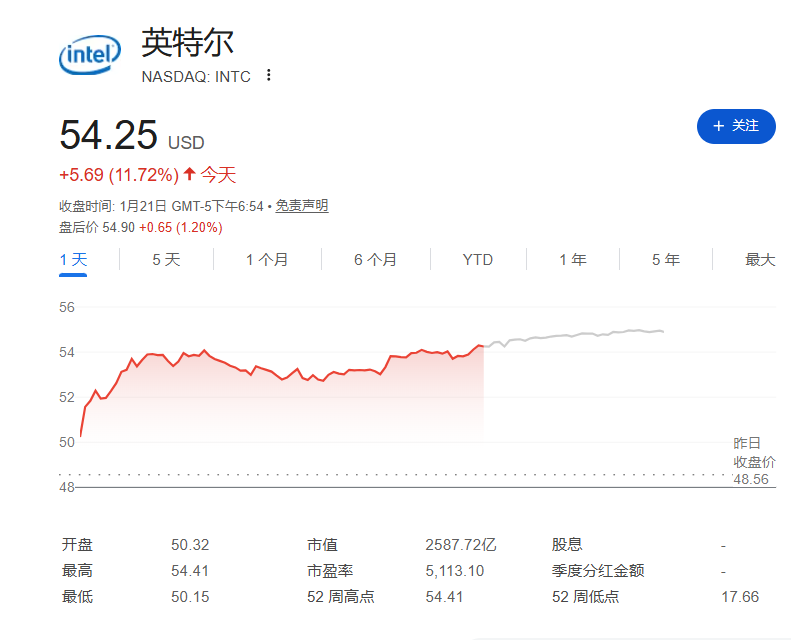
Core Viewpoint - Intel's stock surged by 11%, reaching a four-year high, driven by booming data center demand and strategic investments from major players like the U.S. government and Nvidia, with a market capitalization exceeding $250 billion [2][3]. Group 1: Data Center Demand and Pricing Power - The resurgence of investor interest in Intel is primarily driven by strong recovery in server chip sales, with expectations of nearly a 29% to 30% revenue increase in Intel's data center and AI business, projected to reach approximately $4.4 billion [8]. - Analysts suggest that Intel's server CPUs may be sold out this year, indicating potential price increases, with expectations of at least double-digit price hikes for server CPUs by 2026 [9]. Group 2: Strategic Investments and Foundry Ambitions - Intel's turnaround is supported by a restructuring of its capital base and ambitions in the foundry business, with significant investments from the U.S. government ($8.9 billion) and Nvidia ($5 billion), enhancing its financial position [11]. - Intel aims to establish itself as the second-largest chip foundry globally, promoting its 18A manufacturing process, which is comparable to TSMC's 2nm process, although it is still seeking major clients [11]. Group 3: PC Market Concerns and Margin Pressures - Despite positive market sentiment, Intel faces challenges, with projected fourth-quarter revenues declining by 6% year-over-year to $13.4 billion, and only a 2.5% revenue growth in the PC segment [13]. - Margin pressures are anticipated due to high costs associated with repairing manufacturing operations, with adjusted gross margins expected to drop by approximately 6 percentage points to 36.5% [14].



长久以来最乐观的时候!财报前夜英特尔股价暴涨
Hua Er Jie Jian Wen· 2026-01-22 00:13
Core Viewpoint - Intel is regaining favor on Wall Street due to strong demand expectations in the data center segment and significant external investments, leading to a notable increase in stock price and market capitalization [1][2]. Group 1: Stock Performance and Market Sentiment - Intel's stock surged over 11% on Wednesday, reaching its highest point since January 2022, with a market capitalization surpassing $250 billion for the first time since 2022 [1]. - The stock has increased approximately 35% year-to-date in 2026 and has seen a cumulative rise of 149% over the past 12 months [1]. - Analysts express optimism about Intel's recovery, highlighting favorable recent developments and the upcoming earnings report as a critical test for the company's resurgence [1]. Group 2: Revenue Expectations and Business Performance - Intel's data center and AI business revenue is projected to surge nearly 29% to approximately $4.4 billion [5]. - Analysts from KeyBanc have upgraded Intel's stock rating to "buy" with a target price of $60, noting that server CPUs may be sold out this year, indicating potential price increases [5]. - There is an expectation of significant demand from large cloud computing firms, which is seen as a major tailwind for Intel's data center business [5]. Group 3: Strategic Investments and Business Vision - Intel's turnaround is supported by a restructuring of its capital and ambitions in the foundry business, with significant investments from external stakeholders [6]. - The U.S. government has become Intel's largest shareholder after investing $8.9 billion, partly due to Intel's unique capability to manufacture advanced chips domestically [6]. - Nvidia has invested $5 billion and is collaborating with Intel to integrate Intel's CPUs into Nvidia systems, while SoftBank has also invested $2 billion [6]. Group 4: Challenges in the PC Market and Profit Margins - Despite positive market sentiment, Intel faces challenges, with fourth-quarter revenue expected to decline by 6% to $13.4 billion [7]. - The PC segment is experiencing mixed results, with revenue projected to grow only 2.5% to $8.21 billion, amid rising memory prices and competition from AMD and Arm-based designs [7]. - Profit margins are under pressure, with adjusted gross margins expected to drop by approximately 6 percentage points to 36.5% due to high costs associated with repairing manufacturing operations [7].
英特尔前CEO基辛格谈“前东家”18A工艺:是重要里程碑,路走对了
Sou Hu Cai Jing· 2026-01-12 04:56
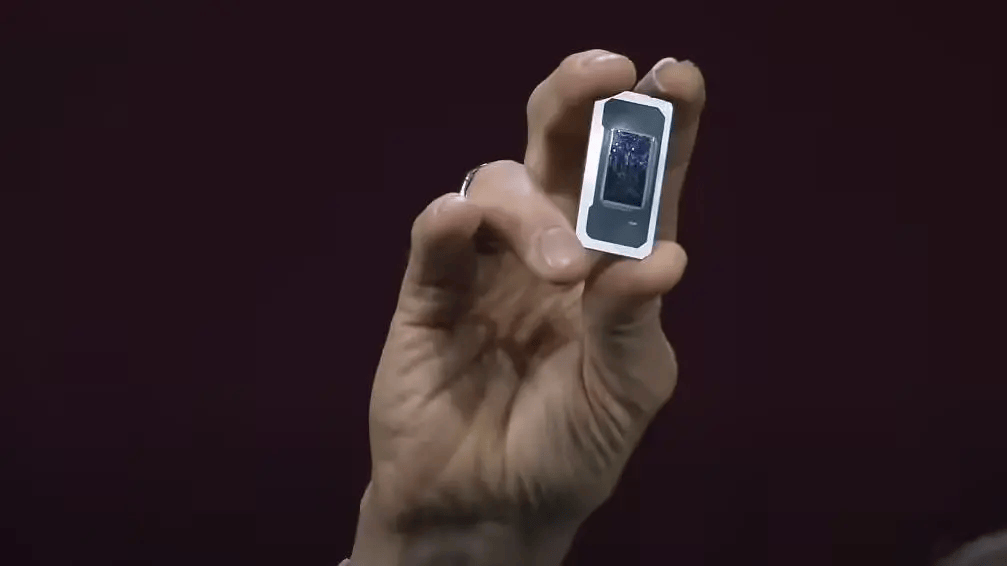
Core Insights - Intel's former CEO Pat Gelsinger discussed the company's recent advancements in manufacturing technology, particularly the Panther Lake chips based on the 18A process, which are seen as a significant milestone for the company [1][3] - The launch of the Panther Lake chips at CES is crucial for Intel to regain trust from "fabless" companies like NVIDIA, indicating progress in its foundry business [1][3] Group 1 - Gelsinger emphasized that the 18A process and Panther Lake are important milestones, with the foundation of these technologies laid during his tenure [3] - He expressed pride in the Intel team's achievement of the 18A and Panther Lake projects, noting that the chip samples were delivered to Lenovo before his departure, indicating that the chip has matured under his leadership [3] Group 2 - To attract customer commitments for Intel's foundry services, Gelsinger believes that incentives from legislation like the CHIPS and Science Act, along with broader government policy support such as tariff policies, are essential [3] - Gelsinger highlighted that securing clients for advanced processes like 18A-P and 14A will be critical for the future of Intel's foundry business, with current CEO Pat Gelsinger also expressing confidence in the progress of the 14A process [3]
英特尔前CEO:美国芯片制造,很难再回来了
半导体行业观察· 2026-01-12 01:31
Core Viewpoint - Intel's former CEO Pat Gelsinger emphasizes the long journey ahead for the U.S. to reclaim chip manufacturing from Asia, highlighting that the key measure is the number of wafers produced in the U.S. [1] Group 1: U.S. Chip Manufacturing - Gelsinger warns that while the U.S. government is taking steps to strengthen domestic chip manufacturing, such as acquiring Intel shares and promoting advanced semiconductor production, the majority of advanced chip manufacturing remains concentrated in Asia, particularly Taiwan [1] - He stresses that the return of manufacturing to the U.S. is crucial but will take time, as it took decades for manufacturing to shift to Asia [1] - The U.S. government policies, including the CHIPS Act and tariffs, are seen as significant catalysts for encouraging companies like NVIDIA and AMD to consider Intel's foundry services as alternatives to TSMC [3][4] Group 2: Technological Milestones - Gelsinger claims credit for the breakthroughs in Intel's 18A and Panther Lake processors, stating that these achievements are significant milestones for the company [2] - The successful launch of the Panther Lake chip, based on the 18A process, is viewed as a critical goal for Intel to gain the trust of fabless companies like NVIDIA [2] - The core technologies and R&D for the 18A process, including PowerVia and RibbonFET, were initiated under Gelsinger's leadership, indicating a strategic focus on enhancing energy efficiency [3] Group 3: Future Outlook - Intel's next important milestone in foundry services is to attract customers for front-end and back-end semiconductor products, particularly the 18A-P and 14A processes, which are vital for market acceptance [5] - Current developments suggest that Intel's leadership is optimistic about the future of its foundry and product divisions, with confidence expressed in the progress of the 14A process [5]
英特尔前CEO基辛格谈前东家18A工艺:是重要里程碑,路走对了
Sou Hu Cai Jing· 2026-01-11 23:57
Core Insights - Intel's former CEO Pat Gelsinger highlighted the significance of the Panther Lake chip based on the 18A process as a crucial milestone for the company [1][3] - The launch of the Panther Lake chip at CES indicates progress in Intel's wafer fabrication department, which is essential for regaining trust from companies like NVIDIA [1] - Gelsinger expressed pride in the development of the 18A process and Panther Lake, noting that the chip was delivered to Lenovo before his departure, indicating its maturity [3] Manufacturing and Technology - The 18A process and Panther Lake chip are seen as pivotal achievements, with Gelsinger emphasizing that these technologies were built during his tenure [3] - Attracting customers for Intel's foundry services will rely on broader government policy support, including tariffs and incentives from the CHIPS and Science Act [3] - Future efforts in the foundry business will focus on securing clients for advanced processes like 18A-P and 14A, with current CEO Pat Gelsinger expressing confidence in the progress of the 14A process [3]
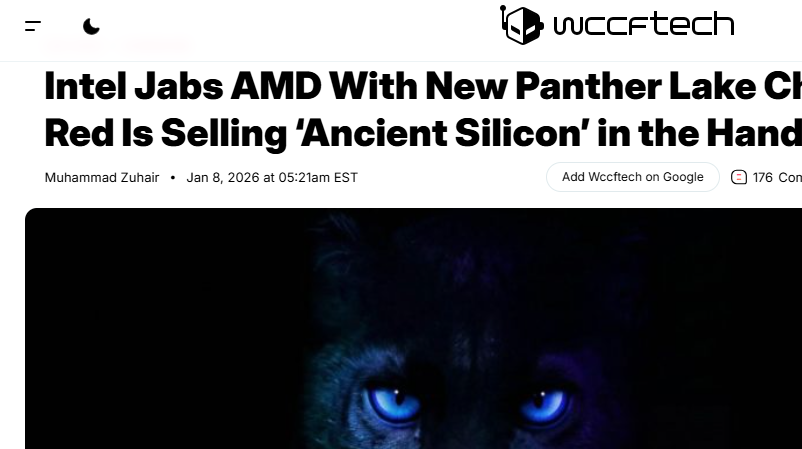
CES 2026:英特尔Panther Lake芯片瞄准掌上游戏,称AMD芯片“老旧”
Huan Qiu Wang· 2026-01-09 06:02
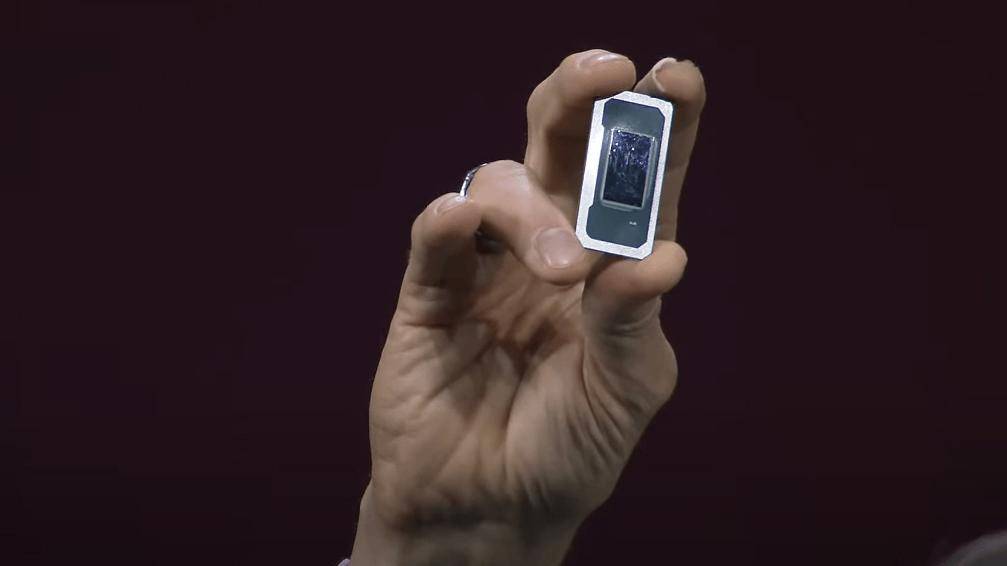
Core Insights - Intel showcased the Panther Lake chip at CES, targeting the handheld gaming device market and positioning itself against AMD's products, which it referred to as "old chips" [1][4] - Panther Lake is the first system-on-chip built on the advanced 18A process, featuring significant improvements in energy efficiency and performance per watt, with over a 15% increase compared to the previous generation [1] - The chip integrates the new Darkmont efficiency cores and utilizes RibbonFET transistors and PowerVia back power delivery technology, aligning with the power and performance needs of handheld devices [1] - The integrated Arc graphics performance, combined with XeSS 3 technology, is expected to enhance frame rates for handheld gaming significantly [1] Company Strategy - Intel's executive Nisha Nilarayouman emphasized that Panther Lake is specifically designed for the handheld market, indicating a strategic focus on this segment [4] - Despite AMD's current dominance in the handheld device market with its Z series chips, Intel is confident in its ability to compete through new product lines or customized optimized versions [4]

美股异动丨英特尔涨5.3%,日前推出下一代PC平台处理器酷睿Ultra3
Ge Long Hui A P P· 2026-01-07 14:49
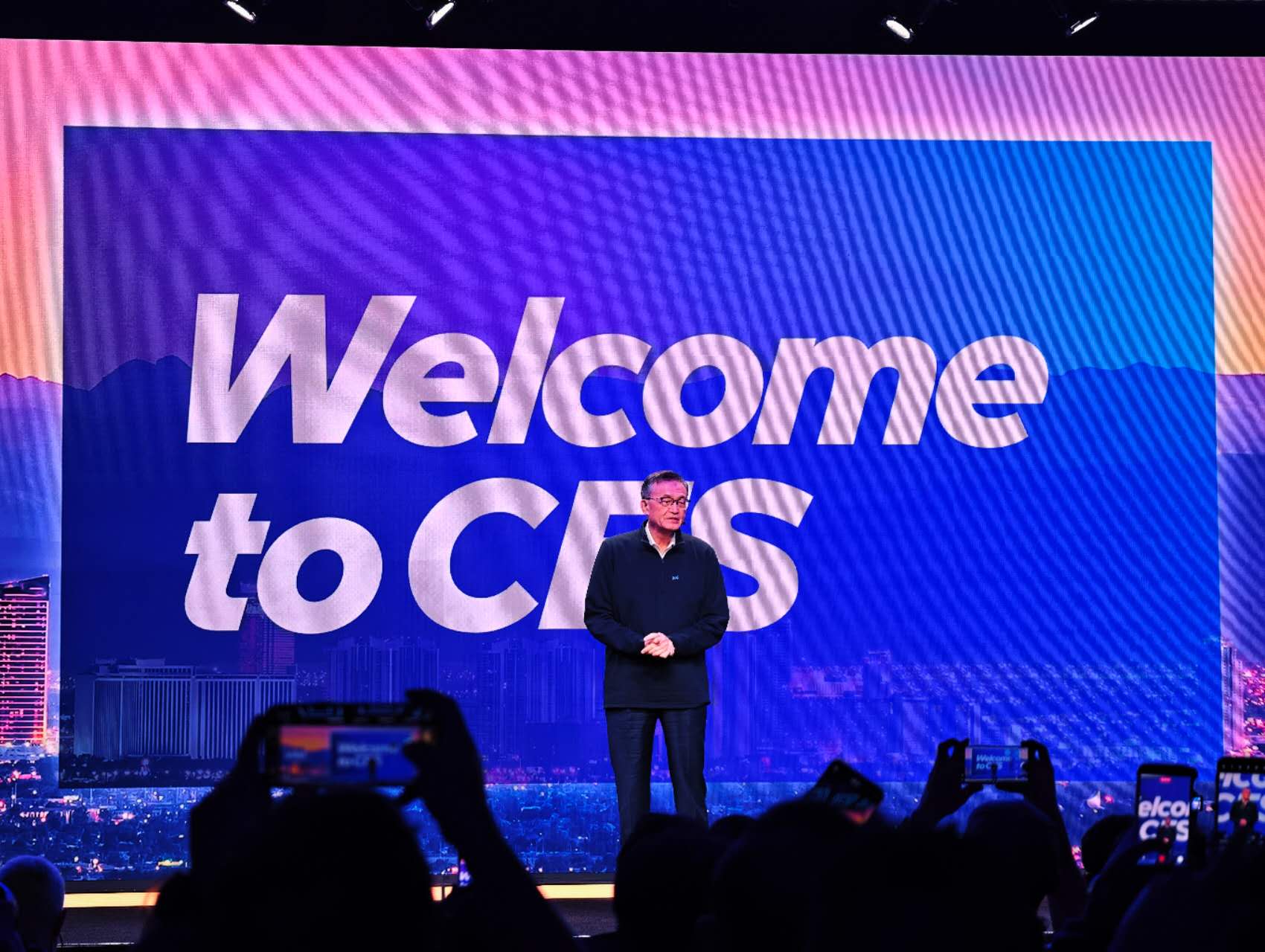
Core Viewpoint - Intel (INTC.US) aims to regain market share in the personal computer and local AI computing sectors by launching its next-generation PC platform processor, Core Ultra3, at the Consumer Electronics Show (CES) [1] Group 1: Product Launch - Intel introduced the Core Ultra3 processor, which is part of its strategy to reclaim market share lost to competitors [1] - The first consumer laptops featuring the Core Ultra3 will begin pre-sales on January 6, 2026, and will be available globally starting January 27, 2026 [1] - Edge systems equipped with the new generation processor are expected to hit the market in the second quarter of 2026 [1] Group 2: Manufacturing Technology - Intel's CEO, Pat Gelsinger, announced the company's commitment to launching its first product using the 18A manufacturing process, named Panther Lake, by 2025 [1]
英特尔推出下一代PC芯片,首次采用Intel 18A制程
Di Yi Cai Jing· 2026-01-06 01:58
Core Insights - AI PCs are becoming the central selling point of the industry [4] - Intel launched the next-generation Core Ultra3 processor (code-named Panther Lake) at CES, aiming to regain market share in personal computers and local AI computing [1] - The first consumer laptops featuring the Core Ultra3 will be available for pre-order on January 6, 2026, and will hit the global market on January 27, 2026 [3] Group 1 - The Panther Lake chip is Intel's first consumer-grade chip manufactured using its 18A process technology, representing the company's highest level in semiconductor manufacturing [4] - The new chip is expected to enhance local AI inference, graphics processing, and energy efficiency, with a 60% improvement in multi-threaded performance compared to the previous Lunar Lake series [4] - Intel's executives emphasized the importance of this product in re-establishing technological and competitive advantages in the rapidly changing PC landscape [4] Group 2 - Intel faces challenges from competitors like AMD, which leverages TSMC's advanced processes, and NVIDIA, which dominates the AI accelerator market [3] - Companies like Qualcomm are increasing their investments in the Windows PC market, aiming to disrupt Intel's long-standing dominance in the x86 ecosystem [3] - Intel plans to continue advancing its process and architecture roadmap while strengthening collaborations with PC manufacturers and software developers [4]
股价一年飙涨86%背后:英特尔(INTC.US)仍未获关键代工客户 14A工艺能否赢回苹果、英伟达?
美股IPO· 2025-12-22 08:30
Core Viewpoint - Intel is experiencing significant changes in 2025, including a new CEO and substantial investments, which have led to an 86% increase in stock price, outperforming major tech competitors [2] Group 1: Company Developments - Intel's manufacturing division lacks a major external customer, which is essential for sustainable cash flow [3] - The previous CEO's aggressive transformation efforts to open the manufacturing division to external clients caused investor anxiety due to high costs and uncertainty [4] - The new CEO, Pat Gelsinger, was replaced by Chen Lifang in March 2025, who has restored some investor confidence despite maintaining the same strategic direction [4] Group 2: Government and Investment Support - The U.S. government has prioritized semiconductor manufacturing return to the U.S. since the pandemic highlighted supply chain risks [5] - The U.S. government invested $9 billion in Intel, which may enhance the company's influence on semiconductor trade policies [6] - Investments from SoftBank ($2 billion) and Nvidia ($5 billion) have further boosted investor sentiment towards Intel [6] Group 3: Manufacturing Challenges - Intel's potential customers, including Nvidia, Apple, and Qualcomm, are also competitors and have long-standing relationships with TSMC, complicating Intel's efforts to attract them [7] - Intel needs to prove the viability of its latest manufacturing processes, particularly the 14A process, to secure large external clients [7] - Analysts suggest that Intel has a 12 to 18-month window to secure a major external customer for the 14A process to ensure its continued development [7]
股价一年飙涨86%背后:英特尔(INTC.US)仍未获关键代工客户 14A工艺能否赢回苹果、英伟达?
智通财经网· 2025-12-22 07:05
Core Viewpoint - Intel is experiencing significant changes in 2025, including a new CEO and substantial investments, yet its fundamental narrative remains unchanged, particularly regarding its manufacturing sector which lacks a major external client [1][2]. Group 1: Company Developments - Intel's stock price has increased by 86% this year, outperforming major tech stocks and competitors like AMD [1]. - The company has received a $9 billion investment from the U.S. government, alongside $2 billion from SoftBank and $5 billion from Nvidia, which has boosted investor confidence [2][3]. - The appointment of CEO Chen Lifang in March 2025 has revitalized market confidence in Intel's potential transformation, despite the strategic direction remaining largely unchanged [2]. Group 2: Manufacturing Challenges - Intel's manufacturing division has fallen behind TSMC due to past missteps and poor investment decisions, resulting in a loss of market share to competitors like AMD and Arm [2]. - The previous CEO's aggressive transformation efforts to open the manufacturing division to external clients led to investor concerns due to the high costs and uncertainty of success [2]. - Analysts emphasize that Intel must prove its latest manufacturing processes, particularly the 14A process, to attract external clients and ensure the viability of its manufacturing business [4][5]. Group 3: Market Position and Competition - Intel's manufacturing business lacks a significant external customer, which is crucial for sustainable cash flow [1][2]. - Major potential clients like Nvidia, Apple, and Qualcomm are also competitors in Intel's product sector and have established long-term relationships with TSMC, complicating Intel's efforts to secure these clients [3]. - Analysts suggest that Intel has a 12 to 18-month window to secure a large external customer for the 14A process, which is critical for the success of its foundry business [5].