
Plaud Note Pro

Search documents
起底Plaud不融资却卖100万台的秘密
虎嗅APP· 2025-11-08 09:29
Core Viewpoint - The article discusses the success of the AI hardware company Plaud, highlighting its unique market position, product offerings, and the strategic decisions that have led to its profitability without external funding [4][5][6]. Group 1: Company Overview - Plaud's first AI product, "Plaud Note," achieved cumulative sales of 1 million units by July 2023, despite initial skepticism about its market demand [4][5]. - The company has not taken any external funding since its inception, which is attributed to its profitability from day one and a cautious approach to financing [5][6]. - The CEO, Mo Zihua, emphasizes the importance of Product-Market Fit (PMF) as a key factor in the company's success [6][10]. Group 2: Product Features and Market Strategy - Plaud Note Pro features a sleek design, measuring less than 3mm thick, and is user-friendly with minimal operational complexity [6][7]. - The core functionality of Plaud products is to capture and analyze conversations, providing users with actionable insights beyond simple transcription [10][11][12]. - The company strategically launched its products in overseas markets before entering the domestic market, capitalizing on higher brand recognition abroad [17][18]. Group 3: Competitive Landscape - Plaud's early success is partly attributed to timing, as it entered the market just as AI technologies were gaining traction, particularly with the emergence of ChatGPT [19][20]. - The company faces competition from both established players and emerging startups, but its unique soft-hard integration capabilities set it apart from white-label products [20][21]. - Mo Zihua believes that while larger tech companies may eventually enter the AI hardware space, their focus on AI glasses as the next big thing may limit their resources for competing directly with Plaud [21][22]. Group 4: Lessons for Other Startups - The article suggests that other AI hardware startups can learn from Plaud's emphasis on rigorous PMF validation and maintaining focus in a competitive environment [23]. - The unpredictable nature of market timing is highlighted as a challenge for replicating Plaud's success, but the principles of careful planning and execution remain applicable [23].


AI不付费就是“废品”,海外卖爆的AI硬件Plaud带着新品杀回国内
Tai Mei Ti A P P· 2025-09-25 06:07
Core Insights - The article discusses the entry of Plaud, a Shenzhen-based company, into the Chinese market with its AI note-taking products, which have been recognized as successful in the global market [1][10] - Plaud's approach focuses on high-value user segments, emphasizing the importance of product quality and user experience over aggressive pricing strategies [2][8] Group 1: Product and Market Strategy - Plaud has launched three products in China: Plaud NotePin S, Plaud Note Pro, and Plaud Note, priced at 1249 yuan, 1299 yuan, and 1149 yuan respectively [1] - The company aims to serve a "three high" user group characterized by high dialogue dependence, high knowledge density, and high decision leverage, targeting professionals such as managers, doctors, and financial practitioners [5][6] - Plaud's products incorporate advanced features like multi-modal input and support for 112 languages, enhancing user interaction and information processing [3][6] Group 2: Competitive Landscape - The Chinese market has several competitors, including established players like DingTalk, which may offer similar products at lower prices [6] - Plaud differentiates itself by focusing on the quality of AI models and hardware, asserting that its offerings provide superior value compared to competitors [7][8] - The company has already achieved over 1 million global users since its product launch in 2023, indicating strong market acceptance [10] Group 3: Business Philosophy and User Engagement - Plaud emphasizes a balanced approach to commercialization, prioritizing user service and product experience over aggressive sales tactics [2][8] - The company believes that users must be willing to pay for quality AI services, positioning its products as premium offerings that require a subscription model [7] - Plaud's leadership stresses the importance of maintaining a strong internal team as a competitive advantage in a rapidly evolving market [10]

以对话重塑智能边界:Plaud揭示背后的“三高”哲学与产品信仰
Huan Qiu Wang Zi Xun· 2025-09-25 04:31
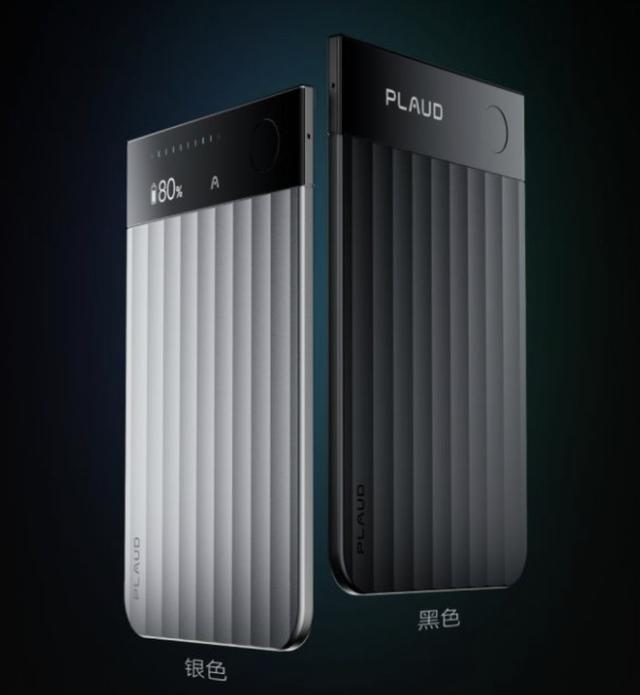
Core Insights - Plaud aims to be an intelligent partner in the AI era, focusing on understanding, thinking, and empathizing rather than just being a faster recording tool [1][2] - The company has officially entered the Chinese mainland market, launching three core products, including the Plaud Note Pro, Plaud Note, and the wearable AI note-taking device Plaud NotePin [2][4] - Since its global product launch in 2023, Plaud has sold over one million devices across 170 countries, targeting high-level professionals in various fields [4][6] Product Strategy - Plaud emphasizes a unified product experience globally, avoiding significant adjustments for different markets, while acknowledging a 3-6 month gap in model capabilities compared to overseas versions [5][6] - The target user group is defined as "three high" individuals: high dialogue dependence, high knowledge density, and high decision leverage, including executives, doctors, and financial professionals [6][8] - The company prioritizes product quality over price competition, with Plaud Note Pro priced around 1100-1200 yuan, focusing on delivering the best user experience rather than competing on cost [8][9] Technological Features - Plaud's products integrate multiple top-tier models to ensure optimal output, with a focus on stability and reliability over flashy features [7][9] - The Plaud Note Pro is designed to be ultra-thin and lightweight, measuring only 2.99 mm thick and weighing 30 grams, which limits the inclusion of a Type-C interface [7][8] - The product features a "one-click marking" function to help users capture key information in real-time, enhancing the AI's understanding of context and intent [9][10] Future Directions - Plaud does not plan to develop its own models but aims to enhance memory and context building for better long-term user engagement [10] - The company is focused on providing value rather than competing in the crowded AI hardware market, emphasizing the importance of user output over input [10]
对话 Plaud 莫子皓:你还记得 PMF 的感觉吗?
Founder Park· 2025-09-25 01:03
Core Insights - Plaud is aggressively hiring and aims to expand its team to enhance its AI hardware capabilities, reflecting its growth trajectory and market potential [2][9] - The company reported over $100 million in earnings last year, with projections to exceed $200 million this year, indicating strong financial performance and market demand [3][4] - Plaud's product, a $150 recording card, has sold to over 1 million users globally, showcasing its success in the AI hardware startup space [4] Group 1: Business Model and Market Position - Plaud's business model is not heavily reliant on external financing, as it has established itself as a leading AI hardware startup [4] - The company emphasizes the importance of product-market fit (PMF), which has driven its rapid growth, achieving a fourfold increase in sales within a year [5][18] - The competitive landscape is evolving, but Plaud remains focused on delivering cutting-edge intelligence to its users, rather than being distracted by slower competitors [6][9] Group 2: Product Development and User Engagement - The company is iterating on its product offerings, moving from a simple recording device to a more comprehensive work companion that integrates various functionalities [58][70] - New features like "Press to Highlight" allow users to mark important moments during recordings, enhancing the value of the captured information [44][46] - Plaud aims to align AI capabilities with user intentions, ensuring that the technology not only records but also understands and processes user needs effectively [47][56] Group 3: Future Directions and Market Strategy - The company plans to expand its presence in the Chinese market, recognizing the significant opportunity presented by a large user base [68] - Future product iterations will focus on integrating advanced AI capabilities, with an emphasis on context and user interaction [70][74] - Plaud is committed to maintaining a strong engineering team to support its ambitious goals in the AI hardware space, prioritizing talent that can drive innovation [78][79]

专访Plaud中国区CEO:我们只做「必须做」和「不做要死」的事
36氪· 2025-09-25 00:00
Core Viewpoint - The article highlights the success of Plaud as a leading AI hardware company, emphasizing its unique approach to product development and market entry strategies, particularly in the context of the AI revolution [4][11]. Group 1: Company Overview - Plaud has sold over 1 million units of its AI note-taking products across 170 countries within three years of its establishment [5]. - The company anticipates a total revenue of $250 million by September 2025, which includes both hardware and subscription-based AI software [6][7]. Group 2: Product Strategy - Plaud focuses on a specific niche in the market, targeting dialogue-driven work environments rather than document-driven ones, which differentiates it from competitors like DingTalk and Feishu [19][44]. - The newly launched "Ask Plaud" feature allows users to engage in deep Q&A with the AI based on recorded content, showcasing a unique approach to user interaction [20][25]. Group 3: Market Positioning - Despite the presence of larger competitors, Plaud maintains its pricing strategy without undercutting, believing that the value provided justifies the cost [16][102]. - The company aims to position itself as a "work companion" rather than a mere productivity tool, focusing on providing intellectual value rather than just efficiency [36][75]. Group 4: Team and Culture - The core competitive advantage of Plaud is its dedicated team, which operates with a high level of commitment and alignment towards the company's vision [14][48]. - The management style is characterized by quick decision-making and a flat organizational structure, allowing for efficient communication and rapid adjustments [61][63]. Group 5: Future Outlook - Plaud is focused on leveraging advancements in AI models to enhance its product offerings, aiming to remain at the forefront of the AI note-taking market [109][110]. - The company is committed to continuous innovation and growth, with a strong emphasis on maintaining product quality and user satisfaction as key drivers of success [113][120].

Plaud回归国内市场 AI录音设备“卷”至百元级
2 1 Shi Ji Jing Ji Bao Dao· 2025-09-24 23:17
Core Insights - The AI recording pen market is experiencing a shift towards lower price points due to intense competition from internet giants and startups, with products now available in the hundred-yuan range [1] - Plaud, a Shenzhen-based startup, has returned to the domestic market after initially focusing on overseas sales, launching several AI recording devices [1][2] - The market for AI recording pens is expected to grow as AI large models become more prevalent, despite being considered a niche market with a scale of several hundred billion yuan [1][7] Company Overview - Plaud has sold over 1 million units globally and anticipates annual revenue of $250 million by 2025, reflecting a doubling of growth compared to the previous year [2] - The company aims to create a complete user experience by integrating hardware audio capture, intelligent transcription, and content summarization into a single solution [2][5] Market Dynamics - The domestic market has seen a surge in competition, with major players like iFlytek and new entrants like Out of the Question launching similar AI recording products [4][7] - The market is characterized by a multi-dimensional competitive landscape, with established brands focusing on professional services and new brands targeting cost-effective solutions for individual users and small teams [7][8] Competitive Landscape - The competition is intensifying, with a focus on three main dimensions: technology (transcription accuracy and processing speed), user experience (ease of use and data security), and cost (premium versus affordable pricing strategies) [8] - Industry experts suggest that startups like Plaud should focus on precise positioning, differentiated technology, and deep engagement in specific scenarios to survive in a highly competitive environment [9]
专访Plaud中国区CEO:我们只做“必须做”和“不做要死”的事
3 6 Ke· 2025-09-24 14:07
Core Insights - Plaud is recognized as a leading example of successful commercialization in the AI hardware sector, achieving sales in 170 countries and exceeding 1 million units shipped within three years of establishment [1][3] - The company anticipates a total revenue of $250 million by September 2025, which includes both hardware and subscription-based AI software [1][3] - Plaud's product lineup includes the Plaud Note, Plaud Note Pro, and Plaud NotePin S, with a focus on AI-driven meeting summaries [1][3] Company Strategy - Plaud's strategy involves launching products overseas first to build interest before entering the domestic market, a common approach among AI hardware startups [3] - The company emphasizes a singular focus on AI meeting summaries, avoiding distractions from other functionalities like document creation or lifestyle applications [10][49] - Plaud's team is significantly larger than many competitors, with over 400 employees dedicated to the mission of expanding user intelligence [5][25] Product Differentiation - The company targets a niche in conversation-driven work environments, contrasting with competitors that focus on document-driven solutions [6][24] - The newly introduced "Ask Plaud" feature allows users to engage in a question-and-answer format with the AI, enhancing user interaction [7][10] - Plaud's hardware is designed to capture context and user intention effectively, which is deemed essential for maximizing AI utility [56][58] Market Positioning - Despite competition from established players like DingTalk and 360, Plaud maintains its pricing strategy without undercutting, reflecting confidence in its product value [5][11] - The company aims to position itself as a "work companion" rather than a mere efficiency tool, focusing on providing intellectual value rather than just operational assistance [16][45] - Plaud's pricing strategy in China aligns with international pricing, indicating a belief in the product's value rather than competing solely on cost [61][59] Future Outlook - The company is focused on leveraging advancements in AI models to enhance product value, rather than prioritizing immediate profitability [62][70] - Plaud's growth trajectory is closely monitored, with a commitment to continuous innovation and adaptation to market demands [65][68] - The management emphasizes a culture of quick decision-making and rational discourse, which is seen as vital for navigating the fast-evolving tech landscape [34][37]

海外爆款低调回归,Plaud再爆一次的胜算有多大?
36氪· 2025-09-24 13:39
Core Viewpoint - The article discusses the challenges and opportunities faced by Plaud as it re-enters the Chinese market with its AI recording devices, highlighting the competitive landscape and the need for innovative differentiation in a crowded field [4][9][12]. Group 1: Product Launch and Market Entry - Plaud officially announced its entry into the Chinese market on September 22, with three products priced higher than local competitors, indicating a premium positioning strategy [4][10]. - The global sales of Plaud have surpassed one million units, with annual revenue projected to reach $100 million by November 2024, showcasing significant growth in the AI recording device sector [5][6]. Group 2: Competitive Landscape - The domestic AI recording and transcription market is highly competitive, with various established players including traditional tech firms and office collaboration platforms, making it challenging for new entrants like Plaud [12][13]. - Major competitors include iFlytek and Sogou, which dominate the professional recording market, and companies like DingTalk and Feishu that integrate recording features into their collaboration tools [13][15]. Group 3: Product Features and Innovations - The Plaud Note Pro features enhancements such as dual recording modes for calls and meetings, extended recording time, and a small screen for real-time status updates, indicating a focus on user experience [18][19]. - Despite these improvements, the article notes that Plaud has not yet demonstrated significant innovation in localizing its software for the Chinese market, which may hinder its competitive edge [20]. Group 4: Strategic Considerations - The strategy of launching products overseas before entering the domestic market has been validated, as it allows Plaud to build brand recognition and user trust [22]. - However, the company faces structural challenges in a market known for aggressive competition, where sustaining product popularity is difficult [23][24]. Group 5: Pricing Strategy - Plaud has adjusted its subscription pricing for the Chinese market, offering competitive tiers compared to local competitors, which may help attract users despite the lack of strong brand recognition [34]. - The pricing strategy will be crucial as the market dynamics evolve, particularly with potential price wars among leading firms [35].
携三款产品正式进入国内市场 Plaud:不会低价内卷
Zheng Quan Shi Bao Wang· 2025-09-24 05:02
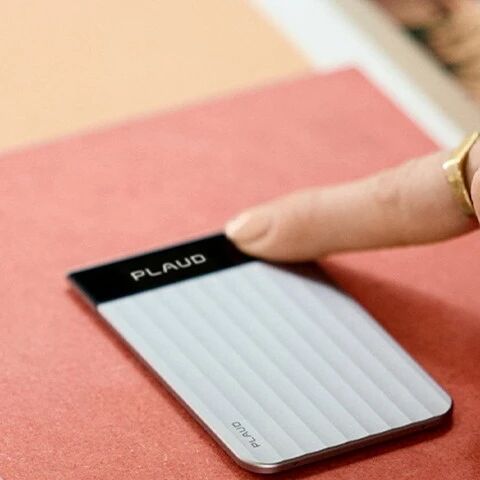
Core Insights - Plaud officially enters the Chinese market with the launch of three AI note-taking products, including the globally recognized Plaud Note and new models Plaud Note Pro and Plaud NotePin S [1][2] Product Overview - The Plaud Note is the world's first card-style AI note-taking device, measuring only 2.99mm thick and weighing 30g, capable of continuous recording for 30 hours and a standby time of 60 days. It has achieved over 1 million units sold globally and generated over $10 million in sales [1] - The Plaud Note Pro features real-time collaboration with AI, supports 112 languages, and includes a unique "one-click marking" function for capturing important information without interrupting conversations. It can record for up to 50 hours on a single charge and has a domestic price of 1299 yuan [2] - The Plaud NotePin S is a lightweight device at 17.6g, offering 20 hours of recording and 40 days of standby time, priced at 1249 yuan. The original Plaud Note is priced at 1149 yuan [2] Market Strategy - The company aims to focus on high-quality products rather than engaging in price wars, believing that superior products will naturally attract customers. The CEO noted that many orders come from managers who personally use the product and then purchase it for their teams [3] - Plaud has successfully sold its products in 170 countries without localizing for specific markets, relying on the universal appeal of its technology [3] - The company plans to expand its sales channels in China, currently focusing on online platforms like JD, Tmall, and Douyin, with potential future expansion into physical retail locations [3]
Plaud回归国内市场 AI录音设备卷至百元级
2 1 Shi Ji Jing Ji Bao Dao· 2025-09-24 04:43
Core Insights - The AI recording pen market is experiencing a shift towards lower price points due to intense competition from both internet giants and startups, with products now available in the hundred-yuan range [1] - Plaud, a Shenzhen-based startup, has returned to the domestic market after initially focusing on overseas sales, launching several AI recording devices [2][6] - The market for AI recording pens is expected to grow significantly as AI large models become more prevalent, despite the current market size being relatively small at several hundred billion yuan [1][6] Company Overview - Plaud has sold over 1 million units globally and anticipates annual revenue of $250 million by 2025, representing a doubling of last year's figures [2] - The company aims to create a complete user experience by integrating hardware audio capture, intelligent transcription, and content summarization into a single solution [2][6] - The pricing for Plaud's products is set at 999 yuan for Plaud Note and 1299 yuan for Plaud Note Pro, but initial sales have not shown explosive growth [3] Market Dynamics - The domestic market has seen a surge in competition, with companies like Out of the Question and major internet firms launching similar AI recording products [4][5] - The competitive landscape is characterized by a mix of established players like iFlytek, which focuses on professional sectors, and new entrants that target the consumer market with high cost-performance ratios [6][7] - The industry is expected to evolve into a segmented market where high-end products compete on technology, mid-range products focus on ecosystem integration, and low-end products compete on cost [5][6] Challenges and Strategies - The hardware industry faces challenges such as longer replacement cycles and the need for continuous innovation to avoid market stagnation [8] - Industry experts suggest that startups like Plaud should focus on precise positioning, differentiated technology, and deep engagement in specific scenarios to survive in a highly competitive environment [8]