Quest VR头显

Search documents
Meta千人大裁员,扎克伯格继续挥刀元宇宙,VR严冬已至?
3 6 Ke· 2026-01-27 12:41
Core Insights - Meta's Reality Labs has laid off 10% of its workforce, approximately 1,000 employees, primarily affecting VR-related projects, indicating a shift in focus from VR to AI and smart glasses [2][3] - The cumulative loss of Reality Labs has exceeded $70 billion since the end of 2020, prompting Meta to reduce its VR investments and reallocate resources [2][4] - The VR industry is perceived to be entering a "winter period," with developers expressing concerns about the future viability of VR platforms like Horizon Worlds [7][8] Group 1: Strategic Shift - Meta is reallocating resources within Reality Labs to focus more on AI and wearable devices, such as the Ray-Ban smart glasses, rather than VR hardware [3][4] - The lack of significant VR hardware updates at the recent Meta Connect conference signals a strategic downgrade for VR, with the company shifting its focus to other technologies [4][6] Group 2: Developer Sentiment - Developers are feeling the impact of Meta's layoffs, with many reporting a loss of direction for Horizon Worlds and a shrinking space for smaller developers [7][8] - The Quest app store's traffic distribution is critical for developers, and any retreat by Meta could adversely affect their survival [8] Group 3: Market Trends - The XR market is undergoing significant changes, with IDC forecasting a 41.6% growth in overall XR device shipments by 2025, while VR and MR headset shipments are expected to decline by 42.8% [12] - AI smart glasses are projected to see a dramatic increase in shipments, highlighting a shift in consumer interest away from traditional VR headsets [12][14] Group 4: Enterprise Opportunities - Apple's Vision Pro, while initially underperforming in the consumer market, is finding traction in the enterprise sector, where clients value immersive training and collaboration [16][18] - The potential for VR in vertical industry applications, such as manufacturing and healthcare, is recognized as a promising avenue for growth, despite the overall market cooling [18][19] Group 5: Conclusion - The VR industry may not have reached its peak, but it is transitioning to a more realistic phase, focusing on practical applications rather than speculative consumer products [20][21]


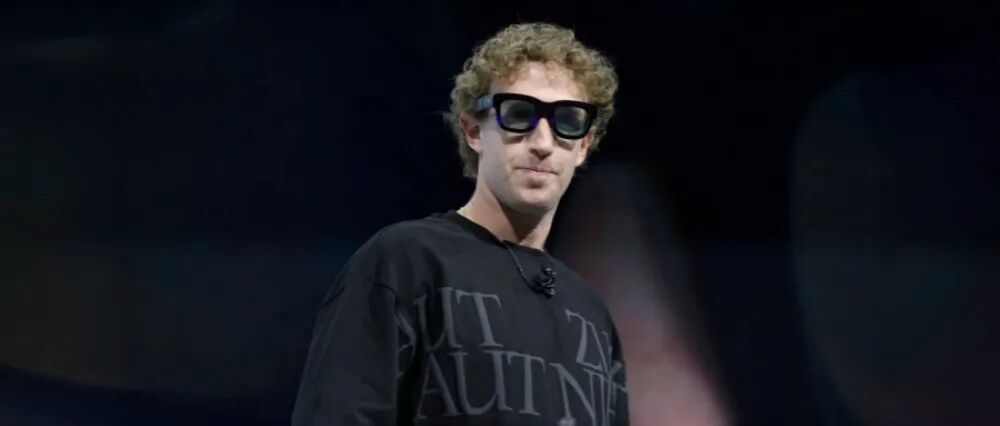
扎克伯格豪赌AI、抽身元宇宙,VR将迎来寒冬?
Feng Huang Wang· 2026-01-26 00:47
Core Viewpoint - Meta is shifting its focus from virtual reality (VR) to artificial intelligence (AI) and smart glasses, raising concerns about the future of VR in the industry [1][2]. Group 1: Meta's Strategic Shift - Meta has laid off approximately 10% of its Reality Labs staff, focusing on VR-related projects, resulting in around 1,000 job cuts [1]. - The company has accumulated losses exceeding $70 billion in its Reality Labs division since late 2020, prompting a significant reduction in VR investment [2]. - Meta's CEO Mark Zuckerberg's pivot towards AI and smart glasses has left VR developers worried about their future, although they believe Meta will not completely abandon VR [2][3]. Group 2: Market Trends and Predictions - IDC predicts that the XR device market will see a 41.6% increase in shipments by 2025, reaching 14.5 million units, but VR and mixed reality headsets are expected to decline by 42.8% to only 3.9 million units [4]. - The remaining XR categories, including AI glasses, are projected to grow by 211.2%, reaching 10.6 million units by 2025 [4]. - The VR headset market is characterized as niche, appealing mainly to specific gaming audiences, with general consumers showing little interest in prolonged use of "bulky headsets" [4]. Group 3: Industry Perspectives - The CEO of Owlchemy Labs compares the VR market to the pre-crash gaming market of 1983, suggesting that the expectation of a breakthrough similar to smartphones is a strategic miscalculation [5]. - Despite some optimism regarding new devices like Valve's Steam Frame and Apple's Vision Pro, the latter has not significantly altered market dynamics, with reports indicating a lack of widespread consumer demand [6][7]. - Apple's Vision Pro has found some success in the enterprise market, but the overall VR market remains slow-growing, with companies recognizing the potential ROI from deploying headsets [8].

烧光700亿后,扎克伯格戳破元宇宙泡沫
Xin Lang Cai Jing· 2025-12-06 06:24
Core Viewpoint - Meta is significantly reducing its budget for the metaverse division by 30%, marking a shift away from its previous focus on the metaverse towards more profitable areas, particularly AI [1][4][20]. Group 1: Budget Cuts and Personnel Adjustments - Meta is considering a budget cut of up to 30% for its metaverse department, primarily affecting the Meta Horizon Worlds social platform and Quest VR hardware [4][19]. - Since early 2021, Reality Labs has incurred losses exceeding $70 billion, prompting this budget reduction as a direct response to Wall Street's pressure [5][20]. - The company may initiate layoffs affecting 10% to 30% of employees in the metaverse division as early as January 2026 [7][22]. Group 2: Talent Acquisition and Resource Allocation - Despite cutting VR budgets, Meta is investing in high-level talent by hiring former Apple design executive Alan Dye as Chief Design Officer for Reality Labs [23][24]. - Dye will lead a new creative studio focused on integrating design, fashion, and technology for next-generation AI products, emphasizing the strategic importance of design aesthetics [25][32]. - The funds saved from the budget cuts are expected to be redirected towards AI glasses and other wearable technology projects, as competitors slow their efforts in virtual reality [22][32]. Group 3: Divergence in Technical Direction - Meta's Chief AI Scientist Yann LeCun is leaving to establish a new AI company, AMI, which will focus on "world models" rather than the mainstream generative AI approach [27][29]. - LeCun criticizes the prevailing generative AI models, arguing they lack essential elements for achieving human-level intelligence [28][29]. - AMI will operate independently from Meta, although it will maintain a collaborative relationship without accepting Meta's investment to ensure research independence [30][31]. Group 4: Strategic Balance and Future Challenges - Meta's recent actions reflect a pragmatic strategy, reallocating resources from the metaverse to AI infrastructure and hardware that show market potential [32][33]. - The introduction of top design talent aims to ensure that future AI hardware excels in user interaction aesthetics [32]. - By allowing independent exploration in foundational AI theories, Meta is diversifying its technological bets, mitigating risks associated with focusing solely on generative models [32][33].
iOS 26“液态玻璃”缔造者艾伦·戴伊跳槽Meta,AI硬件战争开打?
3 6 Ke· 2025-12-05 00:03
Core Insights - Meta has appointed Alan Dye, a prominent UI design leader from Apple, signaling its strategic commitment to advancing in the AI consumer hardware sector [1][2] - Dye will officially take on the role of Chief Design Officer at Meta's Reality Labs starting December 31, 2025, leading a new creative studio focused on integrating hardware, software, and AI interface design [2][6] - Apple's response to Dye's departure includes promoting Stephen Lemay to fill his position, emphasizing the company's confidence in its design team's depth and continuity [7][8] Group 1: Meta's Strategic Moves - The hiring of Dye aims to leverage his extensive design experience in mobile and spatial computing to develop next-generation AI-centric hardware products [2] - Meta's CEO Mark Zuckerberg highlighted the new studio's mission to redefine design by treating intelligence as a new material, enhancing the strategic importance of design within the company [2] - Dye's team will include top design talent, with existing design leaders at Meta reporting directly to him, creating a robust design team [6] Group 2: Apple's Internal Adjustments - Apple quickly appointed Stephen Lemay, a seasoned designer since 1999, to replace Dye, showcasing its commitment to maintaining design leadership [7][8] - CEO Tim Cook praised Lemay's contributions to major interface designs, reinforcing the company's culture of collaboration and innovation [8] - The departure of key personnel, including Dye, raises concerns about Apple's innovation continuity and leadership stability amid recent executive changes [10] Group 3: Industry Implications - Dye's design philosophy, which emphasizes intuitive and human-centered experiences, will be crucial for Meta as it seeks to create new interaction paradigms for AI devices without traditional screens [9] - The transition from Apple to Meta reflects a strategic divergence in focus, with Apple emphasizing spatial computing and Meta prioritizing AI-driven design [9] - Apple's ongoing leadership changes, including the retirement of key executives, may challenge its ability to sustain innovation and manage transitions effectively [10]

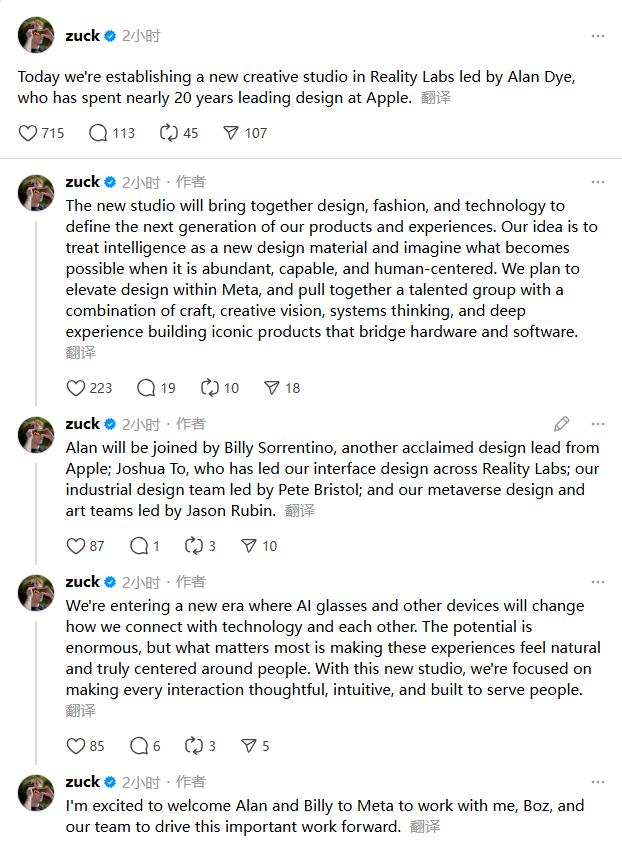
iOS 26「液态玻璃」缔造者跳槽 Meta,苹果设计团队遭遇大地震
3 6 Ke· 2025-12-04 08:29
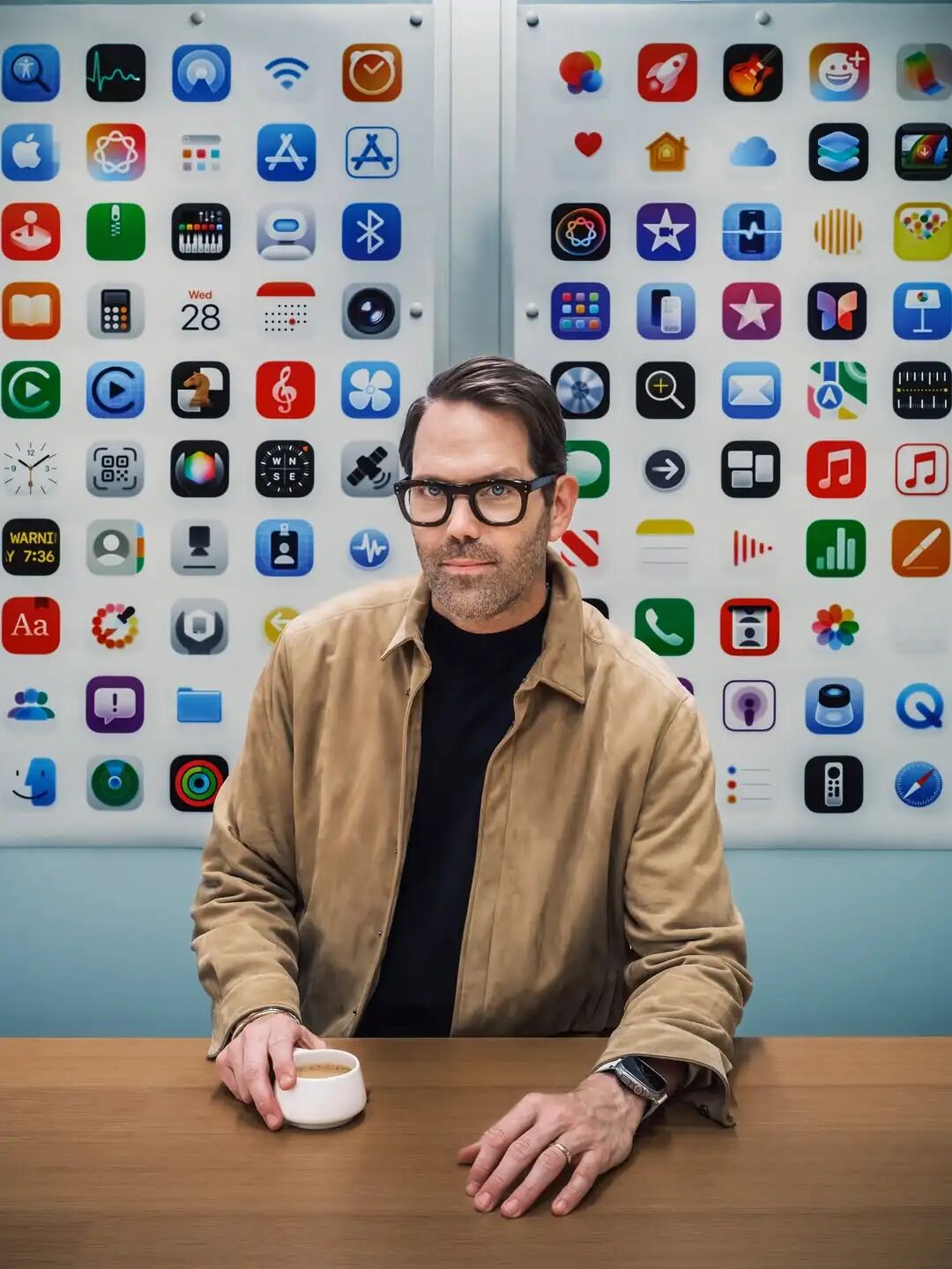
Core Insights - Alan Dye, Apple's design director, has announced his departure to join Meta, marking a significant shift in Apple's design leadership [1][11][19] - Dye has been instrumental in major Apple product designs since joining in 2006, including the iPhone, iPad, and the recent Vision Pro [5][8] - His exit is part of a broader trend of high-level departures from Apple, raising concerns about the future of its design team [19][21] Group 1: Alan Dye's Contributions - Alan Dye was responsible for the largest UI update in iOS in 12 years, introducing the Liquid Glass design language [2][9] - He played a key role in the design of various Apple products, including the Apple Watch and the recent Vision Pro, emphasizing user interaction across hardware and software [5][8] - His design philosophy blurred the lines between hardware and software, aiming for a seamless user experience [9][11] Group 2: Meta's Strategic Move - Meta is establishing a new design studio led by Dye, focusing on integrating hardware, software, and AI [11][14] - The recruitment of Dye and his team is part of Meta's strategy to enhance its capabilities in wearable devices and AI, as CEO Mark Zuckerberg believes these will replace smartphones [14][17] - Meta's aggressive hiring strategy includes offering substantial salaries to attract top AI talent, indicating a strong commitment to innovation in this area [17][23] Group 3: Apple's Leadership Changes - The departure of Dye is part of a larger trend of executive turnover at Apple, with several key figures, including COO Jeff Williams and AI head John Giannandrea, recently leaving [19][21] - Apple's design team has faced instability since the departure of Jony Ive in 2019, with many veteran designers leaving for other opportunities [21][23] - Stephen Lemay, a long-time Apple designer, has been appointed to succeed Dye, but concerns remain about the continuity of Apple's design excellence [21][23]
“天价挖角”踩刹车,刚建3个月的团队解散,28岁华人接管Meta AI,图灵奖大佬也向他汇报
3 6 Ke· 2025-08-21 11:05
Core Insights - Meta has paused recruitment for its newly established AI department and is undergoing a significant internal reorganization, marking a shift from aggressive talent acquisition to a focus on internal structure and efficiency [1][3][4] Group 1: Recruitment and Financial Moves - Meta previously offered up to $100 million in signing bonuses to attract top AI talent from competitors like OpenAI and Anthropic, and made a notable investment of $14.3 billion to acquire 49% of Scale AI [3][4] - The company is now in a phase characterized by "burning money," indicating a shift in strategy as it reassesses its AI investments and organizational structure [3][4] Group 2: Organizational Structure - The newly formed Meta Superintelligence Labs (MSL) will consist of four teams: Research, Training, Product, and Infrastructure, each with specific roles in advancing AI capabilities [6][8][9] - The Research team will include TBD Lab and FAIR, with FAIR transitioning from a basic research focus to an "innovation engine" that supports large-scale model training [7][8] - Alexandr Wang, the head of MSL, has consolidated leadership, with most team leaders reporting directly to him, indicating a streamlined decision-making process [9] Group 3: Team Dynamics and Internal Challenges - Internal tensions have arisen between new hires and existing employees over compensation disparities, leading to dissatisfaction and potential turnover [4][5] - The recent hiring freeze is framed by Meta as a necessary organizational planning step, but it raises questions about whether this is a natural adjustment or a sign of an impending investment bubble in AI [4][5] Group 4: Future Outlook and Market Reactions - Analysts express mixed views on the implications of Meta's restructuring, with some suggesting it is a tactical adjustment rather than a retreat from AI investment [5][11] - The ongoing reorganization is seen as a move to enhance efficiency and accelerate AI product development, although concerns about team stability and talent retention persist [11][12]

速递|Meta两周挖走至少7名OpenAI成员,其中4名华人,否认1亿美元签约金,CTO揭开高管薪酬复合结构
Z Potentials· 2025-06-29 05:20
Core Viewpoint - Meta is aggressively recruiting AI researchers from OpenAI to enhance its capabilities in the AI sector, following a significant acquisition and aiming to compete with rivals in the field [1][2][4]. Group 1: Recruitment Details - Meta has successfully recruited at least seven key researchers from OpenAI within two weeks, including notable figures such as Zhao Shengjia and Yu Jiahui, who have made significant contributions to AI models [2][3]. - The recruitment follows Meta's acquisition of a 49% stake in Scale AI for $14.3 billion, with plans to establish a "superintelligence" project led by Alexandr Wang [2][6]. Group 2: Compensation and Market Dynamics - Meta is offering lucrative compensation packages, reportedly in the millions, to attract AI talent, although claims of $100 million signing bonuses have been dismissed as exaggerated [4][5]. - The company’s CTO Andrew Bosworth indicated that while high compensation is offered, it is structured through various components rather than a single large cash bonus [4][5]. - Despite the competitive market for AI talent, some researchers have turned down offers from Meta for positions at smaller, more prominent AI startups [7].