
Seedream

Search documents
CVPR 2026 | 还在为AI「鬼画符」发愁?TextPecker即插即用破解文字渲染难题
机器之心· 2026-03-11 09:39
Core Insights - The article discusses the advancements in visual text rendering (VTR) technology within the generative AI wave, highlighting the challenges in accurately synthesizing text in generated images, particularly in complex languages like Chinese [1][2]. - A new method called TextPecker is introduced, which significantly enhances VTR by addressing the limitations of existing models in recognizing structural anomalies in generated text [2][5]. Group 1: Challenges in Current VTR Technology - Current state-of-the-art generative models struggle to produce structurally accurate text, often resulting in issues like misalignment, distortion, and character omissions, especially in languages with complex character structures [2]. - The limitations of existing evaluation models, which rely on OCR and multi-modal large models for feedback, lead to a lack of fine-grained perception of text structure anomalies, creating a dual bottleneck in VTR optimization [5][7]. Group 2: TextPecker Methodology - TextPecker is built on a structure-aware reinforcement learning framework that redefines the reward function to include a detailed assessment of structural quality and semantic alignment, moving beyond traditional OCR-based metrics [7][11]. - The method introduces a composite reward system that simultaneously evaluates structural quality and semantic alignment, ensuring that both aspects are optimized during the training process [11][19]. Group 3: Data Collection and Training - A systematic three-phase data construction process was designed to create a large-scale dataset with character-level structural anomaly annotations, which is crucial for training the structure-aware evaluation module [14][15]. - The first phase involves generating diverse rich text images using multiple models to capture a wide range of error types, while the second phase focuses on manual annotation of structural anomalies [14][15][18]. Group 4: Performance Evaluation - TextPecker demonstrates superior performance in text structure anomaly perception, achieving F1 scores of 0.87 and 0.93 for English and Chinese, respectively, compared to existing OCR and multi-modal models, which scored below 0.23 [20]. - In reinforcement learning optimization experiments across various generative models, TextPecker consistently improved semantic alignment and structural quality, with notable increases of +38.3% and +31.6% for the FLUX model [22][23]. Group 5: Conclusion and Implications - TextPecker addresses the critical bottleneck in VTR quality by providing a robust evaluation tool and optimization paradigm, which is essential for the reliable generation of text in multi-modal AI applications [36][37]. - The advancements in VTR capabilities are positioned as foundational infrastructure for the broader application of AI agents in generating visually rich content, emphasizing the importance of reliable text rendering [37].

春晚张杰《驭风歌》背后的马,是Seedance 2.0做的!
量子位· 2026-02-17 03:58
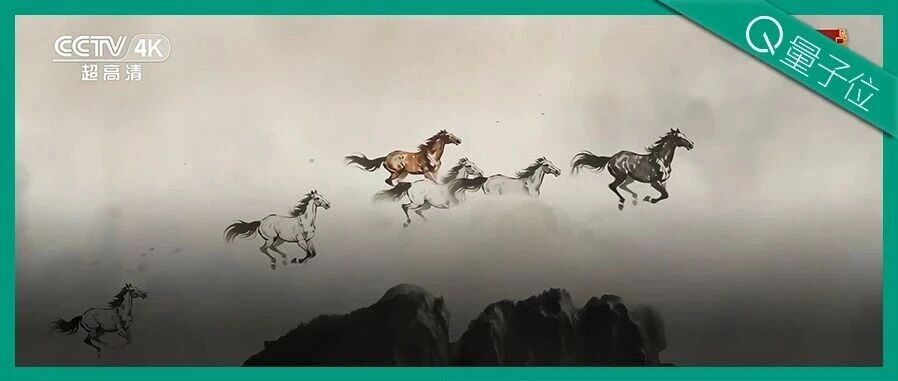
Core Viewpoint - The article highlights the significant advancements in AI technology showcased during the Spring Festival Gala, particularly focusing on the capabilities of the Seedance 2.0 model and its integration with various AI applications in performance and interaction [2][42]. Group 1: AI Technology in Performance - The performance of "Yufeng Song" by Zhang Jie featured a background video created using the Seedance 2.0 model, which successfully interpreted and animated traditional Chinese ink painting styles, a task that many foreign models struggled with [4][5]. - Seedance 2.0 was utilized in multiple performances, including the creative dance show "He Huashen," where it demonstrated micro-control capabilities to create detailed visual effects [7][10]. - The model's ability to follow physical and biomechanical principles allowed for realistic animations of galloping horses, showcasing its advanced command-following and multi-modal material reference capabilities [8][10]. Group 2: Video Quality Enhancement - The collaboration with the Volcano Engine video cloud team enabled the enhancement of video quality to meet the Spring Festival Gala's high standards, utilizing super-resolution algorithms to upscale 720P to 8K and frame interpolation to increase frame rates from 24 to 50 FPS [15][17]. - The integration of 4D Gaussian splashing technology allowed for the creation of immersive visual experiences, where virtual dancers interacted seamlessly with real stage lighting [20][22]. Group 3: AI Interaction and User Engagement - The Spring Festival Gala introduced AI-driven interactive features through the Doubao app, allowing users to generate personalized avatars and greetings, marking a shift from traditional transactional interactions to more complex, computationally intensive engagements [28][30]. - The Ark platform played a crucial role in managing the high traffic during the event, utilizing a federated system to optimize resource allocation and ensure rapid response times for user requests [31][29]. Group 4: Broader Implications and Industry Impact - The article emphasizes the widespread adoption of Doubao's AI models across various industries, including automotive, mobile, and robotics, highlighting its robust partnerships with major companies [40][41]. - The successful implementation of AI technologies during the Spring Festival Gala serves as a demonstration of their practical value and potential for real-world applications, reinforcing the notion that effective AI solutions can deliver tangible benefits [43][44].
这个春节,字节跳动杀疯了!Seedance2.0、豆包2.0接连问世,一文全看懂
Sou Hu Cai Jing· 2026-02-14 14:21
Core Viewpoint - ByteDance has successfully launched its Doubao 2.0 model series, which includes multiple models aimed at addressing real-world problems and enhancing user interaction, marking a significant advancement in AI capabilities and user engagement in the industry [4][7][15]. Model Launch and Features - The Doubao 2.0 series includes Pro, Lite, Mini, and a Code model, catering to various user needs regarding latency and cost [4]. - The Seedance 2.0 model has gained significant attention for its impressive capabilities in understanding physical laws, following complex instructions, and producing realistic audio-visual content [7][12]. - Doubao 2.0 enhances visual and multimodal understanding, improves complex instruction execution, and optimizes for scenarios prone to hallucinations [9]. User Engagement and Practical Application - The models have been widely adopted across various platforms, with users engaging with them in a manner that emphasizes practical utility over technical specifications [6][8]. - Doubao 2.0's design focuses on real-world task completion, reflecting a commitment to addressing user needs directly [8][15]. Strategic Positioning and Market Impact - ByteDance's approach contrasts with competitors by prioritizing practical applications and user feedback in model development, leveraging its established Doubao app to enhance model training and optimization [14][17]. - The integration of Doubao models with existing applications has created a robust ecosystem, similar to Google's strategy with its Gemini models, indicating a shift in the competitive landscape [18][19]. Future Outlook - The successful launch of Doubao 2.0 is seen as a pivotal moment for ByteDance, potentially validating its closed-source model development strategy in a market increasingly leaning towards open-source solutions [20].
“准多齐美真”,阿里发布图像模型Qwen-Image-2.0
Xin Jing Bao· 2026-02-10 07:16
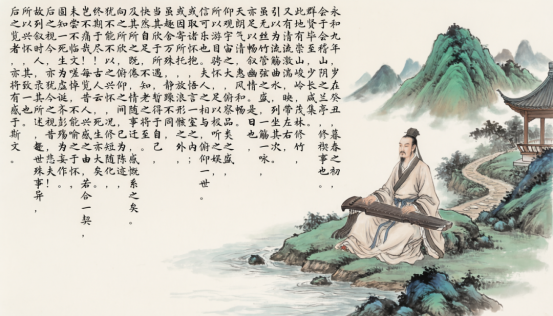
Core Insights - Alibaba has officially launched its next-generation image generation and editing model, Qwen-Image-2.0, which is described as having capabilities that are "accurate, versatile, aesthetically pleasing, authentic, and well-structured" [1][3] - The model supports up to 1K tokens for text output and demonstrates advantages in rendering Chinese characters, as evidenced by a demonstration of generating an image based on the ancient text "Lantingji Xu" [1] - In the AI Arena evaluation, Qwen-Image-2.0 scored 1029 points, surpassing models like Seedream 4.5 and Flux 2-Max, and is only behind Google's Nano Banana Pro and GPT Image 1.5 [3] - Concurrently, ByteDance's image generation model Seedream has been upgraded to version 5.0, indicating an impending direct competition between Alibaba and ByteDance in the image generation space [3]

晚点独家丨吴永辉接管字节 Seed 这一年
晚点LatePost· 2026-02-09 08:01
Core Insights - The article discusses the challenges and strategies of Wu Yonghui, who took over the Seed department at ByteDance, focusing on improving model capabilities and fostering a research-oriented atmosphere [2][3][20] - It highlights the balance between long-term research goals and short-term deliverables, emphasizing the need for both innovation and discipline in a competitive environment [23] Group 1: Leadership and Management - Wu Yonghui's leadership style is characterized as calm and pragmatic, focusing on enhancing model capabilities and research efficiency [3][5] - He has implemented a structure that encourages collaboration across teams, breaking down silos to improve communication and resource allocation [6][7] - The Seed team has been restructured into virtual teams to tackle foundational AGI topics and improve overall efficiency [6][19] Group 2: Research and Development - The upcoming Doubao 2.0 model, with 1 trillion parameters, represents a significant achievement for the Seed team, showcasing their advancements in model training [17][19] - The team has faced infrastructure challenges during the training of Doubao 2.0, highlighting the importance of a stable foundation for scaling model parameters [18][19] - Despite the focus on high-quality research, there is pressure to deliver short-term results, leading to potential conflicts between innovative research and immediate business needs [22][23] Group 3: Organizational Culture - The Seed department has cultivated a unique culture that blends startup agility with academic creativity, encouraging researchers to publish their findings and share knowledge [20][21] - The management has adopted a more relaxed evaluation mechanism, allowing researchers to explore innovative ideas without the constraints of traditional performance metrics [20][21] - However, the need for competitive output has led to a shift in focus towards projects that yield immediate results, impacting the overall research direction [22][23]

中信建投:自主Agent发展迅速,多模态催化内容市场迭代
Xin Lang Cai Jing· 2026-02-09 06:24
Group 1 - The core viewpoint of the article highlights the advancements in AI technologies by companies like Anthropic and OpenAI, showcasing their new products and capabilities [1] - Anthropic has released Claude Opus 4.6, which utilizes Agent Teams and adaptive thinking to enhance integration within the Office ecosystem and manage complex engineering tasks, facilitating deeper penetration of AI in vertical sectors such as finance and law [1] - OpenAI has introduced GPT-5.3-Codex, which not only sets new standards in programming and terminal operations but also demonstrates an internal cycle of AI automated development through edge environment takeover and self-building capabilities [1] Group 2 - In the multimodal field, ByteDance's Seedance 2.0 has entered internal testing, addressing consistency issues in video generation through comprehensive multimodal references and refined lens control [1] - The collaboration between Seedance 2.0, Doubao, and Seedream is expected to form a full multimodal matrix, significantly reducing content production costs and accelerating commercialization [1]

模力工场 027 周 AI 应用榜:从“一键生成”到“自动交付”,最会帮你干活的 AI 榜单来袭
AI前线· 2026-01-08 01:50
Core Insights - The article discusses the evolution of AI applications from basic assistance to fully automated execution, highlighting a shift in user expectations and capabilities of AI tools [10][11]. Group 1: AI Application Trends - The latest AI applications are moving beyond simple tasks like writing and image generation to tackle more complex challenges that users face, such as product selection and report generation [4][5]. - Applications like Manus and 秒哒 are designed to handle entire processes, from research to execution, effectively replacing tedious manual tasks [5][10]. - The trend indicates that AI is transitioning from being a supportive tool to becoming a key executor in workflows, emphasizing the importance of deep understanding and system collaboration [10][11]. Group 2: Featured Applications - "且听" is an AI book summarization app that offers deep analysis of over 5000 books, providing structured audio explanations and critical insights for a yearly fee of less than 40 yuan [7]. - Seedream integrates multiple creative functions, allowing users to generate and edit images seamlessly, which is particularly beneficial for teams needing consistent branding [8]. - Other notable applications include Genspark, which automates complex tasks through multi-agent collaboration, and 邀虾, which streamlines the entire cross-border e-commerce process from product selection to execution [9][10]. Group 3: User Engagement and Application Ranking - The ranking of AI applications in the 模力工场 is based on community feedback, including comment counts and user interactions, rather than mere popularity metrics [12]. - Developers are encouraged to submit their applications, while users can influence rankings through engagement, creating a dynamic ecosystem for AI tools [12].

火山引擎总裁谭待:大模型市场不是零和博弈,明年市场可能还要再涨十倍
Xin Lang Cai Jing· 2025-12-18 07:30
Core Insights - The overall performance of the Doubao large model is satisfactory domestically, but it faces strong competition globally from companies like OpenAI and Gemini, indicating a need for further efforts in this area [2][4] - The president of Huoshan Engine emphasized that the primary focus should not be on competition but on expanding the market, with expectations for the market to potentially grow tenfold in the coming year, shifting the perspective from zero-sum competition to market growth [2][4] Company Performance - Huoshan Engine's Doubao model has shown significant results in the domestic market, although it still needs to improve its global standing [2][4] - The Seedance and Seedream models have performed well on a global scale, contributing positively to the company's overall performance [2][4] Market Outlook - The competitive landscape for large models in 2026 is expected to be less about direct competition and more about market expansion, with a strong emphasis on increasing the overall market size rather than competing for existing market share [2][4]
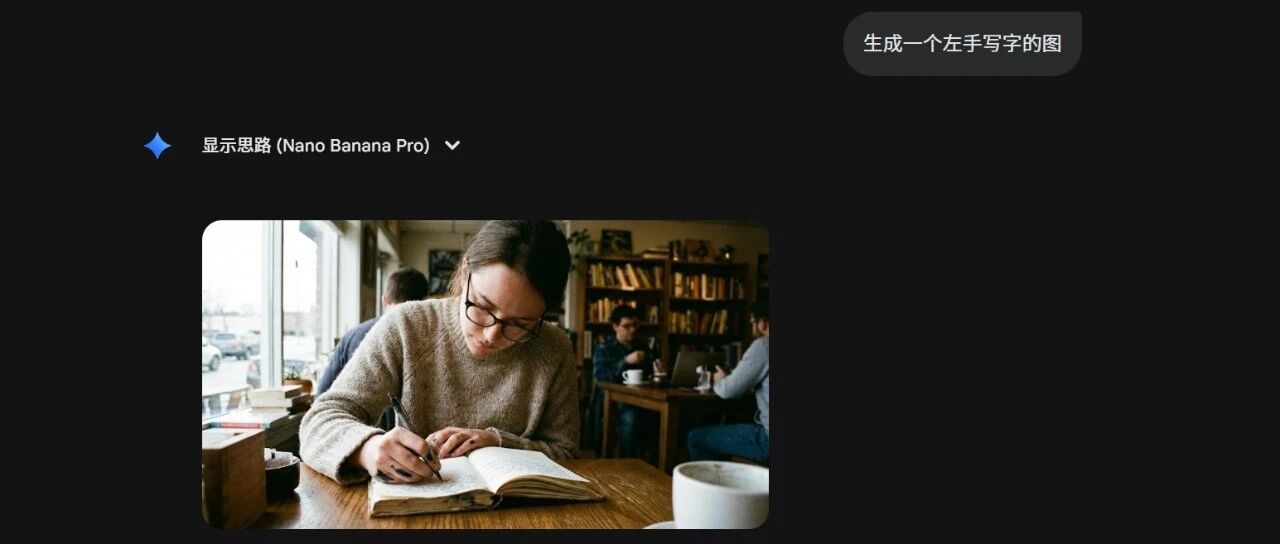
AI画不出的左手,是因为我们给了它一个偏科的童年。
数字生命卡兹克· 2025-12-10 01:20
Core Viewpoint - The article discusses the limitations of AI in generating images that accurately depict left-handed actions, highlighting a significant bias in the training data that affects AI's understanding of spatial relationships and hand orientation [21][23][41]. Group 1: AI Limitations - AI struggles to generate images of left-handed actions, consistently producing right-handed images instead [21][24]. - Various AI models, including Gemini's NanoBananaPro and others like ChatGPT and Seedream, fail to accurately depict left-handed writing despite clear prompts [5][7][9]. - The inability to distinguish between left and right is attributed to biases in the training datasets, which predominantly feature right-handed actions [41][56]. Group 2: Research Findings - A referenced paper titled "Skews in the Phenomenon Space Hinder Generalization in Text-to-Image Generation" explains that the biases in training data hinder AI's generalization capabilities [23][27]. - The research indicates that the distribution of training data, rather than sheer volume, is crucial for AI's ability to understand spatial relationships [31][32]. - Two key metrics, Completeness and Balance, are defined to assess the effectiveness of training datasets in teaching AI about positional relationships [32][35]. Group 3: Implications of Bias - The article suggests that the training data reflects human biases, as most images depict right-handed individuals, leading to a skewed understanding of actions like writing [41][56]. - The analogy of a student only exposed to one side of a mathematical equation illustrates how AI can become limited in its understanding due to biased training [46][50]. - The conclusion emphasizes the need for a more balanced training dataset to improve AI's performance and understanding of diverse human actions [61][62].
电影人携手AI,共探未来影视创作新可能
Xin Lang Cai Jing· 2025-10-12 05:20
Core Insights - The article highlights the growing trend of integrating AI technology into the film industry, particularly showcased at the 30th Busan International Film Festival through the "Future Image" AI film summit [1][3]. Group 1: AI Integration in Film - The "Future Image" summit, co-hosted by Shanghai Film Group, Jimeng AI, and Volcano Engine, focuses on the deep integration of AI technology with film creation [3]. - Five AI short films were showcased at the summit, created by global contributors using AI tools, demonstrating the potential of AI in narrative storytelling [3][4]. - Notable short films include "Little Monster," "One Eye Five Masters," and "Nine Heavens," which explore themes of childhood fantasy, classical Chinese stories, and modern societal issues [4][6]. Group 2: Creative Freedom and Collaboration - AI technology has enabled creators without formal training to present their works at international film festivals, thus democratizing the filmmaking process [6]. - Industry professionals, such as producer Lee Shaowei, emphasize that AI should not replace filmmakers but rather provide them with greater creative freedom [8]. - Sociologist Li Yinhe argues that technological advancements open new avenues for expression, positioning AI as a creative partner rather than just a tool [8]. Group 3: Industrial Applications and Innovations - Bona Film Group has integrated AI into various stages of film production, significantly reducing trial-and-error risks and enhancing creative processes [10]. - Volcano Engine's Seedance model supports advanced video narrative techniques, allowing creators to achieve cinematic quality in their works [10][11]. - The Seedream 4.0 model offers capabilities for 4K multi-modal image generation, enhancing the creative potential for filmmakers [11]. Group 4: Future of the Film Industry - The film industry faces challenges such as high production costs and long cycles, which AI technology can help mitigate by enabling low-cost experimentation [14]. - The collaboration between Shanghai Film Group and Jiemeng AI aims to build an ecosystem for AI creators, addressing the current industry's pain points [17][19]. - The ongoing discussions about AI's role in film suggest a future where technology and creativity coexist, allowing more individuals to tell their stories [19].
