Survodutide

Search documents
GLP-1之外:2026年哪些减重药物值得期待?
GLP1减重宝典· 2026-03-13 11:30
Core Viewpoint - The global obesity market is entering a new phase with over 160 weight loss drugs in development by 2025, indicating a significant shift in obesity management strategies [2]. Group 1: Company Developments - Aardvark Therapeutics has expanded its obesity pipeline with ARD-201, a daily oral fixed-dose combination drug that combines a bitter taste receptor agonist with a DPP-4 inhibitor, showing promising appetite suppression effects [2]. - Amgen's candidate drug, Maridebacat, is in Phase 3 trials, demonstrating significant weight loss potential with a monthly dosing regimen, achieving over 5% weight reduction [5][6]. - Aphaia Pharma is evaluating its proprietary oral glucose formulation APHD in Phase 2 trials, showing effective weight loss by restoring endogenous nutrient sensing pathways [8][9]. - Bloom Science's BL-001 is in Phase 1b trials, aiming to replicate key metabolic effects of ketogenic diets without dietary restrictions, showing significant weight loss in previous trials [11]. - Boehringer Ingelheim's Survodutide, a dual agonist, has shown nearly 19% weight loss in overweight or obese patients during Phase 2 trials [13][15]. - Eli Lilly's retatrutide, a weekly self-injectable triple agonist, has shown significant weight loss in the Phase 3 TRIUMPH-4 trial, with reductions between 15-24% [16][17]. - MBX Bio's MBX 4291 is in Phase 1 trials, showing promising preclinical weight loss effects, particularly in maintaining weight loss over time [18]. - Novo Nordisk has multiple weight loss drugs in various stages, with CagriSema showing significant weight loss of about 13-20% in Phase 3 trials [20][21]. - Pfizer is advancing approximately 20 obesity-related clinical trials, with PF-3944 showing weight loss effects of about 7-12% [23][24]. - PolyPid is developing PP03A, a long-acting GLP-1 receptor agonist delivery system, currently in preclinical stages [26]. - Structure Therapeutics has initiated Phase 1 studies for its oral small molecule insulin receptor agonist ACCG-2671 and is advancing its daily GLP-1 receptor agonist research [27]. Group 2: Industry Trends - The obesity drug development landscape is rapidly evolving, with pharmaceutical companies introducing next-generation weight loss medications that combine various mechanisms to overcome traditional drug limitations [27].

Zealand Pharma (OTCPK:ZLDP.Y) Earnings Call Presentation
2026-03-05 19:30
This presentation contains "forward-looking statements", as that term is defined in the Private Securities Litigation Reform Act of 1995 in the United States, as amended, even though no longer listed in the United States this is used as a definition to provide Zealand Pharma's expectations or forecasts of future events regarding the research, development and commercialization of pharmaceutical products, the timing of the company's pre-clinical and clinical trials and the reporting of data therefrom and the ...
Zealand Pharma (OTCPK:ZLDP.Y) FY Conference Transcript
2026-01-14 22:32
Zealand Pharma Conference Call Summary Company Overview - **Company**: Zealand Pharma - **Industry**: Biotech, focusing on metabolic health and obesity treatment Core Points and Arguments - Zealand Pharma launched its **Metabolic Frontier 2030 strategy**, aiming to tackle the obesity pandemic and its related diseases, marking a pivotal year in the company's history [2][3] - The company aims to become a leading biotech in metabolic health, with ambitions to launch significant new medicines, including **Survodutide** (in partnership with Boehringer Ingelheim) and **Petrelintide** (in partnership with Roche) [3][4] - Zealand has a competitive advantage due to its 25 years of experience in metabolic health and peptides, combined with proprietary data that can enhance AI and machine learning capabilities in drug development [5][6] - The company has a strong financial position with over **DKK 2.5 billion** in cash and near-term milestones exceeding **$1.2 billion**, allowing it to fund its journey towards profitability [6] Pipeline and Clinical Development - Zealand expects multiple clinical data readouts in the coming year, including **Petrelintide phase 2 data** and **Survodutide phase 3 studies** [7][8] - The company anticipates launching five new products over the next five years, targeting obesity and rare diseases like congenital hyperinsulinism and short bowel syndrome [10] - Petrelintide aims to provide a weight loss of **15%-20%**, which aligns with patient expectations and offers a more tolerable weight loss experience compared to existing therapies [20][21] Market Dynamics and Challenges - The obesity pandemic is described as a significant healthcare challenge, with over **5 million deaths** attributed to obesity, highlighting the urgency for effective treatments [11] - Current GLP-1 therapies have a low adherence rate, with only **2%-4%** of the U.S. population on treatment, primarily due to side effects and cost [12][15] - Zealand emphasizes the need for innovative solutions that not only promote weight loss but also ensure long-term adherence to treatment [15][16] Partnerships and Collaborations - Zealand's partnership with Roche for Petrelintide is characterized as a strong collaboration, with a **50/50 profit share** and Roche handling manufacturing investments [22][23] - The partnership with Boehringer Ingelheim focuses on Survodutide, which is expected to lead in the GLP-1 space and has the potential to address conditions like MASH (metabolic dysfunction-associated steatotic liver disease) [24][25] Research and Development Investment - Zealand plans to invest **DKK 5 billion** in research over the next five years, significantly increasing its commitment to building a valuable metabolic health pipeline [29] - The company is exploring additional partnerships to enhance its pipeline and aims to develop **10 clinical candidates** within the next five years [30] Future Outlook - Zealand Pharma is positioned for a transformational year with significant clinical data readouts and a focus on addressing the obesity crisis through innovative therapies [30] - The company is committed to developing alternatives to GLP-1s, emphasizing the importance of patient experience and adherence in chronic disease management [50][52] Additional Insights - Zealand acknowledges the need for a shift in how obesity treatments are perceived, moving from a focus on weight loss numbers to the overall patient experience and long-term health benefits [31][32] - The company is also considering the development of a once-monthly Amylin therapy and oral small molecules, indicating a commitment to expanding treatment options in the obesity market [51][52]
Zealand Pharma (OTCPK:ZLDP.Y) 2025 Earnings Call Presentation
2025-12-11 13:00
Zealand Pharma's Strategic Vision - Zealand Pharma aims to redefine obesity care and build a generational biotech company in metabolic health[7, 18] - The company plans to launch 5 products in 5 years and have 10+ clinical programs in metabolic health by 2030[19] - Key catalysts include Survodutide Phase 3 obesity data in 2029/2030 and Petrelintide Phase 2 data and Phase 3 initiation[20] Addressing Obesity and Metabolic Health - Over 1 billion people are living with obesity today, requiring a civilization-scale health shift[9] - The GLP-1 revolution has changed expectations, proving obesity is drug treatable and resetting expectations for patients, systems, and markets[10, 11] - By 2030, an estimated 50% of adults globally are expected to live with overweight or obesity[40] - Only ~3% of eligible people in the U S are treated with GLP-1s, and ~12% of Americans have been exposed to GLP-1s[45] Survodutide's Potential - Survodutide, a glucagon/GLP-1 dual agonist, offers coordinated regulation of energy expenditure and energy intake[100] - In a Phase 2 trial, Survodutide dose-dependently reduced body weight by up to 18 7% in 46 weeks[106] - Survodutide also demonstrated breakthrough liver fibrosis improvement in MASH in a Phase 2 trial[128] Petrelintide as a Foundational Therapy - Petrelintide, a long-acting amylin analog, is designed for high-quality, durable weight loss and can be used stand-alone or in combination with CT-388 (GLP-1/GIP)[13] - Petrelintide holds the potential to deliver ~15–20% weight loss with a benign tolerability profile[231] - A Phase 2 trial with Petrelintide/CT-388 is planned for initiation in H1 2026[240]
Zealand Pharma (OTCPK:ZLDP.Y) 2025 Conference Transcript
2025-11-19 11:32
Summary of Zealand Pharma Conference Call Company Overview - **Company**: Zealand Pharma (OTCPK:ZLDP.Y) - **Focus**: Development of obesity treatments, particularly the amylin asset petrelintide Key Industry Insights - **Obesity Treatment Landscape**: Zealand Pharma aims to lead in a new category of obesity treatments with petrelintide, differentiating from established GLP-1 therapies [2][3] - **Partnership with Roche**: The collaboration is viewed as a shared commitment to advance obesity treatments, with Roche's interest stemming from the potential of petrelintide to provide effective weight loss in a more pleasant manner [2][3] Core Product Insights - **Petrelintide Mechanism**: The drug is designed to induce satiety, potentially leading to better patient adherence compared to GLP-1s, which often have gastrointestinal side effects that lead to discontinuation [4][5] - **Tolerability Profile**: Early clinical trials indicate a benign tolerability profile for petrelintide, with lower rates of nausea and gastrointestinal issues compared to GLP-1s [7][8] - **Weight Loss Expectations**: Zealand Pharma anticipates achieving a weight loss of 15%-20% in longer-term studies, with a focus on titration to manage dosing effectively [13][15] Competitive Landscape - **Comparison with Competitors**: The company acknowledges challenges faced by competitors like Eli Lilly, particularly regarding tolerability and dosing strategies. Zealand believes that proper titration can mitigate side effects and enhance weight loss outcomes [9][10][11] - **Market Dynamics**: The obesity treatment market is seen as a chronic therapy opportunity rather than an event-based approach, emphasizing the need for sustained patient adherence to achieve health outcomes [20][21] Financial and Strategic Outlook - **Funding and Investment**: The partnership with Roche provides significant upfront capital and milestone payments, allowing Zealand to invest in both the petrelintide program and early research pipelines [26][27] - **Long-term Vision**: Zealand aims to evolve into a generational biotech company, expanding its portfolio beyond petrelintide and focusing on innovations in metabolic diseases [27][28] Pipeline and Future Developments - **Survodutide**: Zealand expects significant developments in the Survodutide program, partnered with Boehringer Ingelheim, with a focus on liver health and obesity [31][34] - **Discontinuation of Dapaglutide**: The decision to pause development of Dapaglutide reflects a strategic focus on more promising assets within the pipeline [36] Conclusion - Zealand Pharma is positioned to capitalize on the growing obesity treatment market through innovative therapies like petrelintide, strategic partnerships, and a commitment to addressing chronic obesity as a significant healthcare challenge. The company is focused on maintaining a strong R&D foundation while exploring commercial opportunities in collaboration with larger pharmaceutical partners.
全球制药业洞察 | 礼来或超越诺和诺德,占千亿美元减肥药市场的半壁江山
彭博Bloomberg· 2025-09-10 06:05
Core Viewpoint - The global weight loss drug market is projected to reach at least $100 billion by 2030, growing sixfold from 2024, with Eli Lilly expected to surpass Novo Nordisk in market share by 2025 [3][4][6]. Market Overview - The weight loss drug sales are anticipated to grow significantly from 2024 to 2030, reaching at least $100 billion, which is 7% higher than previous analyses [4]. - The analysis includes a broader range of drugs and adjusts treatment duration and epidemiological assumptions, expanding the target patient population [4]. - By 2030, the estimated number of treated patients is approximately 24 million in the U.S. and 22 million in Europe [4]. Competitive Landscape - Eli Lilly is expected to increase its market share from 43% to 53% by 2030, while Novo Nordisk's share is projected to decline from 57% to 33% [6]. - The market will see the entry of up to 24 new weight loss drugs by the end of 2030, compared to only six currently available [6]. Drug Class Insights - GLP-1 injection formulations are expected to dominate the market, with sales projected to reach approximately $81 billion from 2024 to 2030 [8][11]. - The sales peak for Eli Lilly's Zepbound/Mounjaro is expected to reach $40 billion, while Novo Nordisk's Wegovy is projected to peak at $20 billion [8][11]. Future Projections - By 2035, the weight loss drug market could grow to $167 billion, with a peak of $171 billion expected by 2036 [4]. - New GLP-1 injection drugs are anticipated to launch starting in 2026, with significant sales potential for drugs like Novo Nordisk's Cagrisema and Eli Lilly's Retatrutide [11].


GLP-1药物先驱,权威期刊全面总结司美格鲁肽等药物减重降糖外的健康益处
GLP1减重宝典· 2025-07-28 10:18
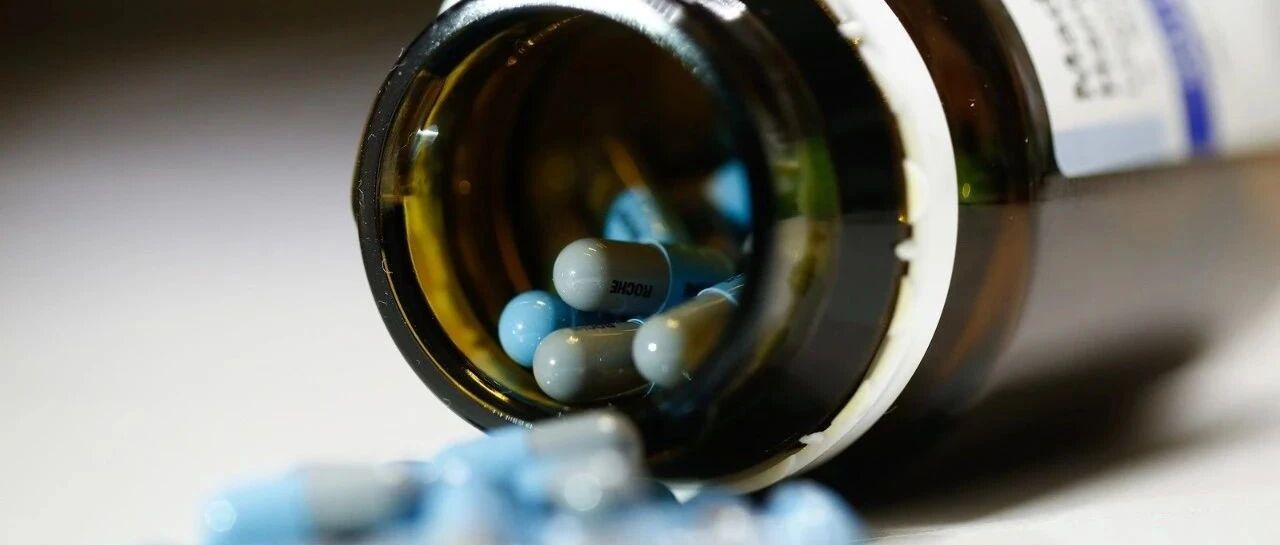
Core Viewpoint - GLP-1 drugs, initially developed for blood sugar and weight control, have shown potential in treating various chronic diseases, including cardiovascular diseases, chronic kidney disease, fatty liver, arthritis, and sleep apnea, with benefits stemming from their anti-inflammatory and metabolic regulatory mechanisms, some of which are independent of weight loss [2]. Group 1: Multiple Efficacies of Modern GLP-1 Drugs - Modern GLP-1 receptor agonists, such as liraglutide, dulaglutide, semaglutide, and dual agonists like tirzepatide, were initially used for type 2 diabetes (T2D) treatment, promoting insulin secretion and appetite suppression [3]. - Liraglutide, semaglutide, and tirzepatide are now approved for treating obesity or overweight individuals with at least one related disease [3]. Group 2: Broad Benefits Beyond Glycemic Control and Weight Loss - GLP-1 drugs significantly reduce the risk of chronic kidney disease (CKD), myocardial infarction, stroke, and cardiovascular mortality, particularly in patients with obesity and/or T2D [5]. Group 3: Cardiovascular and Renal Protective Effects - In 2024, semaglutide became the first FDA-approved drug for weight loss that also reduces cardiovascular event risks in non-T2D patients with obesity or overweight and cardiovascular disease risk [6]. - The SELECT trial showed that semaglutide reduced the incidence of major adverse cardiovascular events (MACE) by 20%, independent of weight loss [6]. - The FLOW trial indicated that semaglutide reduced significant adverse events related to kidney function deterioration by 24% over 3.4 years in T2D and CKD patients [6]. Group 4: Efficacy Against Metabolic Fatty Liver Disease - A 240-week phase 3 trial showed that 63% of patients with moderate to severe liver fibrosis achieved fatty liver inflammation resolution after 72 weeks of semaglutide treatment, with significant improvement in fibrosis compared to placebo [10]. Group 5: Improvements in Arthritis and Sleep Apnea - The STEP 9 trial demonstrated significant improvement in joint pain scores among participants with moderate knee osteoarthritis after 68 weeks of semaglutide treatment, with a weight loss of 13.7% [11]. - Tirzepatide was approved for treating moderate to severe obstructive sleep apnea (OSA) in 2024, showing significant reductions in apnea/hypopnea events [11]. Group 6: Efficacy in Peripheral Artery Disease - The STRIDE trial evaluated semaglutide's efficacy in T2D patients with intermittent claudication, showing significant improvement in maximum walking distance compared to placebo [12]. Group 7: Neuroprotective Potential and Inflammatory Mechanisms - Large clinical trials have found that GLP-1 drugs can reduce stroke risk, potentially through improved metabolism, central inflammation regulation, and enhanced vascular function [13]. - Ongoing trials are investigating the effects of oral semaglutide on early Alzheimer's disease, with results expected in 2025 [14]. Group 8: Potential Independent of Weight Loss - The therapeutic effects of GLP-1 drugs in various chronic diseases may not solely depend on weight loss, as they can significantly lower inflammatory markers independent of weight reduction [15]. - The anti-inflammatory mechanisms of GLP-1 drugs may involve direct action on GLP-1 receptor-positive cells and immune cells, indirect improvement of inflammation through weight loss and blood sugar control, and activation of specific neuronal populations in the central nervous system [15]. Group 9: Outlook and Future Directions - The benefits of GLP-1 drugs have expanded beyond glycemic control and weight loss to include multiple systemic diseases, with ongoing research exploring their effects on addiction, mental health, and neurodegenerative diseases [16]. - Future research should focus on ideal dosing in non-obese populations, potential use of lower doses in non-metabolic diseases, and identifying signaling pathways independent of weight loss [16].
速递|Nature发布2026年后有望获批的下一代减肥药,全方位提升
GLP1减重宝典· 2025-05-31 10:15
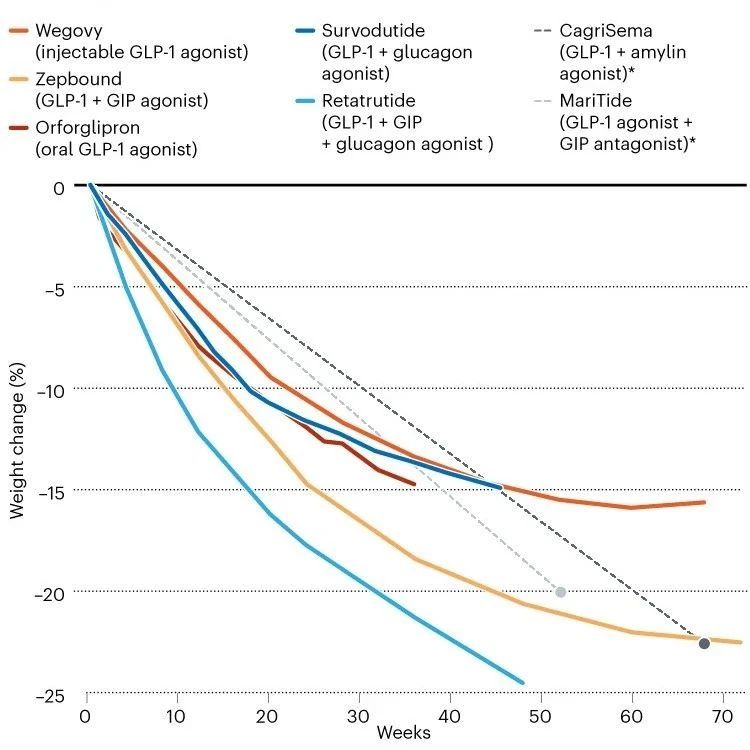
Core Viewpoint - Obesity has become a global health challenge, with significant advancements in the development of anti-obesity drugs, with over 100 new treatments in development aimed at providing safer and more effective weight loss options for patients [1] Group 1: Upcoming Drug Approvals - Orforglipron from Eli Lilly is expected to be approved in 2026 as an oral small-molecule drug activating the GLP-1 receptor [2] - CagriSema from Novo Nordisk, also expected in 2026, is an injectable that activates both amylin and GLP-1 receptors [2] - Survodutide from Boehringer Ingelheim and Retatrutide from Eli Lilly are anticipated in 2027, both being injectables that activate multiple receptors [3] - MariTide from Amgen and Bimagrumab from Eli Lilly are projected for approval in 2028 and beyond, with unique mechanisms targeting GLP-1 and myostatin signaling respectively [3] Group 2: Mechanisms and Efficacy - New generation drugs are focusing on protecting muscle quality while promoting weight loss, addressing the limitations of traditional drugs like semaglutide, which can lead to muscle loss [4] - Dual-action drugs like tirzepatide, which mimics both GLP-1 and GIP, have shown superior weight loss results, with participants losing an average of 20% of their body weight [5] - CagriSema has demonstrated an average weight loss of nearly 23% in a 68-week Phase III trial [9] Group 3: Delivery Methods and Patient Compliance - The industry is exploring more convenient delivery methods, including monthly injections and oral medications, to improve patient compliance [13] - Orforglipron is expected to be the first oral anti-obesity drug, with a 15% weight loss observed in a 36-week Phase II study [13] Group 4: Genetic Insights and New Targets - Advances in genetic sequencing have identified new targets for obesity treatment, with companies like Alnylam Pharmaceuticals developing therapies based on gene mutations associated with lower body weight [14][17] - The potential of next-generation CB1 antagonists is being explored, aiming to avoid severe side effects while improving metabolic outcomes [18] Group 5: Muscle Preservation - Muscle preservation is becoming a key focus in obesity treatment, with existing GLP-1 drugs potentially leading to muscle loss [19] - Bimagrumab, a monoclonal antibody targeting myostatin, has shown promise in reducing muscle loss while promoting fat breakdown, with a 22% reduction in fat mass observed in a 48-week trial [20][22] - The development of muscle-targeting therapies is still in early stages but is gaining attention as a crucial component of future obesity treatment strategies [25]
减肥药市场激战正酣
经济观察报· 2025-05-18 06:25
Core Viewpoint - The competition in the weight loss drug market is intensifying, with major pharmaceutical companies actively developing innovative treatments targeting obesity through various mechanisms [1][15]. Group 1: Market Dynamics - The recent SURMOUNT-5 study revealed that the weight loss drug Tirzepatide outperformed Semaglutide, achieving an average weight reduction of 20.2% compared to 13.7% for Semaglutide [2][5][6]. - In the SURMOUNT-5 trial, 64.6% of participants in the Tirzepatide group lost at least 15% of their body weight, while only 40.1% in the Semaglutide group achieved the same [2][5][6]. - The study included approximately 751 participants and was designed to assess the efficacy and safety of Tirzepatide versus Semaglutide in overweight adults with at least one comorbidity [5][6]. Group 2: Clinical Results - Tirzepatide demonstrated superior results in secondary endpoints, including waist circumference reduction, with an average decrease of 18.4 cm compared to 13.0 cm for Semaglutide [2][5][6]. - Both treatments improved cardiovascular metabolic risk factors, but Tirzepatide showed more significant improvements in blood pressure and lipid profiles [7][8]. - The most common adverse events for both drugs were mild to moderate gastrointestinal issues, with 6.1% of participants in the Tirzepatide group discontinuing treatment due to adverse events, compared to 8.0% in the Semaglutide group [8]. Group 3: Sales Performance - Semaglutide's sales reached 55.78 billion Danish Krone (approximately 8.37 billion USD) in Q1, marking a 32% year-over-year increase [12]. - Tirzepatide's sales for the first quarter of 2025 were reported at 3.84 billion USD, a 113% increase year-over-year, indicating strong market traction [14]. - The competitive landscape is evolving, with both companies focusing on expanding their product lines and addressing the growing demand for obesity treatments [13][14]. Group 4: Future Developments - Novo Nordisk is developing multiple pipeline products, including CagriSema, which combines two active ingredients and has shown promising results in clinical trials [16]. - Eli Lilly is also advancing its pipeline with Orforglipron, an oral GLP-1 agonist, and Retatrutide, a triple receptor agonist, both showing significant weight loss results in preliminary studies [17]. - The global market for weight loss drugs is expected to continue growing, with various companies exploring innovative formulations and delivery methods to enhance treatment efficacy and patient compliance [15][18].