
Zhong Guo Fa Zhan Wang

Search documents
向海图强,八桂崛起
Zhong Guo Fa Zhan Wang· 2025-12-09 03:23
Core Viewpoint - The "15th Five-Year Plan" of Guangxi aims to establish an integrated new pattern of "channel-port-industry-city," focusing on modernizing the industrial system and promoting a maritime economy to drive regional development [3][10]. Group 1: Infrastructure Development - The Pinglu Canal, a key project in the plan, is set to enhance logistics by reducing the shipping distance from Nanning to Beibu Gulf by approximately 560 kilometers and lowering logistics costs by over 20% [4]. - The canal will support a single-direction annual throughput capacity of 89 million tons and accommodate 5,000-ton vessels, with phased navigation expected by 2026 [4]. - The integration of the canal with rail, highway, and air networks will facilitate a multi-modal transport system, enhancing efficiency and reducing costs for goods moving from the southwest to the Gulf [5]. Group 2: Economic Corridor Development - The Western Land-Sea New Corridor is evolving from a logistics route to a comprehensive economic corridor that integrates shipping, trade, finance, and information [6]. - By 2025, the cargo throughput at Beibu Gulf Port is projected to exceed 400 million tons, with container throughput surpassing 8 million TEUs [6]. - The port is undergoing significant upgrades to handle the world's largest oil tankers and bulk carriers, positioning it as an international shipping hub facing ASEAN [6]. Group 3: Industrial Growth - The plan emphasizes the development of a "maritime economy," focusing on high-end manufacturing sectors such as marine engineering equipment, offshore wind power, and marine biomedicine [7]. - Guangxi aims to establish ten modern pillar industries, including critical metals, new energy vehicles, and artificial intelligence, with a goal of creating trillion-yuan industry clusters [8]. - The region is also prioritizing future industries like embodied intelligence, low-altitude economy, and hydrogen energy, with initiatives to support small and medium enterprises [9]. Group 4: Integrated New Pattern - The comprehensive strategy involves enhancing connectivity through a "land-sea-air-data" network, establishing Beibu Gulf as an international gateway port, and clustering industries along transport routes [10]. - The development of modern coastal cities that are livable, business-friendly, and tourist-friendly is a key aspect of the plan [10]. - The overarching goal is to create a new maritime economic landscape that not only benefits Guangxi but also aligns with national strategies for modernization in border and ethnic regions [10].
粤港澳大湾区内地九市即将迈入内涵式高质量发展之路
Zhong Guo Fa Zhan Wang· 2025-12-09 03:03
Core Viewpoint - The Guangdong Provincial People's Congress has passed a decision to promote high-quality development in the nine cities of the Guangdong-Hong Kong-Macao Greater Bay Area, emphasizing the need for innovation, collaboration, and sustainable urban development to enhance the region's global competitiveness [1][2]. Summary by Sections Decision Overview - The decision consists of seven parts and twenty-two articles, focusing on optimizing urban systems, promoting efficient development, building a global innovation hub, enhancing regional characteristics, prioritizing people's needs, gathering high-end resources, and strengthening implementation [3]. Economic Significance - The nine cities in the Greater Bay Area are crucial for China's economic growth, contributing over 80% of Guangdong's GDP, which is projected to reach 11.54 trillion yuan in 2024, supporting Guangdong's position as the leading province in economic scale for 36 consecutive years [4]. Urban Development Characteristics - A modern urban system with complementary functions is forming, with Guangzhou and Shenzhen as core engines driving regional development. The cities are enhancing their roles in international trade, innovation, and industrial transformation [5]. Transportation Infrastructure - A comprehensive transportation network is being established, with over 2,800 kilometers of railway and 5,458 kilometers of expressways. The region is also developing a world-class airport and port system, with a projected cargo throughput of over 1.64 billion tons in 2024 [8]. Innovation and Industry - The region is focusing on technological innovation, with over 70,000 national high-tech enterprises and significant advancements in strategic emerging industries such as AI and new energy. Collaborative industrial clusters are forming across cities [7]. Quality of Life Improvements - Efforts are being made to enhance public services, healthcare, and education, with a focus on creating a livable environment. The air quality is expected to reach a 93% good rate, and forest coverage is over 52% by 2024 [10]. Future Development Directions - The decision outlines plans for deeper regional cooperation, enhanced industrial collaboration, improved transportation connectivity, and a focus on marine economy development, aiming to integrate the Greater Bay Area with Hong Kong and Macau [11][12][13].
汕头市崛起全球风电合作新枢纽
Zhong Guo Fa Zhan Wang· 2025-12-09 03:01
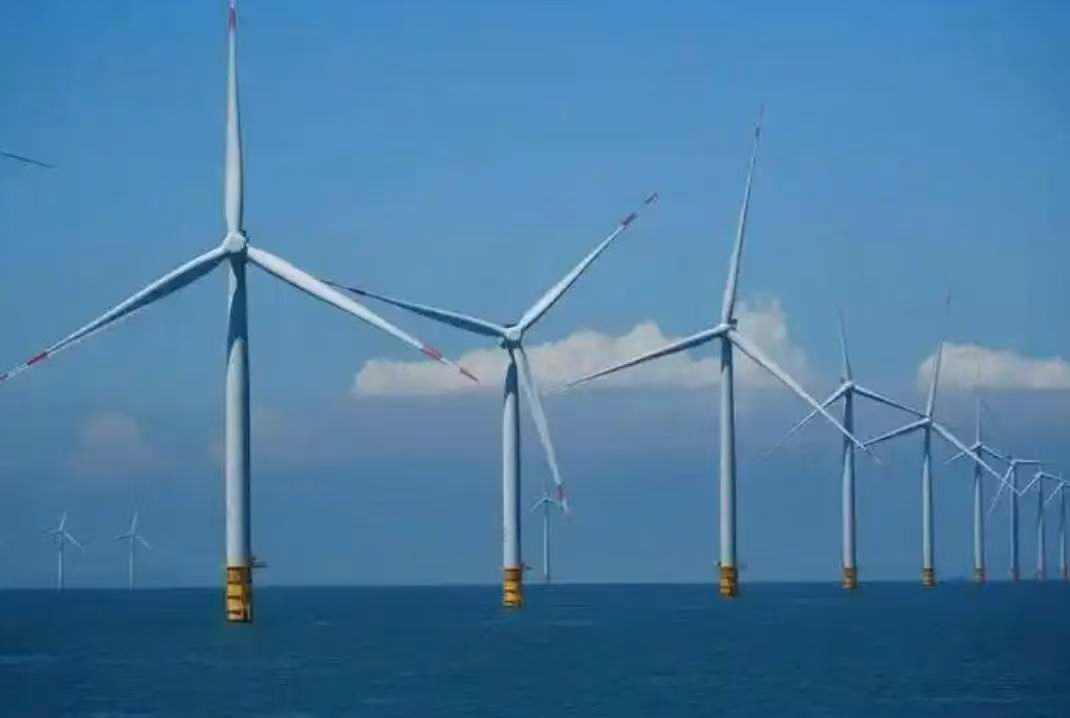
Core Insights - The 22nd World Wind Energy Conference and the 3rd Shantou International Wind Power Technology Innovation Conference were held in Shantou from December 3 to 5, focusing on "Wind Energy Empowering the Future: Innovation, Collaboration, and Sustainable Growth" [2] - The conference attracted energy decision-makers, industry leaders, and experts from nearly 30 countries and regions, discussing breakthroughs in wind power technology, collaborative development of the industry chain, and deepening international cooperation [2][3] Group 1: Event Overview - The World Wind Energy Conference has been held since 2002 and has become a benchmark international platform for promoting the global wind energy industry [2][7] - This is the first time the conference has been held in Shantou, making it the third city in China to host the event after Beijing and Shanghai [2] Group 2: Shantou's Wind Power Development - Shantou is a key area for the Guangdong East Wind Power Base and has been actively developing offshore wind power, aiming to become a national base for offshore wind power and an international innovation hub [3] - In three years, Shantou has built three wind farms with a total installed capacity of approximately 1.2 million kilowatts, with local wind turbine units breaking world records [3] - The city is constructing a comprehensive offshore wind power industrial ecosystem, including a manufacturing park and testing facilities, showcasing high-quality development in the wind power sector [3] Group 3: Zero-Carbon Initiatives - Shantou is collaborating with Shenzhen to create a zero-carbon park, exploring pathways for green and low-carbon transformation [4] - The city aims to contribute to national energy goals and climate commitments through its offshore wind power initiatives [4] Group 4: Global Cooperation and Initiatives - The "Global Wind Energy Cooperation Shantou Declaration" was released, emphasizing the need for stable international supply chains and manufacturing capacity in various countries to achieve global climate goals [4] - The declaration established the "Shantou Dialogue" as a permanent communication platform for the wind energy sector [4] Group 5: New Platforms and Services - A "Comprehensive Service Base for New Energy Enterprises Going Abroad" was launched, aiming to provide a full range of services for companies in the wind power industry [5] - The World Wind Energy Academy was established in Shantou to promote global cooperation in wind energy research and technology development [5] Group 6: Conference Agenda and Discussions - The conference featured various agenda segments, including forums on global wind market dynamics and trends, focusing on investment opportunities in emerging markets along the Belt and Road Initiative [6] - Notable speakers included experts and leaders from various sectors discussing key issues in the wind energy industry [6]

国内首个光解水制氢商业化项目在四川攀枝花竣工投运
Zhong Guo Fa Zhan Wang· 2025-12-09 01:53
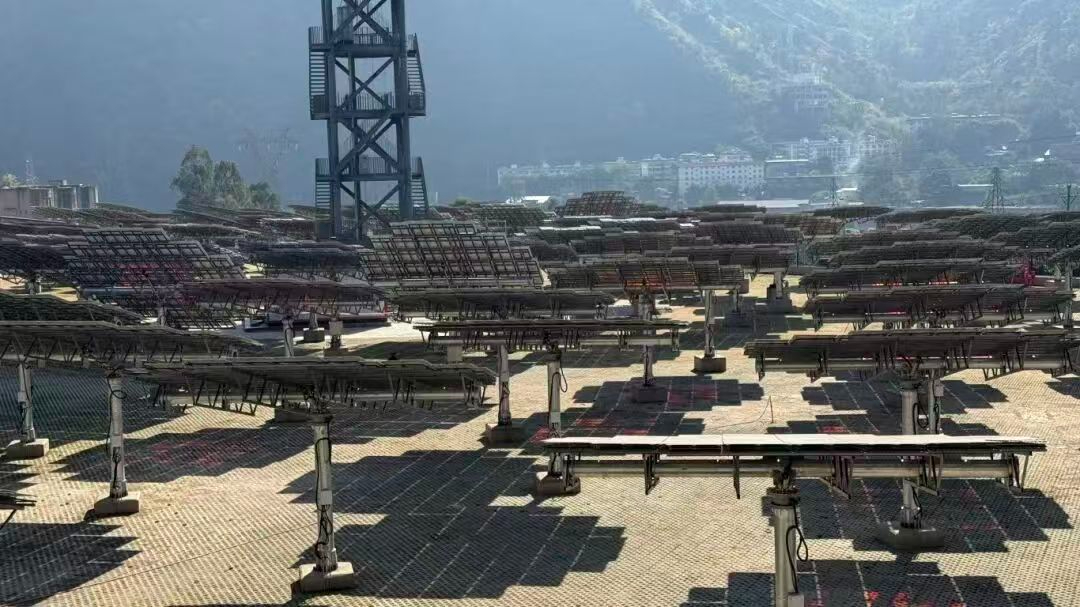
Core Insights - The first commercial pilot project in China based on photocatalytic water-splitting hydrogen production technology has been completed and put into operation in Panzhihua City, marking a significant step in the industrialization of solar direct hydrogen production technology [1][3] Group 1 - The project utilizes the "polyhedral strontium titanate concentrated quantum hydrogen-oxygen thermal integration" technology developed by the Institute of Process Engineering, Chinese Academy of Sciences, which drives photocatalytic materials using concentrated solar energy to achieve "zero-carbon" hydrogen production [1] - The total investment for the project is approximately 60 million yuan, with a designed annual hydrogen production capacity of about 200 tons and a daily hydrogen production capacity of up to 1,000 kilograms [1] - The hydrogen produced will primarily be used in the transportation sector [1] Group 2 - This project provides a new technological pathway for the large-scale production of green hydrogen and serves as a demonstration model for the local conversion and utilization of energy in regions rich in solar resources [3] - It has positive implications for China's efforts to build a clean, low-carbon, safe, and efficient energy system [3]
破局疑难复杂疾病诊疗:“人体复杂系统”临床决策新范式正式发布
Zhong Guo Fa Zhan Wang· 2025-12-08 16:31
2025年12月6日,一场汇聚中外医学智慧、跨越学科边界的学术盛会——"人体复杂系统运行规律及疑难 疾病临床决策研讨会"通过线上方式隆重举行。本次会议由中国生物多样性与绿色发展基金会肿瘤生态 委员会、中国老年保健协会肿瘤支持专业委员会牵头,联合中国慈善总会科技与文化发展委员会、中国 科学院数学与系统科学研究院、北京中西医慢病防治学会、经方与现代中药融合创新全国重点实验室、 肿瘤智库主动健康与疑难杂症临床决策中心、轻又清微生态健康食品研发中心、青岛普罗吉有限公司等 多家权威机构共同主办。会议上,基于创新理论构建的"肿瘤智库复杂疾病决策平台"——肿瘤生态学一 站式诊疗平台上线,标志着针对癌症中晚期、慢性病等复杂疾病的诊疗,开始从传统的"分科对抗"模 式,转向"系统调控、生态重建"的新范式。 会议提出的"人体复杂系统运行规律与疑难复杂疾病临床决策理论体系"认为,人体应被理解为一个具备 多层反馈、高度整合的智能生态系统,通过精密调节维持动态平衡。而疾病,尤其是疑难复杂疾病,是 跨尺度(从基因到环境)、动态演进中的"系统失稳"过程,远非单一器官的故障。 会议认为,必须打破传统以症状和器官为中心的疾病分类束缚,构建融合遗 ...
12月7日青岛市重要民生商品价格监测日报告
Zhong Guo Fa Zhan Wang· 2025-12-08 10:59
Core Insights - The overall price of essential goods in Qingdao remains stable, with sufficient reserves and no significant price fluctuations reported [1] Group 1: Price Monitoring - The average retail price of flour (Type 1) is 2.35 yuan per 500 grams, and the price of long-grain rice (Grade 1) is 3.29 yuan, both unchanged from the previous day [2] - Peanut oil (5-liter container) is priced at 133.10 yuan, remaining stable [2] - Meat prices show slight variations: pork belly at 14.07 yuan (down 0.27%), lean pork at 14.44 yuan (up 0.98%), beef at 37.73 yuan (up 0.35%), and lamb at 40.89 yuan (down 0.27%) [2] - Egg prices have increased to 3.58 yuan, up 0.28% from the previous day [2] - Vegetable prices have seen a slight increase in wholesale markets, with a total price of 2.41 yuan, down 1.63% from the previous day, while supply remains stable [2] - Seafood prices are generally stable, with average prices for various products such as hairtail at 15 yuan, mackerel at 10.33 yuan, and shrimp at 34 yuan, all unchanged from the previous day [2]
抚州市临川区碧天页电光伏发电项目致力打造江西绿色能源新标杆
Zhong Guo Fa Zhan Wang· 2025-12-08 09:36
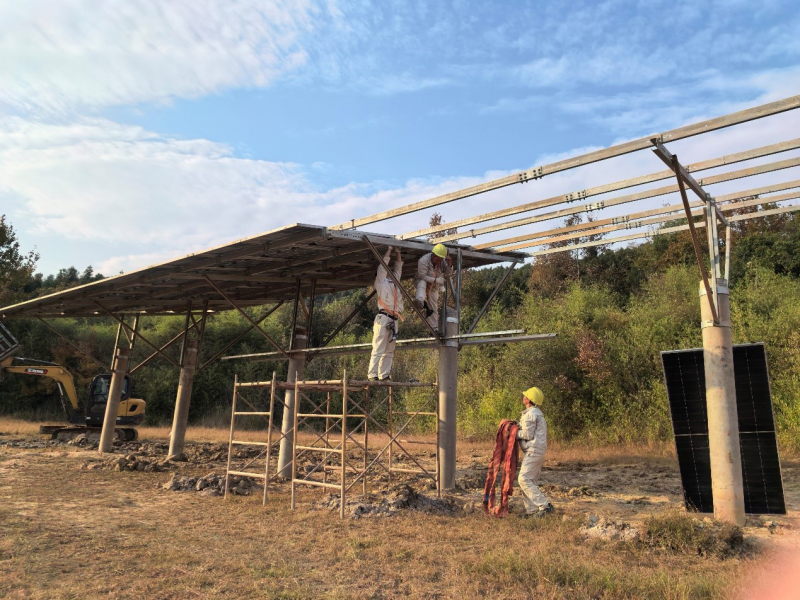
Core Viewpoint - The photovoltaic power generation project, with a total installed capacity of 372 megawatts, is currently in the critical installation phase and is expected to significantly contribute to energy structure adjustment, power security, environmental protection, and energy conservation in the Linchuan District of Jiangxi Province [1][3] Group 1: Project Overview - The project is a joint investment by Bitian New Energy Technology Co., Ltd. and Yedian New Energy Technology Co., Ltd., featuring a 252 megawatt capacity from Yedian and 120 megawatt capacity from Bitian [1] - The project site is located in the upper reservoir area of Rongshan Town, Linchuan District, Jiangxi Province [1] Group 2: Construction and Development - Since the project commenced in January 2024, participating units have effectively overcome challenges such as dispersed sites and inconvenient transportation, implementing detailed planning and scheduling to ensure efficient and orderly progress [1] - Key construction components include the photovoltaic power generation area, energy storage equipment, 35kV collection lines, a 220kV booster station, and supporting transmission lines [3] Group 3: Environmental Impact and Benefits - Upon completion, the project is expected to deliver approximately 400 million kilowatt-hours of green electricity to the national grid annually, saving about 141,100 tons of standard coal and reducing carbon dioxide emissions by approximately 366,900 tons each year [3] - The project will play a crucial role in the energy structure adjustment, power security assurance, environmental protection, and energy conservation and emission reduction in the Linchuan District [3]
“十四五”时期 绵阳市科技创新实现“四个”突破
Zhong Guo Fa Zhan Wang· 2025-12-08 09:17
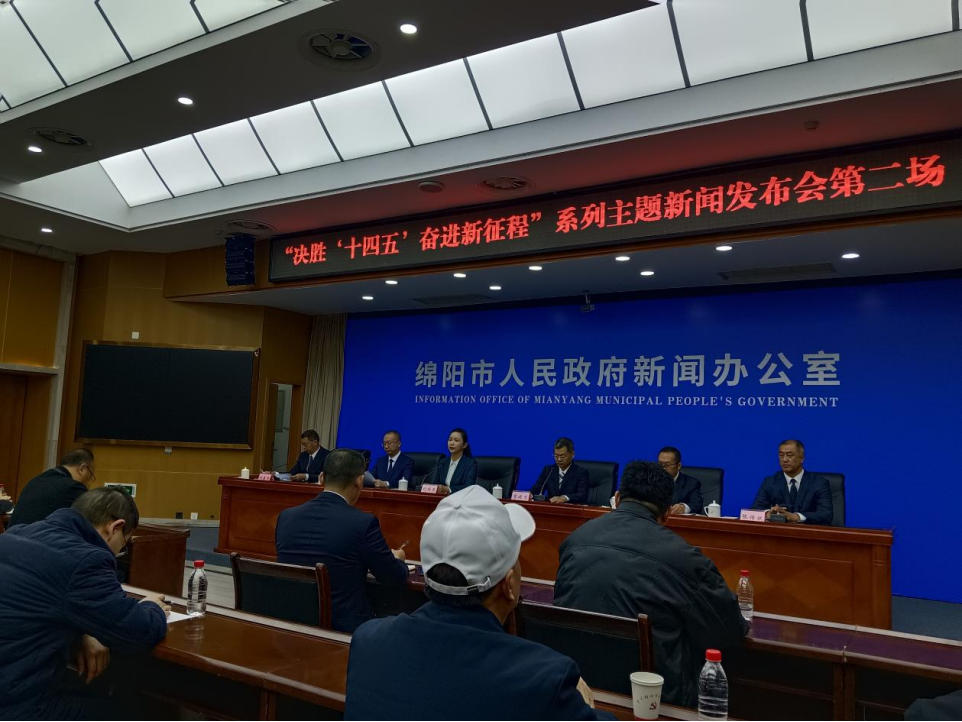
Core Viewpoint - Mianyang has made significant advancements in technological innovation during the "14th Five-Year Plan" period, establishing itself as a leading technology city in China, with a focus on integrating technological and industrial innovation [2] Group 1: Innovation Platforms - Mianyang has successfully established over 290 national and provincial innovation platforms, including the National Engineering Physics Cross-Science Research Center and key laboratories in aerodynamics and advanced radiation technology [3] - The city has achieved breakthroughs in core technologies, including the first e-FLASH radiotherapy device in China and the first X-FLASH device globally, with 10 achievements awarded national science and technology prizes [3] - The average annual R&D expenditure intensity in Mianyang reached 6.3%, maintaining a leading position nationally and first in the province [3] Group 2: Technology Transfer System - Mianyang has optimized the mechanism for matching supply and demand for technological achievements, conducting regular "school-enterprise dual-entry" activities and establishing various technology-industry integration platforms [4] - The city has initiated the construction of a national AI application pilot base and has developed 20 provincial and municipal pilot R&D platforms, enhancing the service capabilities of the public platform for pilot services [4] - The technology contract transaction volume surged from 1.4 billion yuan in 2020 to 22.5 billion yuan by 2025, marking an increase of over 16 times [4] Group 3: Industrial Innovation Capability - Mianyang has focused on cultivating high-energy industrial clusters, establishing the "587+" industrial system, and creating the first provincial intelligent robot training ground in the western region [5] - The city has signed 65 projects in various industrial parks, with total investments exceeding 35 billion yuan, and has initiated the construction of the "Photon Science and Technology City" [6] - The number of national-level specialized and innovative "little giant" enterprises reached 45, with over 3,500 technology-based SMEs expected to be registered in the year [6] Group 4: Institutional and Mechanism Reforms - Mianyang has pioneered comprehensive pilot reforms in talent evaluation in the province, benefiting over 2,000 technology talents [6] - The city has transformed over 500 national invention patents and generated nearly 70 million yuan in conversion revenue [6] - Mianyang has established a technology transaction and project incubation platform in Chengdu, facilitating low-cost R&D bases for local enterprises [6] Group 5: Science Popularization and Financial Support - Mianyang has hosted the China (Mianyang) Science and Technology City International Science and Technology Expo for 13 consecutive years, showcasing over 30,000 technological achievements [7] - The city has implemented various innovative policies to support technological innovation, securing over 1.5 billion yuan in funding for innovation entities [7] - The total loan balance for technology-based enterprises in Mianyang exceeded 80 billion yuan, promoting innovation and entrepreneurship across society [7]
直面难点堵点 打通优化营商环境“最后一公里”
Zhong Guo Fa Zhan Wang· 2025-12-08 09:17
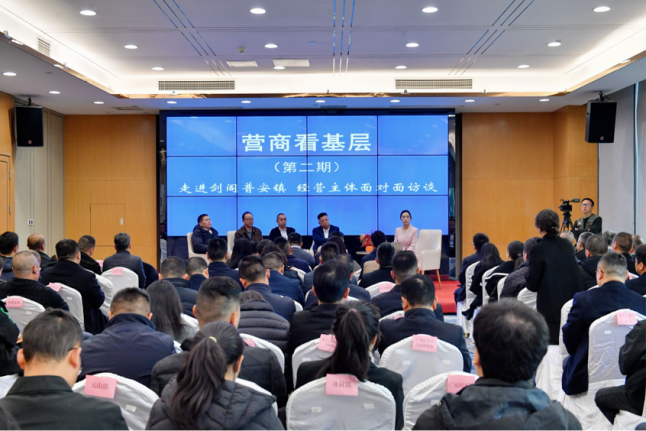
Group 1 - The core issue in Pu'an Town is the delay in the establishment of a grain and oil deep processing project due to land issues, affecting local businesses and their operations [2] - The local government is actively engaging with business representatives to address various operational challenges and improve the business environment [2][6] - The town has a population of over 100,000, with more than 20 large enterprises and over 1,000 small and micro enterprises [2] Group 2 - The local business association has highlighted three key requests: optimizing enterprise approval processes, standardizing law enforcement checks, and providing free skills training [3] - The county has a long-standing individual and private economy association with 38 years of history, serving a total of 29,360 business entities [3] - The county's administrative departments are responding to business concerns by introducing integrated services and a platform for project approvals [3] Group 3 - Sichuan Chuanlaotou Food Technology Co., Ltd. is a food processing company established in 2020, facing liquidity pressure due to increased raw material purchases [4] - The company is seeking stable and low-cost financing solutions to alleviate cash flow issues and expand production capacity [5] - The local bank has introduced financial products aimed at supporting technology-oriented SMEs with favorable loan terms [5] Group 4 - The local government has committed to addressing business concerns promptly, with a promise to provide feedback on issues within five working days [7] - The initiative "Ying Shang Kan Ji Ce" aims to enhance grassroots service capabilities and improve business satisfaction [8] - The program encourages a four-level collaboration among city, county, town, and community to effectively resolve issues and enhance service delivery [8]
沈阳金融商贸经济技术开发区从“城市更新”跨越到“产业地标”
Zhong Guo Fa Zhan Wang· 2025-12-08 09:17
Core Insights - Shenyang Financial and Trade Economic and Technological Development Zone has been upgraded to a national-level economic and technological development zone, marking a significant transition from "urban renewal" to "industrial landmark" [1] Group 1: Strategic Planning and Resource Activation - The development zone is located in the core area of Shenyang, benefiting from a robust transportation network, including the Shenyang North Station and multiple subway lines, facilitating efficient connectivity [2] - It houses over 20,000 enterprises and accounts for more than 60% of the city's financial institutions, totaling 726, creating a vibrant financial ecosystem [2] - The zone generates nearly half of the city's financial value-added and manages over 70% of the city's loan resources, dominating sectors like securities and insurance [2] - A comprehensive financial service system has been established, supporting various financing needs, including over 200 billion yuan in credit through innovative financial solutions [2] Group 2: Reform and Development Enhancement - The upgrade to national-level status opens new opportunities, with initiatives like the Northeast Asia Financial Conference aimed at fostering regional cooperation [3] - Plans for the 14th Five-Year Plan include exploring "technology finance demonstration zones" and "cross-border financial cooperation zones" to deepen the integration of finance and the real economy [3] - The development zone aims to enhance trade through new business models, including cross-border e-commerce and high-end supply chain management, while promoting digital product and technology trade [3] Group 3: Talent Acquisition and Development - The development zone is focused on innovative talent management and incentive mechanisms to enhance performance and service efficiency [4] - Initiatives like the "Xingliao Talent Plan" and "Xingshen Talent Plan" aim to create a comprehensive talent development ecosystem, emphasizing the cultivation of skills relevant to industry and management [4] - The zone is committed to empowering its development through talent, positioning itself as a leader in the revitalization of Northeast China [4]