
Zhong Yang Ji Wei Guo Jia Jian Wei Wang Zhan

Search documents
推动政治监督向实发力向深拓展
Zhong Yang Ji Wei Guo Jia Jian Wei Wang Zhan· 2025-12-10 00:18
article 27 2019-05-11 11:12:10 THE WILL 黑龙江省齐齐哈尔市纪委监委紧盯开发区产业政策落实、资金使用等关键环节强化政治监督,护航开发区高质量发展。图为该市富拉尔基区纪检监察干部在 富拉尔基经济开发区走访了解产业链升级项目有关情况。崔明太 摄 政治监督是督促全党坚持党中央集中统一领导的有力措施,必须做到党中央重大决策部署到哪里,政治监督就跟进到哪里。黑龙江省齐齐哈尔市纪委监委准 确把握政治监督在强国建设、民族复兴中的定位和作用,始终把践行"两个维护"作为根本遵循,自觉融入经济社会发展大局,以系统思维谋篇布局,以创新 举措破解难题,以严实作风狠抓落实,推动政治监督向实发力、向深拓展,在护航党中央决策部署落地见效中彰显监督实效。 构建工作推进体系,凝聚协同监督合力 坚持问题导向、目标导向、结果导向相统一,深化运用台账管理工作机制,建立动态监督台账,通过"更新—跟踪—反馈—销号"的闭环管理,确保政治监督 有的放矢、推进有序。 围绕重大决策部署落实,建立"重点任务类"监督台账。建立年度政治监督工作子台账,坚持"任务清单化、清单项目化、项目责任化",分级分类列明23类73 项监督重点 ...


运用系统思维保障和提高案件质量
Zhong Yang Ji Wei Guo Jia Jian Wei Wang Zhan· 2025-12-10 00:18
Group 1 - The core viewpoint emphasizes the importance of case quality as a standard for evaluating the standardization, legalization, and normalization of disciplinary inspection and supervision work [1] - The case review department in Nanjing's Qinhuai District actively collaborates with relevant departments to enhance case quality, thereby promoting high-quality development in disciplinary inspection and supervision [1] - The department focuses on early intervention in serious violations, providing guidance on evidence standards and procedural connections to improve case handling [1] Group 2 - The case review department establishes clear standards and guidelines for handling common disciplinary violations, issuing operational guidelines that include 39 requirements to ensure quality control [2] - The department utilizes self-check lists and feedback reports to promote proactive quality management and corrective actions post-case resolution [2] - Regular evaluations and cross-checks with other districts are conducted to systematically address issues affecting case quality [2] Group 3 - The department emphasizes the importance of case reviews and practical training to enhance the capabilities of personnel involved in case handling [3] - By analyzing past complex cases, the department aims to refine strategies and broaden case handling approaches, avoiding narrow focus on individual cases [3] - Continuous research into corruption-prone areas is conducted to identify root causes and propose comprehensive measures to combat corruption [3]
三堂会审丨从严纠治违规接待 准确认定受贿犯罪
Zhong Yang Ji Wei Guo Jia Jian Wei Wang Zhan· 2025-12-10 00:18
Core Viewpoint - The article discusses the case of Guo, a former director of a supply and marketing cooperative, who is implicated in serious violations of party regulations, including excessive hospitality and corruption, leading to his expulsion from the party and criminal prosecution for bribery and embezzlement [1][5]. Summary by Sections Basic Case Facts - Guo joined the Communist Party in April 2003 and held various positions, including director of the supply and marketing cooperative in B Town, A County. In 2022, during the liquidation of the cooperative, it was found that Guo had not performed his duties adequately, leading to his dismissal [2][3]. Violations of Regulations - From October 2020 to July 2021, the cooperative, under Guo's direction, violated regulations by providing cigarettes and high-end alcohol during business receptions, totaling 18,800 yuan. Guo is directly responsible for these actions [3][11][14]. Criminal Charges - Guo is charged with bribery for accepting 1,142,000 yuan from a real estate company between 2005 and 2009, and embezzlement for misappropriating 627,000 yuan of public funds from 2015 to 2017, which he later returned [3][5][17]. Investigation and Disciplinary Actions - The A County Discipline Inspection Commission initiated an investigation on July 19, 2024, leading to Guo's expulsion from the party on September 27, 2024, and subsequent criminal prosecution for bribery and embezzlement [4][5]. Court Proceedings - On June 6, 2025, the A County People's Court sentenced Guo to five years in prison and imposed fines totaling 200,000 yuan for his crimes, with the judgment already in effect [6]. Definition of State Staff - The article discusses whether Guo qualifies as a state worker, concluding that he is considered a public servant due to his appointed role in the cooperative, which was managed under state guidelines [7][10]. Misconduct in Hospitality - The cooperative's management established strict rules against excessive hospitality, which Guo violated by approving inappropriate expenses during receptions, reflecting a broader issue of misconduct in public service [11][12][13]. Calculation of Bribery Amounts - Guo's acceptance of bribes was calculated at 1,142,000 yuan, with the article explaining that returning funds after being investigated does not negate the crime of bribery [15][18].
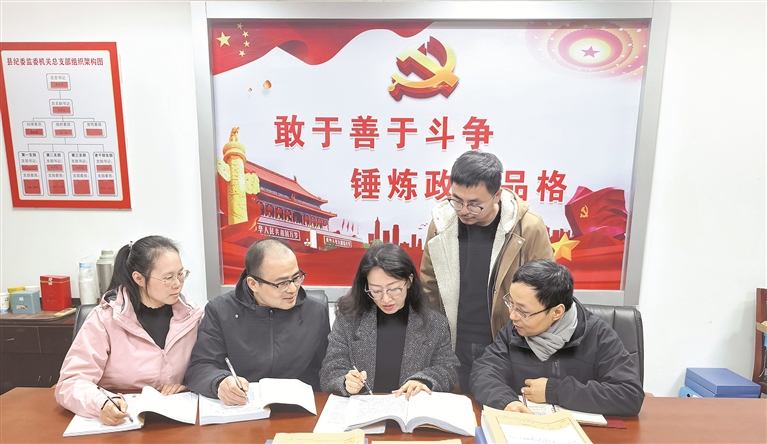
明纪释法丨依规依纪严肃查处公款旅游问题
Zhong Yang Ji Wei Guo Jia Jian Wei Wang Zhan· 2025-12-10 00:18
Core Points - The article emphasizes the importance of strict adherence to regulations against the misuse of public funds for tourism, highlighting the ongoing efforts to combat this issue within the Communist Party of China [4][5][12] Group 1: Regulations and Disciplinary Actions - The article outlines specific behaviors classified as violations, including using public funds for tourism under the guise of training or research, altering official travel itineraries for personal leisure, and participating in activities organized by subordinate units that serve as a cover for tourism [5][10][11] - Disciplinary measures for violations vary based on severity, ranging from warnings to expulsion from the Party, depending on the circumstances and impact of the misuse of funds [12][13] Group 2: Historical Context and Evolution of Regulations - The article traces the evolution of the disciplinary regulations regarding public fund misuse, noting significant amendments made in 2003, 2015, and 2018 to address emerging issues and clarify definitions of misconduct [7][9] - The 2023 revision further specifies the responsibilities of direct and leadership personnel in relation to violations, reinforcing accountability [7][13] Group 3: Identification and Accountability - The article stresses the need for precise identification of responsible parties, focusing on direct and leadership roles in the organization of public fund misuse activities [13][14] - It highlights the subjective aspect of violations, indicating that intentional misconduct is a key factor in determining accountability [14]
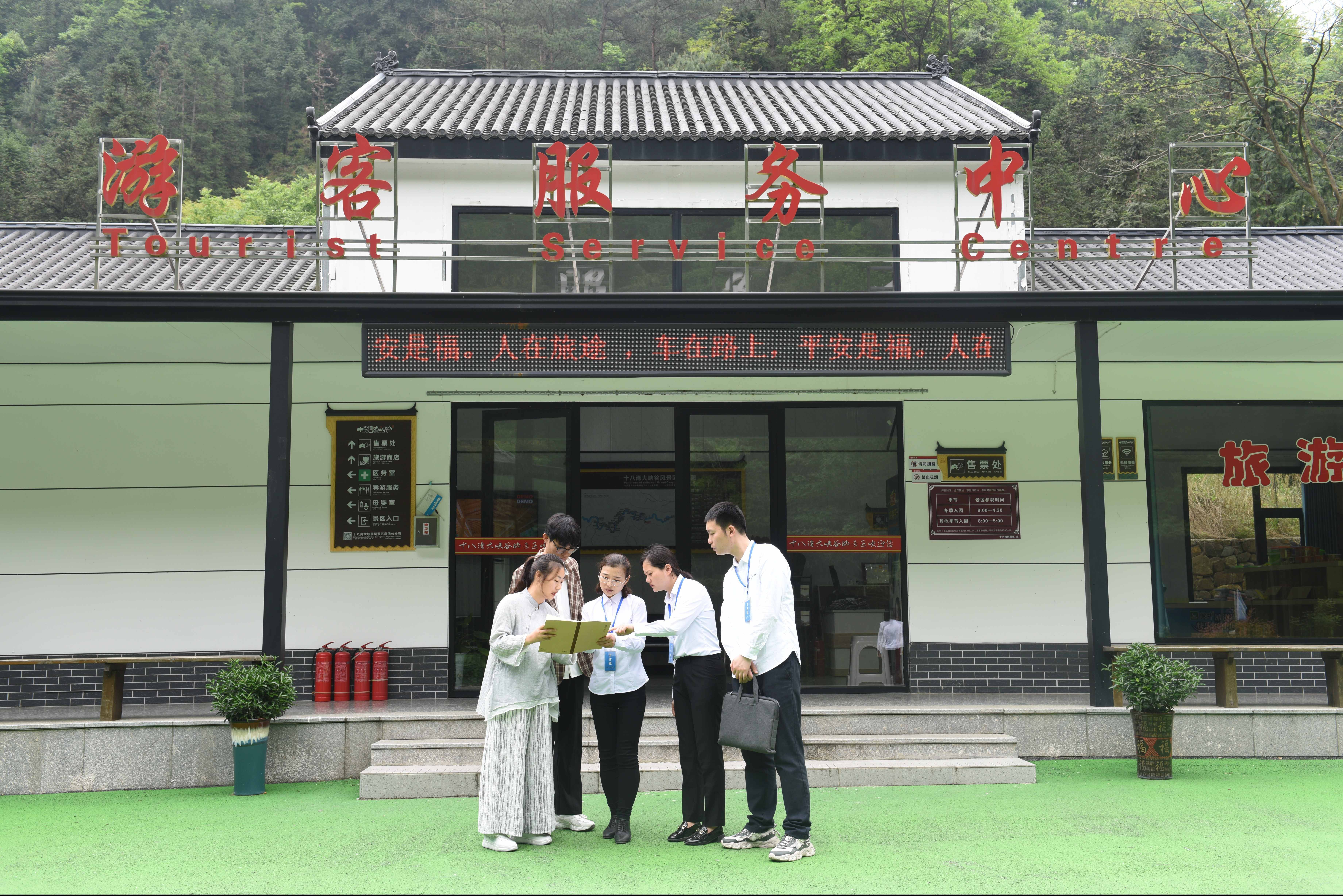
业务聚焦丨着力构建协同高效监督网络
Zhong Yang Ji Wei Guo Jia Jian Wei Wang Zhan· 2025-12-10 00:18
陕西省大荔县纪委监委坚持强化全面从严治党政治责任,推动健全各负其责、统一协调的管党治党责任 格局,着力构建系统集成、协同高效的监督网络,持续推进全面从严治党向基层延伸、向群众身边延 伸。 推动各类监督贯通协同。坚持系统观念,持续完善以党内监督为主导、各类监督贯通协调机制,深化纪 检监察监督与人大监督、民主监督、司法监督、群众监督、舆论监督等各类监督的贯通联动,健全完善 线索移送、措施配合、成果共享等工作机制,促进力量整合、程序契合、工作融合。强化"纪巡审"联动 监督,制定深化纪检监察监督与巡察监督、审计监督贯通协同工作办法,与巡察机构、审计机关建 立"绿色通道",综合考虑巡察间隔时间和审计频次、业务板块等因素,找准"纪巡审"联动契合点,建立 问题线索移送、信息互联互通、监督成果共用等制度机制,着力提升联动监督质效。整合村级监督力 量,选派25名镇纪检监察干部担任村纪检委员,171名村纪检委员兼任村务监督委员会主任,将监督触 角延伸到群众身边,推动解决群众急难愁盼问题。(潘宏伟 作者系陕西省大荔县委常委,县纪委书 记、监委主任) 督促落实主体责任。大荔县纪委监委积极履行协助职责,协助县委完善县委常委会领导班子及 ...
业务聚焦丨综合施策提升基层纪检监察监督质效
Zhong Yang Ji Wei Guo Jia Jian Wei Wang Zhan· 2025-12-10 00:18
Core Viewpoint - The article emphasizes the importance of strengthening grassroots supervision in the context of anti-corruption efforts, highlighting the need for optimized structures and enhanced effectiveness in grassroots disciplinary inspection and supervision [1]. Group 1: Strengthening Supervision System - The establishment of a comprehensive supervision system is crucial, integrating various supervisory forces such as inspection, auditing, and financial oversight to enhance grassroots supervision [2]. - A new mechanism for integrated supervision and case handling has been implemented, dividing the area into two zones for better coordination among 12 towns, 6 disciplinary inspection offices, and 9 stationed inspection teams [2]. - The role of village-level disciplinary committee members is being emphasized, with measures taken to ensure effective coverage and problem identification, resulting in 52 problem leads discovered this year, with 35 cases filed [2]. Group 2: Enhancing Case Handling - The approach of "case handling as the most effective supervision" is being reinforced, with district-level leadership providing guidance to local committees on case management [3]. - A collective judgment mechanism has been established to enhance collaboration among various departments, ensuring thorough scrutiny of key elements in case handling [3]. - The strategy includes leveraging existing cases to uncover additional leads, exemplified by a bribery case that led to the investigation of 30 individuals and the detention of 7 [3]. Group 3: Deepening Rectification and Governance - The integration of grassroots supervision with the rectification of local corruption issues is being prioritized, focusing on the implementation of policies related to rural revitalization and public welfare [4]. - Continuous monitoring of issues in critical areas such as education, healthcare, and food safety is being conducted, with strict actions against corruption and misappropriation [4]. - An information platform is being utilized for online supervision of rectification processes, with accountability measures in place for ineffective responses [4].
以抵押担保为掩饰获取“分红”是否构成受贿
Zhong Yang Ji Wei Guo Jia Jian Wei Wang Zhan· 2025-12-10 00:18
实践中,有的请托人为感谢国家工作人员的帮助,邀请其参与自己开发的项目投资,在此过程中,请托 人以自己名义向银行申请贷款,国家工作人员以房产作抵押担保,请托人将获取的贷款作为国家工作人 员的投资款,此种情况下,能否认定国家工作人员构成受贿,如构成又如何认定受贿数额,易存在不同 认识。笔者结合一起案例进行分析。 章某系某市公安局党委书记、局长,李某是当地资金实力雄厚的房地产商,2020年起,章某多次为李某 开发的房地产项目提供帮助。2022年,为感谢章某,李某多次邀其参与房地产项目投资,并承诺"绝不 会让你亏损""如果投资不赚钱的话会把投资款转为借款给你支付利息"。因李某所在公司信誉优良,融 资能力强,现金流充沛,故章某认为自己的"投资"不会有风险产生。双方商定,先由李某借款200万元 给章某(后章某向李某归还了该200万元),结清其名下某房产的银行抵押贷款本息,再以该房产作为 抵押从银行贷款600万元(章某为了躲在幕后,交代李某去办理此事,以李某名义向银行贷款,本息由 李某支付,章某仅提供房产让其妻子配合李某完成抵押担保手续),作为章某在该房地产项目中的投资 款,该投资款挂在李某名下,并且李某承诺,若项目亏损导 ...
压实责任 规范办理 四川靶向施策提升信访工作质效
Zhong Yang Ji Wei Guo Jia Jian Wei Wang Zhan· 2025-12-10 00:18
近日,四川省自贡市沿滩区黄市镇人大主席明某某因严重违纪违法被开除党籍和公职,涉嫌犯罪问题已 被移送司法机关处理。此前,关于明某某在征地拆迁中侵占补偿款等问题被多次举报。为彻底查清问 题,沿滩区纪委监委实行领导包案,通过院坝接访、实地核查等方式深入调查,最终查明其严重违纪违 法事实。 四川省纪委监委将治理重复举报作为提升基层治理能力的重要抓手,以县级层面为突破口,通过压实责 任、规范流程,提升信访工作质效,切实回应群众关切。 为确保办理质量,四川省纪委监委建立重复举报办理质效评查机制,定期从台账中筛选案件进行评查。 通过查阅案卷、回访举报人、实地核查等方式,全面检查各个环节。截至目前,已完成对全部21个市 (州)的评查工作,对发现的问题及时纠正解决,督促8件查否件重新核查。 在阿坝藏族羌族自治州小金县,群众多次举报某村党支部副书记肖某某截留补贴问题,当地此前对该问 题查否。省级评查发现该案核查不深不细,责令县纪委监委重新核查,最终查实肖某某截留补贴问题。 肖某某受到严肃处理,违纪所得全部追缴。 "还有一些重复举报的产生,源于群众对处理过程和结果不了解。"四川省纪委监委有关负责同志介绍。 为此,该省纪委监委出台办 ...
学纪知纪明纪守纪丨深化招投标领域系统整治
Zhong Yang Ji Wei Guo Jia Jian Wei Wang Zhan· 2025-12-10 00:18
Core Viewpoint - The article emphasizes the importance of systematic governance in the engineering construction bidding and tendering sector in Chongqing's Hechuan District, focusing on addressing responsibility, work style, and corruption issues to enhance the business environment [2]. Group 1: Systematic Governance in Bidding - The bidding and tendering market is a crucial part of the national unified market and high-standard market system, receiving significant attention from the central government [2]. - The 20th Central Commission for Discipline Inspection's fourth plenary session highlighted the need for systematic governance in areas with concentrated power, funds, and resources, such as bidding and tendering [2]. - The article invites discussions on identifying key points for systematic governance and practical measures for investigating bidding-related cases [2]. Group 2: Key Focus Areas for Supervision - The article outlines the need to focus on five key stages of the bidding process: bidding, tendering, opening, evaluation, and awarding, ensuring targeted supervision and enforcement [5]. - It emphasizes the importance of monitoring specific issues at each stage, such as unreasonable conditions in bidding, collusion among bidders, and lack of transparency in evaluations [5]. - The governance approach includes a comprehensive review of the entire bidding process, from pre-bid to post-bid stages, to identify and mitigate risks [5]. Group 3: Responsibilities and Areas of Focus - The article discusses the need to focus on three responsibilities: the main responsibility of the bidding entity, regulatory responsibility of supervisory departments, and the supervisory responsibility of disciplinary inspection agencies [6]. - It highlights three key areas for governance: engineering construction, government procurement, and rural revitalization, stressing the need for thorough oversight in these sectors [7]. - The focus on three categories of personnel—party leaders, evaluation experts, and bidding agencies—aims to identify and address misconduct and corruption within the bidding process [7]. Group 4: Practical Measures for Case Investigation - The article outlines practical measures for investigating bidding-related cases, including expanding channels for discovering issues and focusing on key individuals and areas [8]. - It emphasizes the importance of adhering to legal standards and improving the quality of case handling, particularly in addressing new and hidden forms of corruption [9]. - The article advocates for a multi-faceted approach to enhance the effectiveness of investigations, including collaboration with various departments and leveraging technology for data analysis [10]. Group 5: Continuous Improvement and Systematic Governance - The article stresses the need for continuous improvement in governance practices, advocating for a holistic approach to address the root causes of issues in the bidding sector [11]. - It calls for targeted supervision and the establishment of clear responsibilities for bidding entities and regulatory bodies to prevent misconduct [12]. - The article concludes with a call for comprehensive governance reforms to create a favorable environment for the bidding market, ensuring transparency and accountability [15].
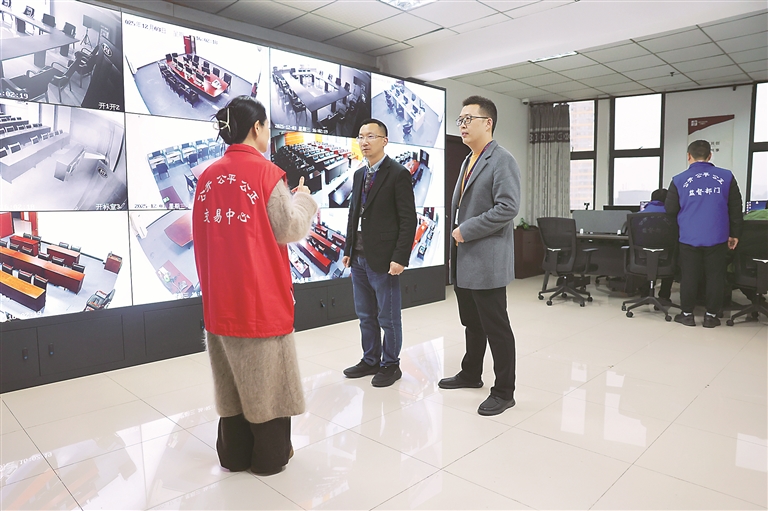
清风为伴产业兴丨林下开满“致富伞”
Zhong Yang Ji Wei Guo Jia Jian Wei Wang Zhan· 2025-12-10 00:18
Core Insights - The article highlights the ongoing development of the purple ganoderma (灵芝) industry in Wuping County, Fujian Province, emphasizing the efforts to enhance agricultural productivity and combat corruption in the sector [1][2][3] Group 1: Industry Development - The area dedicated to purple ganoderma cultivation in Wuping County exceeds 40,000 acres, with over 4,000 individuals involved in related activities, projecting a total industry output value of 350 million yuan in 2024 [1] - In 2023, the county added 5,300 acres of purple ganoderma cultivation, bringing the total area under cultivation to 45,600 acres, with a total dry product yield of 520 tons [3] Group 2: Governance and Oversight - The Wuping County Discipline Inspection Commission has intensified efforts to address corruption and misconduct in rural revitalization, focusing on the purple ganoderma industry as a key area for supervision [1][2] - The county has implemented a comprehensive supervision strategy involving county, township, and village levels to ensure proper management and use of agricultural funds, addressing issues such as fund misappropriation and inefficiency [2] - A specific case of corruption was highlighted, where a former village party secretary was found guilty of misappropriating collective funds for personal gain, leading to disciplinary action [2]