
Jing Ji Guan Cha Wang

Search documents
白酒板块拖累华润啤酒业务,新任董事会主席称质疑白酒战略为时过早
Jing Ji Guan Cha Wang· 2026-03-24 05:05
Core Viewpoint - China Resources Beer reported a total revenue of 37.985 billion yuan for 2025, a year-on-year decrease of 1.68%, and a net profit of 3.371 billion yuan, down 28.87% [2] Group 1: Business Performance - The beer segment achieved a revenue of approximately 36.489 billion yuan, showing a slight increase from 36.486 billion yuan in the previous year [2] - The liquor segment generated a revenue of 1.496 billion yuan, a decline of 30.39% from 2.149 billion yuan in the previous year [2] - The company recorded an impairment of goodwill amounting to approximately 2.877 billion yuan for its liquor business due to underperformance [2] Group 2: Strategic Direction - Zhao Chunwu, the new chairman, emphasized the need for a second growth curve, particularly through the liquor business, despite current industry challenges [3] - The company believes that diversification into liquor is a strategic choice, as liquor remains a favorable option compared to other alcoholic beverages [3] - Zhao stated that questioning the strategy after only three years in the liquor business is premature, advocating for a long-term commitment [3] Group 3: Liquor Business Strategy - The liquor business strategy includes five key areas: brand stabilization, price management, channel stability, efficiency improvement, and synergy with the overall company ecosystem [4][5][6] - The company is focusing on high-end branding for its liquor products and shifting from broad advertising to targeted marketing [4] - A national pricing strategy is being implemented to reduce price discrepancies and ensure product traceability [4] - The company aims to optimize its product structure by enhancing high-margin products and phasing out low-margin SKUs [5] Group 4: Beer Business Performance - In 2025, the beer segment achieved a sales volume of 11.03 million kiloliters, reflecting a year-on-year growth of 1.4% [6] - The high-end beer segment continues to drive growth, with a 20% increase in Heineken sales [6] - The gross margin for the beer business rose by 0.5 percentage points to 43.1% due to the ongoing high-end strategy [6] - New consumption trends are emerging, with a notable increase in beer consumption during late-night hours and the rise of new sales channels [6]


中国通信服务将于2026年3月审议全年业绩及股息
Jing Ji Guan Cha Wang· 2026-03-21 04:04
Core Viewpoint - China Communication Services (stock code: 00552.HK) is planning to hold a board meeting on March 31, 2026, to review its annual performance for the year ending December 31, 2025, and to consider the distribution of a final dividend [1] Group 1 - The company will discuss its full-year results for the fiscal year ending December 31, 2025 [1] - The board meeting will also address the matter of declaring a final dividend [1]
松下变革之年 中国事业仍是全球业务增长引擎
Jing Ji Guan Cha Wang· 2026-03-20 14:49
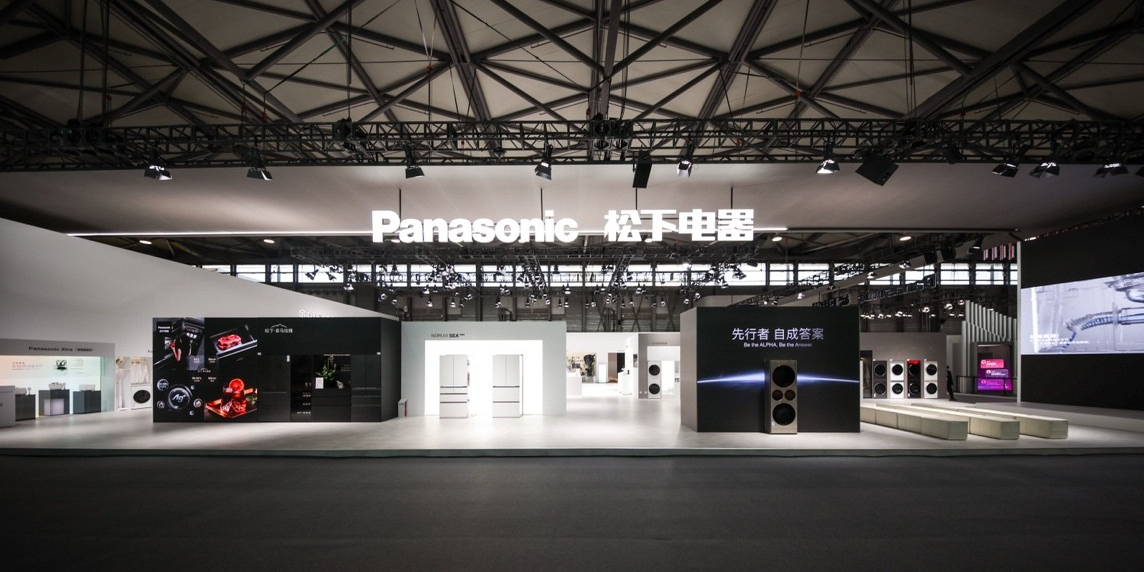
Core Insights - Panasonic is set to launch a new business structure in April 2026, focusing on three main areas: solutions, components, and smart living, with an emphasis on creating global competitive solutions and synergies within the group [2][3] - The new Panasonic Electric Co., Ltd. will be organized to enhance its operations in Northeast Asia, transitioning from the previous China Northeast Asia Company (CNA) to a new structure that emphasizes cross-business coordination and global growth [2][4] Business Strategy - Panasonic aims to leverage its competitive advantages gained from the Chinese market to challenge globally, with a focus on high-quality products that enhance customer value and overall living experiences [4][5] - The company has achieved over 15 billion RMB (300 billion JPY) in operating cash flow since the establishment of CNA in 2019, showcasing its financial strength and operational efficiency [4] Market Position - Panasonic has become the fastest-growing foreign brand in the Chinese market for the 2024-2025 fiscal year, with significant growth in its products developed in China, achieving a 200% increase in sales in other Asian markets [5] - The company has successfully localized product design and development, launching competitive products like the ALPHA G5 washing and drying machine and the rice cooker, which have gained popularity among consumers [4][5] Innovation and Ecosystem - Panasonic plans to enhance its "living space appliances" strategy, introducing comprehensive solutions and launching flagship product lines to meet evolving consumer demands [5][6] - The company is committed to building an open business ecosystem that fosters collaboration across the entire supply chain, aiming for mutual growth and addressing real user pain points [6][7] Supply Chain and Global Expansion - The mature supply chain in China is viewed as a critical asset for Panasonic's global expansion, enhancing cost, quality, and efficiency [8] - The company intends to implement a "coexistence and win-win" strategy, focusing on customer, channel, and enterprise satisfaction to create new value in the market [8]

李宁25年报稳健,全新周期发出积极新信号
Jing Ji Guan Cha Wang· 2026-03-20 11:10
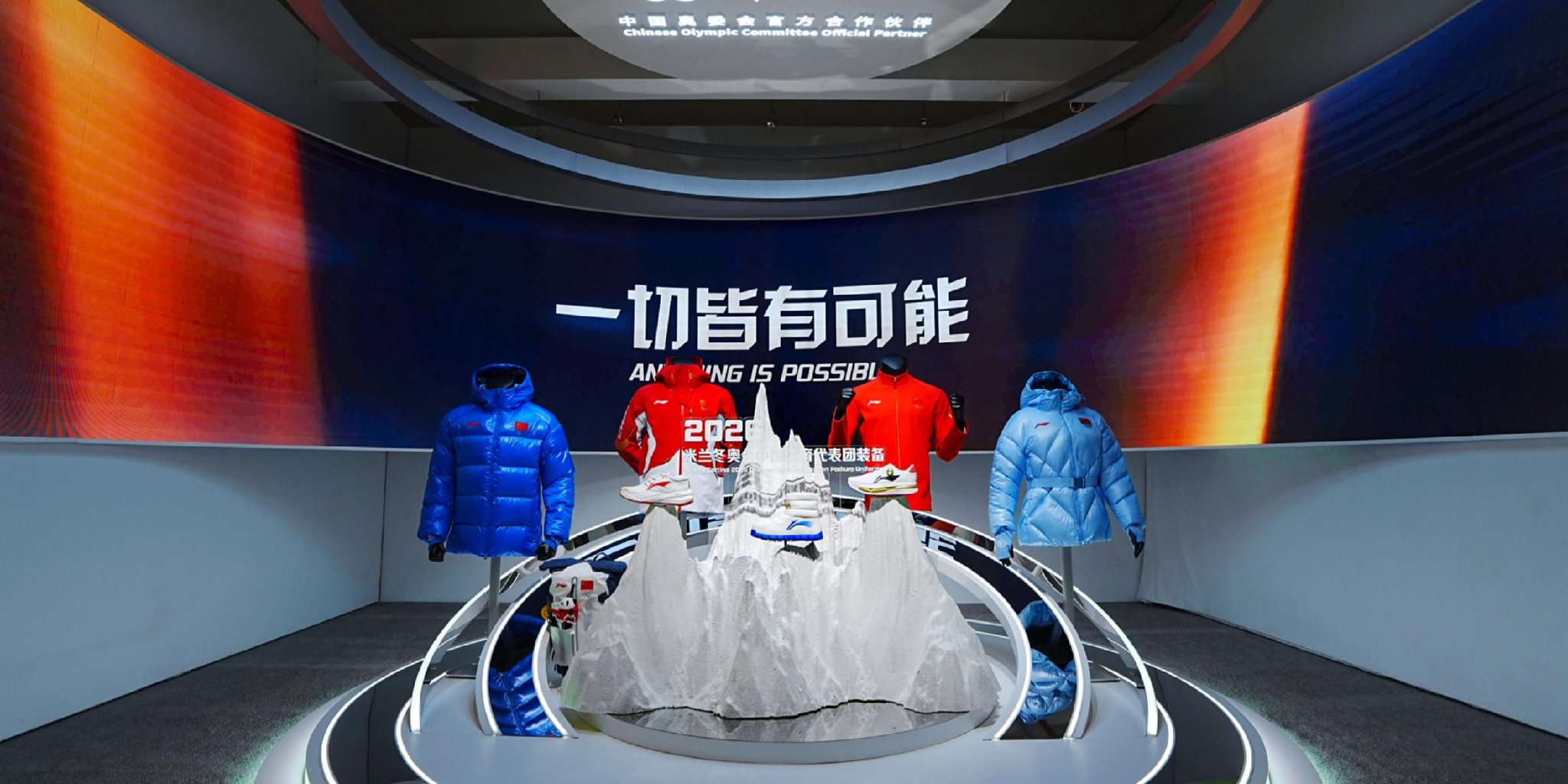
Core Viewpoint - Li Ning Company Limited reported a steady performance for the fiscal year 2025, with revenue reaching 29.6 billion RMB, an increase of 3.2%, and a gross profit of 14.49 billion RMB, up 2.4%, exceeding market expectations [2] Group 1: Financial Performance - The overall gross margin was 49.0%, and the net profit margin was 9.9%, indicating strong financial health [2] - The company maintained a healthy cash flow with net cash reaching 19.97 billion RMB, an increase of 1.81 billion RMB year-on-year [19] Group 2: Strategic Initiatives - Li Ning signed a partnership with the Chinese Olympic Committee, becoming the official sportswear partner for the 2025-2028 Olympic cycle, which includes major international events [3][8] - The launch of the new store format "Dragon Store" in December 2025 in Beijing represents a significant market activation of this partnership [5] Group 3: Product Performance - The running category continued its strong momentum with a 10% year-on-year increase in sales, making it the largest category for Li Ning, with over 26 million pairs of professional running shoes sold [10] - The badminton category saw a remarkable 30% revenue growth, with sales of over 5.5 million rackets, marking a historical high [10] Group 4: Market Expansion - Li Ning is expanding into the outdoor segment, opening its first independent outdoor store "COUNTERFLOW" and focusing on high-frequency scenarios like hiking and urban commuting [11] - The company is also positioning itself in the emerging sport of pickleball, having secured the naming rights for the "Li Ning Cup" series from 2025 to 2032 [13] Group 5: Brand Development - The collaboration with top-tier sports resources aims to enhance brand recognition and consumer trust in Li Ning as a professional sports brand [6][8] - The company's strategy of "single brand, multiple categories, and multiple channels" continues to drive growth and market presence [19][20]

友邦保险内地业务增长乏力:中产不爱买保险了吗?
Jing Ji Guan Cha Wang· 2026-03-20 02:18
Core Viewpoint - AIA Group reported record performance in 2025, with significant growth in new business value and shareholder returns, despite slower growth in the mainland China market [2] Group 1: Financial Performance - AIA's new business value increased by 15% to USD 5.516 billion in 2025 [2] - After-tax operating profit reached USD 7.136 billion, with earnings per share rising by 12% [2] - Weighted premium income from key markets: Hong Kong at USD 14.726 billion, mainland China at USD 11.272 billion, and Thailand at USD 5.336 billion, contributing 66.8% of total premium income [2] Group 2: Market Analysis - New business value growth was primarily driven by Hong Kong and Thailand, with Hong Kong's new business value surging 28% to USD 2.256 billion and Thailand's increasing by 22% to USD 0.993 billion [3] - In contrast, mainland China's new business value saw a modest increase of 2% to USD 1.240 billion, with annualized new premiums slightly decreasing from USD 216.8 billion in 2024 to USD 215.2 billion in 2025 [3][5] - AIA Life, the entity operating in mainland China, expanded its business in four provinces and increased its new agent recruitment by 14% [3] Group 3: Product and Channel Dynamics - The mainland market experienced a "V-shaped" recovery in new business value, with a 4% decline in the first half of 2025 followed by a 14% increase in the second half [5] - The marketing channel's new business value was significantly supported by protection-type products, contributing 44% to the new business value in the second half of 2025 [5] - The trend towards dividend insurance products has increased due to low interest rates, attracting more funds as many residents' deposits mature in 2026 [5]


比亚迪第二代闪充北京实测:无“虚标”,充满最快9分42秒
Jing Ji Guan Cha Wang· 2026-03-17 02:52
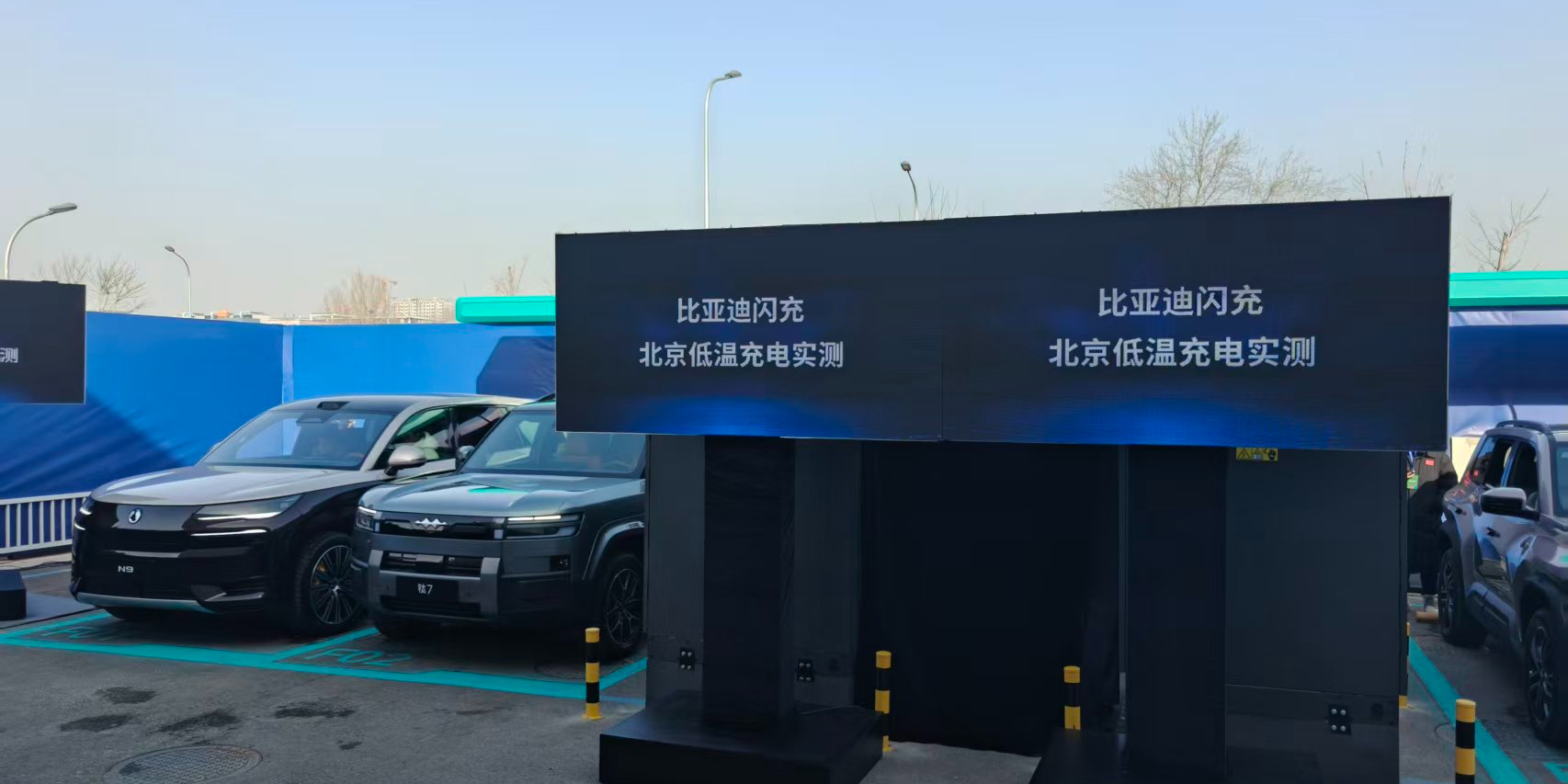
Core Viewpoint - BYD's second-generation fast charging technology claims to charge an electric vehicle in 5 minutes for a partial charge and 9 minutes for a full charge, even in low temperatures, marking a significant advancement in charging efficiency [2] Group 1: Technology Performance - The second-generation fast charging technology was tested in Beijing on February 10, showcasing its performance in winter conditions with temperatures around zero degrees [2] - Eight BYD models participated in the test, with starting battery levels around 20%, charging to 97% capacity [2] - The fastest charging time recorded was 9 minutes and 42 seconds for the Song Ultra model, while the longest was 10 minutes and 22 seconds for the Tengshi N9 model [2][6] Group 2: Industry Impact - The second-generation fast charging technology addresses the common issue of long charging times for electric vehicles, especially in winter when charging efficiency typically decreases [2] - This technology significantly reduces charging anxiety for electric vehicle owners, bringing charging times closer to traditional fuel refueling times [7] - The advancement is expected to promote the growth of the electric vehicle industry, particularly increasing market penetration in northern regions [7]

中国平安率先发布行业领先商业航天综合金融解决方案,落地长三角产业集聚区
Jing Ji Guan Cha Wang· 2026-03-13 14:17
Core Insights - The first Shanghai Commercial Space Conference and Exhibition was held on March 12, 2026, attracting over 200 core enterprises in the industry chain, with China Ping An as the only invited financial institution to present a comprehensive financial solution for commercial space development [1] Group 1: Industry Growth and Challenges - The domestic commercial space industry is experiencing a golden growth period with a compound annual growth rate exceeding 25%, further accelerated by the government's recognition of aerospace as an emerging pillar industry in the 2026 government work report [1] - The industry faces challenges such as high R&D risks, significant capital investment, and long return cycles [1] Group 2: Comprehensive Financial Solutions - China Ping An introduced the first comprehensive financial solution combining insurance, funding, and capital support to address the three major pain points of commercial space: fear of failure, funding delays, and growth challenges [1][2] - The insurance coverage includes a full lifecycle risk management system for commercial space, addressing risks from R&D to launch and in-orbit operations, ensuring comprehensive protection against core risks [2] Group 3: Tailored Financial Services - Ping An Bank offers customized financial services to meet the funding needs of commercial space enterprises, including project loans and working capital loans tailored for rocket launches and satellite networking [2] - Ping An Securities provides a multi-layered capital service system, including equity, debt, and asset securitization, to support the entire development cycle of commercial space enterprises [2] Group 4: Localized Collaborative Service Model - The service model will be implemented in the Yangtze River Delta, leveraging local resources and creating a collaborative ecosystem involving government, banks, enterprises, and research institutions [3] - China Ping An has been involved in the aerospace insurance sector since the 1990s, providing risk coverage for over 400 satellites and more than 100 rocket launches [3] Group 5: Future Plans - The company plans to continuously iterate its comprehensive financial service system for the entire lifecycle of commercial space, expanding the service model to more industrial clusters across the country [4]

AI驱动的情报分析使数据中心成战争目标,微软、英伟达将遭军事打击?
Jing Ji Guan Cha Wang· 2026-03-13 08:12
Core Viewpoint - Iranian semi-official news agency Tasnim has identified data centers of major US tech companies like Amazon, Microsoft, and Google in the Middle East as legitimate targets for attacks, alleging that these facilities provide technology to the Israeli military to support war efforts [1] Group 1: Allegations Against Tech Companies - The mentioned tech companies have been accused of varying degrees of providing technology to the Israeli military, although most have denied these allegations [1] - Palantir has publicly acknowledged its strategic partnership with Israel, claiming to assist the country in war-related tasks by providing advanced technology [1]




伊朗通讯社称将打击微软、英伟达等科技巨头目标
Jing Ji Guan Cha Wang· 2026-03-13 07:46
Core Viewpoint - Iran has declared that the infrastructure of several major US tech companies, including Amazon, Microsoft, Google, Nvidia, IBM, Oracle, and Palantir, is now within the scope of legitimate military targets due to the evolving nature of regional conflicts [2][3] Group 1: Company Infrastructure and Locations - Amazon has established cloud infrastructure, data centers, and R&D centers in locations such as Tel Aviv, Haifa, Bahrain, and the UAE [2] - Microsoft has offices, cloud services, and R&D facilities in Dubai, Tel Aviv, Haifa, and Herzliya [2] - Nvidia has set up regional headquarters and business offices in Haifa, Tel Aviv, and Dubai [2] Group 2: Military and Strategic Implications - The mentioned tech companies are accused of providing technological support to the Israeli military, with Palantir openly acknowledging its strategic cooperation with Israel [3] - In response to escalating tensions, some US companies in the Gulf region have implemented measures such as remote work policies and emergency plans to mitigate risks from drone attacks or airspace closures [3] - An attack on Amazon's data center in the UAE occurred on March 1, resulting in a fire and power outage, highlighting the blurred lines between commercial cloud services and military targets [3]


微软、英伟达等科技巨头将被军事打击?伊朗通讯社发布“目标清单”
Jing Ji Guan Cha Wang· 2026-03-13 07:21
Core Viewpoint - The conflict in the Middle East has escalated to a point where major U.S. tech companies' data centers and offices are now considered legitimate military targets by Iran, highlighting the strategic importance of digital infrastructure in modern warfare [1][4]. Group 1: Impact on Tech Companies - Iranian media has identified major tech companies such as Amazon, Microsoft, Google, Nvidia, IBM, Oracle, and Palantir as having facilities in the Middle East, claiming that their operations are now within the scope of Iran's military targets [1][2]. - Companies like Amazon and Microsoft have established cloud infrastructure and data centers in locations such as Israel, UAE, and Qatar, which are now viewed as critical assets in the context of regional conflict [1][2]. - Palantir has publicly acknowledged its strategic partnership with Israel, providing advanced technology to support military operations, which has drawn attention to the role of tech companies in warfare [2]. Group 2: Military Actions and Consequences - Iran has already conducted military strikes on Amazon's data centers in the UAE, resulting in significant operational disruptions for local banks, payment platforms, and other services, affecting millions of residents [3]. - The attacks on data centers are unprecedented, marking the first instance of military forces targeting large-scale cloud providers, which raises questions about the security of such infrastructures [3][5]. - The reliance on digital systems for military operations means that attacks on data centers can severely disrupt intelligence and operational capabilities, effectively crippling military decision-making processes [3][4]. Group 3: Future Implications - The conflict signifies a blurring of lines between commercial cloud services and military objectives, with the increasing importance of AI and data centers in warfare [5]. - Future strategies may involve geographic dispersion of data centers, multi-cloud backups, and missile defense systems to protect these critical infrastructures from potential attacks [4][5]. - The evolving nature of warfare suggests that control over data centers will equate to control over intelligence and AI capabilities, making them vital assets in modern conflicts [4].