
Investopedia

Search documents
Here's How Much Mortgage Rates Should Fall To Bring Housing Within Reach for Buyers
Investopedia· 2026-02-09 13:00
Core Insights - Some housing markets remain unaffordable even if mortgage rates drop significantly, while others could see improved affordability with minor rate declines [2][4] - A Zillow report indicates that mortgage rates would need to decrease by over 4% for typical homes to be affordable for median-income families, with current rates at 6.11% [3] Housing Market Analysis - Major cities like New York, Los Angeles, and Miami have average home values exceeding $800,000 and $1 million, making them unaffordable even at a 0% mortgage rate [4] - In cities such as Boston and Seattle, mortgage rates would need to fall below 1% for homes to be affordable, while Dallas, New Orleans, and Nashville require a drop of over two percentage points [4][6] Regional Affordability - In contrast, areas with lower home prices, like Pittsburgh, Pennsylvania, have an average home value of $231,518, allowing affordability even if mortgage rates rise to 9% [5] - Birmingham, Alabama, with an average home value of $132,725, could remain affordable at rates up to 7.62%, and Detroit's average of $76,340 allows for affordability at 7.02% [6]


What to Expect in Markets This Week: Delayed January Jobs Report, Inflation and Retail Sales Data, Earnings From Cisco, Coca-Cola, McDonald's, Ford
Investopedia· 2026-02-08 10:50
Economic Data and Earnings Reports - Key economic releases this week include delayed January jobs data, consumer inflation, and retail sales reports due to a recent government shutdown [1][3][4] - The January jobs report is expected to show fewer job additions than anticipated, despite a decrease in the unemployment rate [3] - The January CPI inflation report is anticipated to reveal steady inflation, with core inflation lower than expectations, influencing Federal Reserve rate decisions [4] Company Earnings - Cisco is set to report earnings, which may provide insights into AI infrastructure demand, with the CEO highlighting significant opportunities in this sector [5] - Consumer stocks such as Coca-Cola and McDonald's are also reporting; Coca-Cola has recently exceeded profit expectations, while McDonald's may reveal trends among affluent customers [6] - Other notable earnings reports include those from Ford, Honda, Ferrari, AstraZeneca, Moderna, and Vertex Pharmaceuticals, which will provide insights into auto sales and pharmaceutical demand [7]



The Data Industry Has Lost 6,700 Jobs Amid AI Boom
Investopedia· 2026-02-07 13:00
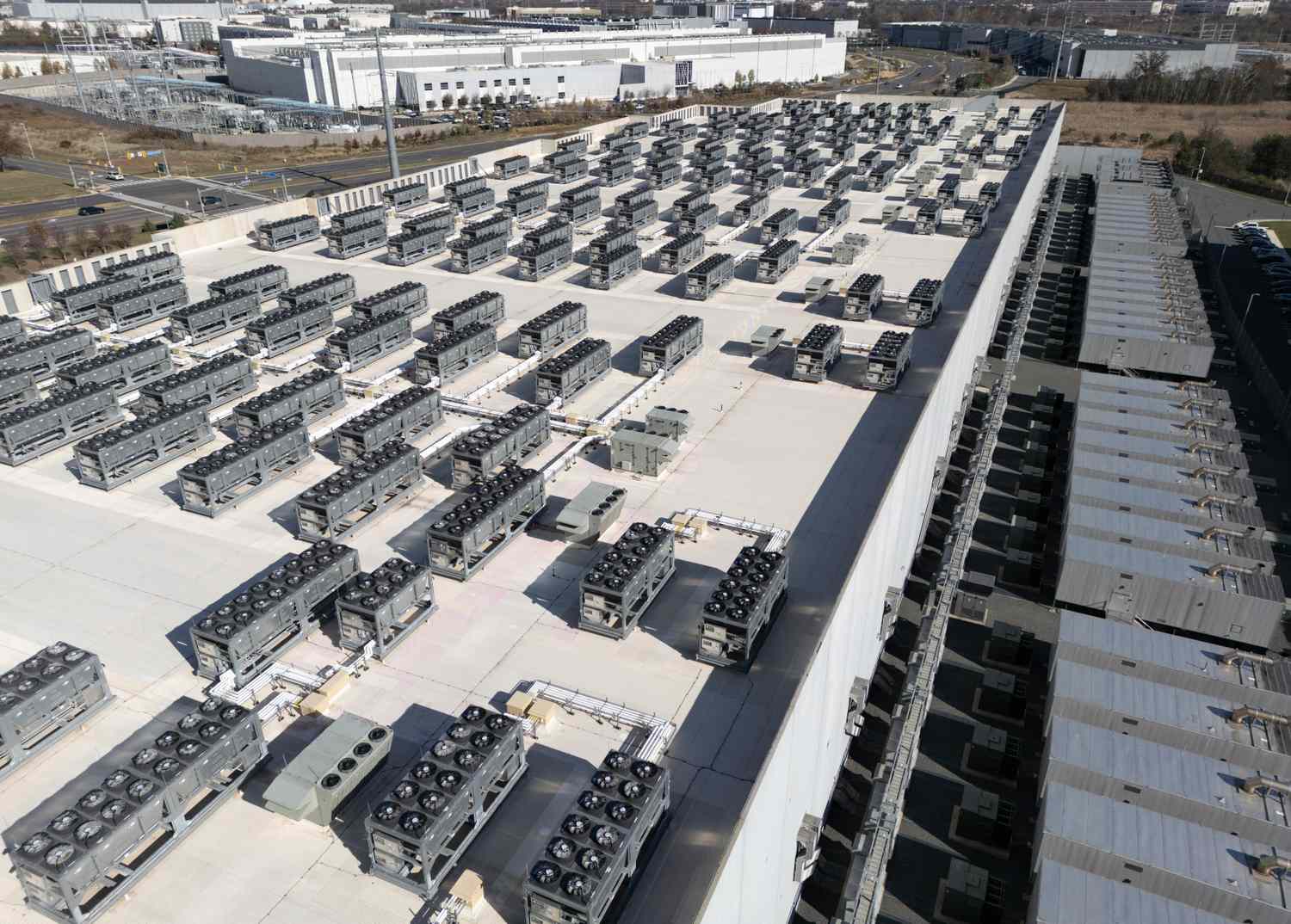
Group 1 - The AI investment boom has not led to job creation within its own industry, despite significant investments projected to reach $427 billion in 2025 [1][6] - Employment in the sector related to AI, specifically "Computing Infrastructure Providers, Data Processing, Web Hosting, and Related Services," decreased by 6,700 jobs from December 2024 to December 2025, totaling 477,700 jobs [2][6] - Historically, technological innovations have created new job types, but the current wave of AI investment has not yet resulted in similar job gains, leading to a phenomenon termed a "jobless profit boom" [3][5] Group 2 - Tech companies are investing heavily in new data centers and even exploring unconventional energy sources, such as nuclear power plants and gas turbines, to support these facilities, yet the operational workforce remains minimal [4] - The data industry experienced a net loss of 6,700 jobs in 2025, highlighting the limited job creation associated with the AI boom despite substantial financial investments [6]
Here's How Much Traders Expect Coca-Cola Stock Could Move After Earnings Tuesday
Investopedia· 2026-02-07 11:26
Core Insights - Coca-Cola is expected to report its fourth-quarter earnings, with traders anticipating a potential stock movement of up to 3% following the results, which could see the stock rise above $81 or fall to around $76 [1][1][1] - The company has seen a 13% increase in its stock price since the beginning of the year, reflecting a broader trend of investment in consumer staples [1][1][1] - Analysts predict Coca-Cola's revenue for the fourth quarter to be approximately $12 billion, representing a 4% year-over-year increase, while adjusted earnings per share are expected to rise by 2 cents to $0.57 [1][1][1] Company Developments - Coca-Cola is transitioning to a new CEO, with COO Henrique Braun set to succeed James Quincey on March 31, marking a significant leadership change [1][1][1] - UBS analysts express confidence in a solid quarter for Coca-Cola, although they note that high valuation compared to peers may limit stock growth potential [1][1][1] Market Context - The stock performance of Coca-Cola is being closely monitored as it is considered a bellwether for the consumer staples sector, providing insights into U.S. consumer behavior and market trends [1][1][1] - Rival PepsiCo has also reported better-than-expected earnings, contributing to a surge in its stock price, indicating a competitive landscape within the beverage industry [1][1][1]

Is The Economy's Balance 'Precarious' or 'Stabilizing?' Fed Officials Differ
Investopedia· 2026-02-07 01:00
Core Insights - Federal Reserve officials expressed differing views on the economic outlook, with one showing "cautious optimism" while the other described the situation for workers as "precarious" [2][8] - The job market has been slower than usual, with the unemployment rate at 4.4% in December, indicating stabilization after a slowdown [2][3] - Consumer sentiment surveys reveal a pessimistic outlook, with expectations of rising unemployment and fewer job openings [3][8] Economic Implications - If the job market deteriorates, the Federal Reserve may consider cutting interest rates to prevent mass unemployment [4] - The Fed is currently balancing its dual mandate of maintaining employment while controlling inflation, which is above the 2% target [5][6] - Fed officials are monitoring economic data closely for signs of job market collapse or renewed inflation [6][7] Upcoming Data - The next significant economic report on job creation and unemployment is expected from the Bureau of Labor Statistics, which was delayed due to a government shutdown [7] - Forecasters predict the economy added 60,000 jobs in January, an increase from 50,000 in December, with the unemployment rate expected to remain stable [9]
The Once-Hot AI Trade Hit a Snag. Some Experts Call That a 'Fantastic' Sign.
Investopedia· 2026-02-07 01:00
Core Insights - The current environment for Big Tech is marked by rising investor anxiety due to significant AI spending, leading to volatility in stock prices [1] - Major tech companies are planning to double their infrastructure spending compared to last year, with Amazon forecasting $200 billion in capital expenditures for 2026, a 50% increase year-over-year [2] - There is growing skepticism regarding the return on investment from AI spending, as evidenced by the mixed performance of tech stocks following earnings reports [3] Group 1: Company Performance - Meta's stock surged after reporting accelerated ad revenue growth attributed to AI tools enhancing ad impressions and engagement [4] - Microsoft and Amazon experienced declines in stock prices after disappointing cloud computing results, which are seen as key indicators of AI-driven growth [4] - The S&P Software & Services Index has fallen over 20% since the beginning of the year, reflecting concerns about potential AI losers in the market [4] Group 2: Market Sentiment - The recent sell-off in tech stocks has been interpreted by some experts as a necessary correction, alleviating previous AI bubble concerns [3][6] - The term "SaaSpocalypse" has been used to describe the panic in the software sector, although some industry leaders argue that fears of AI replacing the software industry are exaggerated [5] - The tech sector showed signs of recovery with a broad stock rally, as investors regained confidence in the ongoing substantial investments in data center infrastructure [7] Group 3: Industry Trends - The demand for AI data centers has significantly boosted the profits of memory device manufacturers, with shares of Sandisk rising nearly 150% since the start of the year [8] - The current market dynamics suggest a shift in the AI narrative, focusing on the economic implications of AI deployment and potential industry displacements [6]





Individual Investors Brave On Despite Bubble Fears
Investopedia· 2026-02-07 01:00
Core Insights - Individual investors remain optimistic despite recent stock market volatility and selloffs in major tech stocks, with many expecting better returns ahead [1] - Geopolitical unrest has become the top concern for investors, surpassing previous worries about tariffs and inflation [3][7] - Despite fears of overvaluation in AI and big tech stocks, these assets continue to dominate individual investors' portfolios [6][7] Investor Sentiment - 40% of respondents express worry about the stock market and their portfolios, a slight increase from December [2] - Concerns about overvaluations in stocks are significant, but geopolitical issues are prioritized as the main worry [3] Investment Preferences - AI-related stocks, particularly Nvidia, are viewed as overvalued, with gold rising as a second choice for bubbly assets [4][5] - Individual investors continue to favor big tech stocks, including Tesla, Amazon, and AMD, despite recent downtrends [6] - The Nasdaq 100 is the top choice for expected performance in 2026, followed by semiconductors and the Magnificent 7 stocks [6] Market Trends - Gold prices have surged over the past year, attracting investors seeking stability, although recent volatility serves as a reminder of market risks [5] - Individual stocks remain the preferred option for investors when considering how to allocate an extra $10,000 [8]


The Fed’s Big 2026 Debate: What’s a Normal Level for Rates?
Investopedia· 2026-02-07 01:00
Core Insights - The Federal Reserve's decision on interest rate cuts hinges on the uncertain "neutral rate," which is the level at which monetary policy neither restricts nor stimulates economic growth [2][7][12] - Current benchmark rates are between 3.5% to 3.75%, following multiple cuts, but there is disagreement among Fed officials on whether this rate is still restrictive or already near neutral [3][11][13] - Persistent inflation, global dynamics, and the impact of artificial intelligence complicate the estimation of the neutral rate, which has seen a median forecast increase from 2.5% in 2019 to 3.0% now [9][10] Interest Rate Dynamics - The Fed's cautious approach is influenced by how close current rates are to the neutral rate, affecting borrowing costs for consumers and investors [4][5] - Fed Chair Jerome Powell indicated that while rates are not significantly restrictive, the precise impact of current policy remains uncertain [5][6] - The debate among Fed officials includes varying definitions of neutral, with estimates ranging from 2.6% to 3.9%, leading to differing opinions on the appropriateness of current rates [11][12] Economic Context - The aging population and structural weaknesses in the economy have contributed to lower neutral interest rates historically [8] - Current inflation is around 3%, which may necessitate higher interest rates to counteract rising prices, while the effects of global supply chain changes and AI remain uncertain [9][10] - Fed officials express differing views on the economy's strength, with some advocating for maintaining a mildly restrictive stance while others suggest a need for less restrictiveness [13][14]

Where Your Cash Can Still Earn 3%–5% Right Now
Investopedia· 2026-02-07 01:00
Core Insights - The Federal Reserve's current stance suggests that cash yields will remain stable in the near term, with safe cash options offering attractive returns [2][3] - Various cash products, including savings accounts, CDs, brokerage cash options, and U.S. Treasuries, provide yields ranging from the low-3% to 5%, allowing for solid returns without stock market risk [3][9] - A comprehensive chart has been created to compare the best-paying options across major cash categories, highlighting standout rates for high-yield savings accounts and competitive returns from CDs and Treasuries [4][12] Cash Yield Analysis - Cash options are delivering competitive yields in the 3%–5% range, with the best accounts providing strong returns with minimal risk [9][10] - For a $10,000 deposit, interest earnings can vary significantly based on the chosen account's APY, with potential earnings of $198 at a 4% rate over six months [7][8] - The table illustrates earnings for different balances ($10K, $25K, $50K) at various APYs, showing that higher rates can substantially increase earnings [8][10] Product Categories - The top cash options fall into three main categories: bank and credit union products (savings accounts, MMAs, CDs), brokerage and robo-advisor products (money market funds, cash management accounts), and U.S. Treasury products (T-bills, notes, bonds) [12][16] - Each category has different trade-offs regarding yield stability and flexibility, allowing investors to choose based on their goals and timelines [12][13] - Current rates from federally insured banks and credit unions are analyzed, providing insights into the best available APYs [14]

Wait Times For Calls To Social Security Have Been A Problem. A Change Could Make Them Better—Or Worse
Investopedia· 2026-02-07 01:00
Core Insights - The Social Security Administration (SSA) has significantly reduced wait times for beneficiaries calling its national 800-number over the past two years, with further changes expected to impact service delivery [1][9] Group 1: Changes in Operations - Starting March 7, SSA will implement workflow management changes that allow employees to handle cases nationwide rather than just local claims, aiming to balance the workload among agents [2] - A new system will be introduced for beneficiaries to schedule in-person appointments, which is expected to enhance service efficiency and availability [3] Group 2: Impact on Employees - The transition may increase the complexity of work for SSA employees, who will need to learn various policies beyond local rules, potentially leading to a higher risk of mistakes [5] - A survey indicated that 84% of SSA employees reported worsening workloads in 2025, with many stating that service speed and quality had declined due to increased responsibilities [6] Group 3: Wait Time Improvements - The average wait time for the national 800 number was approximately 30 minutes in fiscal year 2024, which improved to an average of 14.6 minutes in fiscal year 2025, marking a 50% reduction [8][10] - The best improvement in wait times occurred in July 2025, with an average wait time of about 7.5 minutes after reallocating more agents to phone support [10] Group 4: Callback Option Insights - The average wait time includes callers who choose to hang up and receive a callback, which significantly reduces the average wait time for all callers [11] - For those opting for a callback, the average wait before receiving a call back was 111 minutes, while those who did not opt for a callback waited nearly an hour on average [12]