Founder Park

Search documents
面向 AI Agent 的搜索服务,小宿科技有机会成为百亿美金的新巨头吗?
Founder Park· 2025-07-24 08:28
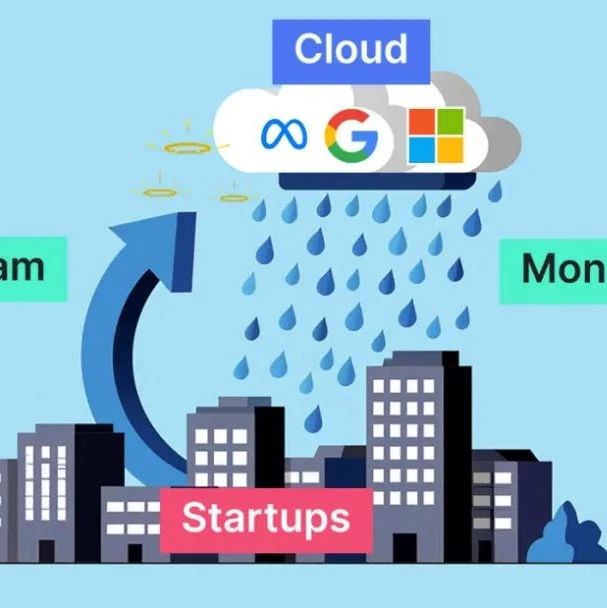
Core Viewpoint - The article discusses the evolving landscape of AI search services, particularly in light of Microsoft's decision to discontinue the Bing Search API, which has created a significant market opportunity for new players like Xiaosu Technology [1][3][22]. Group 1: Market Dynamics - Microsoft's withdrawal from the Bing Search API exposes a substantial market gap, prompting clients who relied on this service to seek alternatives, thus accelerating market share transfer to other service providers [3][4]. - The AI search market is likened to the early days of cloud computing, where large companies focused on consumer-facing services, inadvertently creating opportunities for smaller firms like Xiaosu Technology [8][9]. Group 2: Xiaosu Technology's Strategy - Xiaosu Technology has achieved an annual recurring revenue (ARR) of $25 million within months, indicating strong market traction [2]. - The company emphasizes three core capabilities: global service capacity, alignment with AI agent needs, and comprehensive expansion capabilities, which differentiate it from competitors [9][10][14]. - Xiaosu's intelligent search service covers over half of the leading AI native applications in China, showcasing its market penetration [15][22]. Group 3: Competitive Landscape - The competitive landscape post-Bing's exit includes both overseas and domestic players, with many lacking the necessary language capabilities or comprehensive service offerings to meet market demands [14][16]. - Xiaosu's competitive edge lies in its talent pool, which includes experienced professionals from early search companies, and its robust distributed infrastructure that supports low-latency global services [14][20]. Group 4: Future Outlook - The article suggests that the competition for AI infrastructure is just beginning, with a shift from consumer traffic battles to B2B foundational service contests [22][23]. - As AI evolves, the demand for real-time data and model invocation will become more complex, indicating a growing need for sophisticated search services tailored for AI applications [22].



ChatGPT Agent 团队专访:基模公司做通用 Agent,和 Manus 有什么不一样?
Founder Park· 2025-07-23 13:23
Core Insights - The article discusses the introduction of ChatGPT Agent by OpenAI, which combines deep research and operator capabilities to create a versatile agent capable of performing complex tasks without losing control over extended periods [1][6][13]. Group 1: ChatGPT Agent Overview - ChatGPT Agent is described as the first fully "embodied" agent on a computer, allowing seamless transitions between visual browsing, text analysis, and code execution [1][7]. - The agent can perform complex tasks for up to one hour without losing control, showcasing its advanced capabilities [13][19]. Group 2: Training Methodology - The training of ChatGPT Agent involved reinforcement learning (RL) where the model was given a variety of tools and allowed to discover optimal strategies independently [2][10]. - The agent utilizes a combination of a text browser and a graphical interface, enhancing its efficiency and flexibility in task execution [6][8]. Group 3: Functionality and Use Cases - ChatGPT Agent can handle various tasks, including deep research, online shopping, and creating presentations, making it suitable for both consumer and business applications [13][15]. - Users have reported practical applications such as data extraction from Google Docs and generating financial models, indicating its versatility [16][17]. Group 4: Future Developments - The team envisions continuous improvements in the agent's accuracy and capabilities, aiming to expand its functionality across a wide range of tasks [23][33]. - There is an emphasis on enhancing user interaction and exploring new paradigms for collaboration between users and the agent [34][36]. Group 5: Safety and Risk Management - The article highlights the increased risks associated with the agent's ability to interact with the real world, necessitating robust safety measures and ongoing monitoring [35][36]. - The development team is focused on creating a comprehensive safety framework to mitigate potential harmful actions by the agent [37][39].

小扎疯狂撬人,「HALO」正成为硅谷收购新形态
Founder Park· 2025-07-23 13:23
Core Viewpoint - The article discusses the emergence of a new transaction model in the AI industry known as HALO (Hire And License Out), which combines elements of hiring and licensing intellectual property, allowing startups to continue operating independently while providing financial returns to investors and employees [3][4]. Group 1: HALO Structure and Characteristics - HALO transactions are characterized by the hiring of a startup's core team while obtaining non-exclusive licensing of its intellectual property, resulting in substantial licensing fees distributed to investors and employees [3][6]. - The structure of HALO requires the startup, referred to as the "remaining company," to continue independent operations, which can lead to confusion about the nature of the transaction [6][9]. - HALO is seen as an evolution of the acquihire model, where the focus is on hiring talent rather than acquiring the company itself, allowing for higher premiums to be paid for strategic talent [10][11]. Group 2: Market Dynamics and Talent Value - The AI industry is witnessing a shift where talent is becoming more valuable than traditional assets, with companies willing to pay significant amounts to secure key personnel [4][17]. - The scarcity of experienced talent in AI is driving up competition, with valuations for newly established companies reaching billions, indicating a market belief in the value of human capital over technological assets [17][21]. - The article highlights that the current trend reflects a broader recognition that individuals may hold more value than the combined assets of a company, influencing investment strategies and valuations [21][22]. Group 3: Regulatory Environment and Future Implications - The rise of HALO is partly attributed to the increasingly politicized and uncertain nature of acquisition processes under current antitrust regulations, prompting companies to seek alternative methods for securing talent [13][14]. - HALO is positioned as a more honest representation of hiring practices, avoiding the complexities and risks associated with traditional acquisitions while still ensuring returns for stakeholders [14][15]. - The article suggests that while HALO is still in its infancy and may evolve, it represents a significant shift in how the industry values talent and structures transactions [23][28].
阿里开源最强编码模型 Qwen3-Coder:1M上下文,性能媲美 Claude Sonnet 4
Founder Park· 2025-07-23 08:21
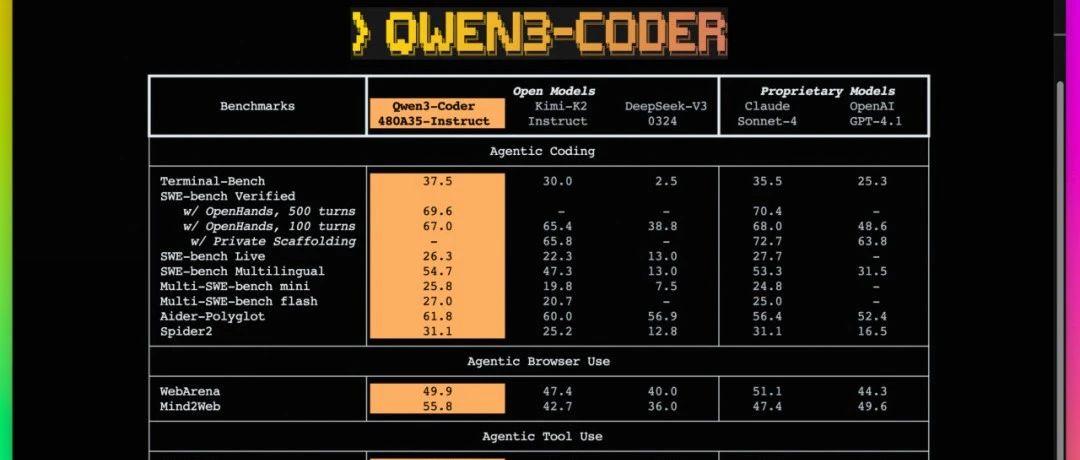
Core Viewpoint - The article discusses the release and features of the Qwen3-Coder model by Alibaba Cloud, highlighting its advanced capabilities in coding and agentic tasks, as well as its competitive performance against other models in the market [3][4][5]. Group 1: Model Features - Qwen3-Coder series includes various versions, with Qwen3-Coder-480B-A35B-Instruct being the most powerful, featuring 480 billion parameters and supporting 256K tokens natively, expandable to 1 million tokens [4]. - The model has achieved state-of-the-art (SOTA) results in areas such as Agentic Coding, Browser Use, and Tool Use, comparable to Claude Sonnet4 [5][6]. - The training data for Qwen3-Coder amounts to 7.5 terabytes, with 70% being code, enhancing its programming capabilities while maintaining general and mathematical skills [12]. Group 2: Technical Details - The model utilizes a unique approach to reinforcement learning (RL) by focusing on real-world software engineering tasks, allowing for extensive interaction and decision-making [16]. - A scalable environment for RL has been established, enabling the simultaneous operation of 20,000 independent environments, which enhances feedback and evaluation processes [16]. Group 3: Tools and Integration - Qwen Code, a command-line tool for agentic programming, has been developed to maximize the performance of Qwen3-Coder in coding tasks [17]. - The integration of Qwen3-Coder with Claude Code is also highlighted, allowing users to leverage both models for enhanced coding experiences [22][26]. Group 4: User Experience - Users can access Qwen3-Coder through the Qwen Chat web version for free, providing an opportunity to experience its capabilities firsthand [6][7]. - Various demos showcasing the model's capabilities, such as simulating a solar system and creating visual effects in coding environments, are available for users [8][9][10].

Trae 核心成员复盘:从 Cloud IDE 到 2.0 SOLO,字节如何思考 AI Coding?
Founder Park· 2025-07-23 04:55
Core Insights - The article discusses the rapid development of Trae, particularly the introduction of the SOLO mode, which allows for a comprehensive AI-driven software development process, covering planning, coding, testing, and deployment through natural language input [1][2][36]. Group 1: Trae's Evolution - Trae's direction evolved from exploring Cloud IDE products like MarsCode and Coze, leading to the development of Trae Native IDE after recognizing the limitations of Cloud IDE in the market [3][11]. - The transition from MarsCode to Trae was driven by the realization that while Cloud IDE technology was strong, the market was not yet mature enough to support it [11][12]. Group 2: AI Coding Stages - AI coding is categorized into stages: AI-assisted programming, AI pair programming, and AI self-driving programming, with Trae's products currently focusing on AI pair programming [14][24]. - The first stage, AI-assisted programming, includes advancements in code completion and generation, with tools like Trae Cue enhancing the coding experience [17][20][23]. Group 3: SOLO Mode and AI's Role - The SOLO mode represents a shift where AI takes a leading role in the coding process, transforming the traditional dynamic where programmers primarily code while AI assists [36][38]. - The SOLO mode aims to improve task completion efficiency by reducing the number of interactions required to complete a task, leveraging AI's capabilities [37][40]. Group 4: Future of IDEs - The future of IDEs is expected to move away from being code-centric, with a focus on integrating AI as a core component of the development process [45][46]. - The company is committed to continuous improvement and innovation in AI coding tools, aiming to reshape developer experiences and expectations in the coming years [46].
8 月、上海,每年一度的谷歌开发者大会来了
Founder Park· 2025-07-22 12:27
Group 1 - Three notable AI entrepreneur competitions are taking place this month, including two low-code AI competitions from Meituan NoCode community and YouWare, as well as an AI hardware innovation competition hosted by the Bund Conference [1] - The 2025 Google Developer Conference will be held in Shanghai in August, alongside the final stop of the "From Model to Action" AI workshop series co-hosted by Founder Park and Google, which has received positive feedback from developers in previous sessions [2][4] Group 2 - The YouWare AI App Challenge runs from July 10 to July 31, 2025, offering insights, hands-on practice, and opportunities to connect with other teams and developers, with a $2,000 prize pool [7][8] - The 2025 Bund Conference AI hardware innovation competition, co-initiated by Ant Group and others, is open for registration until August 4, 2025, targeting developers and entrepreneurial teams in the AI hardware field [8][9] - The 2025 Google Developer Conference is scheduled for August 13-14, 2025, focusing on exploring Google's latest developer tools and technologies [8][10]


4个月11万用户、Claude Code成了,Dogfooding该被AI公司重视起来了
Founder Park· 2025-07-22 12:27
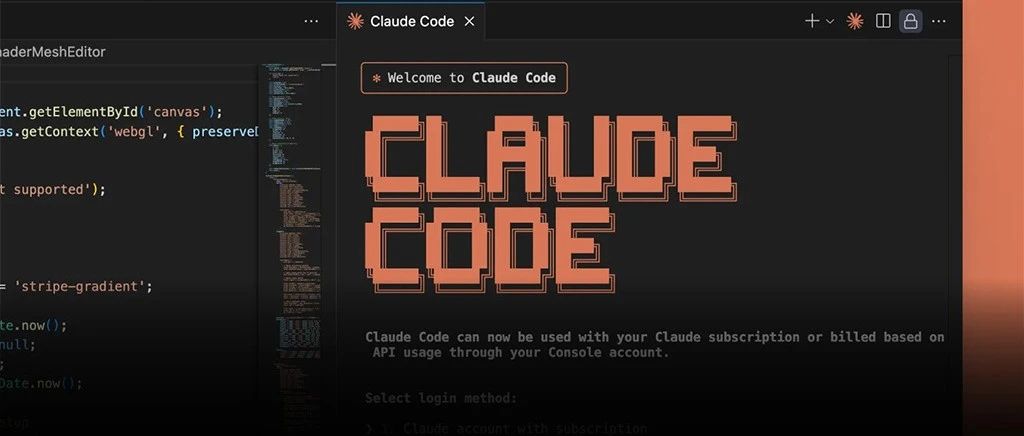
Dogfooding(内部试用) 应该被 AI 创业公司重视起来了。 对于今天的 AI 公司来说,「先解决自己的问题,完全可能带来改变整个市场的突破性产品。」 比如,Anthropic 今年推出的 Claude Code,就是这样的一个典型。与其他 AI Coding 产品不同的是,Claude Code 源自公司内部工具孵化,在经过高强度的 内部使用和真实使用场景验证之后,对外发布。 也正是因为从真实的用户需求角度出发,Claude Code 相比于其他产品,功能设计更能切中开发者的核心体验。所有交互都可以通过命令行完成、全局代 码库理解能力等等,这种独特的优势,加上背后强大的基础模型能力以及高性价比,让 Claude Code 仅在发布四个多月后,便拥有了 11 万开发者用户。 Claude Code 的成功或许说明了一点:深度、真实的内部试用是最终的、不可复制的竞争优势。最好的产品往往不是来自市场调研,而是来自于解决自己 每天面临的真实问题。 对于今天还在苦苦寻找 PMF 的 AI 初创公司来说,Dogfooding 很重要。 Gennaro Cuofano 最近的一篇博客文章,详细地介绍了 Claud ...
现在全世界最好的开源模型,是 Kimi、DeepSeek 和 Qwen
Founder Park· 2025-07-21 13:26
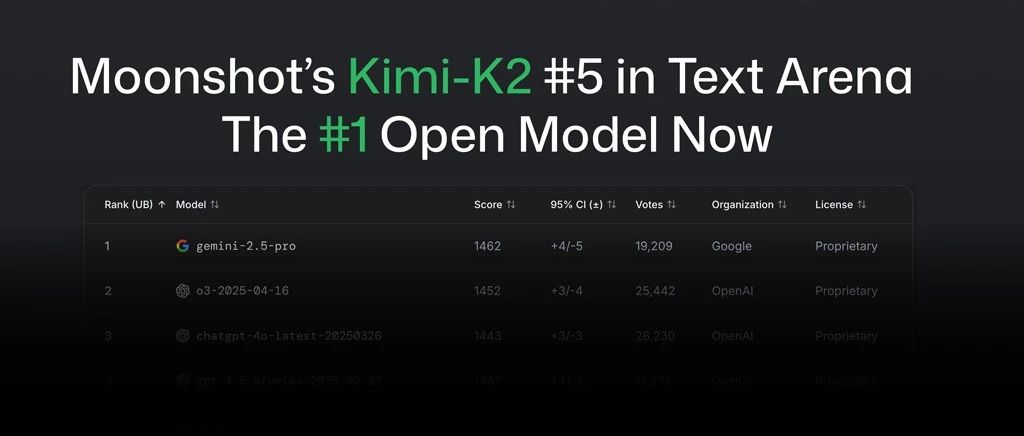
Core Viewpoint - Kimi K2 is recognized as a leading open-source model, outperforming other models and gaining significant traction in the AI community, particularly in China [1][12][13]. Group 1: Model Performance and Recognition - Kimi K2 has achieved the highest ranking among open-source models on LMArena, surpassing DeepSeek R1 and becoming the most powerful open-source model globally [1][9]. - The model has received positive feedback from the international tech community, with Jack Clark, co-founder of Anthropic, labeling it as the best open-source weight model available [12][15]. - K2's performance is comparable to top models from leading Western companies, indicating a significant advancement in Chinese AI technology [13][14]. Group 2: Community Engagement and Adoption - Following its release, K2 quickly became the most popular model on Hugging Face, maintaining this status for over a week [5]. - The model has seen over 140,000 downloads and has inspired the development of 20 fine-tuned and quantized models within a short period [7]. - Major AI coding software platforms, such as VS Code and Cursor, have integrated K2, highlighting its growing adoption in practical applications [10]. Group 3: Strategic Implications for the Industry - The success of K2 is seen as a pivotal moment for Chinese AI models, akin to the "DeepSeek moment," suggesting a shift in the competitive landscape of open-source models [11][16]. - The open-source strategy adopted by companies like Moonshot is viewed as essential for survival and competitiveness in the current market, allowing for rapid iteration and community support [21][22]. - The emergence of K2 and similar models indicates a growing gap between Western and Chinese open-source models, with the latter leading in practical applications and accessibility [17][19].
Meta AI 梦之队成员背景大盘点,44 人中近一半为华人研究员
Founder Park· 2025-07-21 13:26
Core Insights - Meta is aggressively recruiting top talent from AI companies, particularly OpenAI, to enhance its AI capabilities, with a focus on building a "superintelligence" team [1][4][49] - A leaked list reveals that 44 top AI researchers have joined Meta, with 40% coming from OpenAI, 20% from DeepMind, and 15% from Scale AI, highlighting a significant influx of talent [5][49] - The recruitment strategy includes offering substantial financial incentives and promises of unlimited computational resources, which are attractive to researchers [49][50] Group 1: Recruitment Strategy - Meta's recruitment efforts were inspired by a conversation between Mark Zuckerberg and OpenAI's Chief Researcher Mark Chen, who suggested investing in talent [4][49] - Despite offers of up to $300 million, at least 10 OpenAI employees declined to join Meta, indicating a strong loyalty to their current employer [4][49] - The recruitment list includes a significant number of Chinese researchers, with 50% of the team members being from China [5][47] Group 2: Talent Profile - The majority of the recruited researchers hold advanced degrees, with 75% having PhDs and 70% previously working as researchers [5][49] - Notable recruits include Chengxu Zhuang, Chenxi Liu, and Chunyuan Li, who have impressive academic backgrounds and experience in leading AI projects at top companies [8][12][16] - The list features a diverse range of expertise, including natural language processing, computer vision, and multimodal generation, showcasing Meta's aim to cover various AI domains [5][49] Group 3: Competitive Landscape - Meta's commitment to building powerful computational resources includes plans to invest hundreds of billions to create multiple gigawatt-level supercomputing clusters [49][50] - OpenAI is also ramping up its capabilities, planning to deploy 1 million GPUs by 2025/2026, which would represent a significant resource allocation for AI training [54] - The competition between Meta and OpenAI is intensifying, with both companies vying for dominance in AI research and development [54][55]


16 个月、45 万资金投入,一款 AI 社交产品的创业失败复盘
Founder Park· 2025-07-19 16:26
Core Viewpoint - The article discusses the failure of an AI social tool for couples named "Hug Nest," highlighting the importance of validating product-market fit (PMF) and user willingness to pay before scaling a startup team and operations [3][4]. Group 1: Project Overview - The project "Hug Nest" aimed to create an independent app for couples, featuring instant messaging and an AI chatbot to enhance communication and collaboration [3]. - The project lasted for 1 year and 4 months, involving approximately 35 part-time/intern participants and 2 full-time employees for 21 months, with a total expenditure of around 450,000 yuan [4]. Group 2: SWOT Analysis - Strengths include product manager experience, entrepreneurial enthusiasm, and basic funding with risk tolerance [9]. - Weaknesses involve lack of development, operation, and financing experience, as well as insufficient funding compared to competitors [9]. - Opportunities exist in the AI application market, particularly in the couple interaction space, which has a low penetration rate among leading players [12]. - Threats include increasing competition and the potential for AI capabilities to improve rapidly, making it harder to maintain a competitive edge [9]. Group 3: Entrepreneurial Journey - The company planned to invest a maximum of 500,000 yuan over one year, with the first app version launched in February 2025, facing multiple delays and bugs [48]. - The team structure evolved from part-time to full-time members, with challenges in maintaining consistent delivery and quality of the product [39][44]. - The company faced difficulties in establishing a stable team, leading to a reliance on part-time contributors, which hindered effective product development [46]. Group 4: Lessons Learned - The company recognized the need for a clear timeline and defined goals to avoid premature optimization and ensure focus on core functionalities [50]. - It was emphasized that understanding user pain points and having a clear value proposition are crucial for effective team communication and project direction [59]. - The importance of validating ideas through user feedback and market research was highlighted, suggesting that early-stage projects should prioritize simplicity and clarity in their business model [63][64].