
医疗器械出海

Search documents
微创机器人-B:中国手术机器人领军者,“让天下没有难做的手术”-20260211
Huaan Securities· 2026-02-11 07:25
Investment Rating - The investment rating for the company is "Buy" [1][10]. Core Insights - The surgical robot industry has a broad prospect with high clinical value, driven by both industry and policy [4][5]. - The domestic industry is at a pivotal moment, with increasing approval of domestic surgical robots and a growing number of local brands [4][5][6]. - The company is a leading player in the domestic surgical robot market, with a rich product portfolio and positive clinical feedback [7][8]. Summary by Sections Company Overview - The company, Shanghai MicroPort Medical Robotics, focuses on the design, development, and commercialization of surgical robots, aiming to assist surgeons in complex surgeries [17]. - Established in 2014, the company has developed a platform for innovation and industrialization in surgical robots, with multiple products approved for clinical use [18][20]. Market Potential - The global surgical robot market is expected to grow significantly, with a projected market size of $21.2 billion by 2024, reflecting a compound annual growth rate (CAGR) of 22.4% from $7.7 billion in 2019 [42]. - The laparoscopic surgical robot segment is the largest, accounting for over 50% of the total market [42]. Product Portfolio - The company has a diverse range of products, including the TUMAI laparoscopic surgical robot series and the Honghu orthopedic surgical robot series, with a total of seven commercialized products [8][20]. - The TUMAI series has been recognized in over 40 countries and regions, achieving significant sales and installations [8]. Financial Projections - Revenue is expected to reach RMB 569 million, RMB 896 million, and RMB 1.308 billion in 2025, 2026, and 2027, respectively, with year-on-year growth rates of 121%, 57%, and 46% [9][12]. - The company is projected to narrow its losses significantly, with a forecasted net profit of RMB 530 million by 2027 [9][12]. Competitive Landscape - The domestic market is seeing an increase in competition, with 11 local brands now approved for surgical robots, indicating a shift towards domestic alternatives to established international brands [5][53]. - The company maintains a competitive edge through its advanced technology and product offerings, which are well-received in both domestic and international markets [6][8].
南微医学(688029):内镜诊疗耗材龙头亮剑全球
HTSC· 2026-02-10 10:47
Investment Rating - The report maintains a "Buy" rating for the company with a target price of RMB 97.65 [1][5] Core Insights - The company, Nanwei Medical, is a leading domestic player in endoscopic medical consumables, with significant growth in international markets, particularly in developed countries. From 2014 to 2024, overseas revenue is expected to grow 12.6 times, with nearly 60% of revenue coming from international markets in 9M25. The company is well-positioned to benefit from a stable domestic policy environment regarding centralized procurement [1][16] - The report highlights the company's strong global expansion capabilities, with a compound annual growth rate (CAGR) of 30% in overseas revenue from 2013 to 2024. The direct sales model has significantly increased its contribution to revenue, indicating a robust international market presence [2][4] Summary by Sections Overseas Market Performance - The company has achieved a CAGR of 30% in overseas revenue from 2013 to 2024, with 9M25 overseas revenue reaching RMB 1.4 billion, a year-on-year increase of 42%. The Americas, EMEA, and Asia-Pacific regions have shown growth rates of 20%, 73%, and 32% respectively, with overseas revenue accounting for 59% of total revenue [2][16] - The global endoscopic market is projected to grow from approximately USD 6 billion in 2023 to USD 7.4 billion by 2026, with the company currently holding less than 6% market share, indicating significant growth potential [2][33] Domestic Market Dynamics - The impact of centralized procurement on domestic revenue is expected to diminish, with the company winning bids in key regions without further price declines. The government has emphasized quality over price in procurement policies, which stabilizes expectations for future revenue [3][18] - Domestic revenue for 9M25 was RMB 980 million, reflecting a year-on-year decrease of 4.7% due to procurement pressures, but the company anticipates a gradual recovery as overseas revenue continues to grow [3][24] Differentiation from Market Views - The report argues that concerns regarding the impact of centralized procurement are manageable and decreasing. The company’s overseas revenue share is expected to continue rising, while the share of non-procurement products in domestic revenue is likely to decline [4][19] - The market has not fully recognized the company's exceptional global business capabilities, with overseas revenue growth and contribution metrics indicating that Nanwei Medical is among the top tier of domestic medical device companies [4][19] Financial Projections - The company forecasts net profits of RMB 600 million, RMB 710 million, and RMB 840 million for 2025, 2026, and 2027 respectively, with corresponding earnings per share (EPS) of RMB 3.22, RMB 3.76, and RMB 4.49. The valuation is set at 26x PE for 2026, leading to a target price of RMB 97.65 [5][9]

海圣医疗(920166):北交所新股申购策略报告之一百六十:国内麻醉监护耗材头部企业,募投扩产提高市场份额-20260203
Shenwan Hongyuan Securities· 2026-02-03 12:53
Investment Rating - The investment rating for the company is not explicitly stated in the provided documents, but the report suggests active participation in the stock subscription due to its favorable valuation and market position [23]. Core Insights - The company, established in 2000 and headquartered in Shaoxing, Zhejiang, specializes in anesthesia and monitoring medical devices, with a diverse product line that includes anesthesia, monitoring, surgical, and nursing equipment [3][7]. - The company holds a leading market share in the domestic anesthesia and monitoring consumables market, supported by its competitive advantages in core technologies and a strong customer base [3][8]. - Revenue is projected to reach 304 million yuan in 2024, with a three-year CAGR of +6.51%, while net profit is expected to be 70.92 million yuan, with a CAGR of +0.57% [9]. Summary by Sections 1. Company Overview - The company is a leading player in the domestic anesthesia monitoring consumables market, with a strong brand presence and a wide range of products used in various clinical settings [7]. - It has established competitive advantages in key technologies, including invasive blood pressure sensor packaging and bioelectrical signal acquisition [8]. 2. Issuance Plan - The new share issuance will adopt a direct pricing method, with an issue price of 12.64 yuan per share and an initial issuance scale of 11.2941 million shares, accounting for 15% of the total share capital post-issuance [13][14]. - The expected market capitalization after issuance is 952 million yuan, with a PE ratio of 11.09, significantly lower than the median PE of comparable listed companies at 18 [14][26]. 3. Industry Situation - The demand for anesthesia monitoring devices is driven by the aging population and increasing surgical volumes, with over 65 million general anesthesia surgeries performed annually in China [16]. - The global market for medical devices is expanding, and Chinese medical device companies are increasingly gaining a foothold internationally [16]. 4. Competitive Advantages - The company has a comprehensive product matrix that meets the needs of various clinical applications, supported by a robust sales network covering all provinces in China [17]. - It has established long-term partnerships with international medical device companies, enhancing its market position [18]. 5. Comparable Companies - The company’s revenue structure shows a significant focus on anesthesia consumables (52.6%) and monitoring consumables (36.6%), indicating a strong specialization in these areas compared to peers [22].
2025年蓝帆医疗的关键一跃:心脑血管业务时隔5年重回规模化盈利
Jing Ji Guan Cha Wang· 2026-02-02 04:48
Core Viewpoint - Bluefan Medical is set to achieve significant milestones in 2025, particularly in its cardiovascular business, which is expected to return to profitability after previous losses due to national procurement policies and global health events [1] Group 1: Financial Performance - The cardiovascular business is projected to generate approximately 1.4 billion yuan in sales for 2025, representing over a 24% increase from the previous year, positioning the company among the industry leaders [2] - Despite a one-time valuation loss of about 120 million yuan related to its investment in Suzhou Tongxin Medical Technology, the core operations of the cardiovascular division remained profitable, demonstrating strong resilience and growth potential [2] Group 2: Investment Opportunities - The company’s investment in Suzhou Tongxin Medical, a leader in the artificial heart sector, is expected to yield substantial returns as the company has submitted its prospectus for an IPO on the Sci-Tech Innovation Board [3] - The core product of Suzhou Tongxin, the CH-VAD, is the first fully magnetic levitation left ventricular assist device approved in China, with significant clinical implantation success, indicating a strategic investment payoff for Bluefan Medical [3] Group 3: Product Development and Market Expansion - Bluefan Medical has made significant strides in product approvals across various cardiovascular segments, including coronary intervention and structural heart disease, enhancing its revenue generation capabilities [4] - The company has received multiple product approvals, including the coronary artery balloon dilation catheter and the coronary artery scoring balloon, which strengthen its market position in the "intervention without implantation" trend [4] - The company’s overseas subsidiary has achieved CE certification for the Lithonic coronary intravascular shockwave therapy system, marking a significant international market entry and reinforcing its global competitive edge [5] Group 4: Sales and Market Strategy - The company has ranked highly in the latest national procurement results for high-value medical consumables, which is expected to enhance its market share in the domestic coronary intervention sector [7] - Bluefan Medical is actively building a "self-research + agency" platform to facilitate the international expansion of domestic innovative medical devices, establishing itself as a key player in the global market [8] - Collaborations with various domestic and international firms are being leveraged to create a robust platform for Chinese innovative medical devices to enter overseas markets [8] Group 5: Overall Growth and Future Outlook - 2025 is identified as a pivotal year for Bluefan Medical, with breakthroughs in profitability, product offerings, and international expansion, positioning the company for high-quality growth and enhanced overall value [8]

从技术跃迁到价值兑现,鱼跃医疗的出海新局
Mei Ri Jing Ji Xin Wen· 2026-02-02 03:02
Core Insights - The article highlights the rapid advancement of Chinese medical device companies, particularly Yuyue Medical, in overcoming technological barriers and moving towards the mid-to-high end of the global industrial chain [2] - Yuyue Medical's continuous glucose monitoring system (CGM) has received CE certification under the EU Medical Devices Regulation (MDR), marking a significant milestone for the company and the Chinese medical device industry [2][3] Group 1: Product Development and Market Position - Yuyue Medical has focused on respiratory therapy, blood glucose management, POCT, and home health testing, supported by strong R&D capabilities [3] - The blood glucose management and POCT segment has experienced double-digit growth since 2022, showcasing the successful transformation of Yuyue Medical's innovative achievements [3] - The "Anytime" series of CGM products, particularly Anytime 4 and Anytime 5, have been launched, expanding the applicability of blood glucose monitoring in various settings and achieving significant advancements in performance [3][4] Group 2: Market Expansion and International Strategy - Yuyue Medical aims to accelerate its overseas expansion, focusing on building international teams and enhancing market access for its blood glucose management business [6] - The company has established R&D centers in strategic locations such as Italy, the Netherlands, and Germany, and has subsidiaries in the U.S., Brazil, Thailand, and Indonesia, creating a comprehensive network across over 130 countries [6] - The global CGM market is expected to grow significantly, with projections indicating a market size of $35.44 billion by 2032, positioning China as a key growth driver due to favorable policies and demand [7]


归创通桥董事长赵中:未来三至五年,国产医疗器械市场份额有望过半
Mei Ri Jing Ji Xin Wen· 2026-01-21 13:03
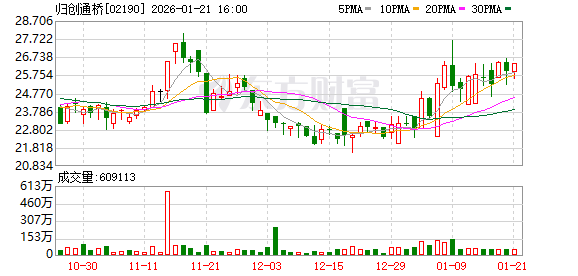
Core Viewpoint - The domestic high-value medical consumables market is undergoing significant changes due to centralized procurement, with domestic companies expected to capture approximately 70% of the mainstream market in the coming years [1][2]. Group 1: Market Dynamics - The sixth batch of national centralized procurement for high-value medical consumables was announced, with 202 companies and 440 products winning bids, indicating a shift towards domestic brands [1]. - Since the implementation of centralized procurement in 2020, the market share of imported brands, which previously dominated over 90%, has been continuously eroded, leading to significant price reductions in products like coronary stents and drug-coated balloons [1][2]. - The average price of joint bone cement dropped by 83.13% due to centralized procurement, significantly reducing the financial burden on patients [2]. Group 2: Competitive Landscape - Domestic companies face a more severe challenge in the medical device sector compared to pharmaceuticals, as the technological gap between domestic products and imported brands is more pronounced [2]. - The centralized procurement model has created a dual-edged sword for domestic companies, allowing them to gain market access while also compressing profit margins due to intense price competition [2][3]. Group 3: Company Performance - Guichuang Tongqiao has actively embraced centralized procurement, resulting in a compound annual growth rate of 50-60% in performance after its products were included in procurement lists [3]. - The company has successfully maintained a gross margin of 71.6% in 2024, only slightly down from 2023, indicating resilience against price pressures [4]. Group 4: Future Outlook - The market for neuro-interventional consumables is expected to slow down after rapid growth, while the peripheral vascular business is projected to maintain a steady growth rate of around 40% [5]. - The company recognizes the need to enhance product quality and build trust among clinicians to facilitate the adoption of domestic brands [5]. Group 5: International Expansion - The international market for medical devices is significantly larger than the domestic market, making global expansion a necessity for companies like Guichuang Tongqiao [6][8]. - The company has entered into an agreement to acquire a stake in the German medical technology company Optimed, aiming to leverage its established R&D and commercialization platform in Europe [8][9]. - Innovation is deemed essential for gaining recognition in mainstream international markets, with the company focusing on both mergers and innovative product development to enhance its global presence [9].
归创通桥董事长赵中:未来三至五年 国产医疗器械市场份额有望过半
Mei Ri Jing Ji Xin Wen· 2026-01-21 12:59
Core Viewpoint - The recent announcement of the sixth batch of high-value medical consumables procurement in China indicates a significant shift towards domestic brands, with industry experts predicting that leading domestic companies will capture approximately 70% of the mainstream market [2]. Group 1: Market Dynamics - Since the implementation of high-value consumables procurement in 2020, the process of domestic substitution has accelerated, with imported brands previously dominating over 90% of the market share being increasingly challenged [2]. - The average price of coronary stents has dropped to around 1,000 yuan, and drug-coated balloon prices have also fallen to similar levels, significantly reducing surgical costs [2]. - By 2024, the market share of domestic neurointerventional products has risen to 26%, reshaping the competitive landscape [5]. Group 2: Company Performance - Guichuang Tongqiao has successfully embraced procurement, resulting in a compound annual growth rate of 56% in performance after its products were included in the procurement list [4]. - The company has maintained a gross margin of 71.6% in 2024, only slightly down by 1.3 percentage points from 2023, indicating resilience against price pressures [5]. - Guichuang Tongqiao's products have achieved significant market penetration, with certain products like the capture device leading in market share in Hebei [5]. Group 3: Challenges and Opportunities - Despite the rapid growth of domestic medical devices, there remains a notable gap in innovation capabilities compared to foreign counterparts, with many domestic products lacking substantial intellectual property [2][3]. - The procurement model has created a dual-edged sword for domestic companies, providing opportunities for market access while also compressing profit margins due to intense price competition [3]. - The company recognizes the need to build trust with clinicians, who are often accustomed to using imported products, emphasizing the importance of product quality and user education [6]. Group 4: International Expansion - The international market presents a significant opportunity for domestic medical device companies, with Guichuang Tongqiao already entering over 80 countries and regions [9]. - The company plans to expand its global footprint through acquisitions, such as the agreement with Optimed Medizinische Instrumente GmbH, to leverage established R&D and commercialization platforms in Europe [9]. - Innovation remains crucial for gaining recognition in mainstream markets, with the company acknowledging the longer timelines required for medical device innovation compared to pharmaceuticals [10].
医疗器械出海深度(二)复盘希森美康:海外深耕,属地筑基
Changjiang Securities· 2026-01-21 00:40
Investment Rating - The report maintains a "Positive" investment rating for the healthcare industry, specifically for companies with high overseas revenue ratios [12]. Core Insights - The report reviews the development path of Sysmex over the past 20 years, concluding that the company has established itself as a global medical device company with over 50% of its revenue coming from overseas since 2003 [4][10]. - Continuous improvement in sales share in overseas markets requires localized deployment, including direct sales teams and local production [4]. - Profit growth is expected to lag behind revenue growth due to high initial overseas investment and elevated sales and management expenses, but profit margins are anticipated to improve as revenue scales up, entering a "Davis Double" phase [4]. - Emerging markets are projected to be the core markets for future overseas sales, with revenue growth expected to maintain a rapid pace of over 20% [4]. Summary by Sections Sysmex's Global Strategy - Sysmex's revenue from overseas markets grew from $464 million in 2005 to $2.894 billion in 2024, with a compound annual growth rate (CAGR) of 10.11% [8][31]. - The company has undergone significant stock price growth, increasing over 50 times in the past 25 years, driven by performance releases and valuation improvements [8][40]. - The company has established a comprehensive localization strategy in the U.S. and Europe, transitioning from distribution to direct sales and production base construction [9][77]. Regional Performance - In Japan, Sysmex's revenue is projected to grow from $313 million in 2005 to $445 million in 2024, with a CAGR of 1.86% [31]. - The U.S. market has seen a shift from distribution to direct sales since 2003, significantly enhancing brand strength and market share [86]. - The Asia-Pacific region has shown robust growth, with reagent revenue expected to increase from 19.9 billion yen in 2021 to 35.1 billion yen in 2024, reflecting a CAGR of 20.8% [73]. Investment Recommendations - The report suggests focusing on Chinese companies with high overseas revenue ratios, such as Mindray Medical and South Micro Medical, which are transitioning from relying on distributors to building localized teams [10][115]. - Companies with established experience and localized teams are expected to see accelerated growth in overseas revenue as product strength and brand recognition improve [10].
医药行业2026年度医疗器械策略报告出海篇:破局内卷,向全球价值链中高端迈进-20260113
NORTHEAST SECURITIES· 2026-01-13 09:14
Core Insights - The report emphasizes that the Chinese medical device industry is transitioning from rapid domestic growth to a more stable development phase, driven by increasing pressure from medical insurance funding and comprehensive payment reforms. As a result, "going global" has become a strategic necessity for advanced domestic manufacturers [2][3] - The report highlights that the Chinese medical device sector has developed the hard power necessary for global competition, with high-end equipment and high-value consumables rapidly establishing their presence in global supply chains. The increasing share of overseas revenue will become a core indicator of growth and valuation for medical device companies [2][3] Group 1: Market Growth and Strategic Shifts - The medical device market is expected to reach CNY 941.7 billion by 2024 and CNY 1,813.4 billion by 2035, with a CAGR of 6.14% from 2024 to 2035. The global market is projected to grow from USD 623 billion in 2024 to USD 1,157.6 billion by 2035, with a CAGR of 5.80% [17] - Domestic companies are accelerating their international expansion due to internal pressures, including the impact of centralized procurement policies that have significantly reduced prices in the domestic market [21][22] Group 2: International Expansion and Challenges - The report notes that many domestic high-value consumables are gaining FDA and CE certifications, indicating a growing international recognition of Chinese manufacturing capabilities. This trend is particularly evident in Southeast Asia and South America, where companies are gaining experience before tackling more stringent markets like the EU and the US [3][4] - The report discusses various patent disputes faced by Chinese companies during their international expansion, highlighting the challenges of overcoming established international competitors' patent barriers. This includes cases involving major companies like Mindray and Times Angel [27][28] Group 3: Product Categories and Market Dynamics - High-end medical devices, such as imaging equipment and surgical robots, are leading the charge in international markets, with companies like United Imaging and Mindray making significant strides in Europe and the US [3][4] - The report indicates that the demand for high-value consumables is increasing, with companies focusing on innovation and clinical effectiveness to enhance their competitive edge in global markets [4][5] Group 4: Supply Chain and Localization Strategies - The establishment of global marketing networks and supply chain systems is essential for the international success of medical device companies. This includes setting up local subsidiaries, warehouses, and production bases in key markets [3][4] - The report emphasizes the importance of academic promotion and clinical trials in gaining market acceptance, particularly in high-end markets where local healthcare systems may require extensive clinical data for reimbursement [32][33]
在共识与非共识之间:操昭煦的医药选股逻辑与国际化布局
Jing Ji Guan Cha Bao· 2026-01-07 01:36
Core Viewpoint - The pharmaceutical sector is undergoing subtle changes driven by a "fourfold resonance" of policy, performance, research, and international expansion, despite a low market sentiment and frequent funding disruptions [1] Group 1: Investment Strategy - The newly launched Hongde Pharmaceutical Selected Mixed Fund, managed by Cao Zhaoxu, aims to explore undervalued areas within the pharmaceutical sector and reassess the future potential of innovative drugs [1] - Cao Zhaoxu emphasizes the importance of a scientific background in investment, which aids in understanding the pharmaceutical knowledge system and identifying opportunities hidden within the industry [2] - The investment philosophy has evolved from a focus on growth to recognizing the cyclical nature of the pharmaceutical industry, acknowledging that each sector has its own lifecycle [3] Group 2: Stock Selection Framework - Cao Zhaoxu employs a layered company analysis method, categorizing companies based on growth potential, market space, business model, and management culture, akin to a barrel model where any weak link can limit investment decisions [5] - The decision-making process involves balancing growth, certainty, and valuation, with a focus on assessing risk through discussions with differing viewpoints [5] - The analytical framework is dynamic, adapting to the fast-evolving pharmaceutical landscape, with a shift in focus expected towards overseas clinical advancement capabilities [5] Group 3: Internationalization Focus - The fund's strategy prioritizes companies with internationalization capabilities, reflecting a trend that is expected to dominate pharmaceutical investments over the next decade [7] - Chinese pharmaceutical companies are seen to have significant advantages due to the large population and high-quality clinical resources, which are crucial for drug development [7] - The investment focus for 2026 will remain on innovative drugs with overseas clinical capabilities, while medical device companies with substantial overseas revenue are also highlighted as potential growth areas [7] Group 4: Market Outlook - The current valuation of the pharmaceutical sector, particularly in innovative drugs, is considered attractive following recent corrections, suggesting a favorable time for investment [7] - The long-term trend indicates that healthcare spending as a percentage of GDP in China is expected to rise, potentially leading to higher growth rates in the pharmaceutical industry compared to nominal GDP [8] - Upcoming technological breakthroughs, such as multi-cancer early detection based on gene sequencing, are anticipated to create new medical demands and drive long-term growth in the pharmaceutical sector [8]