思宇MedTech

Search documents
募资近10亿!可穿戴除颤器赛道迎来重要一跳
思宇MedTech· 2025-12-04 05:31
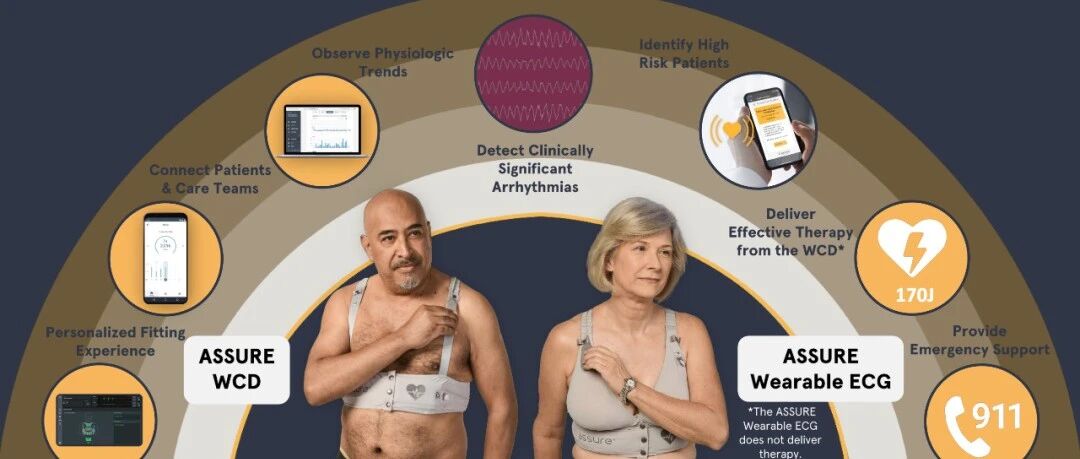
Core Viewpoint - Kestra Medical Technologies has successfully completed a significant common stock offering of approximately $138 million, which will be utilized for ongoing investment and commercialization in the wearable defibrillator (WCD) technology sector [2][13]. Industry Background - Serious cardiac events such as arrhythmias and ventricular fibrillation are major causes of sudden cardiac arrest and sudden cardiac death. For high-risk patients, a wearable cardioverter defibrillator (WCD) is considered an important transitional protective measure [3]. - The traditional WCD market has been dominated by a few products, but increasing demands for device portability, comfort, false alarm rates, and remote monitoring capabilities have created opportunities for technological innovation and commercialization of next-generation WCDs [3]. Company and Positioning - Founded in 2014, Kestra Medical Technologies focuses on wearable medical devices and digital health solutions, aiming to provide protection and care support for high-risk cardiac patients through intuitive, smart, and connected monitoring and treatment technologies [4]. - The core product line includes the ASSURE Cardiac Recovery System, along with a digital platform and patient application, positioning the company as a comprehensive service provider for long-term cardiac management and follow-up [4]. Core Product — ASSURE WCD - The ASSURE WCD is designed for patients at high risk of arrhythmias who are not suitable for immediate ICD implantation [5]. - The system emphasizes comfort, wearability, real-time monitoring, and automatic intervention, allowing patients to receive heart rhythm protection during normal daily activities [9]. Latest Clinical Data - In November 2025, Kestra presented results from the ACE-PAS study at the American Heart Association Scientific Sessions, which included 21,612 patients, making it the largest real-world clinical practice study of WCDs to date. The data confirmed the ASSURE system's safety, effectiveness, and wearability [12]. Use of Funds from Recent Financing - The recent $138 million common stock issuance will provide Kestra with sufficient funds to support further clinical research, scale production, enhance remote monitoring capabilities, and expand market coverage [13][14]. Conclusion - Kestra Medical Technologies is advancing the development of wearable heart rhythm protection devices through the ASSURE WCD and its digital health ecosystem. The data from large-scale real-world studies enhances trust in the device among clinicians and patients, supporting its broader application in arrhythmia protection, monitoring, and remote management [14].

出海时代的技术沟通:为什么人工心脏需要统一语言?
思宇MedTech· 2025-12-03 05:18
Core Viewpoint - The article emphasizes the necessity for a unified language in the medical technology field, particularly regarding the terminology used for blood pump bearing technologies, to ensure ethical communication and patient safety [2][3]. Group 1: Importance of Terminology - Accurate terminology in medical devices is crucial as it directly impacts clinical decisions and patient safety [2]. - The inconsistency in terminology, particularly regarding "fully magnetically levitated" blood pumps, can lead to misunderstandings among manufacturers, clinicians, and regulators [3][4]. - The call for a standardized language is essential as more Chinese medical devices enter international markets, facing diverse regulatory and cultural challenges [3][4]. Group 2: Case Study of Blood Pump Technologies - The article discusses a specific case involving the CorHeart 6 blood pump, which was described differently by industry representatives and independent experts, highlighting the need for open scientific discussions to resolve such discrepancies [3][4]. - The classification of blood pump bearings is critical, with three fundamental types identified: contact-type plain bearings, hydrodynamic bearings, and magnetic bearings [6][22]. - The differences between magnetic and hydrodynamic bearings are significant, particularly regarding their impact on hemocompatibility and blood damage characteristics [10][27]. Group 3: Recommendations for Manufacturers - Manufacturers are urged to ensure that their descriptions align with international consensus and that the terminology used in marketing and technical documents is clear and consistent [4][5]. - It is recommended that manufacturers disclose the rotor suspension methods of their products, including any combination of magnetic and hydrodynamic support, to promote transparency [5][18]. - The article advocates for the establishment of an independent working group to standardize definitions and classifications of blood pump technologies to enhance scientific clarity and patient safety [12][32].

最新!史赛克前高管加入奥林巴斯旗下公司
思宇MedTech· 2025-12-03 05:18
Core Viewpoint - The appointment of Erik Todd as CEO of Swan EndoSurgical marks a significant transition from technology incubation to commercialization for the company, which is focused on developing endoscopic surgical robots for gastrointestinal diseases [2][7]. Industry Background: The Rise of Endoscopic Surgical Robots - Gastrointestinal diseases have a high global incidence, with increasing cases of digestive tumors, early cancers, and complex polyps highlighting the limitations of traditional endoscopic techniques [3]. - The introduction of robotic technology is seen as a natural solution to overcome the bottlenecks of traditional methods, which rely heavily on physician experience and have limited precision [3]. - Major medical device companies are increasingly investing in surgical robotics, with a notable gap in the market for gastrointestinal endoscopic surgeries, which presents a high technical barrier [3]. - Olympus, a leader in endoscopy, is leveraging Swan EndoSurgical to transition from traditional imaging systems to a "robotics + AI + minimally invasive treatment" model [3]. Leadership Transition: From Stryker to Swan - Erik Todd brings over 25 years of experience in medical devices and surgical robotics, recognized as a leader in bringing products to market [4]. - During his tenure at Stryker, he led the development and commercialization of several robotic platforms, including the widely used Mako system [6]. - Todd's expertise in integrating technology innovation with commercial execution is expected to help Swan establish a systematic product development framework and accelerate the transition from concept validation to clinical and market stages [6][7]. Product Direction: Endoscopic Robotic System - Swan is developing a flexible endoscopic robotic system aimed at minimally invasive treatment of complex gastrointestinal conditions, addressing the limitations of traditional endoscopy [10]. - The product roadmap includes five stages, integrating Olympus's high-resolution imaging with Swan's robotic control arms and flexible navigation systems to achieve a closed-loop function of diagnosis, navigation, and treatment [10][14]. - The system aims to perform high-precision operations within natural orifices without surgical incisions, enabling procedures such as tumor resection, suturing, hemostasis, and reconstruction [10][15]. Strategic Significance - Olympus has focused on its medical technology business, with medical segment revenue exceeding 86% after divesting from camera and industrial inspection businesses [16]. - Relying solely on traditional endoscopic device sales is insufficient for long-term growth; through Swan, Olympus aims to achieve a threefold transformation [16]. - The global sales network covering over 4,700 gastrointestinal clinical institutions positions Swan's products for rapid global deployment once approved [16]. Conclusion: Leadership Transition at a Strategic Turning Point - Erik Todd's appointment symbolizes Swan EndoSurgical's shift from technology validation to systematic implementation [17]. - For Olympus, this marks a critical point in executing its "endoscopy + robotics" strategy, indicating a proactive embrace of the second growth curve in surgical intelligence [17]. - The endoscopic robotic sector is still in its early stages but holds significant potential, with Swan's commercialization efforts likely to influence the future landscape of minimally invasive treatments [17][18].

数千万Pre-A轮融资!泛血管与生命循环支持创新企业
思宇MedTech· 2025-12-03 05:18
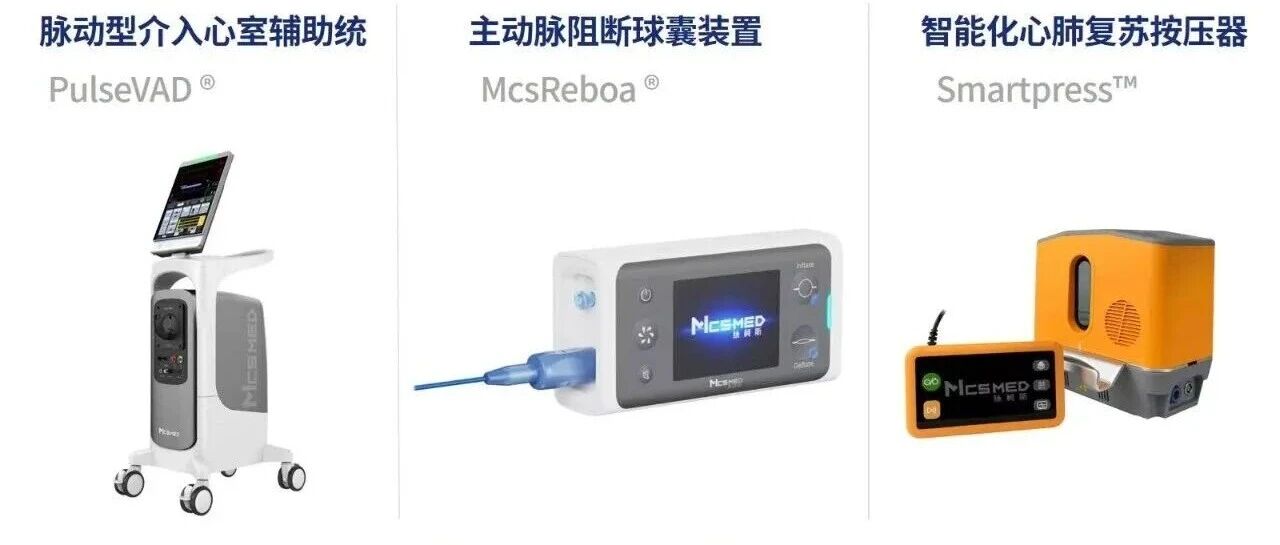
Core Viewpoint - The article highlights the recent completion of a multi-million yuan Pre-A round financing by Maikesi Medical Technology, aimed at advancing product development and clinical registration in the vascular emergency and life support sector, thereby strengthening its leading position in domestic production [2]. Industry Background - The incidence of critical conditions such as cardiogenic shock and aortic hemorrhage is on the rise, with emergency and circulatory support equipment heavily reliant on imports. The aging population and increasing burden of cardiovascular diseases necessitate effective restoration of circulatory function within the "golden rescue time" [3]. - Internationally, life support equipment represented by VAD and REBOA is gaining attention in critical care and pre-hospital emergency fields. However, existing imported products face issues like high costs and significant risks, making domestic alternatives essential for industry upgrades [3]. Company Introduction - Established in 2023 and headquartered in Shaoxing, Maikesi Medical is one of the few companies in China focusing on the entire chain of "intervention + emergency + service" for life support devices. The core team comprises experts from cardiovascular intervention, mechanical design, and emergency medicine [6]. - Since its inception, the company has aimed to develop a comprehensive technology and service system, focusing on high-risk PCI, cardiogenic shock, trauma, and pre-hospital emergency scenarios, with a product pipeline that combines proprietary intellectual property and mass production capabilities [6]. Product Introduction - Maikesi Medical has developed three core products: 1. **PulseVAD®**: A catheter-based artificial heart system with a diameter of less than 14Fr, reducing vascular damage and limb ischemia risks. It operates in a bionic pulsatile mode, providing effective blood flow support [9]. 2. **Mcsreboa®**: A resuscitative aortic occlusion balloon that integrates ultrasound guidance and automatic inflation technology, enhancing success rates in emergency situations [10]. 3. **Smartpress™**: An intelligent CPR device that ensures stable and precise chest compressions, improving resuscitation quality and neurological recovery rates [11]. - This product combination creates a complete closed-loop from intervention support to emergency resuscitation, addressing critical treatment scenarios [11]. Financing Purpose - The recent financing will focus on: - Advancing clinical registration and certification for core products - Establishing high-standard production lines and quality systems - Strengthening market education and clinical training systems - Promoting collaboration between pre-hospital emergency, intensive care, and intervention centers [12]. - The company plans to complete core product registrations and achieve mass production within two years, while also initiating overseas registration and collaboration processes to build an internationally competitive life support technology platform [12].
3.75亿融资!创新医疗科技公司完成C轮
思宇MedTech· 2025-12-02 03:39
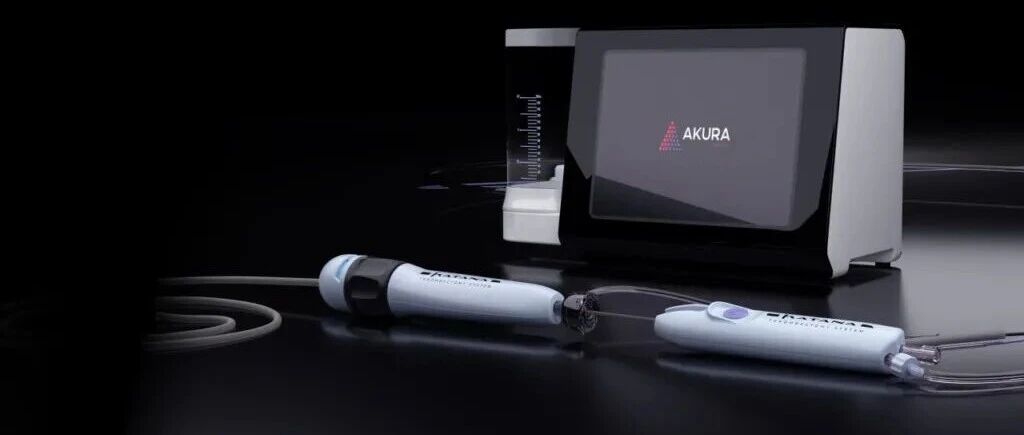
2025年12月1日,美国医疗科技公司 Akura Medical (隶属 Shifamed 投资组合公司)宣布完成 5300 万美元(约合人民币 3.75亿 ) C 轮融资 。本轮融资由卡塔尔投 资局(Qatar Investment Authority,QIA)领投,现有投资者继续参投,资金将用于推动公司核心产品 Katana 血栓取栓系统和辅助软件 NavIQ 的临床研究、注册申报 和全球化市场拓展,并计划在卡塔尔建立合资机构以支持国际化布局。 # 血栓治疗:从 抗凝 到机械干预 ,市场需求日益 紧迫 静脉血栓栓塞 (VTE) 包括深静脉血栓 (DVT) 与肺栓塞 (PE),是全球范围内严重的心血管公共卫生问题。据统计,每年美国约有数十万例 VTE 事件,并导致大量病 死与致残。传统治疗手段主要依赖抗凝或溶栓,但对于急性、大量栓塞或对药物治疗无效的患者来说,疗效有限,且风险不低。 近年来,随着介入方法和导管技术的发展,机械性血栓切除 (thrombectomy) 成为一种重要补充方案。但现有装置常面临导管尺寸大、操作复杂、对栓子形态适应 差、取栓效率不稳定等问题。如何在保证安全性的同时,提高取栓效率、减 ...
从止血到恢复:耳鼻治疗的另一半
思宇MedTech· 2025-12-02 03:39
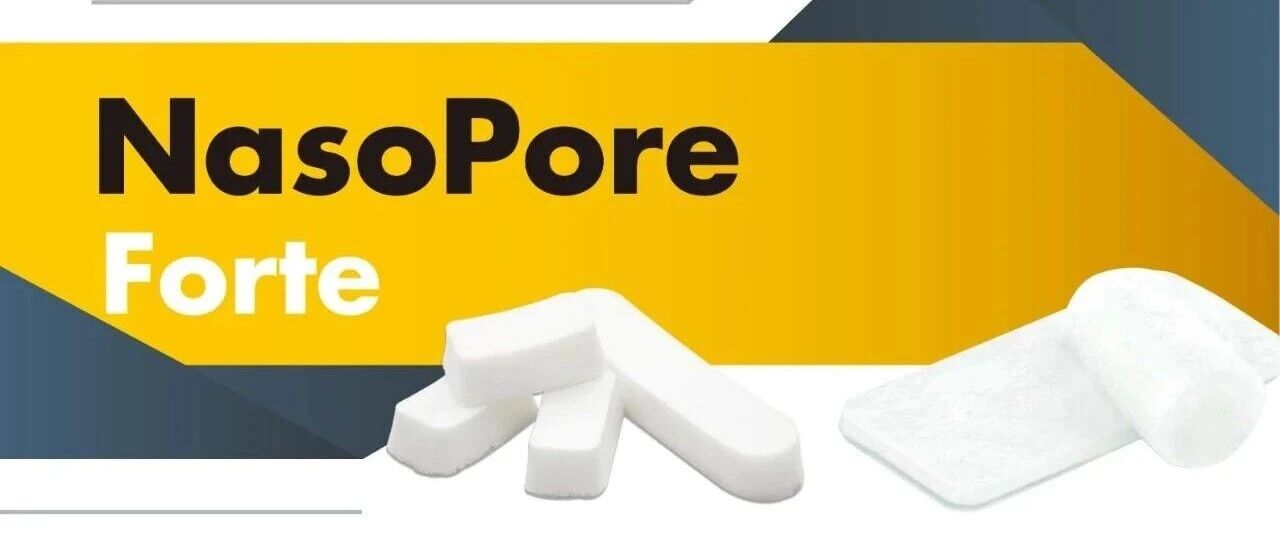
Core Viewpoint - The article emphasizes that the surgical procedure is only the beginning of treatment, and the recovery phase is equally crucial for determining the overall effectiveness of the treatment [3][21]. Group 1: Surgical and Recovery Process - Surgical techniques address structural issues, but the patient's return to normal function relies on post-operative tissue regeneration and recovery rhythm [3][4]. - The recovery process is complex due to the dynamic and sensitive healing environment of the nasal cavity and middle ear, which requires balancing multiple goals [4][5]. Group 2: Challenges in Recovery - Key challenges in recovery include maintaining controlled hemostasis, promoting epithelialization, minimizing secondary damage, and adapting to different surgical techniques [5]. - Material science plays a significant role in achieving a controllable way to support the body's natural healing rhythm [5]. Group 3: Importance of Predictability in Materials - The continued use of biodegradable porous materials over the past two decades highlights the importance of predictability, repeatability, and long-term validation in recovery [6][8]. - NasoPore, a biodegradable porous packing material, has been widely adopted due to its ability to provide a controllable and stable solution during recovery [8]. Group 4: Mechanisms of NasoPore - NasoPore features a connected porous structure that balances support and moisture in the healing environment [9]. - It has a controllable fragmentation mechanism that reduces secondary trauma by naturally breaking down without the need for removal [10]. - The material is customizable and can be shaped to fit the surgical cavity, ensuring a controlled local drug delivery system [11][12]. Group 5: Quality of Recovery Experience - The quality of recovery experience is a shared concern for both doctors and patients, requiring guidance and appropriate support during the recovery window [14]. - NasoPore has shown to reduce pain and anxiety, improve comfort, and lower the burden of follow-up care [15][16]. Group 6: Clinical Evidence and Outcomes - Clinical studies indicate that NasoPore significantly reduces bleeding and improves mucosal healing compared to non-absorbable materials [19][20]. - The material's properties contribute to lower rates of adhesion and better overall recovery outcomes, particularly in sensitive patients [20][21].

数千万A+轮融资!聚焦肿瘤介入治疗器械国产创新
思宇MedTech· 2025-12-02 03:39
Core Viewpoint - Meidida Medical, focused on tumor interventional therapy, has completed a multi-million A+ round financing to accelerate the development and clinical promotion of innovative medical devices for tumor treatment [2][15]. Industry Background - Tumor interventional therapy is gaining clinical attention due to its minimally invasive and precise nature, with techniques like thermal ablation becoming important alternatives for solid tumors such as liver, lung, and kidney cancers [3]. - Microwave ablation (MWA) is a mature thermal ablation method that uses microwave energy to induce heat in tumor tissues, leading to coagulative necrosis, particularly suitable for patients who cannot tolerate surgery. MWA offers advantages over traditional radiofrequency ablation, including faster heating, larger ablation areas, and reduced thermal loss [3]. Company Introduction - Meidida Medical is a high-tech medical company specializing in the research and industrialization of tumor interventional therapy devices, aiming to address clinical safety, efficiency, and complication risks associated with traditional techniques [6]. Core Products and Technology Introduction - The coaxial puncture thermal coagulation needle integrates biopsy and hemostasis in one device, significantly reducing bleeding risks and complications while enhancing operational safety and reducing post-operative care costs. This product is expected to enter the innovative channel for rapid registration and market launch by 2025 [9][10]. - The 5.8GHz high-frequency microwave ablation needle, recognized in Shanghai's "New and Excellent Drug and Device" catalog, offers faster energy transmission and better control over the ablation area compared to traditional systems. This positions Meidida Medical's platform as a competitive solution for treating various solid tumors, with significant potential to replace imported devices in the domestic market [13][14]. Conclusion - As minimally invasive tumor treatment becomes mainstream, domestic interventional device manufacturers like Meidida Medical are expected to reduce reliance on imports, lower patient costs, and improve clinical accessibility. The recent financing will accelerate the company's technology transfer and industrialization process, marking a new development phase for domestic tumor interventional devices [15].
百特明星产品永久退市!一次被忽视的数字化裂缝
思宇MedTech· 2025-12-01 09:31
Core Viewpoint - The Life2000 ventilator by Baxter, initially seen as a promising product, has been permanently withdrawn from the market due to cumulative vulnerabilities and a significant digital security flaw, highlighting the risks associated with the digitalization of medical devices [1][17][24]. Group 1: Product Background and Initial Expectations - Baxter acquired Hillrom for $12.5 billion in 2021, with Life2000 symbolizing a key entry point into the home respiratory support market post-pandemic [3][5]. - The product was designed to meet a growing market need for portable home ventilators, aiming to be a new growth driver for Baxter [5][6]. Group 2: Series of Recalls and Issues - Life2000 faced three recalls: in 2023 for oxygen saturation issues, in 2024 for battery charging failures, and in 2025 for cybersecurity vulnerabilities [7][8][13]. - The initial oxygen saturation problem was perceived as a compatibility issue, but it indicated deeper systemic vulnerabilities [10]. - The battery failure posed a direct risk to patients relying on ventilation, leading to growing doubts about the device's reliability [12]. Group 3: Cybersecurity and Final Withdrawal - In 2025, serious cybersecurity vulnerabilities were discovered, including open debugging ports and lack of firmware integrity checks, which could allow unauthorized modifications [13][14]. - The device was classified as Class I (highest risk level) by the FDA, leading Baxter to choose market withdrawal over repairs due to the fundamental nature of the vulnerabilities [16][24]. Group 4: Industry Implications and Shifts - The failure of Life2000 reflects a broader industry shift where risks are no longer just mechanical or electrical but also involve software integrity and cybersecurity [17][21]. - The case emphasizes that in the digital healthcare era, the safety of life-support devices must consider whether parameters can be altered and if the software is trustworthy [22][24]. Group 5: Regulatory Changes and Future Considerations - The withdrawal coincided with the FDA's new cybersecurity regulations, which now require comprehensive security measures for medical devices throughout their lifecycle [28][29]. - The case serves as a warning for the industry, particularly for companies in China, about the importance of robust security systems as they expand into international markets [30][31][33]. Group 6: Conclusion and Future Outlook - The Life2000 incident encapsulates a new industry narrative: as medical devices become software-defined, their associated risks must be redefined [35][36]. - The future of medical technology will hinge on the ability to ensure software integrity, code verification, and overall system security [34][37].


千万级天使轮融资!前列腺增生微创治疗设备
思宇MedTech· 2025-12-01 09:31
Core Viewpoint - Suzhou Feima Medical Technology Co., Ltd. has completed a multi-million RMB angel round financing led by Yirui Star Capital, which will primarily fund clinical trials, registration approvals, and industrialization of its core product, the freedomax™ steam ablation system [2][12]. Industry Background - Benign Prostatic Hyperplasia (BPH) is a common urological condition among elderly men, with incidence rates increasing significantly with age. Symptoms include frequent urination, urgency, difficulty urinating, and interrupted urine flow, severely impacting quality of life. The aging population in China is exacerbating the social and medical burden of BPH [3]. - Traditional treatments for BPH include medication and surgical options. While medications can improve mild to moderate symptoms, they have long-term efficacy and compliance issues. Classic surgical methods, such as Transurethral Resection of the Prostate (TURP), are effective but come with significant drawbacks, including high trauma, slow recovery, bleeding, and sexual function complications [3]. Company Overview - Feima Medical was established in 2023, focusing on developing minimally invasive treatment devices for male urological health that meet Chinese clinical needs. The founding team has extensive backgrounds in high-value medical devices from renowned companies like Medtronic, Johnson & Johnson, and MicroPort, with experience in RF ablation, ultrasound knives, and implantable devices [8]. - The company's strategy emphasizes a dual-track development of "urological treatment devices + daily care products," aiming to create a comprehensive ecosystem for urological health that covers treatment, rehabilitation, and long-term management, thereby enhancing long-term resilience and market value [8]. Product Introduction - The freedomax™ is an independently developed steam ablation system targeting BPH. Its core technology includes a radiofrequency heating module, injection module, and intelligent control algorithm, which heats water into steam and precisely injects it into the prostatic tissue via a urethral catheter, causing necrosis and alleviating urethral pressure [10]. - Compared to traditional resection and some laser/electrocution surgeries, freedomax™ offers advantages such as minimal trauma, quick recovery, preservation of urethral structure, good postoperative sexual function retention, and low complication rates. The system has shown good safety and efficacy in preclinical and animal studies, with significant reductions in prostate volume and no notable complications. Multi-center clinical trials are being prepared, with market launch expected in 2027 [10]. Financing Purpose - The recent financing will be primarily used for accelerating registration, industrialization, and market layout. The founder expressed gratitude for the support from Yirui Star Capital and emphasized the commitment to innovative, minimally invasive urological products that will benefit patients [12]. - Yirui Star Capital noted that the treatment of BPH is entering an "ultra-minimally invasive era," with new technologies like steam ablation showing significant advantages in surgical duration and postoperative function retention. The Feima Medical team has achieved several industry-first innovations and possesses complete capabilities from R&D to commercialization, with potential for continued impact in male health and elderly care sectors [12]. Conclusion - In the context of accelerating global developments in minimally invasive treatments, Feima Medical's steam ablation system represents a breakthrough in domestic innovation. By continuously deepening its focus on technology, team, and product pipeline, the company is facilitating the transition of Chinese urological minimally invasive treatments from importation to independent innovation [13]. - As clinical progress and registration materialize, Feima Medical is expected to fill a domestic market gap, promoting steam ablation technology to benefit more patients and ushering in a new era of elderly male health management [13].
报奖通知!2025全球医疗科技大奖Global MedTech Awards
思宇MedTech· 2025-12-01 09:31
Core Viewpoint - The article announces the continuation of the Global MedTech Awards by Suyu MedTech to promote technological innovation and help innovative companies and products gain influence, with a call for participation in the awards for 2025 [2][3]. Group 1: Award Categories and Criteria - **Global MedTech Industry Contribution Award**: Targeting leading medical technology companies with approved products widely used in hospitals, demonstrating significant contributions in clinical application, product innovation, economic, and social benefits [4]. - **Global Medical Technology Innovation Award**: Aimed at companies with outstanding performance in medical technology innovation, focusing on products or solutions that enhance medical efficiency, improve diagnosis and treatment outcomes, and contribute to academic medicine [5]. - **Global MedTech Rising Star Award**: For growing medical technology companies with unique technological innovation capabilities and strong market potential [6]. - **Global Innovation Medical Device Award**: For innovative medical devices approved by NMPA, FDA, or CE, recognized for their design, technology, and functionality [7]. Group 2: Application and Selection Process - **Application Phase**: Open from now until December 7, 2025, at 6 PM, where institutions can voluntarily submit their application materials [8]. - **Selection Phase**: From now until December 15, 2025, the selection committee will review submissions and may contact companies for additional information [8]. - **Award Notification**: Expected by December 22, 2025, with results published in an article [9]. - **Award Ceremony**: Scheduled for July 2026 at the Zhongguancun Exhibition Center, with further details to be announced [9]. Group 3: Additional Information - Participation in the awards is free of charge, and companies that have previously submitted applications for the first batch should not resubmit [10].