思宇MedTech

Search documents
106亿!医械巨头完成重磅收购
思宇MedTech· 2025-11-04 04:01
Core Insights - Terumo completed the acquisition of OrganOx for approximately $1.5 billion, marking a significant investment in organ preservation technology [1][4] - This acquisition is part of a broader trend in the organ preservation sector, with major players recognizing the potential for scalable medical innovations in organ life management systems [3][10] Acquisition Details - The acquisition was initially announced in August 2025, with OrganOx becoming a wholly-owned subsidiary under Terumo's Life Systems Group [4] - Terumo had previously invested $142 million in OrganOx through its venture capital arm, indicating a strategic deepening of their relationship rather than a purely financial acquisition [4] - OrganOx will maintain its independent operations in Oxford, UK, while leveraging Terumo's global supply chain and market access to enhance product availability in Asia, Latin America, and the Middle East [4][8] Technological Advancements - OrganOx's core technology, Normothermic Machine Perfusion (NMP), allows for the preservation of organs in a near-body temperature state, maintaining metabolic activity and enabling real-time assessment during transport [6][11] - The Metra liver preservation system, a representative product of OrganOx, has been used in over 6,000 liver transplant surgeries globally since its FDA approval in 2021 [6][11] - NMP significantly improves the utilization of marginal donors and transforms organ matching from a passive to an active process [7][11] Market Dynamics - The organ preservation field is characterized by constant clinical demand and a scarcity of technological innovation, with over 100,000 people globally waiting for organ transplants each year [8] - The acquisition of OrganOx by Terumo and Getinge's acquisition of Paragonix for $477 million reflect a growing interest in the organ preservation market, with total transaction values nearing $2 billion in a tight capital environment [3][8][13] Strategic Implications - Terumo's acquisition aligns with its strategy to extend its business from life support to organ life extension, positioning itself as a key player in the organ management ecosystem [8][10] - The integration of OrganOx's technology into Terumo's existing product lines aims to create a comprehensive organ life support matrix, enhancing the overall transplant process [10][12] Global Trends - The organ preservation technology landscape is shifting from being a mere adjunct to transplantation to a standalone, high-growth sector [9][10] - The potential for OrganOx's technology to expand into kidney, lung, and heart preservation systems indicates a move towards a multi-organ platform that standardizes interfaces across the transplant ecosystem [10][12] Insights for China - China's organ transplantation sector is rapidly evolving, with the country ranking second globally in transplant volume [14] - The integration of advanced preservation technologies like those from Terumo and OrganOx could serve as a benchmark for regulatory assessments in China, potentially paving the way for domestic innovations in organ preservation [14]


数千万融资!数字医疗企业完成A轮
思宇MedTech· 2025-11-04 04:01
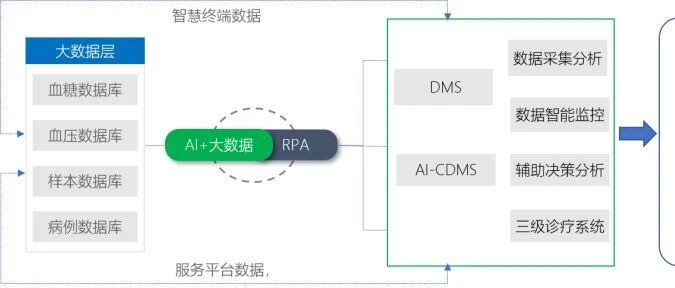
Core Viewpoint - Chengdu Heerkang Medical Technology Co., Ltd. has completed several tens of millions in Series A financing, led by Huige Capital, with the funds aimed at enhancing its "software platform - hardware reagents - data AI" integrated layout, expanding hospital and community applications, and accelerating the development and implementation of AI-assisted diabetes diagnosis and treatment models [2][4] Team Background - Founded in November 2020, Heerkang's founder, Dr. Ouyang Mingguang, has a background in computer science from Shanghai Jiao Tong University and previously worked at Huawei for 12 years, managing a team of over 200 in medical big data [4] - The core R&D team also has a Huawei background, emphasizing engineering reliability, rigorous architecture, and scalable systems [4] Diabetes Management Focus - Heerkang has chosen diabetes management as its entry point, addressing the significant patient base of 233 million in 2023, high complication rates, and the need for long-term adherence [6][5] - The company has developed a Diabetes Management System (DMS) to digitize in-hospital blood glucose management, integrating various data sources for comprehensive monitoring [5][6] Software and Platform Development - Heerkang's DMS has achieved coverage in over 2,200 hospitals across 31 provinces, establishing a leading position in blood glucose management [9] - The company is building a three-tier structure: a software platform for hospital and community management, hardware for data collection, and AI for decision support [10][12] Business Model - The business model is layered, addressing the challenges of hospital workload, uneven grassroots management capabilities, and the need for improved patient adherence [14] - Heerkang aims to optimize hospital workflows, serve as a digital foundation for public health and family doctor systems, and extend management to home follow-ups [15] Industry Perspective - China's chronic disease management is entering a new phase, with a focus on real clinical value and sustainable growth in the diabetes sector [16] - Heerkang's approach reflects a sustainable path in the Chinese healthcare system, emphasizing gradual development rather than relying on single technological breakthroughs [16] Conclusion - The recent Series A financing marks the beginning of a validation phase for Heerkang's system engineering approach [17] - Future indicators to watch include the integration into real hospital workflows, collaboration with public health and insurance systems, and the scalability of their model [18]
又一医疗企业成功IPO,照出了行业的冷与热
思宇MedTech· 2025-11-03 05:52
Core Viewpoint - Danah (Tianjin) Biotechnology Co., Ltd. has officially listed on the Beijing Stock Exchange, focusing on early screening and treatment of invasive fungal diseases (IFD) amidst a capital cycle adjustment in the IVD industry [2][3]. Company Overview - Founded in 2014, Danah Biotechnology is headquartered in Tianjin and specializes in in vitro diagnostics related to fungal pathogens, utilizing a comprehensive system from raw materials to joint diagnostics [2][3]. Market Position and Strategy - Danah's products are available in over 1,000 tertiary hospitals across 34 provincial-level administrative regions in China and have expanded to Southeast Asia, the Middle East, and South America, establishing itself as a core player in the domestic fungal diagnostics niche [3]. - The company represents a "long-term deep cultivation, clinically driven, and systematic construction" approach within the Chinese IVD industry [3]. Clinical Importance of Fungal Diagnostics - Invasive fungal diseases, while not a large testing category, pose significant clinical risks, particularly for immunocompromised patients, with mortality rates exceeding 50% if diagnosis is delayed [5][6]. Product Development Timeline - 2014: Company established, focusing on fungal diagnostics - 2016-2018: Core antigen-antibody system developed - 2020: Accelerated entry into national tertiary hospitals - 2021-2023: Launched chemiluminescence platform and began overseas market expansion - 2024: Developed multi-channel joint detection systems and molecular diagnostic reserves [6]. Technological Advancements - Danah has transitioned from a "reagent developer" to a "comprehensive solution provider" for fungal diagnostics, reflecting a shift towards multi-indicator, quantitative, rapid, and automated testing [7][19]. Product Map and Technical Foundation - The company has built a self-research antigen-antibody system, ensuring flexibility in registration strategies and reducing supply risks [8][9]. - Danah's product system includes high-end, mid-range, and grassroots products, catering to various clinical needs [10]. Core Product Matrix - The product matrix focuses on three major indicators of invasive fungal diseases, balancing speed, accessibility, and throughput [11][18]. - The company offers a "5G+ joint detection solution," integrating multi-indicator and multi-channel testing with algorithm analysis for improved diagnostic sensitivity [19]. Financial Performance - As of June 30, 2025, Danah reported total assets of approximately 570.56 million yuan and a net profit of about 49.96 million yuan, with a gross margin of 85.99% [20][22]. - The company maintained a high gross margin of around 86%, significantly above the typical 60%-70% range for domestic IVD companies, indicating strong clinical bargaining power [23]. Growth and Market Expansion - In the first half of 2025, Danah's overseas revenue grew by approximately 15% year-on-year, with significant expansion in Southeast Asia and the Middle East [23]. - The domestic market is seeing increased usage of the chemiluminescence platform and joint detection systems in tertiary hospitals [23]. Future Outlook - The company aims to transition from a specialized entity to a model for China's fungal diagnostic system, focusing on clinical validation and integration into medical quality frameworks [24][26].

最新!飞利浦大中华区影像业务换帅
思宇MedTech· 2025-11-03 05:52
Core Insights - Philips Medical has made significant management changes in the Chinese market, appointing Mai Haiyan as the new sales general manager for the imaging division, indicating a strategic shift towards local operational efficiency and market responsiveness [2][4] - The appointment of Mai Haiyan, who has extensive experience across various sectors, reflects a transition from a brand-centric approach to one focused on organizational efficiency and market density [4][7] - The imaging market in China is evolving from a brand-driven era to one characterized by efficiency and service capabilities, with a focus on operational speed and customer engagement [7][9] Group 1: Management Changes - Mai Haiyan's background includes leadership roles in GE Healthcare and domestic companies, showcasing a blend of international and local market experience [4] - The shift in leadership is seen as a response to the changing dynamics of the imaging equipment industry, emphasizing the need for a more agile and responsive organizational structure [2][4] Group 2: Market Dynamics - The Chinese imaging market is transitioning from reliance on brand trust to a focus on service capabilities such as AI assistance and remote operations, which are becoming key competitive advantages [7] - The normalization of centralized procurement is shifting the focus from absolute performance to cost-effectiveness and total ownership costs, impacting market strategies [9] - The market is becoming more fragmented and dense, driven by the simultaneous replacement of equipment in base hospitals and the construction of regional medical centers [9]


他把钛合金植入自己手臂,“疯狂CEO”的人体实验
思宇MedTech· 2025-11-02 01:11
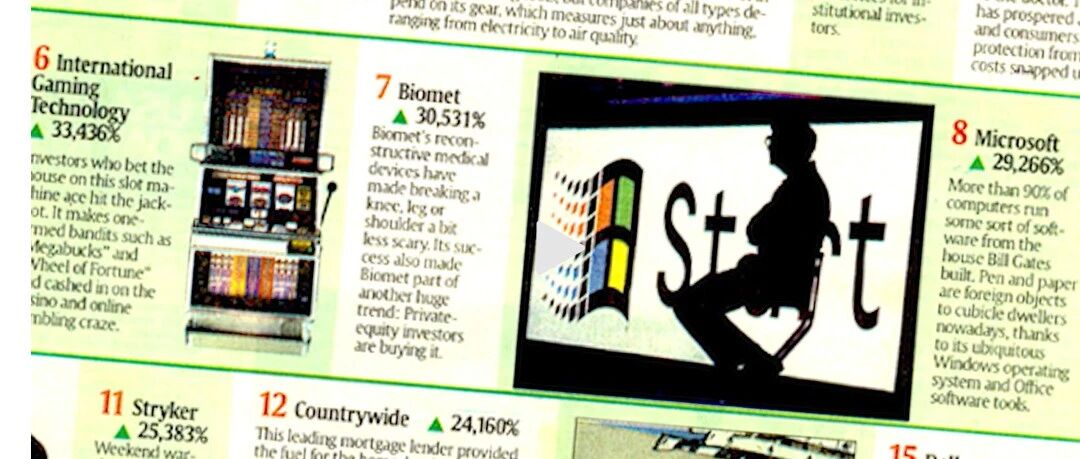
Core Viewpoint - Dane A. Miller, co-founder and long-time CEO of Biomet, demonstrated his commitment to the safety of titanium implants by personally having a titanium alloy implanted in his arm for ten years, which became a powerful testament to the trustworthiness of the materials used in orthopedic devices [3][10]. Group 1: Background and Education - Miller was born in Springfield, Ohio, and developed an early interest in engineering, eventually earning a bachelor's degree in mechanical engineering from Ohio State University and a master's and PhD in biomedical materials from the University of Cincinnati [6]. - His research focused on the biocompatibility of materials like titanium and tantalum, addressing the challenges of implant safety and integration with human bone [6]. Group 2: Founding Biomet - In 1977, Miller co-founded Biomet in Warsaw, Indiana, starting with a revenue of only $17,000 and operating from a converted barn [8]. - Unlike contemporaries that focused on mass production, Biomet emphasized custom implants tailored to surgeons' needs, quickly building a strong reputation in the industry [8]. - Under Miller's leadership from 1978 to 2006, Biomet grew to over $2 billion in annual revenue and employed more than 4,000 people, with flagship products like the AGC knee system setting industry standards [8]. Group 3: Trust through Personal Experience - To alleviate surgeons' concerns about the long-term safety of titanium implants, Miller had a titanium rod implanted in his arm, which he showcased at medical conferences, effectively using his experience as a marketing tool for Biomet [10]. - This personal experiment not only garnered attention but also established a narrative of trust and innovation around Biomet's products [10]. Group 4: Personal and Philanthropic Aspects - Miller's commitment to the field was personal, as his grandmother was the first patient to receive a total hip replacement from Biomet, highlighting the impact of his work on family and community [13]. - He and his wife established the Dr. Dane & Mary Louise Miller Foundation to support scholarships, community projects, and environmental initiatives [13]. Group 5: Legacy and Industry Impact - After stepping down in 2006 due to board conflicts, Miller regained control of Biomet in 2007 through a $11.4 billion acquisition with private equity partners [13]. - Biomet was acquired by Zimmer in 2015, forming Zimmer Biomet, and Miller passed away the same year, leaving behind a legacy as a pioneer in the orthopedic device industry [13]. - His approach combined trust and innovation, demonstrating the importance of risk-taking in advancing materials science and clinical practice [14].
GE医疗的企业级合作,为何能帮医院省下近3亿?
思宇MedTech· 2025-11-01 01:11
Core Insights - The medical device industry is undergoing a "quiet transformation," shifting from a transactional relationship between manufacturers and hospitals to a sustainable partnership model that emphasizes collaboration over single transactions [2][15] - GE HealthCare is leading this transformation through its "Care Alliance" initiative, which integrates equipment updates, AI digital services, process reengineering, education, and financing into a unified framework [2][15] Group 1: Challenges Faced by Hospitals - Hospitals in the U.S. are facing three main pressures: accessibility of medical services, financial sustainability, and workforce efficiency [5][9] - The financial model is evolving from "annual procurement" to "multi-year predictable investment," smoothing budget cycles [9] - Operational efficiency is being enhanced through AI and digital processes, reducing the burden on staff and improving bed turnover and examination efficiency [9][10] Group 2: Care Alliance Framework - The Care Alliance model is characterized by a collaborative business relationship rather than merely extending service contracts [11][13] - GE's approach integrates technology, services, finance, and data into a sustainable system, allowing hospitals to achieve controllable costs, measurable benefits, and sustainable services [13] - Specific examples include a partnership with Duke Health that reduced bed allocation time by 66% and saved $40 million in temporary labor costs within 18 months [13] Group 3: Digital and AI Integration - GE's digital framework, known as the D³ model (Device-Disease-Digital), is central to the Care Alliance, combining technology and clinical pathways [6][10] - GE has approximately 100 FDA-supported AI algorithms that enhance both clinical and operational aspects, such as the Sonic DL technology that reduces MRI scan times by about 50% without compromising resolution [6][8] Group 4: Industry Trends - The shift from product-oriented to system-oriented approaches reflects a broader industry trend, where competition will focus on who can better assist hospitals in continuous operation and value generation [14][15] - Other companies like Siemens Healthineers and Philips are also moving towards similar partnership models, but GE's comprehensive capabilities in technology, finance, and education set it apart [14]


报名!医械/IVD经销商业务增长新引擎高峰会
思宇MedTech· 2025-11-01 01:11
Core Insights - The article emphasizes the need for medical device distributors to transition from a passive response to proactive planning, moving from simple distribution to team elevation in order to navigate the challenges of the industry [2][3]. Group 1: Industry Challenges - Distributors are facing significant challenges such as bulk procurement of equipment, declining prices and volumes of reagents, increasing compliance requirements, and ongoing homogenization of competition [2]. - The era of relying on information asymmetry and simple logistics for growth is coming to an end, leading to cash flow issues for distributors due to manufacturer targets and hospital payment cycles [2]. Group 2: Summit Overview - The "New Growth Engine for Distributors Summit" aims to provide a practical blueprint for breaking through and restructuring in the face of industry changes [3][4]. - The summit will focus on setting achievable goals, managing processes effectively, identifying profit growth points, and building capable teams [4]. Group 3: Summit Details - The summit is scheduled for November 15, 2025, at Shanghai Jiao Tong University, with a limited capacity of 200 participants to ensure quality interactions [5][8]. - A practical workshop will follow the summit on November 16, aimed at providing actionable insights and training for attendees [5][30]. Group 4: Key Topics and Speakers - The summit will feature discussions on various topics including the transformation of distributors, strategies for navigating new procurement norms, and building core competencies for the future [10][11]. - Notable speakers include former executives from GE Healthcare and senior experts in the medical device procurement field, who will share insights and case studies [4][10]. Group 5: Participant Concerns - Distributors are grappling with issues such as achieving targets under pressure from manufacturers, ineffective team management, slow profit growth, and uncertainty in expanding new business lines [7].
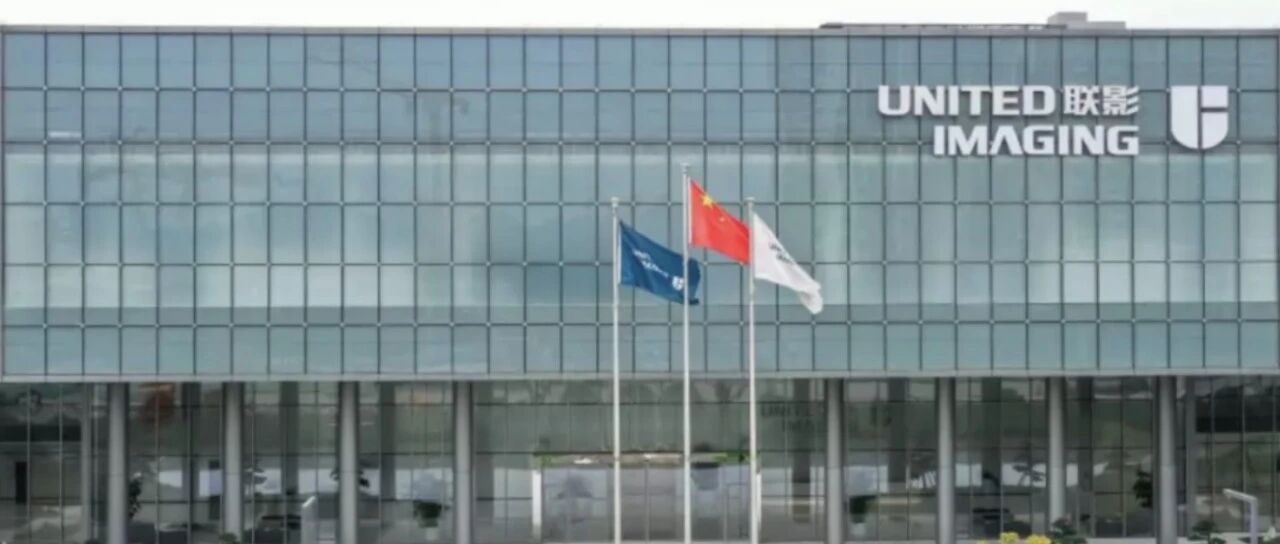
营收增长超70%!联影第三季度财报发布
思宇MedTech· 2025-10-31 03:58
Core Viewpoint - The article highlights the significant growth of United Imaging Healthcare in the high-end imaging equipment sector, indicating a transition from domestic competition to becoming a global benchmark in the industry [2][12]. Financial Performance - In Q3 2025, the company achieved revenue of approximately 2.843 billion yuan, representing a year-on-year increase of about 75.41% [8]. - For the first three quarters of 2025, total revenue reached approximately 8.859 billion yuan, with a year-on-year growth of about 27.39% [8]. - The net profit attributable to shareholders for the first three quarters was approximately 1.120 billion yuan, reflecting a year-on-year increase of about 66.91% [8]. - The net profit after deducting non-recurring gains and losses was approximately 1.053 billion yuan, showing a remarkable year-on-year growth of about 126.94% [8]. Product and Business Drivers - The company’s main products include MR, CT, PET/CT, XR, and linear accelerators, with recent launches of several globally innovative or domestically first devices, such as silicon carbide MRI and long-axis PET/CT [5]. - The acceleration of high-end equipment deployment has significantly contributed to the company's revenue growth [5]. International Expansion - During the reporting period, the company made significant breakthroughs in key markets such as North America, Europe, Southeast Asia, and Latin America, with products now covering over 90 countries and regions [6]. - The company serves more than 15,700 institutions globally, enhancing its international competitive capability [6]. Market Structure Improvement - The company has seen an increase in market share in several high-end imaging equipment segments, indicating a shift from mid-range to high-end and solution-oriented devices [9]. Strategic Perspective - United Imaging Healthcare is currently in a critical strategic enhancement phase, transitioning from merely product delivery to becoming a comprehensive medical imaging service provider [11]. - This strategic shift aims to secure a deeper position within the global healthcare system [11]. Conclusion - Overall, the Q3 report demonstrates strong growth momentum for United Imaging Healthcare, with significant revenue increases, improved profitability, and accelerated deployment of high-end products [12]. - Future focus areas include sustaining growth momentum, particularly in high-end equipment delivery, overseas service network establishment, and deep collaborations with hospitals [12].

近亿元D轮融资!血液净化再迎产业升级
思宇MedTech· 2025-10-31 03:58
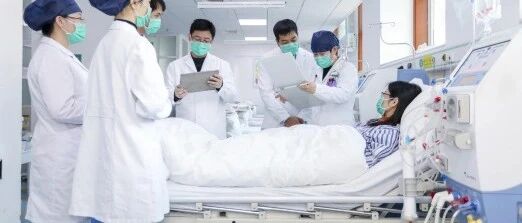
Core Viewpoint - Guoyi Tong (Beijing) Technology Development Co., Ltd. has completed nearly 100 million RMB in Series D financing, led exclusively by Zhejiang Shengxie Health Fund, to advance core products, market implementation, and new production line construction, marking a significant milestone for the company and the industry as it enters a "system construction cycle" [2] Industry Overview - The number of hemodialysis patients in China has exceeded one million and continues to grow, driven by aging population, rising diabetes rates, and early screening for chronic kidney disease (CKD), establishing a stable growth foundation for dialysis demand [3] - The hierarchical diagnosis and treatment policy is shifting the service focus from large hospitals to county and grassroots levels, leading to substantial changes in the geographical layout, supply structure, and business models of the dialysis system [3] Market Dynamics - Traditional large hospitals face significant pressure from long waiting times and commuting challenges, while grassroots dialysis centers are rapidly expanding due to policy encouragement and a mature industrial chain, creating new market opportunities [5] - Competition in the industry has evolved from focusing solely on equipment or consumables to encompassing comprehensive capabilities such as department construction, operational capacity, full-process services, and data security systems [5] Company Development - Founded in 2016, Guoyi Tong has focused on blood purification without pursuing rapid multi-category expansion, concentrating on dialysis department construction and supply system development [6] - The company has built a service model that includes "equipment + consumables + chronic disease management + services," serving over a thousand medical institutions, with an increasing proportion of grassroots institutions [6] Product Expansion - With the new financing, Guoyi Tong plans to expand its product and technology portfolio, including high-permeability dialyzers and peritoneal dialysis solutions, enhancing its adaptability in chronic disease management and critical care [7] - The company has developed a patented risk prediction system for peritonitis, reflecting its commitment to addressing clinical issues through digital solutions [7] Operational Capabilities - Guoyi Tong emphasizes dual development of industrial and service capabilities, establishing a systematic approach to dialysis center construction, equipment operation, and supply support [8] - This model addresses not only the sourcing of equipment but also the long-term stable operation of dialysis departments, which is crucial for patient quality of life [10] Future Outlook - The completion of the new production line will enhance the company's production flexibility, capacity assurance, and quality management, supporting the implementation of more scenarios [11] - The blood purification industry is transitioning from "shortcomings" to "system building," with the expansion of dialysis departments and the enhancement of county-level medical capabilities indicating long-term growth certainty [12]
最新!又7款医疗器械进入创新通道!
思宇MedTech· 2025-10-31 03:58
Core Insights - The article highlights the approval of seven innovative medical devices by the NMPA, indicating a significant advancement in the domestic medical device industry in China [1]. Group 1: Innovative Medical Devices - The self-expanding intracranial drug-eluting stent system developed by Lilan Biotechnology (Suzhou) Co., Ltd. focuses on providing minimally invasive and safe treatment solutions for cerebrovascular diseases, leveraging advanced biomaterials technology [2]. - The implantable wireless brain-machine interface system from Shanghai Ladder Medical Technology Co., Ltd. is designed for applications in motor control, neurological disease monitoring, and sensory restoration, marking a significant innovation in the field [3][4]. - The X-ray computed tomography equipment from Siemens Medical Solutions (Shanghai) Co., Ltd. serves as a major global R&D and manufacturing center for medical imaging devices, contributing to precision medicine and digital diagnosis [5][6]. - The cartilage regeneration scaffold developed by Zhejiang Xingyue Biotechnology Co., Ltd. aims to repair large cartilage defects and represents a major innovation in regenerative medicine, filling a gap in domestic products [6]. - The collagen meniscus implant from Beijing Bansai Technology Co., Ltd. focuses on repairing meniscus injuries and aims to address knee instability issues post-meniscectomy, promoting clinical application of 3D printing technology in orthopedics [7]. - The thyroglobulin (Tg) gene mRNA detection kit developed by Shanghai Ruijing Biotechnology Co., Ltd. provides comprehensive solutions for thyroid cancer diagnosis and monitoring, serving numerous hospitals across multiple provinces [8]. - Guangzhou Weishi Bosheng Biotechnology Co., Ltd. specializes in minimally invasive ophthalmic devices, focusing on innovative products for glaucoma and retinal detachment treatment, emphasizing micro-invasiveness and biocompatibility [8].