QYResearch

Search documents
全球计量软件市场前10强生产商排名及市场占有率
QYResearch· 2025-08-28 09:47
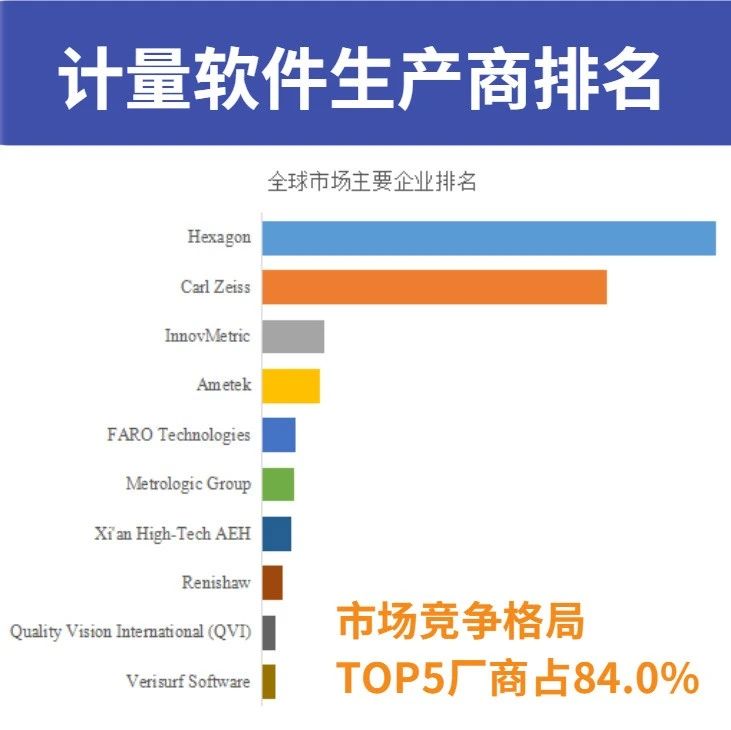
计量软件是一种几何测量、评估、检测和管理软件,可以提高测量操作的性能和产量。 计量软件全球市场总体规模 据 QYResearch 调研团队最新报告"全球计量软件市场报告 2025-2031 "显示,预计 2030 年全球计量软件市场规模将达到 10.6 亿美元 ,未来几年年复合增长率 CAGR 为 5.1% 。 根据 QYResearch 头部企业研究中心调研,全球范围内计量软件生产商主要包括 Hexagon 、 Carl Zeiss 、 InnovMetric 、 Ametek 、 FARO Technologies 、 Metrologic Group 、 Xi'an High-Tech AEH 、 Renishaw 、 Quality Vision International (QVI) 、 Verisurf Software 等。 2024 年,全球前五大厂商占有大约 84.0% 的市场份额。 就产品类型而言,目前 Cloud-based 是最主要的细分产品,占据大约 82.4% 的份额。 就产品应用而言,目前 Automotive 是最主要的需求来源,占据大约 28.2% 的份额。 主要驱动因素 D ...

全球与中国全光交换(OCS)交换机市场现状及未来发展趋势
QYResearch· 2025-08-28 09:47
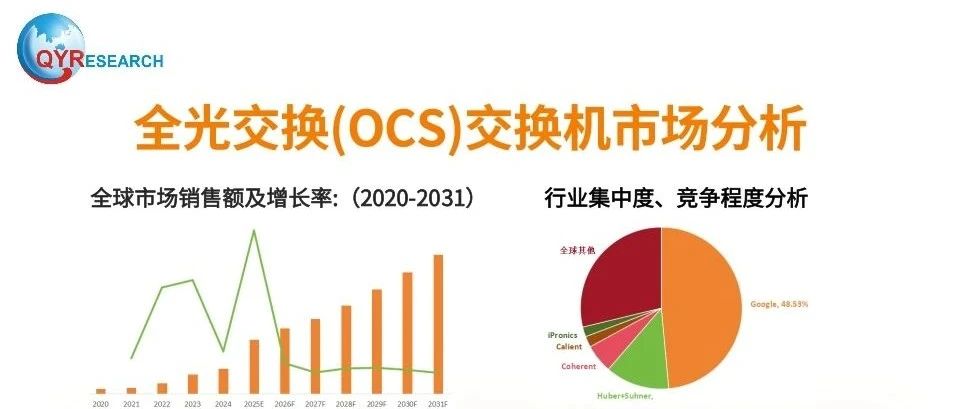
Core Viewpoint - The Optical Circuit Switching (OCS) market is experiencing rapid growth driven by AI computing demands and high-performance data center applications, with significant technological advancements in MEMS and silicon photonics [3][4][11]. Current Status of OCS Industry - OCS technology is diversifying, with MEMS technology dominating the high-end market and silicon photonics accelerating commercialization through integration with Co-Packaged Optics (CPO) [3]. - The OCS market is expanding rapidly, primarily due to the needs of AI clusters and high-performance computing, with data centers becoming the core application area [3][4]. - International companies like Coherent, Google, and Calient lead the market, while domestic firms are making significant technological breakthroughs [3][11]. Development Trends of OCS - The industry is shifting towards a photonic-electronic collaborative architecture, enhancing system efficiency and integration [4]. - AI technologies are being integrated into OCS control planes, promoting autonomous and self-optimizing networks [4]. - There is a focus on cost control and developing highly integrated optical switching technologies to meet the demands of large-scale data center networks [4]. Market Size and Forecast - The global OCS market is projected to grow from $72.78 million in 2020 to $366.47 million by 2024, with a CAGR of 49.80% [7]. - By 2031, the market is expected to reach $2,022.21 million, with a CAGR of 17.12% from 2025 to 2031 [7]. - The Chinese market is growing rapidly, with a projected market size of $80.20 million by 2031, capturing 3.97% of the global market [7]. Product Type Analysis - The OCS market is currently dominated by MEMS solutions, which accounted for $192.36 million in 2024, representing 52.49% of the market [8]. - DirectLight DBS solutions are expected to take the lead post-2025, with a projected market size of $1,185.42 million by 2031 [8]. Application Market Overview - Data centers are the largest application market for OCS switches, expected to reach $1,312.29 million by 2031, capturing 64.89% of the market share [9]. Key Manufacturers - Major global manufacturers include Google, Huber+Suhner, Coherent, and Calient, with Google holding a revenue share of approximately 48.53% in 2024 [11].

全球与中国Review SEM设备市场现状及未来发展趋势
QYResearch· 2025-08-27 08:59
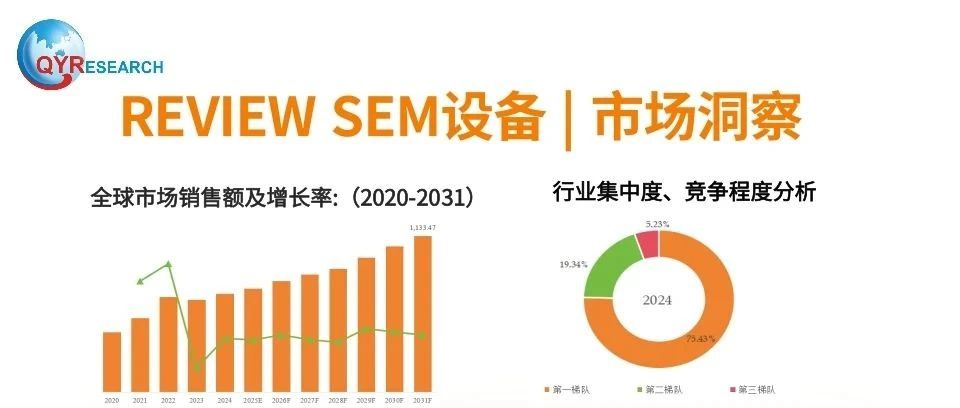
Core Viewpoint - Review SEM devices are essential for defect analysis and process monitoring in semiconductor manufacturing, particularly as technology nodes shrink below 10nm, necessitating high-resolution imaging for accurate defect classification and analysis [2][5][19]. Industry Background and Development History - Review SEM is a critical tool in semiconductor manufacturing for defect analysis and process optimization, especially as optical defect detection devices face limitations in resolution [2]. - The evolution of Review SEM began in the early 1990s, transitioning from CD-SEM platforms to more automated systems capable of handling complex defect types as technology advanced [3][4]. - The demand for Review SEM surged with the introduction of more intricate multi-patterning structures in nodes below 90nm, leading to a systematic approach to defect analysis [3][5]. Technological Advancements - Key technological developments include low-voltage imaging to minimize sample damage, high-speed automated alignment, and AI-driven defect classification algorithms [6][7][9]. - Current mainstream devices achieve resolutions below 1nm and support low acceleration voltages (0.5–1.5kV), crucial for sensitive materials [7][20]. - Integration with inline process control systems is becoming a trend, allowing Review SEM to work in conjunction with other defect detection equipment [11][12]. Market Structure and Leading Manufacturers - The Review SEM market is highly concentrated, dominated by major players such as Applied Materials, Hitachi High-Technologies, and KLA, with Chinese manufacturers still in the early stages of development [13][28]. - The global market for Review SEM devices is projected to grow from $712 million in 2024 to $1.13 billion by 2031, with a CAGR of 7.06% from 2025 to 2031 [26]. Application Demand Trends - The expansion of wafer fabrication capacity, particularly in 12-inch logic factories and advanced packaging lines, is driving a rigid demand for Review SEM [14][15]. - The transition to EUV masks, which have low defect tolerance, is increasing the need for Review SEM as a standard detection tool [16][17]. - There is a rising demand for Review SEM in advanced packaging processes, indicating a new market expansion direction [18]. Future Development Trends - Review SEM is evolving from a passive inspection tool to an integrated, intelligent defect analysis platform, driven by the need for high precision in defect detection as technology nodes approach physical limits [19]. - The integration of AI for defect classification and image recognition is a key focus, with future developments expected to include unsupervised learning for unknown defect identification [21]. - Enhanced automation for defect positioning and real-time feedback mechanisms are essential for maintaining precision in defect analysis [22][23].



2024年全球金属管内光纤市场Top10生产商排名及市场占有率调查
QYResearch· 2025-08-27 08:59
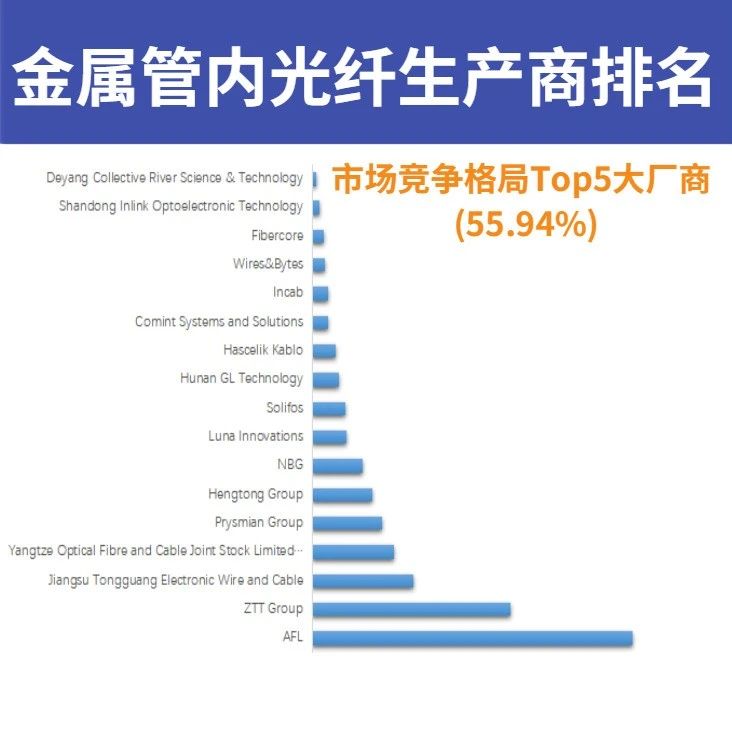
Core Viewpoint - The metal tube fiber optic market is projected to reach a size of $356.51 million by 2030, with a compound annual growth rate (CAGR) of 4.82% in the coming years [2]. Market Overview - The metal tube fiber optic technology is designed to protect fiber optics from mechanical damage and environmental factors, making it suitable for harsh conditions in communication, sensing, and industrial applications [1]. - The largest downstream market for this technology is OPGW (Optical Fiber Composite Overhead Ground Wire) and OPPC (Optical Fiber Composite Phase Conductor), which together hold a market share of 44.74% due to the demand from power communication systems [6]. - Key global manufacturers include AFL, Jiangsu Zhongtian Technology Co., Ltd., Jiangsu Tongguang Electronic Cable Co., Ltd., Yangtze Optical Fibre and Cable Joint Stock Limited Company, Prysmian Group, and Hengtong Group, with the top five companies accounting for approximately 55.94% of the market share [14]. Key Drivers - **Growing Demand in the Energy Sector**: The FIMT technology shows unique advantages in extreme conditions, particularly in oil and gas extraction and renewable energy applications, supported by government policies promoting clean energy [16]. - **Infrastructure Development Boom**: Developing countries are undergoing significant urbanization, leading to increased demand for communication network upgrades and smart grid construction, particularly in 5G deployment and smart city projects [17]. - **Technological Innovations**: Recent advancements in FIMT technology, such as new anti-microbend fibers and the use of special alloy materials, have improved product competitiveness and opened new markets like industrial IoT and smart transportation [18]. Key Challenges - **Fragmented Market Structure**: The FIMT industry has a "pyramid" structure with a few leading companies at the top and many small regional firms below, leading to inconsistent technical standards and low average profit margins due to price competition [19]. - **Competition from Alternative Technologies**: Plastic optical fibers are gaining market share in short-distance data transmission due to their flexibility and cost advantages, while advancements in wireless communication technologies are also encroaching on traditional FIMT applications [20]. - **Supply Chain Vulnerabilities**: The manufacturing of FIMT relies on specialized materials, with high-performance stainless steel and alloy materials often imported, making the industry susceptible to geopolitical supply fluctuations [21].
2024年全球液体软管卷盘市场Top10生产商排名及市场占有率调查
QYResearch· 2025-08-27 08:59
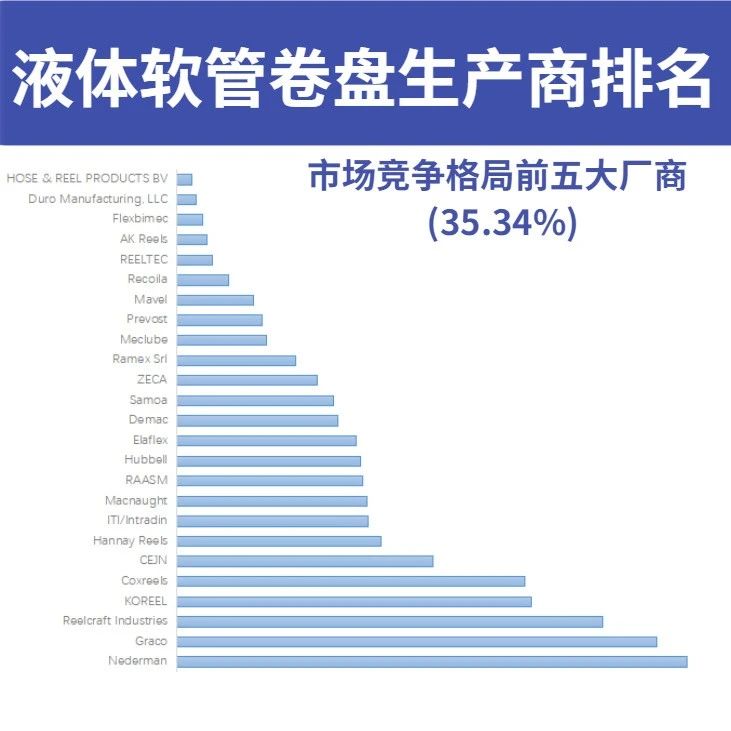
Core Insights - The liquid hose reel market is projected to reach a size of $569.73 million by 2030, with a compound annual growth rate (CAGR) of 4.5% in the coming years [2] Market Overview - The open-type liquid hose reel holds a significant market share of 71.45% due to its versatility in various environments [5] - The mechanical manufacturing sector remains the primary downstream market for liquid hose reels, accounting for 37.04% of applications in 2024 [7] - Key global manufacturers include Nederman, Graco, Reelcraft Industries, KOREEL, and Coxreels, with the top five companies holding approximately 35.34% of the market share [11] Market Drivers - Strengthening industrial safety regulations and environmental standards are driving demand for liquid hose reels, particularly in industries like chemicals and oil that require compliance with ATEX and OSHA standards [12] - The need for automation and efficiency in manufacturing, firefighting, and agriculture is a core driver for technological upgrades in liquid hose reels, with IoT integration expanding high-end market opportunities [13] - Emerging applications in new industries, such as lithium battery production, and infrastructure investments are providing additional market growth opportunities [14] Market Challenges - High technical barriers and material costs pose challenges, particularly for high-end applications requiring specialized materials and components, leading to a market structure of "low-end surplus and high-end reliance on imports" [16] - Fragmented industry standards and certification barriers across different regions complicate market entry and increase compliance costs for companies [17] - Traditional user habits and competition from alternative technologies hinder market adoption, with approximately 40% of industrial customers satisfied with existing hose management methods [18]
PCD切割工具市场CR10达61%,头部阵营稳定
QYResearch· 2025-08-26 09:53
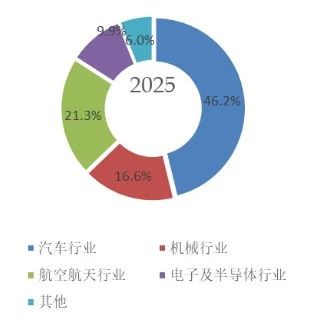
Core Viewpoint - The global PCD cutting tools market is projected to reach USD 1.39 billion by 2031, with a compound annual growth rate (CAGR) of 5.5% from 2025 to 2031, indicating a stable and healthy growth trajectory [4]. Market Size and Growth (Macro Outlook) - The market size is expected to reach USD 1.39 billion by 2031, with a CAGR of 5.5% from 2025 to 2031, reflecting a stable growth trend [4]. Competitive Landscape (Market Concentration) - The market is characterized by high concentration, with the top ten manufacturers, including Sandvik Group and Kyocera, holding approximately 61.0% of the market share [5][3]. Product Segmentation - The leading product type is PCD turning tools, which account for about 29.7% of the total market share, highlighting its fundamental and widespread application in machining [11]. Application Fields - The automotive industry is the largest downstream demand sector, representing approximately 46.7% of total demand, making it a critical pillar for the industry [12]. Key Driving Factors - PCD tools offer advantages such as longer tool life, higher workpiece quality, greater process reliability, and lower scrap rates, which help reduce processing costs [16]. - The development of downstream industries also drives demand for PCD tools, particularly in applications like cutting ultra-thin LTPS LCD panels [16]. Major Obstacles - Changes in supply chains within the automotive and other downstream industries pose challenges [17]. - Global economic weakness and significant currency fluctuations complicate business operations [17]. - The decline in internal combustion engine numbers due to the mobility revolution leads to weakened demand [17]. Industry Development Trends - Competition among suppliers is expected to intensify during the forecast period, with a focus on price, user-friendly interfaces, value-added services, and service combinations [18]. - Technological innovation plays a crucial role in market growth, necessitating suppliers to develop new ideas and technologies [18]. - Increased online shopping preferences due to busy lifestyles and the proliferation of digital devices are driving online sales, often at lower prices than physical stores [18].
全球与中国PVDF锂电池粘结剂市场现状及未来发展趋势
QYResearch· 2025-08-26 09:53
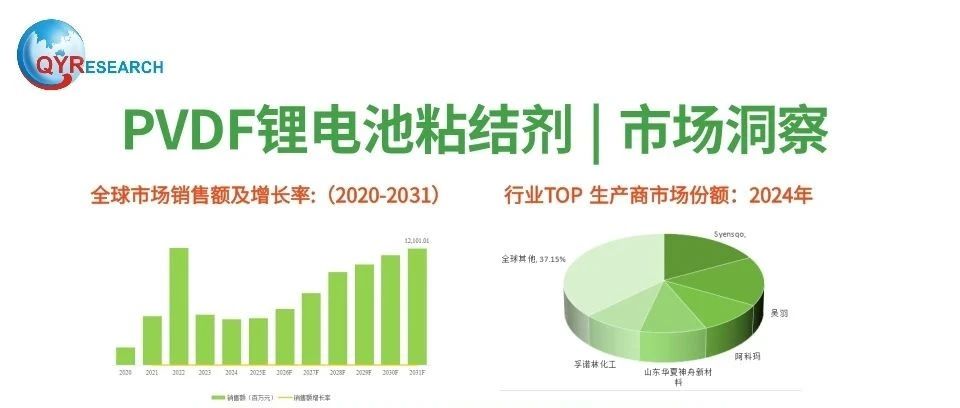
Core Viewpoint - The article discusses the growth and trends in the PVDF lithium battery binder market, highlighting its importance in the lithium-ion battery industry and the expected market dynamics through 2031 [11][14][18]. Group 1: Market Overview - PVDF is the most commonly used binder in lithium-ion batteries, crucial for enhancing the contact between active materials and conductive agents, directly affecting battery capacity, lifespan, and safety [2]. - The global PVDF lithium battery binder market is projected to reach 4.767 billion yuan in 2024 and 12.101 billion yuan by 2031, with a compound annual growth rate (CAGR) of 16.51% from 2025 to 2031 [14]. - China dominates the market, accounting for approximately 78.88% of the global market size in 2024, expected to reach 78.93% by 2031 [16]. Group 2: Production and Consumption - Major producers of PVDF lithium battery binders include Wu Yu, Syensqo, and Arkema, with the first tier of manufacturers holding about 33.24% of the market share in 2024 [17]. - The production method of PVDF binders primarily involves suspension polymerization, which allows for higher resin quality compared to emulsion polymerization [5]. - The market is currently experiencing overcapacity due to rapid expansion in production, leading to increased competition and price pressure [18]. Group 3: Application Segments - The primary applications of PVDF lithium battery binders are in digital batteries, energy storage batteries, and power batteries, with power batteries expected to hold a market share of approximately 74.09% in 2024 [6][10]. - The energy storage sector is gaining attention as a strategic support for the transition of energy structures and the transformation of electricity production and consumption [9]. Group 4: Policy and Industry Trends - The article outlines the Chinese government's policies aimed at promoting high-quality development in the fine chemical industry, which includes the PVDF sector [19]. - The "anti-involution" policy introduced in 2025 aims to curb low-price competition and encourage technological innovation within the lithium battery industry [21][23].
全球与中国贴片合金电阻市场现状及未来发展趋势
QYResearch· 2025-08-25 09:38
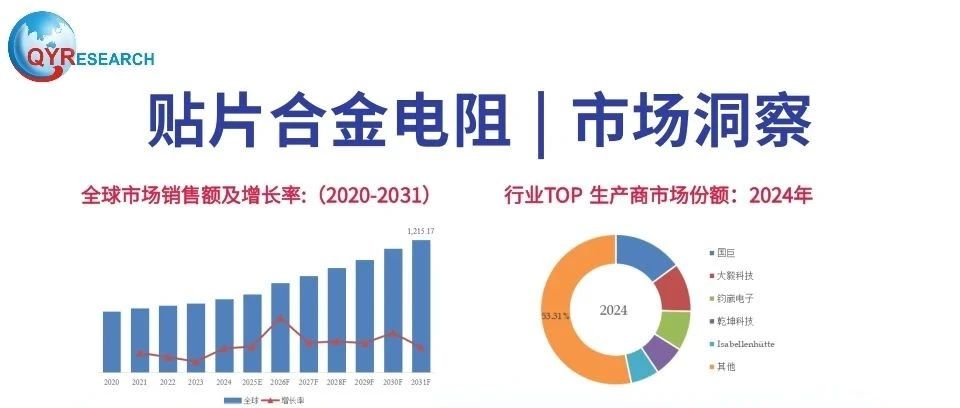
Core Viewpoint - The article discusses the current state and future trends of the chip alloy resistor market, highlighting its significance in modern electronic devices, particularly in automotive applications driven by the rise of electric vehicles and smart technologies [1][3][8]. Group 1: Current Market Analysis - The chip alloy resistor market is predominantly concentrated in the Greater China region, with an expected combined market share of 88.77% in 2024 [3]. - The automotive sector is a major growth driver, with increasing demand for high-reliability, high-current capacity alloy resistors due to the rise of electric vehicles and smart driving technologies [3][8]. - The global market size for alloy resistors is projected to reach approximately $670 million in 2024, with an expected growth to $1.215 billion by 2031, reflecting a compound annual growth rate (CAGR) of 9.16% from 2025 to 2031 [6][7]. Group 2: Competitive Landscape - The global alloy resistor market exhibits a clear tiered competitive structure, with the top five manufacturers holding over 46% of the market share [12]. - Leading companies such as Isabellenhütte and QianKun Technology dominate the automotive-grade resistor segment, while Junwei Electronics focuses on consumer electronics [4][12]. Group 3: Development Trends - There is a trend towards ultra-high precision and low resistance values, with advancements in micro-ohm level resistors (±0.1mΩ) and precision of ±0.02% [5]. - The demand for miniaturization and lightweight components is driving the evolution of resistors towards smaller packaging sizes, such as 0201 (0.6×0.3mm) and even 01005 (0.4×0.2mm) [5]. - High reliability and adaptability to extreme conditions are becoming essential, particularly for electric vehicles requiring resistors to maintain ±0.5% temperature drift under high voltage fast charging scenarios [5]. Group 4: Policy Analysis - Various government policies support the development of high-quality electronic components, emphasizing the importance of new electronic materials and components in national economic planning [13][14]. - The focus on fostering specialized small and medium enterprises in the electronics sector is part of a broader strategy to enhance innovation and competitiveness in the industry [13][14].
全球边缘AI芯片市场生产商排名及市场占有率
QYResearch· 2025-08-25 09:38
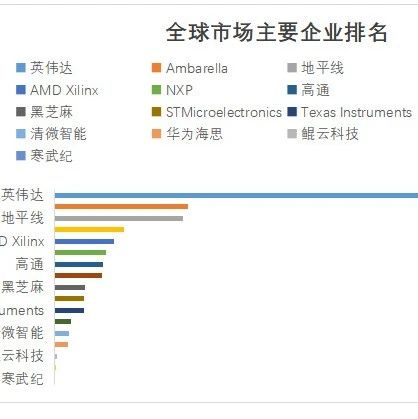
Core Viewpoint - The edge AI chip market is expected to reach a size of $9.52 billion by 2031, with a compound annual growth rate (CAGR) of 18.3% from 2025 to 2031 [1][3]. Market Drivers - The rapid growth in demand for low-latency real-time intelligent processing is the main driver of the edge AI chip market. The limitations of traditional cloud computing in terms of bandwidth, latency, and privacy are pushing AI processing capabilities to the edge devices [3][4]. Market Composition - Edge AI chips are categorized into product types such as audio and sound processing, machine vision, and sensor data analysis, with machine vision holding a dominant market share of approximately 81.6% in 2024 [4][5]. - The automotive sector is the largest demand source for edge AI chips, accounting for about 55.7% of revenue in 2024 [5]. Key Players - Major global manufacturers of edge AI chips include NVIDIA, Ambarella, Horizon Robotics, Intel, AMD, Xilinx, NXP, Qualcomm, Google, and STMicroelectronics, with the top ten companies holding around 79.0% of the market share in 2024 [3][9]. Applications - Edge AI chips are widely used in various applications, including automotive, robotics, smart manufacturing, smart cities, and security monitoring [5][9]. Research Insights - The report provides comprehensive market analysis and trend forecasts, focusing on the overall scale of the global edge AI chip industry, market share, and rankings of major companies, as well as key statistical indicators such as production capacity, sales volume, revenue, pricing, and market share over the past and next five years [8][11].
全球超声波焊接机市场TOP10生产商排名及市场占有率
QYResearch· 2025-08-25 09:38
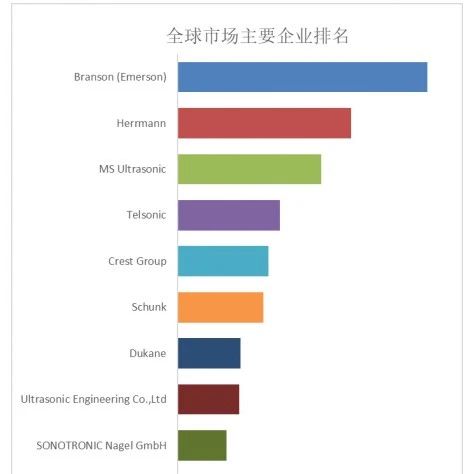
Core Viewpoint - The global ultrasonic welding machine market is projected to reach USD 1.14 billion by 2031, with a compound annual growth rate (CAGR) of 4.2% in the coming years [3]. Market Overview - The ultrasonic welding technology utilizes mechanical vibration energy at ultrasonic frequencies to create a frictional heat at the contact surfaces of two materials, typically plastics or metals, leading to a molten connection [2]. - Major manufacturers in the ultrasonic welding machine market include Branson (Emerson), Herrmann, MS Ultrasonic, Telsonic, and Crest Group, with the top ten companies holding approximately 70.0% of the market share [7]. Product Segmentation - Plastic ultrasonic welding machines represent the largest segment, accounting for about 77.4% of the market share [8]. Regional Analysis - The report emphasizes the analysis of major production and consumption regions over the past five years and forecasts for the next five years, focusing on regions such as North America, Europe, China, Japan, South Korea, and Taiwan [10]. Future Insights - QYResearch will continue to monitor industry dynamics, providing the latest and most comprehensive market analysis and trend forecasts for investors and industry professionals [11].