QYResearch

Search documents
全球及中国医用核素产品行业研究及十五五规划分析报告
QYResearch· 2025-08-19 08:42
Core Viewpoint - The medical radionuclide products market is experiencing significant growth, driven by advancements in precision medicine and the integration of diagnostic and therapeutic applications, with a projected compound annual growth rate (CAGR) of 19.16% from 2020 to 2024 and 9.23% from 2025 to 2031 [1][3]. Market Size and Forecast - In 2020, the global medical radionuclide products market was valued at $473.9 million, and it is expected to reach $955.2 million by 2024, indicating a CAGR of 19.16% during this period [1]. - By 2031, the market is projected to grow to $1.8932 billion, with a CAGR of 9.23% from 2025 to 2031 [1]. Industry Development Characteristics - The industry is evolving towards a dual focus on diagnosis and treatment, with new radiopharmaceuticals like ¹⁷⁷Lu and ²²³Ra leading the transition from diagnostic tools to core therapeutic methods [3]. - The trend of "Theranostics" is becoming prominent, promoting the paired use of diagnostic and therapeutic radionuclides to enhance accuracy and safety in treatment [3]. Favorable Factors for Industry Development - The growing demand for precision medicine is driving the need for targeted and effective treatment options, particularly in oncology [6]. - Technological advancements in nuclear imaging and radiation therapy, such as PET and SPECT, are providing a solid foundation for the development and application of medical radionuclide products [6]. - Increased government support through policies that facilitate faster approvals and funding for research is promoting industry growth [6]. - The high prevalence of diseases like cancer and cardiovascular conditions is creating a stable and expanding market for medical radionuclide products [6]. Unfavorable Factors for Industry Development - The complexity of production technology and high entry barriers due to the need for specialized knowledge in nuclear physics and radiochemistry limit market competition [8]. - The supply chain for key radionuclides is unstable, with production concentrated in a few countries, making it vulnerable to geopolitical and operational risks [8]. - Clinical promotion is hindered by strict radiation management regulations and a shortage of qualified professionals in nuclear medicine [8]. - The lengthy and complex regulatory approval processes for medical radionuclide products can delay market entry and affect profitability [8]. Barriers to Entry in the Industry - High technical barriers exist due to the need for interdisciplinary expertise in nuclear physics, radiochemistry, and pharmacology [10]. - Strict regulations governing the production and use of radionuclide products increase the complexity and cost of compliance [10]. - Significant investment is required for production equipment, such as nuclear reactors and cyclotrons, which raises the financial barrier for new entrants [10]. - The regulatory landscape is complicated by varying standards across countries, making international market entry challenging [10]. Talent Shortage - There is a notable shortage of specialized professionals in nuclear medicine, which affects the industry's ability to develop, produce, and promote medical radionuclide products effectively [11].


全球抗癌症药物市场前10强生产商排名及市场占有率
QYResearch· 2025-08-19 08:42
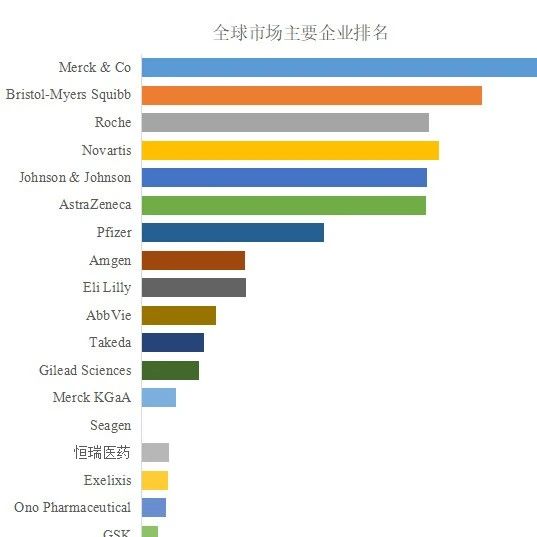
Core Viewpoint - The global cancer drug market is projected to reach $429.16 billion by 2031, with a compound annual growth rate (CAGR) of 11.1% in the coming years [1][11]. Market Overview - The major manufacturers in the global cancer drug market include Merck & Co, Bristol-Myers Squibb, Roche, Novartis, and Johnson & Johnson, which collectively hold approximately 55.0% of the market share in 2024 [5]. - Targeted therapy is the leading product type, accounting for about 55.1% of the market share [6]. - Blood-related cancers represent the largest demand source, making up approximately 22.3% of the market [9]. Market Drivers - The continuous rise in global cancer incidence and mortality rates, particularly for lung, breast, and colorectal cancers, drives the demand for effective treatment drugs [11]. - Increased health awareness and advancements in diagnostic technologies have led to earlier cancer detection, expanding the market size [11]. - Rapid developments in biotechnology have introduced revolutionary breakthroughs in cancer drug research, such as targeted therapies, immunotherapies, ADC drugs, and CAR-T cell therapies, significantly improving treatment outcomes and patient survival rates [11]. - Supportive government policies, including expedited drug reviews and incentives for rare disease medications, create a favorable environment for innovation [11]. - Growing investment enthusiasm in the capital market for innovative oncology drugs provides strong research and development motivation for small and medium-sized biotech companies [11]. Market Challenges - The cancer drug market faces challenges such as high research and development costs, long timelines, and high failure rates, with new drugs taking years to transition from the lab to clinical use [12]. - Despite the introduction of new drugs, many innovative treatments are expensive, and limited insurance coverage restricts accessibility and affordability in certain regions [12]. - Scientific issues like targeted resistance, tumor heterogeneity, and immune evasion remain unresolved, affecting the sustainability and broad applicability of treatment effects [12]. - Increasing regulatory scrutiny on clinical trial data quality, safety assessments, and ethical compliance raises the industry entry barriers [12]. Future Trends - The future development of cancer drugs will focus on more precise, individualized, and diversified approaches [13]. - Advances in genomics, transcriptomics, and proteomics will refine tumor molecular typing, shifting cancer treatment from traditional broad-spectrum therapies to targeted and precise models [13]. - Targeted drugs will continue to be developed for more mutation sites, such as KRAS, HER2, and EGFR, enabling precise interventions for specific patient populations [13]. - Immunotherapy will expand its application boundaries, with PD-1/PD-L1 inhibitors and CTLA-4 inhibitors being used in combination with other therapies to enhance efficacy and overcome immune tolerance issues [13]. - The concept of personalized treatment will be integrated throughout the drug development process, utilizing patient biomarkers and dynamic efficacy assessments to improve treatment outcomes and quality of life [13].
全球与中国汽车雷达高频PCB市场现状及未来发展趋势
QYResearch· 2025-08-18 09:08
Core Viewpoint - The automotive radar high-frequency PCB market is experiencing significant growth driven by the increasing demand for intelligent driving and Advanced Driver Assistance Systems (ADAS), with a shift towards higher frequency radar systems such as 77GHz and 79GHz [3][7]. Industry Development Status - The trend towards higher frequency is evident, with the global market share for 24GHz radar declining as 77GHz/79GHz becomes the mainstream for new vehicles. Mid to high-end models are increasingly equipped with forward and corner radars, leading to a continuous increase in high-frequency PCB usage [3]. - The number of layers in PCBs is increasing, with a notable rise in demand for 6-layer and above PCBs, particularly in long-range forward radars and 4D imaging radars [3]. - Domestic PCB manufacturers in China, such as Huadian Co., Shenzhen South Circuit, and Shengyi Technology, are actively entering the high-frequency radar PCB market, achieving initial breakthroughs in import substitution by supplying to international Tier 1 suppliers [3]. - High-frequency PCB materials are costly, with prices 3 to 5 times higher than FR4, and the complex multi-layer precision processing poses challenges for manufacturing yield and consistency [3]. Development Trends - The evolution towards higher frequency and higher resolution is accelerating, with radar frequencies shifting from 24GHz to 77GHz/79GHz, and the mass production of 4D imaging radars driving the need for PCBs that support higher frequencies and lower losses [4]. - The complexity of PCBs is increasing, with designs evolving from 2-layer and 4-layer to 6-layer and even 8-layer configurations, incorporating RF, power, and control signal layers [4]. - Material diversification is occurring, with an increasing application of materials such as LCP, PTFE, and PPE, while domestic high-frequency substrates are accelerating certification to replace imports [4]. - The high costs associated with materials and processing, along with yield fluctuations, present dual challenges for manufacturers, necessitating a balance between high performance and cost [4]. Market Size and Growth - In 2024, the global automotive radar high-frequency PCB market is projected to reach $285 million, with expectations to grow to $831 million by 2031, reflecting a compound annual growth rate (CAGR) of 16.11% from 2025 to 2031 [7]. - The Chinese market is rapidly evolving, with a projected market size of $58.33 million in 2024, accounting for approximately 20.43% of the global market. By 2031, it is expected to reach $242 million, increasing its global share to 29.18% [7]. - The distribution of automotive radar high-frequency PCBs spans 2 to 10 layers, with 4-layer, 6-layer, and 8-layer products being the most common. The market share for 8-layer products is expected to reach 41.73% in 2024 [8]. - Major global manufacturers include Yahua Electronics, Huadian Co., AT&S, and others, with the top five companies expected to hold a market share of 55.88% in 2024, indicating intensifying competition, especially in the Chinese market [8].

北美农业机械GNSS RTK自动转向系统市场前3强生产商排名及市场占有率
QYResearch· 2025-08-18 09:08
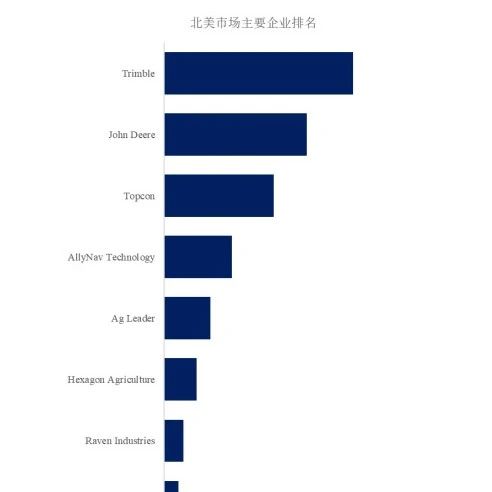
Core Viewpoint - The North American agricultural machinery GNSS RTK automatic steering system market is projected to reach $740 million by 2031, with a compound annual growth rate (CAGR) of 6.75% in the coming years [1][4]. Market Trends - The integration of agricultural machinery GNSS RTK automatic steering systems aligns with the trends of automation and precision agriculture, enhancing operational precision and efficiency for farmers [5]. - Integration with data analytics and farm management software allows farmers to collect and analyze real-time data, enabling data-driven decision-making and optimization of farming strategies [5]. - Advances in sensor and connectivity technologies enhance the functionality of agricultural machinery GNSS RTK automatic steering systems, improving positioning accuracy and facilitating seamless data transfer [5]. Market Drivers - The increasing emphasis on precision agriculture and yield optimization drives demand for agricultural machinery GNSS RTK automatic steering systems, enabling efficient field coverage and enhancing overall farm profitability [6]. - Labor shortages and rising labor costs prompt farmers to invest in automation technologies, such as agricultural machinery GNSS RTK automatic steering systems, reducing reliance on manual labor and improving operational efficiency [6]. - The adoption of agricultural machinery GNSS RTK automatic steering systems aims to enhance operational efficiency and save time across various agricultural activities, optimizing field operations [6]. Market Challenges - The high initial investment cost for acquiring and deploying GNSS RTK automatic steering systems poses a significant barrier for many farmers, particularly small-scale and resource-constrained operators [7]. - Ensuring seamless compatibility and integration of agricultural machinery GNSS RTK automatic steering systems with existing equipment presents challenges for some farmers, often requiring additional modifications or upgrades [7]. - The reliability of GNSS signals, especially in remote or complex geographical agricultural environments, poses challenges for the consistent accuracy of these systems, with signal interference potentially affecting performance [7]. Key Manufacturers - Major manufacturers of agricultural machinery GNSS RTK automatic steering systems in North America include Trimble, John Deere, and Topcon, with the top three companies holding approximately 49.0% market share in 2024 [4][9].
全球耐辐射照明市场前10强生产商排名及市场占有率
QYResearch· 2025-08-18 09:08
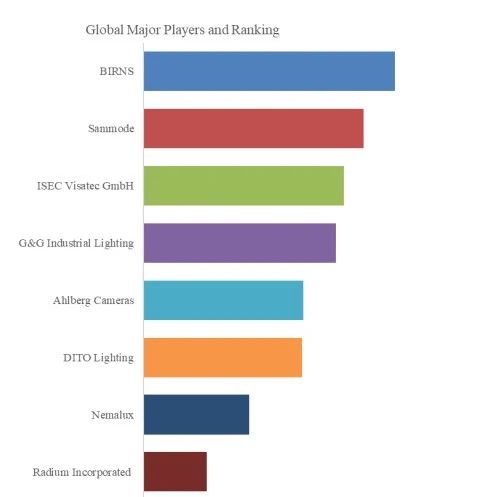
Core Viewpoint - Radiation Resistant Lighting is becoming an essential technology for extreme operational environments, particularly in nuclear facilities and industrial applications, with a projected market size of $40 million by 2031 and a CAGR of 6.0% from 2025 to 2031 [1][2]. Market Application - The primary application of this technology is in nuclear power plants, accounting for 78.52% of the market, ensuring stable lighting in high-radiation areas [2]. - Industrial applications, such as in radioactive detection laboratories, represent 14.18% of the market, enhancing operational stability and safety [2]. - Other applications (7.30%) include defense, particle accelerators, and space laboratories, indicating a gradual release of demand in these sectors [2]. Regional Distribution - Europe currently leads the market with a 43.10% share in 2024, driven by countries like France, Finland, and the Czech Republic, which have high nuclear energy reliance [2]. - North America follows with a 31.71% share, supported by established nuclear infrastructure and military demand [2]. - The Asia-Pacific region holds a 22.03% share, with expected growth due to expanding nuclear projects in China, South Korea, and India [2]. Competitive Landscape - The market is relatively concentrated, with the top nine companies holding approximately 57% of the global market share in 2024 [3]. - BIRNS is recognized as the industry leader with a 20.62% market share, particularly in underwater radiation-resistant lighting [3]. - Other notable companies include Sammode (12.39%), ISEC Visatec GmbH (7.57%), and G&G Industrial Lighting, each with specific technological advantages in various applications [3]. Future Trends - The future of radiation-resistant lighting is expected to focus on higher luminous efficiency, lighter structures, and increased intelligence, integrating features like infrared thermal imaging and remote diagnostics [7]. - Stricter industry standards will drive companies to enhance material selection and electronic stability research [7]. - This technology is not only crucial for operational safety in the nuclear industry but also plays a significant role in the intelligent construction of new energy and special industrial environments, indicating a broad future development space [7].
全球及中国汽车电子油泵行业研究及十五五规划分析报告
QYResearch· 2025-08-15 09:59
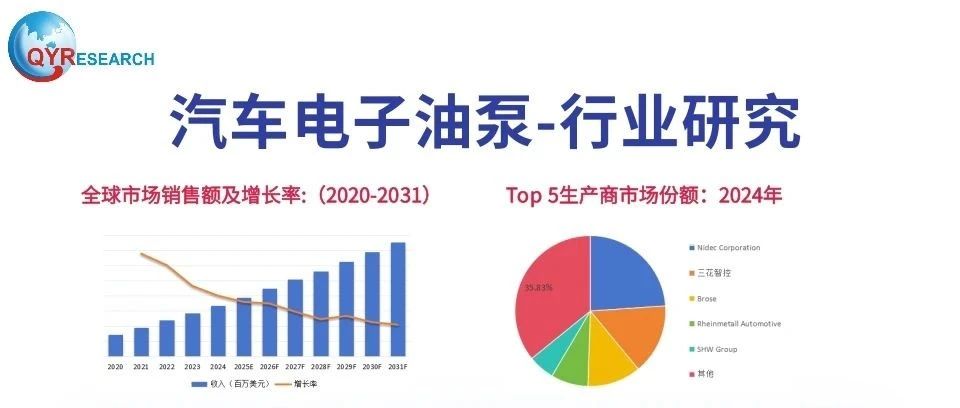
Core Viewpoint - The automotive electronic oil pump industry is poised for significant growth driven by the transition to electric vehicles and the increasing demand for efficient cooling systems, particularly oil cooling technology, which outperforms traditional water cooling methods [2][12][16]. Industry Overview and Market Size Forecast - The global automotive electronic oil pump market is projected to reach approximately $673.29 million in 2024 and is expected to grow to $1,504.01 million by 2031, with a compound annual growth rate (CAGR) of 11.59% from 2025 to 2031 [4]. - In 2024, China is anticipated to hold a 41.81% share of the global market, while the U.S. is expected to account for 13.40%. China's market is projected to grow at a CAGR of 11.30%, reaching $673.84 million by 2031 [4]. - The Asia-Pacific region, including Japan, South Korea, India, and Southeast Asia, is expected to play a crucial role in the market's growth, with Germany maintaining its leadership in Europe with a CAGR of approximately 9.41% from 2025 to 2031 [4]. Product Type and Technology - Integrated pumps dominate the market, accounting for 94.02% of the market share in 2024, and are expected to reach $1,430.68 million by 2031. Integration reduces weight and enhances cooling efficiency [5][6]. - The separation of the motor and control unit in some electronic oil pumps allows for greater flexibility in configuration based on specific needs, such as flow and pressure levels [7]. Application Market Situation - The electric drive system is projected to dominate the market, with a share of 67.40% by 2031, and a CAGR of approximately 19.30% from 2025 to 2031, driven by the rapid development of electric vehicles [8]. Favorable Factors for Industry Development - The global push for energy-efficient and smart vehicles is accelerating the development of core technologies in automotive components, with significant government support for the growth of the electric vehicle sector [15]. - The trend towards integration, modularization, and lightweight design in electric vehicles is expected to enhance production efficiency and vehicle performance [15]. Challenges and Barriers to Entry - The industry faces risks from policy changes that could impact support for electric vehicle development, potentially hindering growth [18]. - Rapid technological advancements necessitate significant investment and understanding of industry trends, posing a challenge for companies to keep pace with innovation [19]. - The automotive electronic oil pump market has high entry barriers due to stringent certification processes required by major manufacturers, which can take several years to establish [20][21]. Competitive Landscape - The market is currently dominated by major players such as Nidec Corporation, Sanhua Intelligent Controls, Brose, Rheinmetall Automotive, and SHW Group, with the top three companies holding approximately 50.51% of the global market share [14].
全球电机铁芯级进模市场前10强生产商排名及市场占有率
QYResearch· 2025-08-15 09:59
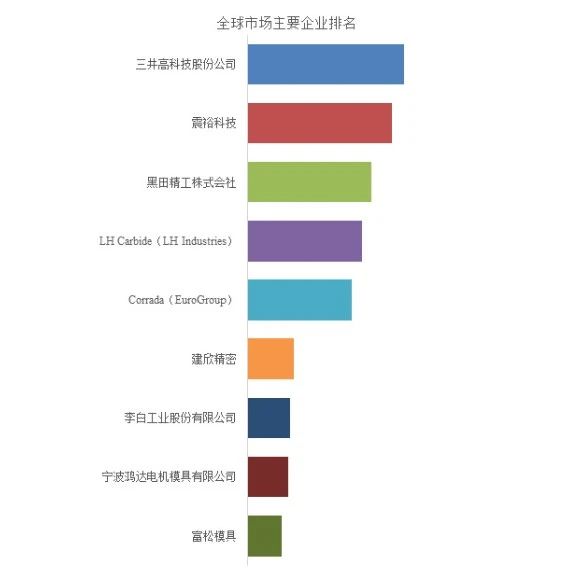
Core Viewpoint - The global motor core progressive die market is projected to reach USD 630 million by 2031, with a compound annual growth rate (CAGR) of 6.7% in the coming years [1][4]. Market Overview - The main manufacturers in the global motor core progressive die market include Mitsui High-Tech Co., Ltd., Zhenyu Technology, Kuroda Precision Industries, LH Carbide, and Corrada [4]. - In 2024, the top four manufacturers are expected to hold approximately 54.0% of the market share [4]. Industry Trends - The "Internet +" trend is driving the development of smart home appliances, with a focus on new, energy-efficient, and intelligent products [7]. - The demand for high-efficiency motors (IE4/IE5) is pushing the progressive die market towards "multi-column, ultra-thin laminations," with precision requirements reaching ±2 μm [8]. - The explosive demand for electric vehicle motor cores is increasing the market for progressive dies, as the value per vehicle is high due to components like stator and rotor core combinations [8]. Technological Advancements - The precision of molds is expected to exceed 0.002 mm to meet the stringent performance requirements of high-frequency motors in electric vehicles [10]. - The rise in demand for servo motors and robotic joint motors is leading to a transition towards brushless technology in air conditioning compressors and washing machine motor cores, increasing the penetration rate of multi-column progressive dies [9]. Regional Development - Regions such as the Yangtze River Delta and the Pearl River Delta are forming mold industry clusters, integrating upstream and downstream resources to enhance overall competitiveness [11].
全球后视镜市场前10强生产商排名及市场占有率
QYResearch· 2025-08-15 09:59
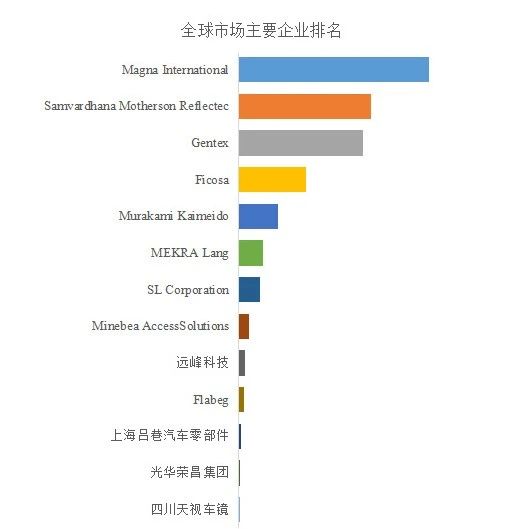
Core Viewpoint - The automotive rearview mirror market is evolving towards "intelligent, electronic, and integrated" systems, driven by the growth of global automotive production and sales, particularly in the electric vehicle sector, alongside increasing consumer demands for safety and aesthetics [1][3][6]. Market Drivers - The steady growth in global automotive production and sales, especially the rapid adoption of electric vehicles, is driving demand for smart and safe rearview mirror systems [1][3]. - Increasing consumer expectations for driving safety, wider visibility, and vehicle aesthetics are pushing traditional mirrors towards multifunctional upgrades, including features like electric adjustment, automatic folding, blind spot monitoring, and camera assistance [1][3]. - Stricter regulations on active safety technologies in various countries, such as the EU, the US, and China, are accelerating the legalization and industrialization of camera-based mirror systems (CMS) [1][2]. - Automakers are integrating digital mirrors and smart rearview systems to meet the trend of unified smart cockpit designs, enhancing the technological barriers and added value of the market [1][3]. Market Challenges - The rearview mirror market faces challenges such as rising costs of raw materials and components, particularly in the context of global chip shortages and supply chain instability, which pressure production timelines [2]. - Increased competition among international Tier 1 suppliers and emerging local companies is leading to product homogenization and heightened risks of price wars [2]. - The functionality and user acceptance of streaming rearview mirrors and CMS systems still require improvements, with technical bottlenecks in ensuring quality visibility and ergonomic design for reliable mass application [2]. Future Trends - The future development of the rearview mirror market will focus on integrating cameras, radars, sensors, and AI algorithms, transforming traditional mirrors into smart terminals [3][4]. - Electronic external mirrors (CMS systems) are rapidly being adopted in high-end electric vehicles, enhancing aerodynamic performance and reducing blind spots [3][4]. - The rearview mirror will increasingly serve as a perception node for autonomous driving systems, integrating multiple sensor modalities for comprehensive environmental monitoring [4]. - The design of mirrors is evolving towards modular integration, combining various functions like welcome lights and cameras to enhance vehicle aesthetics and functionality [4]. Market Size and Share - According to QYResearch, the global rearview mirror market is projected to reach USD 18.73 billion by 2031, with a compound annual growth rate (CAGR) of 6.3% over the coming years [6]. - Currently, external rearview mirrors dominate the market, accounting for approximately 80.9% of the segment [10]. - Passenger vehicles represent the primary demand source, holding about 68.7% of the market share [13]. - The top five manufacturers, including Magna International and Gentex, are expected to hold around 78.0% of the market share by 2024 [9].
全球安全气囊服市场前10强生产商排名及市场占有率
QYResearch· 2025-08-14 09:00
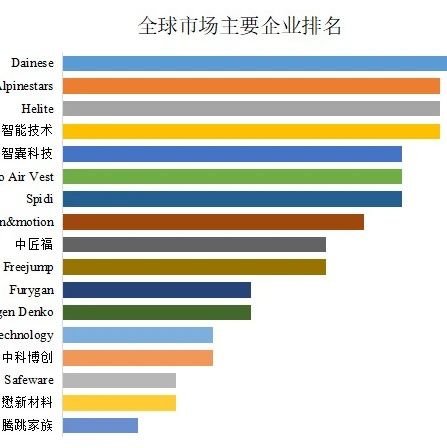
Core Viewpoint - The wearable airbag suit market is in a growth phase, with potential applications in various sectors such as motorcycle riding, elderly fall prevention, extreme sports, and industrial safety. The market is expected to expand significantly due to advancements in technology and increasing awareness of safety [1][2]. Market Overview - The global airbag suit market is projected to reach $230 million by 2030, with a compound annual growth rate (CAGR) of 12.1% over the next few years [2]. - The market is currently dominated by jacket-style products, which account for approximately 55.6% of the market share [6][7]. - Motorcycle sports represent the largest downstream market, holding about 30.5% of the demand [8][10]. Key Drivers - The aging population is driving the demand for elderly protection solutions, as falls pose significant health risks for older adults [16]. - Increased awareness of safety in high-risk activities is leading to a consumer shift towards advanced protective gear, with airbag suits becoming a preferred choice [17]. - Technological advancements in sensors and materials are enhancing the performance and comfort of airbag suits [18]. Major Challenges - High product costs limit market acceptance, with complete airbag suits priced between several thousand to tens of thousands of yuan [19]. - The wearing experience needs improvement, as many suits are still perceived as bulky and uncomfortable, affecting usage frequency [20]. - There is a lack of consumer awareness and education regarding airbag suits, which contributes to hesitation in purchasing [20]. Industry Opportunities - Integration with wearable health devices and smart health technologies can create new market opportunities for airbag suits [21]. - Government policies and standardization efforts are expected to promote industry growth and acceptance [22]. - Diverse application scenarios, including construction, high-risk jobs, and specialized sports, are likely to generate new market demands [23].
全球奥氏体不锈钢市场前10强生产商排名及市场占有率
QYResearch· 2025-08-14 09:00
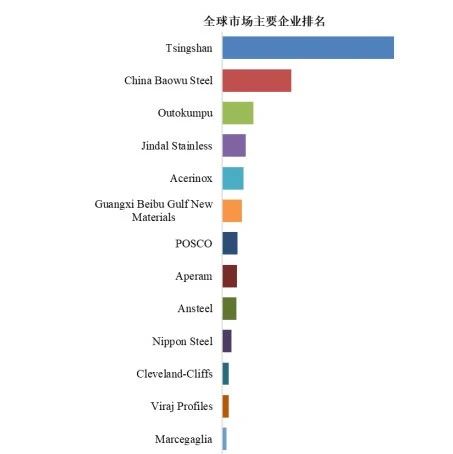
Core Viewpoint - The global austenitic stainless steel market is projected to reach $128.1 billion by 2031, with a compound annual growth rate (CAGR) of 3.7% from 2025 to 2031 [1][10]. Market Overview - Austenitic stainless steel is the most produced and widely used type of stainless steel, known for its excellent corrosion resistance, good plasticity and toughness, and non-magnetic properties [1]. - Major global producers include Tsingshan, China Baowu Steel, Outokumpu, and Jindal Stainless, with the top ten manufacturers holding approximately 59.0% of the market share in 2022 [5]. - The 300 series accounts for about 75.0% of the market share in terms of product type, while the food processing and catering sector is the largest downstream market, representing approximately 26.1% of the demand [7]. Key Drivers - The demand for austenitic stainless steel is driven by its superior performance and extensive applications across various core industries. Key drivers include: - Continuous investment in construction and infrastructure, where austenitic stainless steel is preferred for its corrosion resistance and aesthetic appeal [10]. - Increased demand in the automotive industry for lightweight, high-strength, and corrosion-resistant materials, particularly in the context of electric vehicles [10]. - Stable demand from the energy and heavy industries, including oil and gas, chemicals, and power sectors, due to stringent requirements for corrosion and high-temperature resistance [10]. - Growing requirements in food processing, medical devices, and pharmaceuticals for hygienic and non-toxic materials, driven by population growth and heightened health awareness [10]. Challenges - The austenitic stainless steel market faces challenges such as: - High and volatile raw material costs, particularly for key alloying elements like nickel and chromium, which are influenced by global supply-demand dynamics and geopolitical factors [13]. - Competition from alternative materials, including duplex stainless steel and high-performance plastics, which may offer better strength and corrosion resistance in certain applications [13]. - Economic uncertainties and rising trade protectionism that could lead to market demand fluctuations and supply chain disruptions [13]. - Increasingly stringent environmental regulations and requirements for energy consumption and carbon emissions, which impose higher technical and cost demands on manufacturers [13]. Opportunities - The austenitic stainless steel industry has multiple growth opportunities, including: - Industrialization and urbanization in emerging economies, leading to significant demand for infrastructure and consumer goods [14]. - Growing demand for high-value and customized products, prompting companies to develop specialized grades for specific corrosive environments or extreme temperature conditions [14]. - Advancements in recycling technologies and the adoption of green manufacturing practices, enhancing resource efficiency and reducing environmental impact [14]. - Integration of new material technologies and advanced manufacturing processes, such as 3D printing and surface modification, expanding application boundaries and improving performance [14]. - Rapid growth in demand for high-performance stainless steel in sectors like renewable energy, environmental engineering, and high-end equipment manufacturing, creating new market segments and profit opportunities [14].