中国有色金属工业协会硅业分会

Search documents
【安泰科】单晶硅片周评-市场观望为主 硅片价格持稳运行(2026年2月12日)
中国有色金属工业协会硅业分会· 2026-02-13 01:43
Core Viewpoint - The silicon wafer prices remain stable this week, with no significant changes observed in the market, reflecting a cautious approach from both upstream and downstream players [1][2]. Group 1: Price Stability - N-type G10L monocrystalline silicon wafer (182*183.75mm/130μm) has an average transaction price of 1.20 yuan per piece, while N-type G12R (182*210mm/130μm) is at 1.26 yuan, and N-type G12 (210*210mm/130μm) is at 1.45 yuan, all unchanged from last week [1][3]. - The mainstream price for battery cells is between 0.41-0.45 yuan/W, and for modules, it is between 0.71-0.75 yuan/W, showing no significant fluctuations [1]. Group 2: Market Dynamics - The silicon wafer market transactions are generally weak, with companies halting purchasing orders ahead of the holiday, leading to minimal sales activity [2]. - The overall operating rate in the industry has slightly decreased, with two leading companies operating at 46% and 45%, while integrated companies are at 50%-60%, and others range from 50%-70% [2]. Group 3: Future Outlook - The market is expected to remain in a stalemate between upstream price support and downstream price pressure, with prices likely to stabilize in the short term [2]. - After the holiday, as terminal installation projects resume, there is potential for a slight recovery in demand for silicon wafers, which may positively impact the market [2].

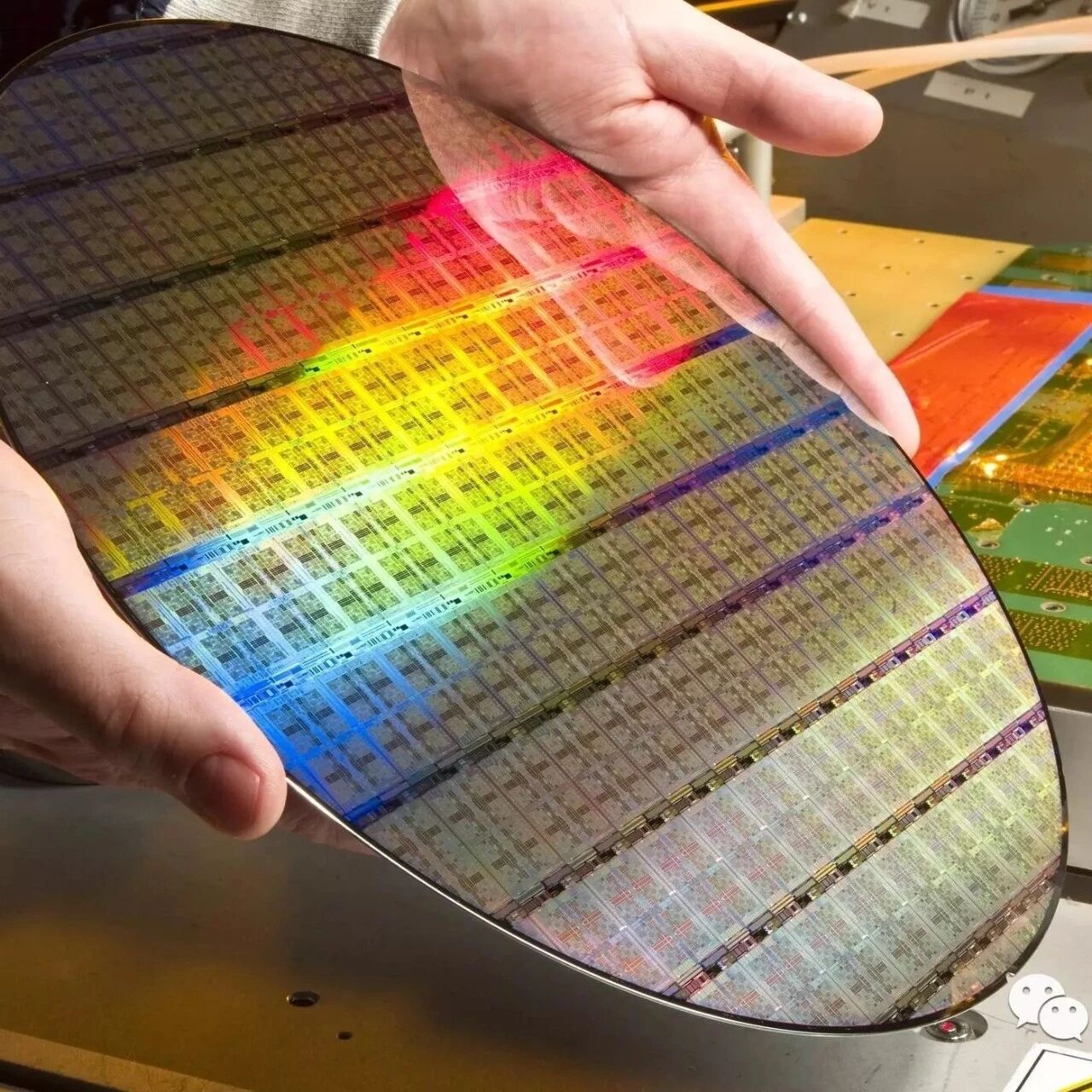
【安泰科】工业硅周评—供应收紧持续验证 需求疲态制约反弹(2026年2月5日–2月11日)
中国有色金属工业协会硅业分会· 2026-02-12 14:03
Core Viewpoint - The industrial silicon market continues to exhibit a "dual weakness" in supply and demand, with prices fluctuating amid a tug-of-war between supply contraction and weak demand [1][3]. Supply Side - The supply side has confirmed a tightening trend, particularly with leading enterprises in Xinjiang continuing their production reduction plans, significantly limiting output [2]. - In the southwestern regions of Yunnan and Sichuan, low operating rates persist due to electricity costs and seasonal factors, with weak recovery intentions [2]. - Some enterprises in Inner Mongolia are still undergoing maintenance, contributing to the overall supply contraction in February, which provides a bottom support for the market but is insufficient to drive prices upward [2]. Demand Side - Overall downstream demand remains weak, with various sectors showing lackluster performance [2]. - In the polysilicon sector, despite previous production cuts and policy disruptions creating a "rush for exports" effect, overall inventory pressure remains high, leading to cautious procurement of industrial silicon [2]. - The organic silicon market continues to see weak trading, with mainstream DMC prices holding steady between 13,800 and 14,000 yuan/ton, and production strategies focusing on staggered and self-disciplined reductions, providing limited support for industrial silicon consumption [2]. - The aluminum alloy sector has seen a slight decline in operating rates as the Spring Festival approaches, with procurement strictly based on rigid demand, limiting any potential increase [2]. - The export market remains tepid, with weak purchasing intentions from overseas clients and limited tender quantities, putting continued pressure on FOB prices [2]. Market Dynamics - The industrial silicon market is characterized by "clear supply contraction, persistent weak demand, fluctuating futures, and stable spot prices" [3]. - The core market dynamics have shifted from production reduction expectations to actual demand verification [3]. - Prices are currently caught between cost support and demand suppression, with a slow downward adjustment in the fluctuation center [3]. - In the short term, the market is expected to maintain a range-bound fluctuation, with a focus on the actual inventory reduction situation before and after the Spring Festival, as well as the resumption progress and procurement rhythm of downstream industries [3].
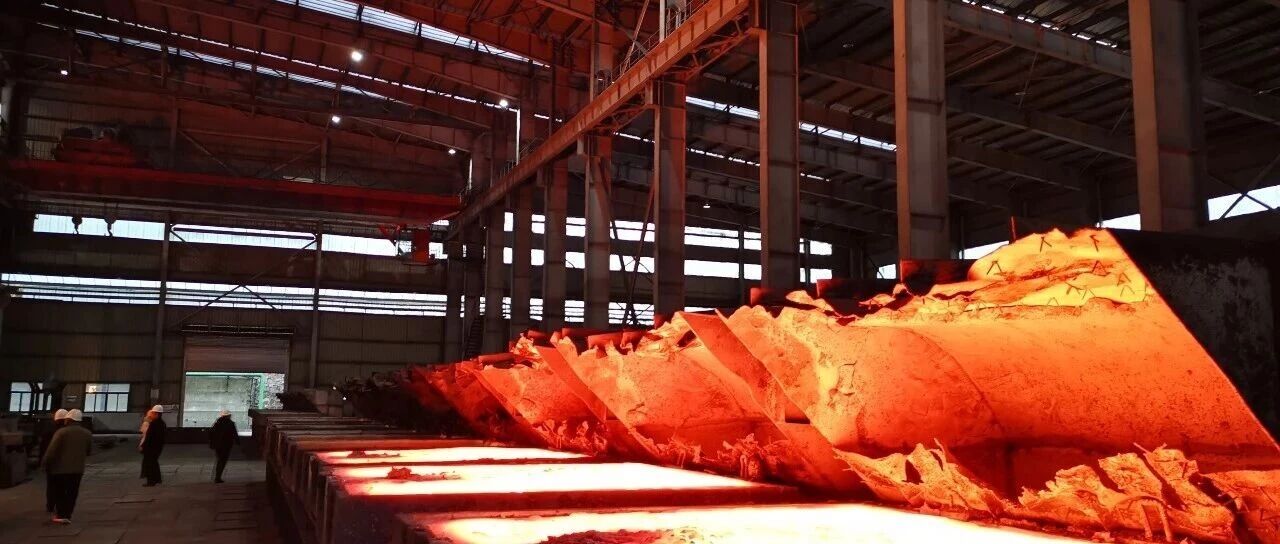
[安泰科]多晶硅周评-市场少量成交 观望情绪仍浓 (2026年2月11日)
中国有色金属工业协会硅业分会· 2026-02-11 03:10
Core Viewpoint - The multi-crystalline silicon market is experiencing a slight recovery in activity, but overall transactions remain cautious and primarily exploratory due to weak downstream demand and production cuts among silicon manufacturers [1][2]. Group 1: Market Prices and Transactions - The transaction price range for n-type re-investment material is between 51,000 - 53,000 yuan/ton, with an average transaction price of 51,700 yuan/ton [1]. - The transaction price range for n-type granular silicon is between 50,000 - 51,000 yuan/ton, with an average transaction price of 50,500 yuan/ton [1]. - The market has seen a slight increase in activity with four companies completing small orders, although the overall transaction volume remains low and primarily consists of tentative trades [1]. Group 2: Market Outlook - In the short term, the multi-crystalline silicon market is expected to remain in a stalemate due to the ongoing struggle between weak pre-holiday demand and supply contraction, limiting price fluctuations [2]. - Post-holiday, as terminal installation projects gradually commence, downstream demand is anticipated to increase, potentially boosting procurement needs [2]. - The recent small transactions in the market may provide some price support, but resolving the core supply-demand conflict will depend heavily on a comprehensive recovery in terminal demand and the effective implementation of relevant energy consumption policies [2].
【安泰科】光伏玻璃价格(2026年2月10日)
中国有色金属工业协会硅业分会· 2026-02-10 06:33
Core Viewpoint - The article provides an overview of the pricing trends in the photovoltaic glass market, highlighting the current prices and fluctuations for different thickness categories of photovoltaic glass [1]. Pricing Summary - For 2.0mm photovoltaic glass, the highest price is 10.5 yuan per square meter, the lowest is 10 yuan, and the average price is 10.25 yuan, with no price fluctuation reported [1]. - For 3.2mm photovoltaic glass, the highest price is 18 yuan per square meter, the lowest is 17 yuan, and the average price is 17.5 yuan, also showing no price fluctuation [1].

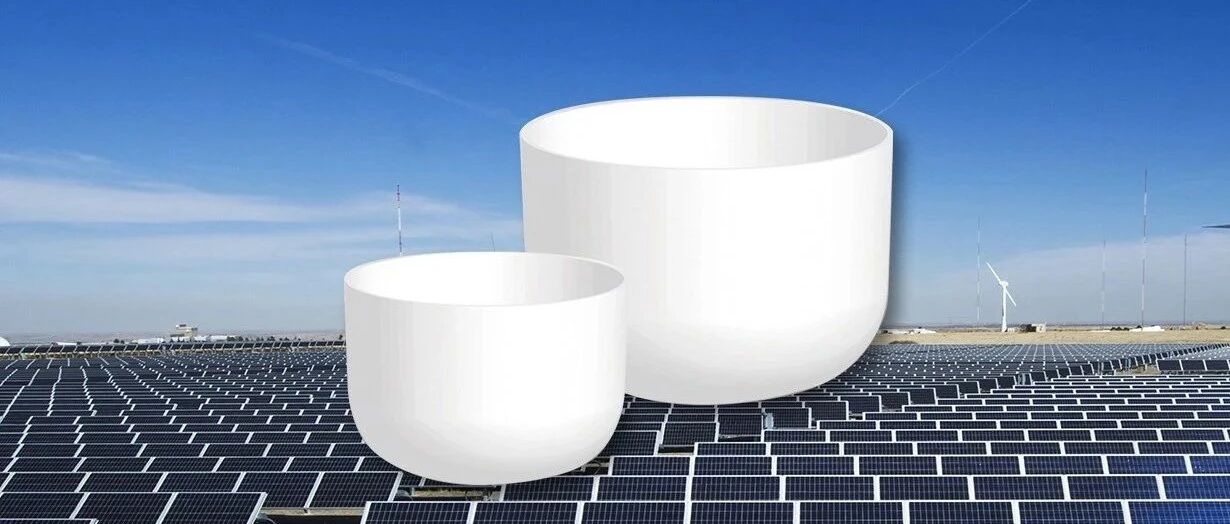
【安泰科】高纯石英砂/石英坩埚价格(2026年2月10日)
中国有色金属工业协会硅业分会· 2026-02-10 06:33
Core Viewpoint - The article provides a detailed analysis of the pricing trends for high-purity quartz sand and quartz crucibles, highlighting the price ranges and average prices for different categories as of February 10, 2026 [1]. Pricing Analysis of High-Purity Quartz Sand - Import quartz sand has a highest price of 7 million yuan per ton, a lowest price of 6.2 million yuan, and an average price of 6.6 million yuan with no price fluctuation [1]. - Inner layer quartz sand shows a highest price of 6 million yuan, a lowest price of 5 million yuan, and an average price of 5.5 million yuan with no price fluctuation [1]. - Middle layer quartz sand has a highest price of 2.4 million yuan, a lowest price of 2.2 million yuan, and an average price of 2.3 million yuan with no price fluctuation [1]. - Outer layer quartz sand records a highest price of 2 million yuan, a lowest price of 1.3 million yuan, and an average price of 1.65 million yuan with no price fluctuation [1]. Pricing Analysis of Quartz Crucibles - The 28-inch quartz crucible has a highest price of 0.62 million yuan, a lowest price of 0.6 million yuan, and an average price of 0.61 million yuan with no price fluctuation [1]. - The 32-inch quartz crucible shows a highest price of 0.63 million yuan, a lowest price of 0.62 million yuan, and an average price of 0.625 million yuan with no price fluctuation [1]. - The 36-inch quartz crucible has a highest price of 0.71 million yuan, a lowest price of 0.7 million yuan, and an average price of 0.705 million yuan with no price fluctuation [1].
【安泰科】单晶硅片周评-需求疲软成交清淡 硅片价格承压下行(2026年2月5日)
中国有色金属工业协会硅业分会· 2026-02-05 12:44
Core Viewpoint - The silicon wafer market is experiencing downward pressure on prices due to weak downstream demand and high costs for battery manufacturers, leading to a significant reduction in procurement demand and production rates [1][2]. Price Trends - The average transaction prices for various types of silicon wafers have decreased: - N-type G10L (182*183.75mm/130μm) at 1.20 CNY/piece, down 4.76% week-on-week - N-type G12R (182*210mm/130μm) at 1.26 CNY/piece, down 4.55% - N-type G12 (210*210mm/130μm) at 1.45 CNY/piece, down 4.61% [1][3]. - The prices for downstream battery cells remain stable, with mainstream prices at 0.41-0.45 CNY/W and module prices at 0.71-0.75 CNY/W [1]. Market Dynamics - The market is characterized by weak demand, with terminal installation demand remaining soft and rising silver prices increasing cost pressures on battery companies, leading to a pessimistic industry sentiment and significant production cuts [1][2]. - The overall operating rate in the industry has slightly decreased, with leading companies operating at 50% and 46%, while integrated companies maintain rates between 50%-68% and other companies between 50%-70% [1]. Future Outlook - In the short term, silicon wafer demand is expected to remain weak, with a forecast of narrow fluctuations in the market due to adjustments in battery cell production and expectations of declining silicon material prices [2]. - Post-holiday, as rigid orders from downstream gradually release, the supply-demand relationship for silicon wafers is anticipated to improve, potentially providing some market support [2].
[安泰科]多晶硅周评-市场观望情绪浓厚 供需双弱格局延续(2026年2月4日)
中国有色金属工业协会硅业分会· 2026-02-04 07:27
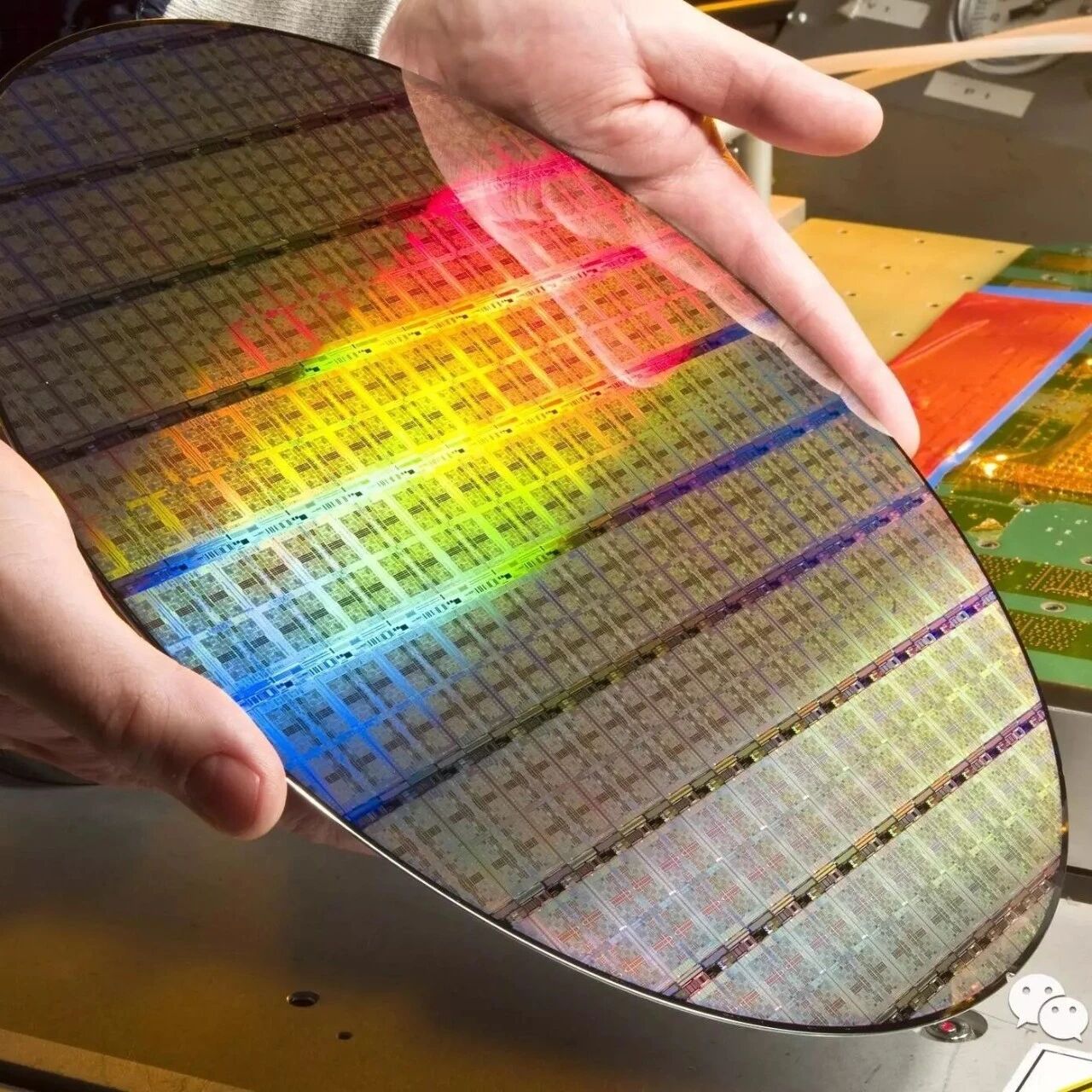
Group 1 - The core viewpoint of the article indicates that the polysilicon market is currently experiencing a stalemate, with no quotations or transactions reported for mainstream products this week. The market sentiment has worsened, leading to a complete halt in new contract signings, with only a few companies engaging in minor exploratory inquiries [1] - The deepening market deadlock is attributed to high absolute prices of key materials like silver paste, which continue to exert cost pressure on battery production. This has limited the downstream acceptance of polysilicon prices. Additionally, the uncertainty surrounding the operational plans of downstream silicon wafer and battery manufacturers ahead of the Spring Festival has delayed short-term procurement needs [1] - In January, domestic polysilicon production was approximately 102,000 tons, a month-on-month decrease of 8.3%. The reduction mainly came from companies like Yongxiang Co., GCL-Poly Energy, and Lihau Qingneng, while increases were noted from companies like Nanfang Glass and Tianrui. The production plan for February is set to further decrease to below 85,000 tons, aligning supply with demand [1] Group 2 - The polysilicon market is expected to maintain a weak supply and demand balance in the short term, with sluggish demand before the Spring Festival and supply contraction continuing to dominate the market outlook. Significant price fluctuations are unlikely [2] - After the Spring Festival, as some downstream companies gradually release their rigid procurement needs, order transactions are expected to slowly resume, with prices fluctuating within a narrow range based on the cost lines of enterprises [2]
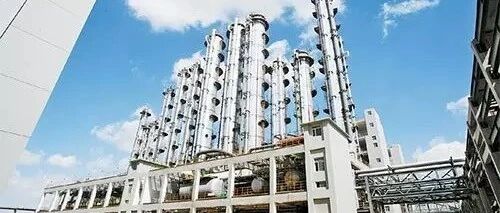
【安泰科】光伏玻璃价格(2026年2月3日)
中国有色金属工业协会硅业分会· 2026-02-03 06:37
Core Viewpoint - The article provides an overview of the pricing trends in the photovoltaic glass market, highlighting the current prices and fluctuations for different thickness categories of photovoltaic glass [1]. Pricing Summary - For 2.0mm photovoltaic glass, the highest price is 10.5 yuan per square meter, the lowest is 10 yuan, and the average price is 10.25 yuan, with no price fluctuation reported [1]. - For 3.2mm photovoltaic glass, the highest price is 18 yuan per square meter, the lowest is 17 yuan, and the average price is 17.5 yuan, also showing no price fluctuation [1]. - The prices mentioned are inclusive of tax and are based on the comparison of quotes from multiple photovoltaic glass manufacturers [1].

【安泰科】高纯石英砂/石英坩埚价格(2026年2月3日)
中国有色金属工业协会硅业分会· 2026-02-03 06:37
Core Viewpoint - The article provides a detailed analysis of the pricing trends for high-purity quartz sand and quartz crucibles, highlighting the price ranges and average prices for different categories, which are essential for understanding market dynamics and potential investment opportunities in the quartz industry [1][2]. Pricing Trends of High-Purity Quartz Sand - The highest price for imported quartz sand is 7 million yuan per ton, while the lowest is 6.2 million yuan, with an average price of 6.6 million yuan [1]. - For inner-layer quartz sand, the highest price is 6 million yuan, the lowest is 5 million yuan, and the average price is 5 million yuan [1]. - Middle-layer quartz sand shows a highest price of 2.4 million yuan, a lowest price of 2.2 million yuan, and an average price of 2.3 million yuan [1]. - Outer-layer quartz sand has a highest price of 2 million yuan, a lowest price of 1.3 million yuan, and an average price of 1.65 million yuan [1]. Pricing Trends of Quartz Crucibles - The highest price for a 28-inch quartz crucible is 0.62 million yuan, with a lowest price of 0.6 million yuan and an average price of 0.61 million yuan [1]. - For a 32-inch quartz crucible, the highest price is 0.63 million yuan, the lowest is 0.62 million yuan, and the average price is 0.625 million yuan [1]. - The 36-inch quartz crucible has a highest price of 0.71 million yuan, a lowest price of 0.7 million yuan, and an average price of 0.705 million yuan [1].
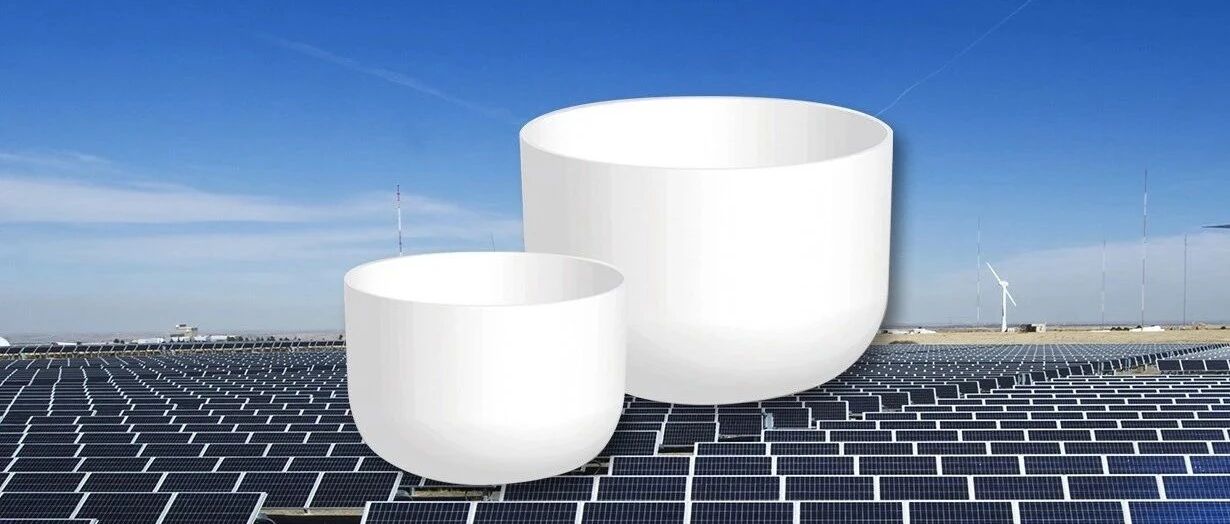
国家发展改革委、国家能源局有关负责同志就完善发电侧容量电价机制答记者问
中国有色金属工业协会硅业分会· 2026-02-02 01:33
Core Viewpoint - The article discusses the recent notification issued by the National Development and Reform Commission and the National Energy Administration to improve the capacity pricing mechanism for power generation, aiming to ensure stable electricity supply and support the green and low-carbon transition of energy systems [1]. Group 1: Reasons for Improving the Capacity Pricing Mechanism - The large-scale development of renewable energy in China has led to its status as the primary installed power source, necessitating the construction of adjustable power sources to ensure stable electricity supply during periods of low renewable output [2]. - The current capacity pricing mechanism faces challenges, including declining operating hours for coal power in some regions and insufficient cost constraints for pumped storage projects, which hinder their effective development [3]. Group 2: Classification and Improvement of Pricing Mechanisms - The notification enhances the existing capacity pricing mechanisms for coal, gas, and pumped storage power, and establishes a new pricing mechanism for grid-side independent new energy storage at the national level [3][4]. - For coal and gas power, the proportion of fixed cost recovery through capacity pricing will be increased to no less than 50%, equating to 165 yuan per kilowatt annually [3][4]. - The pumped storage pricing mechanism will maintain existing prices for projects started before a specific guideline, while new projects will adopt a "one province, one price" approach based on average cost recovery [4][5]. Group 3: Establishment of Reliable Capacity Compensation Mechanism - The reliable capacity refers to the sustained and stable power supply capacity during peak periods, which varies by power generation type. The notification proposes establishing a reliable capacity compensation mechanism to ensure fair compensation based on this metric [6]. Group 4: Optimizations in Market Trading and Pricing Mechanisms - The notification encourages fair participation of pumped storage and new energy storage in the electricity market to enhance price signals and operational efficiency [7]. - It allows local adjustments to the coal power mid-to-long-term market trading price floor, moving away from a uniform 20% reduction from the benchmark price to a more flexible local determination [7][8]. - The notification promotes flexible pricing mechanisms in long-term contracts to better reflect market supply and demand dynamics [8]. Group 5: Impact on End Users - The policy will not affect electricity prices for residential and agricultural users, who will continue to follow existing pricing policies. For commercial users, the adjustments in capacity pricing will balance out, resulting in minimal impact on their electricity costs [10]. Group 6: Positive Effects of the Improved Capacity Pricing Mechanism - The improvements in the capacity pricing mechanism will enhance electricity supply security, promote the role of adjustable power sources, and support the integration of renewable energy, contributing to the green and low-carbon transition [11].