WitsView睿智显示

Search documents
夏普拟再出售液晶面板厂,买家是?
WitsView睿智显示· 2025-05-13 08:06
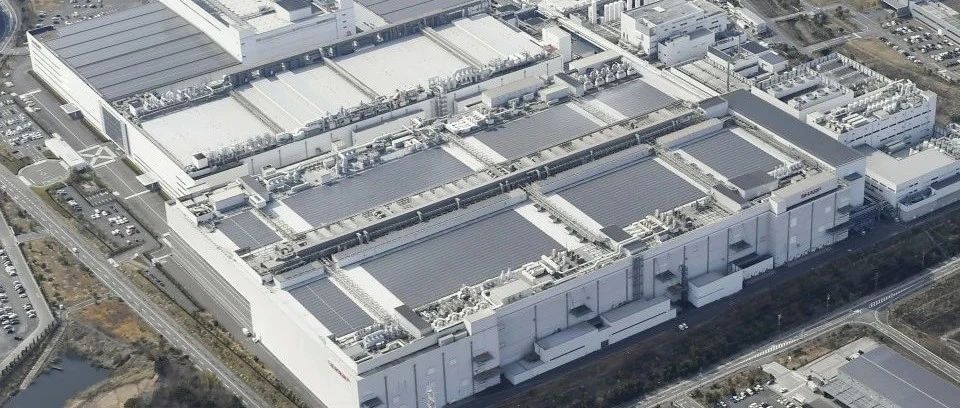
Core Viewpoint - Sharp is strategically divesting its LCD panel production facilities to focus on high-growth, high-margin sectors such as automotive, VR, and AI, amidst a declining profitability trend in the LCD panel market due to increased competition and technological advancements in OLED and Mini/Micro LED technologies [2][3]. Group 1: Business Adjustments - Sharp plans to sell its second LCD panel factory in Kameyama to its parent company Foxconn, marking another step in its strategy to reduce its LCD panel business [1][8]. - The company has reported cumulative losses of 410 billion yen for the fiscal years 2022-2023, prompting a shift from heavy asset reliance in LCD production to a lighter asset model [3][8]. - Sharp aims to transform into a brand-centric enterprise, focusing on high-value sectors while divesting from low-margin LCD production [3][8]. Group 2: Timeline of Asset Sales - On May 14, 2024, Sharp announced the closure of its Sakai 10th generation factory, which primarily produced large LCD TV panels, with full production ceasing by the third quarter of 2024 [4][5]. - Sharp has reached agreements to sell parts of the Sakai factory site to KDDI for an AI data center, expected to be operational by 2026 [6]. - In March 2025, Sharp signed a deal with SoftBank for the sale of the Sakai factory and land for approximately 100 billion yen, aiming to develop a large data center in collaboration with OpenAI [7]. - The company also sold its first factory in Mie Prefecture to Aoi Electronics, which plans to introduce semiconductor packaging lines there by 2027 [7]. Group 3: Financial Performance - Sharp reported a net profit of 36.1 billion yen for the fiscal year ending March 31, 2025, marking its first profit in three years, compared to a loss of 149.98 billion yen in the previous year [9][8]. - The company’s net sales for the fiscal year ending March 31, 2025, were 2,160.15 million yen, reflecting a year-on-year decrease of 7% [9]. Group 4: Industry Trends - The LCD panel industry is undergoing consolidation, with a shift towards higher generation panel production and a focus on improving profitability through strategic mergers and acquisitions [10][11]. - Demand for larger panels is increasing, which is expected to help normalize inventory levels and drive future growth in panel shipments [12]. - The industry is moving towards a more balanced supply-demand dynamic, with manufacturers adjusting production rates in response to market fluctuations [12].

供货维信诺8.6代AMOLED产线,合肥签约气体项目
WitsView睿智显示· 2025-05-12 09:44
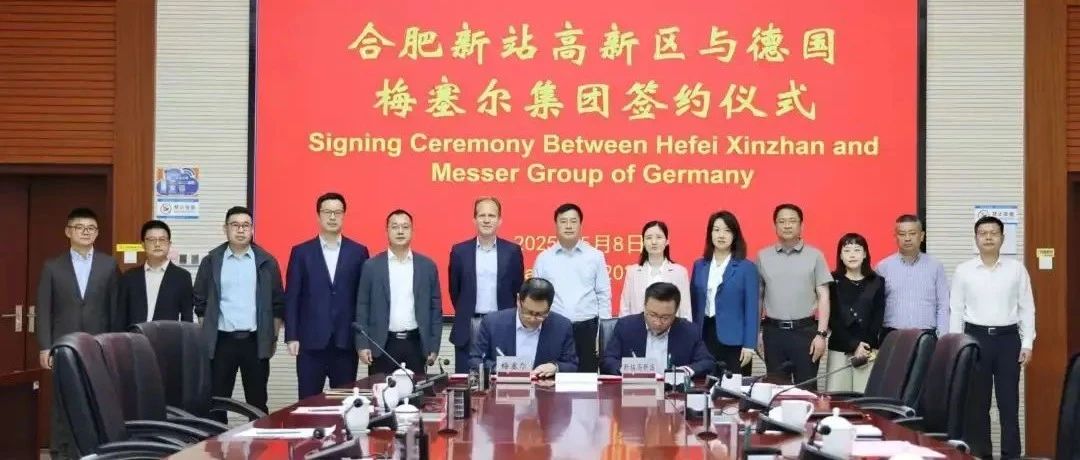
Core Viewpoint - The partnership between Messer Group and Hefei New Station High-tech Zone aims to enhance the supply of bulk gases for the semiconductor display industry, thereby increasing foreign investment in the region [1][2]. Group 1: Project Overview - Messer plans to invest in a bulk gas station system project covering approximately 26,000 square meters with a total investment of 340 million yuan, expected to commence production in the second half of 2026 [2]. - The project will primarily supply bulk gas services for Visionox's 8.6-generation AMOLED production line, which has a total investment of 55 billion yuan [2]. Group 2: Company Background - Messer Group, established in 1898 and headquartered in Bad Soden, Germany, operates in the production of industrial gases, medical gases, and specialty gases, serving various industries including chemicals, healthcare, and electronics [2]. - The company's global sales revenue is projected to reach 4.5 billion euros in 2024 [2]. Group 3: Production Line Details - Visionox's 8.6-generation AMOLED production line is the world's first to utilize the FMM-free technology (ViP technology), with a designed capacity of 32,000 glass substrates per month [2]. - The production line targets medium-sized applications, including flat panels, laptops, and automotive displays, with glass substrate dimensions of 2290mm x 2620mm [2]. - As of March 10 this year, the project has completed over 35,000 pile foundation works and has entered the main construction phase [2].

三星供应商拟出售OLED材料部门
WitsView睿智显示· 2025-05-12 09:44
Core Viewpoint - Solus Advanced Materials is considering the sale of its OLED materials division to restructure its business and focus on its core battery foil operations [1][2]. Group 1: Business Overview - Solus Advanced Materials operates in three main segments: battery foil, copper foil, and OLED materials. In the previous year, the company achieved total sales of 570.9 billion KRW (approximately 2.955 billion RMB), with battery foil accounting for 43.51% of sales (248.4 billion KRW or 1.286 billion RMB), copper foil for 34.38% (196.3 billion KRW or 1.016 billion RMB), and OLED materials for 20.53% (117.2 billion KRW or 607 million RMB) [2]. Group 2: Strategic Moves - The company has separated its OLED business from the advanced materials division, establishing it as an independent entity and reporting its sales separately. This move is seen as a preparation for a potential sale, aimed at clarifying the business's value [2][3]. - Analysts suggest that the potential sale of the OLED division may be driven by the company's desire to concentrate its resources on the high-growth battery foil sector, which is primarily used in electric vehicles [3].
苹果或于2027年推出“几乎全玻璃、曲面设计”iPhone
WitsView睿智显示· 2025-05-12 09:44
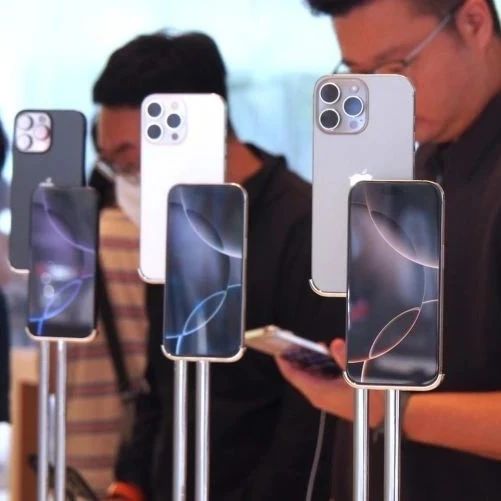
Group 1 - The core idea of the article is that Apple is planning to launch a revolutionary iPhone design in 2027, coinciding with the 20th anniversary of the iPhone, featuring a nearly all-glass, curved design and an under-display front camera for a true edge-to-edge screen [1][2] - In addition to the iPhone redesign, 2027 is expected to be a significant year for Apple, potentially introducing a new Siri powered by large language models and dedicated AI server chips developed by Apple's design team in Israel [2] - The article mentions other anticipated products for 2027, including the first foldable iPhone, smart glasses to compete with Meta's Ray-Ban, AirPods with built-in cameras, and a desktop AI robot featuring a personalized voice assistant [3]

2025款蔚来ES6开启预订:搭载15.6英寸AMOLED中控屏
WitsView睿智显示· 2025-05-12 09:44
Core Viewpoint - The 2025 NIO ES6 model is set to officially launch on May 16, 2025, following the start of pre-orders on May 10, 2025 [1]. Group 1: Vehicle Features - The new ES6 features a 15.6-inch AMOLED central control screen, a 19.4-inch W-HUD, and an 8-megapixel streaming media rearview mirror, enhancing the driving experience [3]. - Interior optimizations include increased storage space in the center console, a dual cooling wireless charging area for phones, and a covered cup holder, improving practicality [4]. - The powertrain remains a dual-motor setup, with a front asynchronous motor producing 150 kW and a rear silicon carbide permanent magnet synchronous motor producing 210 kW, resulting in a total system power of 490 horsepower and peak torque of 700 N·m [4]. Group 2: Battery and Range - The new ES6 offers three battery configurations: 75 kWh, 100 kWh, and 150 kWh, with CLTC ranges of 500 km, 625 km, and 930 km respectively, catering to long-distance driving needs [8]. - Consumers who complete their orders by June 30, 2025, will receive five years of free battery swap rights, 240 free battery swap vouchers, and 10,000 NIO points as part of the purchase incentives [8]. Group 3: Design and Market Position - The exterior design of the new ES6 has been refined, particularly in the headlight area, significantly enhancing the vehicle's visual recognition [10]. - With the launch of the new model, NIO aims to maintain a significant position in the smart electric vehicle market [10].


三星Galaxy S25 Edge新机采用康宁第二代大猩猩玻璃陶瓷
WitsView睿智显示· 2025-05-09 09:47
Core Viewpoint - Samsung has announced that the Galaxy S25 Edge will feature Corning's Gorilla Glass Ceramic 2, enhancing the durability of the device through advanced glass technology [1][2]. Group 1: Product Features - Gorilla Glass Ceramic 2 incorporates crystals into the glass, maintaining high optical transparency while providing enhanced strength through the synergy between glass and crystal [2]. - The first generation of Gorilla Glass Ceramic was introduced just over a month ago, enhancing impact resistance by integrating ceramic materials [2]. - In laboratory tests, the first generation of Gorilla Glass Ceramic was able to withstand 10 consecutive drops from a height of 1 meter on a simulated asphalt surface [2].

友达子公司与Nanolumens 开发Micro LED显示屏
WitsView睿智显示· 2025-05-09 09:47
Core Viewpoint - Nanolumens and AUO Display Plus have formed a strategic partnership to develop customized display systems for various industries, leveraging their respective expertise in LED design and Micro LED technology [1][2]. Group 1: Partnership Details - The collaboration aims to integrate R&D resources to create new transparent, large-sized, and high-performance display solutions that can blend into architectural environments [1]. - The first showcase of their collaborative results is scheduled for the InfoComm 2025 exhibition from June 11 to 13, 2025 [2]. Group 2: Company Background - Nanolumens, established in 2006, specializes in LED design and manufacturing, offering various series of LED displays with pixel pitches ranging from 0.93mm to 10mm, and is expanding its market presence beyond North America [2]. - AUO Display Plus, a subsidiary of AUO, focuses on industrial and commercial display solutions, applying smart display technologies across multiple sectors including education, healthcare, and transportation [2]. Group 3: Technological Advancements - AUO has been actively developing Micro LED technology, showcasing several products at the Touch Taiwan 2025 exhibition, including the world's largest single Micro LED module and the thinnest 17.3-inch dual-sided transparent Micro LED display [3].

友达、群创等6家面板厂公布4月营收
WitsView睿智显示· 2025-05-09 09:47
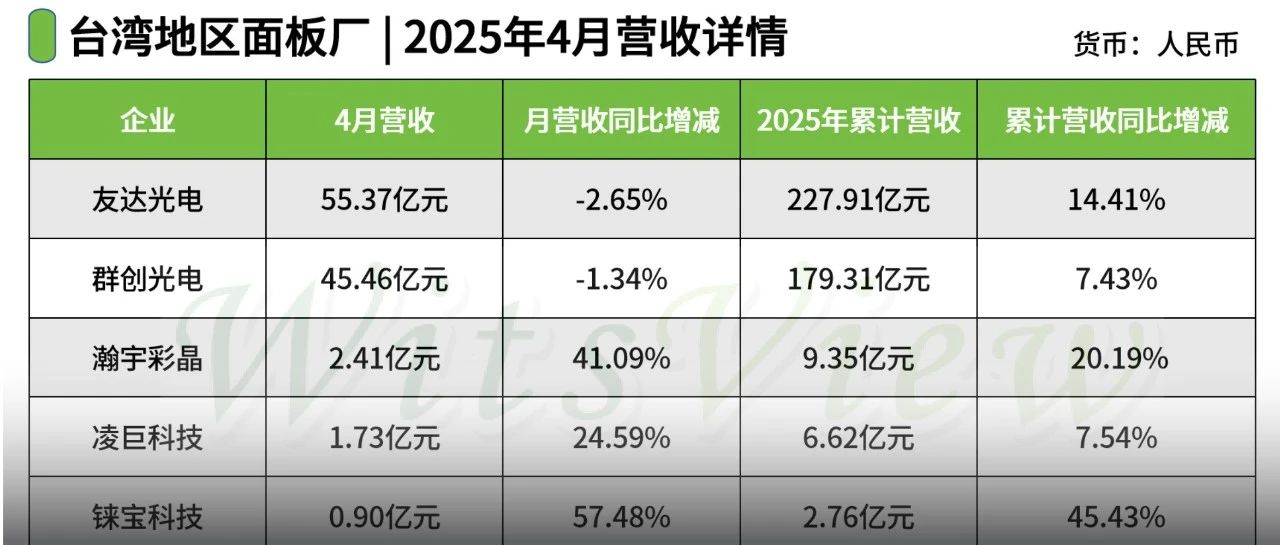
Core Viewpoint - In April 2025, Taiwan's panel manufacturers showed a mixed revenue performance, with leading companies like AUO and Innolux experiencing slight declines, while smaller firms like HannStar and Lianjia benefited from high-growth businesses. The industry is adapting to market fluctuations through diversification and technological advancements [15]. Group 1: AUO (友达光电) - AUO's revenue for April 2025 was NT$231.38 billion (approximately RMB 55.37 billion), a year-on-year decrease of 2.65% [1][2] - Cumulative revenue for 2025 reached NT$952.40 billion (approximately RMB 227.91 billion), reflecting a year-on-year increase of 14.41% [1][2] - AUO announced a joint venture with E Ink to establish a large electronic paper module production line, expected to commence production in Q4 2025 [2] Group 2: Innolux (群创光电) - Innolux's revenue for April 2025 was NT$189.97 billion (approximately RMB 45.46 billion), a year-on-year decrease of 1.34% [3][4] - Cumulative revenue for 2025 was NT$749.29 billion (approximately RMB 179.31 billion), showing a year-on-year increase of 7.43% [3][4] - Innolux showcased advanced technologies at Touch Taiwan 2025 and is progressing towards mass production of fan-out panel-level packaging (FOPLP) [5] Group 3: HannStar (瀚宇彩晶) - HannStar's revenue for April 2025 was NT$1.006 billion (approximately RMB 2.41 million), a year-on-year increase of 41.09% [6][7] - Cumulative revenue for 2025 reached NT$3.906 billion (approximately RMB 9.35 million), reflecting a year-on-year increase of 20.19% [6][7] - The company has improved yield rates in its eco-friendly display business and is increasing its revenue share from automotive applications [7] Group 4: Lianjia (凌巨科技) - Lianjia's revenue for April 2025 was NT$721 million (approximately RMB 1.73 million), a year-on-year increase of 24.59% [8][9] - Cumulative revenue for 2025 was NT$2.768 billion (approximately RMB 6.62 million), showing a year-on-year increase of 7.54% [8][9] - The company is optimistic about growth in its industrial control and consumer electronics segments, particularly due to increased demand for printers and instant cameras [9] Group 5: Raibo (铼宝科技) - Raibo's revenue for April 2025 was NT$375 million (approximately RMB 0.90 million), a year-on-year increase of 57.48% [10][11] - Cumulative revenue for 2025 reached NT$1.153 billion (approximately RMB 2.76 million), reflecting a year-on-year increase of 45.43% [10][11] - The growth is attributed to revenue recognition from battery cabinets after customer acceptance, and the company is expanding into the energy sector [11][12] Group 6: Hualing (华凌光电) - Hualing's revenue for April 2025 was NT$183 million (approximately RMB 0.44 million), a year-on-year decrease of 4.70% [13][14] - Cumulative revenue for 2025 reached NT$699 million (approximately RMB 1.68 million), showing a year-on-year increase of 5.85% [13][14] - The company is expanding its production capacity in Taiwan and is actively engaging with U.S. clients to shift orders to local production [14]
TCL华星供屏联想moto razr 60系列
WitsView睿智显示· 2025-05-09 09:47
Core Viewpoint - Lenovo's Moto Razr 60 series, including the Pro and Ultra models, has been launched, featuring advanced display technology and high performance specifications [1][2]. Group 1: Product Specifications - The main display of the new Moto Razr 60 series is a 6.96-inch LTPO AMOLED foldable screen with a resolution of 1224×2992 and a pixel density of 464 ppi, supporting a refresh rate of 165Hz [1]. - The secondary display measures 4 inches and is an OLED screen [1]. - The Ultra model features a 4-inch external screen that also supports a maximum refresh rate of 165Hz and peak brightness of 3000 nits, matching the internal screen in color performance and operational smoothness [2]. Group 2: Display Technology - The screens are supplied by TCL Huaxing, utilizing the latest generation of LTPO technology, which reduces power consumption by 13% compared to the previous generation [2]. - The screens feature a maximum brightness of 2000 nits and peak brightness of 4500 nits, with a color gamut reaching 117% NTSC and 87% BT2020 [2]. - The Ultra model's screen is the first in the industry to support IP68 water resistance [2]. Group 3: Material and Reliability - The use of 50um thick UTG ultra-thin flexible glass enhances screen reliability while maintaining high transparency and optimizing crease performance [2]. - The combination of 8T1C LTPO technology and no polarizer technology allows for intelligent adaptive refresh rates from 1 to 165Hz, ensuring smooth visuals while optimizing energy consumption [2].



总投资5.2亿,成都这个5G功能膜材基地项目5月底完工
WitsView睿智显示· 2025-05-08 06:26
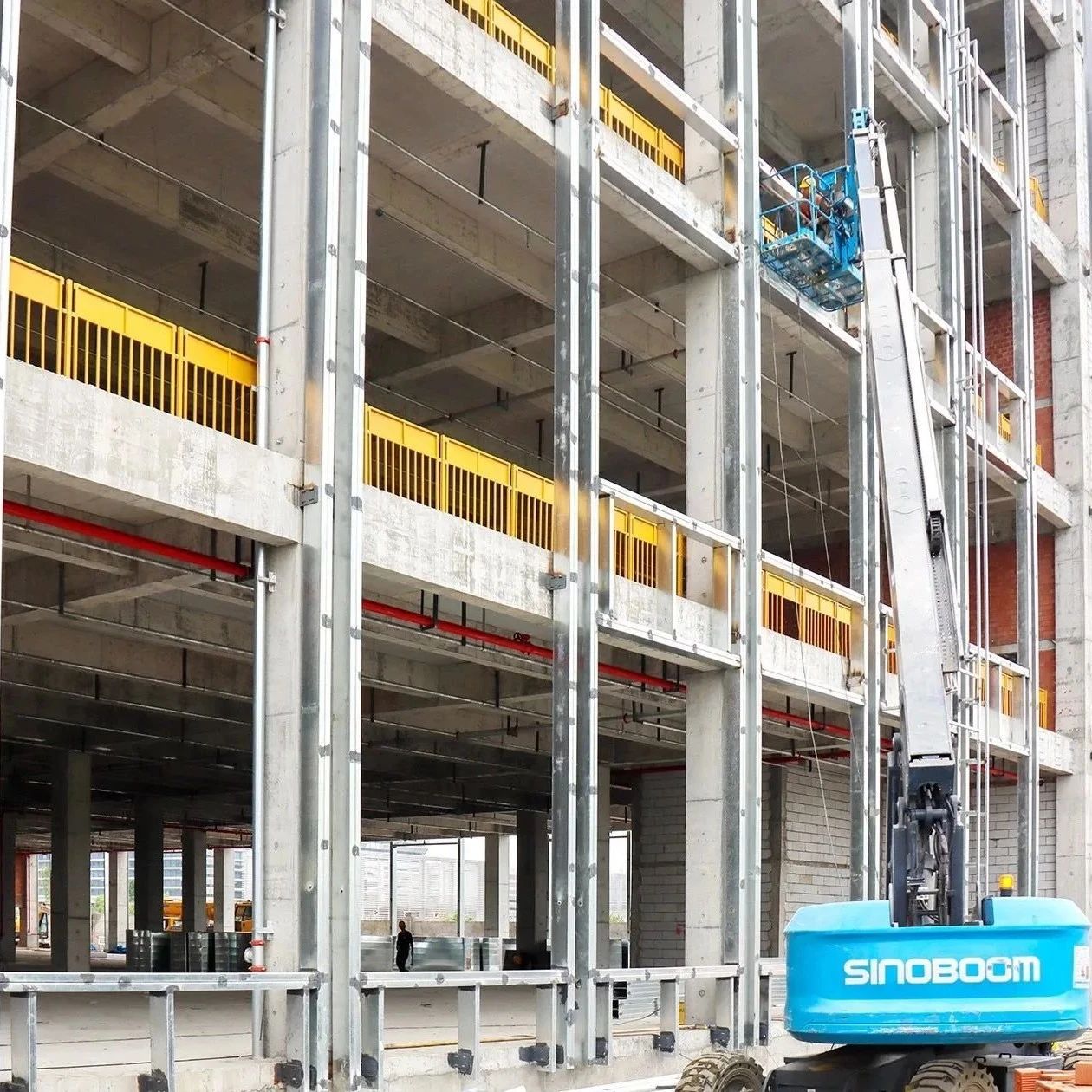
Core Viewpoint - The article highlights the construction progress and future potential of the Yatong National Headquarters 5G Functional Film Material Base Project, emphasizing its significance in the OLED product sector and collaboration with major tech companies [1][2]. Group 1: Project Overview - The Yatong project covers an area of approximately 25.3 acres with a total investment of about 520 million yuan [2]. - The project focuses on the research, production, and sales of OLED thermal shielding materials, optical adhesives, film series, and supporting components for foldable displays [2]. - The project is expected to complete construction by the end of May, with the main structure already finished and ongoing secondary decoration and outdoor engineering [2]. Group 2: Production Capacity and R&D - Upon completion, the project will establish 9 production lines with a planned capacity of 150 million pieces per year [2]. - The company plans to increase R&D investment during the construction phase, aiming to develop mass-producible semiconductor functional films, including cutting blue films, temperature control films, DAF films, and 5G frequency shielding films [2]. Group 3: Industry Collaboration - In the OLED product field, the company has engaged in joint technology research and development with clients such as Huawei, JD.com, Huaxing Optoelectronics, Visionox, Tianma, and OPPO [2].