格隆汇APP

Search documents
突然收紧!年内资金涌入这些T+0 ETF
格隆汇APP· 2025-09-10 12:12
Core Viewpoint - The article discusses the recent surge in investments into T+0 ETFs, highlighting the implications of tighter regulations and market dynamics affecting these financial instruments [1] Group 1: Market Trends - There has been a significant influx of capital into T+0 ETFs this year, indicating a growing interest among investors [1] - The tightening of regulations has led to a shift in investment strategies, with T+0 ETFs becoming more attractive due to their liquidity and flexibility [1] Group 2: Regulatory Environment - Recent regulatory changes have prompted a reevaluation of investment approaches, particularly in the context of T+0 ETFs [1] - The article emphasizes the need for investors to stay informed about regulatory developments that could impact the performance and accessibility of T+0 ETFs [1] Group 3: Investment Opportunities - The rise of T+0 ETFs presents new investment opportunities, particularly for those seeking quick access to capital and market movements [1] - Investors are encouraged to consider the potential benefits of T+0 ETFs in their portfolios, especially in a rapidly changing market environment [1]


ETF资金冲进新赛道!
格隆汇APP· 2025-09-09 12:06
Core Viewpoint - The article discusses the evolution of ETFs and highlights the influx of capital into new investment avenues within the ETF market [1] Group 1: ETF Market Trends - There has been a significant increase in ETF investments, with a notable shift towards thematic and niche ETFs [1] - The total assets under management (AUM) in the ETF industry have reached a record high, indicating strong investor interest and confidence [1] Group 2: New Investment Avenues - New sectors such as technology, healthcare, and sustainable investments are attracting substantial ETF inflows, reflecting changing investor preferences [1] - The rise of actively managed ETFs is also noted, as they offer investors more strategic options compared to traditional passive ETFs [1] Group 3: Future Outlook - The article suggests that the ETF market will continue to evolve, with innovations in product offerings and investment strategies expected to drive further growth [1] - Regulatory changes and advancements in technology are anticipated to play a crucial role in shaping the future landscape of the ETF industry [1]

复旦校友联手创业,收获一家半导体IPO,产品主要应用于汽车领域
格隆汇APP· 2025-09-09 12:06
Core Viewpoint - The article discusses a semiconductor IPO initiated by Fudan University alumni, focusing on products primarily used in the automotive sector [1] Group 1: Company Overview - The company is a startup founded by alumni from Fudan University, indicating a strong academic background and potential for innovation in the semiconductor industry [1] - The IPO signifies a growing interest and investment in the semiconductor sector, particularly in applications related to the automotive industry [1] Group 2: Industry Insights - The semiconductor industry is experiencing significant growth, driven by increasing demand for automotive applications, which is a key area of focus for the newly established company [1] - The article highlights the importance of semiconductors in modern vehicles, suggesting that advancements in this field are crucial for the future of automotive technology [1]

逆势飙升!重磅信号!
格隆汇APP· 2025-09-09 12:06
Core Viewpoint - The article discusses the recent market trends, highlighting the significant rise in precious metals and certain industrial metals, indicating a potential commodity bull market driven by various economic factors [2][5][18]. Group 1: Market Performance - On September 9, the A-share market saw a decline, with the Shanghai Composite Index down 0.51% and the Shenzhen Component down 1.23%, while the ChiNext Index fell 2.23% [2]. - Despite the overall market downturn, sectors like gold and industrial metals experienced significant gains, with the precious metals index rising by 8.3% [2][3]. Group 2: Precious Metals Trends - Gold prices have surged from approximately $3,400 per ounce to nearly $3,700 per ounce, marking a significant increase over the past two years [4][6]. - The price of gold has increased by over 80% in the past year, a rare occurrence historically [7][9]. Group 3: Industrial Metals Performance - The prices of various industrial metals have shown notable increases, with specific metals like antimony, cobalt, and rare earths experiencing significant price hikes since July [9][10]. - Major industrial metals like copper and aluminum have not seen as dramatic increases, but the overall trend indicates a recovery in commodity prices [9][10]. Group 4: Investment Opportunities - Companies in the rare metals sector, such as Northern Rare Earth and China Rare Earth, have seen their stock prices double since July [11][13]. - Major players like Zijin Mining and China Molybdenum have also shown strong performance, with stock price increases of 29.18% and 49.41% respectively since July [13][16]. Group 5: Economic Factors Influencing Prices - The article attributes the rise in gold and commodity prices to several factors, including expectations of a shift in the U.S. Federal Reserve's monetary policy, which has led to increased investment in gold [20][21]. - Historical data suggests that gold price increases often precede broader commodity bull markets, indicating a potential upcoming cycle [25][26]. Group 6: Valuation and Future Outlook - Despite significant price increases, certain core assets in the metals sector, such as Zijin Mining and China Hongqiao, still present attractive valuations, with price-to-earnings ratios of 16.6 and 8.18 respectively [33][36]. - The article suggests that the current market conditions and government policies may support a sustained bull market in commodities, particularly in the context of ongoing economic recovery [40][41].

飙涨70%只是开胃菜?AI基建杀出“黑马”
格隆汇APP· 2025-09-09 12:06
Core Viewpoint - The recent surge in Nebius's stock price by 70% is attributed to a significant long-term contract with Microsoft worth up to $19.4 billion, raising questions about the potential for a new trend in AI infrastructure investments [2][5][10] Group 1: Contract with Microsoft - Nebius announced a multi-year contract with Microsoft on September 9, with a base amount of $17.4 billion for GPU cloud computing services from 2025 to 2031, with an additional option that could increase the total to $19.4 billion [5] - This contract is substantial compared to Nebius's projected annual revenue of $450-630 million for 2025, indicating a strong market response reflected in a 60% stock price increase [5] Group 2: Company Performance - In Q2 2025, Nebius reported explosive growth with revenues of $105.1 million, a year-on-year increase of 625% and a quarter-on-quarter increase of 106%, surpassing market expectations [6] - The AI cloud infrastructure segment saw revenues increase more than ninefold year-on-year, achieving adjusted EBITDA profitability ahead of schedule, addressing previous market concerns about profitability [6] Group 3: Financial Health and Growth Potential - Nebius has a strong cash reserve of $1.68 billion and has raised over $4 billion in previous financing, ensuring sufficient funds for expansion [8] - The annual recurring revenue (ARR) reached $430 million by the end of Q2, a 77% increase from $249 million at the end of Q1, indicating strong demand and a growing customer base [8] Group 4: Capacity Expansion - By the end of 2025, Nebius aims to have 220 megawatts of connected power, with a target of 1 gigawatt (1000 megawatts) by 2026, alongside multiple data center projects across the U.S. and Europe [9] - The company’s self-built data centers are expected to reduce costs by 20% and provide flexible capacity management, which is a significant advantage in the AI infrastructure sector [9] Group 5: Market Sentiment and Future Outlook - Despite the recent stock surge, there are concerns about the sustainability of Nebius's growth, particularly regarding its projected EBITDA for 2025, which is still negative, and the timeline for profitability from new product lines [10] - The company is positioned as a potential leader in AI infrastructure, benefiting from Microsoft's large order and the growing demand for AI computing power, but it must demonstrate consistent performance to maintain investor confidence [10]

能量密度翻倍,自燃成为历史?固态电池引爆产业革命的前夜
格隆汇APP· 2025-09-08 08:05
Core Viewpoint - Solid-state battery technology is emerging as a revolutionary solution to long-standing battery safety issues, with significant advancements in energy density, safety, and cycle life, positioning it as a game-changer in multiple industries [2][3][10]. Group 1: Definition and Advantages of Solid-State Batteries - Solid-state batteries differ fundamentally from traditional lithium batteries by using solid electrolytes instead of liquid ones, leading to substantial performance improvements [5]. - The core advantages of solid-state batteries include: - **Safety**: Solid electrolytes are non-flammable, eliminating the risk of battery fires, as demonstrated by Toyota's testing [6]. - **Energy Density**: Solid-state batteries can achieve energy densities exceeding 600 Wh/kg, significantly higher than the best lithium batteries at 300 Wh/kg, addressing the "range anxiety" in electric vehicles [6]. - **Cycle Life**: Solid-state batteries can endure more charge-discharge cycles without forming lithium dendrites, maintaining over 80% capacity after 800 cycles, far surpassing traditional batteries [6][11]. Group 2: Market Potential and Industry Impact - The maturation of solid-state battery technology is expected to reshape the electric vehicle, consumer electronics, and energy storage sectors [10]. - By 2030, global sales of electric vehicles using solid-state batteries are projected to reach 13 million units, accounting for 15% of the market [10]. - In consumer electronics, solid-state batteries are anticipated to penetrate 12% of the market by 2030, driven by the demand for enhanced safety and battery life [11]. - The renewable energy storage market will also see a gradual increase in solid-state battery adoption, with a projected penetration of 1.5% by 2030 [11]. Group 3: Policy Support and Global Competition - Major economies are recognizing the strategic value of solid-state battery technology, leading to various supportive policies aimed at securing technological leadership [12]. - China has prioritized solid-state batteries in its development plans, providing substantial funding and incentives for research and development [13]. - Japan, the EU, and the US are also investing heavily in solid-state battery technology, with Japan allocating 500 billion yen and the EU committing 2.9 billion euros for research and development [13]. Group 4: Investment Opportunities - Investment opportunities in the solid-state battery sector are concentrated in three areas: material innovation, equipment manufacturing, and end-user applications [16]. - The materials sector, particularly solid electrolyte materials and high-capacity electrode materials, presents significant investment potential [17]. - Equipment manufacturing for solid-state battery production is crucial, as specialized production equipment is required, with companies like Canon Tokki already receiving orders [17]. - Early adopters in the automotive and energy storage sectors, such as BMW and Solid Power, are expected to gain competitive advantages [17]. Group 5: Future Outlook - Solid-state battery technology is on the brink of commercialization, with widespread application expected between 2025 and 2030 [19]. - Investors and companies are encouraged to maintain strategic patience and foresight to capitalize on this transformative technology [19].

林园、但斌、邓晓峰买入这些ETF!
格隆汇APP· 2025-09-08 08:05
Core Viewpoint - The article discusses the increasing popularity and evolution of ETFs (Exchange-Traded Funds) in the investment landscape, highlighting notable investors such as Lin Yuan, Dan Bin, and Deng Xiaofeng who are actively buying specific ETFs [2] Group 1: ETF Market Trends - The ETF market has seen significant growth, with assets under management reaching approximately $10 trillion, reflecting a year-on-year increase of 20% [2] - The diversification of ETFs has expanded, with more thematic and sector-specific ETFs being introduced to cater to varying investor preferences [2] Group 2: Notable Investors and Their Strategies - Lin Yuan, Dan Bin, and Deng Xiaofeng are identified as key figures in the ETF investment space, each adopting unique strategies that align with their investment philosophies [2] - The article emphasizes that these investors are focusing on ETFs that provide exposure to high-growth sectors, indicating a trend towards technology and renewable energy [2] Group 3: Future Outlook - The future of ETFs appears promising, with expectations of continued innovation and the introduction of more complex products to meet investor demands [2] - Regulatory changes are anticipated to further enhance the attractiveness of ETFs, potentially leading to increased participation from institutional investors [2]

上市险企半年报交卷:业绩“含金量”大比拼
格隆汇APP· 2025-09-08 08:05
Core Viewpoint - The insurance industry is experiencing a clear recovery trend, with significant growth in premium income and market activity, driven by improved economic conditions and consumer acceptance of insurance products [3][4]. Group 1: Industry Performance - In the first half of 2025, the insurance companies reported original premium income of 3.7 trillion yuan, a year-on-year increase of 5.1% [3]. - The number of new policies issued reached 524 billion, reflecting an 11.1% year-on-year growth, indicating heightened consumer interest [3]. - The life insurance sector showed even stronger recovery, with original premium income of 2.77 trillion yuan, up 5.4% year-on-year, and a notable 16.3% increase in June alone [3]. Group 2: Company-Specific Performance - China Life's total premium income reached 525.09 billion yuan, marking a historical high for the same period, with a growth of 7.3% [5]. - China Pacific Life achieved a premium income of 390.19 billion yuan, while New China Life reported a 22.7% increase in original premium income to 121.26 billion yuan [5]. - China Insurance's net assets grew by 12.68%, while China Ping An maintained a leading position with net assets of 943.95 billion yuan [9]. Group 3: Profitability and New Business Value - The net profit of China Ping An reached 68.05 billion yuan, while China Insurance reported 26.5 billion yuan [10]. - New business value for China Life was the highest in the industry at 28.55 billion yuan, with Ping An also exceeding 20 billion yuan [13]. - China Insurance's new business value growth was significantly higher than its peers, although this was influenced by a lower base from the previous year [14]. Group 4: Future Outlook - The insurance sector is expected to continue its positive trajectory, supported by ongoing economic recovery and increasing market demand [17]. - The focus on "anti-involution" policies is anticipated to play a crucial role in determining industry pricing dynamics [2].

别只盯着AI了!下一个“硬科技”风口:工业母机
格隆汇APP· 2025-09-07 07:57
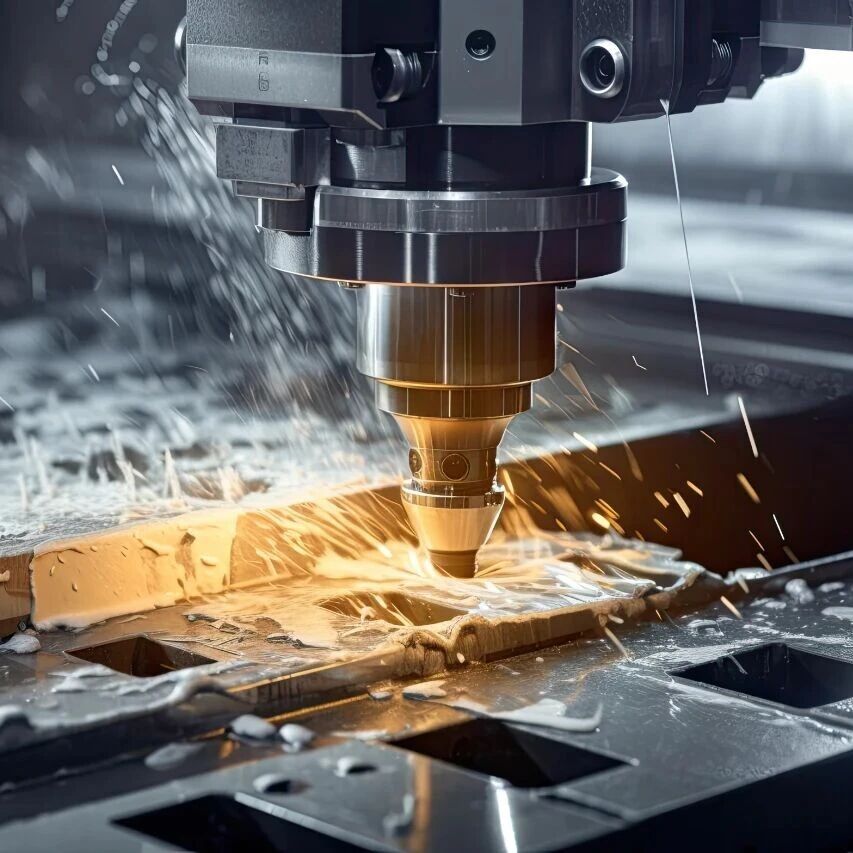
Core Viewpoint - The article emphasizes the strategic significance of the industrial mother machine sector, highlighting its role as the "heart" of equipment manufacturing and a core indicator of national manufacturing competitiveness. The sector is experiencing a revival driven by policy and market dynamics, with substantial growth potential projected for the coming years [2][3]. Market Overview - China has maintained its position as the world's largest producer and consumer of machine tools. The market size for industrial mother machines is expected to grow from 631.36 billion yuan in 2019 to 712.89 billion yuan in 2024, with projections to exceed 800 billion yuan by 2029, indicating significant development potential [2]. Policy Impact - A key policy initiative, the "High-Quality Standard System Construction Plan for Industrial Mother Machines," was jointly issued by the National Standardization Administration and the Ministry of Industry and Information Technology. This plan aims to transition the industry from "domestic production" to "high-end production," with goals to revise at least 300 standards by 2026 and achieve a 90% international standard conversion rate [4][5]. Industry Recovery - The mechanical industry in China has shown robust recovery, with revenue and profit growth rates of 7.8% and 9.4% respectively in the first half of 2025, surpassing the national industrial average. The production of metal cutting machine tools increased by 13.5%, reflecting a strong recovery trend [6]. Investment Logic - Three major investment logics are driving the industrial mother machine sector: 1. **Domestic Replacement**: The current domestic market for high-end CNC machine tools has a low localization rate of under 20%, with expectations to rise to 60% by 2030, indicating a significant replacement opportunity [8]. 2. **Emerging Demand**: Rapid growth in sectors like electric vehicles and humanoid robots is creating new demand for precision machining equipment, with the humanoid robot market projected to reach 75 billion yuan by 2029 [9][10]. 3. **Technological Advancements**: Domestic companies are achieving breakthroughs in core technologies, enhancing competitiveness and accelerating the replacement process [8][9]. Future Trends - The industry is expected to focus on three key trends: 1. Integration of smart manufacturing with industrial mother machines, particularly through the application of digital twin and AI technologies [12]. 2. Equipment upgrade demands driven by new material processing, including composite materials and high-temperature alloys [12]. 3. Opportunities for domestic equipment to expand into global markets, especially in the "Belt and Road" initiative [12]. Investment Recommendations - Investment strategies should prioritize: 1. High-end CNC machine manufacturers, particularly in five-axis linkage technology [12]. 2. Core component manufacturers such as CNC systems and spindles, which are overcoming critical bottlenecks [12]. 3. Specialized equipment manufacturers in the new energy and aerospace sectors, benefiting from emerging demand [12]. Key Monitoring Points - Companies should closely monitor: 1. The timing of policy implementation, including special loans and tax incentives [13]. 2. Capacity release from new production lines expected to come online in 2025 [13]. 3. Export growth driven by competitive pricing due to a low RMB exchange rate [13].

昔日超级大白马,掉队了
格隆汇APP· 2025-09-07 07:57
Core Viewpoint - Gree Electric Appliances, once a leading player in the air conditioning market, is experiencing a decline in growth and market share, facing intense competition from companies like Xiaomi and Midea [2][8][19]. Group 1: Market Position and Competition - In July, Xiaomi surpassed Gree in online market share for air conditioners, with Xiaomi at 16.71% and Gree at 15.22% [2]. - Gree's market capitalization has dropped significantly, losing over 20 billion yuan, and currently stands at just over 230 billion yuan, ranking third among white goods leaders [4][5]. - The air conditioning market is becoming increasingly competitive, with Midea and Haier also posing significant challenges to Gree [7][19]. Group 2: Financial Performance - Gree's revenue for the first half of the year decreased by 2.46% compared to the previous year, while net profit increased by 1.95% [13]. - The company's cash flow from operating activities saw a substantial increase of 453.06% [13]. - Gree's air conditioning business, which accounts for nearly 80% of its revenue, reported a negative growth of 5.09% [14][44]. Group 3: Strategic Challenges - Gree's reluctance to engage in price wars has resulted in a higher average selling price for its air conditioners, but this strategy has led to a decline in market share, now around 18% [21][24]. - The company's traditional dealer system is becoming a hindrance in adapting to the changing sales landscape dominated by online channels [29][34]. - Gree's overseas business remains weak, contributing only about 15% to its main revenue, compared to over 40% for its competitors [46]. Group 4: Future Outlook - Gree's new brand initiative, "Dong Mingzhu Health Home," aims to diversify its product offerings beyond air conditioning, but its effectiveness remains uncertain [50][51]. - The company faces a significant challenge in maintaining its market position as competitors like Xiaomi rapidly expand their market presence [15][18]. - Despite a stable profit margin and cash flow, Gree's low valuation of 7 times earnings reflects investor skepticism about its future growth prospects [72].