机器之心

Search documents
刚刚,李飞飞主讲的斯坦福经典CV课「2025 CS231n」免费可看了
机器之心· 2025-09-04 09:33
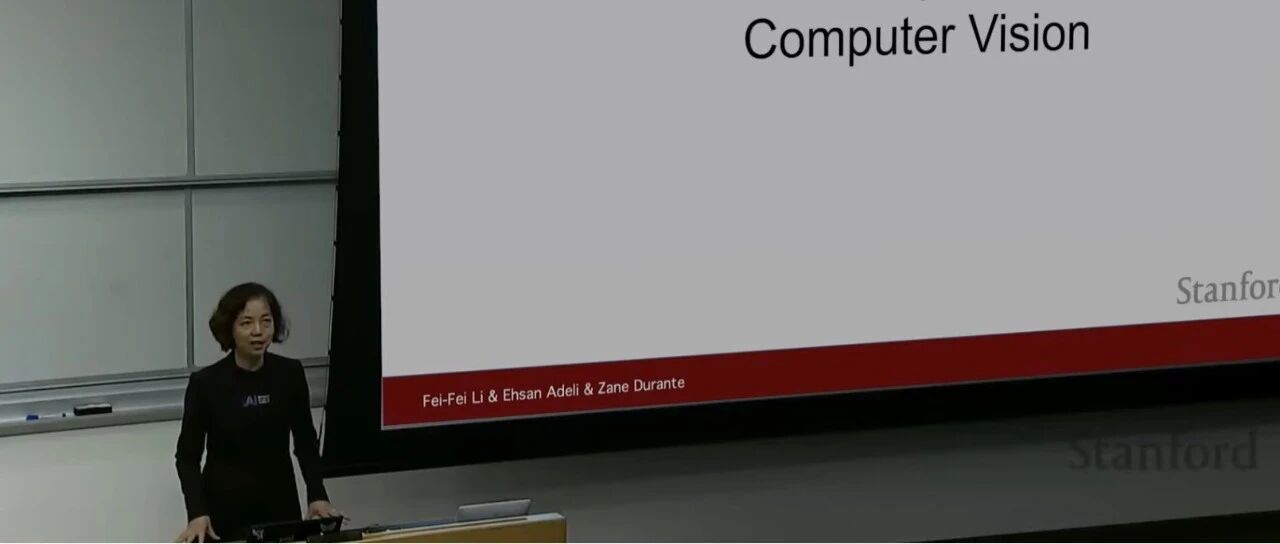
Core Viewpoint - Stanford University's classic course "CS231n: Deep Learning for Computer Vision" is officially launched for Spring 2025, focusing on deep learning architectures and visual recognition tasks such as image classification, localization, and detection [1][2]. Course Overview - The course spans 10 weeks, teaching students how to implement and train neural networks while gaining insights into cutting-edge research in computer vision [3]. - At the end of the course, students will have the opportunity to train and apply neural networks with millions of parameters on real-world visual problems of their choice [4]. - Through multiple practical assignments and projects, students will acquire the necessary toolset for deep learning tasks and engineering techniques commonly used in training and fine-tuning deep neural networks [5]. Instructors - The course features four main instructors: - Fei-Fei Li: A renowned scholar and Stanford professor, known for creating the ImageNet project, which significantly advanced deep learning in computer vision [6]. - Ehsan Adeli: An assistant professor at Stanford, focusing on computer vision, computational neuroscience, and medical image analysis [6]. - Justin Johnson: An assistant professor at the University of Michigan, with research interests in computer vision and machine learning [6]. - Zane Durante: A third-year PhD student at Stanford, researching multimodal visual understanding and AI applications in healthcare [7]. Course Content - The curriculum includes topics such as: - Image classification using linear classifiers - Regularization and optimization techniques - Neural networks and backpropagation - Convolutional Neural Networks (CNNs) for image classification - Recurrent Neural Networks (RNNs) - Attention mechanisms and Transformers - Object recognition, image segmentation, and visualization - Video understanding - Large-scale distributed training - Self-supervised learning - Generative models - 3D vision - Visual and language integration - Human-centered AI [16]. Additional Resources - All 18 course videos are available for free on YouTube, with the first and last lectures delivered by Fei-Fei Li [12].

PosterGen:告别学术海报制作烦恼,从PDF一键生成「演示级」可编辑PPTX学术海报
机器之心· 2025-09-04 09:33
Core Insights - PosterGen is a multi-agent framework designed to convert academic papers in PDF format into aesthetically pleasing and fully editable PPTX format posters, addressing the time-consuming nature of poster design for researchers [2][4][51]. Group 1: Innovation and Functionality - The core innovation of PosterGen lies in its ability to automate the poster creation process while adhering to essential design principles, thus minimizing the need for manual adjustments [2][9]. - PosterGen establishes an end-to-end workflow that liberates researchers from the tedious task of poster design, allowing them to focus on the core value of academic communication [9][51]. Group 2: Design Principles - PosterGen incorporates four core design principles derived from professional design knowledge, ensuring that the generated posters are comparable to those created by human designers [27][28]. - The narrative structure follows the "And, But, Therefore" (ABT) format, which helps in logically presenting the research background, challenges, and solutions [27]. - A three-column grid layout is utilized to maintain order in information delivery, ensuring a natural reading flow and effective use of white space to reduce visual clutter [27][28]. Group 3: Aesthetic Elements - The color scheme is designed to establish hierarchy and ensure readability, employing a restrained monochromatic palette that adheres to WCAG contrast standards [28]. - Typography is prioritized to enhance clarity, using sans-serif fonts and establishing visual and semantic hierarchies through size and formatting [28]. Group 4: Workflow and Agents - The PosterGen workflow consists of four collaborating agents that integrate design principles throughout the poster generation process, achieving a level of aesthetic and creative quality akin to human designers [30]. - The Parser and Curator Agents extract content from the PDF and create a coherent storyboard based on the ABT structure, setting the foundation for design [31]. - The Layout Agent translates the storyboard into a precise spatial layout, ensuring effective placement of content elements and managing spacing through a box model approach [32][34]. Group 5: Evaluation and Results - PosterGen's effectiveness is validated through a comprehensive evaluation framework that assesses both content and design metrics, demonstrating its superiority in aesthetic quality compared to existing methods [44][52]. - Quantitative results indicate that PosterGen matches state-of-the-art methods in content fidelity while significantly outperforming them in design and aesthetic metrics, particularly in theme consistency and font readability [52][53].

又多了一个哄孩子AI神器,一张破涂鸦竟能秒变迪士尼动画
机器之心· 2025-09-04 09:33
Core Viewpoint - The article discusses the innovative use of AI tools to transform children's drawings into animated videos, highlighting the ease of use and creative potential of these technologies [2][4][18]. Group 1: AI Tools for Animation - The AI tool "即梦" allows users to upload childhood drawings and generate animations with cinematic effects, capturing the whimsical nature of children's imagination [2][4][7]. - "Veo3" from Google offers a comprehensive solution for generating synchronized audio and video content, enhancing the overall production quality [10][13][17]. - "可灵" also provides similar capabilities, allowing for the automatic generation of audio effects that sync with the animated visuals, streamlining the video creation process [16][17]. Group 2: User Experience and Functionality - Users can input specific prompts to create immersive scenes, such as a child walking with a lotus leaf while a snail follows, showcasing the tool's ability to accurately animate character movements [14]. - The tools allow for the addition of AI-generated music and sound effects, enhancing the storytelling aspect of the animations [8][15]. - The article emphasizes the simplicity of the process, where users can easily upload images and receive animated outputs without extensive technical knowledge [21][24]. Group 3: Additional Features and Recommendations - The article mentions "Animated Drawings" by Meta, which also converts drawings into animations, providing another option for users interested in this technology [18]. - For optimal results, the article provides guidelines on how to prepare images for animation, ensuring clarity and proper character separation [22][24]. - The tools are designed to be user-friendly, encouraging parents and children to engage creatively with their drawings [31].

J.P. Morgan机器学习卓越中心高管亲述,华尔街AI实战心法
机器之心· 2025-09-04 07:04
Core Insights - The article discusses the growing importance of artificial intelligence (AI) and machine learning (ML) in the financial industry, highlighting their applications in quantitative trading and risk management, while also addressing the challenges faced when transitioning from academic research to practical implementation [1][2]. Group 1: AI and ML Applications in Finance - AI and ML are increasingly being utilized in various financial applications, but there are significant challenges when these models are applied in real-world scenarios [1][2]. - Financial institutions prioritize decision-making tools that support "What-if" analyses, such as assessing the impact of interest rate changes [5]. - The complexity of financial data, which includes time series, yield curves, and macroeconomic data, poses challenges for traditional models like LSTM [5]. Group 2: Challenges in Implementation - Many discussions around AI and ML remain theoretical, with practical issues often lacking systematic public discourse [2]. - The integration of tools like Jupyter Notebook can hinder engineering management, and compatibility issues between TensorFlow and PyTorch complicate the development of reusable components [5]. - There is a scarcity of professionals who possess expertise in finance, machine learning, and systems engineering, which is critical for successful implementation [5]. Group 3: Educational and Recruitment Initiatives - The article mentions a lecture by Professor Chak Wong from J.P. Morgan's Machine Learning Center of Excellence, focusing on the practical applications of AI/ML in financial institutions [10][11]. - The event also serves as a recruitment session for J.P. Morgan, inviting candidates from various academic backgrounds to engage with a leading international team [11].


刚刚,OpenAI发布白皮书:如何在AI时代保持领先
机器之心· 2025-09-04 07:04
Core Viewpoint - The rapid advancement of AI technology is reshaping business operations, with early adopters experiencing 1.5 times faster revenue growth than their peers, highlighting the urgency for companies to adapt to AI innovations [1][4][5]. Group 1: AI Adoption and Impact - Since 2022, the release of frontier-scale AI models has increased by 5.6 times, and the cost of running models like GPT-3.5 has decreased by 280 times in just 18 months [4][5]. - AI adoption is occurring at a rate four times faster than that of desktop internet [4][5]. - Many companies struggle to keep pace with AI advancements, often feeling overwhelmed by the rapid changes [5]. Group 2: Key Principles for AI Integration - OpenAI outlines five core principles for organizations to effectively integrate AI: Align, Activate, Amplify, Accelerate, and Govern [6][7]. - Aligning the company’s AI strategy with employee understanding and leadership commitment is crucial for successful adoption [9][10]. - Activating teams through motivation and enabling them to utilize AI effectively is essential for fostering a culture of innovation [11][13]. - Amplifying successful AI use cases across teams can create a collaborative environment that encourages experimentation and learning [12][20]. - Accelerating decision-making processes is necessary to keep up with the fast-paced AI landscape, requiring streamlined approval processes [22][24]. - Governance must balance speed and responsibility, ensuring that AI initiatives are conducted safely and ethically [31][33]. Group 3: Training and Community Building - Investing in AI training is vital, as nearly half of employees feel unprepared for AI integration [14][15]. - Establishing a network of "AI champions" within the organization can facilitate knowledge sharing and support AI adoption [17]. - Creating safe experimental spaces for AI projects can lead to innovative outcomes and practical applications [18][19]. Group 4: Organizational Structure and Incentives - Forming cross-functional AI committees can help avoid redundancy and ensure compliance with regulations [25][27]. - Companies should track AI usage across teams and reward high engagement to promote innovation [29][30].

Claude Code凭什么牛?大模型团队天天用自家产品,发现bug直接就改了
机器之心· 2025-09-04 07:04
Core Insights - Anthropic recently announced a $13 billion funding round, bringing its valuation to $183 billion, second only to OpenAI's historic $40 billion funding in March 2025 [1] - Despite some user complaints regarding its flagship product, Claude Code, which has been reported to have "dumbing down" issues, the product has successfully captured a significant user base, reaching 115,000 users within four months of launch [3] Group 1: Product Performance and User Experience - Claude Code is designed with a philosophy of simplicity and high scalability, focusing on real user experience over benchmark evaluations [3] - The transition in programming workflows has shifted from manual coding and copy-pasting to a more hands-off approach where developers instruct agents to execute code modifications [6][7] - The evolution of models and tools, particularly Claude Code, has significantly improved programming capabilities, allowing for better integration of context management and tool usage [9] Group 2: Feedback and Iteration - Rapid feedback response is crucial for product improvement, with the team actively addressing bugs and user suggestions to foster a continuous feedback loop [15][17] - The internal feedback mechanism for Claude Code remains highly active, contributing to the product's rapid iteration and enhancement [17] Group 3: Future Developments and User Adaptation - The next 6 to 12 months will see a deeper integration of manual and automated programming, with Claude Code evolving to handle more complex project management tasks [20][21] - Developers are encouraged to adapt to these changes by focusing on core programming skills while also embracing creativity and innovation in project development [23] - New users are advised to first understand existing codebases with Claude Code before attempting to generate new code, emphasizing a strategic approach to task complexity [24][29]

全奖读AI!人工智能专业排名全球前10的MBZUAI启动本硕博项目招生
机器之心· 2025-09-04 04:11
Core Insights - The article highlights the transformative role of Mohamed bin Zayed University of Artificial Intelligence (MBZUAI) in reshaping AI education globally, driven by the UAE's National AI Strategy 2031, which aims to position the UAE as a leader in the AI sector by 2031 [4][6]. Group 1: National AI Strategy - The UAE National AI Strategy 2031 was initiated in 2017, aiming to enhance the country's competitiveness in nine priority sectors through AI deployment [4]. - The strategy includes establishing MBZUAI, a virtual research institute, and various funding initiatives to attract global talent and investment [4]. - By 2031, the AI industry is projected to contribute an additional 335 billion dirhams to the UAE's economy, equivalent to 20% of the non-oil GDP [4]. Group 2: MBZUAI's Academic Excellence - MBZUAI has quickly risen to be ranked among the top ten global institutions for AI studies, attracting over 100 top scholars from prestigious universities [6][12]. - The university's faculty includes renowned experts such as Turing Award winners and industry leaders, enhancing its academic reputation [12][19]. - The student-to-faculty ratio is high, allowing for personalized mentorship and support for students [19]. Group 3: Industry Collaboration and Research - MBZUAI emphasizes the integration of theory and practice, with faculty members often being entrepreneurs or industry executives [21]. - The university has published over 2,000 papers in top journals and conferences, focusing on cutting-edge AI research [21]. - The curriculum includes a unique "3+1" model, where students spend three years in academic study followed by a year of industry internship or research [23]. Group 4: Career Opportunities for Graduates - Graduates from MBZUAI enjoy promising career prospects, with nearly 90% remaining in the UAE and an average salary of 360,000 dirhams (approximately 100,000 USD) for master's graduates [25]. - The university supports entrepreneurial initiatives, providing guidance and funding for student startups [25]. Group 5: Location and Environment - MBZUAI is located in Abu Dhabi, a city known for its safety, stability, and international appeal, making it an attractive destination for students [27]. - The university has a diverse student body from 47 countries, fostering a multicultural environment [27]. Group 6: Admission and Scholarships - In August, MBZUAI welcomed 403 new students from over 8,000 applicants, with the UAE government providing full scholarships covering tuition, accommodation, and other expenses [28]. - The admission process is highly competitive, with an acceptance rate of less than 5% for undergraduate programs [29]. Group 7: Future Developments - MBZUAI plans to open applications for undergraduate, master's, and doctoral programs for the 2026 academic year, continuing to offer substantial scholarships [35][39]. - The university aims to redefine AI education by training not only engineers but also entrepreneurs and innovators across various sectors [42].

SIGCOMM 2025|重新定义个性化视频体验,快手与清华联合提出灵犀系统
机器之心· 2025-09-04 04:11
Core Viewpoint - Kuaishou and Tsinghua University's Sun Lifeng team have developed the LingXi system, a groundbreaking personalized optimization system for adaptive video streaming, which has been accepted at the prestigious ACM SIGCOMM 2025 conference [2][4]. Group 1: Background and Motivation - The transition from traditional Quality of Service (QoS) to personalized Quality of Experience (QoE) is highlighted, emphasizing the limitations of existing QoS optimization methods in enhancing user experience [6]. - A large-scale A/B test demonstrated that traditional QoS metrics do not translate into improved user experience, indicating a saturation of optimization paths [7][14]. - The study identifies "buffering" as the primary negative factor affecting user experience, necessitating a focus on this aspect for effective QoE optimization [15][23]. Group 2: System Design and Components - The LingXi system is designed as a dynamic optimization module compatible with existing Adaptive Bitrate (ABR) algorithms, ensuring seamless integration without disrupting user experience [31][34]. - The system comprises three core components: 1. Online Bayesian Optimization (OBO) for dynamic parameter exploration [34]. 2. Monte Carlo Sampling for simulating future decisions based on historical data [35]. 3. Hybrid Exit Rate Predictor for accurately quantifying user experience [36][38]. Group 3: Experimental Results - A 10-day large-scale A/B test on the Kuaishou platform showed significant improvements in both QoE and QoS metrics, validating the effectiveness of the LingXi system [40][46]. - The system particularly benefits low-bandwidth users, reducing buffering time by approximately 15% in scenarios with bandwidth below 2000 kbps [52][58]. - The analysis of user sensitivity to buffering revealed a clear negative correlation between buffering sensitivity and the parameters assigned by the system, demonstrating the system's ability to adapt to individual user needs [56]. Group 4: Conclusion - The successful implementation of the LingXi system marks a significant evolution in adaptive video streaming optimization, shifting from static system-level goals to personalized strategies for diverse user experiences [57][58].


长视频AI数字人来了!字节×浙大推出商用级音频驱动数字人模型InfinityHuman
机器之心· 2025-09-04 04:11
Core Viewpoint - The article discusses the launch of InfinityHuman, a commercial-grade long-sequence audio-driven video generation model developed by ByteDance's GenAI team in collaboration with Zhejiang University, aimed at addressing the industry's pain points in high-quality digital human video creation [2][6]. Group 1: Technology Breakthroughs - InfinityHuman can generate coherent, high-resolution long videos from a single image and corresponding audio, enabling professional-grade presentations for various formats, from 30-second product pitches to 3-minute speeches [4][11]. - The model effectively addresses two major challenges in long video animation: identity drift and detail distortion, ensuring consistent facial features and natural hand movements throughout the video [8][14]. Group 2: Commercial Applications - InfinityHuman has been successfully applied in multiple commercial scenarios, particularly excelling in supporting Chinese speech, maintaining identity stability and natural hand movements in longer videos [7][13]. - Potential applications include virtual hosts for e-commerce, virtual instructors for corporate training, and digital human anchors for content creation in social media [8][15]. Group 3: Technical Framework - The model employs a unified framework that generates long, high-resolution speaking videos using a reference image, audio, and optional text prompts, ensuring visual consistency and accurate lip synchronization [11][16]. - It utilizes a "coarse-to-fine" strategy, starting with low-resolution video generation and refining it through a pose-guided module to enhance realism and structural integrity of hand movements [11][16]. Group 4: Performance Metrics - Experimental results indicate that InfinityHuman outperforms mainstream baseline methods in visual realism and temporal coherence, with significant improvements in overall video quality [13][14]. - The model maintains identity consistency and enhances hand movement accuracy, particularly in complex gesture scenarios, addressing common issues like finger distortion and joint anomalies [13][14].

让具身智能体拥有「空间感」!清华、北航联合提出类脑空间认知框架,导航、推理、做早餐样样精通
机器之心· 2025-09-04 03:27
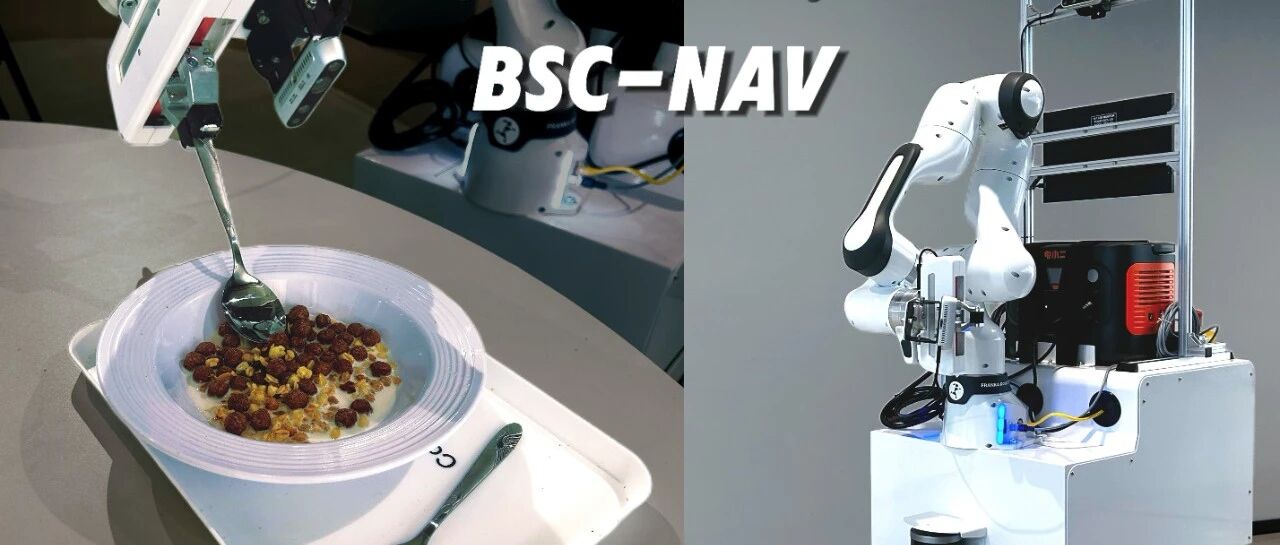
Core Viewpoint - The article discusses the innovative BSC-Nav framework developed by Tsinghua University and Beihang University, which enhances embodied intelligence in robots by integrating a structured spatial memory system inspired by biological cognition, enabling robots to perform complex navigation and interaction tasks autonomously [4][11][42]. Group 1: BSC-Nav Overview - BSC-Nav is the first unified framework inspired by the spatial cognition mechanisms of the biological brain, providing advanced navigation capabilities and enabling higher-level spatial perception and interaction tasks [7][8]. - The framework addresses the limitations of existing AI models in physical environments, particularly their short-term memory and poor generalization in dynamic settings [8][11]. Group 2: Memory Components - BSC-Nav incorporates three key memory components: Landmark Memory Module, Cognitive Map Module, and Working Memory Module, which collectively replicate human spatial cognition [12][17][18]. - The Landmark Memory Module identifies and records significant objects in the environment, while the Cognitive Map Module creates a global cognitive map based on observed features [16][17]. - The Working Memory Module allows the robot to retrieve and reconstruct relevant spatial memories for task execution, enhancing its reasoning and generalization capabilities [18][19]. Group 3: Performance Validation - Extensive experiments in the Habitat simulation environment demonstrated BSC-Nav's superior performance across four major navigation tasks, achieving new state-of-the-art results [20][24]. - In object navigation tasks, BSC-Nav achieved a success rate of 78.5%, surpassing the previous best method by 24% [24]. - The framework also excelled in complex instruction navigation and active embodied question answering, showcasing its ability to understand and execute intricate tasks [25][28][31]. Group 4: Real-World Application - BSC-Nav was tested in a real-world environment, achieving over 80% navigation success rate across various tasks, demonstrating its strong generalization capabilities [35][38]. - The robot successfully performed complex operations, including the multi-step task of preparing breakfast, highlighting its practical applicability [38][43]. Group 5: Future Directions - The research emphasizes that the evolution of embodied intelligence may not solely rely on computational power but can be significantly enhanced through effective memory systems [41][42]. - Future plans include expanding the memory framework to more dynamic environments and complex cognitive tasks, aiming for further advancements in embodied AI [42].