
Veo3

Search documents
Alphabet Just Introduced Its Newest AI Advantage, and It's Another Reason to Buy the Stock
The Motley Fool· 2026-03-29 20:30
Core Insights - Alphabet is a leader in artificial intelligence (AI) innovation, particularly with its Gemini model and video/image generation technologies like Veo3 and Nano Banana, gaining market share as competitors like OpenAI exit the space [1] - The company has a significant advantage in custom AI chips through its tensor processing units (TPUs), which allow for lower training and inference costs compared to competitors relying on Nvidia's GPUs [2] - Alphabet's new AI memory compression algorithm, TurboQuant, is expected to enhance its cost advantages by reducing memory needs by at least 6x and increasing processing speeds by 8x, further solidifying its position in the AI market [3] Financial Data - Alphabet's current market capitalization stands at $3.3 trillion, with a current stock price of $274.47, reflecting a 2.30% decrease [4][5] - The stock has a 52-week range of $140.53 to $349.00, indicating significant volatility [5] - The company maintains a gross margin of 59.68% and a dividend yield of 0.31% [5] Investment Perspective - The potential deployment of TurboQuant could enhance Alphabet's structural cost advantages in AI, positioning the company favorably as the industry increasingly focuses on cost reduction [6] - Alphabet is viewed as one of the best AI stocks to buy currently, given its leadership in driving down costs and expanding its technological edge [6]



GenAI 系列报告之 69 暨 AI 应用深度之四:Seedance2.0 突破,AI 视频竞争格局及产业链机遇
Shenwan Hongyuan Securities· 2026-02-26 11:10
Investment Rating - The report indicates a positive investment outlook for the AI video generation industry, particularly highlighting the advancements of ByteDance's Seedance2.0 and its competitive positioning against other major players like Kuaishou and Alibaba [5][6]. Core Insights - Seedance2.0 has achieved significant technological and industrial breakthroughs, establishing a closed-loop system from creation to distribution and monetization [5][6]. - The AI video generation market is still in its early stages, with leading companies exhibiting differentiated competitive strategies, allowing multiple major players to coexist [5][6]. - The content production function is shifting towards a new paradigm that emphasizes foundational creativity, prompt engineering, AI computing power, data fuel, and distribution algorithms [7][8]. Summary by Sections 1. Seedance2.0: Technological and Industrial Breakthroughs - Seedance2.0 utilizes a unified multi-modal audio-video generation architecture, significantly improving controllability and consistency in content production [11]. - The model supports various input modalities, enhancing creative freedom and allowing for a more comprehensive content generation process [11][12]. 2. Competition Analysis - The AI video generation market is characterized by rapid iteration and differentiation among major models, with domestic models generally priced lower than their international counterparts [13][16]. - The demand for AI video generation comes from various sectors, including individual content creators, professional media companies, and the entertainment industry [13][16]. 3. Impact of AI on Content Production - The introduction of AI models is transforming the content production function, leading to lower marginal costs and a shift in value towards scarce IP and efficient distribution platforms [37]. - The report highlights that while there may be an oversupply of lower-tier content, the value of high-quality IP is expected to increase, benefiting from enhanced operational efficiencies through AI [37][38]. 4. AI Manhua and Realistic Short Dramas - AI-generated manhua and realistic short dramas are identified as the first large-scale commercial applications of AI video technology, with significant growth potential [6][7]. - The core user demographic for AI manhua is primarily young males under 40, indicating a new market segment beyond traditional live-action short dramas [6][7]. 5. Importance of Copyright Services in the AIGC Era - The report emphasizes the growing importance of copyright services in the AI-generated content landscape, with a shift from adversarial relationships between copyright holders and AI companies to collaborative models [8][9]. - Establishing a robust rights attribution and revenue-sharing system is crucial for maximizing the value of IP in the AIGC era [8][9]. 6. Multi-modal Computing Power Requirements - The report notes that video models require significantly more computing power compared to language models, with the generation of a 5-second 4K video demanding computational resources equivalent to processing 100,000 instances of a language model prompt [7][8].





AI视频行业深度报告:技术跃迁驱动内容革命,把握产业变革新机遇
China Post Securities· 2026-02-14 10:32
Investment Rating - The report maintains a strong buy rating for the media industry, indicating a positive outlook for investment opportunities in the AI video sector [2]. Core Insights - The AI video generation technology is evolving rapidly, transitioning from GAN to DiT architectures, which are crucial for advancing towards AGI. This evolution is expected to significantly enhance the capabilities of AIGC (AI-Generated Content) [3][9]. - The global AI video generation market is projected to reach $296 million by 2026, with a year-on-year growth of 35.16%. The industry is exploring both consumer (C-end) and business (B-end) revenue models, with significant advancements in commercial applications expected in the near future [3][4]. Summary by Sections 1. Video Generation Evolution - Video generation integrates multiple modalities, including text, images, and audio, which enhances its complexity and expressiveness, representing the upper limit of AIGC capabilities [7]. - The technology has progressed from early GAN models to the current DiT architecture, marking a significant turning point in the industry with the introduction of models like OpenAI's Sora [9][25]. 2. Technical Progress - Current AI video generation models can produce short segments that approach professional production quality, with resolutions supporting 1080p and frame rates reaching 30fps. However, challenges remain in generating longer videos and maintaining physical realism [34][36]. - The emergence of world models is anticipated to address existing limitations in video generation, potentially leading to a new phase of technological advancement [33]. 3. Commercialization Progress - The AI video generation market is expanding rapidly, with both consumer and business segments progressing simultaneously. The C-end focuses on subscription models, while the B-end primarily utilizes APIs for applications in advertising and e-commerce [3][4]. - The industry is witnessing a shift towards integrating AI capabilities into film production, with significant projects already generating substantial revenue, such as Utopai's projects totaling approximately $110 million [3][4]. 4. Core Beneficiaries - Key companies benefiting from this trend include technology firms with proprietary algorithms, content providers with extensive asset libraries, and platforms actively integrating AI into marketing strategies [4].




软件ETF(515230)涨超2%,近10日资金净流入超28亿元,多模态预计在2026年进一步迭代
Mei Ri Jing Ji Xin Wen· 2026-01-23 07:16
Core Viewpoint - The software ETF (515230) has seen a significant increase of over 2% on January 23, with a net inflow of over 2.8 billion yuan in the past 10 days, indicating strong investor interest in the sector. The multi-modal technology is expected to be a key factor in AI applications by 2026, benefiting primarily AI video and robotics/autonomous driving sectors [1]. Group 1: Multi-modal Technology - Multi-modal technology is anticipated to be a decisive factor in AI applications by 2026, with direct beneficiaries being AI video and robotics/autonomous driving [1]. - In the AI video sector, advancements such as the resolution of physical consistency issues with Sora2 and Veo3 are expected to lead to a generative environment by Q4 2025, with further acceleration anticipated as domestic multi-modal models catch up in Q1 2026 [1]. - The robotics/autonomous driving field is expected to see practical applications in experimental environments by 2026, driven by advancements in world models like Google's Genie and Tesla's iterations [1]. Group 2: Domestic and International Developments - Internationally, multi-modal technology is projected to evolve further in 2026, moving towards a unified tokenized world model [1]. - Domestic models such as Byte's Seed and Minimax's Hai Luo are expected to catch up quickly, with related products likely to be released in the first half of 2026 [1]. - The demand for computing power and storage is expected to benefit from the implementation of multi-modal and long-memory technologies [1]. Group 3: Software ETF Overview - The software ETF (515230) tracks the software index (H30202), which reflects the market performance of the software industry, covering companies involved in application software, system software development, and related services [1]. - The index focuses on technology innovation and high-growth companies, with a concentration in the information technology sector, leaning towards a growth-oriented style [1].
狂揽2亿播放,AI吃播站上内容风口
3 6 Ke· 2025-12-18 11:16
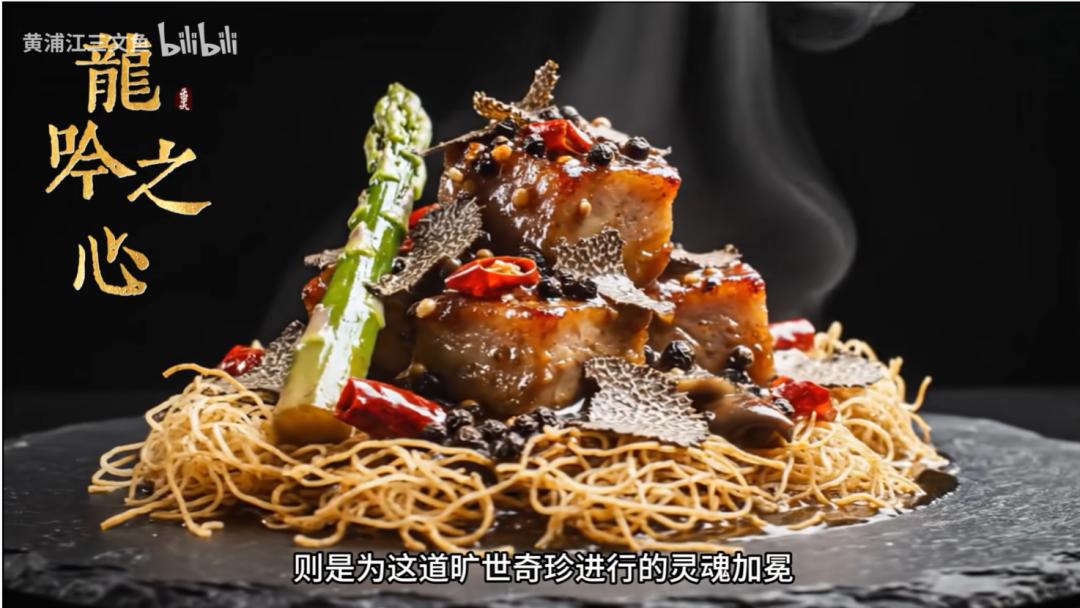
Core Insights - The article discusses the rise of AI-generated food content, particularly focusing on a series of videos that creatively depict the cooking of an extinct creature, the ancient ichthyosaur, showcasing the capabilities of AI in the culinary space [1][2][5] Group 1: AI in Culinary Content Creation - A series of videos on Bilibili by the user @黄浦江三文鱼, featuring AI-generated cooking processes, gained significant popularity, with the first episode reaching 7.64 million views [2] - The integration of AI in food content has led to innovative formats, such as historical figures enjoying meals and surreal food combinations, which have captivated audiences [2][5] - AI-generated food content has garnered over 200 million views on platforms like Douyin, indicating a strong user interest in this genre [5] Group 2: Evolution of AI Food Videos - The initial role of AI in food content was to assist creators with ideas, but it has evolved into a primary content generator, leading to the emergence of unique formats like ASMR food videos [5][6] - AI-generated ASMR videos, such as "cutting fruit," have quickly gained popularity, with accounts dedicated to this format seeing rapid follower growth [6] - The trend of AI food videos includes various creative concepts, such as historical meals and exaggerated food challenges, which leverage user curiosity and engagement [8][10] Group 3: Technical Aspects and Tools - The production of AI-generated food videos involves multiple AI tools, including Gemini, ChatGPT, and Veo3, which streamline the creation process and enhance audio-visual synchronization [18][19] - The advancements in AI models have significantly lowered the technical barriers for content creation, allowing for a more accessible entry point for creators [20][21] - The importance of prompt engineering has emerged, leading to a new market for selling templates and tutorials on how to effectively use AI tools for content creation [25] Group 4: Challenges and Limitations - Despite the novelty and appeal of AI-generated food content, it lacks the emotional connection and narrative depth that traditional food content offers, which may limit its long-term engagement [26][27] - The reliance on curiosity-driven content may lead to a homogenization of AI food videos, risking viewer fatigue and diminishing unique value [27][28] - Legal and ethical considerations surrounding AI-generated content, including potential copyright issues and the need for clear labeling, are becoming increasingly important [28]
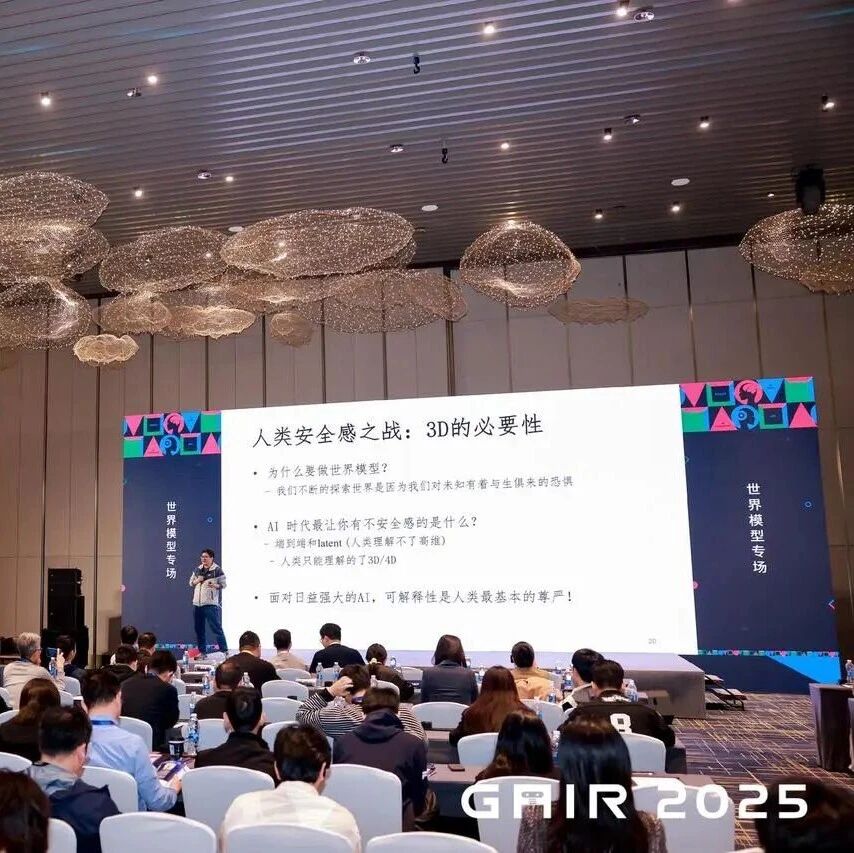
港中深韩晓光:3DGen,人类安全感之战丨GAIR 2025
雷峰网· 2025-12-13 09:13
Core Viewpoint - The article discusses the importance of understanding the underlying principles of world models, emphasizing that relying solely on data-driven approaches ("炼丹") is insufficient for creating effective AI systems. It advocates for the integration of human-understandable structures and logic into AI models to enhance their interpretability and reliability [2][63]. Group 1: Development of 3D Generation - The evolution of 3D generation has transitioned from early attempts at creating 3D models from single images to the current era of large models capable of generating high-quality 3D content from textual descriptions [7][16]. - The emergence of "open world" 3D generation began around 2023 with the Dreamfusion project, which allowed for the generation of 3D models without category restrictions, marking a significant shift in the field [11][12]. - Current trends in 3D generation focus on achieving finer details, structured outputs for easier editing, and better alignment between generated models and input images [19][20]. Group 2: Challenges and Opportunities in 3D Generation - The article highlights a dilemma faced by the 3D generation field, particularly in light of advancements in video generation technologies that can produce content without the complex 3D modeling processes [24][28]. - Despite the rise of video generation, 3D content creation retains its value due to its ability to provide physical realism, spatial consistency, and detailed control over content [29][34]. - The potential crisis for 3D generation lies in the increasing capabilities of video generation models, which are beginning to exhibit controllable features, raising questions about the necessity of 3D in future content creation [34][38]. Group 3: The Role of 3D in World Models - The article categorizes world models into three types: macro models for societal understanding, personal experience models for exploration, and embodied models for machine intelligence, with 3D being essential for interactive virtual environments [43][44][45]. - For embodied intelligence, understanding human interaction with the physical world necessitates 3D modeling to accurately capture and simulate these interactions [48][50]. - The transition from digital to physical manufacturing processes, such as 3D printing, underscores the foundational role of 3D data in creating tangible products [52]. Group 4: Technical Approaches in AI - The article contrasts explicit and implicit approaches in AI development, with explicit methods relying on clear geometric and physical modeling, while implicit methods depend on data-driven neural networks [56][57]. - The need for explainability in AI systems is emphasized, suggesting that a balance between performance and interpretability is crucial for user trust and safety [58][63]. - The discussion concludes that 3D and 4D modeling are vital for providing a comprehensible framework for understanding complex AI systems, thereby enhancing user confidence [59][63].
欧盟对谷歌展开调查
Guo Ji Jin Rong Bao· 2025-12-10 05:24
Group 1 - The European Commission has announced a formal investigation into Google, focusing on whether the use of online publishers' content and YouTube creators' videos for training AI models like Gemini violates European competition rules [2] - The investigation centers on key issues such as data acquisition, copyright compensation, and platform advantages, reflecting the EU's strong regulatory stance in reshaping the generative AI competitive landscape [2] - Concerns have been raised that Google may impose unfair terms on publishers and content creators, potentially providing itself with privileged access to data that competitors cannot replicate [2] Group 2 - Google is accused of using videos uploaded to YouTube to train its Gemini and Veo3 models without genuine consent from creators, as the licensing agreements are seen as default and lacking real choice [2] - Google prohibits third-party companies from using YouTube videos for model training unless explicitly authorized by copyright holders, which may create natural barriers in training data and heighten concerns about its market dominance [2] - In response, Google claims that the complaints could stifle innovation in an already competitive market and emphasizes its collaboration with the news and creative industries to adapt to changes brought by AI [2] Group 3 - Despite Google's denial of any market abuse, the EU's actions are viewed as part of a broader trend of increasing regulation of American tech companies in Europe [3] - Over the past two years, Google has faced nearly €3 billion in fines related to its digital advertising business, while other companies like Meta and Apple have also faced significant penalties for various issues [3][4] - The EU aims to consolidate its regulatory authority over platform behaviors in the global tech competition, emphasizing that AI development should not compromise core societal principles such as creators' rights and market fairness [4]

AI吃播开始和真人吃播抢「饭碗」
36氪· 2025-12-07 02:09
Core Viewpoint - The article discusses the rise of AI eating broadcasts (AI Mukbang) as a new trend in content creation, contrasting it with traditional human eating broadcasts that face ethical and legal challenges [5][6][19]. Group 1: AI Eating Broadcasts - AI eating broadcasts feature a wide variety of unconventional "food" items, including toys, jewelry, and even technology, appealing to viewers' curiosity [5][11]. - Popularity metrics indicate significant engagement, with videos on platforms like TikTok and Douyin achieving hundreds of thousands of likes and views, showcasing the potential for monetization through ad revenue [14][21]. - The technology behind these broadcasts, such as the Veo3 video generation model from Google DeepMind, allows for the seamless integration of sound and visuals, enhancing viewer experience [15][16]. Group 2: Challenges for Human Eating Broadcasts - Human eating broadcasts are increasingly scrutinized due to regulations aimed at curbing food waste and promoting responsible consumption, leading many creators to pivot away from traditional formats [19][23]. - Despite the challenges, some human broadcasters continue to push boundaries by engaging in extreme eating challenges to attract views, although this raises ethical concerns [21][23]. - The competition between AI and human eating broadcasts is expected to evolve, with AI focusing on novelty and human creators emphasizing emotional connections with their audience [24].

首帧的真正秘密被揭开了:视频生成模型竟然把它当成「记忆体」
机器之心· 2025-12-05 04:08
Core Insights - The first frame in video generation models serves as a "conceptual memory buffer" rather than just a starting point, storing visual entities for subsequent frames [3][9][48] - The research highlights that video generation models can automatically remember characters, objects, textures, and layouts from the first frame and reuse them in later frames [9][10] Research Background - The study originates from a collaborative effort by research teams from UMD, USC, and MIT, focusing on a phenomenon in video generation models that had not been systematically studied [5][8] Methodology and Findings - The proposed method, FFGo, allows for video content customization without modifying model structures or requiring millions of training samples, needing only 20-50 carefully curated examples [18][21] - FFGo can achieve state-of-the-art (SOTA) video content customization with minimal data and training time, demonstrating significant advantages over existing methods like VACE and SkyReels-A2 [21][29] Technical Highlights - FFGo enables the generation of videos with multiple objects while maintaining identity consistency and action coherence, outperforming previous models that were limited to fewer objects [22][31] - The method utilizes Few-shot LoRA to activate the model's memory mechanism, allowing it to leverage existing capabilities that were previously unstable and difficult to trigger [30][44] Implications and Future Directions - The research suggests that video models inherently possess the ability to fuse multiple reference objects, but this potential was not effectively utilized until now [39][48] - FFGo represents a paradigm shift in how video generation models can be used, emphasizing smarter usage over brute-force training [52]
视频模型战火再燃!Runway超过谷歌登顶,可灵也来了
第一财经· 2025-12-02 09:09
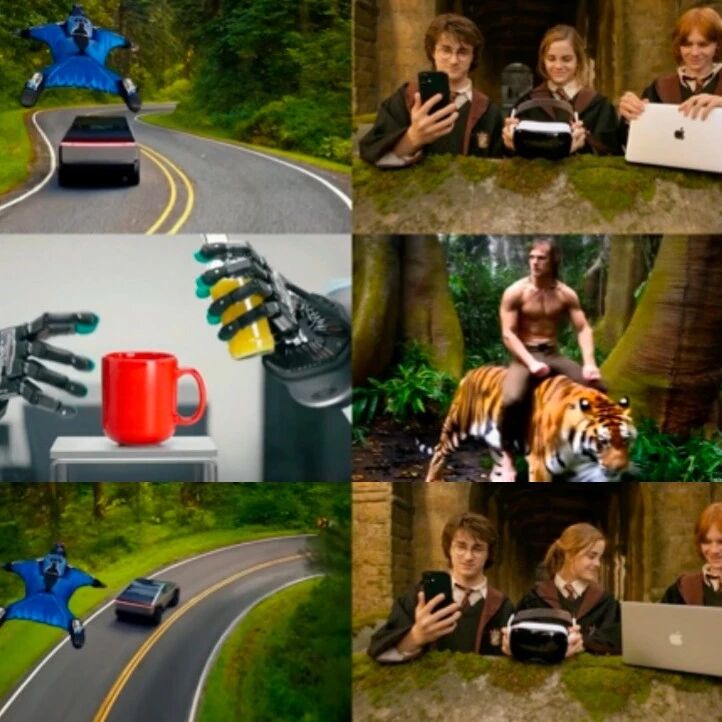
Core Viewpoint - The competition in AI video generation is intensifying, with Runway's new model Gen-4.5 surpassing Google's Veo3 in benchmark tests, while domestic competitor Kuaishou's new model Keling O1 has also been launched, marking a significant moment in the industry [3][19]. Group 1: Model Performance - Runway's Gen-4.5 achieved a score of 1247 in the Artificial Analysis benchmark, making it the top model in text-to-video generation, followed closely by Google's Veo3 with a score of 1226 and Kuaishou's Keling 2.5 at 1225 [7][9]. - Gen-4.5 demonstrates advancements in understanding and executing complex sequential instructions, allowing users to specify detailed shot scheduling, scene composition, event timing, and subtle atmospheric changes [9][15]. Group 2: Technical Innovations - The model has made breakthroughs in pre-training data efficiency and post-training techniques, achieving unprecedented physical and visual accuracy in generated videos [9][15]. - Runway claims that objects in the generated videos move with realistic weight and dynamics, and liquid flows according to appropriate physical laws, enhancing the realism of the generated content [15][18]. Group 3: Market Position and Future Outlook - Runway, founded in 2018, has reached a valuation of $3.55 billion, with its first video model Gen-1 launched in February 2023, followed by Gen-2 in July, which integrated text-to-video and image-to-video functionalities [18]. - The competitive landscape is expected to become more challenging for Runway starting in 2024, with Google's Veo series solidifying its leading position and other competitors like Kuaishou and MiniMax gaining traction [19].
