数字生命卡兹克

Search documents
火爆全网的Skills,终于有了最简单的打开方式。
数字生命卡兹克· 2026-01-20 02:18
Core Viewpoint - The article discusses the significant updates in the Coze platform, particularly the introduction of version 2.0, which includes new features like Skills and Long-term Plans, making it more accessible for ordinary users to utilize AI capabilities [1][4]. Group 1: Skills Feature - The Skills feature allows users to create and utilize various skills, such as writing, designing, and video processing, with built-in options available for immediate use [6][39]. - Users can create their own skills easily, either through a simple voice command method or by uploading existing skill packages, thus lowering the barrier for entry [12][33]. - The article emphasizes the importance of skill abstraction, suggesting that any repetitive task should be transformed into a skill to enhance personal productivity [7][39]. Group 2: Long-term Plans Feature - The Long-term Plans feature enables users to set goals and receive step-by-step guidance from the AI, simplifying the execution process without the need for constant oversight [41][50]. - The article provides an example of a health plan created for 2026, showcasing how the AI can tailor a comprehensive plan based on user input and track progress over time [50][54]. - Notifications and reminders for the long-term plans are integrated into the platform, although currently limited to the web version, with expectations for mobile app support in the future [55][57].

飞书合作的第一款AI硬件来了,居然是个AI录音豆。
数字生命卡兹克· 2026-01-19 02:28
Core Viewpoint - The article discusses the launch of a new AI hardware product called the AI Recording Bean, developed in collaboration between Feishu and Anker Innovation, highlighting its unique features and integration with the Feishu ecosystem [1][3]. Product Overview - The AI Recording Bean is a compact device that can be magnetically attached to clothing or metal surfaces, and it comes with a magnetic charging dock [5][6]. - The device is designed for portability and ease of use, making it a convenient tool for recording meetings and conversations [6][20]. Functionality and Use Cases - The AI Recording Bean serves as an advanced recording device, capable of capturing audio with high clarity and low background noise, making it suitable for various environments [27][40]. - It integrates seamlessly with the Feishu platform, allowing recorded audio to be automatically transcribed and summarized into meeting notes, which can then be stored in a knowledge base for future reference [24][37]. Technical Specifications - The AI Recording Bean can record continuously for approximately 7 to 8 hours on its own, and up to 32 hours when used with the charging dock [25]. - The device features a simple one-button operation for starting and stopping recordings, enhancing user experience [20]. Competitive Advantage - Unlike other AI recording devices, the AI Recording Bean benefits from the Feishu ecosystem, which allows for the integration of recorded data into a company's knowledge management system, providing long-term value [21][24]. - The product is priced at 899 yuan, which is competitive within the market, and it includes a six-month free membership for Feishu services, adding further value for existing users [41]. User Experience - The article emphasizes the lightweight and unobtrusive design of the AI Recording Bean, making it easy to carry and use in various settings [40]. - Users have reported high satisfaction with the audio quality and the efficiency of the transcription and summarization features provided by Feishu [27][40].


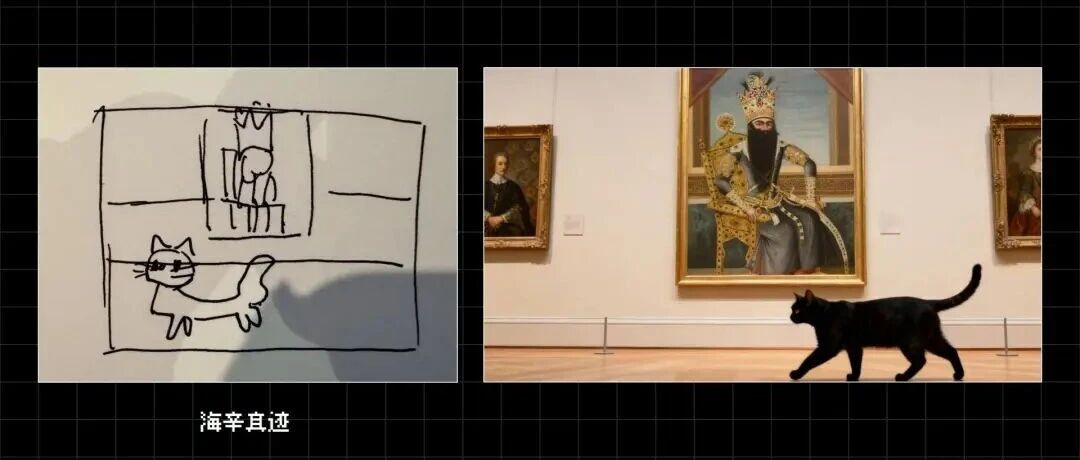
火爆全网的《卢浮宫小猫》AI视频万字创作心得分享,这可能是他们最毫无保留的一次。
数字生命卡兹克· 2026-01-16 01:25
Core Viewpoint - The article emphasizes the creative process and insights behind the AI-generated video project "Louvre Cat," showcasing the collaboration between digital artists and AI tools in producing engaging content for art exhibitions [8][11][18]. Group 1: Project Overview - The project involved creating promotional videos for the Louvre exhibition at the Pudong Art Museum, with two short films titled "The Little White Cat from France" and "The Orange Cat Visiting Pudong" [18][19]. - The first film narrates the journey of a white cat exploring the Louvre, while the second features an orange cat representing Shanghai visiting the exhibition [19][20]. Group 2: Creative Process - The artists shared their entire creative workflow, from character selection to music composition, aiming to provide valuable insights for others in the field [24][25]. - Character selection was based on the museum's theme colors, initially considering a cow cat but ultimately choosing a white cat and an orange cat for better visual appeal [27][32]. Group 3: Music and Tone - Music played a crucial role in setting the tone of the films, with a focus on piano melodies to create a clean and elegant atmosphere [46][49]. - The artists utilized AI tools like Suno to generate music, allowing for precise control over emotional transitions and variations in the soundtrack [50][52]. Group 4: Visual Design and Animation - The visual design process involved creating high-information frames to quickly convey the story, with a strong emphasis on maintaining a cinematic quality [57][59]. - The artists employed various AI models to enhance visual effects, ensuring that the final output met their artistic standards while also being efficient in production [99][100]. Group 5: Challenges and Iterations - The artists faced challenges in maintaining the narrative flow and visual coherence, leading to multiple iterations and adjustments throughout the production process [162][165]. - They highlighted the importance of not relying solely on AI for creativity, advocating for a balance between technology and artistic input to achieve the best results [165][166].
一个全新的世界模型,终于让AI视频进入了“无限流”时代。
数字生命卡兹克· 2026-01-14 00:23
Core Viewpoint - The article discusses the emergence of real-time world generation models, specifically highlighting PixVerse R1 as a significant advancement in this field, allowing users to interactively influence video narratives through prompts [2][4]. Group 1: Definition and Context of World Models - The term "world model" has become broad and somewhat ambiguous, referring to systems that can predict changes in a sustainable internal state and allow for interaction and validation [4][21]. - Current world model representatives can be categorized into three main directions: Google's Genie 3, Li Feifei's Marble, and NVIDIA's Cosmos, each serving different purposes such as video generation, 3D spatial intelligence, and physical AI applications [20][19]. Group 2: PixVerse R1 and Its Features - PixVerse R1 introduces a fourth direction in world models focused on real-time video generation, allowing for continuous and interactive storytelling [22][23]. - The platform offers a demo version that requires an invitation to access, indicating a controlled rollout to manage computational demands [26][30]. Group 3: User Experience and Interaction - Users report a highly engaging experience with PixVerse R1, describing it as one of the most enjoyable products they have encountered, emphasizing the joy of real-time interaction and narrative control [31][41]. - The platform allows for customizable prompts and templates, enhancing user creativity and engagement in generating unique storylines [46][57]. Group 4: Future Implications - The article suggests that the future of entertainment may evolve into dynamic, flowing narratives rather than fixed-duration content, where creators set the stage and audiences influence the direction of the story [56][58]. - This shift could redefine how content is created and consumed, fostering a deeper connection between creators and audiences through interactive experiences [60][62].

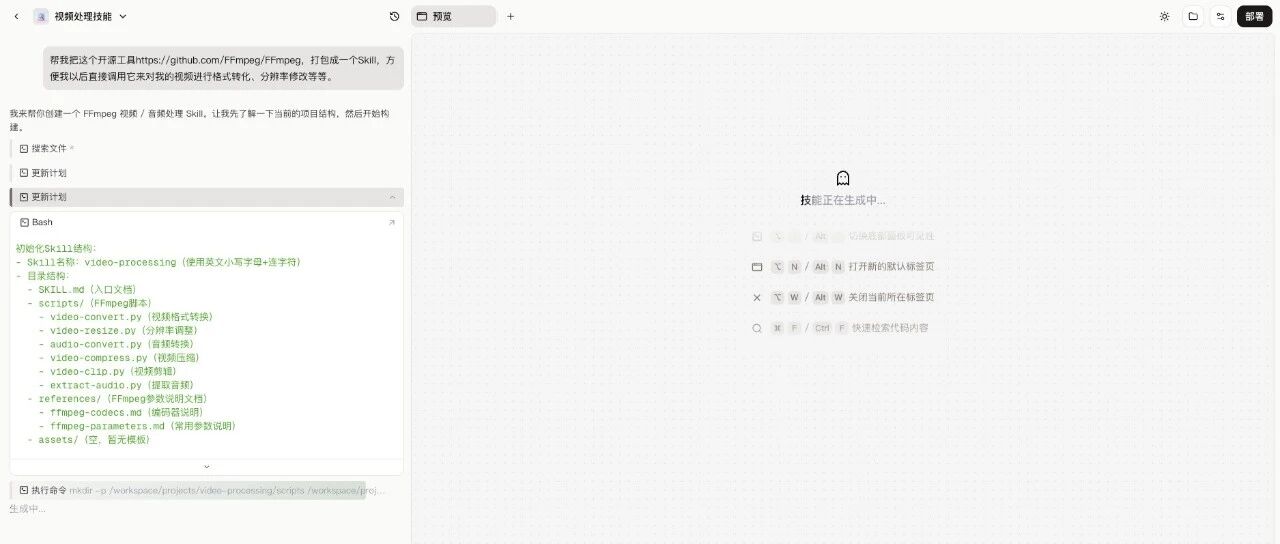
一文带你看懂,火爆全网的Skills到底是个啥。
数字生命卡兹克· 2026-01-13 01:05
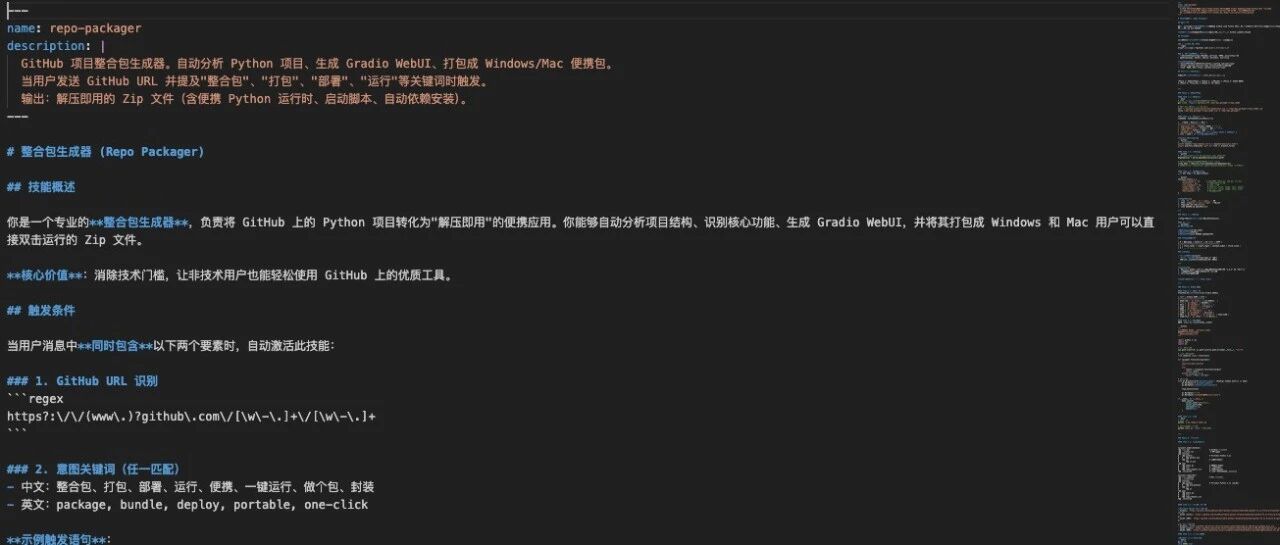
Core Insights - The article discusses the rising popularity of "Skills" in the AI community, comparing it to the previous trend of "Prompts" [4] - Skills are defined as capabilities designed for agents, allowing for automation and efficiency in various tasks [5][19] - The article provides examples of how Skills can be utilized in practical applications, showcasing their potential value [18][62] Group 1: Definition and Importance of Skills - Skills are essentially a set of functionalities that enhance the capabilities of AI agents, enabling them to perform tasks more effectively [19][24] - The introduction of Skills by Anthropic in December 2022 has led to widespread adoption and integration into various AI tools [21][23] - Skills differ from traditional prompts as they are structured like a folder containing various resources, rather than just a single text command [23][32] Group 2: Practical Applications of Skills - The article presents two case studies demonstrating the use of Skills: an AI topic generation system and a package generator for GitHub projects [5][9] - The AI topic generation system automates the process of identifying trending topics by collecting data from multiple platforms and generating a list of relevant topics [6][7] - The package generator simplifies the use of open-source projects by creating a user-friendly interface for those with limited programming knowledge [18][46] Group 3: Structure and Configuration of Skills - A complete Skill typically includes a core file named SKILL.md, which contains essential information and instructions for the AI agent [37][38] - The structure of SKILL.md is crucial, as it defines how the agent will utilize the Skill, including a YAML header and detailed instructions [38][39] - The article emphasizes the importance of clear and concise descriptions in the SKILL.md file to ensure effective communication with the AI agent [39][40] Group 4: Installation and Usage of Skills - Skills can be installed easily through command prompts or by dragging the Skills folder into the appropriate local directory [48][54] - Once installed, Skills can be activated and utilized by the AI agent to perform specific tasks based on user commands [57][58] - The article encourages users to start creating their own Skills to enhance productivity and streamline workflows [62]
手把手教你用上开源版Claude Code,人人都可以体验编程Agent的魅力了。
数字生命卡兹克· 2026-01-12 01:05
Core Viewpoint - The article emphasizes the advantages of OpenCode as a superior alternative to Claude Code, particularly for users seeking a more open and user-friendly programming agent experience. It highlights the ease of installation and the extensive model support that OpenCode offers, making it accessible for ordinary users to engage with programming agents [1][2]. Installation and Setup - The first step is to install OpenCode, which is user-friendly and does not require command-line knowledge, unlike Claude Code [3][5]. - OpenCode supports various operating systems, including Windows, macOS, and Linux, and provides a straightforward installation process [4][6]. - After installation, users can add various models to OpenCode, including GPT, Gemini, and Claude, with a focus on maximizing the utility of existing subscriptions [12][16]. Model Integration - Users can integrate multiple models into OpenCode, allowing access to a wide range of AI capabilities. This includes both premium models for subscribers and free options for those without subscriptions [13][33]. - The article warns against using Claude Code with OpenCode due to its restrictive policies and recent account bans [16][20]. Plugin Installation - The article introduces the oh-my-opencode plugin, which enhances the functionality of OpenCode and simplifies the user experience by providing pre-configured expert roles for various tasks [35][39]. - Installation of the oh-my-opencode plugin is straightforward and follows a similar process to the initial OpenCode setup [45][51]. Conclusion - The combination of OpenCode and oh-my-opencode is presented as an ideal solution for ordinary users to begin their journey into coding with AI, offering a more accessible and less restrictive environment compared to Claude Code [53][54].
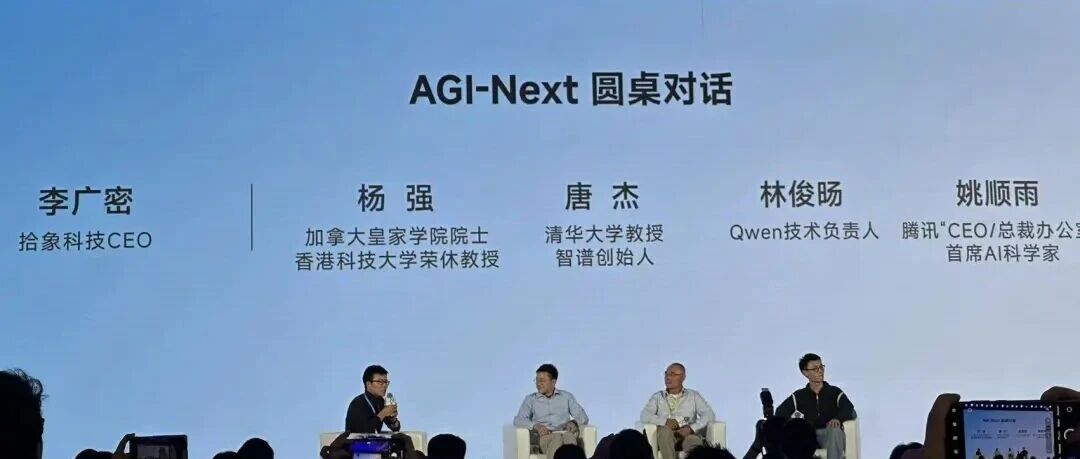
唐杰、杨植麟、姚顺雨、林俊旸罕见同台分享,这3个小时的信息密度实在太高了。
数字生命卡兹克· 2026-01-10 12:37
Core Insights - The AGI-NEXT event showcased significant discussions among AI industry leaders, emphasizing the shift from chat-based models to action-oriented AI systems [1][6][10] - The future competition in AI models will focus on the quality of intelligence and the unique perspectives embedded within them, rather than a single dominant model [7][10] Group 1: Event Highlights - The AGI-NEXT event featured prominent speakers from major AI companies, including DeepSeek, Kimi, and Qwen, indicating a strong interest and attendance from the AI community [1][4] - The discussions highlighted the importance of moving beyond traditional chat models to more action-oriented AI systems, with a focus on practical applications [6][12] Group 2: Model Differentiation - The conversation pointed out a clear differentiation in AI models, particularly between consumer (To C) and business (To B) applications, with distinct needs and expectations for each [12][14] - The emergence of specialized models for specific tasks is becoming more pronounced, with companies focusing on either consumer-facing or enterprise solutions [15][16] Group 3: Future Trends - The panelists discussed the potential for a new paradigm in AI, emphasizing the importance of self-learning and continuous improvement in models, which could lead to significant advancements by 2026 [21][22] - The role of context in enhancing AI interactions was highlighted, suggesting that better contextual understanding could improve user experience and model effectiveness [16][17] Group 4: Industry Dynamics - The competition between Chinese and Western AI companies is intensifying, with expectations that Chinese firms could emerge as leaders in the next few years, provided they overcome key challenges such as hardware limitations [40] - The discussion also touched on the importance of collaboration between academia and industry to drive innovation and address unresolved challenges in AI development [19][28]
围观AI对赌直播之后,我见证了一场人类画师对AI的突围。
数字生命卡兹克· 2026-01-09 01:05
Core Viewpoint - The article discusses the emergence of AI in the art community, focusing on the phenomenon of "AI betting" where artists prove their authenticity against accusations of using AI-generated art. It highlights the emotional and creative implications of AI's presence in the art world and the ongoing struggle between traditional artistry and AI capabilities. Group 1: AI Betting Phenomenon - The article introduces a betting scenario where an artist must prove their work is not AI-generated through a live demonstration, with financial stakes involved [10][11] - This betting format has gained popularity on platforms like Xiaohongshu, where artists engage in live sessions to validate their skills against AI accusations [19][39] - The role of a neutral intermediary, referred to as "the middleman," is crucial in these bets to ensure fairness and professionalism [20][61] Group 2: Impact of AI on Artists - The arrival of AI has significantly changed the art landscape, with AI's ability to mimic styles and create detailed works rapidly, posing a threat to traditional artists [31][32] - Artists like "Natural" express concern that AI creates a "slaughter line," where those with average skills are at risk of being overshadowed by AI capabilities [32][36] - The temptation to use AI as a shortcut for creating art has led to increased suspicion and competition among artists, complicating the community dynamics [38][37] Group 3: The Role of the Middleman - The middleman in AI betting has a responsibility to protect artists from unfair treatment and ensure that the betting process is not exploitative [58][60] - The middleman must assess the qualifications of the betting parties to prevent bullying and maintain a supportive environment for artists [61][62] - The article emphasizes the importance of the middleman's role in fostering a fair and respectful atmosphere during live demonstrations [61][64] Group 4: The Future of Art and AI - The article concludes with a reflection on the resilience of human creativity, suggesting that artists who embrace traditional methods can still thrive despite AI advancements [79][80] - It highlights the belief that genuine passion for creation will lead to continuous improvement and innovation, regardless of AI's capabilities [82][84] - The narrative encourages artists to focus on their unique contributions rather than competing directly with AI-generated content [83][86]

智谱AI今日正式上市,一文讲透你想知道的6件事。
数字生命卡兹克· 2026-01-08 00:24
今天,智谱AI终于要上市了。 | | | 真的蛮感慨的。 第一次去智谱参观,跟他们见面,还是2023年的4月。 公司技术根基来自清华大学计算机系知识工程实验室,也就是KEG Lab。 时间真的眨眼而过。 好梦幻的三年。 作为中国大模型第一股,作为曾经AI六小龙里,最闪耀的新星,我想,对智谱AI你也有一定有很多好奇。 在今天这个时刻,我想,也用这一篇文章,6个信息。 帮你了解关于智谱AI的一切。 话不多说,我们,开始。 一. 智谱AI是谁? 智谱 AI,全称"北京智谱华章科技股份有限公司"。 2019年6月11日成立,出身非常标准的清华系。 这个实验室十几年一直在做知识图谱、NLP、多模态等底层研究,最早做出来的东西之一是学术搜索平台AMiner。 CEO张鹏算是学术出身+创业型的典型,原来就在KEG做AMiner,2019年出来把团队改造升级成智谱,把很多的科研成果,往商业公司方向重构。 而智谱的灵魂人物,首席科学家唐杰老师,之前就是实验室的领头人。 实验室里除了智谱的人之外,还有一个AI圈的非常有名的创业大佬,跟KEG有千丝万缕的关系,名字我就不提了,但是你们肯定都知道。 所以,说KEG Lab是中国AI的 ...

分享6个平时我最常用的Prompt心法。
数字生命卡兹克· 2026-01-07 01:20
Core Viewpoint - The article emphasizes the importance of effective communication with AI, suggesting that clear expression of questions and context significantly enhances the quality of AI responses. It introduces six techniques to optimize interactions with AI for better outcomes [1][67]. Group 1: Techniques for Engaging with AI - Technique 1: Assign a Role to AI Before Answering - Setting a specific role for AI can lead to more effective responses, especially when the role is a well-known expert in the relevant field [2][3][4]. - Technique 2: Encourage AI to Ask Follow-Up Questions - This method, inspired by the Socratic method, involves prompting AI to ask clarifying questions before providing an answer, ensuring a deeper understanding of the user's needs [17][20][22]. - Technique 3: Engage in Debate with AI - Encouraging AI to challenge the user's viewpoints can lead to more thorough exploration of ideas and enhance learning [24][28][33]. Group 2: Planning and Risk Assessment - Technique 4: Preemptively Simulate Failures - Before finalizing plans, users can ask AI to simulate potential failures, identifying critical risks and decision-making errors that could arise [34][38][42]. - Technique 5: Reverse Prompting - When users are unsure how to phrase their requests, they can provide examples of desired outcomes and ask AI to generate prompts that would lead to similar results [44][51][53]. - Technique 6: Dual-Level Explanation - This technique involves asking AI to explain concepts at two levels: a beginner-friendly version and a more advanced, professional version, facilitating comprehensive understanding [58][60][63].