机器人圈

Search documents
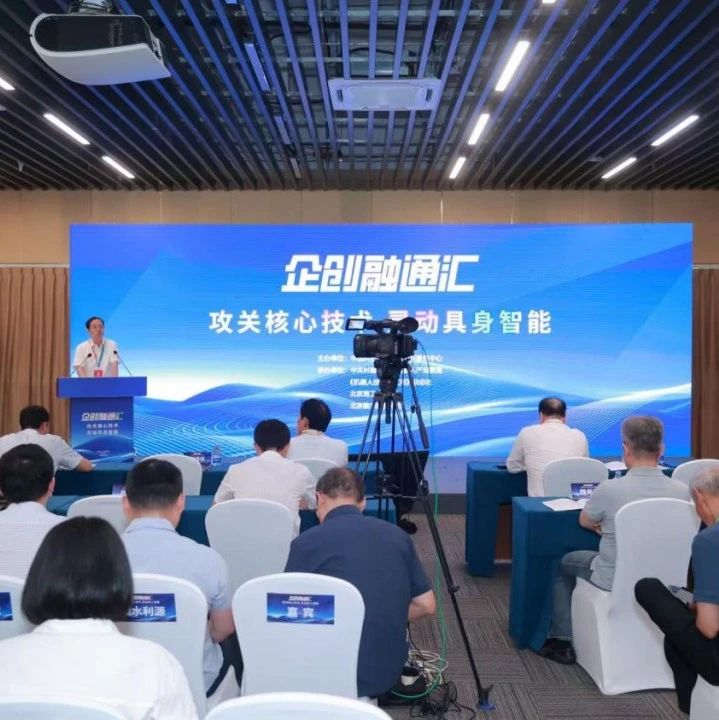
2025企创融通汇具身智能机器人核心部件专场活动在京举办
机器人圈· 2025-08-11 03:13
Core Insights - The event held on August 10, 2025, focused on the theme "Tackling Core Technologies for Agile Embodied Intelligence," highlighting the transition of embodied intelligence from laboratories to real-world applications, emphasizing its significant market potential for innovation and transformation across various industries [3][4] - Key components of embodied intelligent robots, including high-precision sensors, bionic actuators, edge computing chips, and flexible materials, are crucial for enhancing overall performance and expanding application scenarios [3][4] - The event featured discussions on technological innovations in robot actuators and high-power density motors, providing insights into the current state and future trends of core components in the embodied intelligence robot sector [3][4] Event Highlights - The event was attended by over 300 participants from 29 universities and 99 companies, with an additional 1.35 million viewers online [5] - A total of 18 outstanding solutions in the field of core components for embodied intelligent robots were showcased, categorized into five major industry issues: multimodal technology breakthroughs, domestic core component production, algorithm and model upgrades, innovative application scenarios, and ecosystem and talent development [4][5] - Seven outstanding technological achievements were successfully signed for implementation during the event [4]

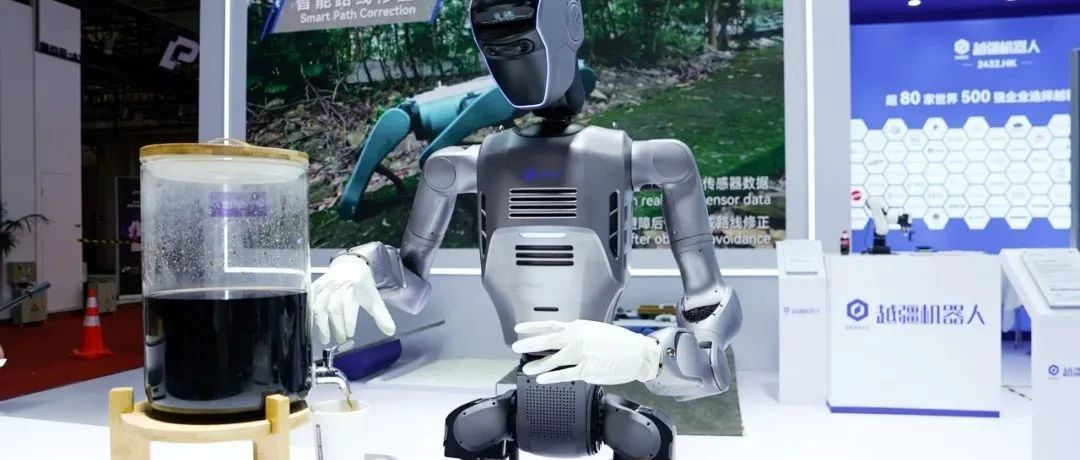
WRC 现场:“从制造现场走出来”的具身智能公司,越疆发布二代人形机器人
机器人圈· 2025-08-11 03:13
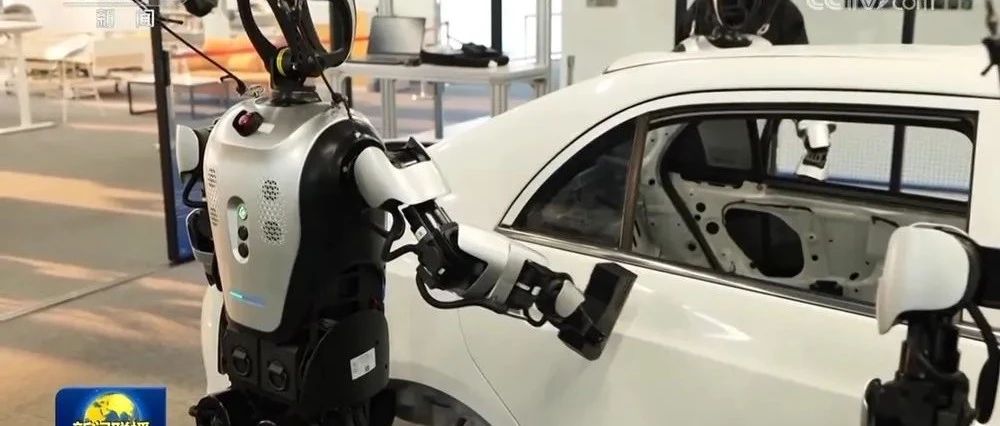
Core Viewpoint - The article highlights the launch of DOBOT Atom II, a humanoid robot by Yuejiang Technology, which is the first in China to achieve millimeter-level multi-scenario operational capabilities, showcasing advanced coordination and response speed in various applications [1][3][25]. Group 1: Product Features and Demonstrations - DOBOT Atom II demonstrated its capabilities by performing tasks such as sorting materials, serving popcorn, and cooking clay pot rice, indicating its potential applications in industrial, commercial, and home settings [3][7][13]. - The robot's ability to sort components with precision, achieving a tolerance of 0.1 millimeters, and its dual-arm coordination were highlighted during the material sorting demonstration [3][5]. - In a dynamic task of serving popcorn, DOBOT Atom II showcased its agility and precision, responding to audience interactions with gestures and conversation [7][9]. - The robot's cooking demonstration involved synchronizing actions to pour oil and operate a rice cooker, illustrating its autonomous decision-making capabilities based on cooking progress [13][30]. Group 2: Product Line and Technological Integration - Yuejiang Technology introduced a diverse range of robots, including bionic multi-legged robots and collaborative robotic arms, aimed at various applications across industries, commerce, and education [1][25][31]. - The multi-legged bionic robot demonstrated its ability to maintain balance and move through complex terrains, showcasing its load capacity and stability [15][18]. - The collaborative robotic arms are designed to learn and perform tasks such as serving ice cream and AI painting, indicating a focus on integrating advanced skills into everyday applications [18][23]. Group 3: Market Position and Client Base - Yuejiang Technology is positioned as the only company that has emerged directly from manufacturing, with a strong industrial foundation, having shipped 90,000 collaborative robotic arms and serving over 80 Fortune 500 companies [25][29][33]. - The company has established partnerships with leading global clients and research institutions, validating the applicability of its technology across various scenarios [29][30]. - The company aims to leverage its extensive sales network, covering over 100 countries, to accelerate the global deployment of its humanoid robots [29][33]. Group 4: Future Vision and Ecosystem Development - Yuejiang Technology is committed to building a comprehensive ecosystem for humanoid robots, focusing on an open platform that allows developers to create customized intelligent agents [30][31]. - The integration of various robotic forms and a unified algorithm base aims to break down hardware barriers and facilitate seamless task development [30][31]. - The company envisions a future where humanoid robots enhance productivity and quality of life, with the goal of having a reliable robotic partner for everyone [33].
2025世界机器人大会主论坛大咖观点(二)
机器人圈· 2025-08-11 03:13
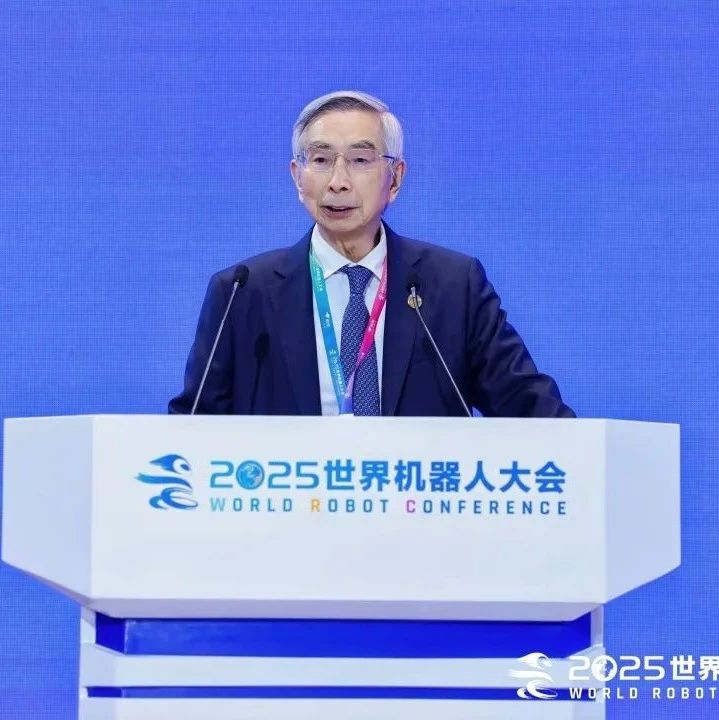
Core Viewpoint - The World Robot Conference emphasizes the importance of innovation and application in robotics, showcasing advancements in technology and the need for interdisciplinary collaboration in the field [1][3]. Group 1: Key Presentations - Ni Guangnan, an academician from the Chinese Academy of Engineering, highlighted the significance of "AI + spatial computing" as a new paradigm that bridges the physical and digital worlds, essential for enhancing robot intelligence [3]. - Vašek Hlaváč from Czech Technical University discussed the development of a unique visual guidance method for industrial robots, which improves precision in flexible assembly tasks through custom datasets and machine learning [5]. - Seng Chuan Tan, the incoming president of the World Federation of Engineering Organizations, emphasized the need for engineers to evolve from traditional roles to innovative problem solvers with interdisciplinary skills [7]. Group 2: Challenges and Opportunities - Gao Feng from Shanghai Jiao Tong University identified four key challenges in robot invention: functional-driven design, performance integration, behavioral intelligence, and specific engineering applications [9]. - Alexander Verl, chair of the International Federation of Robotics Technical Committee, discussed the limitations of current robots and the potential of digital twins and AI to enhance their capabilities [11]. - Sergej Fatikow from the University of Oldenburg presented innovations in micro-robotics for precision manufacturing, emphasizing the importance of nanotechnology in driving breakthroughs [13]. Group 3: Industry Applications - Zhang Jiafan from ABB Robotics highlighted that industrial robots currently cover only 20%-30% of industrial needs, indicating significant untapped potential for AI applications in decision-making and control [15]. - Zeng Guang from Zoomlion discussed the integration of humanoid robots into manufacturing systems, emphasizing the need for comprehensive knowledge and AI-driven platforms for effective deployment [17]. - Hu Luhui from Zhicheng AI pointed out the core pain points in the industry, including high costs and safety issues, and advocated for deep collaboration between physical and intelligent systems to overcome these challenges [19]. Group 4: Medical and Agricultural Innovations - Bradley Nelson from ETH Zurich presented the application of micro-robots in medicine, particularly for targeted drug delivery and remote surgeries, showcasing their potential to address significant healthcare challenges [21]. - Jens Kober from Delft University of Technology discussed the automation of agriculture in the Netherlands, emphasizing the need for cost-effective solutions to labor shortages and the importance of addressing real pain points in the industry [29]. - Yaniv Maor from Tevel highlighted the challenges in automating fruit picking, focusing on the need for flexible robotic systems that can adapt to diverse environments and fruit varieties [31]. Group 5: Future Directions and Market Trends - Dennis Gutowsky from FESTO introduced bio-inspired robotics, showcasing innovations that mimic natural mechanisms to enhance robotic design and functionality [33]. - The dialogue on embodied intelligence emphasized the need for reliable and transparent AI systems to foster trust and collaboration between humans and robots [34][36]. - The discussions highlighted the importance of open-source models to build user trust and the necessity for predictable AI systems to ensure effective human-robot interaction [42][44].
2025世界机器人大会主论坛大咖观点(一)
机器人圈· 2025-08-11 03:13
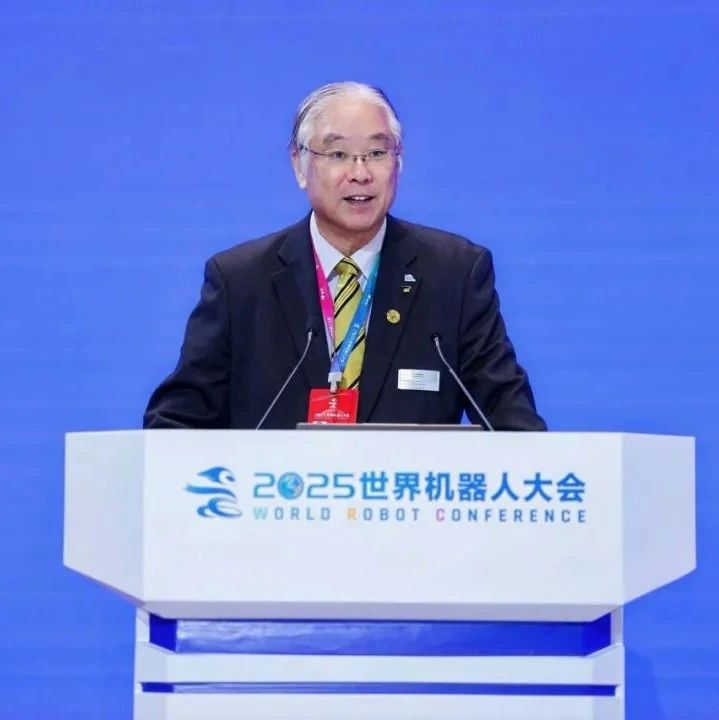
Group 1 - The 2025 World Robot Conference main forum commenced on August 9 in Beijing, focusing on industrial development and featuring leaders from government, international organizations, and top enterprises sharing insights on global robotics trends [1] - Xu Xiaolan, a key speaker, emphasized that humanoid robots represent a high-level evolution of robotics, crucial for manufacturing upgrades and addressing aging society challenges, with significant potential for global development [3] - The International Federation of Robotics President, Takayuki Ito, identified five trends shaping the future of the robotics industry, including the deep integration of AI and robotics, the rise of embodied intelligent robots, and the need for sustainable development [5] Group 2 - Kathleen A. Kramer from IEEE highlighted that sustainability is a core dimension of technology development, emphasizing the importance of responsible design and local policies to achieve sustainable goals [7] - Rev Lebaredian from NVIDIA discussed the emergence of the autonomous intelligent agent era, where systems can perceive environments and make decisions, marking a shift towards the "physical AI era" [9] - Wang Xingxing, CEO of Yushu Technology, pointed out that the current bottleneck in humanoid robots is not hardware but the maturity of embodied intelligence, advocating for improved model architectures [11] Group 3 - Juha Roening from the European Robotics Association noted that Europe has the potential to lead in robotics but faces challenges due to a lack of integrated strategic goals and standards [13] - Beijing's Economic and Information Technology Bureau announced the "Double Hundred Project" achievements, focusing on building a robust robotics industry with significant advancements in humanoid robots and application scenarios [15] - The "Embodied Intelligence Social Experiment Plan" was launched in Beijing, aiming to create a comprehensive ecosystem for robotics development and application across various sectors [17] Group 4 - Jeff Burnstein from the Association for Advancing Automation indicated that the North American robotics market is transitioning from automotive dominance to balanced growth across multiple industries, with humanoid robots still in early commercial stages [19] - Toshio Fukuda, a foreign academician of the Chinese Academy of Sciences, discussed Japan's approach to embodied intelligence, focusing on creating distributed intelligent systems with environmental awareness [21] - Mohammad Alshamsi from the UAE Robotics and Automation Society outlined the UAE's strategic initiatives to boost its robotics industry, targeting a 9% GDP contribution by 2032 [23] Group 5 - Mohammed Alsolami from Saudi Arabia emphasized the country's vision for robotics and AI development, focusing on large-scale infrastructure projects and local application scenarios [25] - Thaha Muhammed Abdul Kareem from Qatar highlighted the country's strategic shift towards becoming an AI and robotics innovation hub, with significant investments in education and R&D [27] - Chee-Fai Tan from the ASEAN Smart Industry Alliance discussed the rapid economic growth in ASEAN countries and the increasing demand for robotics in various sectors [29] Group 6 - Bikash Gurung from the Nepal Robotics Association outlined Nepal's focus on disaster response and medical robots, aiming to grow its robotics industry significantly by 2035 [31] - Jacques Eone from Cameroon emphasized the development of technologies suitable for harsh environments, targeting agriculture, disaster response, and medical logistics [33] - He Xiaodong from JD Group discussed the company's commitment to advancing humanoid robots through embodied intelligence, aiming to integrate them into everyday life [35] Group 7 - Ciyong Zou from the United Nations Industrial Development Organization stressed the importance of international cooperation in the robotics industry for sustainable development [40] - Takako Hashimoto from IEEE highlighted the need to balance efficiency and ethics in robotics development, advocating for international trust mechanisms in data security [42] - Paulo Lopes from the UK Institution of Engineering and Technology emphasized the significance of global collaboration in driving innovation and sustainability in the robotics sector [44]
预告︱机器人及人工智能领域近期相关活动预告
机器人圈· 2025-08-11 03:13
Core Insights - The robotics industry is experiencing significant growth, transforming production and lifestyle, and injecting strong momentum into economic and social development [1] - The Ministry of Industry and Information Technology, along with 16 other ministries, has set a target for manufacturing robot density to double by 2025 compared to 2020, with a notable increase in the application of service and special robots [1] - The recent issuance of guidelines for humanoid robot innovation indicates that humanoid robots are expected to become a disruptive product following computers, smartphones, and electric vehicles, with mass production aimed for 2025 [1] Industry Events - The 2025 World Robot Conference will take place from August 8 to August 12, 2025, in Beijing, organized by the China Electronics Society and the World Robot Cooperation Organization [2] - The 2025 China Embodied Intelligent Robot Industry Conference and Exhibition is scheduled for August 13 to August 15, 2025, in Shanghai, hosted by various organizations including the China Electrical Engineering Society [2] - The 2025 World Humanoid Robot Sports Competition will occur from August 14 to August 17, 2025, in Beijing, organized by the Beijing Municipal Government and other entities [2] - A seminar on humanoid robots and low-altitude economic motor systems will be held from August 15 to August 17, 2025, in Ningbo [2] - The first "Low-altitude Aircraft - Intelligent Connected Vehicles - Humanoid Robots" Collaborative Innovation Development Conference is set for August 16, 2025, in Beijing [3] - The second Advanced Sensing Technology and Application Exchange Conference will take place from August 22 to August 24, 2025, in Taiyuan [3] - The sixth International Academic Conference on IoT, AI, and Mechanical Automation (IoTAIMA 2025) will be held from August 22 to August 24, 2025, at Dalian Jiaotong University [3] Company Highlights - The 2024 annual reports of 75 listed robotics companies have been released, showcasing key highlights and trends in the industry [4] - The 2023 annual reports of 55 listed robotics companies indicate mixed results, with increasing market consolidation [4] - Notable advancements in bionic robot technology have been reported, including learning from squirrels to navigate complex terrains [5] - The market for humanoid robots is heating up, with price wars emerging as mass production approaches [5] - The performance of robotics concept stocks in the first half of 2024 has generally faced pressure, but opportunities arise from the integration of robotics and AI [5]

【2025WRC】大会发布 | 人形机器人十大潜力应用场景
机器人圈· 2025-08-09 00:47
Core Viewpoint - The article highlights the rapid advancement of humanoid robot technologies and their transition from laboratory settings to real-world applications, showcasing significant potential across various industries [3][4]. Group 1: Industrial Applications - Humanoid robots can enhance efficiency in general industrial operations by performing repetitive tasks such as loading, unloading, and material handling, thus improving production line fluidity and logistics flow [5][6]. - In automotive manufacturing, humanoid robots utilize advanced vision recognition systems to accurately sort and allocate various components, optimizing production workflows [8][9]. - The 3C manufacturing sector benefits from humanoid robots equipped with high-resolution visual sensors for material quality inspection, improving speed and accuracy in quality control [10][12]. - In shipbuilding, humanoid robots can operate in harsh environments to perform grinding and polishing tasks, enhancing surface treatment quality [14][15]. - The petrochemical industry can leverage humanoid robots for production line inspections, ensuring safety and efficiency through real-time monitoring and anomaly detection [16][17]. - Humanoid robots can operate in hazardous environments of power plants, enabling remote operations and enhancing safety and stability [19][20]. Group 2: Emergency and Commercial Services - In emergency response scenarios, humanoid robots can assist in disaster relief by operating in dangerous conditions and providing real-time monitoring and support for rescue operations [22][23]. - Humanoid robots can improve service efficiency in commercial settings by providing reception, guidance, and meal delivery services, enhancing customer experience [24][25]. Group 3: Home and Agricultural Services - With an aging population, humanoid robots can provide essential support in elderly care, household assistance, and companionship, addressing caregiver shortages and enhancing daily living [26][27]. - In agriculture, humanoid robots can perform precision field operations such as sowing, harvesting, and pest monitoring, optimizing production plans and improving operational efficiency [29][30].
2025世界机器人大会在京开幕
机器人圈· 2025-08-09 00:47
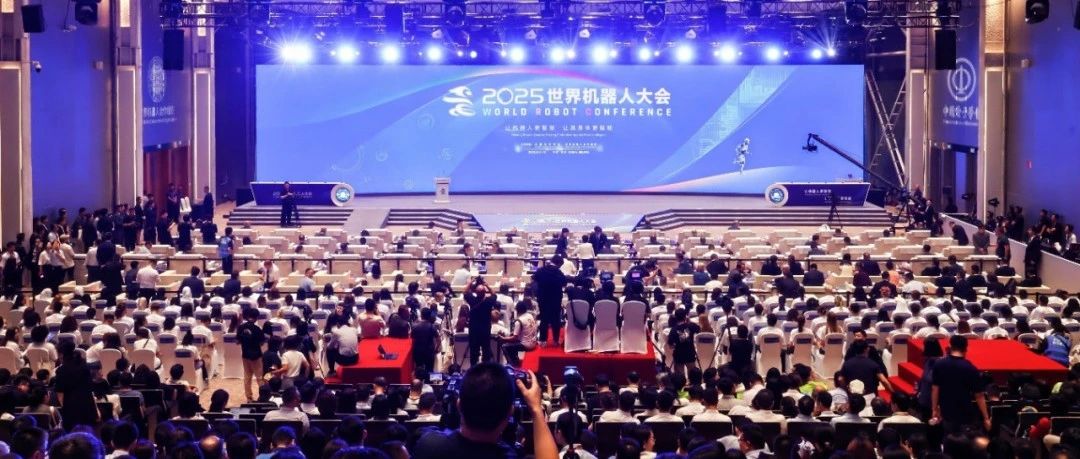
Core Viewpoint - The 2025 World Robot Conference emphasizes the importance of robotics in driving economic development and improving social welfare, highlighting China's commitment to advancing robotics technology and its applications across various sectors [4][10]. Group 1: Conference Highlights - The conference opened with over 700 attendees, including government officials, industry leaders, and international representatives from 133 countries [2]. - The event marks a decade of the World Robot Conference, which has become a significant platform for promoting technological innovation and international cooperation in the robotics field [14]. - The conference theme is "Making Robots Smarter and Embodied Intelligence More Intelligent," focusing on the integration of robotics and artificial intelligence [23]. Group 2: Industry Growth and Trends - China's robot industry has seen substantial growth, with a reported 27.8% increase in revenue in the first half of the year, and a 40% growth in the humanoid robot sector [12][8]. - Beijing's humanoid robot industry accounts for approximately one-third of the national market, showcasing the city's leadership in this sector [8]. - The report "2025 Trends in Embodied Intelligent Robots" outlines future developments in technology and industry applications, emphasizing the importance of embodied cognition and decision-making [16]. Group 3: Application Scenarios - The "Top Ten Potential Application Scenarios for Humanoid Robots" report identifies key sectors such as industrial operations, automotive manufacturing, and emergency services, providing a roadmap for technology development and commercialization [18]. - The conference also introduced the "Robot World 2.0," featuring innovative consumer experiences like the first embodied intelligent robot 4S store and a robot-themed restaurant [20]. Group 4: International Collaboration - The conference serves as a platform for international collaboration, with organizations like the United Nations Industrial Development Organization and IEEE expressing commitment to enhancing cooperation in technology innovation and standardization [10][6]. - The event includes various activities aimed at fostering dialogue on robotics applications, international cooperation, and talent development [23].
【2025WRC】大会发布|具身智能机器人十大发展趋势
机器人圈· 2025-08-09 00:47
Core Viewpoint - The article discusses the ten major trends in embodied intelligent robots as presented at the 2025 World Robot Conference, emphasizing the integration of various technologies and interdisciplinary collaboration to enhance the capabilities and applications of these robots [2]. Group 1: Trends in Embodied Intelligent Robots - Trend 1: The synergy of physical practice, physical simulators, and world models drives embodied cognition, creating realistic training environments for robots [3][26]. - Trend 2: Multi-level end-to-end embodied decision-making enhances the generalization ability of robots in unstructured environments through the integration of multimodal large models and life sciences [5][29]. - Trend 3: The integration of model predictive control, reinforcement learning, and life sciences improves the adaptability and performance of embodied intelligent robots in dynamic environments [8][33]. Group 2: Design and Development - Trend 4: Generative AI facilitates the unified optimization of robot components, enabling the automatic exploration of optimal designs in physical simulators [10][36]. - Trend 5: Consistency between software and hardware is crucial, achieved through predefined interface specifications and joint simulation [12][39]. - Trend 6: A "manufacturing" approach for embodied intelligent robots integrates various R&D efforts, allowing for rapid design and high-quality system development [14][43]. Group 3: Data and Collaboration - Trend 7: The construction of large-scale, high-quality datasets enhances the capabilities of robots in morphological optimization and training efficiency [15][46]. - Trend 8: The development of robot swarms and their collaboration with humans focuses on improving safety and empathy, facilitating their integration into society [17][49]. - Trend 9: An interdisciplinary open community is essential for the advancement of embodied intelligent robots, promoting collaboration across various scientific fields [19][53]. Group 4: Safety and Ethics - Trend 10: Establishing safety assessment frameworks and ethical norms is vital for ensuring the reliability and safety of robots in complex environments [21][56].
上半年我国新增机器人相关企业10万多家,产业快速增长
机器人圈· 2025-08-08 11:10
Core Viewpoint - The robot industry in China is experiencing rapid growth this year, with continuous breakthroughs in technology and intelligence levels, expanding application scenarios, and accelerating industrial upgrades [1] Group 1: Industry Growth and Development - The production of industrial robots and service robots in China increased by 35.6% and 25.5% year-on-year, respectively, in the first half of this year [7] - There are over 930,000 robot-related companies in China, with more than 100,000 new companies added in the first half of this year, representing a growth of approximately 45% compared to the same period in 2024 [7] - The "robot valley" in Shenzhen showcases enhanced collaboration among upstream companies, such as tactile sensors and 3D vision enterprises, leading to improved industrial chain synergy [5] Group 2: Technological Innovations and Applications - The newly launched housekeeping robot "Guangzi" has received numerous orders, demonstrating its capabilities in various practical application scenarios, including homes, supermarkets, and factories [3] - In Beijing, robots are being tested in complex outdoor environments, showing significant improvements in stability and flexibility, with over 50 application testing scenarios across various sectors nationwide [5] - The training base for "Guangzi" includes numerous data collection robots that help refine its performance through repeated training [3]
直播预告|「2025世界机器人大会主论坛」「具身智能机器人核心部件专场活动」直播来袭!
机器人圈· 2025-08-08 11:10
Core Viewpoint - The article discusses the advancements and challenges in the field of embodied intelligent robots, emphasizing the integration of AI and robotics to enhance autonomy and intelligence in robotic systems [5]. Group 1: Event Overview - The event focuses on core components of embodied intelligent robots, including high-precision sensors, bionic actuators, edge computing chips, and flexible materials, which are crucial for robot perception, decision-making, and execution [5]. - The agenda includes discussions on technological frontiers, common challenges such as reliability and cost control, and application ecosystems in various scenarios like humanoid robots, industrial automation, and medical rehabilitation [5]. Group 2: Agenda Highlights - The event features a series of keynote speeches from industry experts, including topics like data and model collaboration in robotics, innovations in bionic actuators, and the role of synthetic data in embodied intelligence [7][8]. - Notable speakers include Zhang Jianwei, a foreign academician of the Chinese Academy of Engineering, and representatives from various leading companies and research institutions [7][8]. Group 3: Industry Trends - The article highlights the growth potential of the robotics industry, with a focus on the integration of AI technologies to drive innovation and address global challenges [15][16]. - It mentions the importance of collaboration among international robotics organizations to foster sustainable development and technological advancements in the field [17]. Group 4: Registration and Participation - Attendees are required to register online in advance, with specific guidelines for entry, including the necessity of presenting identification [26][28]. - The event will take place at the Beijing Yichuang International Exhibition Center, with recommendations for public transportation due to expected traffic congestion [28][30].