中汽协会数据

Search documents
汽车整车企业供应商账款支付规范倡议
中汽协会数据· 2025-09-15 03:03
Core Viewpoint - The article emphasizes the importance of establishing a standardized payment process for suppliers in the automotive industry, aiming to support small and medium-sized enterprises (SMEs) and promote a collaborative ecosystem between vehicle manufacturers and component suppliers [2][9][10]. Group 1: Overall Principles - The initiative adheres to principles of equality, voluntariness, fairness, and integrity, ensuring compliance with national laws and regulations, particularly the "Regulations on Ensuring Payment to Small and Medium-sized Enterprises" [2][10]. - It aims to prevent large enterprises from exploiting their advantageous positions to harm suppliers' interests, fostering a win-win development ecosystem in the automotive industry [2][10]. Group 2: Key Processes Order Confirmation - Both parties (vehicle manufacturers and suppliers) must confirm order details such as order date, component specifications, quantity, and delivery schedule through a purchase order [3]. - Any changes or cancellations to the confirmed orders must be mutually agreed upon [3]. Delivery and Acceptance - Suppliers are required to deliver goods according to the purchase order and delivery notice, ensuring that products pass factory inspections before delivery [4]. - Vehicle manufacturers must complete acceptance within three working days of receiving the goods, issuing an acceptance certificate if the goods meet the requirements [4]. Payment and Settlement - Payment terms start from the date of delivery and acceptance, with a maximum payment period of 60 calendar days [5]. - For continuous supply (more than twice a month), parties may agree to a consolidated settlement, with the payment period starting from the reconciliation date [5]. - In cases where pricing is not agreed upon, manufacturers should make an initial payment based on the last contract price or a certain percentage of the development price [5][11]. - Suppliers must provide compliant and auditable invoices promptly, and manufacturers retain the right to delay payment if invoices are not provided on time [6]. Contract Duration - The initiative encourages establishing long-term cooperative relationships, with contracts having a minimum validity of one year [7][11]. Group 3: Background and Implementation - The automotive market has faced intensified competition, leading to issues such as prolonged payment cycles and reduced procurement prices, adversely affecting the supply chain [9]. - In response, 17 key automotive enterprises have publicly committed to a payment period not exceeding 60 days, which has received positive feedback [9]. - The initiative is a result of extensive consultations and aims to standardize payment processes across the industry, ensuring better support for vehicle manufacturers in fulfilling their payment commitments [9][12].

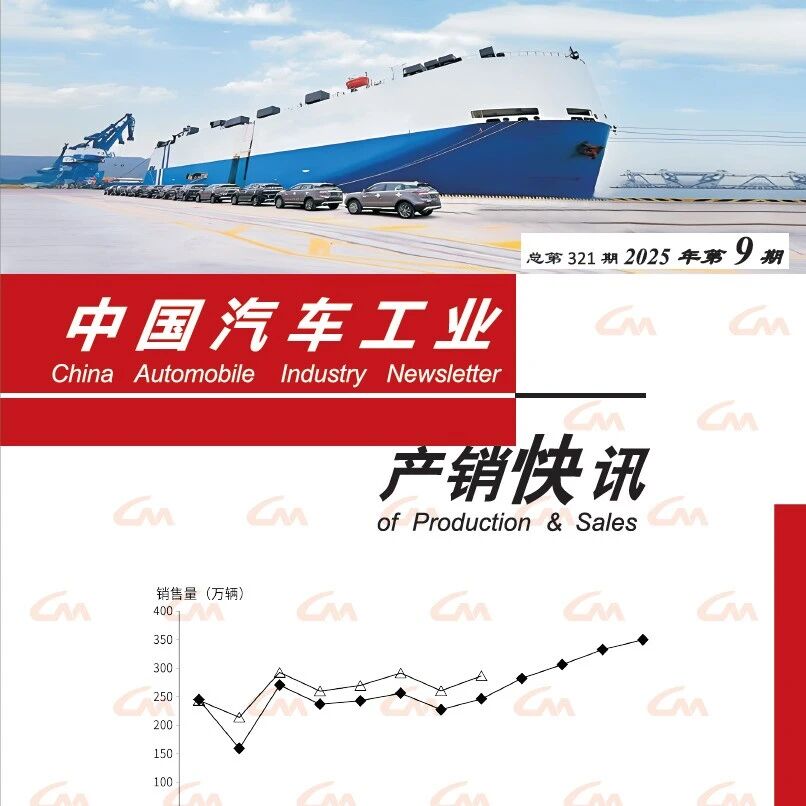
数据简报 | 2025年8月乘用车产销情况简析
中汽协会数据· 2025-09-15 03:03
据中国汽车工业协会分析, 8 月,汽车以旧换新政策持续显效,部分暂停实施的地区恢复补贴,消费贷款 支持等政策实施稳定了消费信心,企业新车型持续投放上市,助力乘用车市场平稳运行,销量同比实现增长 。 2025 年 8 月, 乘用车产销分别完成 250 万辆和 254 万辆,环比分别增长 9% 和 11.1% ,同比分别增长 12.5% 和 16.5% 。 2025 年 1-8 月, 乘用车产销分别完成 1833.8 万辆和 1838.4 万辆,同比分别增长 13.6% 和 13.8% 。 2025 年 1-8 月, 乘用车出口 363.6 万辆,同比增长 14.5% 。 本文摘自《中国汽车工业产销快讯》2025年第9期,内容有所精减, 如需了解更多内容,请联系我们:高丽 莉 13020028333、刘建荣 13521607432。 2025 年 1-8 月, 乘用车国内销量 1474.7 万辆,同比增长 13.6% 。 2025 年 8 月, 乘用车国内销量 200.7 万辆,环比增长 12.3% ,同比增长 15.1% 。 来源:中汽协会行业信息部 2025 年 8 月, 在乘用车主要品种中,与上月、上年同期 ...
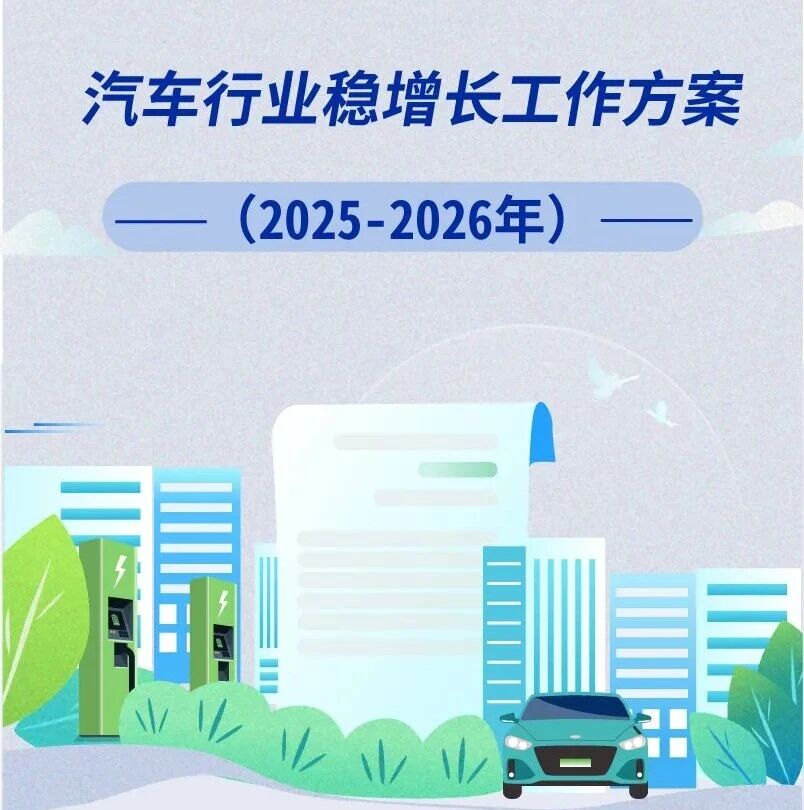
事关汽车行业稳增长,工信部等八部门联合发文!
中汽协会数据· 2025-09-13 12:23
Core Viewpoint - The article outlines the "Automobile Industry Stabilization and Growth Work Plan (2025-2026)" aimed at achieving key economic development targets for the automotive sector, emphasizing the promotion of new energy vehicles and the overall growth of the industry [1][5]. Summary by Sections Overall Requirements - The plan is guided by Xi Jinping's thoughts and aims to implement the spirit of the 20th National Congress of the Communist Party, focusing on stable progress, new development concepts, and enhancing domestic consumption while optimizing the development environment [6]. Main Goals - By 2025, the target is to achieve approximately 32.3 million vehicle sales, a year-on-year increase of about 3%, with new energy vehicle sales reaching around 15.5 million, a growth of about 20%. The automotive manufacturing industry's added value is expected to grow by around 6% [7]. Work Measures - **Expanding Domestic Consumption**: - Accelerate the market expansion of new energy vehicles, aiming for over 700,000 new energy vehicles in 25 pilot cities [8]. - Promote vehicle trade-in policies and enhance the second-hand vehicle market [9]. - Advance the industrial application of intelligent connected technologies [9]. - **Improving Supply Quality**: - Foster technological innovation to stimulate consumer demand and enhance product quality through standard upgrades [10]. - Ensure the stability of the industrial supply chain and promote digital transformation within the automotive sector [11][12]. - **Optimizing Development Environment**: - Improve infrastructure for charging and battery swapping, and reform industry management policies to enhance competition [13][14]. - Strengthen the management of vehicle scrapping and recycling [14]. - **Enhancing International Cooperation**: - Promote the quality and efficiency of automotive exports and improve financial services for export enterprises [15][16]. - Deepen multi-level international cooperation and enhance the influence of international standards [17]. Guarantee Measures - **Strengthening Coordination**: - Enhance inter-departmental coordination for the development of the new energy vehicle industry [18]. - **Monitoring Operations**: - Establish a monitoring and early warning mechanism for key enterprises and sectors [19]. - **Talent Development**: - Implement a talent strategy focusing on the needs of the new energy vehicle sector and enhance local talent cultivation [21].

工信部有关负责人就《汽车行业稳增长工作方案(2025—2026年)》答记者问
中汽协会数据· 2025-09-13 12:23
Core Viewpoint - The automotive industry is a pillar of the national economy, with significant contributions to economic stability and growth, particularly through the rapid development of new energy vehicles (NEVs) [1][4]. Summary by Sections Background - The automotive industry has achieved stable growth for three consecutive years, with 2024 sales projected at approximately 31.436 million units, a year-on-year increase of 4.5%, and NEV sales expected to reach about 12.866 million units, growing by 35.5% [1][4]. Main Highlights - The "Work Plan" aims for a total vehicle sales target of around 32.3 million units in 2025, reflecting a growth of about 3%, with NEV sales targeted at approximately 15.5 million units, a 20% increase [2][7]. - The plan emphasizes practical policy measures across four dimensions: expanding domestic consumption, enhancing supply quality, optimizing the development environment, and deepening international cooperation [2][8]. Key Measures - The plan includes 15 work initiatives and 3 guarantee measures, with over 60 detailed actions, such as promoting the electrification of public vehicles, enhancing financial services for automotive exports, and advancing the digital transformation of the industry [2][10][20]. - Specific actions include: - Accelerating the market expansion of NEVs and promoting charging infrastructure [11][16]. - Supporting the automotive consumption through trade-in programs and optimizing purchase restrictions in certain cities [12]. - Fostering technological innovation to stimulate consumer demand and improve product quality through standard upgrades [13][14]. Goals - The automotive manufacturing industry's added value is expected to grow by approximately 6% year-on-year, with a focus on maintaining stable growth in exports and enhancing the overall quality and efficiency of the industry [8][7]. Support Measures - The plan outlines measures to strengthen coordination, enhance operational monitoring, and improve talent development within the automotive sector [23][24].
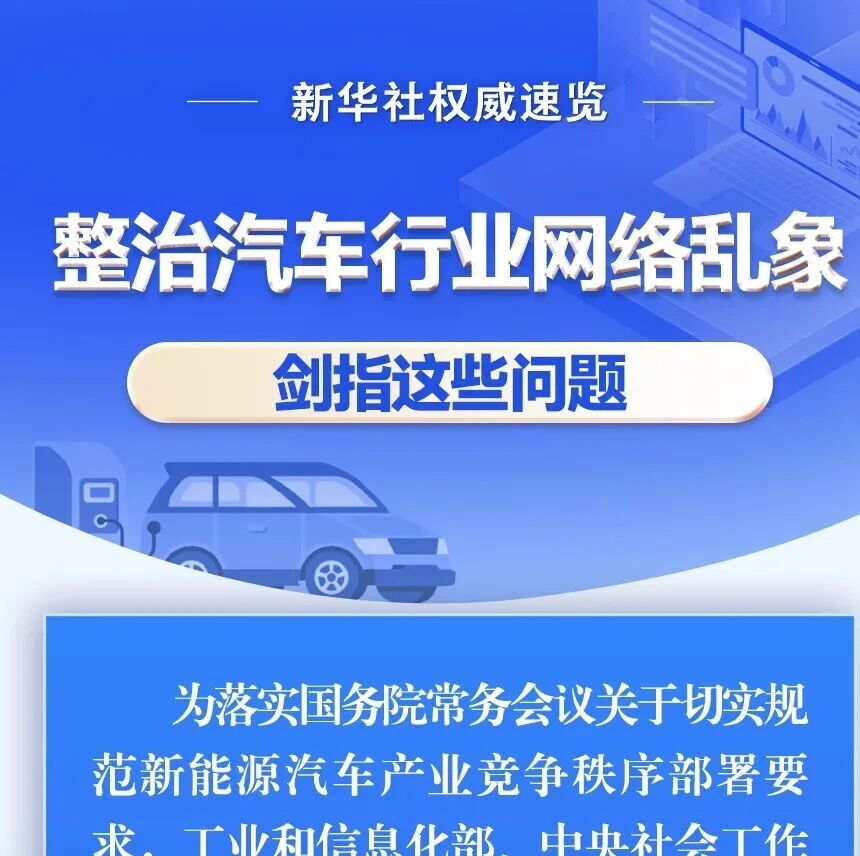
我国开展汽车行业网络乱象专项整治行动
中汽协会数据· 2025-09-12 09:07
Core Viewpoint - The Ministry of Industry and Information Technology, along with five other departments, has launched a three-month special campaign to address online chaos in the automotive industry, focusing on issues such as online water armies and "black public relations" to purify the online environment of the automotive sector [1][3]. Group 1: Key Issues Addressed - The campaign targets illegal profit-making activities, including the creation of false images and videos, fabricating stories, and maliciously interpreting sales fluctuations of automotive companies to generate online traffic and commercial benefits [3][4]. - It aims to combat the misuse of influence under the guise of "news supervision" and "public opinion supervision," where entities may extort automotive companies for "protection fees" by threatening to release false or negative information [3][4]. - The initiative also addresses the use of advanced technologies, such as generative artificial intelligence, to create new forms of online water armies that produce false content and manipulate trends while evading platform monitoring [4]. Group 2: False Advertising and Misleading Information - The campaign seeks to eliminate exaggerated and misleading advertising regarding the performance, functionality, quality, and sales status of vehicles and power batteries, which mislead consumers [4]. - It targets automotive companies that manipulate agencies or review accounts to conduct false or non-standard evaluations, including the fabrication of data and selective disclosure of sales figures [4]. - The initiative also aims to curb the creation and hype of topics through industry events and online marketing activities that negatively impact the industry and society [4].
产业运行 | 2025年8月汽车工业产销情况简析
中汽协会数据· 2025-09-12 09:07
Core Viewpoint - The automotive industry in China is experiencing steady growth, with production and sales showing over 10% year-on-year increases, supported by favorable policies and strong consumer demand [1]. Production and Sales Data - In August 2025, automotive production and sales reached 2.815 million and 2.857 million units, respectively, with month-on-month increases of 8.7% and 10.1%, and year-on-year increases of 13% and 16.4% [3]. - For passenger vehicles in August 2025, production and sales were 2.5 million units and 2.54 million units, reflecting month-on-month growth of 9% and 11.1%, and year-on-year growth of 12.5% and 16.5% [4]. - From January to August 2025, passenger vehicle production and sales totaled 18.338 million and 18.384 million units, with year-on-year growth of 13.6% and 13.8% [5]. - Overall automotive production and sales from January to August 2025 were 21.051 million and 21.128 million units, showing year-on-year growth of 12.7% and 12.6% [6]. New Energy Vehicles - In August 2025, new energy vehicle production and sales reached 1.391 million and 1.395 million units, with year-on-year growth of 27.4% and 26.8% [7]. - From January to August 2025, new energy vehicle production and sales were 9.625 million and 9.62 million units, reflecting year-on-year growth of 37.3% and 36.7% [7]. Commercial Vehicles - In August 2025, commercial vehicle production and sales were 315,000 and 316,000 units, with month-on-month growth of 5.9% and 3.4%, and year-on-year growth of 16.4% and 16.3% [8]. - From January to August 2025, commercial vehicle production and sales totaled 2.713 million and 2.744 million units, with year-on-year growth of 7.1% and 5.2% [9]. Exports - In August 2025, automotive exports reached 611,000 units, with month-on-month growth of 6.2% and year-on-year growth of 19.6% [10]. - From January to August 2025, automotive exports totaled 4.292 million units, showing a year-on-year increase of 13.7% [11]. Domestic Sales - In August 2025, domestic automotive sales were 2.245 million units, with month-on-month growth of 11.3% and year-on-year growth of 15.6% [12]. - From January to August 2025, domestic automotive sales reached 16.836 million units, reflecting a year-on-year increase of 12.3% [12].
产业运行 | 2025年8月汽车工业产销情况
中汽协会数据· 2025-09-11 06:18
Core Viewpoint - The Chinese automotive industry continues to show strong growth in production and sales, particularly in the new energy vehicle (NEV) sector, supported by favorable policies and a stable market environment [1]. Overall Production and Sales - In August, total automotive production and sales reached 2.815 million and 2.857 million units, respectively, with month-on-month increases of 8.7% and 10.1%, and year-on-year increases of 13% and 16.4% [10]. - From January to August, total automotive production and sales were 21.051 million and 21.128 million units, reflecting year-on-year growth of 12.7% and 12.6% [10]. Domestic Sales - In August, domestic automotive sales were 2.245 million units, with month-on-month growth of 11.3% and year-on-year growth of 15.6% [11]. - For the first eight months, domestic sales totaled 16.836 million units, a year-on-year increase of 12.3% [11]. Export Situation - In August, automotive exports reached 611,000 units, with month-on-month growth of 6.2% and year-on-year growth of 19.6% [13]. - From January to August, total automotive exports were 4.292 million units, reflecting a year-on-year increase of 13.7% [13]. New Energy Vehicles (NEVs) - In August, NEV production and sales were 139.1 million and 139.5 million units, respectively, with year-on-year growth of 27.4% and 26.8% [56]. - From January to August, NEV production and sales reached 9.625 million and 9.62 million units, with year-on-year growth of 37.3% and 36.7% [56]. Key Enterprises Performance - The top fifteen automotive groups sold a total of 19.49 million units from January to August, a year-on-year increase of 12.5%, accounting for 92.3% of total automotive sales [73]. - The top fifteen NEV groups sold a total of 9.146 million units, reflecting a year-on-year growth of 39% and accounting for 95.1% of total NEV sales [76].

【数据发布】2025年8月份居民消费价格同比下降0.4% 环比持平
中汽协会数据· 2025-09-10 07:14
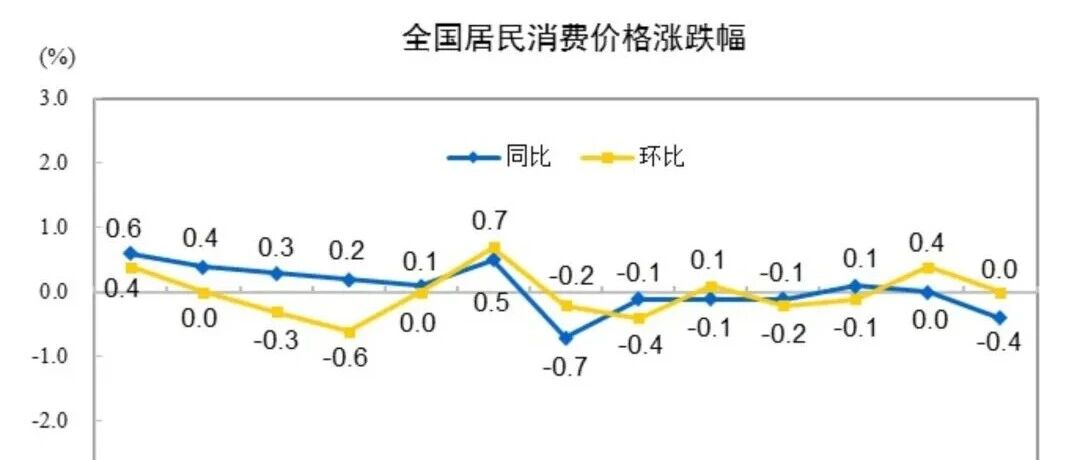
Core Viewpoint - In August 2025, the national consumer price index (CPI) decreased by 0.4% year-on-year, with urban areas down 0.3% and rural areas down 0.6%. Food prices fell by 4.3%, while non-food prices rose by 0.5%. The average CPI from January to August showed a decline of 0.1% compared to the same period last year [1][2]. Price Changes by Category Year-on-Year Changes - In August, the prices of food, tobacco, and alcohol decreased by 2.5%, contributing approximately 0.72 percentage points to the CPI decline. Notable decreases included fresh vegetables down 15.2% (impacting CPI by -0.37 percentage points), eggs down 12.4% (-0.08 percentage points), and pork down 16.1% (-0.24 percentage points). Conversely, water product prices increased by 2.2% (+0.04 percentage points) [2]. - Other categories saw price increases, with other goods and services up 8.6%, clothing up 1.8%, and living goods and services up 1.8%. Education, culture, and entertainment prices rose by 1.0%, healthcare by 0.9%, and housing by 0.1%. Transportation and communication prices decreased by 2.4% [2]. Month-on-Month Changes - In August, food, tobacco, and alcohol prices increased by 0.3%, contributing approximately 0.09 percentage points to the CPI increase. Fresh vegetable prices surged by 8.5% (+0.16 percentage points), while egg prices rose by 1.5% (+0.01 percentage points). Fresh fruit prices fell by 2.8% (-0.06 percentage points), and water product prices decreased by 0.9% (-0.02 percentage points) [5]. - Other categories showed mixed results, with healthcare prices up 0.3%, while transportation and communication prices fell by 0.3%. Clothing, living goods and services, and education, culture, and entertainment prices all decreased by 0.1% [5]. Summary of Price Changes - The overall CPI remained stable month-on-month, with urban areas unchanged and rural areas up 0.1%. Food prices increased by 0.5%, while non-food prices decreased by 0.1%. Consumer goods prices rose by 0.1%, and service prices remained unchanged [8]. - The detailed breakdown of price changes indicated that food prices experienced significant fluctuations, with fresh vegetables and pork showing the most substantial declines year-on-year, while other categories like healthcare and other goods and services saw increases [8].
【数据发布】2025年8月份工业生产者出厂价格同比降幅收窄 环比由降转平
中汽协会数据· 2025-09-10 07:14
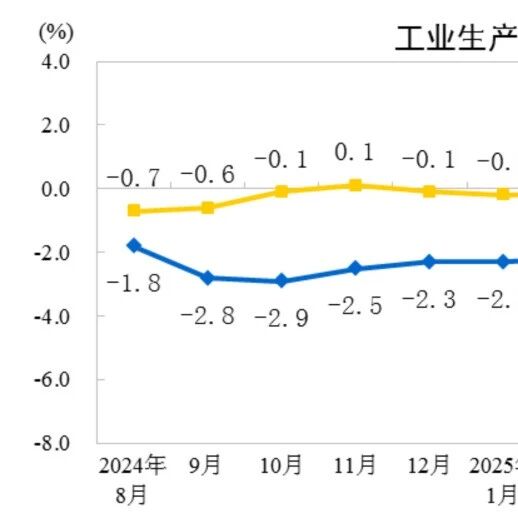
Core Insights - In August 2025, the national industrial producer's ex-factory prices decreased by 2.9% year-on-year, with the decline narrowing by 0.7 percentage points compared to the previous month, and month-on-month prices remained flat after a 0.2% decline [1] - The average industrial producer's ex-factory prices from January to August 2025 also showed a year-on-year decrease of 2.9%, while the purchase prices dropped by 3.3% [1] Year-on-Year Changes in Industrial Producer Prices - In August, the prices of production materials fell by 3.2%, contributing approximately 2.40 percentage points to the overall decline in ex-factory prices. Specifically, the mining industry saw a price drop of 11.5%, raw materials decreased by 4.1%, and processing industry prices fell by 2.2% [4] - Prices of living materials decreased by 1.7%, impacting the overall ex-factory price level by about 0.45 percentage points. Food prices dropped by 1.7%, while clothing prices remained stable, general daily goods increased by 0.4%, and durable consumer goods fell by 3.7% [4] Month-on-Month Changes in Industrial Producer Prices - In August, the prices of production materials increased by 0.1%, contributing approximately 0.08 percentage points to the overall increase in ex-factory prices. The mining industry prices rose by 1.3%, raw materials increased by 0.2%, while processing industry prices remained unchanged [7] - Living materials prices decreased by 0.1%, affecting the overall ex-factory price level by about 0.03 percentage points. Food prices increased by 0.1%, clothing prices were stable, general daily goods decreased by 0.2%, and durable consumer goods fell by 0.3% [7] Key Data on Industrial Producer Prices - The industrial producer's ex-factory prices remained flat month-on-month and decreased by 2.9% year-on-year. The purchase prices also remained flat month-on-month and decreased by 4.0% year-on-year [9] - Specific categories such as fuel and power prices dropped by 9.7%, chemical raw materials by 6.2%, and black metal materials and agricultural products by 5.6%. Conversely, prices for non-ferrous metals and wires increased by 4.7% [6][9]
宏观数据|2025年1-7月一带一路沿线国家出口情况简析
中汽协会数据· 2025-09-09 07:04
Core Insights - The article highlights the significant growth in China's automobile exports to Belt and Road Initiative (BRI) countries, with a total export value of $76.24 billion from January to July 2025, marking a year-on-year increase of 13.3% and accounting for 58.7% of total automobile exports [1] Group 1: Export Performance - The export of complete automobiles reached 2.775 million units, reflecting a year-on-year growth of 20.5% and constituting 66.6% of the total complete automobile exports [1] - The export of new energy vehicles (NEVs) amounted to 872,000 units, showing a remarkable year-on-year increase of 70.7% and representing 51.1% of the total NEV exports [1]