
PSBC(01658)

Search documents
公告解读:邮储银行将吸收合并全资子公司邮惠万家银行
Xin Lang Cai Jing· 2025-09-23 15:03
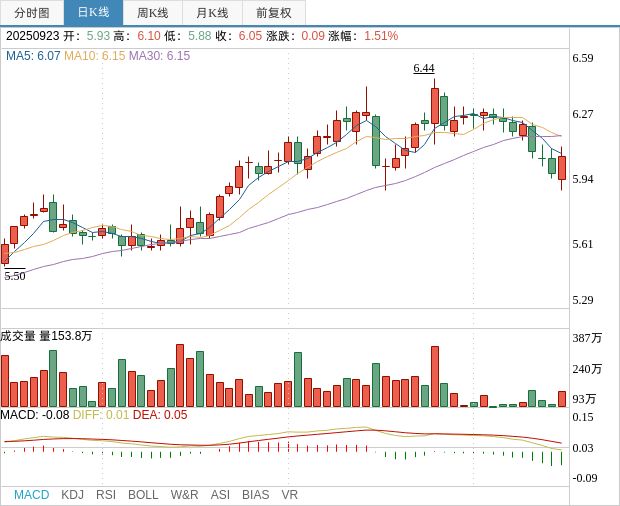
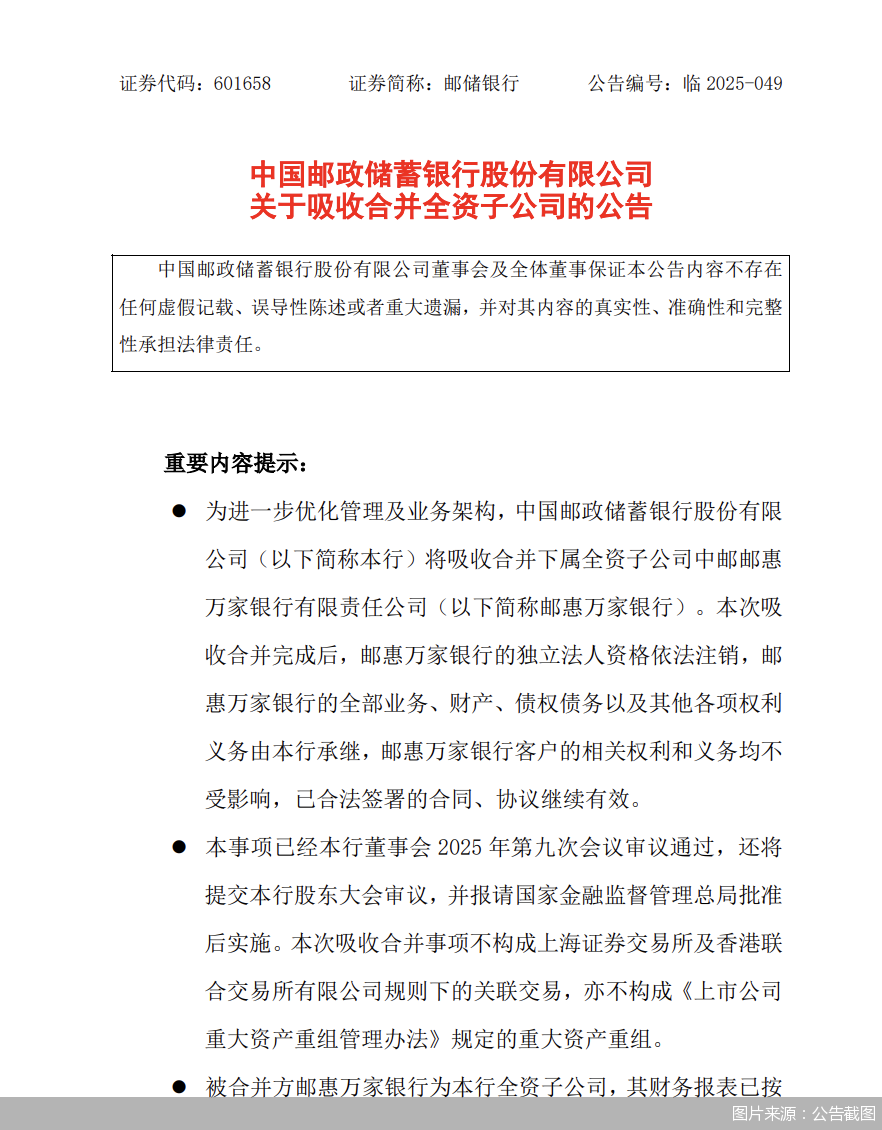
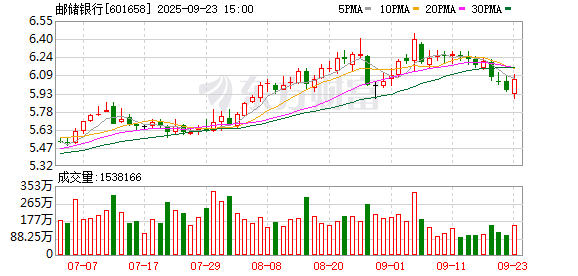
Group 1 - Postal Savings Bank announced the absorption and merger of its wholly-owned subsidiary, Postal Savings Bank of China Huinong Bank Co., Ltd., to optimize management and business structure, integrate resources, and reduce operational costs [1] - The independent legal status of Huinong Bank will be legally canceled, and all its business, assets, debts, and other rights and obligations will be inherited by Postal Savings Bank [1] - The merger has been approved by the board of directors and awaits approval from the shareholders' meeting and the National Financial Regulatory Administration [1] Group 2 - The merger is part of Postal Savings Bank's strategy to enhance its digital transformation and financial technology investments [1] - The integration aims to leverage Huinong Bank's operational experience and resources, particularly in online business [1] - The merger is expected to inject new momentum into Postal Savings Bank's future development, effectively reduce management costs, and improve overall operational efficiency [1] Group 3 - On September 23, Postal Savings Bank's stock closed at 6.05 yuan per share, with an increase of 1.51%, and a trading volume of 929 million yuan, resulting in a total market capitalization of 706.136 billion yuan [2] - Despite a 3.04% decline in the stock over the past seven trading days, the merger announcement may shift market expectations and investor sentiment [2] - The market is likely to focus on the synergistic effects of the merger and its potential to enhance Postal Savings Bank's long-term competitiveness [2]

旗下直销银行告别“单打模式”!邮储银行将合并邮惠万家银行
Bei Jing Shang Bao· 2025-09-23 14:18
Core Viewpoint - Postal Savings Bank of China (PSBC) is set to absorb its wholly-owned subsidiary, Postal Huinong Bank, marking the end of the independent legal entity operation model for this direct bank, which was established just over three years ago with a registered capital of 5 billion yuan [1][3]. Company Summary - Postal Huinong Bank was established on January 7, 2022, with a registered capital of 5 billion yuan, fully owned by PSBC, and aimed at serving agriculture, small and micro enterprises, and the general public [3]. - The merger is driven by PSBC's increased investment in financial technology and the establishment of a digital service model primarily through mobile banking, which has significantly enhanced its online service capabilities [3]. - The merger is expected to achieve strategic integration, optimize resource allocation, and reduce management costs, thereby improving overall operational efficiency for PSBC [3]. Industry Summary - The absorption of Postal Huinong Bank signals a turning point in the development cycle of direct banks in China, transitioning from a phase of rapid growth to one of consolidation and exit [1][5]. - The independent legal entity model for direct banks is now left with only one remaining entity, Baixin Bank, as many others face channel integration and closures [5][6]. - The history of direct banks in China shows a peak in development from late 2014 to 2016, followed by a decline characterized by closures and consolidations [5][6]. - The future of independent legal entity direct banks is uncertain, as the industry shifts focus towards differentiated capabilities and specific customer segments rather than maintaining independent operations [7].
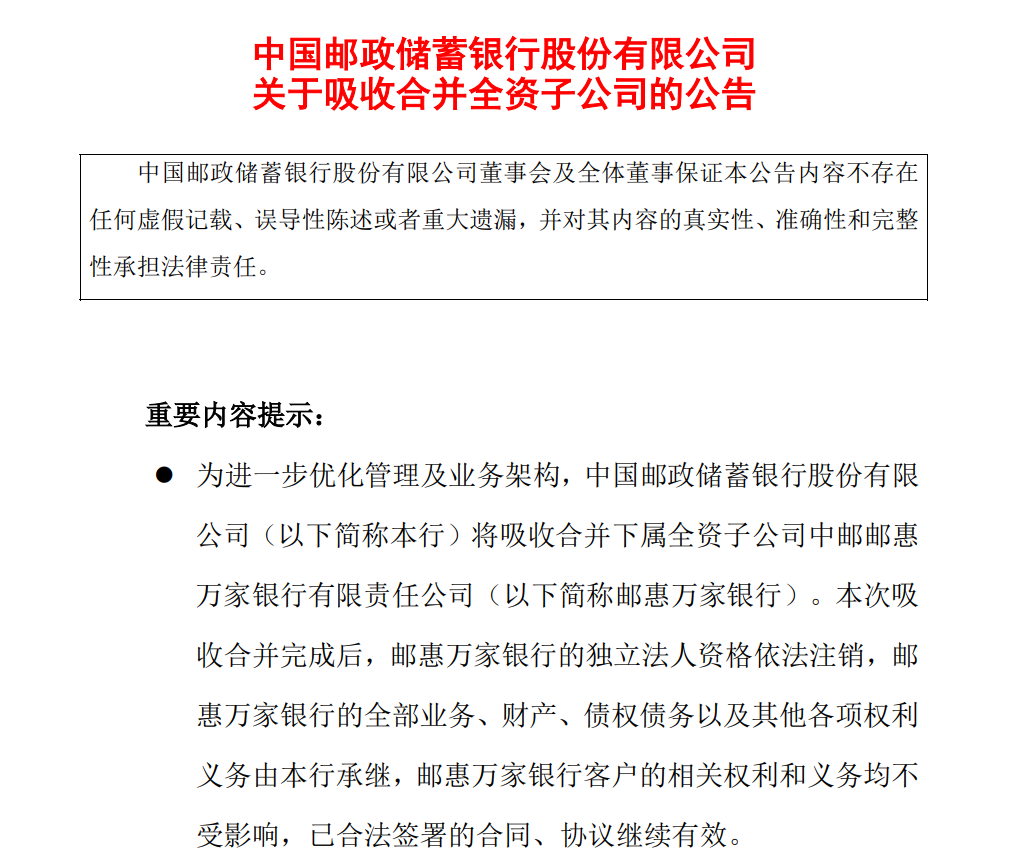
邮惠万家银行拟并入邮储银行,独立法人资格将依法注销
Xin Lang Cai Jing· 2025-09-23 13:17
Core Viewpoint - Postal Savings Bank of China (PSBC) announced the absorption and merger of its wholly-owned subsidiary, Postal Savings Bank Huinong Bank, which will lead to the cancellation of the latter's independent legal status and the transfer of all its business, assets, and obligations to PSBC [1] Group 1: Merger Details - The merger has been approved by PSBC's board and requires shareholder meeting approval and regulatory approval from the National Financial Regulatory Administration [1] - The merger does not constitute a related party transaction or a major asset restructuring and will not materially affect PSBC's financial status or operating results [1] Group 2: Industry Context - The merger reflects a broader trend in the banking industry towards digital transformation, with at least 19 banks, including Minsheng Bank and Hankou Bank, integrating direct banking services in recent years [1][2] - Direct banks were initially established to provide online services without physical branches, but their independent value has diminished due to challenges such as product homogeneity and high customer acquisition costs [2] Group 3: Strategic Benefits - The merger is expected to optimize PSBC's management and business structure, enhance digital transformation outcomes, improve operational efficiency, and reduce management costs [3] - By integrating the talent and experience from Postal Savings Bank Huinong Bank, PSBC aims to strengthen its online business and create a synergistic effect [3] Group 4: Digital Transformation Initiatives - PSBC plans to leverage the merger to advance its digital transformation by enhancing its technological capabilities, improving business management, and strengthening risk control systems [3][4] - The bank aims to reshape customer experience across all channels and products while achieving cost reduction and efficiency improvements in internal management [4]
开10张信用卡领一辆自行车,这些银行员工“拼”了
Di Yi Cai Jing· 2025-09-23 12:55
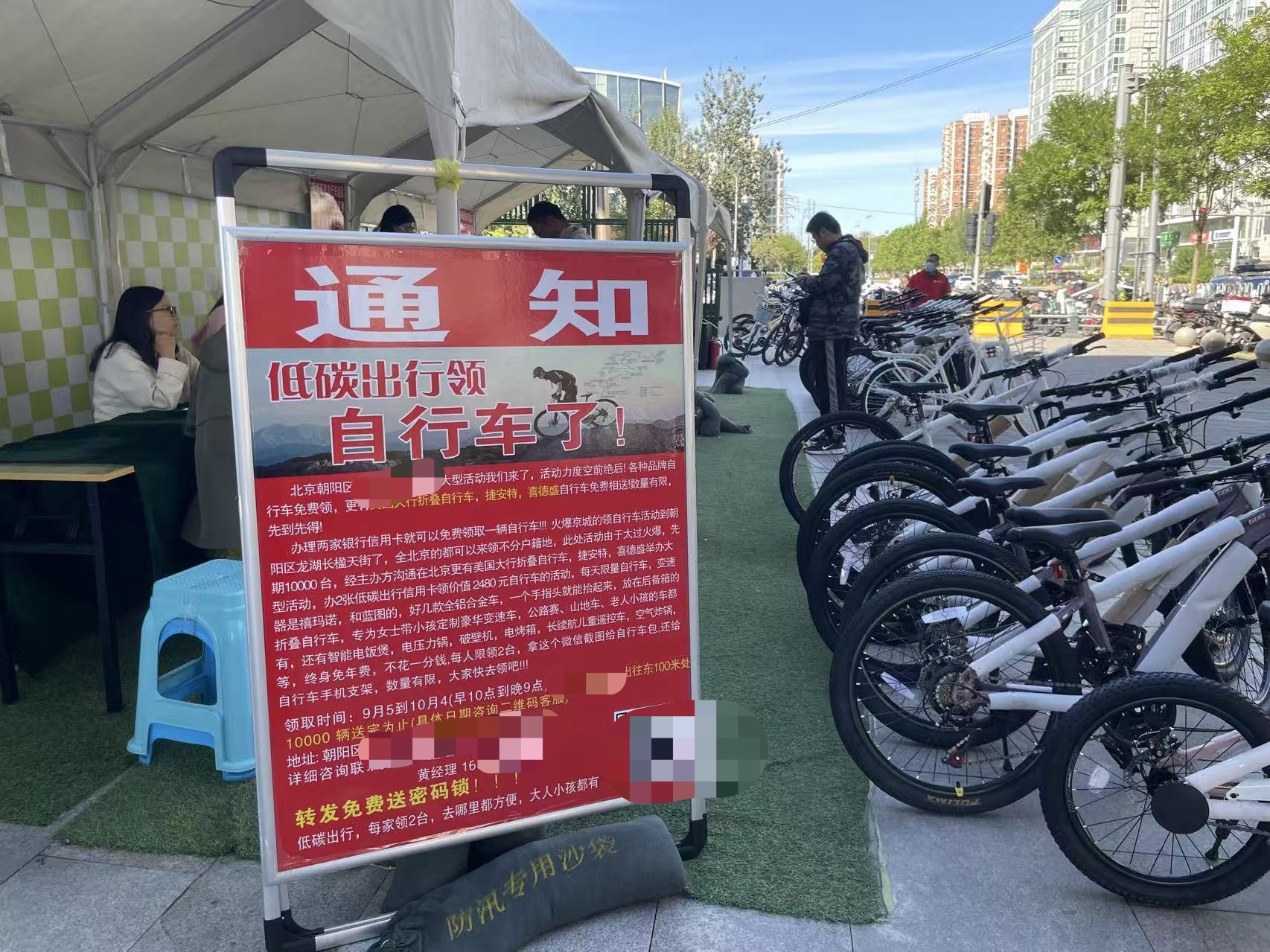
Group 1: Core Insights - The trend of offering bicycles as incentives for credit card applications is gaining popularity in the financial sector, particularly in Beijing [1][5][14] - This promotional strategy involves multiple banks collaborating to attract new customers by providing bicycles of varying values in exchange for signing up for multiple credit cards [4][8][12] - The promotional events have seen a significant turnout, although there are concerns regarding the quality of the bicycles and the potential for excessive credit card issuance [1][12][14] Group 2: Promotional Details - Customers can receive bicycles by applying for a minimum number of credit cards, with higher-value bicycles requiring more applications; for example, a bicycle worth over 2000 yuan requires the application of 10 credit cards [4][5][11] - The promotional events are time-limited, running from September 5 to October 4, with a total of 10,000 bicycles available [5][12] - Participating banks include major institutions such as the Bank of Communications, Postal Savings Bank, and others, with staff present at the events to assist new applicants [8][12] Group 3: Market Context - The credit card business is under pressure, with a decline in the number of active credit cards and transaction volumes reported by several banks [14][15] - The People's Bank of China reported a decrease of 6 million credit cards in the second quarter of 2025, marking a continuous decline over 11 quarters [14][15] - Banks are encouraged to adapt their strategies, focusing on customer engagement and innovative product offerings to enhance credit card usage and profitability [16]


邮储银行吸收合并子公司邮惠万家银行,又一家直销银行退场
Di Yi Cai Jing· 2025-09-23 12:55
Group 1 - The core viewpoint of the article highlights the trend of banks shutting down or consolidating their direct banking operations, with Postal Savings Bank of China announcing the absorption and merger of its wholly-owned subsidiary, Postal Bank of China Huinong Bank [1][2] - The merger is part of a broader trend in the banking industry towards digital transformation, where banks are enhancing their digital and centralized capabilities, primarily through mobile banking as the main service channel [2] - The independent value of direct banks has significantly diminished compared to the increasingly powerful mobile banking services, leading to challenges such as product homogeneity and high customer acquisition costs [2] Group 2 - The merger will not impact Postal Savings Bank's financial status or operating results, as Huinong Bank's financials were already fully consolidated into Postal Savings Bank's reports [3] - The long-term effect on Postal Savings Bank's performance is expected to be minimal, as the loans and deposits from Huinong Bank are relatively small and will not be renewed after their natural maturity [3] - The consolidation is aimed at optimizing management and business structure, enhancing digital transformation outcomes, and reducing operational costs [2]
金融圈大消息!邮储银行拟吸收合并 这家银行将被注销
Zhong Guo Ji Jin Bao· 2025-09-23 12:33
Core Viewpoint - Postal Savings Bank of China (PSBC) announced the absorption and merger of its wholly-owned subsidiary, Postal Huinong Bank, to optimize management and business structure [2][4]. Group 1: Merger Details - The merger will result in PSBC inheriting all business, assets, debts, and rights of Postal Huinong Bank, which will cease to exist as an independent legal entity [4][5]. - The merger aims to achieve strategic integration, optimize resource allocation, and reduce management costs [5][6]. - The board of PSBC has approved the merger proposal, which will be submitted for shareholder approval and requires approval from the National Financial Regulatory Administration [5][6]. Group 2: Digital Transformation and Industry Context - PSBC has significantly increased its investment in financial technology, enhancing its digital and centralized capabilities, with mobile banking becoming the primary service channel [5][7]. - Postal Huinong Bank, established in January 2022 with a registered capital of 5 billion RMB, was designed as a platform for digital transformation and financial services for rural revitalization [7][8]. - The banking industry is witnessing a trend of digital transformation, moving from multiple experimental models to comprehensive integration, indicating a shift from extensive channel expansion to refined ecological development [8].
金融圈大消息!邮储银行拟吸收合并,这家银行将被注销
Zhong Guo Ji Jin Bao· 2025-09-23 12:32
Group 1 - Postal Savings Bank of China (PSBC) announced the absorption and merger of its wholly-owned subsidiary, Postal Savings Bank Huinong Bank, to optimize management and business structure [1][3] - The merger will allow PSBC to inherit all business, assets, debts, and rights and obligations of Huinong Bank, aligning with PSBC's long-term strategic planning [3][5] - The merger aims to achieve strategic integration, optimize resource allocation, and reduce management costs, enhancing PSBC's online business capabilities and operational efficiency [4][5] Group 2 - Huinong Bank, established on January 7, 2022, with a registered capital of 5 billion RMB, has been a key player in PSBC's digital transformation efforts, focusing on serving rural areas and small enterprises [7] - As of June 2025, Huinong Bank had total assets of 12 billion RMB and over 20 million registered users, indicating its significant role in the digital banking landscape [7] - The adjustment by PSBC reflects a broader trend in the banking industry, where many banks are integrating their digital financial subsidiaries, marking a shift from initial experimentation to comprehensive integration [8]
邮储银行:关于监事长辞任的公告
Zheng Quan Ri Bao Zhi Sheng· 2025-09-23 12:08
(编辑 楚丽君) 证券日报网讯 9月23日晚间,邮储银行发布公告称,中国邮政储蓄银行股份有限公司(以下简称本行) 监事长、股东代表监事陈跃军先生因达到法定退休年龄,向本行监事会提交辞呈,辞去本行监事长、股 东代表监事职务。该辞任自2025年9月23日起生效。 ...
邮储银行:陈跃军辞任监事长
Zhi Tong Cai Jing· 2025-09-23 12:05
邮储银行(601658)(01658)发布公告,该行监事长、股东代表监事陈跃军因达到法定退休年龄,向该 行监事会提交辞呈,辞去该行监事长、股东代表监事职务。该辞任自2025年9月23日起生效。 ...
邮储银行(601658) - 中国邮政储蓄银行股份有限公司关于监事长辞任的公告
2025-09-23 12:01
中国邮政储蓄银行股份有限公司(以下简称本行)监事长、股东 代表监事陈跃军先生因达到法定退休年龄,向本行监事会提交辞呈, 辞去本行监事长、股东代表监事职务。该辞任自 2025 年 9 月 23 日起 生效。陈跃军先生已确认其与本行监事会无不同意见,亦无就其辞任 需要通知本行股东及债权人的任何事项。 陈跃军先生于 2012 年加入本行,任职期间坚持以习近平新时代 中国特色社会主义思想为指导,恪尽职守、勤勉尽责,带领本行监事 会认真贯彻落实党中央重大决策部署及监管要求,积极推动党的领导 与公司治理有机融合,创新监督方式,完善监督机制,有效发挥监督 制衡作用,切实维护本行、股东、职工、债权人和其他利益相关者合 法权益,为推动本行持续稳健经营、完善公司治理、实现高质量发展 作出重要贡献。本行监事会对陈跃军先生表示衷心感谢! 特此公告。 中国邮政储蓄银行股份有限公司监事会 证券代码:601658 证券简称:邮储银行 公告编号:临 2025-050 中国邮政储蓄银行股份有限公司 关于监事长辞任的公告 中国邮政储蓄银行股份有限公司监事会及全体监事保证本公告内容不存在 任何虚假记载、误导性陈述或者重大遗漏,并对其内容的真实性、 ...