SUNNY OPTICAL(02382)

Search documents
关税对港股电子影响分析
2025-05-06 15:27
Summary of Key Points from Conference Call Records Industry or Company Involved - The analysis primarily focuses on the **Hong Kong stock market** and its **electronics sector**, particularly the impact of **U.S. tariff policies** on **Chinese consumer electronics** exports. Core Insights and Arguments - **U.S. Tariff Policy Complexity**: The U.S. tariff policy has a complex impact on the export of consumer electronics from mainland China. While some products like smartphones and laptops are exempt from tariffs, wireless earbuds face additional tariffs, and investigations into semiconductors may introduce further uncertainties in May-June 2025 [1][3][4]. - **Impact on Android Smartphone Supply Chain**: The Hong Kong Android smartphone supply chain is minimally affected by U.S. tariffs due to low sales proportions to the U.S. for domestic brands. However, brands like Samsung and Lenovo, which have higher U.S. sales, will face significant impacts on their upstream component suppliers [1][5]. - **PC Industry Response**: In the Hong Kong PC industry, companies like Apple and Dell, which have high U.S. sales proportions, can mitigate tariff impacts by increasing production in Southeast Asia, the Americas, and Mexico, and by boosting AI PC sales to dilute costs. Lenovo has already felt the impact of Chinese tariffs and is adjusting its product mix towards higher-end offerings [1][6]. - **Q1 2025 Performance**: Global smartphone and PC shipments showed strong performance in Q1 2025, with a 1.5% year-on-year increase in smartphone shipments and a notable 10% increase for Apple. However, caution is advised for the second half of 2025 due to potential economic downturns and tariff implementations [1][7][8]. - **AI Server Market**: Mexico benefits from zero tariffs on GPU-based AI servers exported to the U.S., encouraging manufacturers to shift production there. However, products like optical modules, primarily sourced from mainland China, will face significant tariff impacts [1][10]. Other Important but Possibly Overlooked Content - **Company Strategies Against Tariffs**: Companies like Lenovo are expanding production capacity in Mexico and the U.S. to offset tariff costs. Other firms like AAC Technologies and BYD Electronics are increasing local production in Southeast Asia to mitigate tariff impacts [1][11]. - **Valuation and Performance of Companies**: Companies like Q Tech and Lenovo are showing high cost-performance ratios despite tariff pressures, with Q Tech expected to exceed 50% growth in 2025. Lenovo's valuation is around 10 times earnings, slightly above its historical median [1][12][13]. - **Apple's Supply Chain Impact**: Apple faces significant tariff pressures, with estimates suggesting that a 25% tariff on products assembled in China could lead to a $27.7 billion tariff burden, potentially reducing U.S. iPhone sales by 42% [1][16][17]. - **Market Outlook for Xiaomi**: Xiaomi is performing well with low exposure to U.S. tariffs, and its automotive segment is expected to see significant growth, with projected sales exceeding 400,000 units in 2025 [1][20][21]. - **Laser Radar Market Leaders**: Companies like Hesai and RoboSense are leading the laser radar market, with Hesai expected to achieve significant revenue growth and profitability in 2025 [1][22][23]. - **Semiconductor Industry Resilience**: The Hong Kong semiconductor sector is expected to benefit from the "China for China" strategy, with companies like Hua Hong Semiconductor projected to see substantial revenue growth due to domestic demand [1][28][30][32]. Conclusion - The Hong Kong electronics sector is navigating a complex landscape shaped by U.S. tariff policies, with varying impacts across different companies and sub-sectors. Companies are adapting through strategic production shifts and product mix adjustments, while the semiconductor industry is positioned to benefit from domestic demand and supply chain shifts. Investors are advised to focus on companies with strong fundamentals and low risk exposure in this evolving environment [1][36][37].



“五一”假期中国资产大涨,恒生科技ETF龙头(513380)盘中涨超3%,恒生科技指数已连涨两周
Sou Hu Cai Jing· 2025-05-06 06:05
Group 1 - During the "May Day" holiday, Chinese assets experienced significant gains, with the Hang Seng Index rising by 1.74% and the Hang Seng Tech Index increasing by 3.08% as of May 2 [1] - The Hang Seng Tech Index has seen a two-week consecutive rise, with a total increase of 7.2% during this period [1] - The offshore RMB appreciated against the USD, rising by 687 basis points to 7.2011 [1] Group 2 - As of May 6, 2025, the Hang Seng Tech Index (HSTECH) showed a slight decline of 0.01%, with mixed performance among constituent stocks [1] - Meituan-W (03690) led the gains with an increase of 4.08%, while NIO-SW (09866) was the biggest loser [1] - The Hang Seng Tech ETF (513380) saw a 3.01% increase, with trading volume reaching 3.54 billion and a turnover rate of 7.07% [1] Group 3 - The Hang Seng Tech ETF's latest price-to-earnings ratio (PE-TTM) is 21.06, indicating it is at a historical low compared to the past year [2] - The Hong Kong dollar has been strengthening, nearing the 7.75 peg limit, prompting interventions from the Hong Kong Monetary Authority [2] - There is a notable trend of capital flowing into Hong Kong's tech and internet sectors amid ongoing adjustments in the real estate market [2] Group 4 - Despite recent gains, the valuation advantage of Hong Kong tech stocks remains, with potential catalysts in the tech sector and policy signals from the Two Sessions [2] - The Hang Seng Tech ETF covers top-quality tech leaders in Hong Kong, focusing on companies highly related to technology themes [2]



港股电子零件股午后再度下探,高伟电子(01415.HK)跌近6%,舜宇光学科技(02382.HK)跌超3.5%,瑞声科技(02018.HK)跌超3%,比亚迪电子(00285.HK)跌1.2%。
news flash· 2025-05-06 05:51
Group 1 - Hong Kong electronic component stocks experienced a decline in the afternoon trading session, with notable drops in several companies [1] - Highway Electronics (01415.HK) fell nearly 6%, while Sunny Optical Technology (02382.HK) dropped over 3.5% [1] - AAC Technologies (02018.HK) decreased by more than 3%, and BYD Electronics (00285.HK) saw a decline of 1.2% [1]

恒生科技指数日内跌超1%,汽车股走弱,蔚来汽车(09866.HK)跌超4.5%,小鹏汽车(09868.HK)跌4%,舜宇光学科技(02382.HK)跌超3.6%。
news flash· 2025-05-06 01:42
Group 1 - The Hang Seng Tech Index fell over 1% during the day [1] - Automotive stocks weakened, with NIO Inc. (09866.HK) dropping over 4.5% [1] - XPeng Inc. (09868.HK) declined by 4% [1] - Sunny Optical Technology (02382.HK) experienced a decline of over 3.6% [1]
港股收评:科网股领跑!恒生科技指数大涨3%,机器人、医药外包表现活跃



Ge Long Hui· 2025-05-02 08:46
Market Overview - The Hong Kong stock market experienced a collective rise during the holiday, with the Hang Seng Index increasing by 1.74%, the Hang Seng China Enterprises Index rising by 1.92%, and the Hang Seng Tech Index climbing by 3.08% [1][2]. Technology Sector - Tech stocks saw significant gains, with Xiaomi Group rising over 6%, Alibaba and JD.com increasing by over 3%, and Tencent up by over 2% [2]. - Notable individual performances included Tencent Holdings at 487.80 HKD (+2.22%), Alibaba at 122.00 HKD (+3.83%), and Xiaomi at 53.10 HKD (+6.31%) [3]. Robotics and AI - Robotics stocks surged, with Horizon Robotics increasing by over 14%, and other companies like Shengye and Jinli Permanent Magnet rising by over 11% and 5%, respectively [4][5]. Healthcare and Biotech - The healthcare outsourcing sector was active, with Kanglong Chemical and WuXi AppTec both rising over 7%, and WuXi Biologics increasing by over 5% [6]. New Energy Vehicles - New energy vehicle companies saw substantial increases, with Leap Motor rising over 7%, Xiaopeng Motors and Xiaomi both up over 6%, and Li Auto and BYD increasing by over 3% [7]. Consumer Goods - Beer stocks performed well, with Hong Kong San Miguel rising over 4%, and Qingdao Beer and Budweiser APAC both increasing by over 2% [8]. - Home appliance stocks also strengthened, with Quan Feng Holdings rising over 7%, and Hisense and Techtronic Industries increasing by over 4% [9]. Gambling Sector - The gambling sector saw broad gains, with Galaxy Entertainment and MGM China both rising over 2% [10]. Restaurant Sector - The restaurant sector faced declines, with Yum China dropping over 7% and other companies like Chaogao and Cafe de Coral decreasing by over 1% [11]. Local Consumption - Local consumption stocks weakened, with Chao Yue Holdings falling over 6% and Chow Tai Fook down over 1% [13]. Stock Performance - Hong Kong Exchanges saw a peak increase of 3.46% during trading, reaching 352.6 HKD, marking a new high since early April [13]. - Standard Chartered Group's stock initially rose over 4% post-earnings but closed up only 0.71% at 113.6 HKD, with a total market value of 269.225 billion HKD [15]. Future Outlook - Huatai Securities noted that the market has largely priced in the impact of tariffs on earnings expectations, with a 1.5% downward adjustment in profit expectations for core offshore Chinese stocks [17].


苹果概念股走强,荣阳实业(02078.HK)涨超6%,伟仕佳杰(00856.HK)涨超5%,舜宇光学科技(02382.HK)涨近4%,丘钛科技(01478.HK)、比亚迪电子(00285.HK)跟涨。
news flash· 2025-05-02 02:35
Group 1 - Apple-related stocks showed strong performance, with Rongyang Industrial (02078.HK) rising over 6% [1] - Weishi Jiajie (00856.HK) increased by more than 5% [1] - Sunny Optical Technology (02382.HK) saw a nearly 4% rise [1] Group 2 - Other companies such as Qiu Tai Technology (01478.HK) and BYD Electronics (00285.HK) also experienced gains [1]
舜宇光学科技(02382) - 2024 - 年度财报
2025-04-30 03:12
Financial Performance - For the year ended December 31, 2024, the Group's revenue was approximately RMB 38,294.5 million, representing an increase of approximately 20.9% compared to the previous year[16]. - The profit for the year attributable to owners of the Company was approximately RMB 2,699.2 million, reflecting an increase of approximately 145.5% compared to the previous year[16]. - The Group's gross profit for 2024 was RMB 7,006.0 million, compared to RMB 4,590.4 million in 2023[9]. - The return on equity for 2024 was 11.0%, up from 5.0% in 2023[11]. - The net profit for the year was approximately RMB 2,777.0 million, representing an increase of approximately 141.4%, with a net profit margin of approximately 7.3%[80]. - The basic earnings per share for the year was approximately RMB 248.2 cents, representing an increase of approximately 146.4% compared to the previous year[82]. - Revenue from the Optical Components operating segment was approximately RMB 11,708.1 million, an increase of approximately 22.5% year-on-year, driven by higher sales of handset and vehicle lens sets[66]. - Revenue from the Optoelectronic Products operating segment was approximately RMB 26,156.8 million, reflecting a year-on-year increase of approximately 21.1%, mainly due to growth in handset camera modules and vehicle modules[67]. - The gross profit for the year was approximately RMB 7,006.0 million, an increase of approximately 52.6%, with a gross profit margin of approximately 18.3%, up 3.8 percentage points from the previous year[71]. Assets and Liabilities - Total assets as of December 31, 2024, were RMB 53,807.3 million, an increase from RMB 50,297.1 million in 2023[10]. - The total liabilities as of December 31, 2024, were RMB 28,514.4 million, compared to RMB 27,415.5 million in 2023[10]. - As of December 31, 2024, the Group's current assets were approximately RMB 37,470.0 million, an increase of approximately 6.6% from RMB 35,144.0 million as of December 31, 2023[91]. - The Group's gearing ratio was approximately 11.0% as of December 31, 2024, indicating a sound financial position with total borrowings relative to total capital[111]. Operational Highlights - The Group's vehicle lens set business maintained its global No. 1 position in market share, achieving a shipment volume milestone of 100 million units[16]. - The Group's vehicle camera business maintained its position as the global market leader, with shipments exceeding 100,000,000 units[18]. - The Group's smartphone camera and module products saw improvements in average selling price and gross margin, maintaining the number one market share globally[18]. - The Group's shipment volume of vehicle lens sets increased by approximately 12.7% to approximately 102,314,000 units in 2024, maintaining its global No. 1 position in market share[37]. - The shipment volume of handset lens sets increased by approximately 13.1% to approximately 1,324,370,000 units in 2024, also maintaining its global No. 1 position in market share[42]. - The Group achieved mass production of various new handset lens sets with 7 pieces of plastic lens ("7P") and hybrid handset lens sets in 2024[42]. - The Group's 8-mega pixel vehicle modules continue to hold the global No. 1 market share, with significant recognition from both domestic and overseas vehicle manufacturers[48]. - The Group's XR vision modules maintain a global No. 1 market share, with significant advancements in optical module integration for MR devices[52]. Research and Development - R&D expenditure for the year was approximately RMB 2,924.1 million, an increase of approximately 13.9%, accounting for approximately 7.6% of the Group's revenue[74]. - The Group completed the R&D of 8-mega pixel heating vehicle lens sets and 8-mega pixel ultra-low-reflection coating vehicle lens sets, obtaining designated projects from well-known vehicle manufacturers[37]. - The Group has mastered advanced large-lens manufacturing processes for XR optical elements, optimizing display performance and interactive experience[41]. - The Group developed a new 3D super-depth digital microscope in 2024, enhancing its capabilities in high-end precision manufacturing and scientific research[64]. Market Trends and Future Outlook - Global sales of new energy vehicles reached approximately 17,800,000 units in 2024, marking a year-on-year growth of approximately 22.8%[27]. - The digital economy and AI technology are expected to create vast opportunities for the optoelectronics field in 2025[20]. - The robotics market experienced robust growth in 2024, with increasing demand for advanced sensor technologies[31]. - The demand for specifications innovation in smartphone cameras is increasing, with key R&D focuses on large image size, variable apertures, and high optical zoom[33]. Corporate Governance and Social Responsibility - The Group has received an "AA" rating from MSCI and is included in several sustainability indices, reflecting its commitment to ESG principles[19]. - The Group plans to expand its board size and increase the number of female directors to enhance board diversity[19]. - The Group's financial assets include various instruments, representing the maximum exposure to credit risk, with no significant concentration of credit risk due to a diverse customer base[149]. Human Resources and Talent Development - The Group had 33,884 full-time employees as of 31 December 2024, with a focus on competitive compensation and a talent development system[180]. - The Group's talent development system includes modules for new employee development, professional technical personnel, and leadership development[181][182]. - The Group emphasizes a corporate culture centered on "create together" to enhance organizational vitality[188][190]. Leadership - Mr. Wang Wenjian, aged 57, has been appointed as the CEO and executive director since November 26, 2024, bringing extensive experience in operation management and strategic planning[197]. - Mr. Wang Wenjian graduated from Zhejiang University in 1989 and has been with the group since then, indicating a long-term commitment to the company[197]. - Mr. Wang Wenjian was awarded the title of senior economist in December 2022, reflecting his recognized expertise in financial management and capital markets[197].
港股概念追踪|深圳产全景相机在美热销 机构关注光学核心配件成长空间(附概念股)
智通财经网· 2025-04-30 02:05
Group 1 - The core point of the article highlights the successful launch of the Insta360 X5, a flagship 360-degree camera from the Chinese company Insta360, which has gained significant popularity among tech enthusiasts in the U.S. [1] - Insta360 has established itself as a leader in the smart imaging sector, being recognized as the global market leader in panoramic cameras for six consecutive years, with a projected market share of 81.7% in 2024 [1] - The demand for smart imaging devices is driven by trends in short videos and outdoor activities, with the global market for panoramic and action cameras expected to reach nearly 40 billion in 2023 and grow at a compound annual growth rate (CAGR) of 10% to 15% from 2023 to 2027 [2] Group 2 - The report from CITIC Securities emphasizes the importance of optical components and DSP/SOC as core elements in smart imaging devices, which account for over 50% of the cost, while the significance of AI and software algorithms continues to rise [2] - The local manufacturers in the smart imaging sector have made significant strides, positioning themselves among the top three in the global market due to their strong product capabilities and continuous product iteration [2] - Key optical lens and module suppliers listed include Sunny Optical Technology (02382) and Q Technology (01478), indicating potential investment opportunities in this segment [3]
研判2025!中国手机摄像头行业产业链、发展现状、竞争格局及发展趋势分析:智能手机补贴政策的出台,手机摄像头需求有望持续上涨[图]
Chan Ye Xin Xi Wang· 2025-04-30 01:20
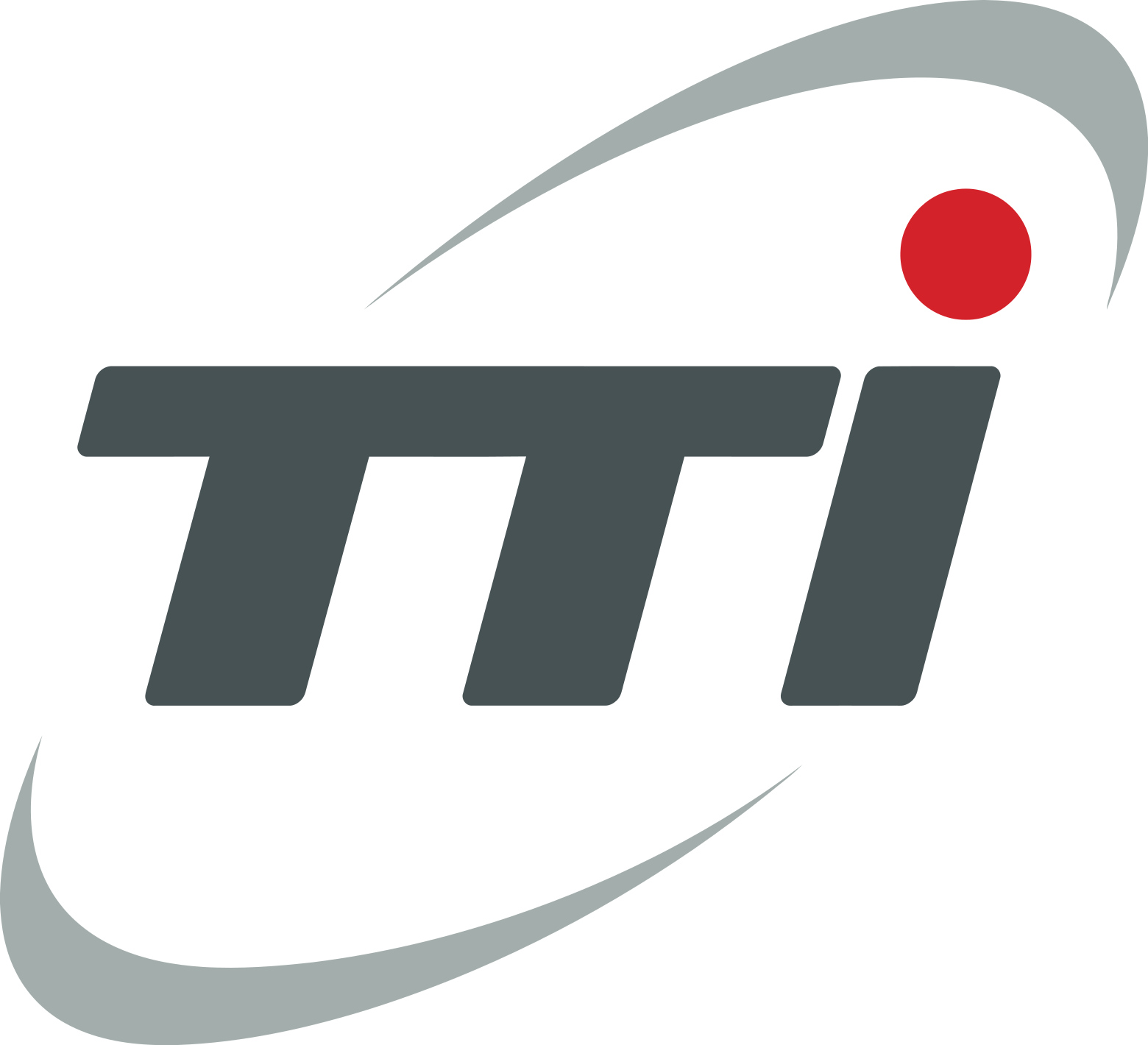
Core Viewpoint - The smartphone camera industry is experiencing significant growth driven by increasing consumer demand for high-quality photography and video capabilities, particularly due to the rise of short videos and live streaming. Technological advancements, such as multi-camera systems and variable aperture technology, are enhancing camera performance, leading to a projected increase in China's smartphone camera shipments from 1.13 billion units in 2017 to 2.38 billion units by 2024, with a compound annual growth rate of 11.23% [1][13]. Industry Overview - Smartphone cameras are modules installed in smartphones for capturing photos and videos, categorized into built-in and external types. They can also be classified based on functionality, including main, ultra-wide, depth, macro, and telephoto cameras [3]. Industry Chain - The smartphone camera industry consists of an upstream segment of component suppliers providing chips, lenses, sensors, voice coil motors, and infrared filters. The midstream involves the design, manufacturing, and testing of camera modules, while the downstream is represented by the smartphone industry, which drives demand for camera modules [5]. Market Trends - The optical lens market in China is projected to reach 17.39 billion yuan by 2024, reflecting a year-on-year increase of 7.81%, driven by technological advancements and supportive government policies [7]. - The global smartphone camera module shipments are expected to grow from 4.765 billion units in 2019 to 6.518 billion units by 2024, with a compound annual growth rate of 6.47% [11]. Competitive Landscape - The Chinese smartphone camera industry is highly competitive, featuring major players like Sony and Samsung, alongside domestic companies such as Sunny Optical and OFILM. These companies leverage strong R&D capabilities, manufacturing prowess, and brand influence to maintain market leadership [15]. Future Development Trends 1. **Pixel and Technology Enhancement**: Future smartphone cameras will continue to improve in pixel quality and advanced imaging technologies, focusing on features like optical stabilization and night mode, with AI applications enhancing user experience [20]. 2. **Multi-Camera System Proliferation**: Multi-camera systems are becoming a key trend, allowing for diverse shooting effects and enhancing photography capabilities [21]. 3. **Expansion of New Application Scenarios**: Beyond traditional photography, smartphone cameras will find applications in live streaming, online education, and telemedicine, increasing demand for video capabilities [23]. 4. **Industry Chain Integration and Collaborative Development**: Future trends will include greater integration and collaboration across the smartphone camera industry chain, fostering innovation and technological upgrades [24].



亚太市场,开盘普涨
Zheng Quan Shi Bao· 2025-04-23 02:01
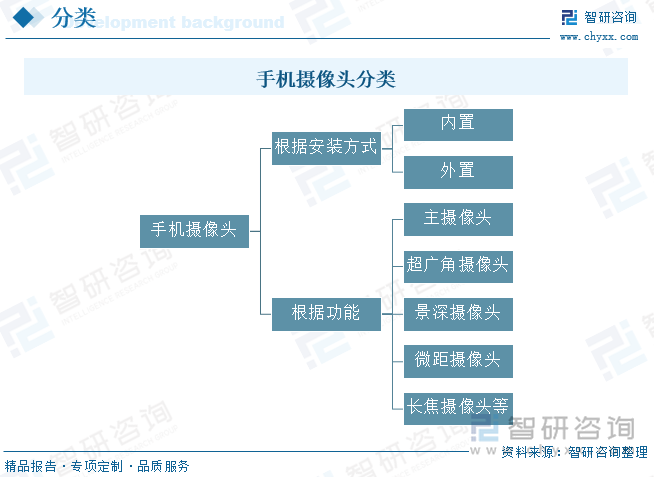
Market Performance - The Hang Seng Index opened with a gain of 2.4%, while the Hang Seng Tech Index rose by 3.5% [1] - Notable stocks such as BYD Electronics and BYD Company saw increases of over 6%, while Alibaba and Xiaomi Group rose by more than 5% [1] - Other stocks like Pop Mart, Xpeng Motors, and Bilibili also experienced gains exceeding 4% [1] Stock Details - BYD Electronics reached a price of 35.000 with a rise of 6.22% [2] - BYD Company was priced at 399.000, increasing by 6.17% [2] - Alibaba's stock price was 116.400, up by 5.82%, and Xiaomi Group was at 46.750, up by 5.29% [2] - Other notable stocks included Sunny Optical Technology at 65,800 (+4.61%) and Pop Mart at 184.000 (+4.60%) [2] A-share Market - The A-share market also opened positively, with the Shanghai Composite Index up by 0.25%, the Shenzhen Component Index up by 0.87%, and the ChiNext Index up by 1.14% [3] - Approximately 3,500 stocks in the market were in the green at the opening [3] Analyst Insights - Goldman Sachs issued a report rating A-shares and H-shares as "outperform," citing favorable policy stimuli for A-shares [5] - The firm anticipates a 12% upside for the MSCI China Index and a 15% upside for the CSI 300 Index over the next 12 months [5] - The report highlighted that the current P/E ratio for Hong Kong stocks is around 10 times, significantly lower than that of U.S. stocks, making them attractive [5] Sector Recommendations - According to a report by China Merchants Securities, key sectors to focus on include those with low exposure to U.S. export risks, such as PCB, rare earths, and home appliances [5] - The report also emphasizes areas of domestic substitution, including semiconductor equipment and high-end medical devices [5] - Consumer sectors with growth potential, such as gaming, animation, and pet food, are also recommended [5]