CHINA MOBILE(600941)

Search documents
中国移动(00941.HK):国有股份划转事项已获国资委批准
Ge Long Hui· 2025-12-01 11:17
本次划转不会对公司正常生产经营活动构成重大影响,不会导致公司的控股股东或实际控制人发生变 更。公司将密切关注本次划转事宜的进展情况,并按照相关法律法规的规定及时履行信息披露义务,敬 请广大投资者理性投资,注意投资风险。 2025年12月1日,公司接到实际控制人中国移动集团的通知,本次划转事项已取得国务院国有资产监督 管理委员会的批准,后续将按照有关法律法规办理股份过户登记手续。 格隆汇12月1日丨中国移动(00941.HK)公告,中国移动有限公司(以下简称"公司"或"本公司")于2025年11 月3日接到公司实际控制人中国移动通信集团有限公司(以下简称"中国移动集团")的通知,中国移动集 团拟将其持有的本公司41,981,348股A股股份(约占公司截至2025年9月30日已发行总股数的0.19%)划转给 中国石油天然气集团有限公司。 ...
中国移动(00941) - 海外监管公告国有股份划转的进展
2025-12-01 11:07
香港交易及結算所有限公司及香港聯合交易所有限公司對本公告之內容概不 負 責,對 其 準 確 性 或 完 整 性 亦 不 發 表 任 何 聲 明,並 明 確 表 示 概 不 就 因 本 公 告 全 部或任何部分內容而產生或因倚賴該等內容而引致之任何損失承擔任何責任。 CHINA MOBILE LIMITED 中國移動有限公司 (根據公司條例在香港註冊成立之有限公司) 股份代號:941(港幣櫃台)及 80941(人民幣櫃台) 於 本 公 告 之 日,本 公 司 董 事 會 由 楊 杰 先 生、何 飈 先 生、王 利 民 先 生 和 李 榮 華 先 生 擔 任 執 行 董 事;由 姚 建 華 先 生、楊 强 博 士、李 嘉 士 先 生 和 梁 高 美 懿 女 士 擔 任 獨 立 非 執 行 董 事。 股票代码:600941 股票简称:中国移动 公告编号:2025-030 海外監管公告 國有股份劃轉的進展 本公告乃中國移動有限公司(「本公司」)根 據《香 港 聯 合 交 易 所 有 限 公 司 證 券 上 市 規 則》第13.10B條 而 作 出。 茲提述本公司在上海證券交易所網站刊登的《中 國 移 動 有 限 公 ...
中国移动:国有股份划转事项获国务院国资委批准
Zheng Quan Shi Bao Wang· 2025-12-01 10:49
人民财讯12月1日电,中国移动(600941)12月1日公告,公司实控人中国移动集团拟将其持有的公司 4198.13万股A股股份(约占公司截至2025年9月30日已发行总股数的0.19%)划转给中国石油天然气集 团有限公司。12月1日,公司接到中国移动集团的通知,此次划转事项已取得国务院国资委批准,后续 将按照有关法律法规办理股份过户登记手续。 ...
中国移动(600941) - 中国移动:关于国有股份划转的进展公告
2025-12-01 10:45
股票代码:600941 股票简称:中国移动 公告编号:2025-030 2025年12月1日 本次划转不会对本公司正常生产经营活动构成重大影响,不会导致本公司的 控股股东或实际控制人发生变更。公司将密切关注本次划转事宜的进展情况,并 按照相关法律法规的规定及时履行信息披露义务,敬请广大投资者理性投资,注 意投资风险。 特此公告。 中国移动有限公司董事会 中国移动有限公司 关于国有股份划转的进展公告 中国移动通信集团有限公司保证向本公司提供的信息真实、准确、完整,没 有虚假记载、误导性陈述或重大遗漏。 本公司董事会及全体董事保证公告内容与信息披露义务人提供的信息一致。 中国移动有限公司(以下简称"公司"或"本公司")于 2025 年 11 月 3 日 接到公司实际控制人中国移动通信集团有限公司(以下简称"中国移动集团") 的通知,中国移动集团拟将其持有的本公司 41,981,348 股 A 股股份(约占本公 司截至 2025 年 9 月 30 日已发行总股数的 0.19%)划转给中国石油天然气集团有 限公司。详见本公司于 2025 年 11 月 3 日发布的《中国移动有限公司关于国有股 份划转的提示性公告》(公 ...
中国移动:国有股份划转事项已取得国务院国有资产监督管理委员会批准
Ge Long Hui A P P· 2025-12-01 10:39
格隆汇12月1日|中国移动公告,公司于2025年11月3日接到公司实际控制人中国移动通信集团有限公司 的通知,中国移动集团拟将其持有的本公司41,981,348股A股股份划转给中国石油天然气集团有限公 司。2025年12月1日,本公司接到实际控制人中国移动集团的通知,本次划转事项已取得国务院国有资 产监督管理委员会的批准,后续将按照有关法律法规办理股份过户登记手续。 ...
中国移动:拟划转4198.13万股A股股份至中国石油获批复
Xin Lang Cai Jing· 2025-12-01 10:29
Core Viewpoint - China Mobile announced the transfer of 41,981,348 A-shares (approximately 0.19% of the total shares issued as of 2025) from its actual controller, China Mobile Group, to China National Petroleum Corporation. The transfer has been approved by the State-owned Assets Supervision and Administration Commission of the State Council, and the share transfer registration will follow. This transfer will not have a significant impact on the company's operations and will not change the controlling shareholder or actual controller [1]. Group 1 - The share transfer involves 41,981,348 A-shares, representing about 0.19% of the total shares issued as of 2025 [1]. - The transfer has received approval from the State-owned Assets Supervision and Administration Commission of the State Council [1]. - The company states that this transfer will not significantly impact its operations or alter its controlling shareholder or actual controller [1].

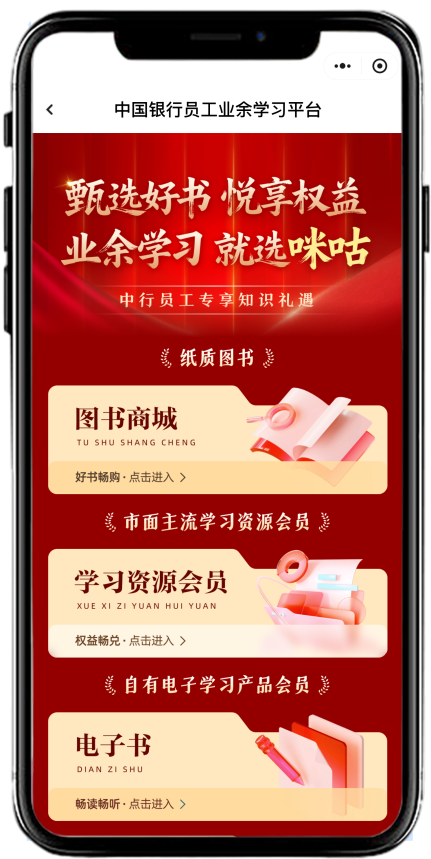
解锁金融知识服务破局之道!中国移动咪咕与中国银行总行共创行业新范式
Huan Qiu Wang· 2025-12-01 09:53
Core Insights - China Mobile's Migu Digital Media has been selected for the Bank of China's employee training project for 2025-2027, highlighting its strength in financial industry training services and addressing the digital talent development needs of state-owned banks [1][3]. Group 1: Challenges in Talent Development - State-owned banks face three main challenges in talent development: rapid changes in compliance policies, significant differences in learning needs across job levels, and difficulties in quantifying training effectiveness [3]. - The Bank of China's project reflects a growing emphasis on compliance accuracy, user experience, and measurable outcomes in training programs [3]. Group 2: Successful Case Studies - Migu has successfully implemented a dual approach of "online digital library + offline reading space" for the Shanghai Pudong Development Bank, achieving over 85% accuracy in AI book recommendations [4]. - In collaboration with various branches of the Industrial and Commercial Bank of China, Migu has tailored its services to meet diverse employee learning needs, achieving 100% participation in specific projects [4]. Group 3: Key Advantages of Migu's Training Solutions - Migu has developed a comprehensive compliance content matrix that addresses specific job requirements, leveraging a vast library of resources and partnerships with leading educational content providers [7]. - The use of AI technology allows for personalized learning experiences, enhancing engagement and participation rates by 35% [8]. - Migu offers a full-service solution that includes program design, system integration, and real-time tracking of training effectiveness, significantly reducing operational costs for banks [9]. Group 4: Financial Sector Focus - Migu has served over ten thousand corporate clients, impacting more than ten million employees, and has established a strong presence in the financial sector, covering all major state-owned banks and various non-bank financial institutions [14]. - The partnership with the Bank of China represents an opportunity for Migu to further enhance its capabilities in digital talent development, reinforcing its position as a key player in the financial industry's digital transformation [14].

通信行业资金流入榜:中兴通讯、广和通等净流入资金居前
Zheng Quan Shi Bao Wang· 2025-12-01 08:49
Market Overview - The Shanghai Composite Index rose by 0.65% on December 1, with 28 out of 31 sectors experiencing gains, led by the metals and communications sectors, which increased by 2.85% and 2.81% respectively [1] - The total net inflow of capital in the two markets was 775 million yuan, with 11 sectors seeing net inflows [1] Sector Performance - The electronics sector had the highest net inflow of capital, amounting to 7.22 billion yuan, and saw a rise of 1.58% [1] - The communications sector also performed well, with a net inflow of 5.56 billion yuan and a daily increase of 2.81% [1] Individual Stock Performance in Communications Sector - The communications sector had 124 stocks, with 102 stocks rising and 8 hitting the daily limit up [2] - ZTE Corporation led the net inflow with 4.39 billion yuan, followed by Guanghetong and Zhongji Xuchuang with 1.03 billion yuan and 809 million yuan respectively [2] - The top gainers in the communications sector included ZTE Corporation (10.00% increase), Guanghetong (20.01% increase), and Zhongji Xuchuang (4.57% increase) [2] Capital Outflow in Communications Sector - The communications sector also had stocks with significant capital outflows, with Changxin Bochuang leading at 703 million yuan, followed by Guangku Technology and China Mobile with 422 million yuan and 272 million yuan respectively [3] - The top decliners included Changxin Bochuang (-4.35%), Guangku Technology (-1.81%), and China Mobile (-0.60%) [3]



神州信息携手中国移动发布量子安全云电脑
Zheng Quan Ri Bao Wang· 2025-12-01 07:14
Core Viewpoint - China Mobile and Digital China Information Service Group have jointly launched a quantum secure cloud computer, integrating mobile cloud computing architecture with quantum information technology to enhance security for digital scenarios [1][2] Group 1: Quantum Security Solutions - The quantum secure cloud computer provides a comprehensive security protection system covering terminal authentication, data transmission, and cloud processing [1] - Digital China has been a key player in the quantum communication industry since 2012 and is a significant service provider for China's quantum secure communication trunk line project [1] - The company is a founding member of the Quantum Communication Industry Alliance and serves as the vice president of the Quantum Information Sub-committee [1] Group 2: Product Development and Applications - Digital China has established a subsidiary, "Shenzhou Guoxin," in collaboration with Guodun Quantum to explore product development and industry applications [2] - The company has developed solutions for data encryption transmission, terminal security access, secure instant communication, confidential video conferencing, and secure data encryption [2] - Digital China aims to innovate and iterate its products and services continuously, providing comprehensive digital transformation services for financial institutions and various industries [2]

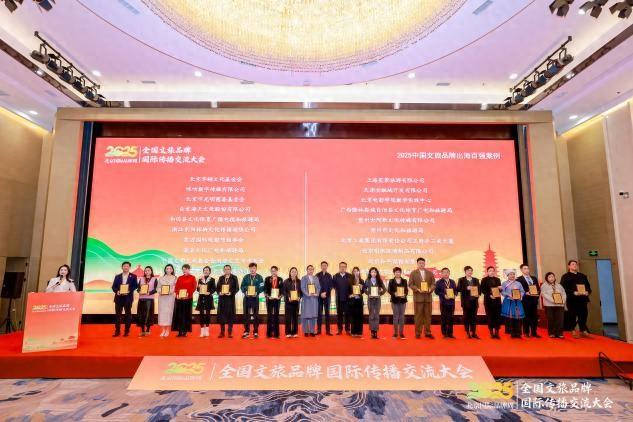
中国移动咪咕数媒荣获2025中国文旅品牌出海百强案例
Huan Qiu Wang· 2025-12-01 05:36
Core Viewpoint - The 2025 National Cultural and Tourism Brand International Communication Conference was successfully held in Beijing, focusing on the international dissemination of cultural tourism brands and addressing challenges in going global [1][4]. Group 1: Event Overview - The conference was organized by the Beijing International Brand Week Organizing Committee, Enterprise Observation Newspaper, and China National Tourism Magazine, aiming to promote the internationalization of cultural tourism brands [1]. - Migu Digital Media Co., Ltd. was recognized for its case study on the international dissemination of online literature and web dramas, earning a spot in the "2025 China Cultural Tourism Brand Going Global Top 100 Cases" [1][4]. Group 2: Company Strategy - Migu Digital Media, a subsidiary of China Mobile, actively supports the "going global" cultural strategy by utilizing online literature and micro-dramas to explore new paths for cultural tourism brand internationalization [5]. - The company has a content reserve of over 200,000 authors, 600,000 online literary works, and over 10,000 micro-dramas, focusing on high-quality creation and full-chain development [5]. Group 3: Competitive Advantages - Migu Digital Media's works, such as "Xihua Zhi" and "Tao Sanyuan's Spring, Summer, Autumn, and Winter," effectively convey Chinese culture and contemporary society, receiving national awards and aligning with foreign publicity policies [7][8]. - The company has produced over 3,000 online literary and micro-drama outputs, reaching over 40 countries and regions in more than 10 languages, significantly enhancing the influence of Chinese culture [8]. Group 4: Business Model Innovation - Migu Digital Media has established a multi-dimensional overseas ecosystem by integrating online literature, comics, and films, collaborating with over 30 institutions to promote content localization [10]. - The company has launched the Hong Kong UTV short drama channel, utilizing a membership model to penetrate the Southeast Asian market, demonstrating a sustainable and replicable business model for global cultural dissemination [10]. Group 5: Global Reach and Future Plans - The company employs multi-language content localization, overseas platform distribution, and offline cultural events to reach global audiences, with notable works like "Feng Li Jiang Shan" and "Shan Hun Fu Qi Chong Wa Ri Chang" gaining popularity [13]. - Migu Digital Media plans to leverage its unique platform advantages to enhance quality content production, cross-field collaboration, and flexible dissemination strategies, aiming to provide replicable "content going global" models for the cultural tourism industry [13].