Workflow
MetaX Integrated Circuits (Shanghai)(688802)
icon
Search documents
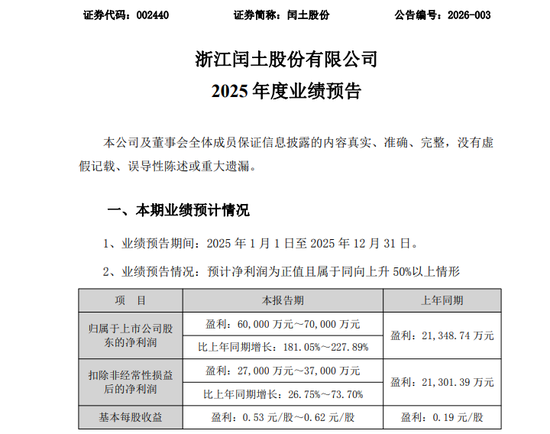
中科蓝讯(688332):主业不灵投资灵!左手摩尔,右手沐曦,利润暴增 360%!
市值风云· 2026-01-12 11:15
Investment Rating - The report indicates a significant increase in net profit for the company, with an expected rise to 14 billion to 14.3 billion yuan in 2025, representing a year-on-year growth of over 360% [3]. Core Insights - The company's revenue is projected to be between 18.3 billion and 18.5 billion yuan in 2025, showing a minimal year-on-year growth of only 0.6% to 1.7% [5]. - The increase in profit is primarily attributed to investments in two GPU companies, Moer Thread and Muxi Co., which have seen substantial stock price increases following their IPOs [7][9]. - The company's main business, which involves designing Bluetooth audio SoC chips, is facing challenges in a competitive market, with a decline in both gross and net profit margins [14][18]. Summary by Sections Investment Performance - The company made investments totaling 200 million yuan in two GPU startups, which have significantly appreciated in value, leading to a profit increase of over 11 billion yuan [10]. - The stock prices of Moer Thread and Muxi Co. surged post-IPO, with increases of 425% and 692% respectively, contributing to the company's impressive profit forecast [9]. Main Business Analysis - The company's core business focuses on Bluetooth audio SoC chips, primarily for TWS headphones and smart devices, but is struggling with low margins due to intense competition [14][17]. - The gross margin has dropped to just over 20%, indicating pressure from larger competitors entering the market [18]. - Despite efforts to expand into AI headphones and smart wearables, these initiatives have yet to generate significant revenue [20]. Conclusion - The company's performance in 2025 reflects a dichotomy of a stagnant core business while achieving remarkable success through strategic investments [22]. - The report raises questions about the sustainability of the company's growth, emphasizing the importance of solid products and market stability over mere investment luck [24].
主业不灵投资灵!中科蓝讯:左手摩尔,右手沐曦,利润暴增360%!
市值风云· 2026-01-12 10:05
Core Viewpoint - Zhongke Lanyun (688332.SH) has reported an astonishing profit forecast for 2025, with net profit expected to reach between 1.4 billion to 1.43 billion yuan, a year-on-year increase of over 360% [4][5] Group 1: Investment Performance - The significant profit increase is primarily attributed to the valuation changes from investments in two GPU companies, Moer Thread (688795.SH) and Muxi Co., Ltd. (688802.SH) [8] - The company invested a total of 200 million yuan in these two startups, which resulted in a valuation increase of over 16 billion yuan by the end of 2025 [10][11] - Moer Thread and Muxi Co., Ltd. are expected to be among the hottest IPOs, with their stock prices soaring by 425% and 692% respectively on their debut [10] Group 2: Core Business Performance - Despite the impressive investment returns, Zhongke Lanyun's core business, which focuses on designing Bluetooth audio SoC chips, is experiencing stagnation, with revenue growth projected at only 0.6% to 1.7% [7][11] - The company's net profit excluding non-recurring items is expected to decline by 1.7% to 9.89%, indicating challenges in its main operations [7][11] - The competitive landscape in the white-label TWS (True Wireless Stereo) market is intensifying, leading to declining gross and net profit margins, with gross margins hovering just above 20% [14][15] Group 3: Future Outlook - The company is attempting to diversify by exploring new directions such as AI headphones and smart wearables, but these initiatives have yet to generate significant revenue [17] - The overall performance for 2025 can be summarized as "core business stagnation, investment success," highlighting the importance of strategic choices over mere effort [18]
15家科创板公司提前预告2025年业绩
Core Viewpoint - 15 companies listed on the Sci-Tech Innovation Board have provided earnings forecasts for 2025, with 8 companies expecting profit increases, 3 companies expecting reduced losses, 2 companies expecting profit declines, and 2 companies expecting losses [1] Group 1: Earnings Forecast Overview - 53.33% of the companies forecast profit increases, with 8 out of 15 companies reporting positive earnings forecasts [1] - Among the companies expecting profit increases, 2 companies anticipate a net profit growth exceeding 100%, while 2 companies expect growth between 50% and 100% [1] Group 2: Individual Company Forecasts - Zhongke Lanyun (688332) expects the highest net profit growth of 371.51% [1] - Bai'ao Saituo (688796) and Qiangyi Co., Ltd. (688809) forecast net profit growth of 303.57% and 66.24%, ranking second and third respectively [1] - Other notable forecasts include: - Xinpeng Micro (688508) with a 66.00% increase - Muxi Co., Ltd. (688802) with a reduced loss of 54.22% [1] Group 3: Detailed Company Performance - Companies with profit increases: - Zhongke Lanyun: 371.51% [1] - Bai'ao Saituo: 303.57% [1] - Qiangyi Co., Ltd.: 66.24% [1] - Xinpeng Micro: 66.00% [1] - Daotong Technology (688208): 42.76% [1] - More Thread (688795): 41.36% [1] - Jianxin Superconductor (688805): 33.55% [1] - Yongxi Electronics (688362): 31.93% [1] - Youxun Co., Ltd. (688807): 22.01% [1] - Companies with reduced losses: - Muxi Co., Ltd.: 54.22% [1] - More Thread: 41.36% [1] - Zhenhua New Materials (688707): 14.73% [1] - Companies expecting losses: - Angrui Micro (688790): -19.44% [1] - Electric Wind Power (688660): -26.15% [1] - Companies expecting profit declines: - Zhongkong Technology (688777): -57.46% [1] - Aotewei (688516): -60.65% [1]
瞄准英伟达,国产算力产业走向“闭环”
3 6 Ke· 2026-01-09 12:39
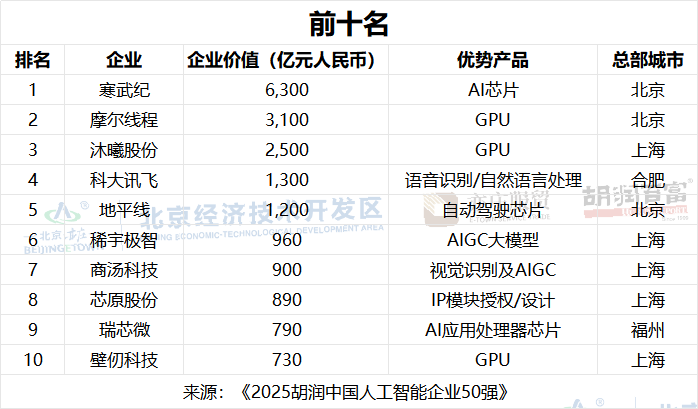
Core Insights - The Chinese computing power industry is experiencing rapid growth in capital operations, highlighted by significant IPOs and market enthusiasm for domestic semiconductor companies [1][2] - The focus of competition in the domestic computing power sector is shifting from hardware specifications to system stability, software ecosystem usability, and cost-effectiveness [3][4] Capital Market Activity - TianShuZhiXin Semiconductor Co., Ltd. went public on January 8, 2026, with over 400 times subscription, indicating strong market interest [1] - Other domestic GPU companies, such as MoEr Thread and MuXi Co., saw their stock prices surge on their debut, with MoEr Thread's market cap exceeding 305.5 billion yuan and MuXi's reaching 330 billion yuan [1] - ChangXin Technology submitted its IPO application on December 30, 2025, reporting revenue of 32.084 billion yuan for the first three quarters of 2025, showcasing the scale of domestic DRAM production [1] Technological Developments - The "Ten Thousand Card Cluster" concept is becoming a benchmark for evaluating domestic computing power, but it also presents challenges in reliability as system scale increases [3][4] - The introduction of the scaleX Ten Thousand Card Super Cluster by ZhongKe Shuguang, featuring 10,240 AI accelerator cards, represents a significant advancement in system architecture [3][4] - The need for high-quality, low-latency data transmission networks is critical for supercomputing, with domestic products now matching international standards [5][6] Storage Solutions - ChangXin Technology and ChangChun Group are positioned in the core areas of DRAM and NAND Flash, respectively, with ChangXin reporting a compound annual growth rate of over 70% in revenue from 2022 to 2024 [6][7] - The introduction of advanced technologies like Xtacking in NAND Flash production by ChangChun Group marks a significant technological breakthrough [7] Software Ecosystem - The transition to a robust software ecosystem is complex, with developers facing high costs in switching from established platforms like NVIDIA's CUDA [10][11] - MoEr Thread is addressing this by launching the MTT AIBOOK, which includes development tools to facilitate easier adoption of its platform [10] - Cloud service providers are playing a crucial role in integrating various hardware brands to create a unified software environment, addressing compatibility issues [11][12] Market Dynamics - The industry is witnessing a shift towards collaborative ecosystems, with companies recognizing the need for specialization rather than attempting to cover the entire supply chain independently [9][12] - The emergence of customized products from companies like Haiguang is aimed at meeting the specific needs of large enterprises, reflecting a trend towards more open architectures [15] Future Outlook - The domestic computing power industry is expected to face challenges related to global supply chain fluctuations, particularly in DRAM and NAND supply [13] - The successful integration of domestic computing solutions in high-stakes environments, such as the National High Energy Physics Data Center, indicates growing confidence in local technologies [14] - The potential easing of export restrictions on NVIDIA's H200 chip could impact the domestic ecosystem, but the established supply chain and customer preferences for security are likely to mitigate risks [17]
瞄准英伟达!国产算力产业走向“闭环”
经济观察报· 2026-01-09 10:28
Core Viewpoint - The rapid advancement of China's computing power industry is highlighted by significant capital market activities, including the successful IPOs of domestic semiconductor companies, while challenges remain in practical applications and system integration [2][4]. Group 1: Capital Market Activities - Shanghai Tensu Zhixin Semiconductor Co., Ltd. went public on January 8, 2026, with over 400 times subscription, indicating strong market enthusiasm [2]. - Other domestic GPU companies, such as Moer Thread and Muxi Co., saw their stock prices surge by 468.78% and 692.95% respectively on their debut, with market capitalizations exceeding 305.5 billion and 330 billion yuan [2]. - Changxin Technology submitted its IPO application on December 30, 2025, reporting revenue of 32.084 billion yuan for the first three quarters of 2025, showcasing the scale of domestic DRAM production [2][10]. Group 2: Technological Advancements - The focus of competition in the computing power sector is shifting from hardware specifications to system stability, software ecosystem usability, and cost-effectiveness in commercial applications [6]. - The introduction of the scaleX super cluster by Zhongke Shuguang, featuring 10,240 AI accelerator cards, emphasizes the need for high reliability in large-scale systems [6][7]. - The development of a native 400G RDMA network by Zhongke Shuguang aims to enhance data transmission quality and reduce latency, crucial for supercomputing applications [7][8]. Group 3: Software Ecosystem Development - Moer Thread is addressing the challenge of transitioning developers to domestic computing platforms by launching the MTT AIBOOK, which includes essential development tools [13]. - The company also introduced a code migration model, MUSACode, to facilitate the transition from CUDA to its own platform, aiming for a 93% compilation rate [13]. - Cloud service providers are playing a critical role in integrating various hardware brands, thereby mitigating compatibility issues and enhancing resource management [15][16]. Group 4: Supply Chain and Market Dynamics - The supply chain for DRAM and NAND flash is under pressure, prompting cloud vendors to adjust procurement strategies to ensure resource availability [17]. - The adoption of domestic computing facilities by institutions like the Chinese Academy of Sciences indicates growing confidence in local technology, despite some performance gaps compared to international counterparts [19]. - The emergence of customized products from companies like Haiguang reflects a shift towards meeting specific client needs, enhancing market competitiveness [20]. Group 5: Industry Ecosystem and Future Outlook - The domestic computing power industry is forming a closed-loop ecosystem, integrating various components from storage to computing and application layers [21][22]. - The rise of domestic large models, such as DeepSeek, is redefining hardware competition standards, necessitating support for mixed-precision computing [21]. - Concerns about potential disruptions from international competitors, such as NVIDIA's H200 chip, are countered by the established supply chain and ecosystem resilience of domestic firms [21][22].
国产算力产业走向“闭环”
Jing Ji Guan Cha Wang· 2026-01-09 08:41
Core Insights - The Chinese computing power industry is experiencing rapid acceleration in capital operations, highlighted by significant IPOs and market enthusiasm for domestic semiconductor companies [1][2] - The focus of competition in the domestic computing power sector is shifting from hardware specifications to system stability, software ecosystem usability, and cost-effectiveness in commercial applications [3][4] Capital Market Activity - TianShuZhiXin Semiconductor Co., Ltd. went public on January 8, 2026, with over 400 times subscription for its public offering, indicating strong market interest [1] - Other domestic GPU companies, such as MoEr Thread and MuXi Co., saw substantial stock price increases upon their listings, with MoEr Thread's stock rising by 468.78% on its debut [1] - ChangXin Technology submitted its IPO application on December 30, 2025, reporting revenue of 32.084 billion yuan for the first three quarters of 2025, showcasing the scale of domestic DRAM production [1] Technological Developments - The "Ten Thousand Card Cluster" concept is becoming a benchmark for evaluating computing power systems, with challenges in reliability and fault tolerance as system scales increase [3][4] - The introduction of the scaleX Ten Thousand Card Super Cluster by ZhongKe Shuguang, featuring 10,240 AI acceleration cards, represents a significant technological advancement [3][5] - The need for high-quality, low-latency data transmission networks is critical for supercomputing, with domestic products now matching international standards [6][7] Storage Solutions - ChangXin Technology and ChangJiang Storage are positioned in key storage sectors, with ChangXin reporting a compound annual growth rate of over 70% in revenue from 2022 to 2024 [7][8] - The introduction of DDR5 memory and advancements in NAND Flash technology are crucial for supporting AI computing needs [8] Software Ecosystem Challenges - Transitioning developers from NVIDIA's CUDA to domestic platforms presents significant challenges due to high code restructuring costs [11] - MoEr Thread is addressing this by launching tools to facilitate easier migration to its ecosystem, aiming to cultivate a developer base [11][12] Cloud Services and Integration - Cloud service providers like UCloud are playing a vital role in integrating various domestic chip brands, addressing compatibility issues and enhancing resource management [12][13] - The need for localized solutions is emphasized, as latency and privacy concerns with cloud-based AI solutions drive demand for on-premises systems [14] Market Dynamics and Future Outlook - The domestic computing power industry is forming a closed-loop ecosystem, with companies collaborating across the supply chain to enhance competitiveness [17] - The potential easing of export restrictions on NVIDIA's H200 chip raises concerns about its impact on the nascent domestic ecosystem, but domestic clients prioritize supply chain security [17]
沐曦股份- 创始人调研_大规模集群搭配升级 AI 芯片;中国 AI 需求升温
2026-01-09 05:13
Summary of MetaX Conference Call Company Overview - **Company Name**: MetaX (688802.SS) - **Industry**: Semiconductor, specifically focusing on AI chips and GPU technology - **Profile**: A leading local GPU fabless supplier specializing in high-performance GPU R&D, offering diversified GPUs and GPU servers tailored for AI use cases and cloud infrastructure in China [3][17] Key Points Discussed 1. AI Computing Cluster and Product Migration - Management emphasized their commitment to product migration and expanding AI computing clusters, with most clusters currently exceeding 1,000 AI chips and gradually increasing towards 10,000 AI chips [4] - The next generation of AI chips is targeted for mass production in Q1 2026, featuring enhancements in both computing power and memory compared to current models [4] 2. Market Outlook - Management maintains a positive outlook on AI demand in China, anticipating industry growth to reach triple digits by 2026 [5] - The company aims to achieve a growth rate that exceeds the market average through market share expansion across various end markets, including education, financial industries, hospitals, energy, telecommunications, and internet companies [5][8] 3. New Product Launch: C600 Platform - The recently launched C600 platform features in-house IP architecture capable of supporting SuperPod clusters, with plans for different versions catering to pure inferencing or a combination of training and inferencing [9] - Expected shipments of the C600 platform are projected to ramp up in 2026, with specifications including 144GB bandwidth memory and MetaXLink for SuperPod supporting up to 256 cards [9] 4. Demand for AI Chips - Management's positive view on the rising demand for computing power for AI training and inferencing aligns with expectations for local suppliers of AI chips to benefit from the Gen-AI trend and localization efforts [2] 5. Long Verification Process for China Cloud - The verification process for cloud services can take up to 12 months due to varying testing requirements and customized AI server needs for each cloud service provider (CSP) [8] Additional Insights - The company is focused on avoiding customer concentration by targeting a diverse range of end markets [5][8] - Future product developments are planned, with another new generation expected to enter mass production in 2027, further enhancing computing power [4] This summary encapsulates the key discussions and insights from the MetaX conference call, highlighting the company's strategic focus on AI technology and market growth potential in China.
解码上海GPU四小龙上市加速度
财联社· 2026-01-09 02:23
Core Viewpoint - The rapid listing of five AI industry chain companies in Shanghai, particularly the "GPU Four Little Dragons," highlights the city's accelerating pace in capital markets and reflects the strength of its innovation environment [1]. Group 1: Capital Support and Investment - The "GPU Four Little Dragons" (Moxi Co., Biran Technology, Tianshu Zhixin, and Suiyuan Technology) have received significant capital support at various stages, demonstrating a trend of early, small, and long-term investments in hard technology [2]. - Local state-owned funds and investment institutions play a crucial role in supporting these companies, as seen with Biran Technology's financing rounds involving Shanghai's local capital [5]. - The investment ecosystem in Shanghai is designed to support the entire lifecycle of tech companies, with a focus on early-stage funding and overcoming challenges during critical growth phases [7]. Group 2: Listing Acceleration Mechanisms - The Shanghai Securities Regulatory Bureau has implemented effective mechanisms to facilitate the listing process for quality tech companies, ensuring a streamlined path from IPO application to listing [10][11]. - The regulatory body collaborates with various local government departments to enhance the nurturing of high-quality companies, resulting in a significant number of companies receiving listing approvals [11]. - As of the end of 2025, there are 122 companies in the listing guidance and review stages in Shanghai, indicating a robust pipeline for future listings [11]. Group 3: Industry Growth and Economic Impact - The listing of these companies is not just a financial milestone but also a means to enhance their operational capabilities and support technological innovation, with Shanghai's tech firms raising over 230 billion yuan through IPOs since the launch of the Sci-Tech Innovation Board [14]. - The integrated circuit industry in Shanghai has shown remarkable growth, with revenues reaching 391.2 billion yuan in the first 11 months of 2025, reflecting a year-on-year increase of 23.72% [15]. - The AI industry in Shanghai is also thriving, with an expected revenue of over 550 billion yuan in 2025, marking a growth rate exceeding 30% [15]. Group 4: Strategic Alignment with National Goals - The focus on technology development and capital circulation aligns with national strategies, aiming to cultivate globally influential enterprises and enhance the overall innovation ecosystem in Shanghai [14][17]. - The local government is actively promoting financial support for strategic industries, including AI, integrated circuits, and biomedicine, to ensure sustainable growth and innovation [12].
上海一个月5家AI企业上市
Xin Lang Cai Jing· 2026-01-09 00:59
Core Insights - Shanghai has achieved a record of "five AI companies listed in one month," indicating that the AI industry in Shanghai is entering a "harvest period" [1] - The five listed AI companies possess high technological content, reflecting Shanghai's comprehensive industrial chain from algorithms to applications, unlike other cities that focus on single breakthroughs [1][2] - Shanghai is home to a significant concentration of AI talent, with 250,000 AI professionals, accounting for one-third of the national total [2] AI Industry Growth - By 2025, Shanghai's AI industry is expected to exceed 550 billion yuan in scale, with a growth rate of over 30% [2] - In the first three quarters of 2025, 394 large-scale enterprises in Shanghai reported revenues of 435.49 billion yuan, a year-on-year increase of 39.6% [2] - MiniMax, a local AI company, has achieved rapid growth, with 2.12 billion personal users and a monthly active user count of 27.6 million by September 2025 [4] Technological Advancements - Shanghai has established a development pattern of "1 open-source base model + 3 commercial base models + N innovative models" in model algorithm innovation [4] - The city is focusing on the development of large models, with significant advancements in multi-modal scientific models that outperform leading closed-source models [4] - Companies like MiniMax and SenseTime are leading in the development of advanced models, with MiniMax's model achieving code generation speeds twice that of competitors at a fraction of the cost [4] GPU and Semiconductor Industry - Shanghai is recognized as China's "GPU capital," with four major GPU companies successfully listed, contributing to the city's robust semiconductor industry [5][7] - The city has a well-established integrated circuit industry, ranking fourth globally and first in mainland China, supporting the AI industry's growth [7][8] - The local government provides substantial financial support for the semiconductor sector, enhancing the overall ecosystem [7] Robotics and Physical AI - Shanghai is making strides in humanoid robotics, with companies like Zhiyuan Robotics achieving significant production milestones [9][11] - The city is leveraging its strong supply chain in the Yangtze River Delta to support the rapid scaling of humanoid robot production [11][12] - Recent technological breakthroughs in humanoid robots and related components are driving the industry forward, with a focus on enhancing training facilities and data collection standards [12]
上海一个月5家AI企业上市
第一财经· 2026-01-09 00:54
Core Viewpoint - Shanghai's AI industry is entering a "harvest period" with five AI companies listed in one month, indicating a robust ecosystem that integrates hardware, software, and applications, unlike other cities that focus on singular breakthroughs [3][4]. Group 1: AI Industry Growth - In the past 30 days, five AI companies from Shanghai have gone public, showcasing a unique "listing wave" that reflects the city's comprehensive AI industry chain [3]. - Shanghai is building a complete ecosystem from "brain" (computational algorithms) to "blood" (data) and "limbs" (embodied intelligence), which is not seen in other cities [3][4]. - The AI industry in Shanghai is projected to exceed 550 billion yuan in scale by 2025, with a growth rate of over 30% [5]. Group 2: Major AI Companies - MiniMax, established in early 2022, is a representative of Shanghai's local AI model companies, achieving the fastest IPO globally with a workforce where 73.8% are R&D personnel [5][6]. - MiniMax's model, MiniMax-M2, has a code generation speed twice that of its U.S. counterpart Claude, at only 8% of the cost, demonstrating significant efficiency [5][6]. - By September 2025, MiniMax had 212 million personal users, with 73.1% of its revenue coming from overseas, highlighting its global expansion [6][8]. Group 3: GPU and Computational Power - Shanghai is recognized as China's "GPU capital," with four major GPU companies successfully listed, indicating a strong foundation for AI technology [10][12]. - The local integrated circuit industry has been developing for decades, positioning Shanghai as a leader in the global semiconductor landscape [12][13]. - The city has established a complete integrated circuit industry chain, fostering numerous leading enterprises across various segments [13]. Group 4: Embodied Intelligence and Robotics - Human-shaped robots are seen as the ideal carriers for embodied intelligence, with significant milestones achieved in mass production [15][17]. - Shanghai's local robotics companies are rapidly scaling up production, with plans for substantial increases in output capacity [17][18]. - The city is enhancing its embodied intelligence training facilities and supporting the establishment of unified training standards across regions [18][19].