
ZGXT(000831)

Search documents
12小时反转:54国围堵难撼中国稀土根基
Sou Hu Cai Jing· 2026-02-06 03:42
Group 1 - The U.S. convened a secret meeting with 54 countries to address the stability of the mineral market, primarily targeting China's dominance in the rare earth industry [1][3] - The meeting's stated goal was to set price floors and adjust tariffs on critical minerals, but the underlying aim was to curb China's influence [3][4] - The U.S. relies heavily on China for rare earth supplies, with over 70% of its rare earth compounds and metals imported from China, highlighting a significant dependency [3][4] Group 2 - The U.S. is attempting to create a "critical mineral trade club" to support financing and ensure emergency supply, aiming to establish a trade circle that excludes China [3][5] - The U.S. strategy of combining diplomatic engagement with economic pressure reveals a dual approach that is fraught with contradictions [5][6] - The internal dynamics of the 54-nation coalition are complex, with differing interests making it difficult to form a cohesive strategy against China [6][7] Group 3 - China's rare earth industry holds a "non-symmetrical advantage" due to decades of technological accumulation and a complete industrial ecosystem [8][9] - China controls over 90% of global rare earth processing capacity and has a significant share of the world's rare earth patents, reinforcing its market dominance [8][9] - The U.S. faces substantial barriers in rebuilding its rare earth supply chain, including a projected timeline of at least 10 years and an estimated investment of $300 billion [4][9] Group 4 - The U.S. strategy to reduce reliance on Chinese rare earths is complicated by the fact that many allied countries still depend on China for their supply needs [6][10] - The cost of rare earth extraction in the U.S. is significantly higher than in China, making it challenging to compete even with government subsidies [7][10] - China's export control policies are evolving to include not just rare earth products but also related technologies, enhancing its control over the supply chain [9][10] Group 5 - The ongoing competition in the rare earth sector is indicative of a broader struggle for global supply chain dominance, with the U.S. efforts marking an escalation in this rivalry [11][12] - Historical trends suggest that attempts to isolate a major player like China in the global market are likely to fail, as the industry moves towards a more balanced and resilient structure [11][12] - China's proactive approach in global rare earth governance and its commitment to sustainable practices position it favorably in the evolving market landscape [12][13]


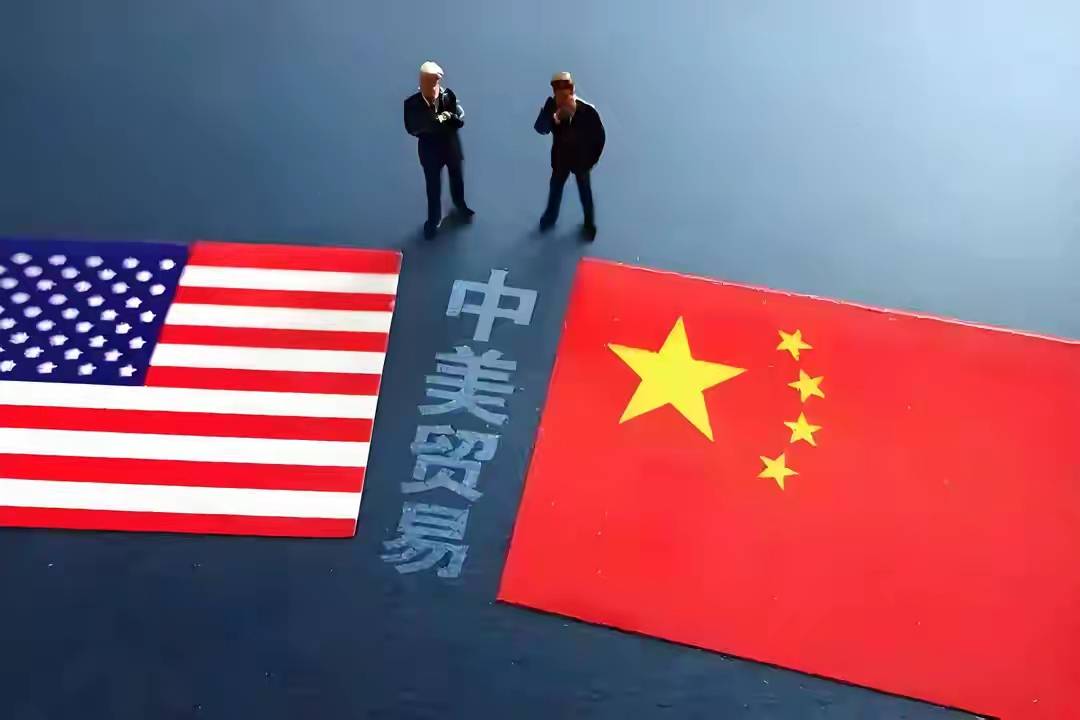
中国稀土跌2.29%,成交额1.60亿元,主力资金净流出268.34万元
Xin Lang Cai Jing· 2026-02-06 03:26
Core Viewpoint - China Rare Earth's stock price has experienced fluctuations, with a recent decline of 2.29%, while the company shows significant revenue growth and profitability improvements in recent financial reports [1][2]. Group 1: Stock Performance - As of February 6, China Rare Earth's stock price is 49.84 yuan per share, with a market capitalization of 528.91 billion yuan [1]. - The stock has increased by 7.32% year-to-date but has seen a decline of 8.08% over the last five trading days and 4.23% over the last 20 days [1]. - The trading volume indicates a net outflow of 268.34 thousand yuan from main funds, with significant buying and selling activity [1]. Group 2: Financial Performance - For the period from January to September 2025, China Rare Earth reported revenue of 2.494 billion yuan, reflecting a year-on-year growth of 27.73% [2]. - The net profit attributable to shareholders reached 192 million yuan, marking a substantial increase of 194.67% compared to the previous year [2]. Group 3: Shareholder Information - As of January 30, the number of shareholders for China Rare Earth is 191,400, a decrease of 2.19% from the previous period [2]. - The average number of circulating shares per shareholder has increased by 2.24% to 5,544 shares [2]. - The top ten circulating shareholders include significant institutional investors, with notable changes in holdings among various ETFs [3].
稀有金属ETF基金(561800)近10日累计“吸金”超2100万元,稀有金属各细分品种价格逐级抬升,基本面支撑仍较为强劲
Xin Lang Cai Jing· 2026-02-06 02:28
Core Viewpoint - The rare metals sector shows positive momentum, with significant inflows into ETFs and optimistic forecasts for future demand driven by high-tech industries and geopolitical factors [1][2]. Group 1: Market Performance - As of February 6, 2026, the CSI Rare Metals Theme Index (930632) increased by 0.67%, with notable gains from stocks such as Zhangyuan Tungsten Industry (+7.10%) and Northern Rare Earth (+4.07%) [1]. - The Rare Metals ETF (561800) also saw a rise of 0.56% [1]. - The top ten weighted stocks in the CSI Rare Metals Theme Index account for 59.71% of the index, with companies like Luoyang Molybdenum and Northern Rare Earth leading the list [1]. Group 2: Fund Inflows - As of February 5, 2026, the Rare Metals ETF experienced a net inflow of 4.832 million yuan, with a total of 21.017 million yuan net inflow over the past ten trading days [1]. - Six out of the last ten trading days recorded net inflows, indicating strong investor interest [1]. Group 3: Future Outlook - The fund manager of the Huafu Rare Metals ETF remains optimistic about the sector, citing three main reasons: 1. Rare metals are crucial for high-tech industries and are increasingly controlled by nations amid rising geopolitical tensions [1]. 2. The downstream demand for rare metals remains robust, particularly in sectors like new energy vehicles and wind power [1]. 3. Recent price increases across various rare metal segments and positive earnings forecasts from key companies support a strong fundamental outlook [1]. Group 4: Investment Tool - The Rare Metals ETF (561800) tracks the CS Rare Metals Index, which has a high lithium content of 30%-40%, making it an excellent investment tool for market participants looking to gain exposure to the rare metals industry [2].




中国稀土:截至2026年1月30日收盘,公司股东总户数为191386户
Zheng Quan Ri Bao Wang· 2026-02-05 13:14
证券日报网讯2月5日,中国稀土(000831)在互动平台回答投资者提问时表示,截至2026年1月30日收 盘,公司股东总户数为191386户。 ...
特朗普启动120亿美元“金库计划”,旨在摆脱对中国稀土的依赖
Sou Hu Cai Jing· 2026-02-05 10:43
Core Points - The "Treasury Plan" launched by President Trump aims to reduce U.S. dependence on Chinese rare earths and strengthen the supply chain for critical minerals [1][3] - The plan involves collaboration with major industrial players like General Motors, Boeing, and Google to create emergency stockpiles of strategic minerals [3][4] - Funding for the plan includes $20 billion from private capital and up to $100 billion in loans from the Export-Import Bank of the United States [4] Funding and Strategy - The plan is part of a broader strategy to elevate critical minerals to a national security priority, including reforms in domestic mining permits and controversial deep-sea mining [4] - The U.S. government is promoting public-private partnerships, with significant investments in domestic rare earth producers like MP Materials and American Lithium [4][5] - The U.S. is also investing in allied countries, such as acquiring a 10% stake in Canadian Trilogy Metals [5] Geopolitical Context - The urgency of the plan is underscored by the fact that in 2024, the U.S. will rely 100% on imports for 12 critical minerals and over 50% for 29 others, raising concerns about national security [7] - Japan has responded positively to the plan, committing to invest $550 billion in U.S. supply chains, despite facing unfavorable terms [8][9] - Japan's strategic move is driven by concerns over China's impending export controls on dual-use items, which could impact Japan's security [10] Risks and Challenges - Japan's investment conditions have been criticized domestically as an "unequal treaty," raising concerns about the long-term viability of the partnership [9] - Japanese companies investing in U.S. rare earth projects may find themselves in a subordinate position, lacking control over key technologies and processes [13] - The U.S. is also shifting focus towards building new rare earth processing facilities in Australia, indicating a potential pivot away from Japan [13][14] Industry Dynamics - Western media has claimed that the U.S. and its allies are gaining control over rare earth processing, suggesting a decline in China's dominance [14][15] - However, the complexities of replicating China's established supply chain and production quality pose significant challenges for Western efforts [17] - China's comprehensive rare earth manufacturing system, built over decades, includes critical tacit knowledge that is difficult for others to replicate [17][18]

美又拉30国建新群,想抽掉中国稀土王牌,欧洲抢先献上投名状
Sou Hu Cai Jing· 2026-02-05 09:27
Core Viewpoint - The United States is establishing a new alliance focused on reshaping the global supply chain for critical minerals, particularly rare earth resources, to reduce dependence on China [1][3]. Group 1: Alliance Formation - The new mineral alliance includes the United States, the United Kingdom, Japan, Australia, and the European Union, with a meeting planned in Washington to discuss de-China-fication of the rare earth supply chain [1][3]. - Australia is identified as a core member due to its significant role as a major lithium exporter, committing to invest $1 billion with the U.S. for exploration and processing of critical minerals [3]. - Japan and South Korea are positioned as technology processors and consumers, with Japanese companies importing rare earth elements from Australia for local electric vehicle and electronics industries [3]. Group 2: Member Roles and Interests - The alliance exhibits a division of roles among member countries, but underlying tensions exist regarding the alignment of U.S. pricing strategies and the interests of resource-supplying countries like Australia [4][5]. - Australia is focused on increasing its profits through higher mineral prices and expanded exports, which has led to market fluctuations when U.S. policies do not align with its interests [4]. - The EU is caught between the desire to counter China's dominance and the risk of over-reliance on the U.S., particularly in light of territorial concerns related to Greenland [5]. Group 3: Challenges and Competitive Landscape - The cooperation model within the alliance lacks consistency due to varying national interests, making it difficult to form a strong collective action in the short term [5]. - China's dominance in the rare earth sector is attributed not only to resource availability but also to its complete industrial chain, which poses a significant technological gap for the U.S. and its allies to overcome [7].
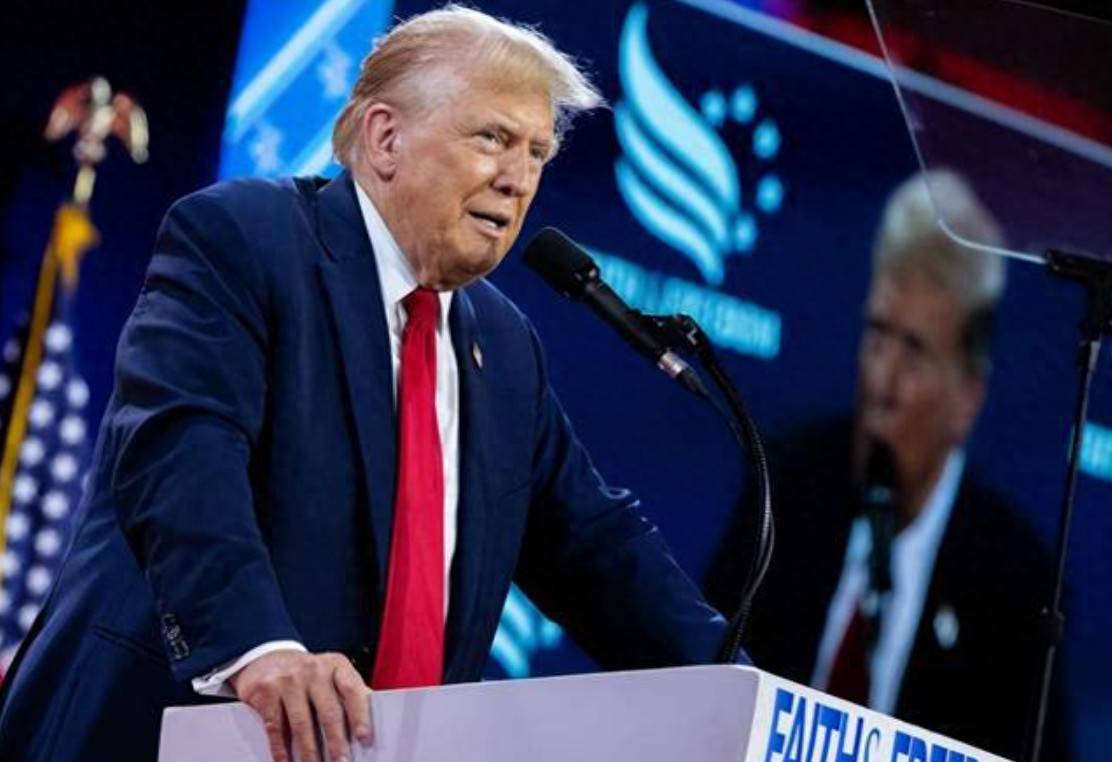
美又拉30国建“新群”,想抽掉中国稀土王牌,欧洲抢先献上投名状
Sou Hu Cai Jing· 2026-02-05 08:50
Core Viewpoint - The article discusses the United States' strategic efforts to build alliances against China's dominance in the rare earth industry, highlighting the complexities and challenges of this initiative. Group 1: U.S. Strategy and Alliances - The U.S. is forming a coalition of nearly 30 countries to counter China's dominance in the rare earth supply chain, which includes not just resource availability but also the entire extraction and refining process [1][3][5] - The U.S. has already established a mineral security partnership with 10 countries, managing assets over $30 trillion, and is working towards a supply chain that reduces reliance on China by 2026 [5][9] - A key minerals ministerial meeting is set to take place, involving representatives from 55 countries, aimed at solidifying the anti-China mineral alliance [7][9] Group 2: European Involvement - Europe is actively seeking to align with the U.S. by proposing a memorandum of understanding to counter China's influence in the rare earth sector [15][17] - The EU's strategy appears to be a dual approach of seeking U.S. support while simultaneously attempting to negotiate for concessions on tariffs and export restrictions [19][21] - Despite the EU's eagerness to cooperate, there are underlying tensions and a lack of trust in the U.S.-EU relationship, indicating that the alliance may be fragile [21][23] Group 3: Challenges and Limitations - The U.S. and its allies face significant challenges in replicating China's established rare earth refining capabilities, which have taken decades to develop [27][29] - The lack of coordination among the 30 allied countries, each with their own interests, raises doubts about the effectiveness of the coalition in achieving a cohesive supply chain [31][33] - The U.S. approach, characterized by coercive tactics and financial incentives, may lead to resentment among allies, undermining the long-term viability of the alliance [33][35] Group 4: China's Position - China's dominance in the rare earth market is attributed to its advanced refining technology and established supply chain, which cannot be easily replicated by the U.S. or its allies [25][27] - The article emphasizes that China's rare earth resources are not merely a tool for geopolitical leverage but are essential for global technological advancement [37]
因中国不回信,被晾多天的莫迪,怒砸700亿要取代中国稀土地位?
Sou Hu Cai Jing· 2026-02-05 08:50
Group 1 - The core message of the article highlights India's ambition to enhance its rare earth mineral supply chain to boost manufacturing capabilities, with a significant funding proposal of over 700 billion rupees (approximately 7.88 billion USD) aimed at supporting local enterprises in the rare earth sector [1][6][31] - India is actively engaging in international partnerships for critical minerals, having established collaborations with countries like Australia and Mozambique, indicating a strategic positioning in the global mineral landscape [6][29] - Despite possessing the world's third-largest rare earth reserves, India's challenges include environmental concerns, social issues related to mining, and the need for substantial investment to realize its goals [7][31] Group 2 - The article outlines three major challenges facing India's rare earth industry: the difficulty of technology transfer from laboratory success to mass production, safety concerns related to mining operations, and the inadequacy of production capacity compared to China [11][15][19] - India's current production capacity is limited, with a recent facility in Pune achieving only 15 tons per month, which is significantly lower than the hundreds or thousands of tons produced by many Chinese companies [19][22] - The lack of skilled workforce and a complete industrial chain further complicates India's efforts, as it currently only controls parts of the rare earth production process, leading to reliance on imports for high-value products [21][22] Group 3 - To address these challenges, India is exploring alternative technologies and developing a "rare earth corridor" concept to integrate resource locations, processing areas, and logistics, aiming to create a cohesive industrial ecosystem [25][27] - The collaboration with Australia is seen as a potential solution, as both countries have complementary needs in terms of resources and processing capabilities, although progress has been slow [29] - The effectiveness of the 700 billion rupee incentive plan remains uncertain, as it will require time to determine whether it can genuinely support India's ambitions in the global rare earth market [31]
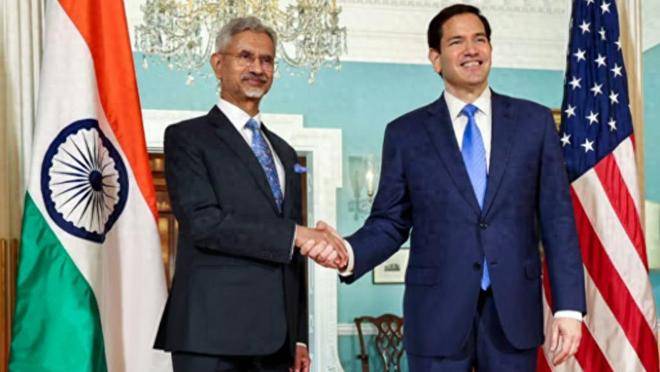
想摆脱中国稀土?日本高调宣布稀土突破,中方7个字回应
Sou Hu Cai Jing· 2026-02-05 08:38
Core Viewpoint - Japan's successful deep-sea exploration near Minami-Torishima Island, which yielded rare earth-rich mud samples, is seen as a strategic breakthrough to reduce dependence on China, highlighting the global competition for control over the rare earth industry chain [1][3]. Group 1: Rare Earth Resources - The sea area around Minami-Torishima is estimated to contain approximately 16 million tons of rare earth resources, sufficient to support global consumption for hundreds of years [3]. - Japan's reliance on rare earth elements exceeds 90%, particularly for critical industries such as electric vehicles, military, and precision instruments, with over 90% of heavy rare earth elements supplied by China [3]. Group 2: Investment and Strategy - Japan has invested over 20 billion yen in deep-sea mining technology over the past decade as part of its national strategy to reduce resource dependency [3]. - The deep-sea mining initiative is part of Japan's broader strategy to assert its voice in international mining standards, particularly with the proposed priority development rights in the 2025 revision of the Deep Sea Mineral Resources Development Law [10]. Group 3: Challenges in Deep-Sea Mining - Deep-sea mining faces significant challenges, including extreme underwater pressure, high costs of dehydration and purification, and environmental concerns leading to protests from 12 countries [5]. - Even if Japan achieves mass production, the cost of deep-sea rare earths is projected to be 3.8 times higher than similar products from China [5]. Group 4: China's Dominance in the Industry - China currently controls 67% of global rare earth mining and 85% of refining and separation capacity, establishing significant technological barriers in high-end applications [7]. - Chinese companies dominate 80% of the global production capacity for high-performance neodymium-iron-boron magnets, with a much higher yield rate compared to Japanese counterparts [8]. Group 5: Technological Advancements and Industry Evolution - The competition in the rare earth sector is evolving into a contest for rule-making authority, with China promoting green technology and recycling initiatives to counter Japan's deep-sea mining efforts [10]. - China's rare earth recycling technology allows for the extraction of 2,000 tons of rare earths annually from urban mining, significantly surpassing Japan's trial mining volume [10]. - The efficiency of rare earth conversion in China is 78%, compared to Japan's 54%, indicating a technological edge that diminishes the strategic value of Japan's deep-sea mining [10].
中国稀土跌2.13%,成交额1.68亿元,主力资金净流出2062.33万元
Xin Lang Cai Jing· 2026-02-05 01:44
Core Viewpoint - China Rare Earth's stock price has experienced fluctuations, with a year-to-date increase of 12.86% but a recent decline of 10.58% over the past five trading days, indicating volatility in the market [2]. Group 1: Stock Performance - As of February 5, China Rare Earth's stock price was reported at 52.41 yuan per share, with a trading volume of 1.68 billion yuan and a market capitalization of 556.19 billion yuan [1]. - The stock has seen a 10.58% decline over the last five trading days, while it has increased by 4.69% over the past 20 days and 9.69% over the last 60 days [2]. Group 2: Financial Performance - For the period from January to September 2025, China Rare Earth achieved a revenue of 2.494 billion yuan, representing a year-on-year growth of 27.73%, and a net profit attributable to shareholders of 192 million yuan, which is a significant increase of 194.67% year-on-year [2]. - The company has distributed a total of 346 million yuan in dividends since its A-share listing, with 124 million yuan distributed over the last three years [3]. Group 3: Shareholder Information - As of January 20, 2025, the number of shareholders for China Rare Earth was 195,700, a decrease of 11.12% from the previous period, while the average number of circulating shares per shareholder increased by 12.51% to 5,423 shares [2]. - Among the top ten circulating shareholders, Hong Kong Central Clearing Limited holds 29.0694 million shares, an increase of 9.4669 million shares from the previous period, while the Southern CSI 500 ETF and the Jiashi CSI Rare Earth Industry ETF are new entrants among the top shareholders [3].