ZGXT(000831)

Search documents
全球金属新格局:美加速矿产储备,中国稀土影响市场
Sou Hu Cai Jing· 2026-02-10 04:37
Group 1 - The Federal Reserve Chairman Jerome Powell received a criminal subpoena due to budget overruns on office renovations, indicating potential political tensions regarding his monetary policy [1] - Concurrently, China has reduced its holdings of U.S. Treasury bonds to levels not seen in over a decade, suggesting a strategic shift in financial relations [3] - The dynamics of economic decision-making have shifted from traditional market forces to geopolitical influences, with military and diplomatic leaders now playing a significant role in determining prices and resource allocation [4] Group 2 - The U.S. is stockpiling "war metals" such as cobalt, antimony, tantalum, and scandium, which are critical for modern weaponry, due to domestic shortages and reliance on foreign imports [6][8] - The U.S. Department of Defense is attempting to establish a rare earth reserve to reduce dependence on China, but faces significant technological and cost challenges [11][12] - The market for rare earths is manipulated, with prices kept low to prevent new entrants, benefiting companies like MP Materials that have secured government contracts at favorable rates [16][19] Group 3 - The imposition of tariffs on Chinese permanent magnets is intended to protect U.S. manufacturing, but it creates a cost burden on American companies that cannot produce these components in the short term [20][21] - The current geopolitical climate resembles the Cold War era, where resource prices are driven by military competition rather than industrial demand [24][25] - The global supply chain is evolving into a strategic battleground, with countries leveraging their resources as hard currency and imposing export taxes [30] Group 4 - The overarching logic of great power competition has shifted from profitability and efficiency to control over resources and strategic assets [33] - The current environment emphasizes security and self-sufficiency over cooperation, marking the beginning of a new era in international relations [33]


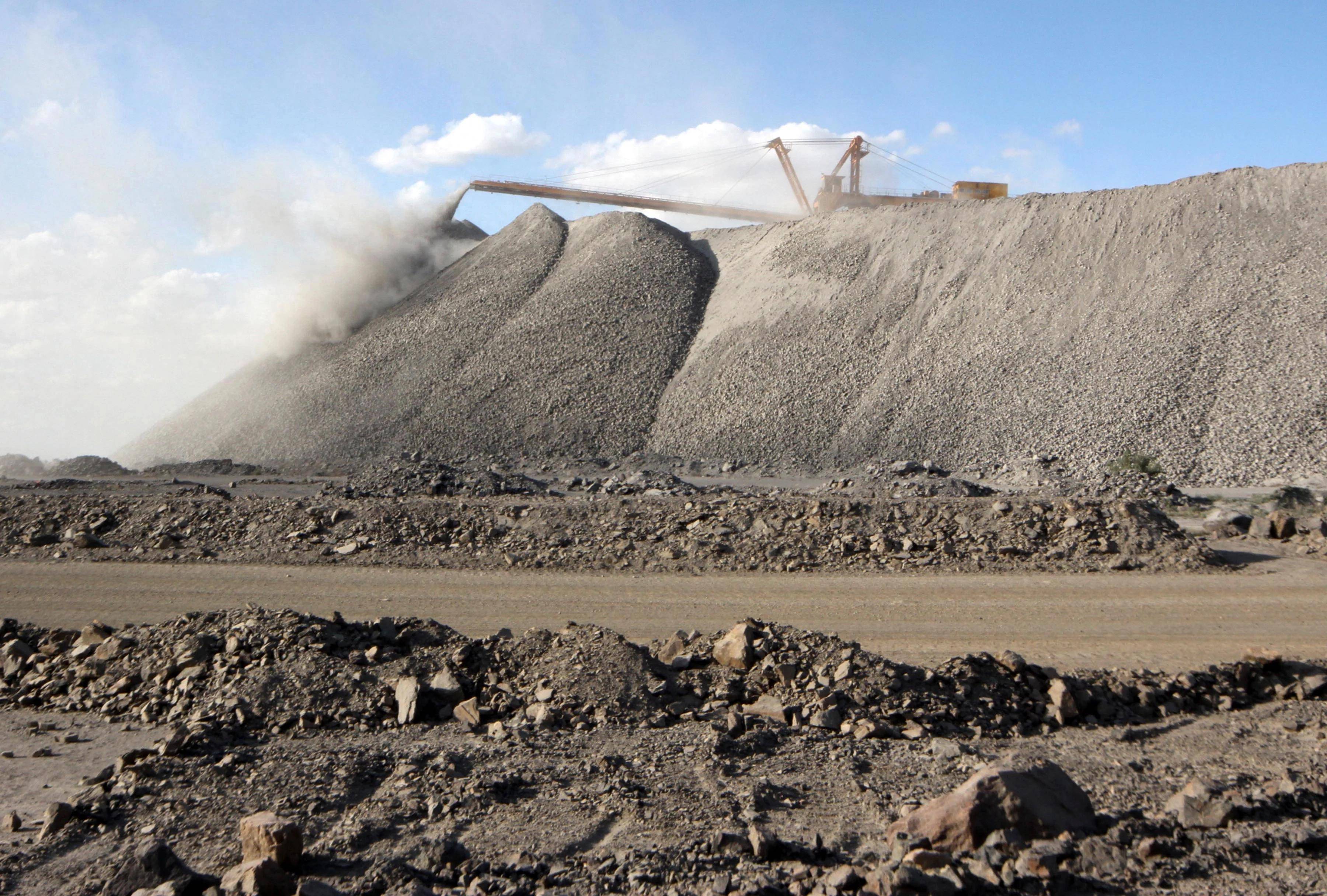
55国围堵中国稀土!70%产量被卡脖子,万斯喊破喉咙能成功吗?
Sou Hu Cai Jing· 2026-02-09 18:42
Core Viewpoint - The recent "Critical Minerals Ministerial Meeting" held in Washington, attended by representatives from 55 countries and the European Commission, aims to address the geopolitical leverage of critical minerals, particularly rare earths, which are predominantly controlled by China [1][3]. Group 1: Rare Earths Market Dynamics - China holds 38% of the world's rare earth reserves but accounts for 70% of global production, demonstrating its dominance in the sector [3]. - China possesses 90% of the global rare earth separation and purification capacity, making it essential for processing even the ores extracted from the largest U.S. rare earth mine [3]. - In 2023, China's rare earth exports increased by 12.3%, with 70% directed towards U.S. allies in Japan and Europe, highlighting the ongoing reliance on Chinese supplies [3]. Group 2: U.S. Response and Challenges - The U.S. proposed initiatives such as a "critical minerals preferential trade zone," setting reference price lines, and utilizing tariffs, alongside a $100 billion funding plan for allies [3][4]. - However, there are significant challenges, including the fact that U.S. allies like Australia heavily depend on China for rare earth exports, with 82% of Australia's rare earth exports going to China in 2023 [4]. - The U.S. faces a substantial technological gap in rare earth processing, with a Pentagon report indicating that rebuilding the entire supply chain could take at least 15 years and require over $500 billion, while only $2.3 billion has been allocated so far [4]. Group 3: Competitive Advantages of China - Chinese companies hold 90% of rare earth patents, making it difficult for U.S. military contractors to source materials without relying on Chinese suppliers [4]. - China maintains strict environmental standards in rare earth mining, having shut down 12 non-compliant mines in 2023, which could hinder U.S. efforts to restart high-pollution mines [4]. - China's investments in processing facilities in Africa and South America, such as holding 60% of a rare earth mine in the Democratic Republic of Congo, expand its influence and complicate U.S. attempts to bypass Chinese supply chains [4]. Group 4: Market Realities - Despite U.S. efforts to set price floors, rare earth prices fell by 40% in 2023, yet Chinese companies continue to profit due to lower processing costs, which are 58% cheaper than those in the U.S. [4]. - The global market for electric vehicles heavily relies on Chinese rare earth materials, with two out of three electric vehicles using Chinese components, underscoring the critical role of China's supply chain [4]. - The ongoing geopolitical maneuvering suggests that the U.S. may invest heavily without achieving significant changes in supply dynamics, as China remains a key player in the rare earth market [4].
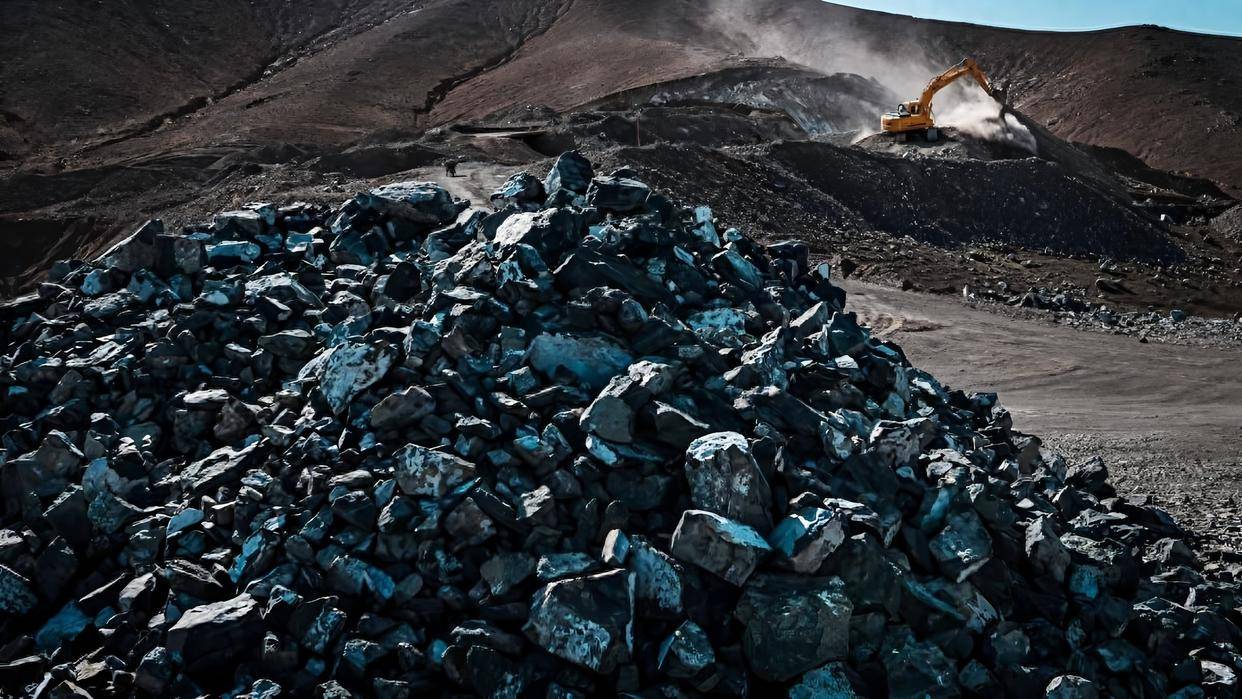
镨钕系价格大幅上涨,产业链盈利能力或提升
Xuan Gu Bao· 2026-02-09 15:23
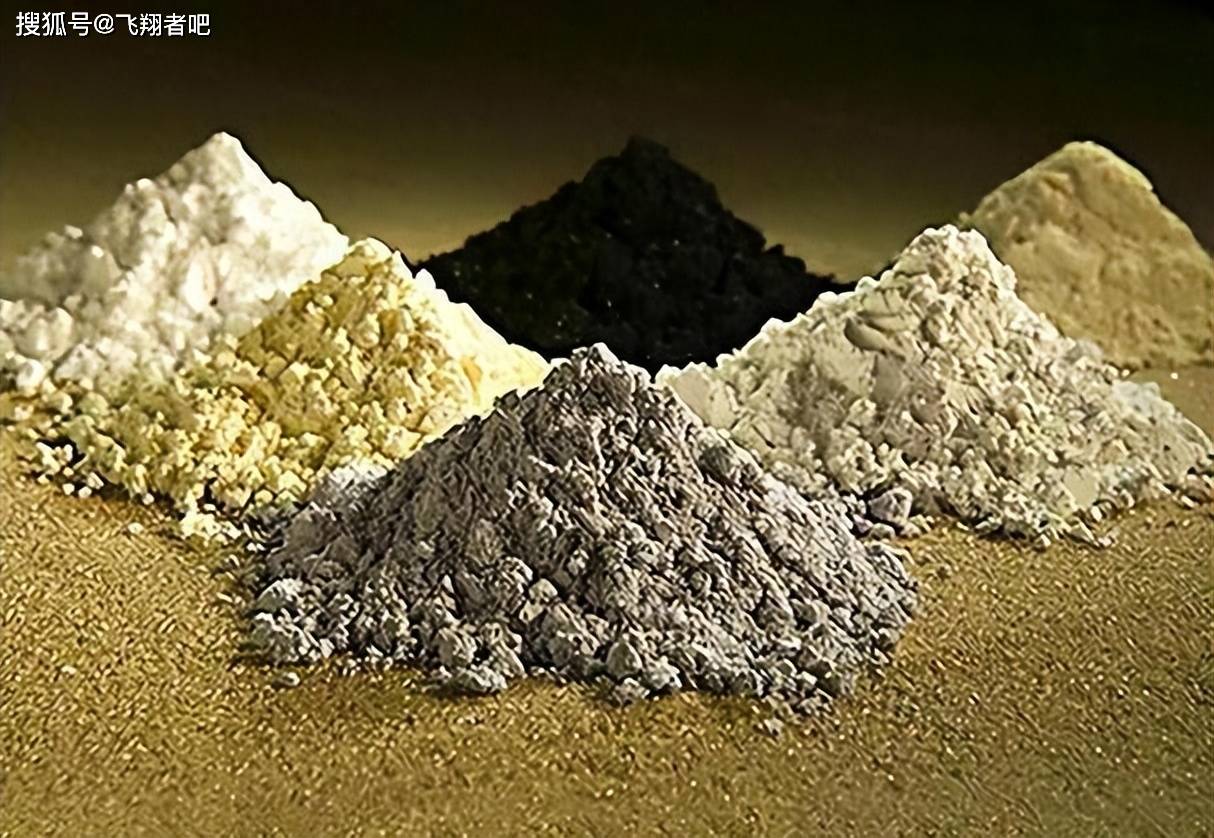
百川盈孚数据显示,稀土产品价格加速上涨。2月9日,氧化镨钕,金属镨钕分别大涨7.59%和6.27%。 氧化镨钕今年以来累计涨幅达34%。 研究机构认为,供应端方面,1月镨钕金属产量环比下降,原材料现货供应紧张导致部分区域减产,预 计2月份镨钕产量或进一步下降,稀土价格有望继续上涨。 全球稀土资源战略地位持续提升,稀土产业进入高质量发展阶段。供给层面,配额管制叠加管制政策, 刚性逻辑或持续加强;需求层面,新能源汽车,人形机器人和低空经济等新兴领域,有望成为需求长期 高速增长的核心驱动。 中国稀土:专注于稀土矿的开采加工和冶炼分离业务,正积极配合中国稀土集团开展解决同业竞争问题 的相关工作,择机开展并购重组。 中稀有色:拥有广东地区丰富的稀土资源,还布局钨,铜硫等多元产业。 *免责声明:文章内容仅供参考,不构成投资建议 *风险提示:股市有风险,入市需谨慎 机构预计2026年起全球稀土供需缺口或持续扩大,产业链盈利能力或提升。 公司方面,据上证报表示, ...
国内轻稀土价格上涨动能强劲,稀土ETF易方达(159715)助力低成本布局产业龙头
Mei Ri Jing Ji Xin Wen· 2026-02-09 07:53
Core Viewpoint - The rare earth industry is experiencing a significant price increase, with expectations for continued growth in 2026, driven by supply-demand dynamics and strategic value reassessment [1] Price Trends - As of February 6, the price of praseodymium-neodymium oxide reached 758,000 yuan/ton, a monthly increase of 24.9% and a year-on-year increase of 79.9% [1] - The price of heavy rare earth terbium oxide rose to 6,155 yuan/ton, with a monthly increase of 2.2% [1] Market Dynamics - There is a notable divergence between rare earth prices and stock prices, suggesting a potential return to fundamental pricing as market liquidity effects are digested [1] - Analysts predict that domestic rare earth prices will continue to rise, with the praseodymium-neodymium oxide price surpassing 700,000 yuan/ton [1] Supply and Demand Factors - The supply side is characterized by a separation of mining and smelting, with total quantity control and a slowdown in domestic production growth, lagging behind demand expansion [1] - Demand is being driven by rapid developments in industries such as robotics, low-altitude economy, and military applications [1] - High overseas smelting costs are also providing support for prices [1] Investment Perspective - The CSI Rare Earth Industry Index focuses on core segments of the rare earth industry chain, covering leading companies from mining and smelting to deep processing and downstream applications [1] - The E Fund Rare Earth ETF (159715) offers a low-cost investment tool with a management fee rate of only 0.15% per year for investors looking to enter the rare earth sector [1]


美国重拳反击中国稀土,韩国成“出头鸟”,55个国家一起上
Sou Hu Cai Jing· 2026-02-09 07:47
Core Viewpoint - The United States has formed a new alliance called FORGE with 54 countries, targeting China's dominance in rare earth minerals and aiming to regain pricing power over strategic resources [1][3]. Group 1: Alliance Formation and Objectives - The FORGE alliance includes 55 countries, with U.S. Secretary of State Rubio emphasizing the need to unify critical mineral policies and rebuild rules to regain pricing power over rare earths [3][5]. - South Korea, as the chair of the alliance, is significantly dependent on China for rare earths, relying on it for 90% of its supply, which raises questions about its strategic alignment with the U.S. [3][5]. Group 2: Economic Implications and Strategies - The U.S. plans to use the Inflation Reduction Act to provide mineral subsidies to countries willing to align with its directives, aiming to attract allies and restructure supply chains [7][8]. - The potential establishment of an international organization for minerals, akin to the IEA, indicates a strategic move to control the global mineral market [8][10]. Group 3: Competitive Landscape and Challenges - China currently holds 60% of global rare earth mining and 85% of refining, making it a formidable competitor due to its established processes and standards [10][12]. - The internal dynamics of FORGE may not be cohesive, with differing opinions among member countries regarding the approach to China, which could hinder the establishment of a unified pricing system [10][19]. Group 4: Future Projections and Market Dynamics - Projections suggest that the U.S. could capture 15% to 20% of the global market share from China if it invests significantly in domestic rare earth sources [12][15]. - Countries like Indonesia and Chile are likely to leverage the situation to increase taxes and prices on mineral exports, complicating the supply chain dynamics [17][19]. Group 5: Geopolitical Considerations - Countries such as India and South Africa are balancing their participation in FORGE while maintaining cooperative ties with China, indicating the complexity of geopolitical alliances in the mineral sector [19][21]. - The competition for control over early-stage pricing in the rare earth industry is crucial, as it will determine the future landscape of the entire supply chain [19][21].
稀土永磁板块走强,盛和资源涨停,北方稀土涨超6%
Ge Long Hui· 2026-02-09 05:45
Group 1 - The A-share market's rare earth permanent magnet sector showed strong performance on February 9, with several stocks reaching their daily limit up [1] - Shenghe Resources experienced a limit-up increase of 10.01%, while China Rare Earth and Northern Rare Earth both rose over 6% [2] - Other notable gainers included San Chuan Wisdom, Zhong Rare Metal, and Huahong Technology, all of which saw increases exceeding 6% [1][2] Group 2 - The total market capitalization of Shenghe Resources is 47.6 billion, with a year-to-date increase of 26.06% [2] - China Rare Earth has a market cap of 58.6 billion and a year-to-date increase of 18.88% [2] - Northern Rare Earth has a market cap of 193.3 billion and a year-to-date increase of 15.96% [2]


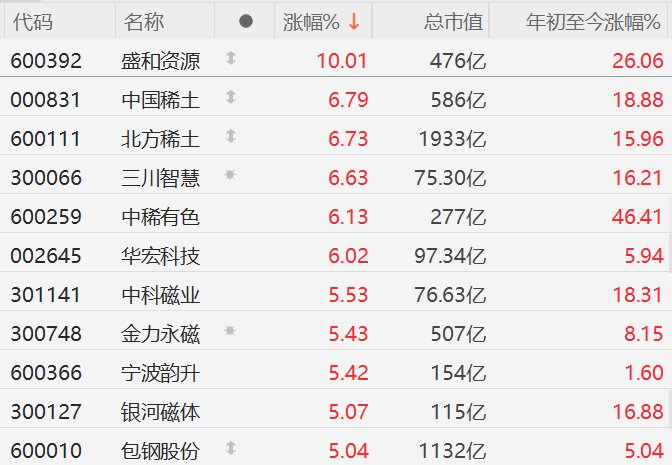
A股稀土永磁板块走强,盛和资源涨停,北方稀土涨超6%
Ge Long Hui A P P· 2026-02-09 05:41
Group 1 - The rare earth permanent magnet sector in the A-share market has shown strong performance, with several companies experiencing significant stock price increases [1] - Shenghe Resources reached the daily limit increase, while China Rare Earth, Northern Rare Earth, San Chuan Wisdom, and others saw gains exceeding 6% [1] - The overall market sentiment in the rare earth sector appears positive, indicating potential growth opportunities for investors [1] Group 2 - Shenghe Resources (code: 600392) increased by 10.01%, with a total market capitalization of 47.6 billion and a year-to-date increase of 26.06% [2] - China Rare Earth (code: 000831) rose by 6.79%, with a market cap of 58.6 billion and a year-to-date increase of 18.88% [2] - Northern Rare Earth (code: 600111) saw a 6.73% increase, with a market capitalization of 193.3 billion and a year-to-date increase of 15.96% [2] - Other notable companies include San Chuan Wisdom (6.63% increase), China Rare Metals (6.13% increase), and Huahong Technology (6.02% increase), all showing strong year-to-date performance [2]
中国稀土2月6日获融资买入1.10亿元,融资余额23.05亿元
Xin Lang Cai Jing· 2026-02-09 05:22
Core Viewpoint - China Rare Earth's stock price increased by 1.35% on February 6, with a trading volume of 1.45 billion yuan, indicating a positive market sentiment towards the company [1]. Financing and Trading Data - On February 6, China Rare Earth had a financing buy amount of 110 million yuan and a financing repayment of 137 million yuan, resulting in a net financing outflow of 26.7 million yuan [1]. - The total financing and securities lending balance for China Rare Earth reached 2.313 billion yuan, with the financing balance of 2.305 billion yuan accounting for 4.20% of the circulating market value, which is above the 70th percentile of the past year [1]. - In terms of securities lending, 27,900 shares were repaid while 25,600 shares were sold, with a selling amount of 1.3235 million yuan calculated at the closing price [1]. Company Overview - China Rare Earth Group Resources Technology Co., Ltd. was established on June 17, 1998, and listed on September 11, 1998. The company is located in Jiangxi Province and specializes in rare earth smelting, separation, and technology research and services [1]. - The main revenue composition of the company includes rare earth oxides (63.51%), rare earth metals and alloys (35.95%), with other services contributing 0.35% and technology service income at 0.18% [1]. Shareholder and Financial Performance - As of January 30, the number of shareholders for China Rare Earth was 191,400, a decrease of 2.19%, while the average circulating shares per person increased by 2.24% to 5,544 shares [2]. - For the period from January to September 2025, China Rare Earth reported a revenue of 2.494 billion yuan, representing a year-on-year growth of 27.73%, and a net profit attributable to shareholders of 192 million yuan, which is a significant increase of 194.67% [2]. Dividend and Institutional Holdings - Since its A-share listing, China Rare Earth has distributed a total of 346 million yuan in dividends, with 124 million yuan distributed over the past three years [3]. - As of September 30, 2025, the top ten circulating shareholders included Hong Kong Central Clearing Limited as the fourth largest shareholder with 29.0694 million shares, an increase of 9.4669 million shares from the previous period [3].
央国企动态系列报告之57:顶层设计确定高质量发展蓝图,系统化布局夯实安全基础
CMS· 2026-02-09 03:08
Group 1: Development Goals and Framework - The State-owned Assets Supervision and Administration Commission (SASAC) has set the annual development goals centered on "two guarantees and two strives" for 2026, marking a shift towards quality and efficiency in state-owned enterprises (SOEs) [4] - The total assets of central enterprises have surpassed 95 trillion yuan, with R&D investment exceeding 1 trillion yuan for four consecutive years, indicating a focus on quality-driven growth [8] - The framework aims to guide state capital towards strategic security, public welfare, and emerging industries, providing a clear action plan for reform and development [4] Group 2: Industry Integration and Collaboration - In 2025, the restructuring of central enterprises will follow a dual-track approach, focusing on strategic formation of new central enterprises and multi-field professional integration [13] - The establishment of new central enterprises, such as China Yajiang Group and China Chang'an Automobile Group, aims to serve national macro strategies and enhance industry collaboration [14] - A total of 17 units signed agreements in key areas like artificial intelligence and new materials, creating a multi-party collaborative model involving central enterprises, private enterprises, and local governments [16] Group 3: Capital Investment and Fund Management - The total scale of the China Chengtong fund system reached 710 billion yuan, with 97.99% allocated to strategic emerging industries, demonstrating a strong focus on high-tech sectors [18] - The National Investment Group manages 61 funds with a total scale of 345.1 billion yuan, having invested in 1,249 projects and facilitated 293 companies going public [20] - The investment strategy emphasizes long-term support for innovative enterprises, with over two-thirds of funds directed towards private enterprises [20] Group 4: Resource Integration and Security - Central enterprises are undergoing intensive integration in key mineral sectors, such as iron ore and rare earths, to enhance resource control and pricing power [24] - The integration aims to create a closed-loop industry chain, improving domestic supply security and reducing reliance on imports [25] - This strategic move is seen as a vital step in ensuring national resource security and enhancing the global influence of China's mineral resources [24]



特朗普拉11国搞联盟,想断中国稀土后路,机会有多大?
Sou Hu Cai Jing· 2026-02-09 02:08
Core Viewpoint - The "Strategic Critical Minerals Reserve Plan," initiated by President Trump, aims to assist U.S. manufacturing in mitigating supply shocks and reducing dependence on Chinese rare earths and critical metals, with a budget of $12 billion [1] Group 1: Plan Overview - The plan, referred to as the "Treasury Plan," consists of $2 billion in private capital and $10 billion in loans from the U.S. Export-Import Bank, specifically for U.S. manufacturers to procure and store rare earth minerals [1] - The initiative is seen as a blend of national security and industrial policy, allowing companies to avoid the financial burden of inventory risks by having the government back their stockpiling efforts [4] Group 2: Challenges and Limitations - The first major challenge is that stockpiling can only buffer against supply shocks but cannot replace supply chains, as rare earths have significant performance differences based on their source and processing methods, making them less interchangeable than oil [4] - The second challenge is the complexity and high costs associated with mineral storage, which can lead to issues such as warehousing and quality degradation as scale increases [7] - The third challenge is the inherent short-sightedness of private capital involvement, as investors seek stable returns while mineral projects typically have long cycles and high risks, leading to potential withdrawal of funding [8] Group 3: Alliance and Policy Issues - The plan may face structural flaws in its alliance-building approach, as U.S. allies have differing priorities, with countries like Australia and Canada focused on profit, while the EU aims to maintain industry stability, and Japan and South Korea seek reliable supply [8] - U.S. policy cycles are often short, typically aligned with presidential terms, which can create uncertainty for long-term projects that require a decade or more to develop, making allies and investors wary of potential policy shifts [9] - Ultimately, the "Treasury Plan" is viewed as a political maneuver rather than a viable solution to reduce reliance on Chinese critical minerals, as it fails to respect industry realities and underestimates the robustness of China's supply chain [11]