
ZGXT(000831)

Search documents
A股稀土永磁概念股集体走强:包钢股份、北方稀土、中色股份涨停
Ge Long Hui· 2026-02-25 03:14
Core Viewpoint - The rare earth permanent magnet concept stocks in the A-share market have collectively strengthened, indicating a positive trend in this sector [1] Group 1: Stock Performance - San Chuan Wisdom increased by 13% [1] - Baogang Co., Northern Rare Earth, and China Minmetals all hit the daily limit with a 10% increase [1] - Zhong Rare Earth and Xiamen Tungsten rose over 8% [1] - Jinli Permanent Magnet, Zhongkuang Resources, Zhengguang Co., Shenghe Resources, and Jiuling Technology all increased by over 7% [1] - China Rare Earth saw an increase of over 6% [1] - Zhenghai Magnetic Materials, China Aluminum, Huaxin Environmental Protection, Oriental Zirconium, and Zhongke Magnetic Materials all rose by over 5% [1]



重稀土价格显著上涨!有色金属 ETF 天弘(159157)标的指数涨超4.6%,连续7日吸金,近10日资金净流入超10.67亿元
Ge Long Hui A P P· 2026-02-25 02:53
Group 1 - The cyclical sectors in A-shares continue to strengthen, with Xiyie Co. hitting the daily limit, and rare earth permanent magnet concepts rising, leading to Northern Rare Earth increasing by over 9% and China Rare Earth by over 5% [1] - The Tianhong ETF (159157) focused on non-ferrous metals has seen continuous net inflows, accumulating over 1.067 billion yuan in the last 10 days, with a current scale of 2.159 billion yuan [1] - The Tianhong ETF primarily targets industrial metals, with copper, aluminum, and rare earths making up nearly 70% of its portfolio, including leading companies like Luoyang Molybdenum, Northern Rare Earth, and China Aluminum [1] Group 2 - Heavy rare earth prices have significantly increased, with Yttrium reaching 850 USD/kg and Dysprosium at 1100 USD/kg, marking the highest levels since 2015 due to ongoing supply concerns [1] - London base metals saw a broad increase, with Citigroup optimistic about copper prices, predicting they will reach 14,000 USD per ton in the next three months, while JPMorgan forecasts an average aluminum price of 3,200 USD per ton by Q2 2026 [1]
稀土指数盘中涨2%,成分股普遍上扬
Mei Ri Jing Ji Xin Wen· 2026-02-25 01:58
Core Viewpoint - The rare earth index experienced a 2% increase during intraday trading, with constituent stocks generally rising. Group 1: Rare Earth Index Performance - The rare earth index rose by 2% during intraday trading [1] - Notable stock performances include: - Northern Rare Earth increased by 3.28% [1] - Shenghe Resources rose by 2.92% [1] - China Rare Earth Holdings saw a rise of 1.78% [1] - Huahong Technology increased by 1.59% [1] - Zhongcai Rare Metals rose by 1.87% [1]


有色金属行业周报:小金属双周报:继续看多稀土、钨板块,锡价或迎拐点
SINOLINK SECURITIES· 2026-02-23 10:45
Investment Rating - The report indicates a positive outlook for the small metals sector, with the Shenyin Wanguo Small Metals Index rising by 3.25% during the period, outperforming both the Shenwan Nonferrous Index and the CSI 300 Index by 10.21 percentage points and 4.23 percentage points, respectively [2][13]. Core Insights - The report highlights that the prices of rare earth elements have reached new highs, driven by supply-side reforms and increasing overseas inventory demand. The prices for praseodymium and neodymium oxide rose by 13.51%, dysprosium oxide by 9.02%, and terbium oxide by 5.90% [3][18][19]. - Tin prices have shown volatility, with a decrease of 10.74% in the current period. The potential ban on tin raw material exports from Indonesia may create significant replenishment demand for tin processing companies, positively impacting tin prices in the long term [4][28]. - Tungsten prices have increased significantly, with tungsten concentrate rising by 15.99% and ammonium paratungstate by 15.11%. The report suggests that the strategic reserve initiatives in the U.S. may elevate tungsten's priority in global markets [4][40]. - Antimony prices have shown a slight increase, with antimony ingot prices up by 0.62% and antimony concentrate by 2.13%. The report anticipates a recovery in exports, which could lead to a price rebound [5][47]. - Molybdenum prices have stabilized, with molybdenum concentrate prices increasing by 2.97% and ferromolybdenum by 3.33%. The report notes that low inventory levels and increased defense spending may support further price increases [6][51]. Summary by Sections 1. Stock Market and Commodity Price Performance - The Shenyin Wanguo Small Metals Index closed at 39,286.62 points, reflecting a 3.25% increase [2][13]. - Commodity prices for rare earths, tungsten, and molybdenum have shown upward trends, while tin prices have decreased [16]. 2. Main Product Fundamentals and Insights 2.1 Rare Earths - The report emphasizes the ongoing supply-side reforms and the rising prices of rare earths, with significant export demand expected to continue [3][18][19]. 2.2 Tin - The potential export ban from Indonesia could lead to increased demand for tin processing, positively affecting prices in the long run [4][28]. 2.3 Tungsten - The report highlights the strategic importance of tungsten in global markets, with prices rising significantly due to supply constraints and increased military spending [4][40]. 2.4 Antimony - Antimony prices are expected to recover as export conditions improve, with a focus on high-growth resource companies [5][47]. 2.5 Molybdenum - Molybdenum prices are projected to rise due to low inventory levels and increased demand from the defense sector [6][51].


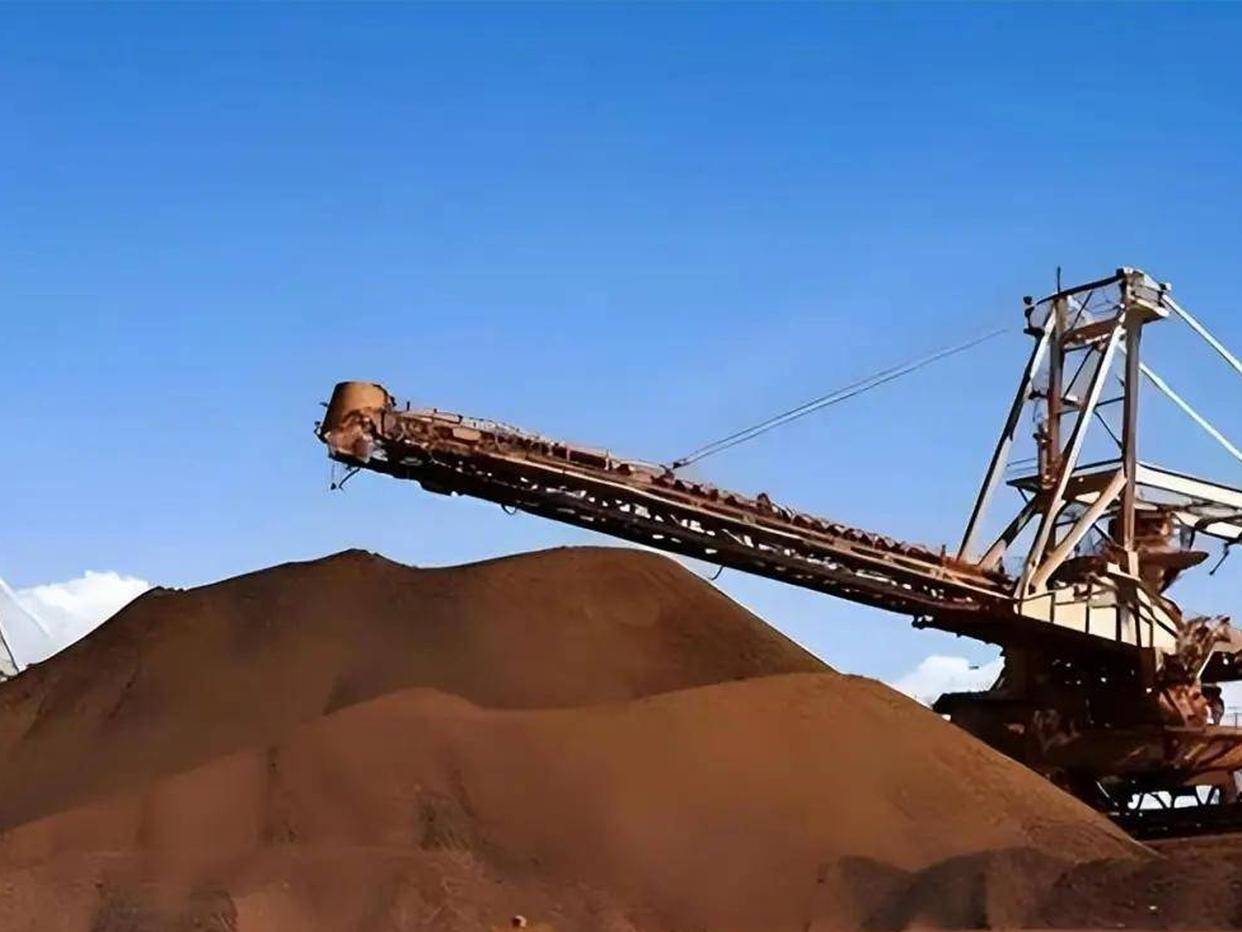
2026年中国稀土回收产业链及现状洞察:政策持续规范,资源综合利用技术攻关推进[图]
Chan Ye Xin Xi Wang· 2026-02-21 01:21
Core Insights - The core viewpoint of the article emphasizes the growth potential of the rare earth recycling market in China, driven by policy support and increasing downstream demand in sectors like new energy and military applications. The market size is projected to reach 4.549 billion yuan in 2024 [1][12][13]. Group 1: Overview of Rare Earth Recycling Industry - Rare earth elements include 17 types, such as Lanthanum (La), Cerium (Ce), and Neodymium (Nd). Rare earth recycling involves the efficient and environmentally friendly reuse of waste rare earth resources through processes like smelting, separation, and purification [2][3]. - The recycling process is categorized into three types: industrial production waste recovery, end-of-life product recovery (e.g., electronic waste), and social circulation waste recovery [2][3]. Group 2: Recycling Rate and Purity - The main recycling technologies are hydrometallurgical and pyrometallurgical processes. China's hydrometallurgical methods achieve a recycling rate of over 95%, although they face challenges like low value of by-products and high costs for some techniques [4]. - Pyrometallurgical methods are environmentally friendly and efficient but have lower overall recycling rates and higher costs for large-scale application [4]. Group 3: Policy Background - China's policies focus on enhancing resource recycling and industrial safety. The State Council's "Rare Earth Management Regulations" encourages comprehensive utilization of secondary rare earth resources and promotes high-end, intelligent, and green development [6][7]. - Local policies, such as those from Jiangxi and Guizhou provinces, aim to improve the comprehensive utilization of rare earth resources and address solid waste treatment technologies [6][7]. Group 4: Industry Chain - The upstream of the rare earth recycling industry includes mining, smelting, and waste materials from consumer electronics and electric motors. The midstream involves the production and processing of rare earth permanent materials, generating about 30% waste during production [8][9]. - The downstream market is divided into traditional applications (consumer electronics and basic industries) and emerging fields (new energy and environmental protection), showcasing the broad application value of rare earth materials [8][9]. Group 5: Current Development Status - China's rare earth recycling supply is expanding due to policies promoting resource recycling, increased waste generation from industrial production, and rising demand for end-of-life product recovery [10][11]. - In 2024, the total rare earth recycling volume is expected to reach 46,900 tons, with production waste recovery being the main contributor [10][11]. Group 6: Competitive Landscape - The rare earth recycling industry in China is still developing, with major companies concentrated in Jiangxi province. There are over 30 companies, but only a few have significant production capacity [14]. - Major players include Xintai Technology, Zhongxi Tianma, and Yinhai New Materials, with Jiangxi province accounting for 67% of the recycling output [14]. Group 7: Development Trends - The industry is moving towards waste-free, low-energy, and high-selectivity technologies, replacing traditional methods. New extraction technologies are enhancing recycling rates and reducing wastewater discharge [17]. - The trend includes the direct regeneration of waste permanent magnets into high-performance magnets, supported by AI sorting, blockchain traceability, and digital twin technologies to create a centralized and traceable recycling network [17].


中国稀土遭印度企业转手美企,严打失信行为,全球市场受冲击
Sou Hu Cai Jing· 2026-02-16 21:56
Core Viewpoint - The global rare earth market is experiencing significant turmoil due to a breach of contract by an Indian mining company, which has led to a disruption in the supply chain and the unexpected diversion of high-purity rare earth materials for military use instead of civilian electric vehicle manufacturing [1][10]. Group 1: Incident Overview - A batch of high-purity rare earth materials intended for export to an Indian mining company was not delivered as planned due to the company's defaulting behavior [1]. - The Indian mining company presented itself as professional and trustworthy, submitting detailed procurement documents and signing commitments against military use, which ultimately proved to be misleading [3]. - The rare earth materials were secretly diverted into India's military industry and underwent "laundering" operations through Malaysia and Vietnam before reaching the U.S. defense contractor Raytheon [5]. Group 2: China's Response - China utilized advanced tracking technology to uncover the diversion of rare earth materials, leading to the Indian mining company being placed on an "unreliable entity list" and halting all strategic resource transactions with them [7]. - China has also issued high-risk warnings regarding rare earth orders transiting through India and tightened controls on technology exports, including refining technologies and equipment [9]. Group 3: Global Supply Chain Impact - The incident has shaken the global supply chain, prompting Western companies like Volkswagen and General Motors to seek to mend trade relations with China [10]. - In contrast, compliant Japanese and South Korean companies have benefited from increased orders and a "green channel" for trade with China [10]. - The U.S. finds itself in a contradictory position, publicly advocating for "decoupling from China" while needing to submit end-use guarantees to China and undergo regular checks [12]. Group 4: Broader Implications - The situation highlights the complex reality of global strategic resource supply, emphasizing that supply chain security is not only an economic issue but also a matter of national security [14]. - The event underscores the necessity for enhanced regulatory measures and the responsibility of major powers in the strategic resource sector [16].
中国稀土有多牛?即便G7联手围攻,关键技术西方终究难以突破
Sou Hu Cai Jing· 2026-02-16 01:18
Core Viewpoint - The joint efforts of seven countries to reduce reliance on Chinese rare earth imports are seen as a political show rather than a viable strategy to disrupt China's dominance in the rare earth sector [1][26]. Group 1: Reasons for the Coalition - The urgency of the coalition stems from the anxiety of these countries, particularly after China's export restrictions led to supply shortages impacting critical industries like semiconductors and automotive manufacturing [3][5]. - The European Union relies on China for 98% of its critical rare earth needs, while the U.S. is dependent on China for 80%, highlighting a significant dilemma for these nations [3][5]. Group 2: Limitations of the Coalition's Strategy - The coalition's strategy to involve countries like Australia and India to restructure the global rare earth supply chain is fundamentally flawed, as these nations face significant challenges in scaling up production and processing capabilities [7][10]. - Australia's rare earth reserves are substantial, but its production costs are over 30% higher than China's, making it difficult to fully replace Chinese supplies [10][12]. - India's rare earth extraction technology is outdated, relying heavily on manual labor, which results in inefficiencies and high waste [12][14]. Group 3: China's Competitive Advantages - China holds 70% of the world's rare earth resources and dominates 90% of the processing capacity, making it nearly impossible for other countries to compete without significant investment and time [18][20]. - The complex processing required to convert rare earth ores into usable industrial materials is a core technology that China has monopolized, further solidifying its position in the market [20][22]. - Establishing an independent rare earth supply chain in other countries could take 8 to 12 years and require investments of hundreds of billions, with no guarantee of success [22][28]. Group 4: Historical Context and Future Outlook - Historical precedents show that previous attempts to limit China's rare earth exports led to price surges and forced countries back to the negotiation table [26][30]. - The global economic integration means that supply chains cannot be easily replaced, and China's decades of investment in the rare earth sector have created a robust competitive edge that is unlikely to be undermined by the coalition's efforts [28][30].
美国可以靠AI打破中国稀土主导权?“极不现实”
Guan Cha Zhe Wang· 2026-02-15 12:48
Core Viewpoint - The United States is eager to break China's dominance in critical mineral sectors, particularly in rare earths, and is exploring the use of AI and quantum computing to develop alternative materials, aiming to reduce geopolitical risks in supply chains [1][2]. Group 1: AI and Quantum Computing Potential - AI and quantum computing are proposed as "dual engines" that could help design alloys using abundant materials, potentially shortening the time required to obtain critical materials from 10-20 years to just a few years [2]. - Current AI technology is not yet capable of delivering substantial results in mining and materials, and many ideas surrounding these technologies are seen as hype rather than practical solutions [2][4]. Group 2: China's Competitive Advantage - China has invested heavily in AI, advanced computing, and materials science, maintaining a significant lead in innovation speed and capabilities in creating new materials [2][5]. - The complete industrial ecosystem that China has built over decades makes it unrealistic for the U.S. to challenge China's position in the short term [5]. Group 3: Challenges in Material Development - Transitioning from alloy design to commercial-scale production is a lengthy process, and historical trends suggest that attempts to reduce reliance on one material often lead to increased dependence on another [4]. - Even if the U.S. successfully designs new materials in laboratories, challenges such as material stability, scalability, and cost control must be addressed before industrial application can occur [5].
英媒刊文:想摆脱对中国稀土依赖?美国当不了带头大哥
Guan Cha Zhe Wang· 2026-02-13 09:38
Core Viewpoint - The article discusses the United States' attempt to counter China's dominance in critical minerals through international cooperation and trade measures, highlighting skepticism about the effectiveness of this strategy [1][3]. Group 1: U.S. Strategy and International Cooperation - The U.S. has recognized its inability to independently challenge China's position in the critical minerals sector and is now seeking to form alliances with other countries to establish pricing power [1][3]. - A recent meeting led by U.S. Vice President Vance included representatives from 54 countries and the EU, aiming to set price floors and impose "adjustment tariffs" to maintain Western control over critical mineral pricing [1][3]. Group 2: Criticism of U.S. Approach - Critics argue that the U.S.-led alliance lacks credibility and is primarily designed to benefit American companies, with many non-critical minerals included in the funding list [3][4]. - The article points out that the U.S. lacks significant rare earth deposits, which undermines its ability to lead a successful international coalition against China [3][4]. Group 3: Long-term Challenges - Competing with China in the critical minerals market requires building extraction and refining capabilities, as well as providing long-term price guarantees to non-Chinese producers, which are long-term projects that could take at least a decade [3][4]. - The article emphasizes that trust in the U.S. government and its political system is essential for other countries to commit to this alliance, which is currently in doubt [3][4].
中国稀土跌4.35%,成交额19.02亿元,近3日主力净流入2.20亿
Xin Lang Cai Jing· 2026-02-13 08:19
Core Viewpoint - The Chinese rare earth market experienced a decline of 4.35% on February 13, with a trading volume of 1.902 billion yuan and a market capitalization of 59.237 billion yuan [1] Company Overview - The company primarily engages in the production and operation of rare earth oxides and provides rare earth technology research and consulting services [2][8] - The main products include high-purity rare earth oxides, with over 80% of products having a purity greater than 99.99%, and some reaching 99.9999% [2] - The company is controlled by the State-owned Assets Supervision and Administration Commission of the State Council, categorizing it as a state-owned enterprise [3][4] Financial Performance - For the period from January to September 2025, the company achieved a revenue of 2.494 billion yuan, representing a year-on-year growth of 27.73%, and a net profit attributable to shareholders of 192 million yuan, up 194.67% year-on-year [8] - Cumulative cash dividends since the company's A-share listing amount to 346 million yuan, with 124 million yuan distributed over the past three years [9] Shareholder Structure - As of September 30, 2025, the top ten circulating shareholders include Hong Kong Central Clearing Limited and Southern CSI 500 ETF, with notable changes in shareholding [10] - The number of shareholders decreased to 191,400, while the average circulating shares per person increased by 2.24% [8]