AstraZeneca(AZN)

Search documents
加科思:与阿斯利康就泛KRAS抑制剂JAB-23E73订立许可及合作协议
Cai Jing Wang· 2025-12-22 02:36
Core Viewpoint - The announcement highlights a licensing and collaboration agreement between the company and AstraZeneca regarding the pan-KRAS inhibitor JAB-23E73, which is expected to enhance the company's global cooperation network and maximize the scientific and commercial value of its technology platform [1]. Group 1: Agreement Details - The company will receive an upfront payment of $100 million from AstraZeneca and is eligible for additional milestone payments totaling up to $1.915 billion upon achieving various development, regulatory, and commercial milestones [1]. - AstraZeneca will obtain exclusive rights to research, develop, register, manufacture, and commercialize JAB-23E73 globally, excluding China (including Hong Kong, Macau, and Taiwan) [1]. - The company is required to provide necessary technology transfer, data, and reasonable assistance to AstraZeneca [1]. Group 2: Responsibilities and Costs - AstraZeneca will be responsible for the main activities and costs related to development, regulatory affairs, and commercialization in its regions, while activities and costs in China will be jointly borne by both parties [1]. - The board believes that this agreement aligns with the overall best interests of the company and its shareholders [1].

医药周报20251221:In Vivo CAR-T国内外进展大梳理
Xin Lang Cai Jing· 2025-12-22 01:20
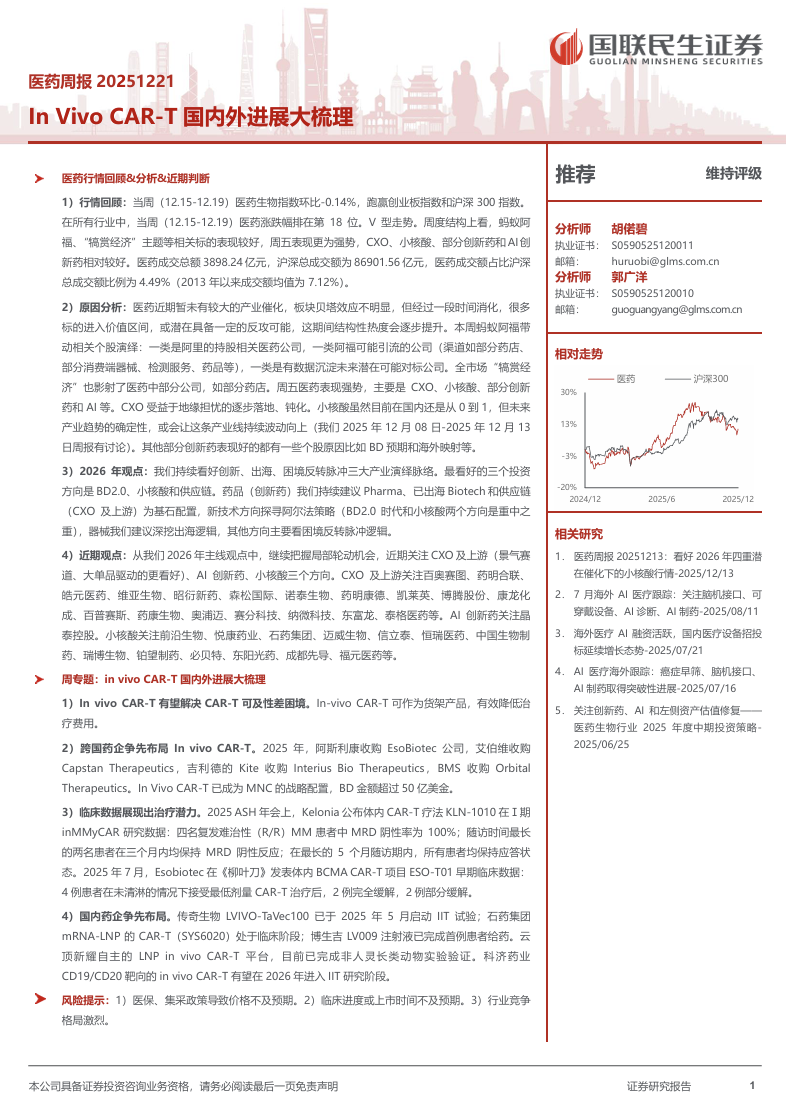
Group 1: Market Overview - The pharmaceutical and biotechnology index decreased by 0.14% from December 15 to December 19, outperforming the ChiNext and CSI 300 indices [1][23] - The total trading volume in the pharmaceutical sector was 389.82 billion yuan, accounting for 4.49% of the total trading volume in the Shanghai and Shenzhen markets, which is below the average of 7.12% since 2013 [1][38] - The pharmaceutical sector ranked 18th in terms of weekly performance among all industries during the same period [1][25] Group 2: Sector Analysis - The recent lack of significant industrial catalysts has led to a muted beta effect in the sector, but many stocks have entered a value range, indicating potential for a rebound [2][59] - The "reward economy" theme has positively influenced certain pharmaceutical companies, particularly those linked to Ant Group and related retail channels [2][59] - Strong performance was noted in CXO, small nucleic acids, and certain innovative drugs, driven by specific stock factors such as BD expectations and overseas mapping [2][59] Group 3: In Vivo CAR-T Developments - In vivo CAR-T technology is expected to address the accessibility issues of CAR-T therapies, potentially lowering treatment costs and making it available as a shelf product [4][12] - Major pharmaceutical companies are actively investing in in vivo CAR-T, with business development (BD) transactions exceeding 5 billion USD, indicating its strategic importance [4][16] - Clinical data presented at the 2025 ASH meeting showed promising results for in vivo CAR-T therapies, with high rates of minimal residual disease (MRD) negativity in patients [4][19] Group 4: Future Outlook - The company maintains a positive outlook on innovation, international expansion, and turnaround opportunities in the pharmaceutical sector, focusing on BD 2.0, small nucleic acids, and supply chains as key investment areas [3][22] - The upcoming 2026 potential catalysts include the publication of the commercial insurance innovation drug directory and the commercialization of targeted CAR-T therapies [21][22] - Domestic companies are rapidly advancing in the in vivo CAR-T space, with several candidates in early clinical stages, indicating a growing competitive landscape [22][22]


阿斯利康入局,Pan-KRAS抑制剂技术路线之争开始逆转
Zhi Tong Cai Jing· 2025-12-22 00:53
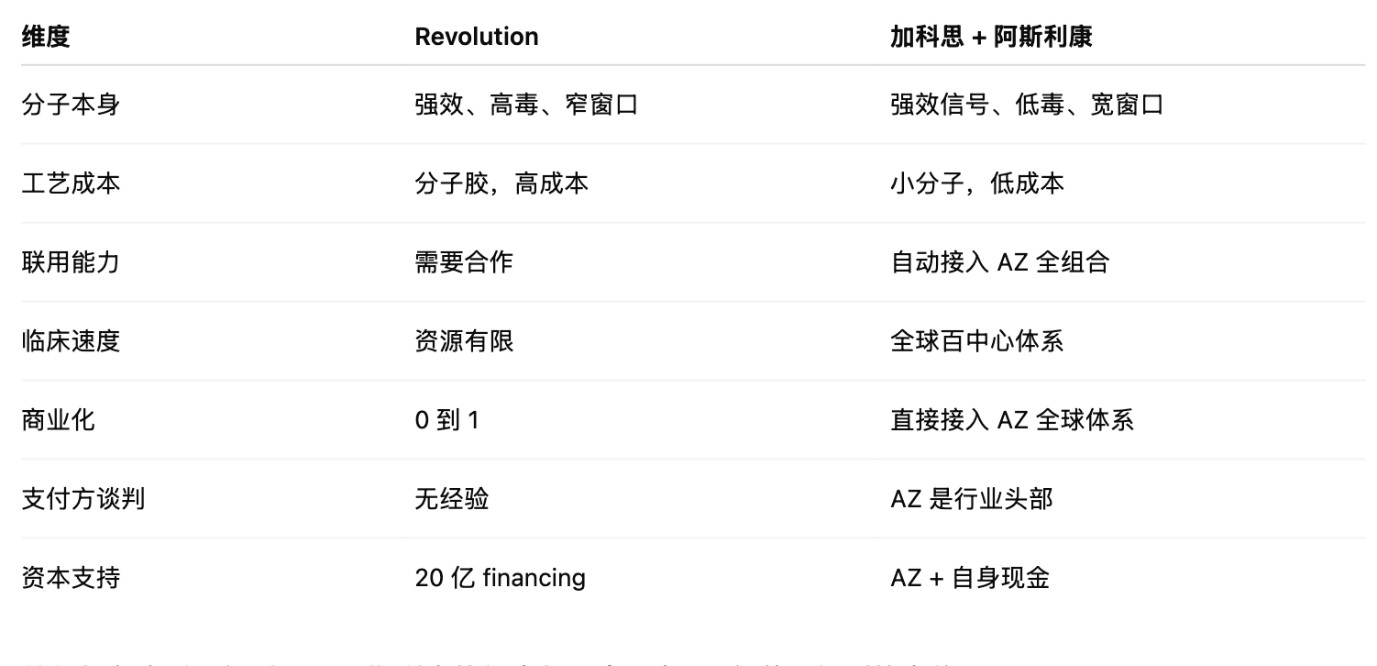
Core Viewpoint - The competition in the KRAS inhibitor space has shifted from a molecular comparison between Revolution Medicines' RMC-6236 and Adagene's JAB-23E73 to a broader corporate competition between AstraZeneca and Revolution Medicines [2][3]. Group 1: Molecular Comparison - RMC-6236 targets KRAS, HRAS, and NRAS but has significant toxicity issues, with a nearly 90% incidence of rash and 34% of patients experiencing grade 3 or higher treatment-related adverse events (TRAE) in a second-line setting [3][4]. - In contrast, JAB-23E73, still in early development, has shown a cleaner safety profile with no observed dose-limiting toxicities and only grade 1 skin toxicity reported [3][4]. - AstraZeneca's acquisition of JAB-23E73 enhances its potential in combination therapies, as a safer molecule is more likely to succeed in the competitive KRAS landscape [3][6]. Group 2: AstraZeneca's Strategic Position - AstraZeneca has been searching for a KRAS inhibitor for over a decade, previously attempting to develop other KRAS inhibitors that did not progress [5]. - The acquisition of JAB-23E73 fills a critical gap in AstraZeneca's oncology pipeline, positioning it to leverage its extensive resources for clinical development and commercialization [5][6]. - AstraZeneca's goal is to establish JAB-23E73 as a foundational treatment in combination therapies, requiring a broad safety window to withstand the toxicity of various treatment combinations [5][6]. Group 3: Resource Competition - The competition is not just about molecular efficacy but also about the resources available for clinical development, with AstraZeneca having significant financial and operational advantages over Revolution Medicines [7][8]. - AstraZeneca's established global clinical network allows it to conduct multiple phase III trials simultaneously, a capability that Revolution Medicines lacks due to its smaller scale [8][9]. - The financial disparity is stark, with AstraZeneca's revenue exceeding $50 billion and a strong growth trajectory in oncology, while Revolution Medicines has limited cash reserves [7][9]. Group 4: Manufacturing and Cost Considerations - RMC-6236's complex synthesis and high production costs pose challenges for commercialization, potentially leading to pricing pressures and supply chain risks [10]. - JAB-23E73, being a traditional small molecule, offers lower production costs and greater scalability, making it more suitable for widespread use [10]. Group 5: Market Valuation Discrepancies - The market currently values Revolution Medicines at approximately $15 billion, while Adagene's valuation is around HKD 7 billion, reflecting a significant disparity in perceived value [12]. - This valuation gap may stem from outdated perceptions, as the integration of JAB-23E73 into AstraZeneca's portfolio transforms its value proposition from a standalone molecule to a critical component of a larger therapeutic strategy [12]. Group 6: Future Implications - The true value of a drug target like KRAS lies not in the first successful inhibitor but in the ability to establish it as a standard treatment [13][14]. - The collaboration between Adagene and AstraZeneca could lead to significant advancements in cancer treatment, potentially impacting a large patient population and marking a milestone in cancer therapy [15].
阿斯利康与加科思药业就泛KRAS抑制剂JAB-23E73达成全球独家许可协议
Xin Lang Cai Jing· 2025-12-22 00:51
Core Viewpoint - AstraZeneca and Gossamer Bio have entered into a global exclusive licensing agreement for the KRAS inhibitor JAB-23E73, with AstraZeneca obtaining exclusive rights for development and commercialization outside of China, while Gossamer will collaborate with AstraZeneca for the product in the Chinese market [1] Group 1 - AstraZeneca will pay Gossamer Bio an upfront payment of $100 million [1] - Gossamer Bio is eligible for up to $1.915 billion in additional milestone payments related to development and commercialization [1] - AstraZeneca will be responsible for all clinical development, regulatory submissions, and commercialization activities for JAB-23E73 outside of China [1]
创新药周报:礼来口服SERD imlunestrant III期数据更新-20251221
Huachuang Securities· 2025-12-21 13:23
Investment Rating - The report does not explicitly state an investment rating for the industry or specific companies involved in the development of oral SERDs for breast cancer treatment. Core Insights - The report highlights the recent FDA approval of Imlunestrant, an oral SERD developed by Eli Lilly, for the treatment of ER+/HER2–/ESR1 mutant advanced or metastatic breast cancer, marking it as the second oral SERD approved after Elacestrant [18][19] - The EMBER-3 trial results indicate that Imlunestrant significantly improves progression-free survival (PFS) compared to standard endocrine therapy, with a median PFS of 5.5 months versus 3.8 months for standard therapy [23] - Giredestrant, developed by Roche, has shown positive results in the III phase evERA trial, demonstrating significant benefits in PFS compared to standard treatment in patients previously treated with CDK4/6 inhibitors [27] - Camizestrant, another oral SERD from AstraZeneca, has shown promising efficacy in the SERENA-6 trial, with a median PFS of 16.6 months when combined with CDK4/6 inhibitors [33] Summary by Sections Section 1: Focus on Innovative Drugs - The report reviews the advancements in innovative drugs, particularly in the field of breast cancer treatment, emphasizing the importance of oral SERDs [2][5] Section 2: Current Status of ER+ Breast Cancer Therapies - The report discusses the current landscape of therapies for ER+ breast cancer, including the mechanisms of action for various anti-estrogen therapies and the challenges of resistance faced by patients [10][8] Section 3: Clinical Development of New Oral SERDs - The report details the clinical development progress of several new oral SERDs, including Imlunestrant, Giredestrant, and Camizestrant, highlighting their respective phases and trial outcomes [12][11][33] Section 4: Market Dynamics and Company Performance - The report provides insights into the market dynamics of the biotech sector, including stock performance of key companies involved in the development of innovative cancer therapies [46][49]


Our Top 10 High-Growth Dividend Stocks - December 2025
Seeking Alpha· 2025-12-20 13:00
Group 1 - The primary goal of the "High Income DIY Portfolios" service is to provide high income with low risk and capital preservation for DIY investors [1] - The service offers seven portfolios designed for income investors, including retirees, featuring three buy-and-hold portfolios, three rotational portfolios, and a conservative NPP strategy portfolio [1] - The portfolios aim to create stable, long-term passive income with sustainable yields, including two high-income portfolios and two dividend growth investment (DGI) portfolios [1] Group 2 - The "Financially Free Investor" focuses on investing in dividend-growing stocks with a long-term horizon and employs a unique 3-basket investment approach [2] - This approach aims for 30% lower drawdowns, 6% current income, and market-beating growth over the long term [2] - The service includes a total of 10 model portfolios with varying income targets, buy and sell alerts, and live chat for portfolio management and asset allocation [2]




重度哮喘疾病轨迹研究解读:异质性病程与早期干预的临床启示
Xin Lang Cai Jing· 2025-12-20 09:50
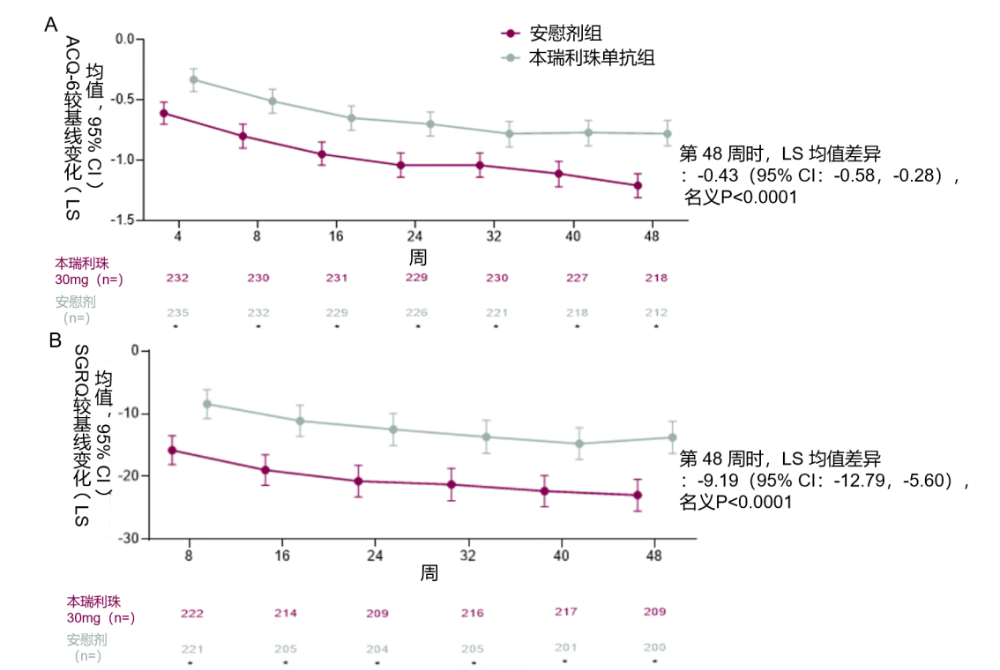
Core Insights - The article discusses a recent study identifying three distinct disease trajectories in severe asthma patients prior to biologic treatment, highlighting the heterogeneity of the disease and its implications for personalized intervention strategies [1][14]. Group 1: Disease Trajectories - The study included 755 severe asthma patients from Denmark, analyzing data from 1995 to 2022, and identified three main disease progression paths: "Chronic Severe Type" (26%), "Gradual Onset Type" (35%), and "Recent Onset Type" (39%) [2][3]. - "Chronic Severe Type" patients have the longest median disease duration of 35 years, the most severe lung function impairment (median FEV1%pred of 64%), and the highest rates of comorbidities related to corticosteroid exposure [2]. - "Gradual Onset Type" patients show a stepwise worsening pattern with a median disease duration of 26 years and a median FEV1%pred of 67%, indicating a progression from mild to severe asthma [3]. - "Recent Onset Type" patients have the shortest median disease duration of 5 years, with a median FEV1%pred of 75%, and a significant proportion of patients (43%) having baseline FEV1%pred > 80% [3]. Group 2: Treatment Response and Prognosis - The study found a clear association between disease trajectories and treatment outcomes, with "Recent Onset Type" patients showing the highest clinical response rate of 32%, compared to 29% for "Gradual Onset Type" and only 17% for "Chronic Severe Type" [4]. - A key barrier for "Chronic Severe Type" patients is the difficulty in restoring lung function, with only 32% achieving normal lung function post-treatment, compared to 56% in "Recent Onset Type" [4]. - The concept of "too late" asthma was introduced, indicating patients who do not achieve FEV1%pred > 80% after 12 months of biologic treatment, with a high occurrence in "Chronic Severe Type" (56%) [4][5]. Group 3: Implications for Early Intervention - The findings suggest that recognizing disease trajectories early can provide actionable intervention opportunities before reaching the "Chronic Severe" stage, potentially preventing irreversible lung damage [5][6]. - The study emphasizes the need to shift the treatment paradigm for severe asthma from a reactive approach to proactive early intervention with biologics, particularly for patients in the early stages of "Recent Onset Type" or "Gradual Onset Type" [6][7]. - Evidence from simulations indicates that initiating biologic treatment 5 years earlier could significantly reduce corticosteroid use, prevent deaths, and lower healthcare costs, highlighting the value of early intervention [7].
Trump unveils major drug price deals with 9 Pharma giants, launches TrumpRx.gov to cut medicine costs in US
MINT· 2025-12-19 23:46
Core Insights - President Trump announced a set of drug-pricing agreements with nine major pharmaceutical companies, aiming to align U.S. medicine costs with those in Europe [1][2] - The initiative includes a new direct-to-consumer portal, TrumpRx.gov, allowing patients to purchase certain medicines directly from manufacturers [2][4] Group 1: Agreements and Participants - The agreements involve 14 out of 17 drugmakers that Trump previously urged to lower prices, including Amgen, GSK, and Merck [2][3] - Drug companies are motivated to negotiate to avoid potential regulatory measures that could impact their profits [3] Group 2: TrumpRx.gov Functionality - TrumpRx.gov will serve as a central directory for patients to access selected medicines directly from manufacturers' websites [4] - The portal is expected to be fully operational by January, following a promotional launch [4] Group 3: Pricing Details - Highlighted medicines include Amgen's Repatha at $239/month, GSK's Advair Diskus at $89/month, and Merck's Januvia at $100/month [6] - Gilead's Epclusa will be priced at $2,492/month, despite lower costs for insured patients [6] Group 4: Impact on Medicaid and Medicare - Companies committed to launching new medicines in the U.S. at prices comparable to those in other wealthy countries [8] - Medicaid programs are legally entitled to the lowest drug prices, with Bristol Myers Squibb offering Eliquis free to Medicaid [9] Group 5: Industry Response and Future Outlook - Health policy experts express skepticism about the agreements' impact on overall drug prices for most Americans [10] - The agreements do not impose mandatory price controls and leave many brand-name drug costs unchanged [15] - Ongoing discussions with additional manufacturers like AbbVie and Johnson & Johnson may lead to further agreements [14]


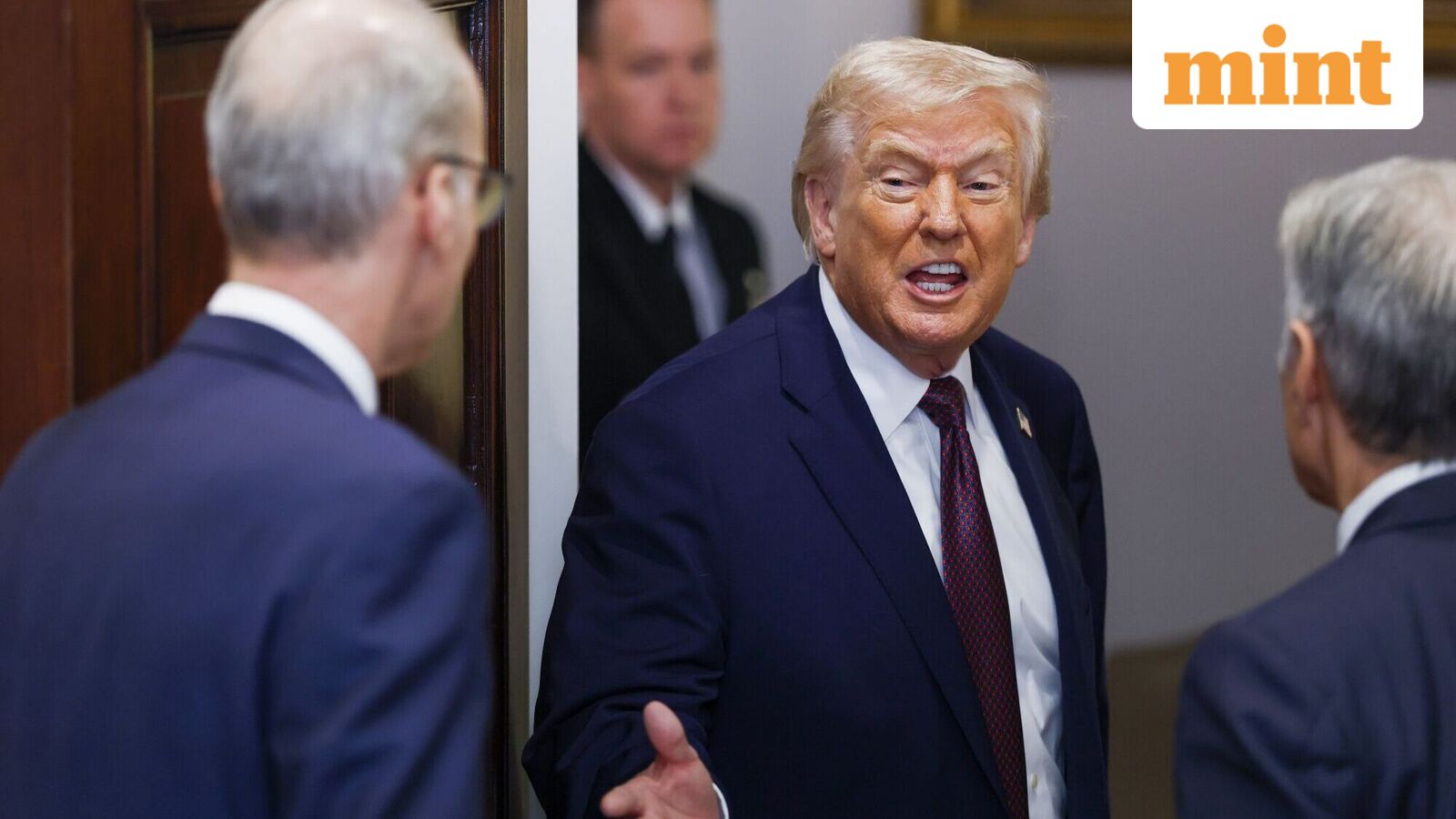
Trump strikes deal with US drugmakers to cut Medicaid medicine costs
The Guardian· 2025-12-19 20:14
Core Insights - Donald Trump and nine major pharmaceutical companies have reached agreements to significantly reduce drug prices for the Medicaid program and cash payers, aiming to align US costs with those in other wealthy nations [1][2] Group 1: Price Reductions and Agreements - Drugmakers will cut prices on most drugs sold to Medicaid, promising "massive savings" on commonly used medicines, although specific figures were not disclosed [2] - The deals include agreements to lower cash-pay prices for select drugs, launch drugs in the US at prices equal to those in other wealthy nations, and increase manufacturing [3] - Merck plans to sell its diabetes drugs at approximately 70% off list prices directly to US consumers, with potential for its experimental cholesterol drug to be offered through direct channels [4] Group 2: Previous and Current Deals - Five companies had previously made agreements with the administration to control prices, while three companies have yet to announce deals [6] - Drugmakers committed to "most-favored-nation" pricing for all new US drug launches across various markets, including Medicare [7] Group 3: Financial Commitments and Investments - Companies pledged to invest over $150 billion in US research and development and manufacturing, with Merck contributing $70 billion of that total [8] - A portion of revenues from foreign sales will be remitted to the US to help offset costs [8] Group 4: Medicaid and Market Impact - Medicaid, which represents about 10% of US drug spending, already benefits from significant price discounts, sometimes exceeding 80% [9] - Pfizer indicated that Medicaid discounts would lead to price and margin compression in the upcoming year [9]


Trump secures agreements with Merck, Amgen, Novartis and others to cut drug prices under Medicaid
MINT· 2025-12-19 20:04
Core Points - US President Donald Trump announced agreements with nine major pharmaceutical companies to reduce drug prices for Medicaid and cash-paying consumers, aiming to align US drug costs with those in other wealthy nations [1][4] - Trump emphasized that the US was previously subsidizing global drug costs and will no longer do so [2] Group 1: Drugmakers Involved - Participating companies include Bristol Myers Squibb, Gilead Sciences, Novartis, Amgen, Boehringer Ingelheim, Sanofi, GSK, Merck, and Roche's US unit Genentech [3] - Additional companies like Regeneron, Johnson & Johnson, and AbbVie are expected to join after the holidays [3] Group 2: Price Reductions and Commitments - Drugmakers will reduce prices on most medicines sold to Medicaid, promising "massive savings" on widely used drugs, although specific figures were not disclosed [4] - The agreements also include commitments to cut cash prices for select medicines and to launch new drugs in the US at prices equal to those in other wealthy countries [5] Group 3: Specific Drug Pricing - Merck plans to sell diabetes drugs Januvia, Janumet, and Janumet XR at discounts of about 70% off list prices [7] - Amgen will price its migraine drug Aimovig and arthritis treatment Amjevita at $299 per month, which is nearly 60% and 80% below current US list prices, respectively [7] Group 4: Investment and Revenue Sharing - Companies pledged to invest over $150 billion in US research, development, and manufacturing, with Merck alone committing $70 billion [8] - A portion of each company's overseas revenue will be remitted to the US to help offset domestic drug costs, and several companies agreed to donate drug ingredients to the US strategic reserve [9] Group 5: Industry Reaction - Five drugmakers, including Pfizer and Eli Lilly, had already struck similar deals with the administration, and AbbVie is expected to announce its agreement soon [10]