
J&J(JNJ)

Search documents
美国生物医药“三座大山”压顶:关税、药价、专利悬崖
Hua Er Jie Jian Wen· 2025-05-20 08:22
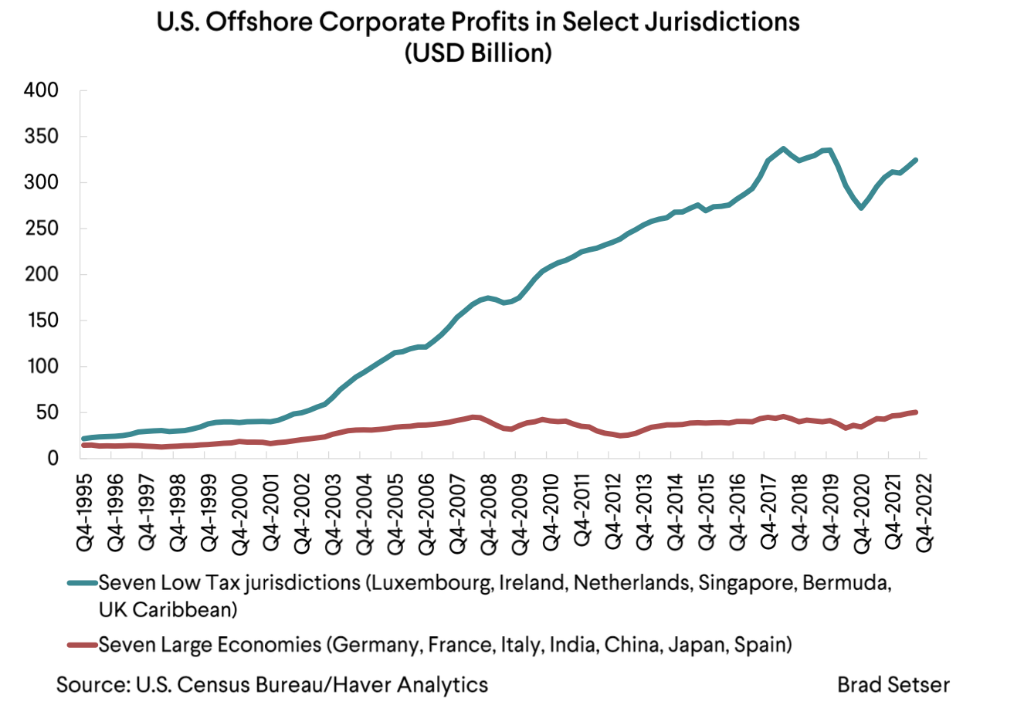
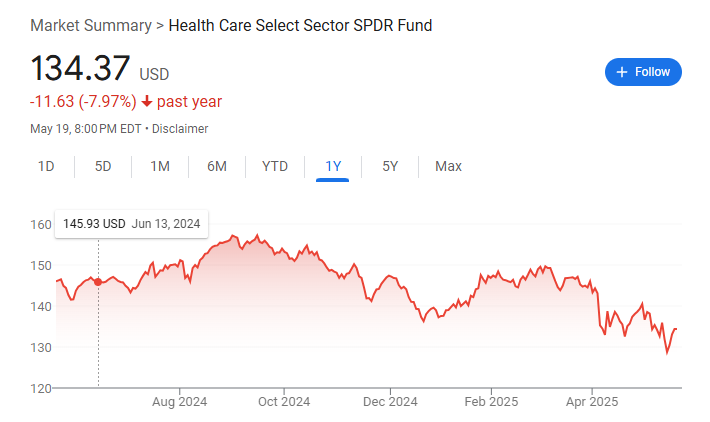
Core Viewpoint - The U.S. large biopharmaceutical sector is currently facing significant challenges, leading to a notable underperformance compared to the S&P 500 index, with a gap of approximately 15 percentage points since a key tariff announcement on April 2, 2025 [1][15]. Group 1: Challenges Facing the Biopharmaceutical Sector - The sector is under pressure from multiple factors, including high tariff barriers, drug price negotiation pressures, and an impending patent cliff, creating a murky outlook for the industry [1][2]. - Morgan Stanley analysts categorize these challenges as "overhangs," which are structural issues that have been exacerbated by recent policy changes [2]. Group 2: Tariff and Supply Chain Challenges - Specific tariff policies have been a direct trigger for the recent downturn in the sector, creating significant uncertainty in the market [3]. - Morgan Stanley believes that the impact of tariffs is largely "manageable," with companies able to respond through inventory management and accelerated product shipments [3][5]. - The expected tax rate for companies heavily reliant on U.S. production may rise from approximately 16-17% to 19-20%, similar to Gilead Sciences [3]. Group 3: Drug Price Negotiation Pressures - Drug pricing remains a persistent concern, with the "Most Favored Nation" (MFN) pricing policy posing potential risks, although its widespread implementation faces significant hurdles [6][7]. - The Inflation Reduction Act (IRA) is expected to have an incremental rather than disruptive impact on market expectations regarding drug pricing [8]. - Setser's testimony highlights the disparity in profit reporting between U.S. and overseas operations, with U.S. companies reporting minimal profits domestically while generating substantial profits abroad [9][12]. Group 4: Patent Expiration and Valuation - The upcoming patent expirations for key drugs between 2028 and 2030 are anticipated to suppress sector valuations, but this is viewed as a manageable "profit reset" rather than a crisis [13][14]. - Historical data suggests that the average earnings per share (EPS) erosion following patent expirations is around 15%, with a subsequent rebound often occurring [14]. Group 5: Current Valuation and Market Sentiment - The biopharmaceutical sector's valuation has dropped to a historical low, with a relative discount of 45-50% compared to the S&P 500 index [15][18]. - The sector has seen an overall decline of about 8% since the tariff announcement, while the S&P 500 has increased by approximately 5% [18][20]. Group 6: Potential Catalysts for Recovery - Clarity in policy execution regarding tariffs, MFN, and IRA could alleviate investor concerns and potentially lead to a recovery in the sector [23]. - Setser's recommendations for tax reforms aimed at reducing profit and production outflows could fundamentally alter the industry's profit and production landscape [24]. - The removal of unfavorable terms in the IRA, such as the "pill penalty," could serve as a significant positive catalyst for the sector [23][25].


“类煤炭股”待遇!美国生物制药股折价接近极值,接下来有一系列大事件
Hua Er Jie Jian Wen· 2025-05-20 00:36
Group 1 - The U.S. pharmaceutical industry is experiencing significant turmoil, pushing the entire biopharmaceutical sector into a low valuation zone, with Goldman Sachs comparing the current state to "energy stocks at the peak of the ESG craze," suggesting it resembles a dying industry [1][3] - Recent events have increased volatility in the pharmaceutical sector, including Trump's pledge to significantly cut drug prices using the "most favored nation" rule, UnitedHealth Group's stock experiencing its worst weekly decline since 1998, and the CEO of Novo Nordisk announcing his resignation [1] - Goldman Sachs analysts noted that the relative P/E ratio of biopharmaceuticals compared to the S&P 500 briefly expanded to extreme levels seen during periods of high uncertainty, before slightly rebounding at the end of last week [1] Group 2 - Concerns are raised about the low valuations of large pharmaceutical stocks in both the U.S. and Europe, with Goldman Sachs' European pharmaceutical expert stating that the current trading conditions resemble those of energy stocks during the peak of the ESG era [3] - The valuation of the pharmaceutical sector has fallen below levels seen during the recovery from the global financial crisis and the peak of the COVID-19 liquidity bubble, reaching unprecedented lows [3] - European pharmaceutical stocks are also at historical low valuations, with a significant discount relative to the STOXX Europe 600 index [3] Group 3 - Key upcoming events that investors should closely monitor include the Goldman Sachs Healthcare Policy Day on May 20, the FDA Oncology Drug Advisory Committee meeting on May 20-21 discussing multiple cancer drug applications, and several significant events on May 22 [4][5] - On May 22, the FDA Vaccine Advisory Committee will discuss COVID-19 vaccine strains, and the deadline for the FDA's action on compounded semaglutide will be reached, which Novo Nordisk estimates affects about 1 million patients [5] - The ASCO (American Society of Clinical Oncology) will release most of its complete abstracts on May 22, which may impact U.S. pharmaceutical companies such as ABBV, BMY, JNJ, LLY, MRK, and PFE [5]


Moody's U.S. Debt Downgrade: Stocks Poised To Benefit
Seeking Alpha· 2025-05-19 19:25
Core Insights - The article discusses the author's background as a value investor with experience in private credit and commercial real estate financing, highlighting a focus on classical value ratios for portfolio selection [1] Group 1: Company Insights - The author has previously worked with notable commercial real estate developers such as The Witkoff Group, Kushner Companies, Durst Organization, and Fortress Investment Group, indicating a strong network within the industry [1] Group 2: Investment Position - The author holds long positions in several major companies including Johnson & Johnson (JNJ), Apple (AAPL), Microsoft (MSFT), Berkshire Hathaway (BRK.B), and Alphabet (GOOGL, GOOG), suggesting a diversified investment strategy [2]





3 Magnificent Stocks That Are Passive Income Machines
The Motley Fool· 2025-05-17 10:40
Core Viewpoint - The article highlights three dividend stocks—Abbott Laboratories, AbbVie, and Johnson & Johnson—as excellent options for passive income, emphasizing their strong dividend histories and solid business fundamentals. Group 1: Abbott Laboratories - Abbott Laboratories has a long history of dividend payments, dating back to 1924, and has increased its dividend for over 50 consecutive years [4] - The company currently pays a quarterly dividend of $0.59, which has risen by 146% over the past decade, averaging a compound annual growth rate of 9.4% [5] - Abbott's diverse operations across nutrition, diagnostics, pharmaceuticals, and medical devices contribute to its stability, with over $40 billion in revenue for the past four years and strong free cash flow of $6.7 billion [6][7] Group 2: AbbVie - AbbVie, spun off from Abbott in 2013, has maintained a strong dividend increase streak for 53 consecutive years, with a forward dividend yield of 3.64% [8] - The company has strategically invested in R&D and acquisitions, notably Allergan in 2020, to offset the decline in sales from its key drug Humira, which lost U.S. patent exclusivity in 2023 [9][10] - AbbVie's new drugs, Rinvoq and Skyrizi, are projected to generate combined sales of $31 billion by 2027, surpassing Humira's peak sales [10] Group 3: Johnson & Johnson - Johnson & Johnson is a leading healthcare company with a strong pharmaceutical business and a solid financial foundation, evidenced by its AAA credit rating from S&P Global [12] - The company has increased its dividends for 62 consecutive years, positioning it among the elite Dividend Kings, and is expected to continue this trend despite facing legal and regulatory challenges [13] - The defensive nature of the healthcare industry suggests that Johnson & Johnson will remain resilient during economic downturns, making it a strong choice for income-seeking investors [11]


大摩转向防御?Q1大举买入制药巨头,减仓英伟达(NVDA.US)、微软(MSFT.US)等科技股
Zhi Tong Cai Jing· 2025-05-16 08:25
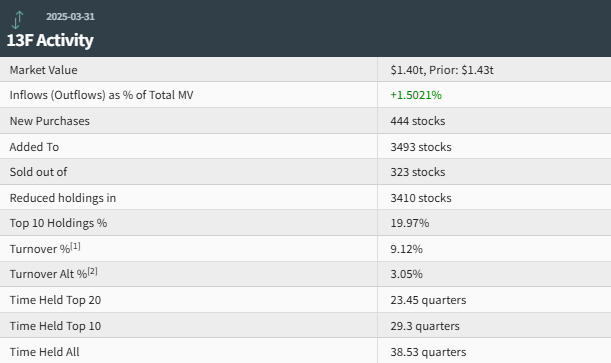
根据美国证券交易委员会(SEC)披露,摩根士丹利递交了截止至2025年3月31日的第一季度持仓报告(13F)。 据统计,摩根士丹利第一季度持仓总市值为1.4万亿美元,上一季度总市值为1.43万亿美元,环比下降2.1%。该基金在第一季度的投资组合中新增了444只个 股,增持了3493只个股,减持了3410只个股,清仓了323只个股。其中前十大持仓标的占总市值的19.97%。 | 2025-03-31 | | | --- | --- | | 13F Activity | | | Market Value | $1.40t, Prior: $1.43t | | Inflows (Outflows) as % of Total MV | +1.5021% | | New Purchases | 444 stocks | | Added To | 3493 stocks | | Sold out of | 323 stocks | | Reduced holdings in | 3410 stocks | | Top 10 Holdings % | 19.97% | | Turnover %(1) | 9.12% | ...


小摩Q1持仓:重仓股仍多为科技巨头 大幅增持标普500ETF
Zhi Tong Cai Jing· 2025-05-16 07:57
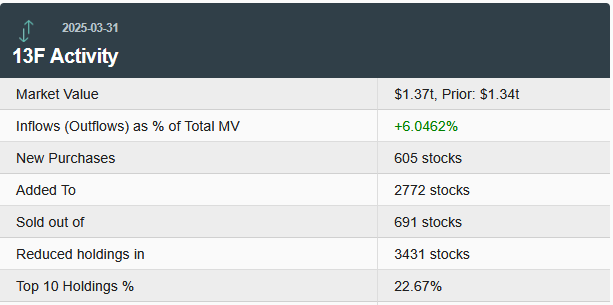
Core Insights - Morgan Stanley's first quarter 13F filing shows a total market value of $1.37 trillion, up from $1.34 trillion in the previous quarter, indicating a growth of 6.05% in inflows [1][2] - The fund added 605 new stocks, increased holdings in 2,772 stocks, reduced holdings in 3,431 stocks, and completely sold out of 691 stocks, with the top ten holdings accounting for 22.67% of the total market value [1][2] Holdings Overview - The top five holdings include Microsoft (MSFT) with 142 million shares valued at approximately $53.31 billion, Nvidia (NVDA) with 421 million shares valued at about $45.64 billion, Apple (AAPL) with 199 million shares valued at around $44.15 billion, Amazon (AMZN) with 200 million shares valued at approximately $38.10 billion, and Meta (META) with 58 million shares valued at about $33.54 billion [3][4][5] - The top ten holdings also feature SPDR S&P 500 ETF (SPY), Mastercard (MA), Google (GOOG), Broadcom (AVGO), and Vanguard S&P 500 ETF (VOO) [4][5] Trading Activity - The top five purchases by percentage change in the portfolio include Visa (V), Walmart (WMT), Johnson & Johnson (JNJ), Philip Morris (PM), and Meta [6][7] - The top five sales by largest value include Tesla put options, SPDR S&P 500 ETF put options, Taiwan Semiconductor (TSM), SPDR Gold Shares ETF put options, and Honeywell (HON) [6][7]



Why Is Johnson & Johnson (JNJ) Down 4.9% Since Last Earnings Report?
ZACKS· 2025-05-15 16:31
Core Viewpoint - Johnson & Johnson (JNJ) shares have declined approximately 4.9% since the last earnings report, underperforming the S&P 500, raising questions about the potential for a breakout or continued negative trend leading up to the next earnings release [1] Group 1: Earnings Report and Market Reaction - Fresh estimates for Johnson & Johnson have trended downward over the past month, indicating a negative sentiment among analysts [2] - The stock has a subpar Growth Score of D, while its Momentum Score is rated B, and it has a Value Score of B, placing it in the top 40% for this investment strategy [3] Group 2: Outlook and Future Expectations - The overall VGM Score for Johnson & Johnson is B, suggesting a balanced investment approach may be beneficial [3] - The downward trend in estimates suggests a shift in expectations, with Johnson & Johnson holding a Zacks Rank of 3 (Hold), indicating an expectation of in-line returns in the coming months [4]
Johnson & Johnson (JNJ) BofA Securities 2025 Healthcare Conference Transcript
Seeking Alpha· 2025-05-13 18:51
Company Overview - Johnson & Johnson is represented by Dr. John Reed, Executive Vice President of Innovative Medicines R&D, who joined the company in 2023 after holding leadership positions at Sanofi and Roche [2]. Regulatory Environment - The company has reported that, despite significant changes in the FDA and HHS leadership, all PDUFA dates and regulatory deadlines have been met on schedule, indicating effective management of the regulatory process [5].

Johnson & Johnson (JNJ) 2025 Conference Transcript
2025-05-13 18:40
Johnson & Johnson (JNJ) 2025 Conference Summary Company Overview - **Company**: Johnson & Johnson (JNJ) - **Date of Conference**: May 13, 2025 - **Key Speaker**: Dr. John Reed, Executive Vice President, Innovative Medicines R&D Key Industry Insights Regulatory Environment - The FDA is undergoing significant changes in leadership, which could impact drug development pathways and regulatory approvals. However, current interactions and deadlines have been met without disruption [4][5][6] - There is speculation about potential positives from the FDA's focus on AI and data sharing, which could enhance regulatory processes [8] Immunology Pipeline - **New Product**: Icotrokinra, an oral IL-23 inhibitor, shows promising phase three data and aims to complement existing injectable therapies. The product is designed for once-daily dosing, targeting patients who are currently not receiving advanced therapies [9][10][12] - The demand for Icotrokinra is high, as evidenced by rapid patient enrollment in clinical trials [12] - The product's efficacy is expected to be significantly better than competitors, with a strong emphasis on its safety profile [14][15] Neuroscience Developments - JNJ acquired Intracellular Therapies for $15 billion, with a focus on the product CAPLYTA for schizophrenia and other indications. The acquisition also includes a promising follow-on molecule, ITI-1284, which is in phase two trials for Alzheimer's-related conditions [20][23][24] - The phase two trials for ITI-1284 are substantial enough that they could potentially be considered for phase three approval, depending on data outcomes [25] Oncology and Hematology - JNJ is advancing in multiple myeloma treatments with new products like Carvicti and bispecific therapies. The company is working to improve the safety profile of these therapies to enhance community adoption [30][33] - The bispecific T cell engagers are showing promising results, with plans to integrate them into earlier lines of treatment [35] - **New Product**: Ribrovant, a bispecific antibody for lung cancer, is showing strong survival data compared to standard treatments, with ongoing studies to optimize its use [37][39][43] Cardiovascular Innovations - JNJ is committed to the development of Moldexian, a factor XI inhibitor for atrial fibrillation, with over 20,000 patients enrolled in trials. The company believes it has the right pharmacology to address this significant unmet need [45][46] - The company is optimistic about the safety and efficacy of Moldexian, particularly in preventing strokes, which is a critical area of focus given the aging population [51][52] Additional Considerations - JNJ's strategy includes a mix of large acquisitions and smaller bolt-on deals, focusing on early-stage investments to build a robust pipeline [29] - The company is actively working to educate community practices on new therapies to ensure better integration and patient outcomes [36] This summary encapsulates the key points discussed during the Johnson & Johnson conference, highlighting the company's strategic direction, product pipeline, and the regulatory landscape affecting its operations.
Leerink将强生评级从跑赢大盘下调至与大盘一致,目标价153美元。
news flash· 2025-05-13 12:56
Leerink将强生评级从跑赢大盘下调至与大盘一致,目标价153美元。 ...