
脑虎科技

Search documents
脑虎科技脑机接口受试者实现了对经典游戏的精准脑控操作
news flash· 2025-06-18 11:32
Core Insights - The strategic partnership between UCloud and BrainTiger Technology focuses on invasive brain-machine interfaces, achieving significant results in high-precision real-time motion decoding clinical trials [1] Group 1: Clinical Trial Achievements - BrainTiger Technology, in collaboration with the Shanghai Institute of Microsystem and Information Technology of the Chinese Academy of Sciences, successfully implanted a self-developed 256-channel flexible brain-machine interface in a 19-year-old patient with right frontal lobe epilepsy [1] - The subject demonstrated precise brain control over classic games such as "Pac-Man" and "Tank Battle," as well as complex games like "Honor of Kings" and "Black Myth: Wukong" [1] - The patient was also able to smoothly browse the internet and operate various apps (e.g., Bilibili, Xiaohongshu), control a smart wheelchair, and manage smart home devices (lighting, curtains, etc.) [1] - Throughout the clinical trial, the subject's condition remained stable and healthy [1]
侵入式脑机接口开启临床,企业已收到上千名瘫痪患者请求
第一财经· 2025-06-15 14:16
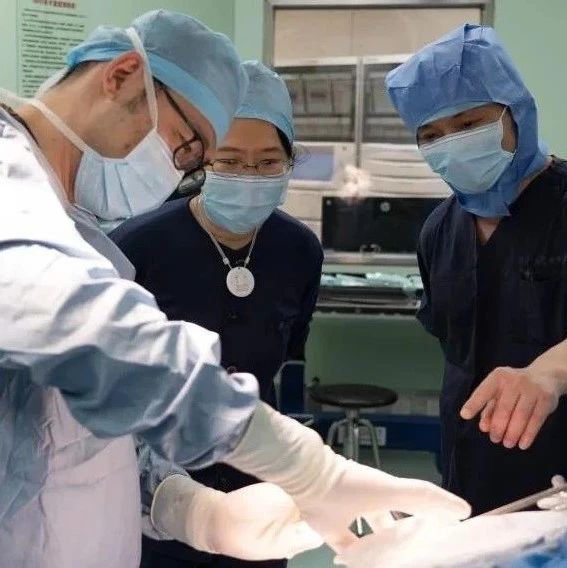
Core Viewpoint - China's invasive brain-computer interface (BCI) devices are rapidly entering clinical trials, marking a significant advancement in the field and positioning China as the second country globally to reach this stage after the United States [1][3]. Group 1: Clinical Trials and Developments - The first prospective clinical trial of invasive BCI in China has been successfully conducted by the Chinese Academy of Sciences and Fudan University, meeting medical device registration standards [1]. - Several companies, including Shanghai Ladder Medical Technology, are developing BCI devices aimed at treating patients with motor function disorders, such as spinal cord injuries and amyotrophic lateral sclerosis [3][4]. - Ladder Medical's BCI system has shown promising results, allowing patients to perform tasks like playing chess and racing games after just 2-3 weeks of training [3]. Group 2: Patient Recruitment and Research - The clinical cohort study led by Fudan University and Beijing Xuanwu Hospital has begun patient recruitment to validate the efficacy and safety of invasive BCI treatment [3]. - Companies like Beijing Chip Intelligence and Hangzhou Jialiang Medical have also announced plans for clinical research on BCI devices [3][4]. Group 3: Patient Impact and Demand - There is a significant demand for BCI technology, with over a thousand requests from paralyzed patients seeking participation in clinical trials [6][7]. - The development of BCI devices is seen as a beacon of hope for approximately 4 million spinal cord injury patients in China [7]. Group 4: Technological Advancements - Jialiang Medical has completed nearly 100 clinical implants for epilepsy treatment, with plans to submit data for product approval [8]. - Brain Tiger Technology has developed a next-generation wireless BCI product, which has shown capabilities in controlling complex games and smart devices [8]. Group 5: Industry Challenges and Future Outlook - Experts emphasize that while progress has been made, there is still a considerable gap between China's BCI development and that of leading global competitors [9]. - Companies are advised to focus on long-term research collaboration rather than immediate profit from BCI product sales [9].

侵入式脑机接口开启临床,企业已收到上千名瘫痪患者请求
第一财经· 2025-06-15 13:55
Core Viewpoint - China's invasive brain-computer interface (BCI) devices are rapidly entering clinical trials, marking a significant advancement in the field and positioning China as the second country globally to reach this stage after the United States [1][3]. Group 1: Clinical Trials and Developments - The first prospective clinical trial of invasive BCI in China has been successfully conducted by the Chinese Academy of Sciences and Fudan University, meeting medical device registration standards [1]. - The BCI technology primarily targets patients with motor function disorders, such as spinal cord injuries and amyotrophic lateral sclerosis (ALS) [4]. - Several companies, including Shanghai Ladder Medical Technology, Beijing Chip Intelligence, and Hangzhou Jialiang Medical, are developing BCI devices and have announced clinical research plans [4]. Group 2: Patient Outcomes and Training - Initial results from the first patient implanted with an invasive BCI showed that after 2-3 weeks of training, the patient could perform tasks like playing chess and racing games, achieving a level of control similar to that of a healthy individual [3]. - The BCI system allows for two modes: outputting information from the brain to control external devices and inputting information to the brain for sensory restoration [3]. Group 3: Future Prospects and Challenges - Companies have received thousands of requests from paralyzed patients seeking participation in clinical trials, indicating a high demand for BCI technology [6][8]. - The development of BCI devices for treating epilepsy is expected to progress more rapidly, with nearly 100 patients already implanted and data being prepared for product approval [8]. - Experts emphasize the importance of focusing on the effectiveness of BCI devices for patients rather than solely on rapid commercialization [9].
侵入式脑机接口开启临床,北上杭企业竞速!瘫痪患者焦虑等待
Di Yi Cai Jing· 2025-06-15 12:34
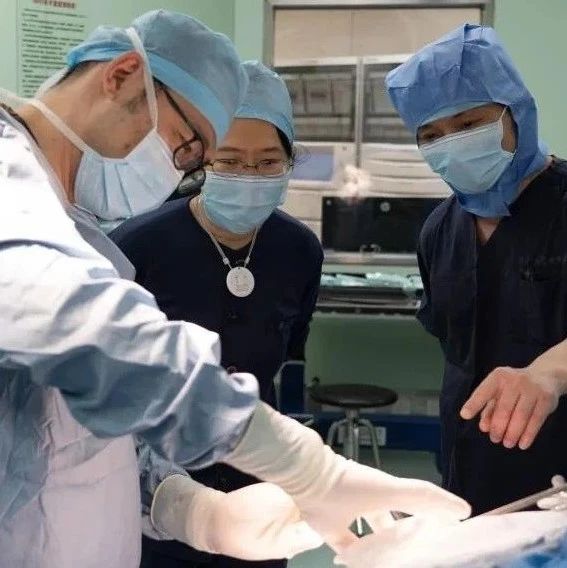
Group 1 - The core viewpoint of the articles highlights the rapid advancement of invasive brain-computer interface (BCI) technology in China, with successful clinical trials indicating significant progress in treating patients with motor function disorders [1][2][5] - The first prospective clinical trial of invasive BCI in China has been successfully conducted by a collaboration between the Chinese Academy of Sciences and Fudan University, marking China as the second country after the United States to enter this stage [1][2] - Companies such as Shanghai Ladder Medical Technology, Beijing Chip Intelligence, and Hangzhou Jialiang Medical are actively developing BCI devices and planning to enter clinical trials [1][2][3] Group 2 - Ladder Medical's invasive BCI system has shown promising results, allowing patients to perform tasks like playing chess and racing games after just 2-3 weeks of training [2] - The clinical research led by Shanghai Huashan Hospital and Beijing Xuanwu Hospital aims to validate the effectiveness and safety of invasive BCI treatment for motor function disorders [2][3] - The NEO device developed by Tsinghua University is set to enroll 30 to 50 patients for implantation by the end of the year, focusing on spinal cord injury patients [3] Group 3 - The development of BCI devices is driven by the need to address the challenges faced by approximately 4 million spinal cord injury patients in China [5] - Companies have received thousands of requests from paralyzed patients seeking participation in clinical trials, indicating a strong demand for BCI technology [5] - Jialiang Medical has completed nearly 100 clinical implantations for epilepsy treatment, with plans to submit data for product approval, showcasing the potential for faster clinical application compared to spinal cord injury treatments [5][6] Group 4 - The advancement of BCI technology is expected to lead to more miniaturized and intelligent devices, enhancing long-term disease treatment and control over external smart devices [6] - Companies like Brain Tiger Technology have successfully implanted BCI devices in epilepsy patients, enabling them to control games and smart home devices through thought [6] - The emphasis is on the effectiveness of BCI devices for patients rather than the speed of product development, with a focus on long-term collaboration and research [7]
优刻得(688158):抢抓大模型落地机遇 智算资源稳步扩充
Xin Lang Cai Jing· 2025-06-07 08:27
Core Insights - The company is expanding its computing power resources with the delivery of the third phase of the Ulanqab Intelligent Computing Center, which includes a building area of approximately 23,000 square meters and around 2,300 cabinets designed to support high-performance devices like GPUs [1] Financial Performance - In 2024, the company reported revenue of 1.503 billion yuan, with a year-on-year reduction in net loss of 102 million yuan, reflecting a 29.67% recovery [1] - The overall gross margin improved to 18.86%, an increase of 7.75 percentage points from 2023, while the gross margin for cloud computing rose from 10.58% to 20.57% year-on-year [1] - In Q1 2025, the company's overall gross margin increased by 9.25 percentage points year-on-year to 24.34%, indicating enhanced profitability [1] Business Expansion - The company is actively expanding its overseas business, having deployed 30 data centers across 22 regions globally, covering key areas such as Southeast Asia, Europe, North America, and Africa [1] - The company has established a "dual center" architecture with the Ulanqab Intelligent Computing Center and the Shanghai Qingpu Intelligent Computing Center, enhancing service capabilities for leading AI companies [2] R&D and AI Integration - The company is increasing its R&D efforts in "cloud + AI" to facilitate the practical application of AI technologies across various industries [3] - Collaborations with major domestic chip manufacturers and the establishment of a domestic computing cluster are aimed at improving the efficiency and performance of AI inference applications [3] - The company has successfully implemented several benchmark projects, including partnerships for AI training platforms and medical AI applications [3] Revenue Forecast and Investment Recommendation - Revenue projections for the company from 2025 to 2027 are estimated at 1.804 billion, 2.170 billion, and 2.589 billion yuan, with corresponding growth rates of 20.03%, 20.28%, and 19.34% [4] - The net profit forecast shows a turnaround from a loss of 85 million yuan in 2025 to profits of 270 million and 1.03 billion yuan in 2026 and 2027, respectively [4] - The company is recommended for investment based on its expected growth in the intelligent computing service sector, despite anticipated losses in 2025 [4]

专家访谈汇总:脑机接口进入医保,只要6500元
阿尔法工场研究院· 2025-06-03 16:19
Group 1: Gold Market Insights - Despite a slight strengthening of the dollar, the mainstream market expectation is that the Federal Reserve will initiate a rate cut cycle by 2025, supported by recent moderate inflation data, which is a core driver for gold prices [1] - As the interest rate hike cycle approaches its end, the trend of declining real interest rates is clear, reducing the opportunity cost of holding gold as a non-yielding asset, thus solidifying the mid-term bullish outlook [1] - The expansion of the U.S. fiscal deficit raises concerns about the sustainability of U.S. debt, coupled with the Biden administration's tough stance on international trade, leading to systemic doubts among investors regarding the dollar and U.S. assets [1] Group 2: Brain-Computer Interface Market - Hubei Province has included invasive brain-computer interface surgeries in medical insurance, priced at 6,552 yuan (approximately 936 USD), significantly lower than Neuralink's cost of 50,000 USD, highlighting a competitive advantage [1] - The price difference reflects not only lower manufacturing and surgical costs but also China's systematic support for brain-computer interface technology in medical policies, which is expected to stimulate large-scale market demand, particularly in rehabilitation, elderly care, and treatment of neurological diseases [1] - Advanced flexible electrode technology, significantly smaller than a human hair, enables paralyzed patients to control games with their minds, while Brain Tiger Technology's "North Brain No. 1" allows epilepsy patients to operate WeChat and Taobao through brain control, showcasing technological advancements comparable to Neuralink [1] Group 3: Collagen Market Dynamics - The controversy surrounding Giant Bio's "Kefumei" product's collagen content is fundamentally a market competition between two technological routes: hyaluronic acid vs. recombinant collagen [1] - Huaxi Bio's active involvement and direct questioning of the capital market's excessive hype around the "recombinant collagen" concept indicate its defensive posture amid profit declines and industry shifts [1] - According to Frost & Sullivan, the overall collagen market is projected to reach 173.8 billion yuan by 2027, significantly surpassing the current scale of the hyaluronic acid industry, with a compound annual growth rate exceeding 50% [1] Group 4: Dairy Industry Challenges - Bright Dairy is facing a structural downturn in the industry characterized by weak consumer demand and intensified price wars, coupled with conservative internal business strategies, leading to a decline from being the "first stock in dairy" to a marginal competitor [3] - Although it maintains a leading position in the low-temperature milk sector, its market share is being closely approached by Yili and Mengniu, with emerging brands continuously eroding its market share [3] - For investors, this indicates that Bright Dairy currently lacks a stable competitive moat and core growth drivers, and without structural transformation, its long-term value will continue to be eroded [3] Group 5: Hair Care Market Trends - The hair care market is expected to grow from 22 billion yuan in 2025 to 50 billion yuan by 2030, with a compound annual growth rate of 15.3%, significantly outpacing the overall personal care industry [5] - The user base is projected to exceed 300 million, with young people, women, and postpartum groups being the main driving forces, as consumption scenarios expand from simple hair loss prevention to "daily care + precise repair + digital experience" [5] - AI scalp detection and genetic screening are creating personalized solutions, significantly improving user retention rates, with repurchase rates reaching over 45% [5]
脑机接口,现在可以刷医保了
3 6 Ke· 2025-06-03 11:29
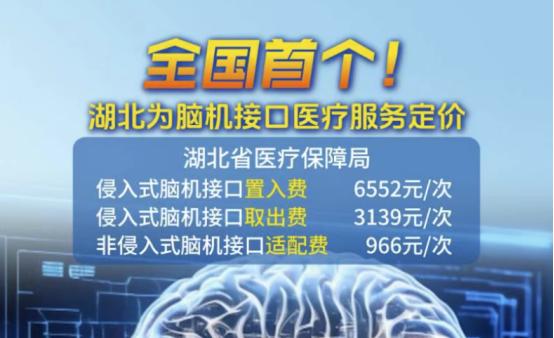
Core Insights - Brain-computer interface (BCI) technology is advancing rapidly in China, with invasive and non-invasive options becoming available and affordable, contrasting sharply with the high costs associated with similar technologies in the U.S. [1][2] - Chinese companies are making significant strides in BCI technology, with successful clinical trials and innovative products that are smaller and more flexible than those offered by competitors like Neuralink [4][10] - The competition between China and the U.S. in BCI technology is not just about medical applications but also about broader implications for AI and data utilization [8][45] Cost and Accessibility - In China, the cost for invasive BCI surgery is approximately 6,552 RMB (about 936 USD), while non-invasive procedures can be as low as 966 RMB (about 138 USD) [1] - In contrast, Neuralink's procedures can range from 5,000 to 10,000 USD, with total costs potentially reaching 50,000 USD (about 350,000 RMB) after insurance [2][22] Technological Advancements - Companies like JieTi Medical have developed ultra-flexible electrodes that are significantly smaller than traditional options, allowing paralyzed patients to control devices using their thoughts [4][6] - The first clinical trial of an invasive BCI in China was completed in the first quarter of this year, marking a significant milestone in the industry [2] Competitive Landscape - The U.S. is focusing on high-precision invasive technologies, while Chinese firms are adopting a more pragmatic approach that includes both invasive and non-invasive solutions targeting medical and consumer markets [22][38] - Chinese companies are leveraging their strengths in AI and manufacturing to create cost-effective BCI solutions, with a focus on integrating existing supply chains [36][38] Data and Standards - The BCI field is also a battleground for data and standards, with the potential to generate vast amounts of brain data that could influence future AI developments [39][40] - China's approach to BCI involves a multi-tiered strategy that includes invasive, semi-invasive, and non-invasive technologies, allowing for broader data collection and application [42][44] Future Implications - The integration of BCI technology with AI could lead to significant advancements in various fields, including military applications and high-intensity cognitive tasks [12][45] - As China continues to develop its BCI ecosystem, it may establish standards that could dominate in Asia and Africa, potentially reshaping the global landscape for AI and technology [48][50]
那些被身体囚禁的灵魂,终于等来了“越狱”密钥
3 6 Ke· 2025-05-30 12:19
Group 1 - Neuralink, founded by Elon Musk, secured $600 million in funding, setting a record for brain-computer interface financing globally [1] - The FDA granted Neuralink's device "breakthrough medical device" designation, indicating positive recognition for its clinical application prospects [1] - The brain-computer interface (BCI) technology aims to allow direct control of computers and devices through thought, potentially impacting millions of people in the future [2][3] Group 2 - The concept of brain-computer interfaces was introduced in 1973, with significant advancements made since the establishment of Neuralink in 2016 [2] - The industry is witnessing an influx of participants, including companies like BrainCo, Biorobotics, and others, focusing on invasive BCIs for central nervous system diseases [2][4] - By 2025, invasive BCIs are expected to achieve significant breakthroughs, transitioning from laboratory research to clinical trials [2][4] Group 3 - In 2023, several hospitals in China reported a surge in clinical trials for wireless implanted BCIs, with successful surgeries conducted on patients with various conditions [4][12] - Companies like MicroLink and Step Medical are developing flexible electrodes that enhance the safety and efficacy of BCI systems [8][9] - The development of flexible electrodes is crucial for minimizing damage to brain tissue and improving signal quality [7][8] Group 4 - The global market for BCIs in serious medical applications is estimated to be between $15 billion and $85 billion [10] - Investment in the BCI sector is increasing, with significant funding rounds reported in early 2023, indicating a growing interest in the commercialization of this technology [10][19] - The Chinese government is actively working on regulatory frameworks for BCI medical devices, which is expected to facilitate faster clinical applications [14][20] Group 5 - The clinical applications of BCIs are primarily focused on motor control, sensory restoration, and neural modulation [15] - Companies are exploring various use cases, including helping paralyzed patients regain control over their movements and improving communication for those with speech impairments [11][15] - The industry is still in the early stages of development, with many technologies remaining in experimental phases [17][18]
19岁癫痫患者接入脑机接口后畅玩高难游戏
Nan Fang Du Shi Bao· 2025-05-24 13:31
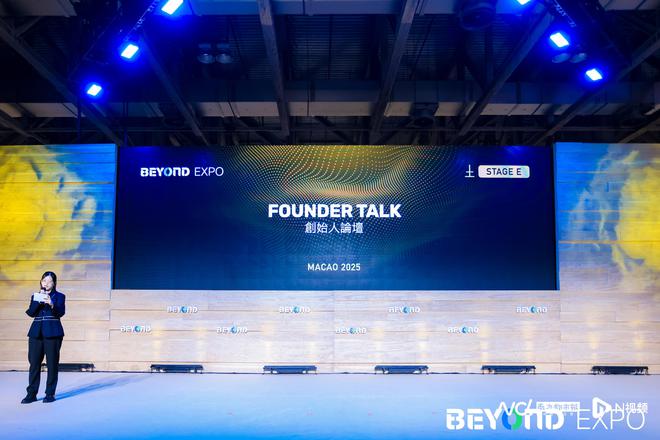
Group 1: Event Overview - The fifth BEYOND International Technology Innovation Expo 2025 commenced in Macau, focusing on cutting-edge topics in the global health sector and featuring a "Founder Forum" [1] - The expo showcased innovative drugs and regenerative medicine, highlighting the rapid advancements in the Greater Bay Area [1][21] Group 2: Brain-Computer Interface (BCI) Technology - Brain Tiger Technology's CEO, Peng Lei, discussed significant breakthroughs in brain-computer interface technology, emphasizing its role in future human-AI interactions [3][5] - BCI technology integrates multiple disciplines, including microelectronics, medical devices, and neuroscience, with three main methods developed over the past 20 years: silicon-based hard electrodes, vascular electrodes, and flexible electrodes [5][7] - Successful implantation of a 256-channel flexible BCI device in a 19-year-old epilepsy patient allowed for control of various applications and devices through thought, demonstrating the technology's potential for both patients and the general public [7][8] Group 3: Cancer Treatment Innovations - Dr. Xiao Rongtai from the Mayo Clinic highlighted advancements in cancer treatment through cutting-edge research and patient-centered care, utilizing advanced imaging techniques like PET-MRI [11][13] - The clinic has successfully performed a larynx transplant using 3D printing technology, allowing a laryngeal cancer patient to regain speech immediately post-surgery, showcasing the potential of innovative technologies in cancer treatment [15] Group 4: Diabetes Management - Professor Zhao Jiajun emphasized the need for a comprehensive diabetes management system, advocating for early intervention and a shift from a treatment-focused to a prevention-oriented approach [16][20] - With over 100 million diabetes patients in China, there is a significant gap in awareness and treatment adherence, with less than half of patients receiving standard care [18][20] Group 5: Biopharmaceutical Industry Developments - The Hengqin Guangdong-Macao Deep Cooperation Zone showcased biopharmaceutical companies and their innovative products, reflecting the rapid development of the biopharmaceutical industry as a strategic pillar for regional economic growth [21][25] - Zhuhai Qiwei Biotechnology's innovative traditional Chinese medicine, QA108, is in phase III clinical trials for age-related macular degeneration, with plans for registration in both mainland China and Macau [23][25] - The "Organ Repair and Regeneration System" attracted attention from international scientists, indicating strong interest in gene editing and stem cell technologies [25]
科幻之光如何照进现实
Jing Ji Ri Bao· 2025-05-20 22:49
Core Insights - The recent demonstration by Shanghai Ladder Medical Technology Co., showcasing a subject using a brain-computer interface (BCI) to play "Mario Kart," highlights significant advancements in BCI technology, with the potential for clinical applications by 2028 [1] - China is positioned advantageously in the BCI field, with notable innovations such as ultra-fine flexible electrodes and high-throughput flexible BCIs, indicating a strong foundation in materials science and micro-nano processing [1][2] Group 1: Technological Advancements - Ladder Medical has developed flexible electrodes that are one-hundredth the thickness of a human hair, improving biocompatibility and signal stability [1] - Brain Tiger Technology has achieved a breakthrough with a 256-channel high-throughput flexible BCI, transitioning from single-point innovations to universal technologies [1] Group 2: Policy and Systemic Advantages - The Shanghai Municipal Government's "Action Plan for the Future Industry Cultivation of Brain-Computer Interfaces (2025-2030)" aims to streamline the transition from research to clinical application, fostering a demand-driven innovation model [2] - Other cities like Beijing and Shenzhen are following suit, establishing their own frameworks for brain science industries [2] Group 3: Industry Development Challenges - Despite technological breakthroughs, there is a need for a robust industrial system and regulatory framework to support the healthy development of BCI technology [2] - Current gaps in the technical chain and talent pipeline hinder the industrialization capabilities of BCI companies, indicating a long road ahead from experimentation to everyday application [2] Group 4: Collaborative Innovation and Talent Development - The industry should focus on market-driven approaches to accelerate the application of BCI technologies and foster new productive forces [3] - High-level universities are encouraged to cultivate interdisciplinary talents, while a collaborative innovation mechanism involving government, industry, academia, and medical sectors is essential for addressing common technological challenges [3] Group 5: Governance and Ethical Considerations - Establishing a governance framework for BCI technology is crucial, including the development of standards and ethical guidelines to prevent privacy data breaches [4] - The industry must navigate ethical challenges associated with BCI advancements, ensuring that technological development aligns with human interests and values [4]