顺丰控股

Search documents
爱玛发布商用电动车子品牌“爱玛马赫”,覆盖即时配送等四大核心场景
Xin Lang Ke Ji· 2025-11-19 02:45
Core Insights - Aima officially launched its commercial sub-brand "Aima Mahe" at a product release event, focusing on four core scenarios: instant delivery, life services, travel rentals, and government-enterprise customization [1] - The commercial two-wheeler market is entering a golden period of scale expansion, despite facing multiple challenges [1][2] - Aima Mahe aims to address the lack of customization and standards in the commercial two-wheeler market by creating products that meet the core demands of efficient travel and emotional recognition for commercial users [1] Group 1 - Aima has established a solid production and market foundation through 26 years of experience and nationwide base construction [1] - The company emphasizes a commitment to quality and technology in the development of Aima Mahe's commercial product line [1] - Aima Mahe's mission is to pave the way for efficient business operations, focusing on professional performance and practical value [1] Group 2 - The commercial vehicle market is experiencing unprecedented policy benefits and market opportunities, with Aima Mahe leveraging an integrated approach through IPMS [2] - Aima Mahe is committed to a rider-centric philosophy, aiming to create a brand that satisfies riders, benefits partners, and gains industry recognition [2] - The company has developed a rental and sales platform along with "Mahe Rider Home" stores to address operational pain points for commercial users [2]



被质疑视频造假,深圳知名企业回应
Nan Fang Du Shi Bao· 2025-11-19 01:59
Core Viewpoint - The controversy surrounding the video showcasing the humanoid robot Walker S2 by UBTECH has raised questions about its authenticity, with claims that it may be computer-generated imagery (CGI), which the company has firmly denied [1][5]. Group 1: Company Response and Clarification - UBTECH responded to the allegations by stating that the video was filmed in real-time and has released additional footage to demonstrate the authenticity of the robot's capabilities [1][5]. - The company emphasized that the delivery of the Walker S2 marks a significant step towards large-scale application in various industries, including automotive manufacturing and smart logistics [5][6]. Group 2: Product and Market Position - The Walker S2 is highlighted as a core product for industrial applications, being the world's first full-size humanoid robot capable of autonomous battery swapping in just three minutes [6]. - UBTECH has secured several large contracts recently, including a 159 million yuan deal for the procurement of Walker S2 robots and a 250 million yuan contract with a well-known domestic company, setting records in the humanoid robot industry [6]. Group 3: Future Production Plans - The company has outlined a clear production ramp-up plan, aiming for an annual production capacity of 5,000 units by 2026 and further increasing to 10,000 units by 2027 [5][6]. - As of now, the total order value for the Walker series robots has exceeded 800 million yuan, with partnerships established with leading companies in the automotive and logistics sectors [6].

中国快递 - 2025 年 10 月业务量增长放缓;行业整合加速
2025-11-19 01:50
Summary of China Express Industry Conference Call Industry Overview - **Industry**: China Express - **Date**: November 18, 2025 - **Key Focus**: Volume growth slowdown and industry consolidation Key Takeaways Volume Growth and Revenue - Overall express volume in China increased by **7.9% YoY** in October, a decrease from **12.7% in September** [2][11] - Intra-city parcel volume saw a decline of **7.9% YoY** in October compared to a **5% decline in September** [2] - Inter-city parcel growth slowed to **9.5% YoY** in October from **15% in September** [2] - International parcel growth slightly improved to **1.2% YoY** from a **3.1% YoY drop in September** [2] - Revenue growth for the industry slowed to **4.7% YoY** in October, down from **7.2% in September** [2][11] Average Selling Price (ASP) - The industry ASP fell by **3% YoY** and **0.9% MoM** [3][11] - Specific declines in ASPs were noted in Guangdong (Rmb0.28 or -4.1% YoY) and Zhejiang (Rmb0.14 or -3.1% YoY) [3] - Month-over-month, ASPs in Guangdong dropped by **1%**, while those in Zhejiang increased by **3%** [3] Market Concentration - The concentration ratio of the top eight players (CR8) reached **87.8%** in October, an increase of **2.6 percentage points YoY** and **0.9 percentage points MoM** [4][11] - Leading players are gaining market share amid the slowdown, indicating a trend towards consolidation in the industry [11] Additional Insights - The slowdown in volume growth is attributed to "anti-involution" trends affecting the market [11] - Despite the overall ASP decline, leading players are reportedly improving their ASPs month-over-month [11] Conclusion The China Express industry is experiencing a significant slowdown in volume growth and revenue, alongside a notable decline in ASPs. However, the market is consolidating, with leading players increasing their market share. The industry faces challenges from anti-involution trends, which may impact future growth prospects.
应用加速 低空物流从“小众试点”到“大众体验”
Ren Min Ri Bao· 2025-11-19 00:50
Core Insights - The low-altitude logistics market is expected to exceed 120 billion yuan this year, with applications expanding across various sectors [1][5] - The development of low-altitude logistics is supported by the "14th Five-Year Plan," which emphasizes the growth of strategic emerging industries [1] Application Acceleration - Over 140 new low-altitude logistics routes were opened last year, with a focus on instant delivery solutions [3][4] - In Suzhou, a drone delivery service for semiconductor samples achieved delivery to labs in under an hour, showcasing the efficiency of low-altitude logistics [4] - In Guangdong, a network of cross-city routes has been established, with daily flights exceeding a thousand and over 20,000 packages delivered [4] Market Growth - The low-altitude logistics market is projected to reach between 120 billion to 150 billion yuan this year, with potential growth to 450 billion to 605 billion yuan by 2035 [5] - The market is primarily concentrated in economically developed regions such as the Guangdong-Hong Kong-Macau Greater Bay Area, Yangtze River Delta, and Beijing-Tianjin-Hebei [5] Advantages of Low-Altitude Logistics - Drones provide significant efficiency improvements, with delivery times reduced from hours to minutes in various applications [6][7] - Cost advantages are evident, with drone delivery costs significantly lower than traditional logistics methods [8] - The integration of drones with ground vehicles is expected to enhance the efficiency of last-mile delivery solutions [8] Challenges in Development - The low-altitude logistics industry is still in its early stages, facing challenges in infrastructure and safety governance [9][10] - Efficient coordination across multiple logistics functions is essential for the scalability of drone delivery services [9] - There is a call for more open airspace resources to facilitate the growth of low-altitude logistics [9] Safety and Governance - Safety is a critical concern for the development of low-altitude logistics, necessitating a robust governance framework [10] - Companies are focusing on technological innovations to enhance safety and reliability in drone operations [10]
低空物流从“小众试点”到“大众体验”
Xin Hua Wang· 2025-11-18 23:41
Core Insights - The low-altitude logistics market in China is expected to exceed 120 billion yuan this year, with applications expanding across various sectors [4][6] - The industry is transitioning from niche pilot projects to widespread consumer experiences, driven by advancements in technology and infrastructure [3][4] Application Acceleration - Over 140 new low-altitude logistics routes were opened last year, enhancing delivery efficiency in urban areas [2][3] - Innovative models like "instant response + precise air drop" have been developed to address immediate delivery challenges [2] Market Growth - The low-altitude logistics market is projected to grow significantly, reaching between 120 billion to 150 billion yuan this year, and potentially climbing to 450 billion to 605 billion yuan by 2035 [4] - Daily operations of drones in the Guangdong-Hong Kong-Macao Greater Bay Area have surpassed 1,000 flights, with over 20,000 packages delivered [3] Advantages of Low-Altitude Logistics - Drones meet the demand for high-efficiency, small-batch, and high-value goods transportation, significantly reducing delivery times [5][6] - Cost advantages are evident, with drone delivery costs being approximately 40% lower than traditional logistics methods [7] Challenges in Development - Infrastructure development and low-altitude safety governance require further enhancement to support the growth of the industry [8][9] - The industry is still in its early stages, facing challenges such as high initial investment and the need for efficient coordination among various operational aspects [8] Safety and Regulation - A robust safety governance framework is essential for the sustainable development of low-altitude logistics [9] - Companies are encouraged to innovate in product design and operational safety to adapt to complex environments [9]
低空物流从“小众试点”到“大众体验”(经济新方位)
Ren Min Ri Bao· 2025-11-18 23:11
Core Insights - The article discusses the rapid development and application of low-altitude logistics, particularly through the use of drones, which are becoming a new logistics transport medium in various regions of China [1][3]. Application Acceleration - Over 140 new low-altitude logistics routes were opened last year, with a significant focus on urban areas, accounting for 90% of new routes [3]. - In Shanghai, a partnership with Meituan has established a low-altitude logistics model that enables delivery within 15 minutes [2]. - Drones have significantly reduced delivery times for agricultural products, such as transporting 2000 pounds of oranges in 10 minutes instead of 3 hours [2][3]. Market Growth - The low-altitude logistics market is projected to reach between 1200 billion to 1500 billion yuan this year, with expectations to grow to 4500 billion to 6050 billion yuan by 2035 [3]. - The industry is primarily concentrated in economically developed regions like the Guangdong-Hong Kong-Macau Greater Bay Area, Yangtze River Delta, Beijing-Tianjin-Hebei, and Sichuan-Chongqing [3]. Advantages - Drones meet the demand for high-efficiency, small-batch, and high-value goods transportation, with significant improvements in delivery speed and cost [4][5]. - For instance, a drone can transport packages at a cost of 1.14 yuan per item, which is about 40% lower than traditional logistics costs [5]. Challenges - The low-altitude logistics sector is still in its early stages, facing challenges such as infrastructure development and safety governance [6][7]. - Efficient operation requires coordination across multiple aspects, including order scheduling, cargo handling, and route planning [6]. Safety and Governance - Safety is critical for the development of low-altitude logistics, necessitating a robust safety governance framework [7]. - Companies are innovating in product design and operational protocols to enhance safety, such as incorporating automatic parachute systems for drones [7].
今年市场规模预计超一千二百亿元,在多个领域应用 低空物流从“小众试点”到“大众体验”(经济新方位)
Ren Min Ri Bao· 2025-11-18 22:41
Core Insights - The article discusses the rapid development and application of low-altitude logistics, highlighting its integration into various sectors such as express delivery, agricultural product transportation, and medical supplies [1][3][4]. Application Acceleration - Over 140 new low-altitude logistics routes were opened last year, with urban routes accounting for 90% of the total [3]. - In Shanghai, a collaboration with Meituan has established a low-altitude logistics model that enables delivery within 15 minutes [2]. - In Suzhou, a drone delivery service for semiconductor samples has significantly reduced delivery time to under one hour [2]. - In Hubei, drone logistics has cut the time to transport 2000 pounds of oranges from 3 hours to 10 minutes [2]. - In the Guangdong region, a network of cross-city routes has been established, with daily flights exceeding a thousand and over 20,000 packages delivered [2]. Market Growth - The low-altitude logistics market is projected to reach between 1200 billion to 1500 billion yuan this year, with expectations to grow to 4500 billion to 6050 billion yuan by 2035 [3]. Advantages - Low-altitude logistics meets the demand for high-efficiency, small-batch, and high-value goods transportation, with significant improvements in delivery times [4]. - Drone delivery can enhance efficiency by over 100% for time-sensitive products compared to traditional methods [5]. - The lifecycle cost of a drone is significantly lower than traditional logistics, with a cost reduction of approximately 40% per package [5]. Challenges - The industry is still in its early stages, facing challenges in infrastructure development and safety governance [6][7]. - Efficient operation of drone logistics requires coordination across multiple aspects, including order scheduling and weather monitoring [6]. - Companies are calling for more open airspace resources to facilitate growth and operational efficiency [6]. Safety and Governance - Safety is critical for the development of low-altitude logistics, necessitating a robust governance framework [7]. - Companies are innovating in product design to enhance safety, including features like automatic parachute deployment and emergency landing protocols [7].
2025快递业大会在桐庐启幕 为快递人打造的通达未来城正式开城
Mei Ri Shang Bao· 2025-11-18 22:18
Core Insights - The express delivery market in China continues to lead globally, with the market size expected to exceed 300 billion packages and revenue surpassing 50 trillion RMB in 2023 [1] - The 2025 Global Express Industry Conference highlighted the increasing impact of the express industry on global economic development [1] Group 1: Market Performance - In 2024, the global express package volume is projected to reach approximately 2.679 billion packages, a year-on-year increase of 17.49%, with revenue around 46.037 trillion RMB, up 14.05% [2] - China's express package volume is expected to be 1.758 billion packages in 2024, reflecting a growth of 21.5%, with revenue estimated at 14.033 trillion RMB, a 13.8% increase [2] Group 2: Industry Development Needs - The China Express Association released ten development needs for express brand enterprises, emphasizing continuous technological innovation, operational efficiency, and international collaboration [2] - Key areas of focus include enhancing sorting efficiency, improving autonomous vehicle technology, and fostering international logistics cooperation [2] Group 3: Collaborative Initiatives - The "Qinglu Consensus" was established by the China Express Association and various express companies, emphasizing the role of artificial intelligence in driving future industry development and the importance of maintaining a secure and competitive market [3] - The consensus also highlights the need for a collaborative spirit in international expansion and the reinforcement of talent as a critical resource for high-quality industry development [3] Group 4: Infrastructure Development - The "Tongda Future City," designed for express delivery personnel, was inaugurated during the conference, covering an area of 12 square kilometers and integrating residential and commercial spaces [3] - This development aims to create a "15-minute quality living circle," enhancing the living and working environment for industry professionals [3]


这个“双十一” 博州人都买了啥?
Sou Hu Cai Jing· 2025-11-18 16:40
Core Insights - The postal and express delivery industry in Bozhou has shown strong performance during the "Double Eleven" shopping festival, reflecting the high shopping enthusiasm and diverse consumer demands in the region [1][3]. Group 1: Business Performance - During the "Double Eleven" shopping period (October 24 - November 16), Bozhou's express delivery maintained an average daily volume of 110,000 packages, indicating a robust release of consumer demand and efficient logistics operations [3]. - From November 1 to 14, SF Express in the region delivered 105,000 packages and collected 58,000 packages, marking a 12% increase compared to the same period last year [3]. Group 2: Consumer Trends - The shopping preferences of Bozhou residents are centered around "practicality" and "quality," with clothing and footwear accounting for 30% of purchases, making it the top-selling category during "Double Eleven" [5]. - Food products represent 15% of purchases, cosmetics 12%, and electronics 10%, showcasing a diverse consumption structure and a clear trend towards quality enhancement in consumer spending [8]. Group 3: Local Product Promotion - This year's "Double Eleven" not only facilitated local consumers to buy nationwide but also served as a significant platform for local specialty products to be sold across the country, creating a positive cycle of consumption [7]. - Local agricultural products, such as high-quality salmon from Sailimu Lake and local beef and mutton, have seen significant increases in sales, indicating a growing preference for local goods among consumers from other provinces [7]. Group 4: Logistics Efficiency - The continuous operation of the sorting centers and the busy delivery personnel in both urban and rural areas have contributed to the improvement of the postal and express delivery network in Bozhou, enhancing sorting and delivery efficiency [10]. - Efficient logistics services have increased consumer satisfaction, allowing for quick delivery and further stimulating consumer willingness to spend, thus supporting the prosperity of the consumption market [10].

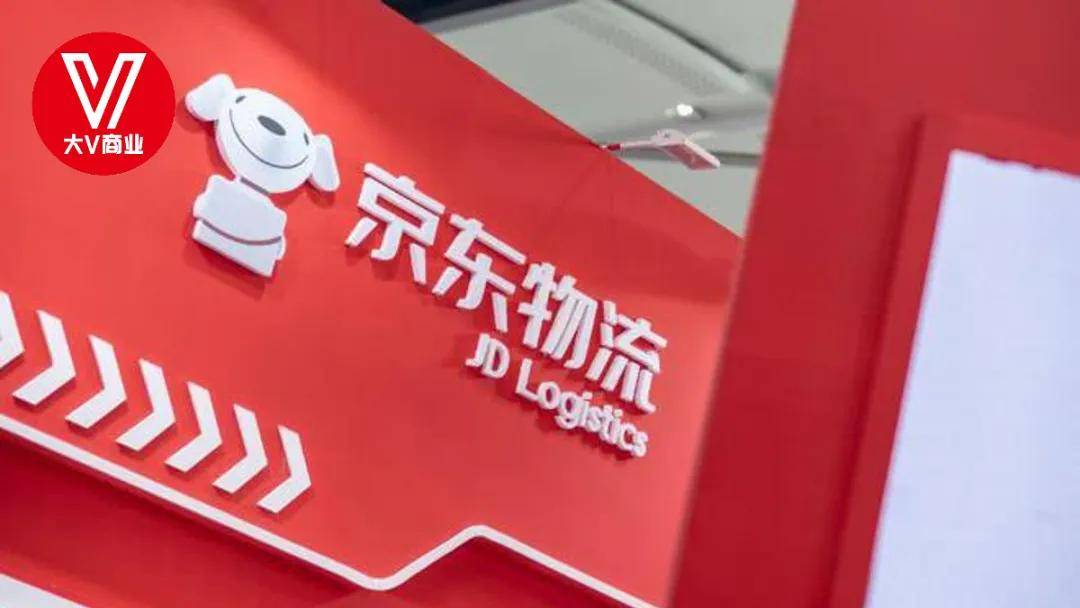
京东物流前CEO五年后重返,王振辉为何“二进宫”?
Sou Hu Cai Jing· 2025-11-18 14:37
Core Viewpoint - The return of Wang Zhenhui as CEO of JD Logistics raises questions about the company's strategic direction, particularly in light of its international expansion efforts and the challenges faced in various business segments [2][3][4]. Group 1: Leadership Changes - Wang Zhenhui has been appointed as the new CEO of JD Logistics, succeeding Hu Wei, who has resigned from the position [3][4]. - Wang Zhenhui previously left JD Logistics just before its IPO in December 2020, which was a significant event for the company [7][9]. - His return is seen as a strategic move by Liu Qiangdong, indicating a shift back to experienced leadership during a critical time for the company [4][6]. Group 2: Strategic Focus - JD Logistics is expected to prioritize overseas logistics development, particularly in Europe, as part of its international strategy [3][20]. - The company has recently launched a new express delivery brand, JoyExpress, in the Middle East, marking a shift from warehousing to comprehensive logistics services [3][20]. - Liu Qiangdong has emphasized that JD's international business will focus on local infrastructure and operations rather than a cross-border e-commerce model [20][21]. Group 3: Financial Performance - JD Logistics has shown significant revenue growth, increasing from 73.4 billion RMB in 2020 to 182.8 billion RMB in 2024, although the growth rate has slowed from 42.68% in 2021 to 9.73% in 2024 [25][26]. - The company has transitioned from losses to profitability, achieving a net profit of 7.1 billion RMB in 2024 [25][26]. - Revenue sources are diversified, with contributions from JD Retail, third-party merchants, and other clients, indicating a shift towards a more integrated logistics platform [33][40]. Group 4: Competitive Landscape - JD Logistics faces stiff competition from other logistics providers like SF Express and Cainiao, which have adopted different business models and achieved substantial revenue growth [42][44]. - Despite JD Logistics' profitability, its market valuation remains lower compared to competitors, suggesting potential challenges in investor perception and market positioning [44][46].