中国国航

Search documents
南通机场2025冬春航季新增多条旅游航线 加密公商务航班
Zhong Guo Min Hang Wang· 2025-10-25 02:38
针对公商务出行需求,机场协调多家航空公司对骨干航线时刻与班次进行精准优化。国航的南通—北京 大兴航班时刻由21:00优化为15:55起飞;深圳航空的南通—北京首都航线由每周4班加密至每日1班,起 飞时刻优化为18:45,以进一步契合公商务旅客的出行节奏。 《中国民航报》、中国民航网 记者胡夕姮 通讯员田昀泽 报道:10月26日起,南通机场将正式执行冬春 航季航班计划。新航季,机场联合10余家航空公司新增多条热门航线,优化现有网络布局,累计通航点 达到37个,运营航线34条,每日两班及以上通航城市17座,为旅客构建更加便捷高效的空中通道。 本次换季,机场重点新增南通—宜昌—西双版纳、南通—衡阳—西双版纳等旅游航线,同步恢复南通— 郑州航线,并对南通—西安—拉萨、南通—重庆、南通—珠海等航线进行加密。其中,南通—西安—拉 萨航线实现全面升级,有效提升旅客出行体验。 南通机场表示,后续将继续以旅客需求为核心,持续拓展航线网络,优化航班时刻,提升服务品质,通 过打造更密集、更便捷的"空中走廊",为区域营商环境的优化贡献民航力量。(编辑:李佳洹 校对: 李季威 审核:程凌) ...
中国国际航空股份有限公司 关于高级管理人员辞任的公告
Zhong Guo Zheng Quan Bao - Zhong Zheng Wang· 2025-10-24 21:07
登录新浪财经APP 搜索【信披】查看更多考评等级 中国北京,二〇二五年十月二十三日 证券代码:601111 证券简称:中国国航 公告编号:2025-047 中国国际航空股份有限公司关于召开2025年第三季度业绩说明会的公告 证券代码:601111 股票简称:中国国航 公告编号:2025-048 中国国际航空股份有限公司 关于高级管理人员辞任的公告 本公司董事会及全体董事保证本公告内容不存在任何虚假记载、误导性陈述或者重大遗漏,并对其内容 的真实性、准确性和完整性承担法律责任。 中国国际航空股份有限公司(以下简称"公司")董事会于近日收到公司总工程师肖鹏先生递交的辞呈。 肖鹏先生因年龄原因,向公司董事会辞去总工程师职务。该辞任即日起生效。 肖鹏先生确认与公司董事会和公司无不同意见,亦不存在公司股东需要知悉有关其辞任的其他事宜。董 事会对肖鹏先生任职期间对公司做出的贡献表示诚挚的感谢。 特此公告。 中国国际航空股份有限公司董事会 本公司董事会及全体董事保证本公告内容不存在任何虚假记载、误导性陈述或者重大遗漏,并对其内容 的真实性、准确性和完整性承担法律责任。 重要内容提示: ( 会议召开时间:2025年10月31 ...

民航冬春航季将启动 航空公司开辟新航线
Shang Hai Zheng Quan Bao· 2025-10-24 19:14
Group 1 - The new winter-spring flight schedule for 2025/2026 will be implemented from October 26, 2025, to March 28, 2026, with 210 domestic and international airlines planning to operate 119,500 flights weekly, a 1.3% increase from the previous year [1] - Major airlines like China Eastern Airlines, Juneyao Airlines, and Huaxia Airlines are optimizing their route networks by adding new routes, resuming operations, and increasing flight frequencies to enhance travel options for passengers [1] - China Eastern Airlines will operate 49 "Air Express" routes with an average of 899 flights per day, covering major cities such as Shanghai, Beijing, and Guangzhou, significantly facilitating business travel [2] Group 2 - A total of 39 airlines have launched 586 new domestic routes, with 5,198 weekly flights, primarily connecting secondary and tertiary cities with major hubs [2] - China Eastern Airlines has fully integrated 11 domestically produced C919 aircraft into the new flight season, serving 12 routes across 10 cities [2] - Huaxia Airlines plans to operate 194 routes covering 138 destinations, adding popular tourist routes to meet leisure travel demand [3] Group 3 - The demand for winter tourism is rising, prompting airlines to open or increase flights to snow tourism destinations [4] - China Eastern Airlines has launched new routes from Hangzhou to Urumqi and other popular winter destinations, while Spring Airlines is adding routes to Dali and Altay [4] - Airlines are focusing on optimizing low-cost operations and enhancing service quality to improve passenger experience during the winter-spring season [4] Group 4 - The civil aviation market is recovering rapidly, with international passenger traffic steadily increasing, leading to the expansion of overseas routes by several airlines [6] - Air China plans to operate 452 routes, including 114 international routes, with a 16% increase in capacity compared to last winter-spring season [6] - China Eastern Airlines is expanding its international reach with 88 international destinations and 3,220 weekly international flights, a year-on-year increase of 11.65% [6] Group 5 - China Eastern Airlines will launch the world's longest single-route flight from Shanghai to Buenos Aires, covering 20,000 kilometers, starting December 4 [6] - The airline is also resuming routes to Paris and Delhi, reflecting the ongoing recovery of international routes [7]

冬春航季,这些北京航线将上新
Bei Jing Ri Bao Ke Hu Duan· 2025-10-24 12:01
Group 1 - Eastern Airlines has optimized its flight network and capacity in the Beijing area for the upcoming 2025 winter-spring season, with an average of 33 daily flights on the Beijing-Shanghai route using Airbus A330, Boeing 777, and C919 aircraft [1][3] - The airline has increased its domestic flights from Daxing International Airport to over 100 daily, enhancing service quality and operational efficiency on popular routes to cities like Hangzhou, Wuhan, and Xishuangbanna [3] - Starting from October 26, Eastern Airlines will operate 820 aircraft, covering 253 domestic and international destinations, with an average of 3,130 daily flights, a 0.4% increase compared to the previous winter-spring season [3] Group 2 - China United Airlines will operate an average of 236 flights daily with 106 planned routes, including new and restored routes from Daxing Airport to various cities [4] - Air China plans to expand its route network, adding new domestic routes and increasing flight frequencies on over 40 routes, with a projected 15% increase in domestic flight numbers compared to the previous winter-spring season [4] - Air China will also enhance its international routes, with a 17% increase in flight numbers and the introduction of new routes such as Hangzhou to Hanoi [4]

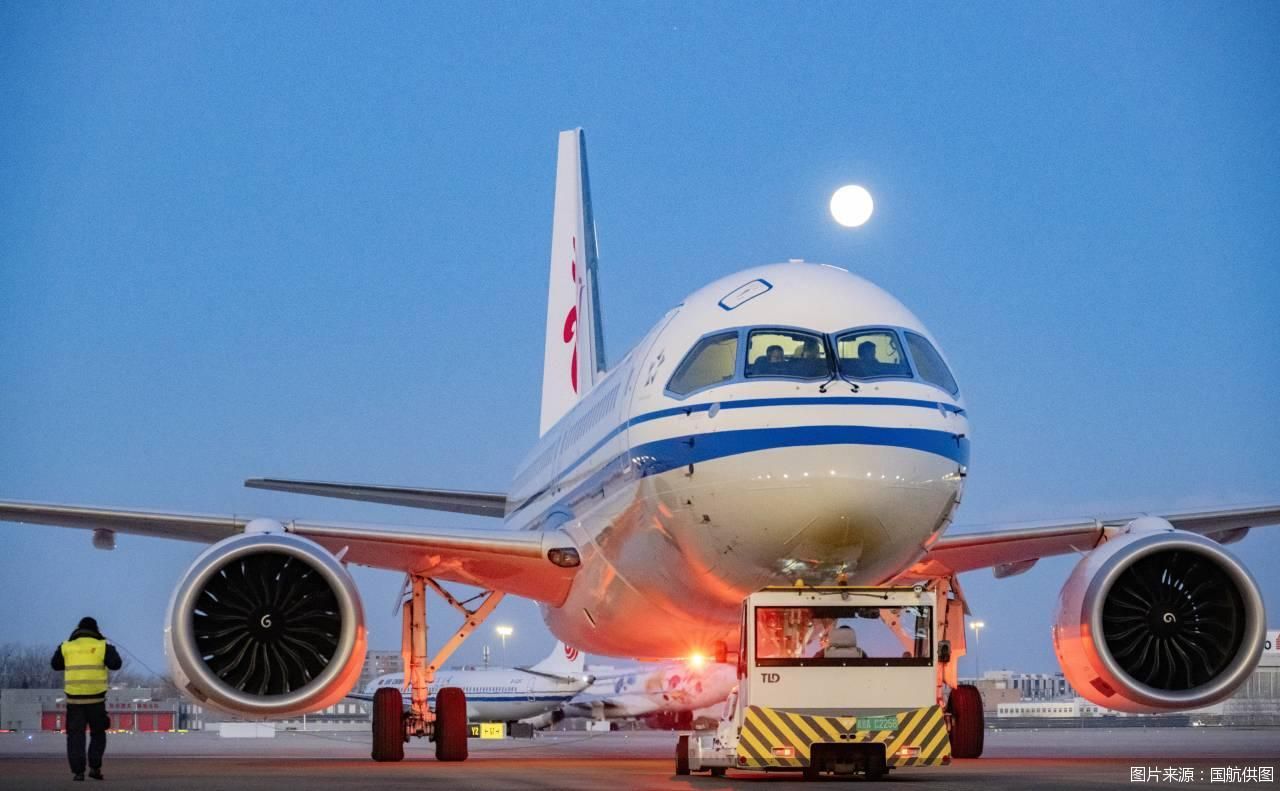
国航冬航季计划执行452条航线,C919增加广州、西安等新航点
Bei Jing Shang Bao· 2025-10-24 09:27
Core Viewpoint - Air China will implement its winter flight schedule for 2025/26 starting from October 26, significantly increasing its flight operations and expanding its route network [1] Group 1: Flight Operations - Air China plans to operate 452 routes, including 114 international routes, 13 regional routes, and 325 domestic routes, covering 46 countries and regions, and 195 cities [1] - The airline will execute an average of 1,725 flights per day, with capacity increasing by approximately 8% compared to January-September 2025, and by about 16% compared to the winter season of 2024/25 [1] Group 2: Domestic Routes - New domestic routes include Beijing to Panzhihua, Beijing to Xishuangbanna, Hangzhou to Zhuhai, and Urumqi to Kashgar, with an increase in frequency for over 40 routes including Beijing to Huizhou, Zhanjiang, Altay, and Changsha [1] - The number of domestic flight frequencies is expected to grow by approximately 15% year-on-year [1] Group 3: International and Regional Routes - Air China plans to increase the frequency of 17 international and regional routes, including Beijing to Seoul, Irkutsk, Vladivostok, and Ho Chi Minh City, and will introduce a new route from Hangzhou to Hanoi [1] - The frequency of international and regional flights is projected to increase by about 17% [1] Group 4: Aircraft Deployment - The C919 aircraft model will be introduced to new destinations including Guangzhou, Xi'an, and Changsha in the upcoming flight season [1]
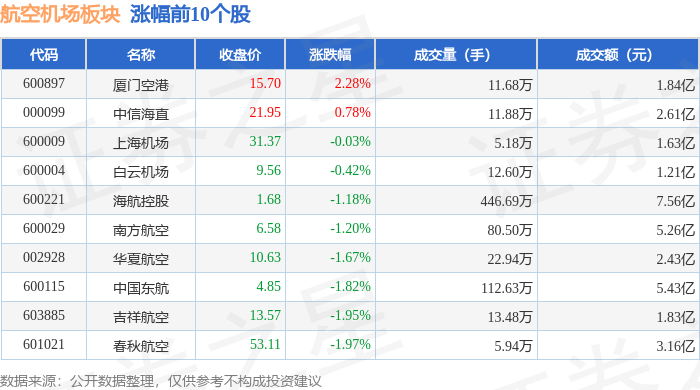
航空机场板块10月24日跌1.41%,中国国航领跌,主力资金净流出1.97亿元
Zheng Xing Xing Ye Ri Bao· 2025-10-24 08:27
Group 1 - The aviation and airport sector experienced a decline of 1.41% on October 24, with China National Aviation leading the drop [1] - The Shanghai Composite Index closed at 3950.31, up 0.71%, while the Shenzhen Component Index closed at 13289.18, up 2.02% [1] - Xiamen Airport saw a closing price of 15.70, with an increase of 2.28%, while China Eastern Airlines closed at 4.85, down 1.82% [1] Group 2 - The aviation and airport sector had a net outflow of 197 million yuan from institutional investors, while retail investors saw a net inflow of 100 million yuan [2] - Shenzhen Airport had a net inflow of 14.99 million yuan from institutional investors, while China National Aviation experienced a net outflow of 10.24 million yuan [2] - The overall capital flow showed that retail investors contributed positively to some stocks, despite the overall sector decline [2]


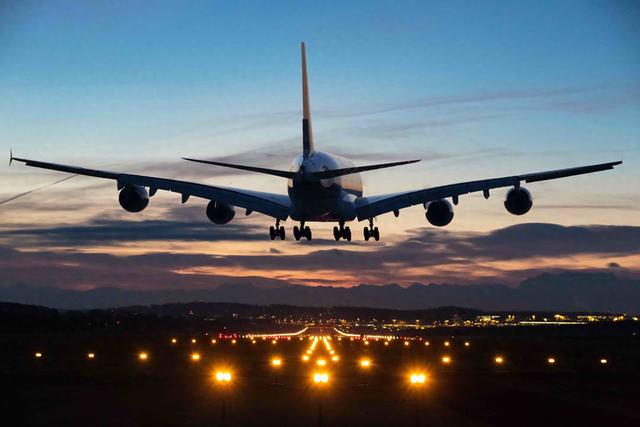
首都机场将执行冬航季航班计划,部分航班将变更航站楼
Xin Jing Bao· 2025-10-24 06:39
Core Points - The new winter flight schedule at Capital Airport will officially start on October 26, 2025, and will last until March 28, 2026, covering a total of 154 days [1] - There will be slight adjustments to the flight destinations at Capital Airport, with some domestic flights operated by Air China experiencing terminal changes [1] - Passengers are advised to confirm flight information in advance through the airline or official channels of Capital Airport [1]

10月26日起,首都机场正式执行冬航季航班计划
Zhong Guo Qing Nian Bao· 2025-10-24 06:37
Group 1 - The new winter flight schedule at Beijing Capital International Airport will be in effect from October 26, 2023, to March 28, 2026, lasting a total of 154 days [2] - The airport plans to operate an average of 1,243 flights daily, with domestic flights (including Hong Kong, Macau, and Taiwan) averaging 1,023 flights and international flights expected to reach an average of 166 flights per day [2] - A total of 212 destinations will be served, with 207 being passenger destinations [2] Group 2 - Adjustments have been made to the terminal assignments for certain domestic flights operated by Air China, with 12 destinations moving from Terminal 2 to Terminal 3 and 9 destinations moving from Terminal 3 to Terminal 2 [2] - The airport will continuously optimize flight schedules based on market demand and operational capacity, and will assess peak period support capabilities in advance [3] - Collaborative efforts will be made to ensure safe and smooth flight operations and passenger services during adverse winter weather conditions [3]

新型航空燃料热浪来袭!碳减排最多达九成
Zheng Quan Shi Bao Wang· 2025-10-24 03:40
Core Insights - The global aviation industry is entering the "SAF era," driven by policy changes and increasing demand for sustainable aviation fuel (SAF) [1][2][5] - The SAF market is expected to grow significantly, with a projected supply-demand gap exceeding 26 million tons from 2030 to 2035, leading to a market size in the thousands of billions of yuan [1][2] - SAF can reduce carbon dioxide emissions by 69% to 90% compared to traditional fuels, making it a viable path for the aviation industry's decarbonization efforts [2][5] Industry Developments - The European Union has mandated that by 2030, 6% of fuel used in flights from its airports must be SAF, with a target of 70% by 2050 [2][3] - China's SAF consumption is projected to exceed 20,000 tons this year, with various initiatives and policies being implemented to support the industry [3][6] - Major Chinese airlines are beginning to incorporate SAF into their operations, with commitments to increase SAF usage significantly by 2030 [3][6] Market Dynamics - The price of SAF has surged, with recent figures exceeding $2,700 per ton, driven by regulatory requirements and rising raw material costs [4][10] - The competition for SAF production capacity is intensifying, with numerous companies launching projects to meet the growing demand [6][7] - The current collection of waste cooking oil in China is limited to about 5 million tons annually, which is insufficient to meet future SAF demand [8][9] Challenges and Opportunities - The high cost of SAF production remains a significant barrier to widespread adoption, with estimates suggesting that SAF could be 4.2 times more expensive than conventional jet fuel [9][10] - Companies are exploring diverse raw materials for SAF production to enhance supply and reduce costs, including non-food biomass and green hydrogen [8][9] - The industry is witnessing a shift in production locations, with potential growth in regions rich in agricultural waste and renewable resources [9]

暗中较劲的中美航权
Hu Xiu· 2025-10-24 01:51
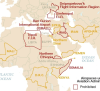
美国交通部则在其拟议的命令中表示:"(中国航班使用俄罗斯领空)已成为一个重要的竞争因素,对美国航空公司造成严重不 利影响,需尽可能消除美国和中国航空公司之间的竞争差距。" 早在2023年5月,俄罗斯领空问题就成为中美复航谈判的焦点,美方同意中国航空公司增加两国间航班数量,但前提是新航班不 得飞越俄罗斯。 2024年,中美达成协议,双方航空公司原则上共可运营每周100班定期客运航班,中方50班,美方50班。 截至目前,中方的六家航司早已把每周50个航班飞满,而美国航司尚未用满额度,采取了一种"软对抗"的方式。 飞过美国的朋友一般都清楚,北京、上海到美国西海岸城市(西雅图、旧金山、洛杉矶)的航线通常是走北太平洋,即日本→ 阿留申群岛,不太受俄罗斯关闭领空限制。 但飞美国东海岸城市(纽约、华盛顿、波士顿)则是向北经西伯利亚、北极和加拿大,这样的航线最短、最经济。 近日,美媒报道称特朗普政府拟提议禁止中国航空公司在往返美国的航班上飞越俄罗斯领空,认为这种做法使美国航空公司处 于不利地位。 众所周知,自2022年3月以来西方与俄罗斯便互关了领空,而中国航班仍可以使用俄罗斯领空,于是欧美航空公司就感到心理不 平衡,认为中 ...